Liquid water or humidity?
The first question is whether you see water or only feel dampness. Puddles, wet streaks and standing water point to liquid water. A musty smell, clammy air and condensation on pipes point to humidity.
The two have different fixes, so sorting them out saves money.
Write down when water appears. Rain, snowmelt and plumbing leaks show different patterns.
Where liquid water comes from
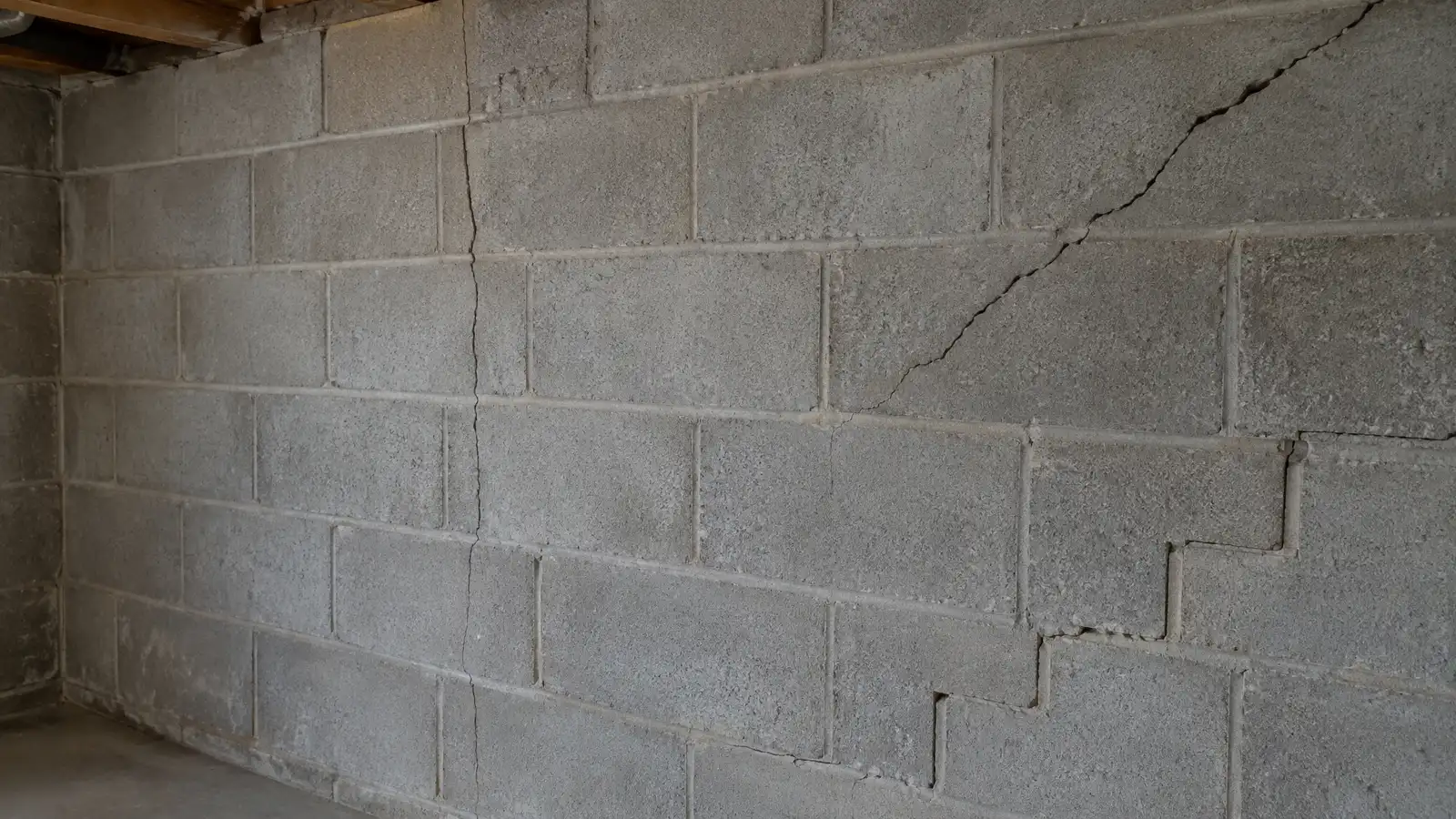
Rain that runs toward the house, gutters that overflow, soil that stays saturated and high groundwater all push water toward walls and floors. Cracks, wall-floor joints, window wells and pipe openings give it a way in.
Watch where water appears and when, and take photos.
Try a simple test: tape a square of plastic to a wall for a couple of days. Moisture under the plastic means water is coming through the wall, and moisture on top means humidity.
Where humidity comes from
Humid summer air, uncovered soil in a crawl space, dryer vents that exhaust inside and leaks from plumbing all add moisture to the air. Cool surfaces make it condense.
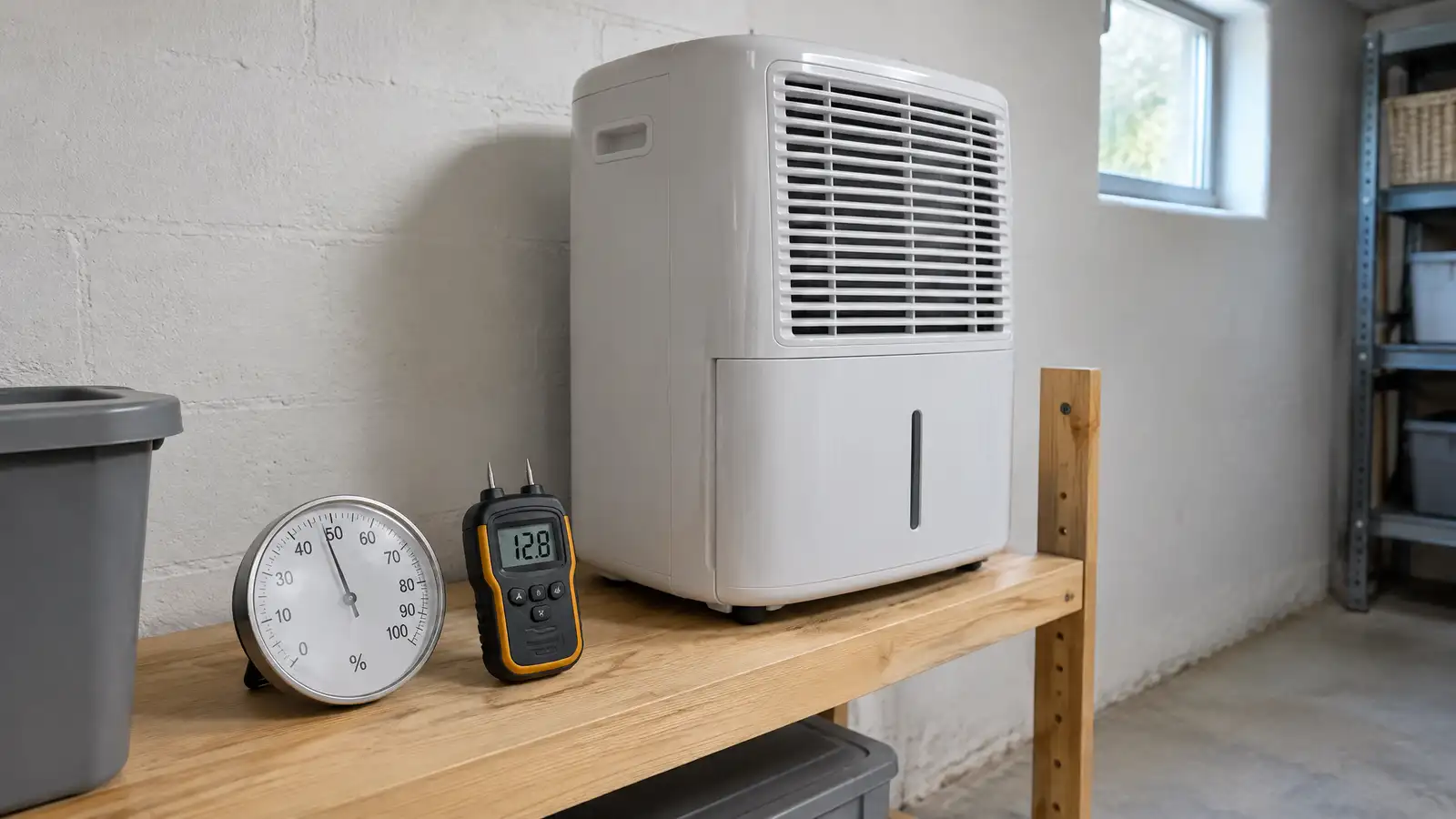
A hygrometer shows what the air is doing.
A hygrometer is inexpensive and shows humidity over time. Place one in the basement or crawl space.
Match the fix
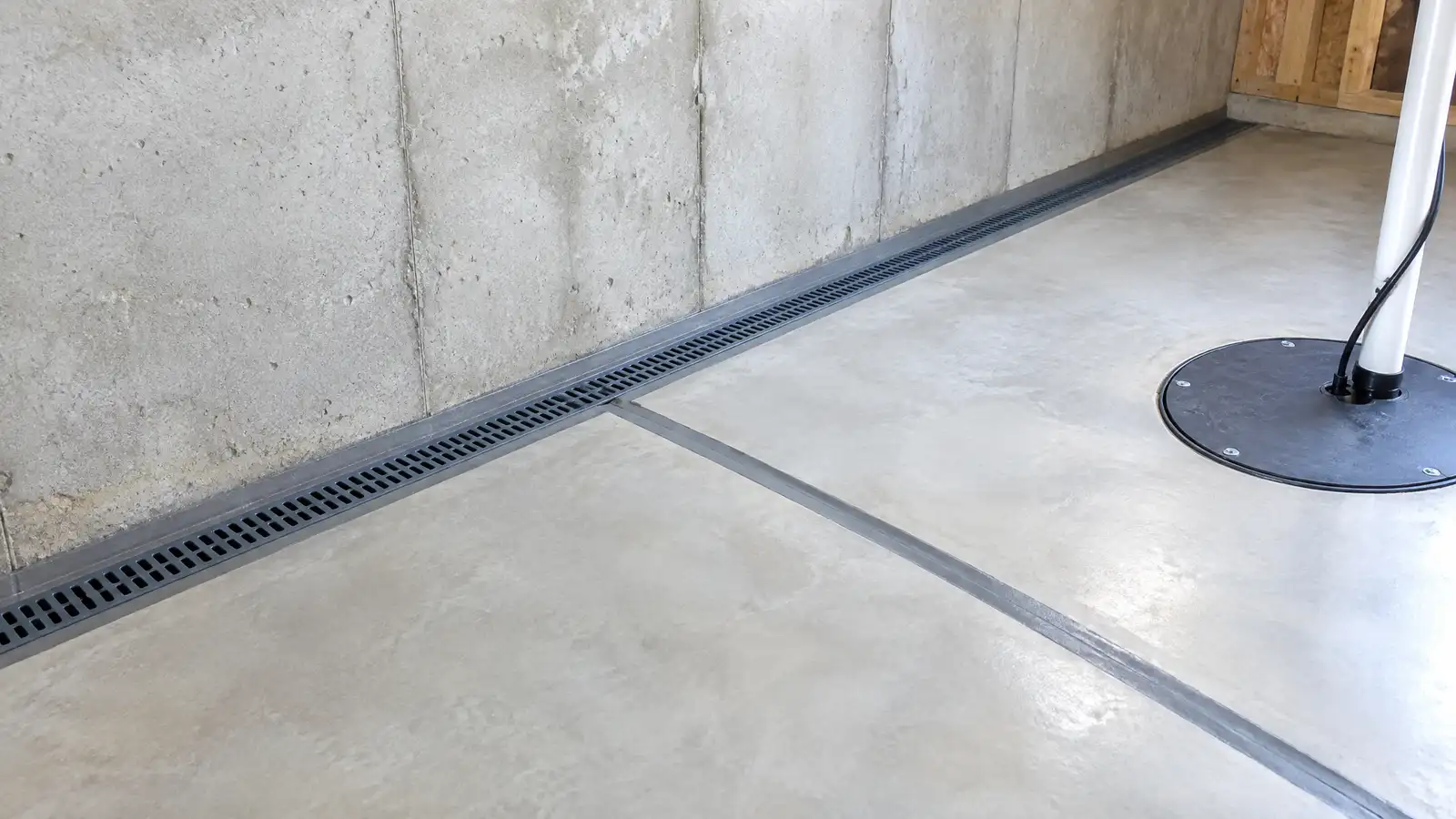
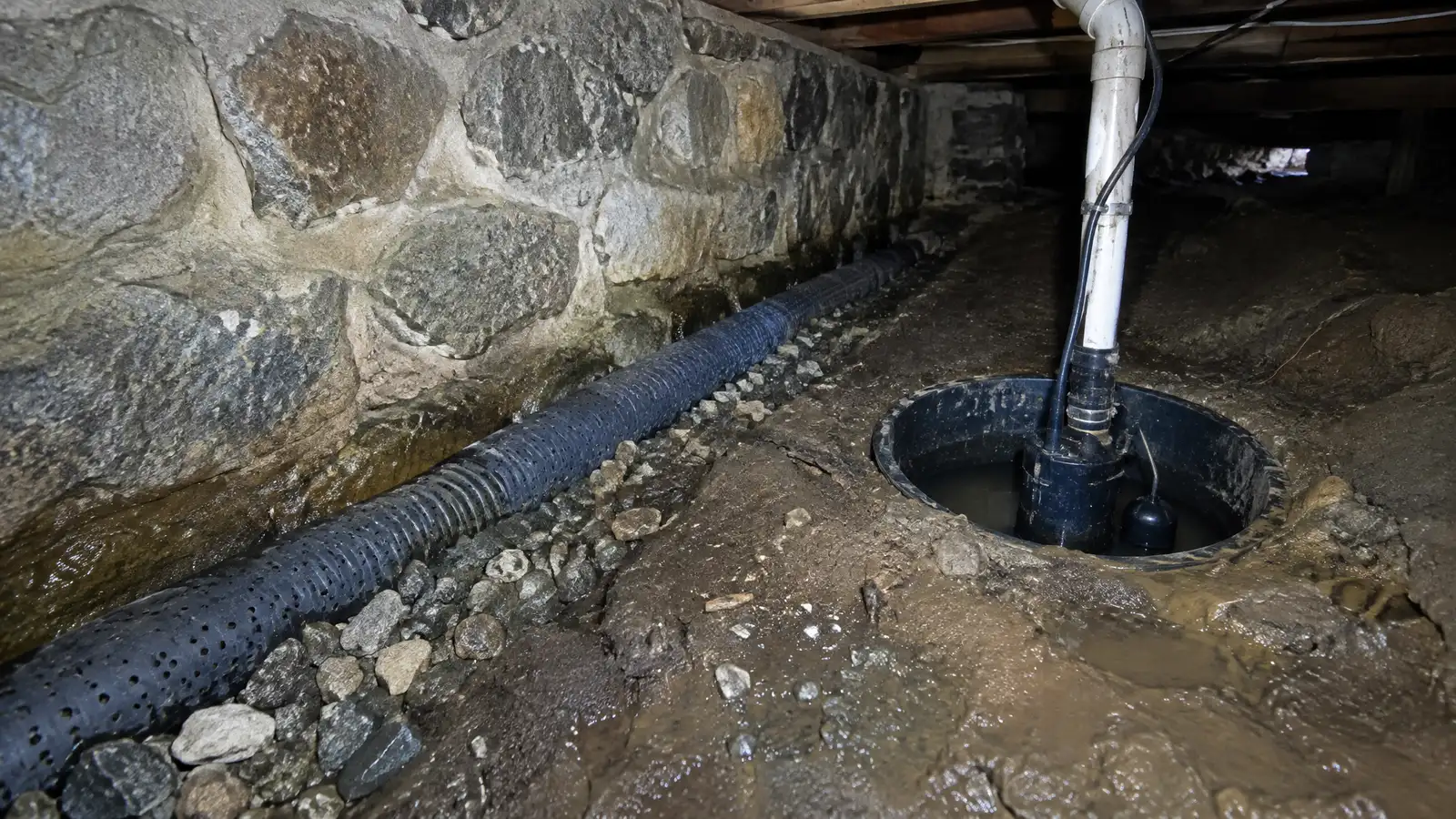
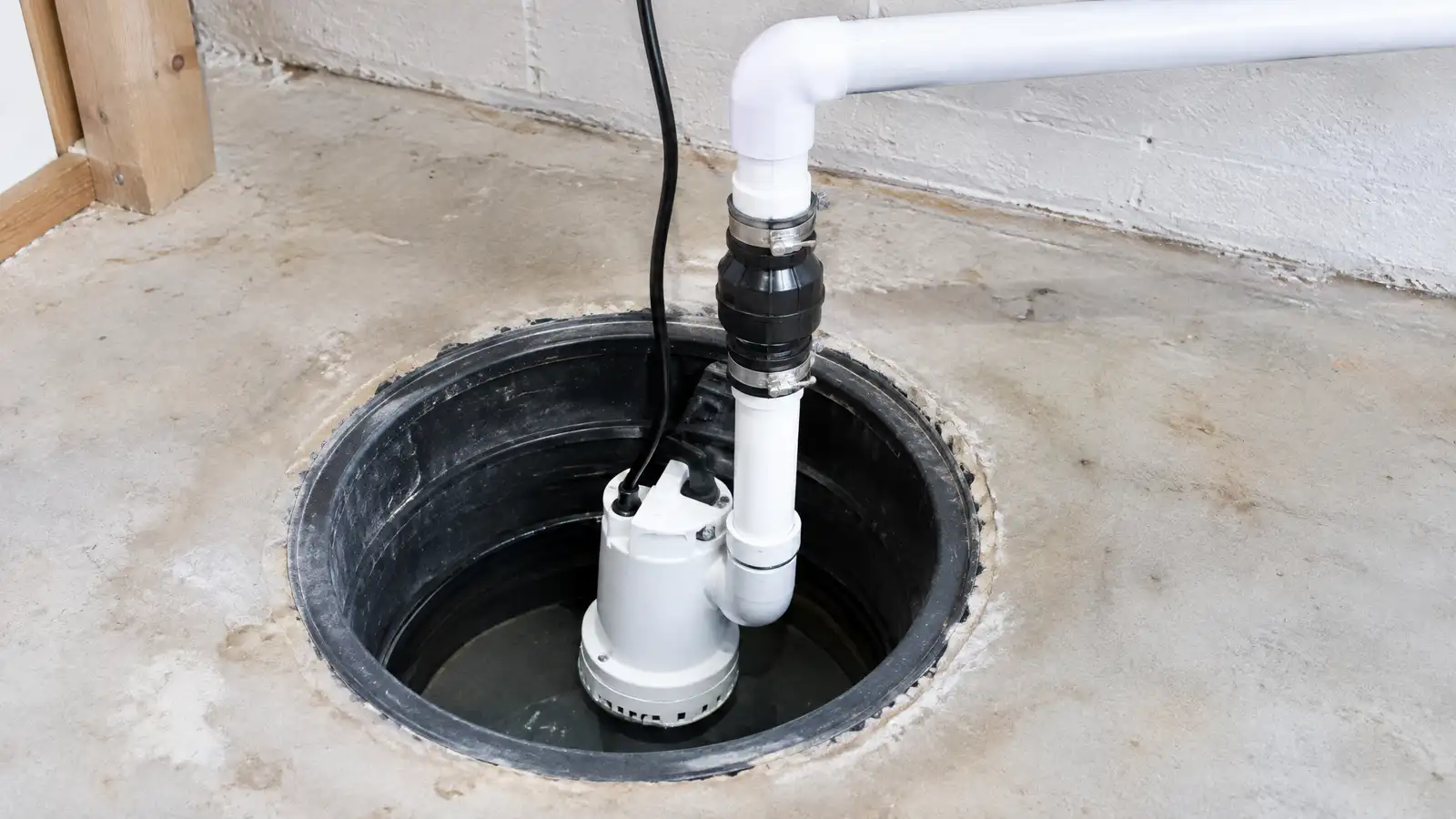
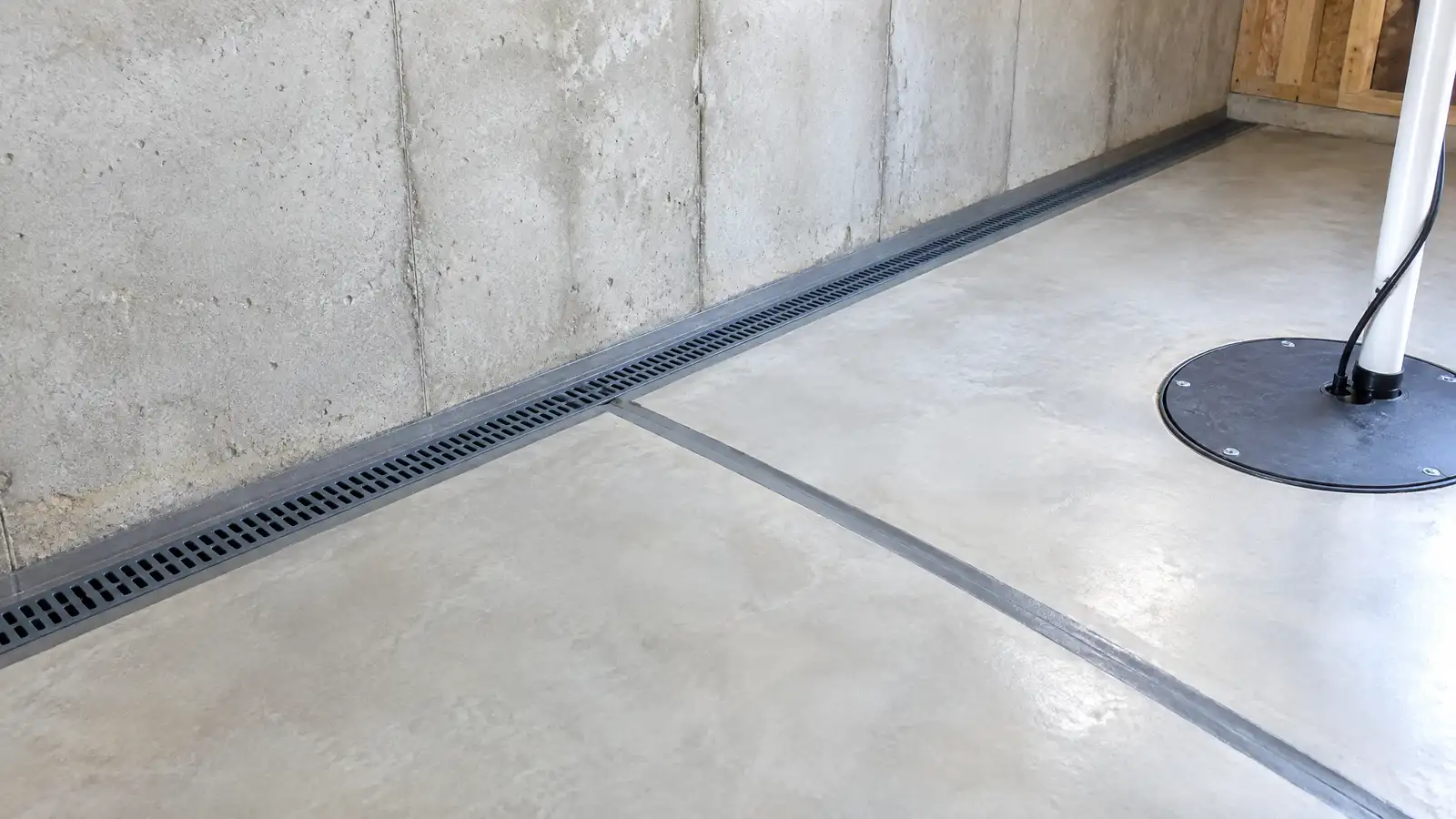
Gutters and grading handle surface water. Drains and a sump pump handle groundwater. Crack injection and wall sealing stop leaks at the source. Vapor barriers, encapsulation and dehumidifiers manage soil moisture and humidity.
Most homes need a combination, in the right order.
Ask for the order of repairs. Fixing the roof water and grading first can reduce what the interior needs to handle.
Do the simple things first
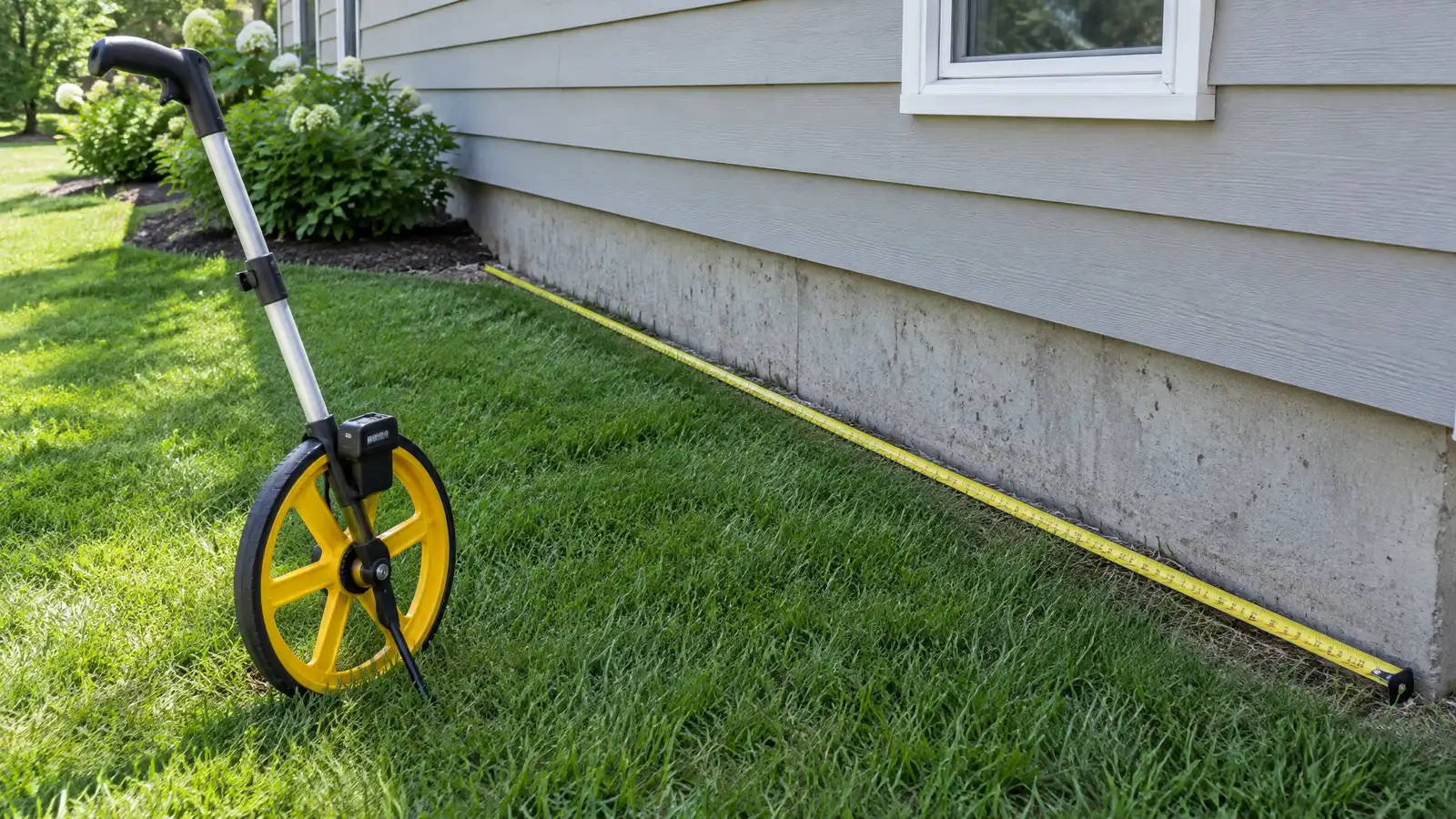
Clean gutters, extend downspouts, check the grade and fix obvious leaks. They are the easiest wins and often reduce the scope of any bigger work.
Then ask a specialist to look at what remains.
Check the gutters after the next rain and watch where the downspouts discharge.
Watch for mold and rot
Wet wood, insulation and drywall can grow mold or rot. Dry materials quickly and fix the moisture source. For existing mold, look to appropriate cleanup resources.
Controlling moisture is the lasting answer.
Wear gloves and a mask when you handle moldy items and ventilate the area. A professional can advise on larger cleanups.
Find the source of the water before you choose the fix, and handle the roof and the ground before the basement.