Serving Nashville and Middle TennesseeFree Estimate
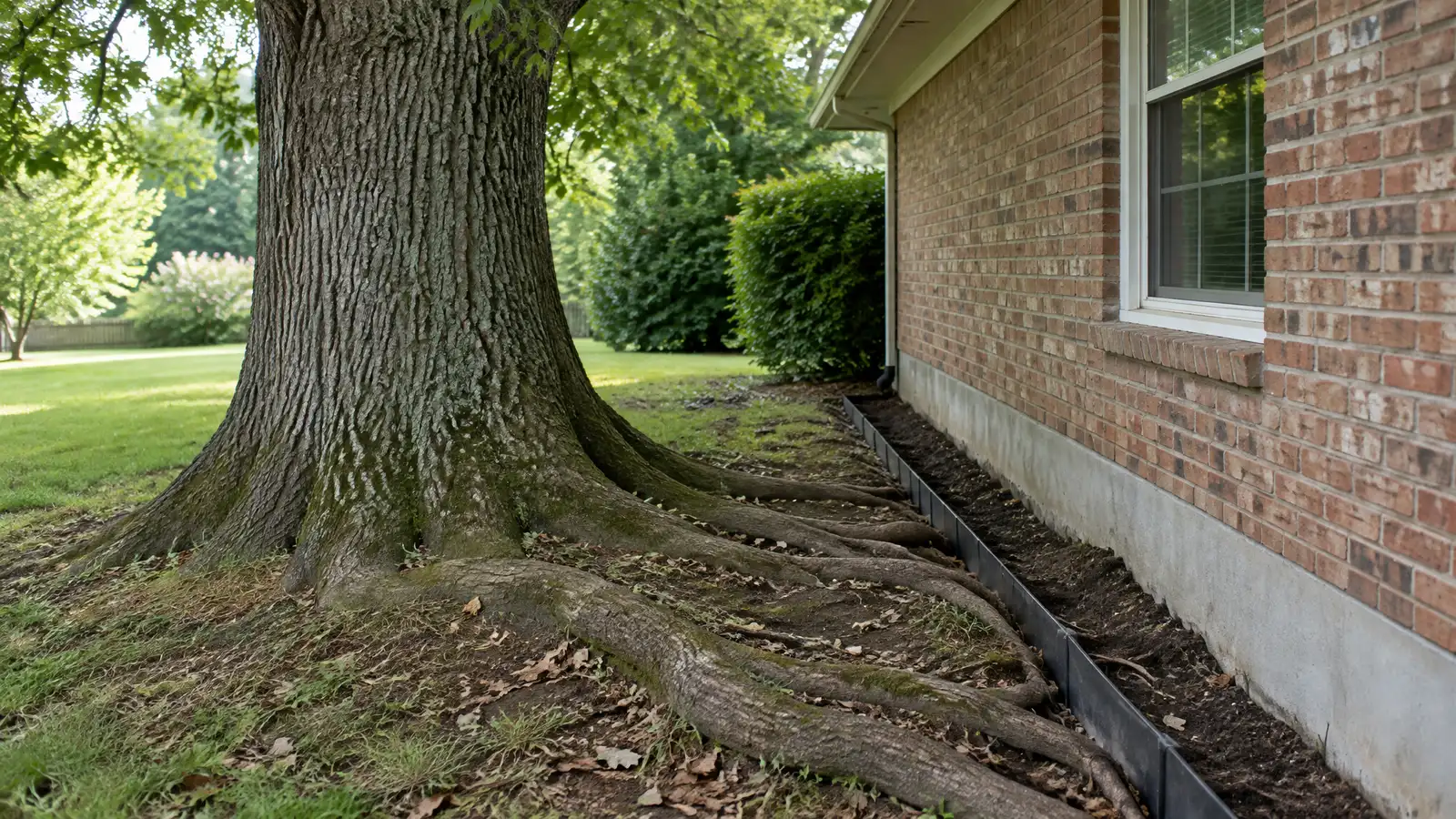
Managing trees and roots near a foundation so they do not dry out clay, lift slabs or push against walls.
Trees are a joy, and trees near a house can also be a problem. Roots pull water from clay soil, which shrinks and lets footings settle. Roots can lift slabs, crack walks and squeeze into drain lines. Nashville neighborhoods with mature oaks and maples often face the question of how to keep both trees and foundations healthy.
Your specialist maps trees and roots against the foundation and checks soil moisture, cracks and floor readings for signs of drying or lift. Options include root barriers, selective root pruning by qualified arborists, watering plans for consistent moisture, drainage changes and, where necessary, removing a tree. The plan balances the value of the tree with the safety of the structure.
A large tree can pull a lot of water from clay in a dry summer, causing the soil to shrink and a nearby footing to settle.
Growing roots can lift slabs, walks and drive aprons, and can invade old pipes.
Root barriers, targeted watering and thoughtful pruning can protect a foundation without losing a tree.
Sometimes the best answer is removing a tree, and the decision rests on the evidence and your goals.
Drag the handle to compare.
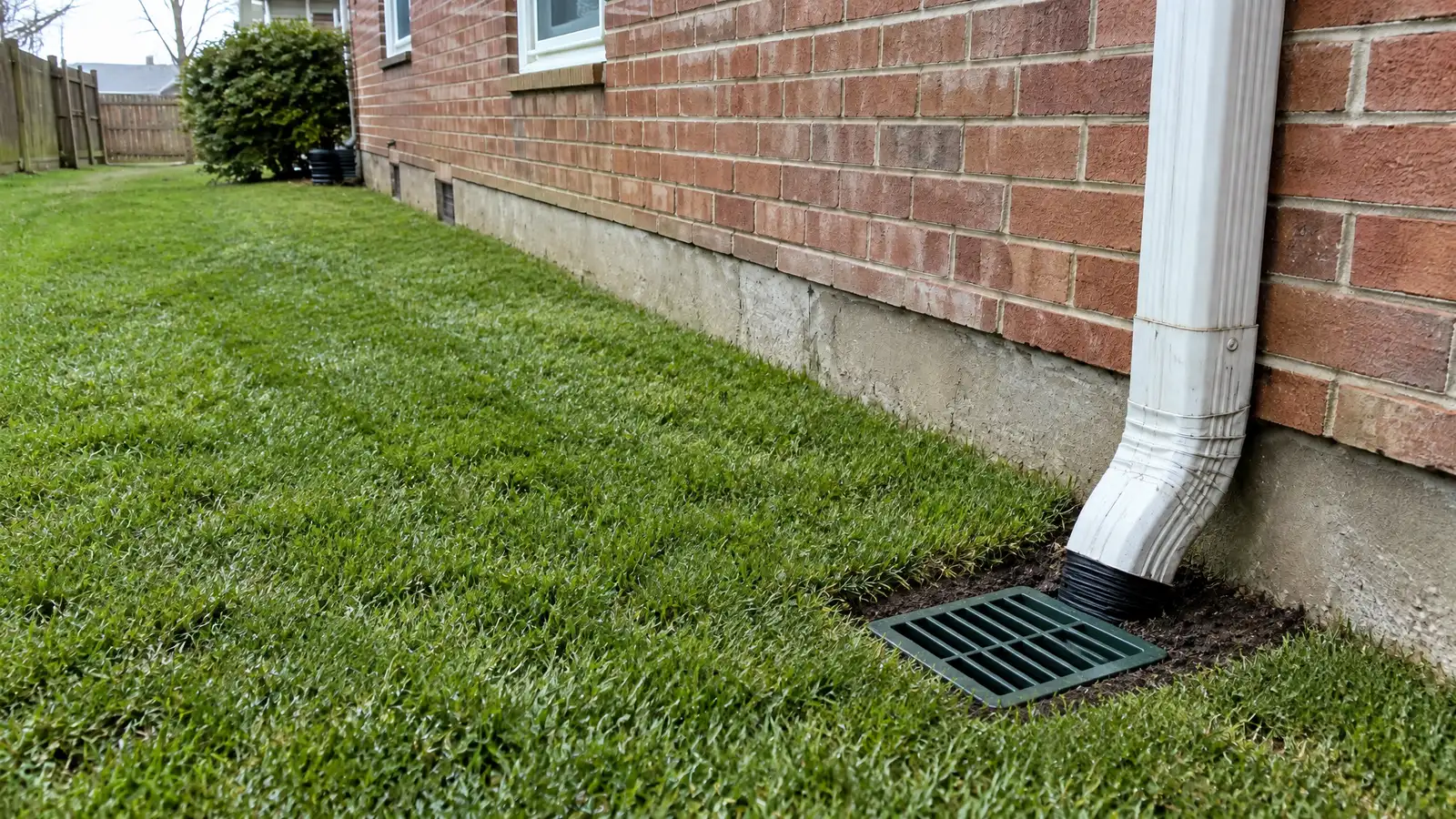
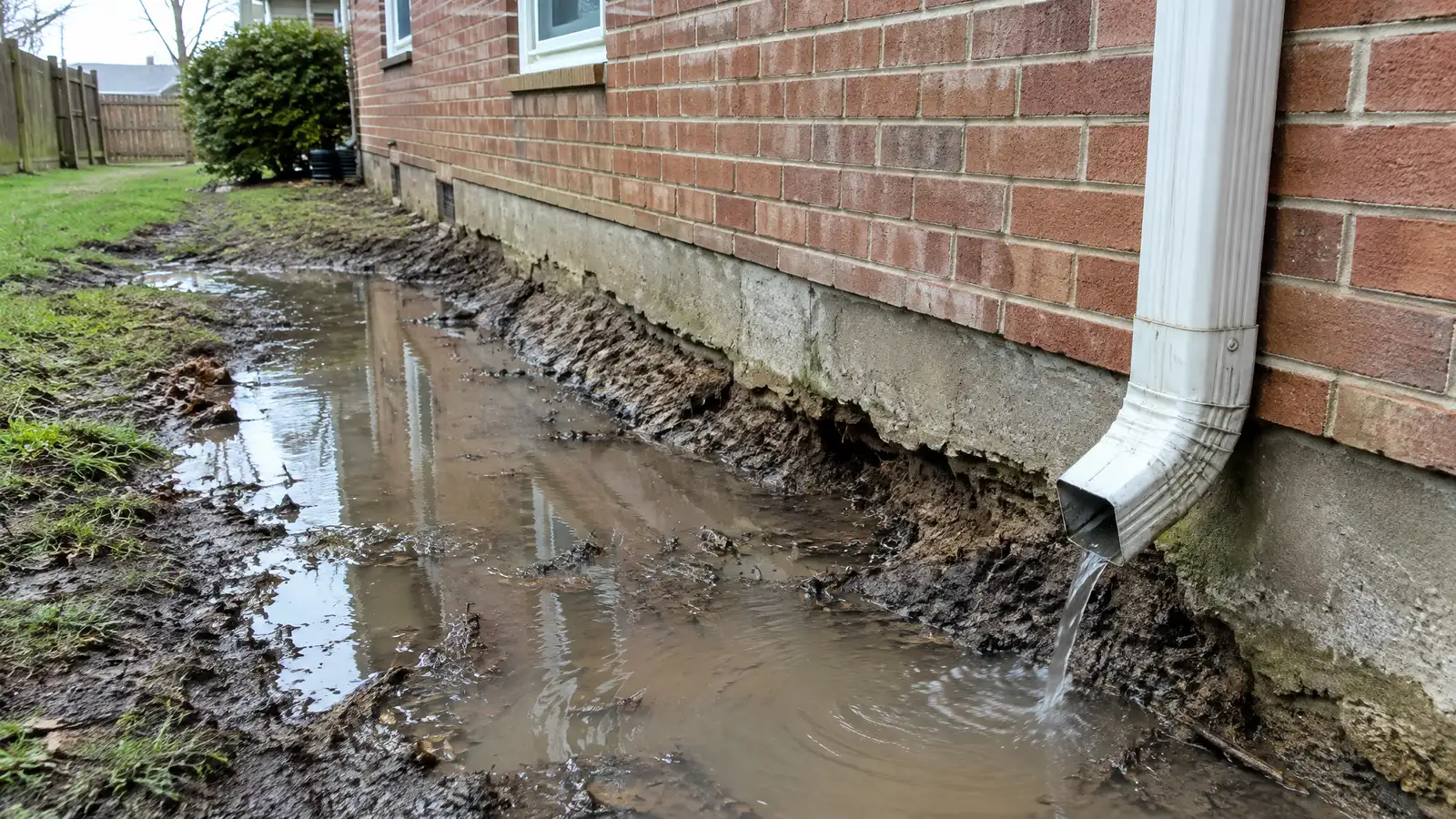 BeforeAfter
Distances and species noted.
Moisture and movement checked.
Barrier, watering, pruning or removal.
Qualified help brought in.
Barriers or drainage set.
Readings repeated.
Every topic has its own page with what to expect and how we approach it.
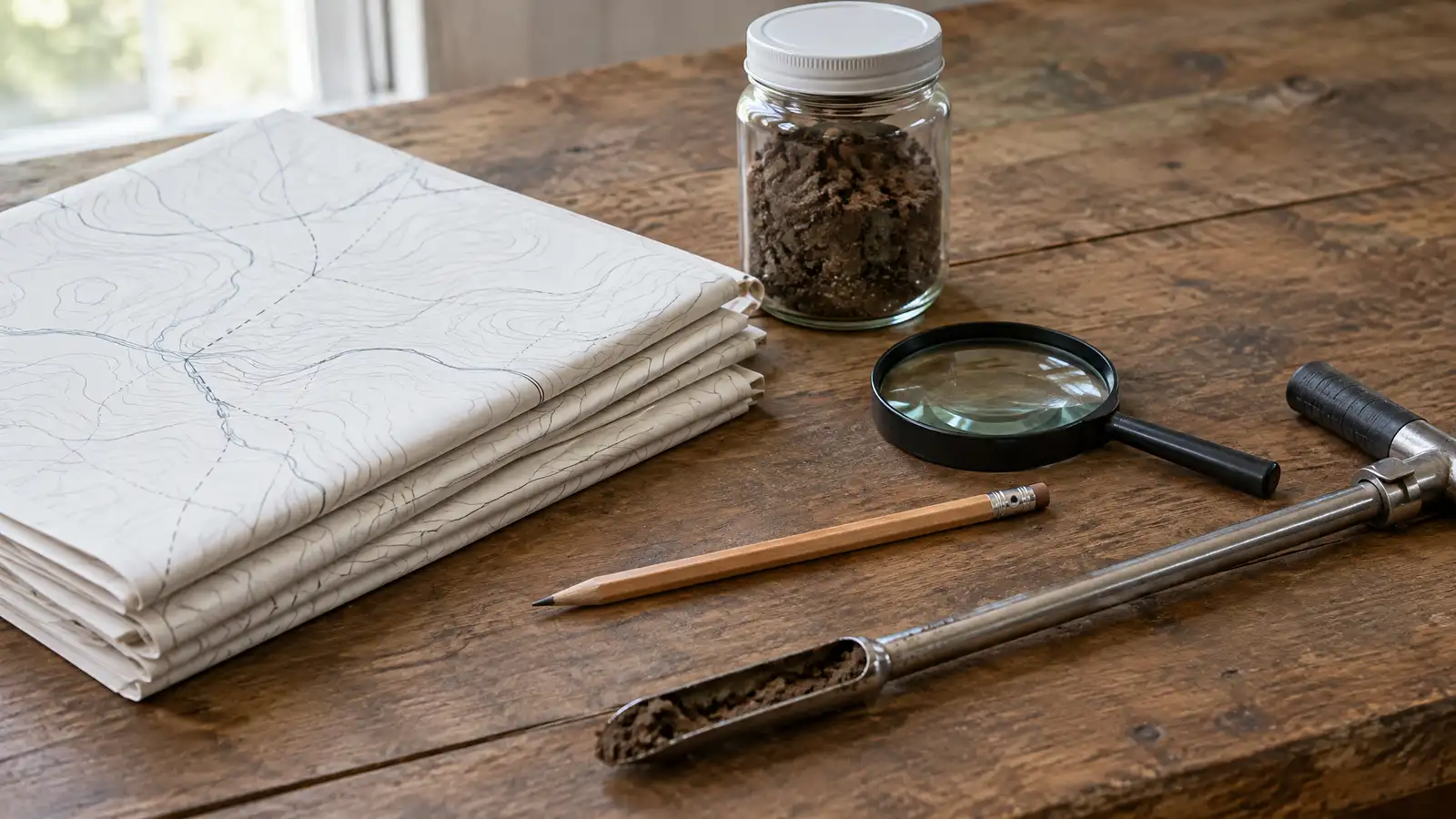 ResourceUSGSPlain-language information from the US Geological Survey on what sinkholes are, how karst forms and what triggers collapses.Learn more ResourceTennessee GeologyThe state geology program that publishes geologic maps, karst information and resources on the rocks and soils of…Learn more
 Comparison guideRetaining Wall TypesHow segmental block, poured concrete, natural stone and timber walls differ in strength, drainage needs, look and repair.Learn more
Answer five questions about your property, what you see and your timing to see which foundation services to start with.
You tell us what you see and where the property is. One call sets up a visit that fits your day.
A specialist walks the inside and outside, checks cracks, floors, moisture and drainage and takes measurements and photos.
You receive a plain written scope with the cause, the method, the location of each repair and the schedule before anything begins.
Utility marking is requested where digging is needed, access is protected and materials and any engineering are lined up.
Supports, drains, sealing or lifting are completed in a clear order, with photos and checks along the way.
The site is cleaned up, the work is explained on a walk-through and care and monitoring tips are shared.
They can, mostly by drying clay soil or lifting nearby slabs, and sometimes by pushing against walls.
There is no single distance. Tree size, species and soil all matter, so your specialist looks at the specific site.
Improper pruning can harm or destabilize a tree, so work should involve a qualified arborist.
Steady soil moisture around a foundation can reduce shrinking and swelling, and your specialist can suggest a plan.
Only after weighing evidence and alternatives. Sometimes protection works, and sometimes removal is the safest choice.
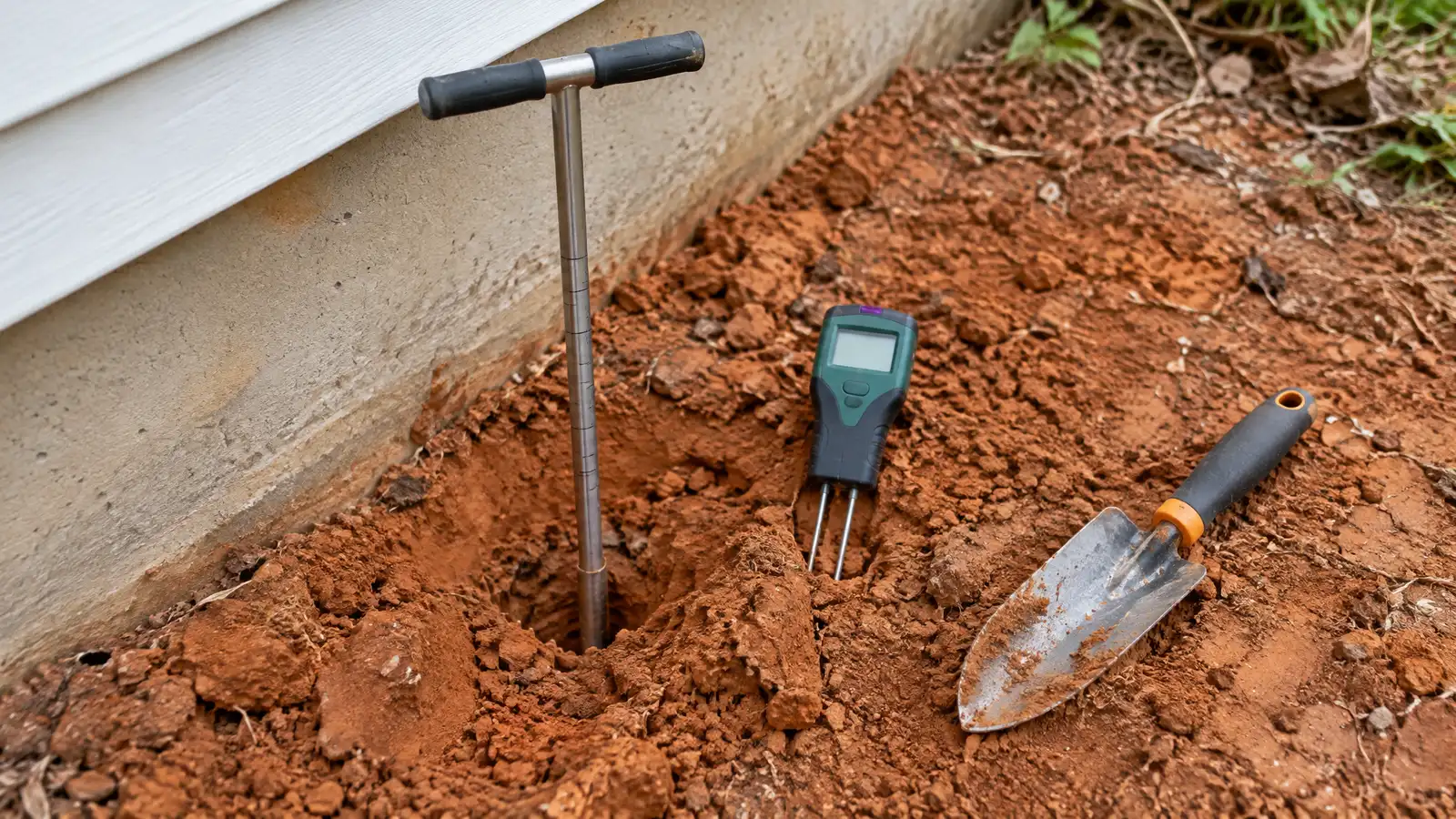 Soil and Moisture AssessmentsReadings and observations about the soil around your home and the moisture inside it, to find the real…Explore
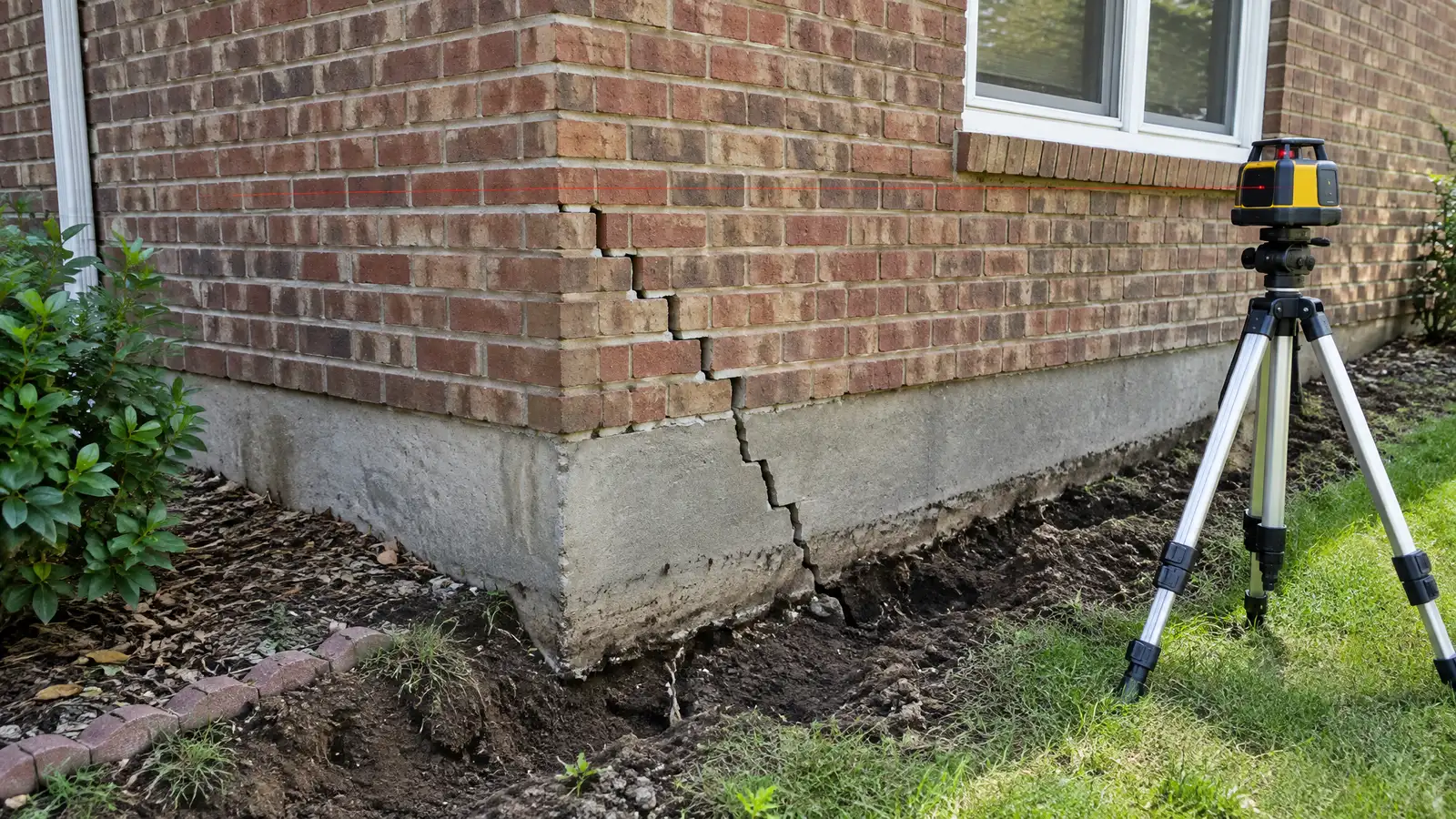 Settling and Sinking Foundation RepairRepairs for corners, walls and slabs that have dropped, using support, lifting and drainage to stop the movement…Explore
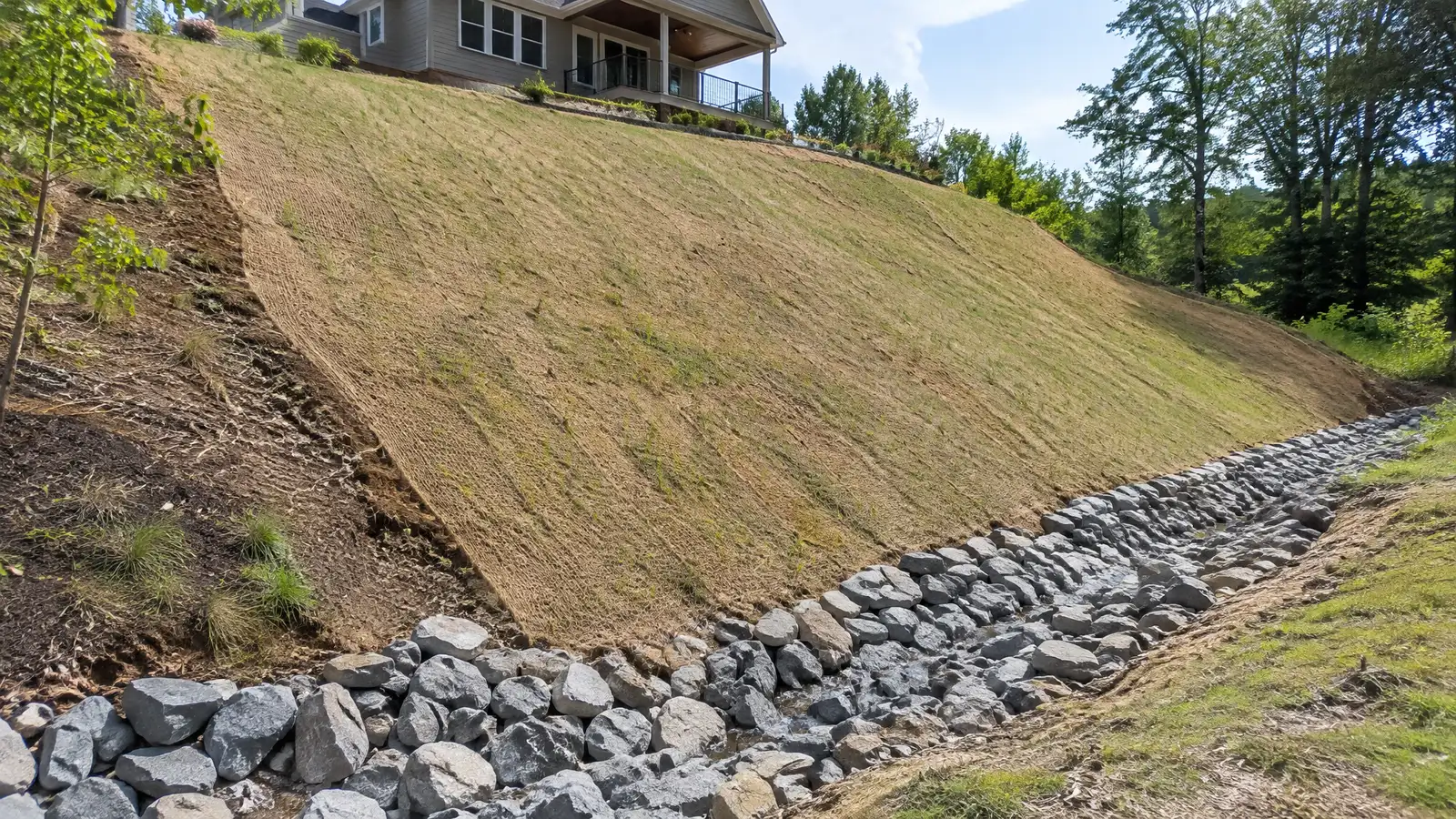 Erosion Control and Soil StabilizationProtecting slopes, banks and soil near a foundation from washing away, with grading, planting, stone and structural measures.Explore
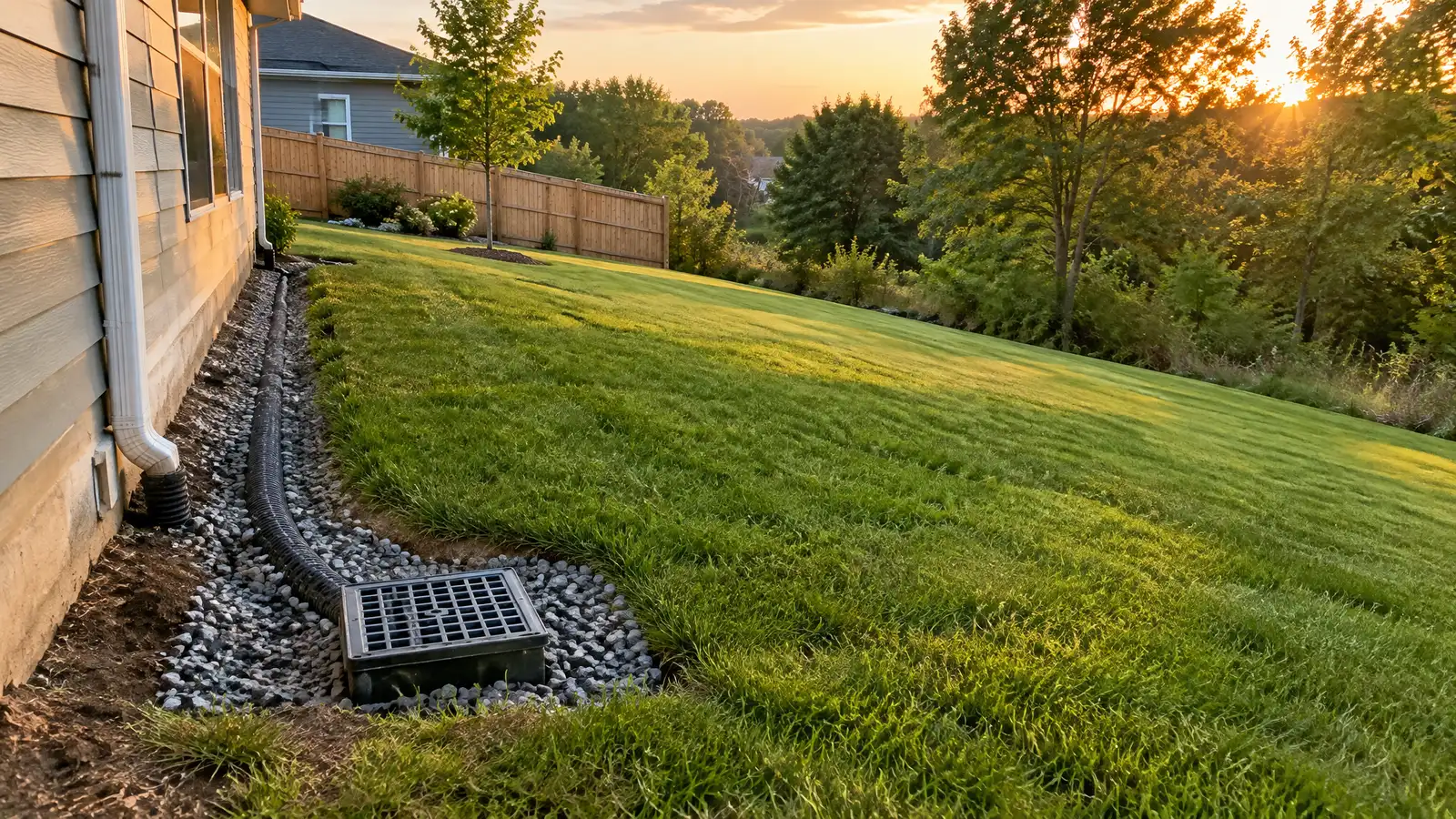 Yard Drainage SolutionsA plan to move rain and runoff away from your house and across your lot, using drains, grading…Explore
Tell us about your property and one specialist will call you back to set up a visit.
Or call (615) 431-3789 to talk now.