Serving Nashville and Middle TennesseeFree Estimate
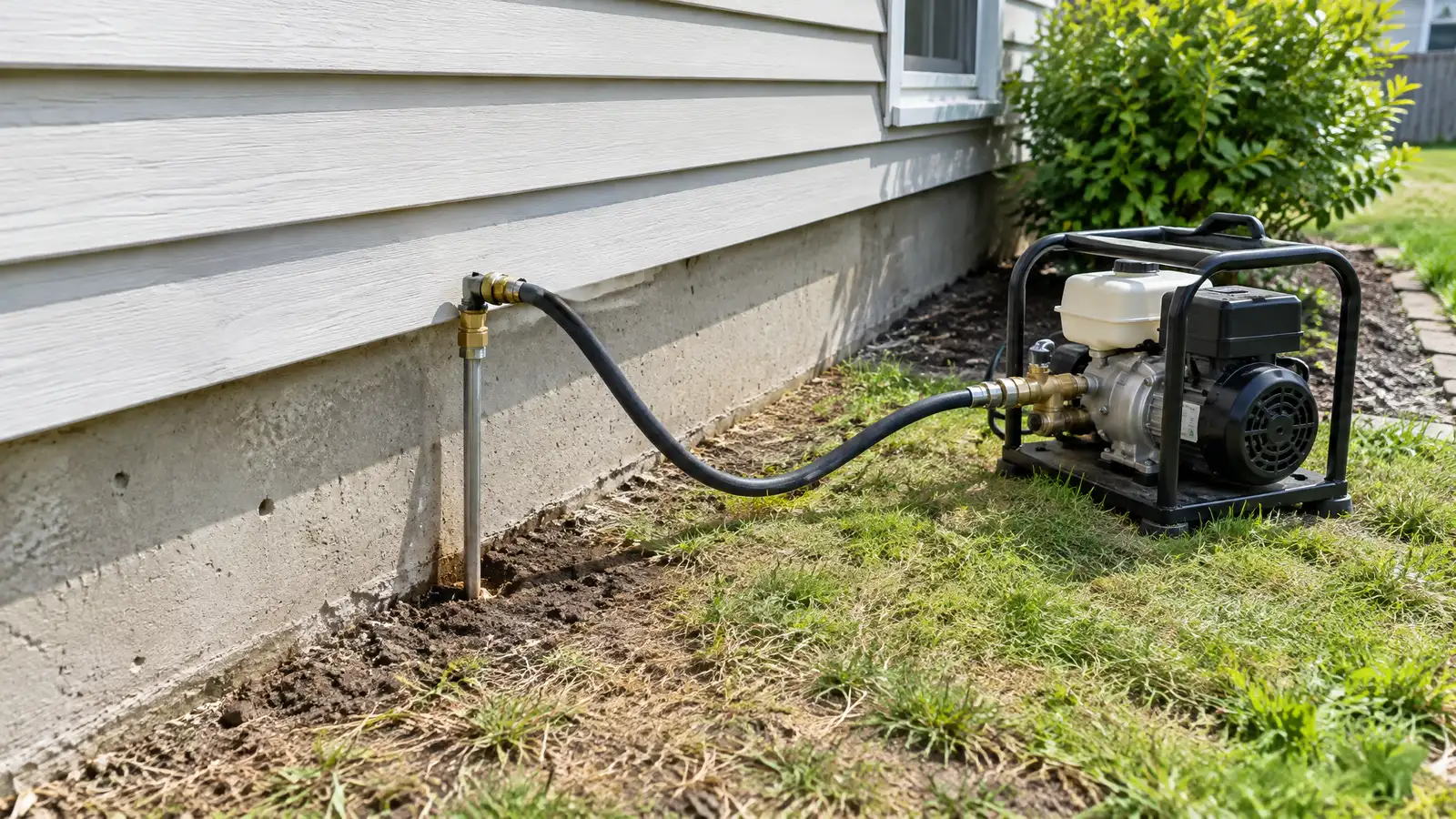
Injecting materials into weak or expansive soil to firm it up, fill voids and reduce movement under a foundation.
The soil under a foundation does a lot of quiet work, and when it gets soft, shrinks or swells, the structure above feels it. Injecting stabilizing materials can firm up weak soil, fill voids and control how much moisture changes. In Nashville, where clay expands and contracts with the seasons, soil stabilization is one of the tools used to quiet a moving foundation.
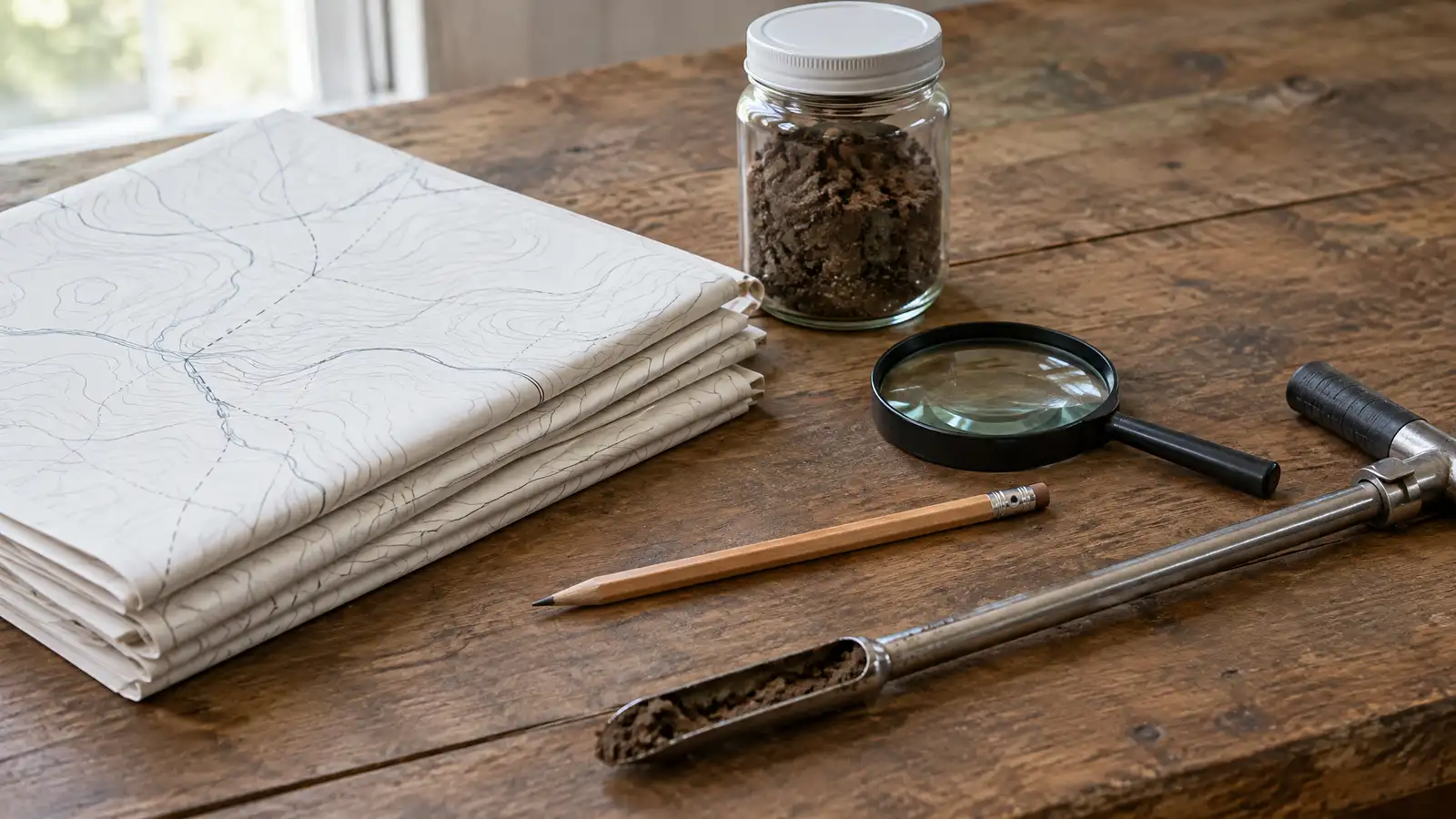
Your specialist studies soil conditions and the pattern of movement, then selects a stabilization method such as grout or resin injection, lime or other soil treatments or moisture barriers. Injection points are placed along the foundation or slab, material is pumped under controlled pressure while the structure is monitored and the work is checked against floor readings. Drainage and grading are tuned to keep soil moisture steadier afterward.
Weak fill, voids and expansive clay each call for a different approach, so the soil story drives the plan.
Material is pumped in small steps while elevation is watched, so lifting and filling are measured.
Keeping soil moisture steady reduces swelling and shrinking, which is a big part of clay movement.
Stabilization works best with drainage, grading and sometimes piers, each handling part of the problem.
Drag the handle to compare.
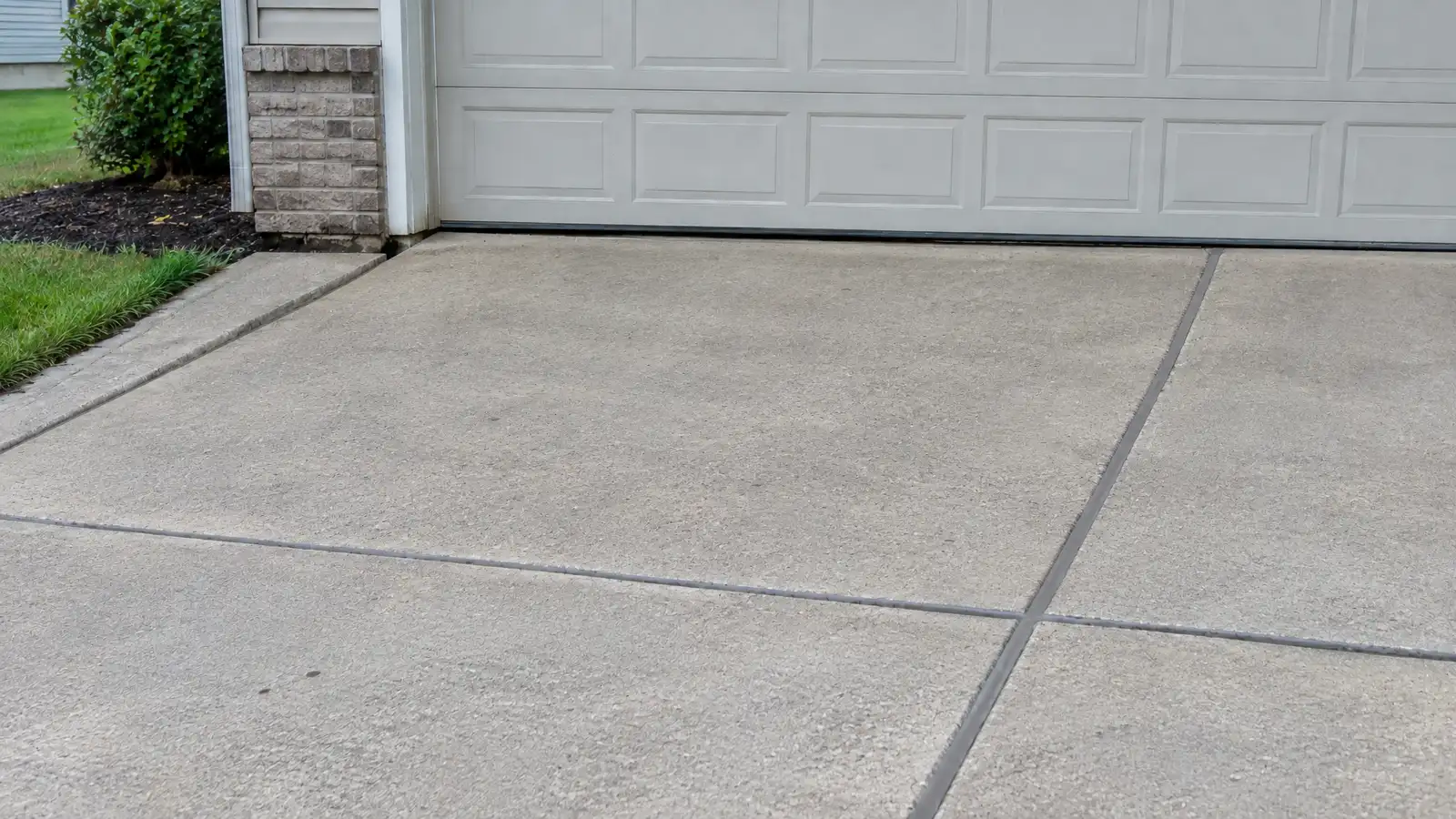
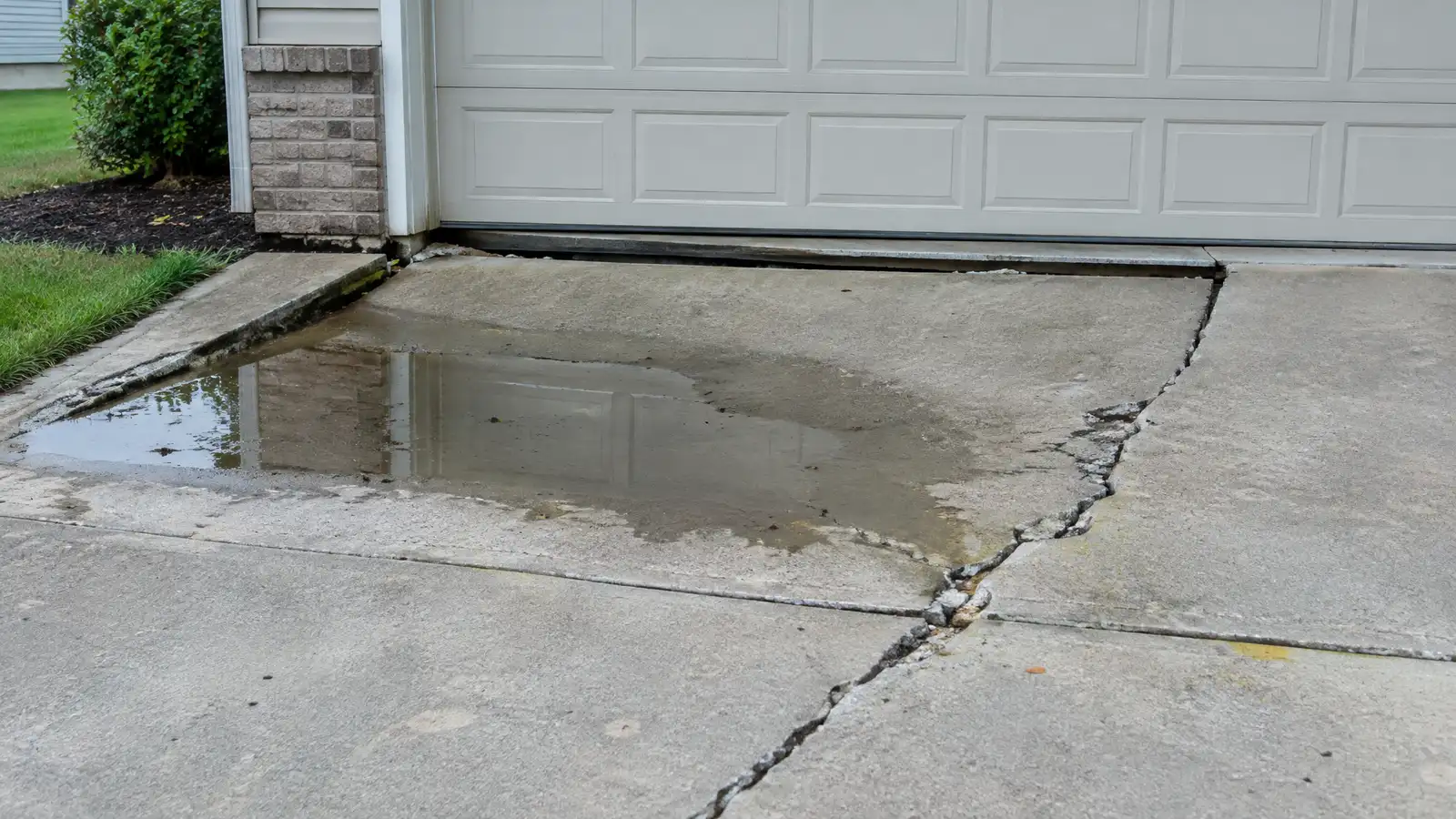 BeforeAfter
Conditions and movement reviewed.
Grout, resin, lime or barriers.
Along the area of concern.
Pressure and elevation watched.
Moisture steadied.
New readings compared.
Every topic has its own page with what to expect and how we approach it.
 ResourceNWS NashvilleThe National Weather Service office for Middle Tennessee, with forecasts, warnings, radar and rainfall information.Learn more ResourceFEMAThe federal portal where you can look up flood maps and flood zones for an address and read…Learn more ResourceUSGSPlain-language information from the US Geological Survey on what sinkholes are, how karst forms and what triggers collapses.Learn more
Enter your measurements to see piers, crack length, drain footage, crawl space liner area and slab area to plan for.
You tell us what you see and where the property is. One call sets up a visit that fits your day.
A specialist walks the inside and outside, checks cracks, floors, moisture and drainage and takes measurements and photos.
You receive a plain written scope with the cause, the method, the location of each repair and the schedule before anything begins.
Utility marking is requested where digging is needed, access is protected and materials and any engineering are lined up.
Supports, drains, sealing or lifting are completed in a clear order, with photos and checks along the way.
The site is cleaned up, the work is explained on a walk-through and care and monitoring tips are shared.
It is the process of strengthening soil so it supports a structure more evenly, using injected materials or other treatments.
Some methods help control moisture changes in clay, and your specialist explains what is likely to help.
Sometimes, for lighter structures and certain soils. Heavier needs often call for piers or other supports.
Some injection methods can lift as well as fill, and the plan explains what to expect.
Materials are chosen for foundation use, and your specialist can explain what is used on your site.
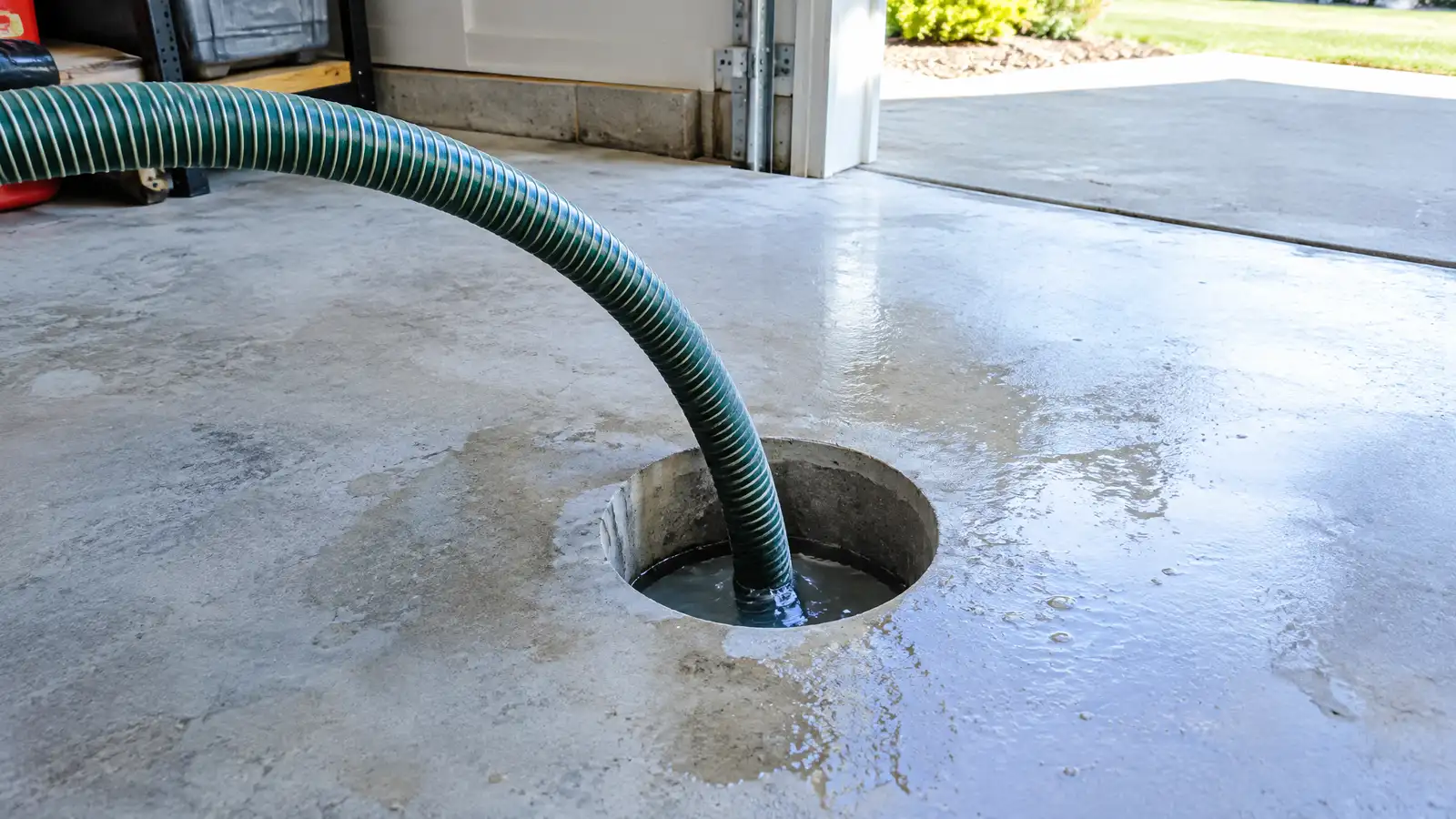 Void Filling Under SlabsFinding and filling hidden gaps beneath concrete floors, steps, garages and slabs to restore support.Explore
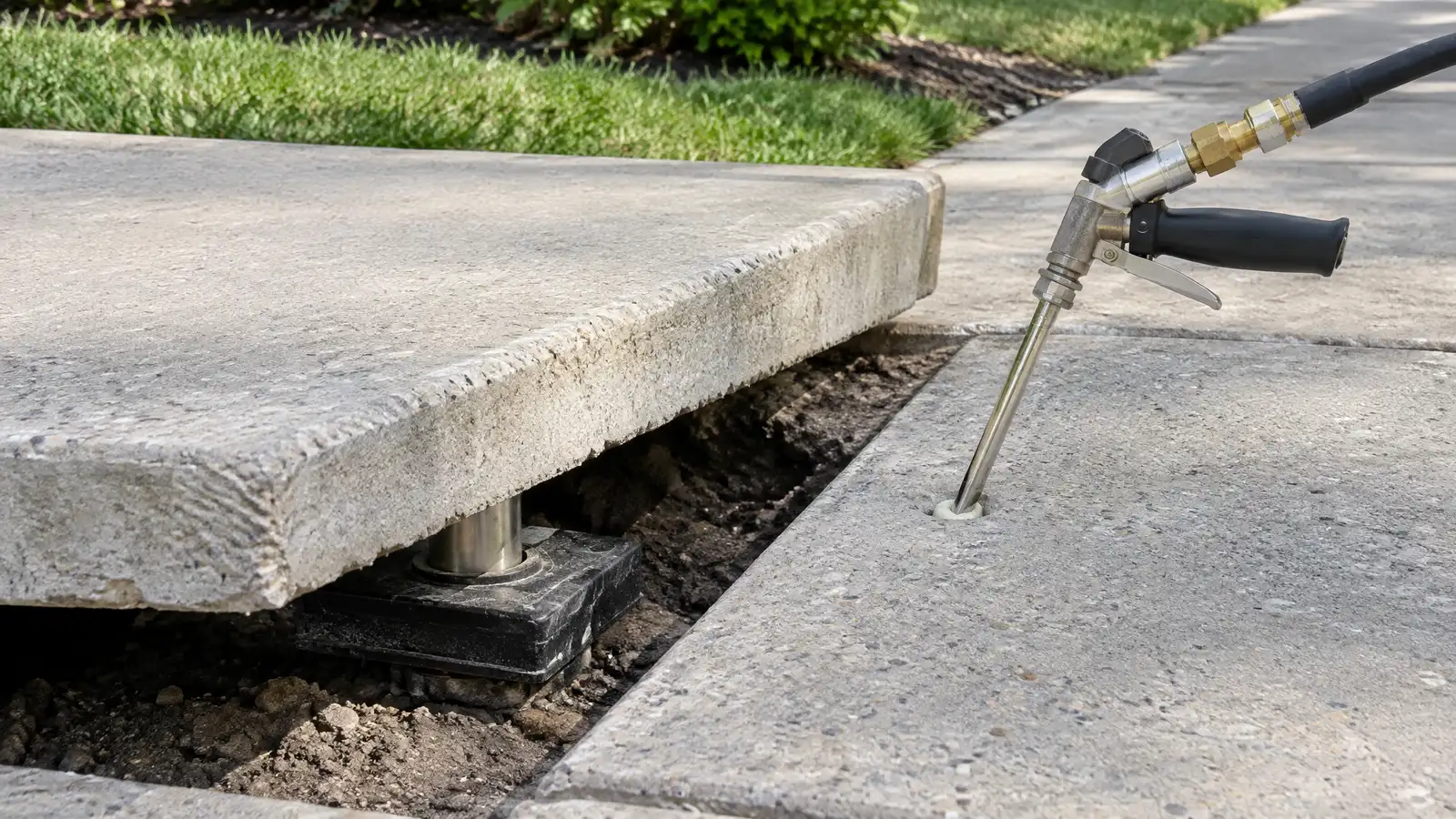 Polyurethane Foam Concrete LiftingLightweight expanding foam injected under sunken concrete to fill voids, lift the slab and stabilize it with minimal…Explore
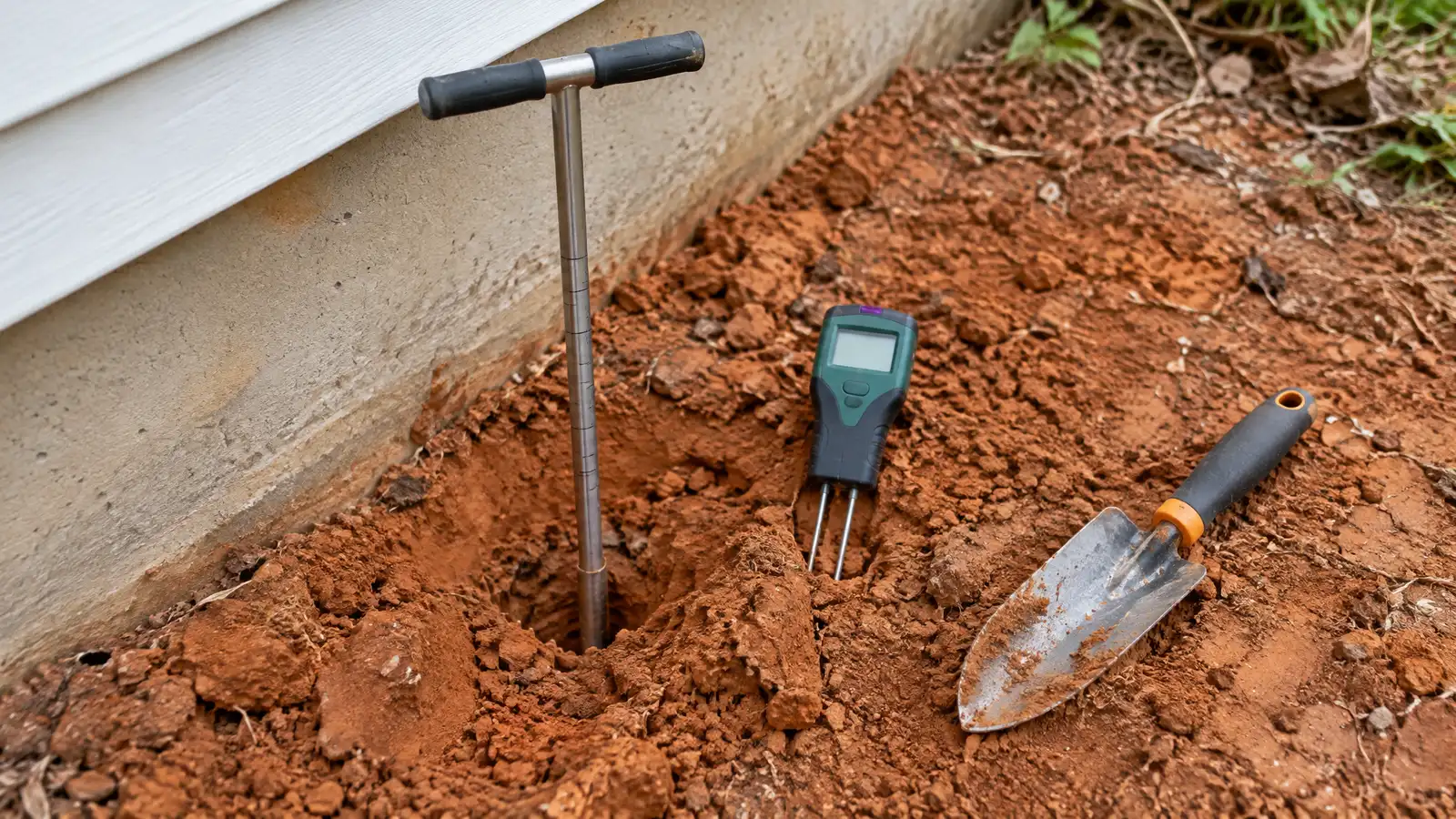 Soil and Moisture AssessmentsReadings and observations about the soil around your home and the moisture inside it, to find the real…Explore
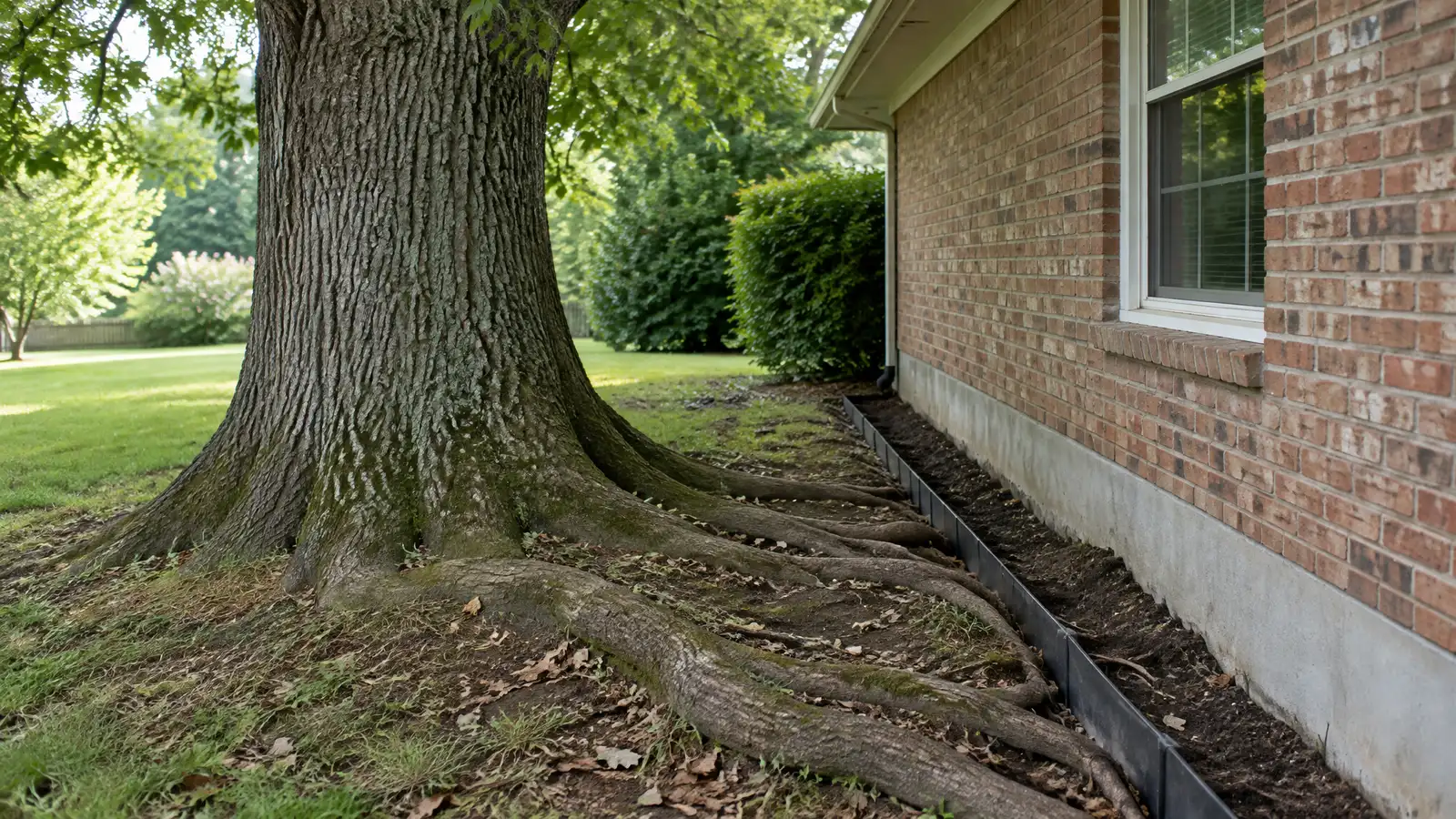 Tree Root and Foundation ProtectionManaging trees and roots near a foundation so they do not dry out clay, lift slabs or push…Explore
Tell us about your property and one specialist will call you back to set up a visit.
Or call (615) 431-3789 to talk now.