Serving Nashville and Middle TennesseeFree Estimate
Replacing sagging girders and rusty or tilted jack posts so the main beam of the house carries its load again.
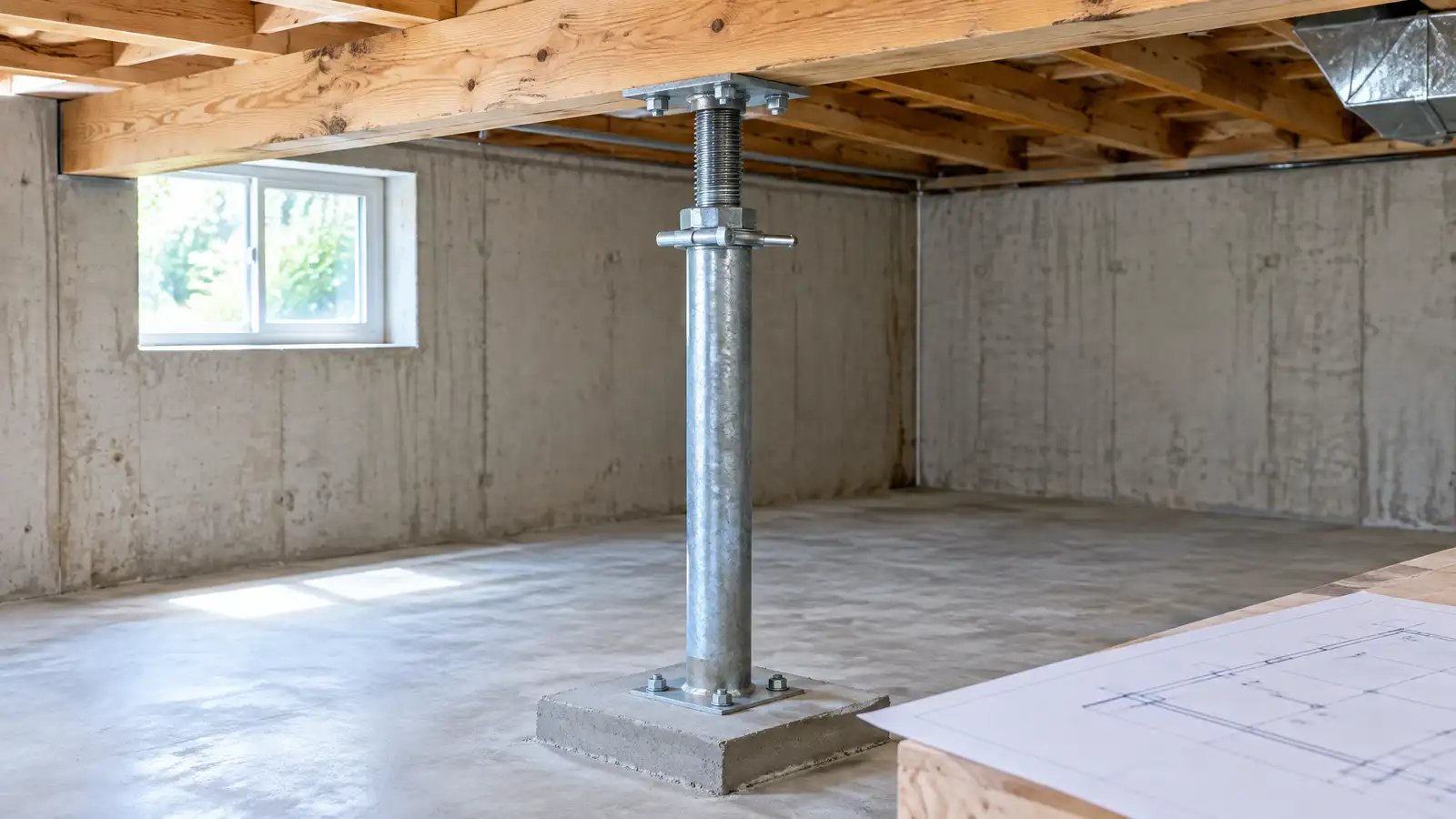
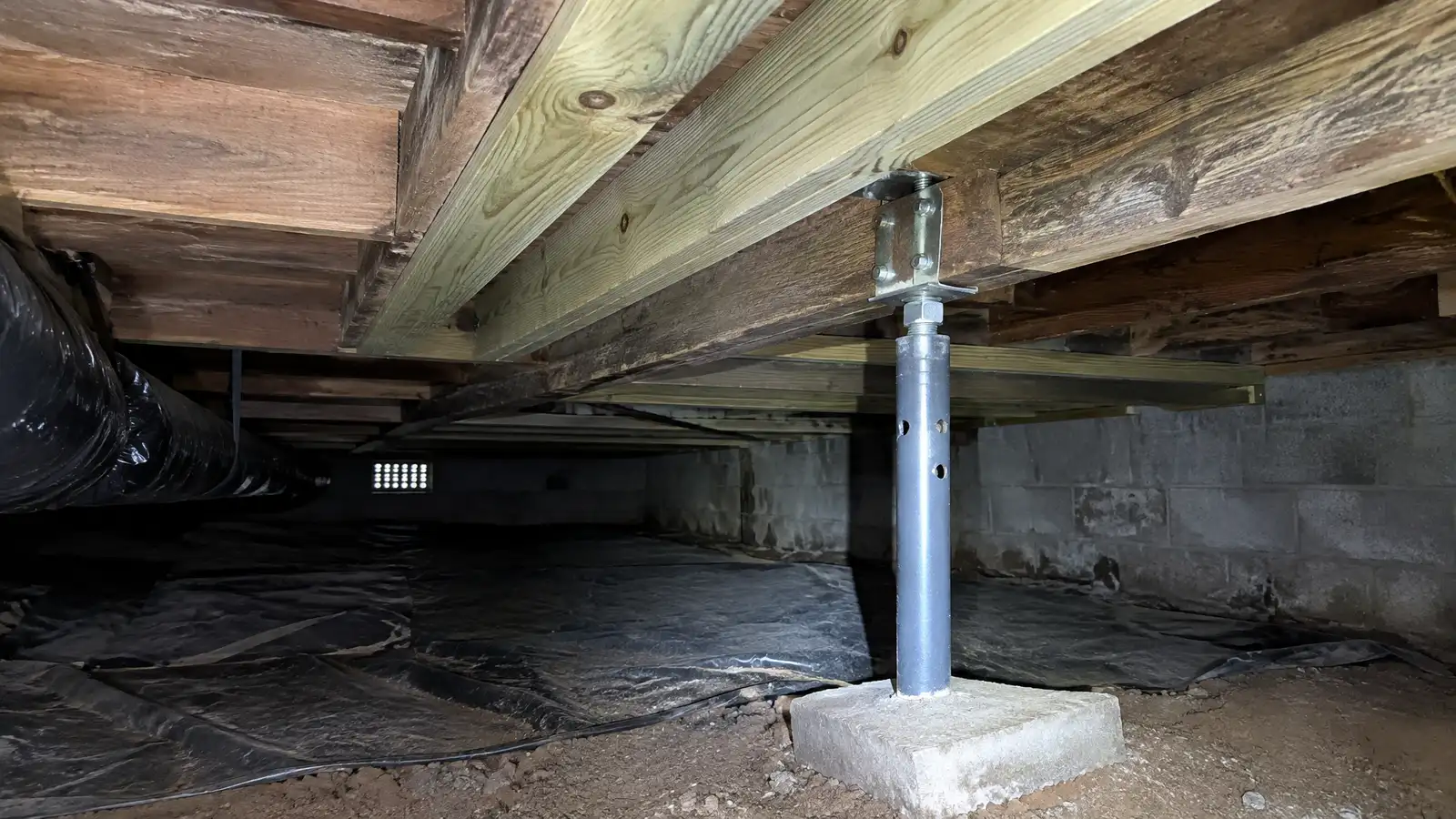
The girder is the big beam that runs down the middle of many crawl spaces and basements, and jack posts or columns hold it up. Old wood girders sag and rust through steel posts, and a post that sits on a small pad can sink over time. When one fails, floors across the house feel it, and fixing it brings a lot of relief.
Your specialist measures the girder for sag, checks each post and footing and finds the cause. The structure is shored, failed posts are replaced with adjustable steel columns on proper footings, and a damaged girder is reinforced or replaced with steel or engineered lumber. Floors are brought back toward level in small steps, and moisture is addressed so rust and rot do not return. If you have an unfinished basement or crawl space, take pictures of every post and the girder before the work starts, and keep them with your house records. After installation, the same angles show what changed. Adjustable posts also make it easy to fine tune the floors later if the house settles a bit more, and your specialist can show you how to check them yearly.
The girder collects load from joists across the house, so one weak spot shows up in floors in several rooms.
A post needs a sound footing under it. New concrete pads spread the load and stop the sinking.
Adjustable steel columns allow fine leveling now and later, so floors can be tuned.
Lifting is done slowly and measured, which protects plaster, drywall and plumbing.
Drag the handle to compare.
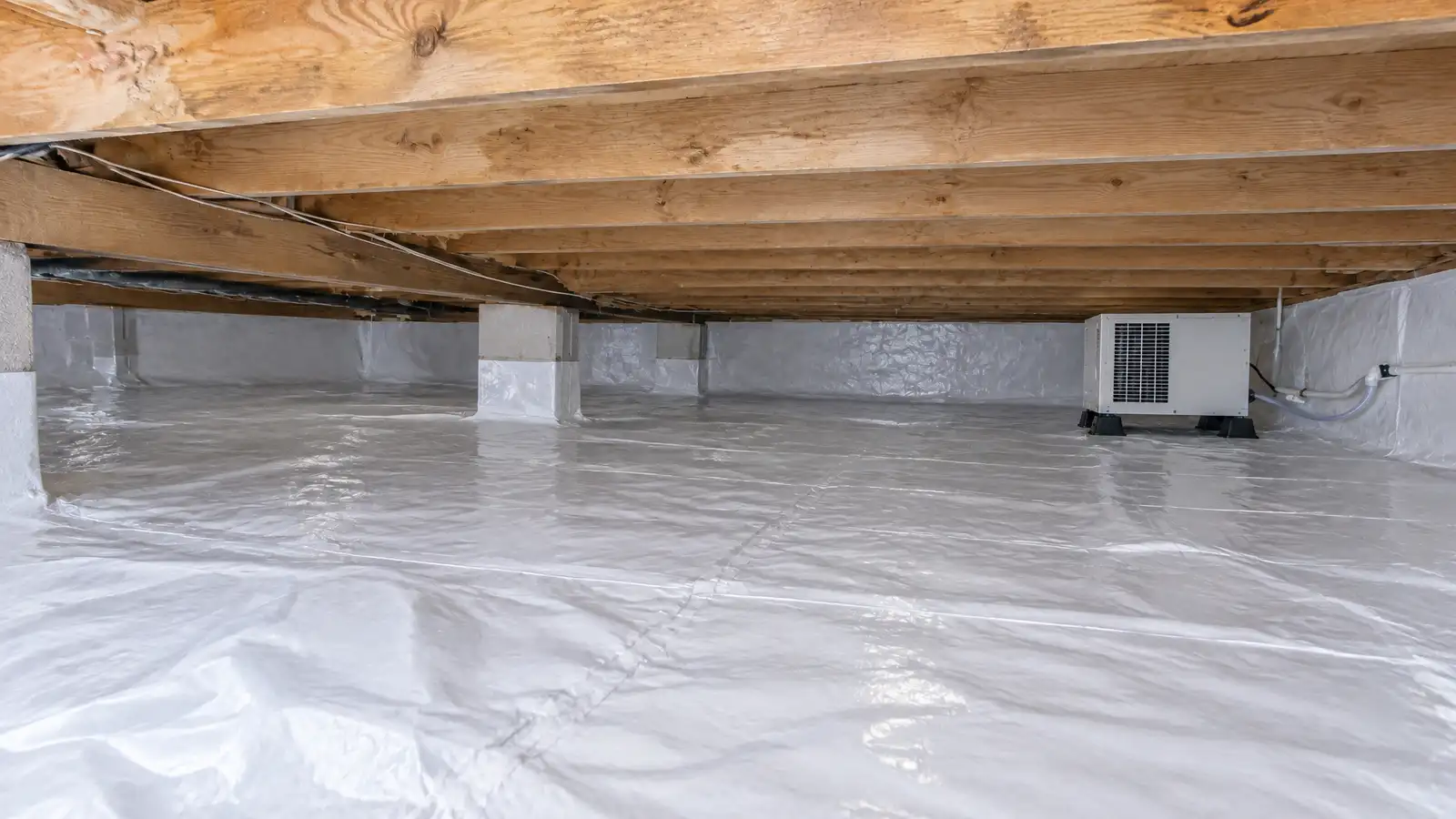
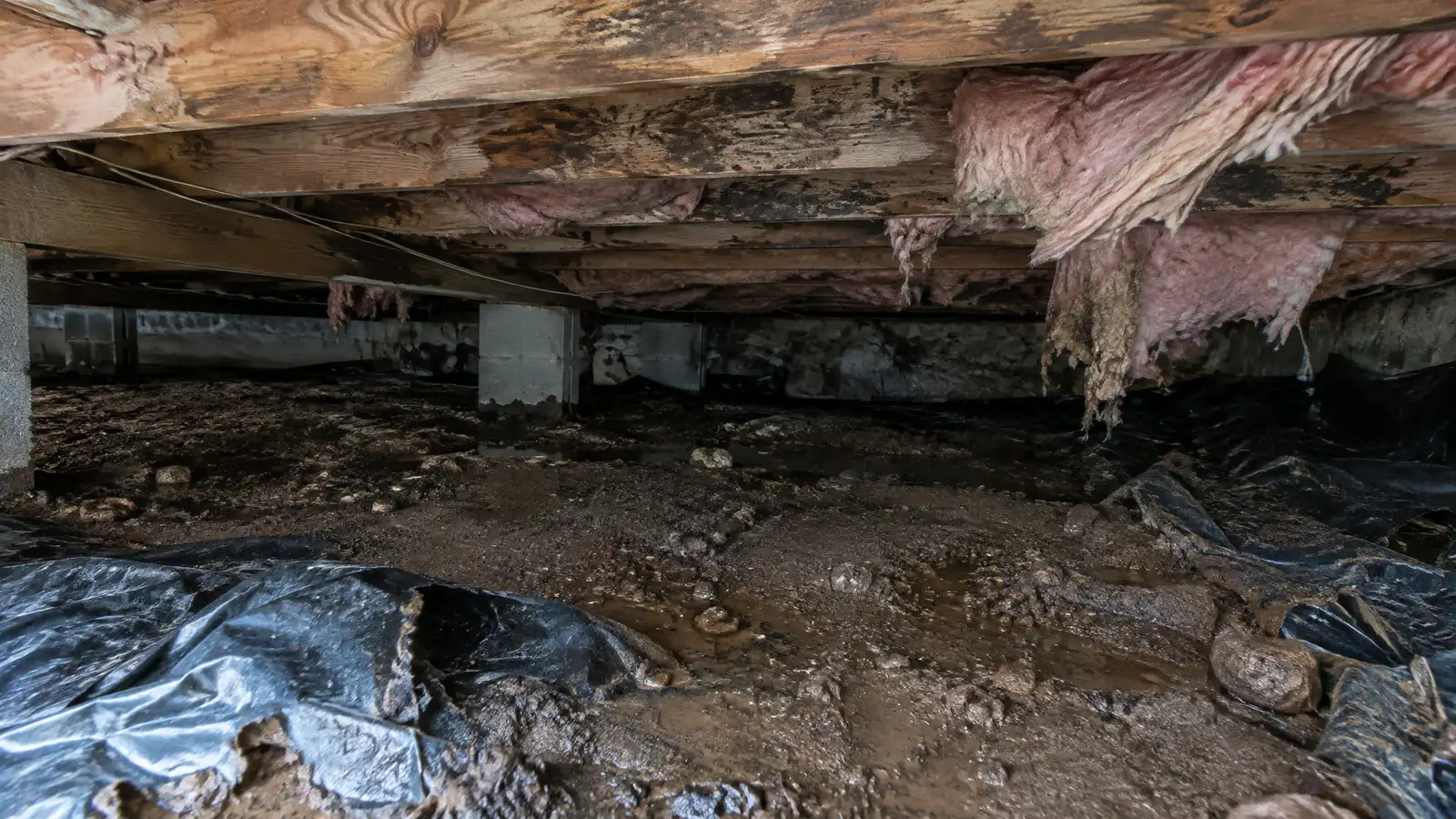 BeforeAfter
Girder and floor checked.
Rust, tilt and sinking noted.
Temporary support set.
New columns and footings.
Steel or lumber added.
Done in steps.
Every topic has its own page with what to expect and how we approach it.
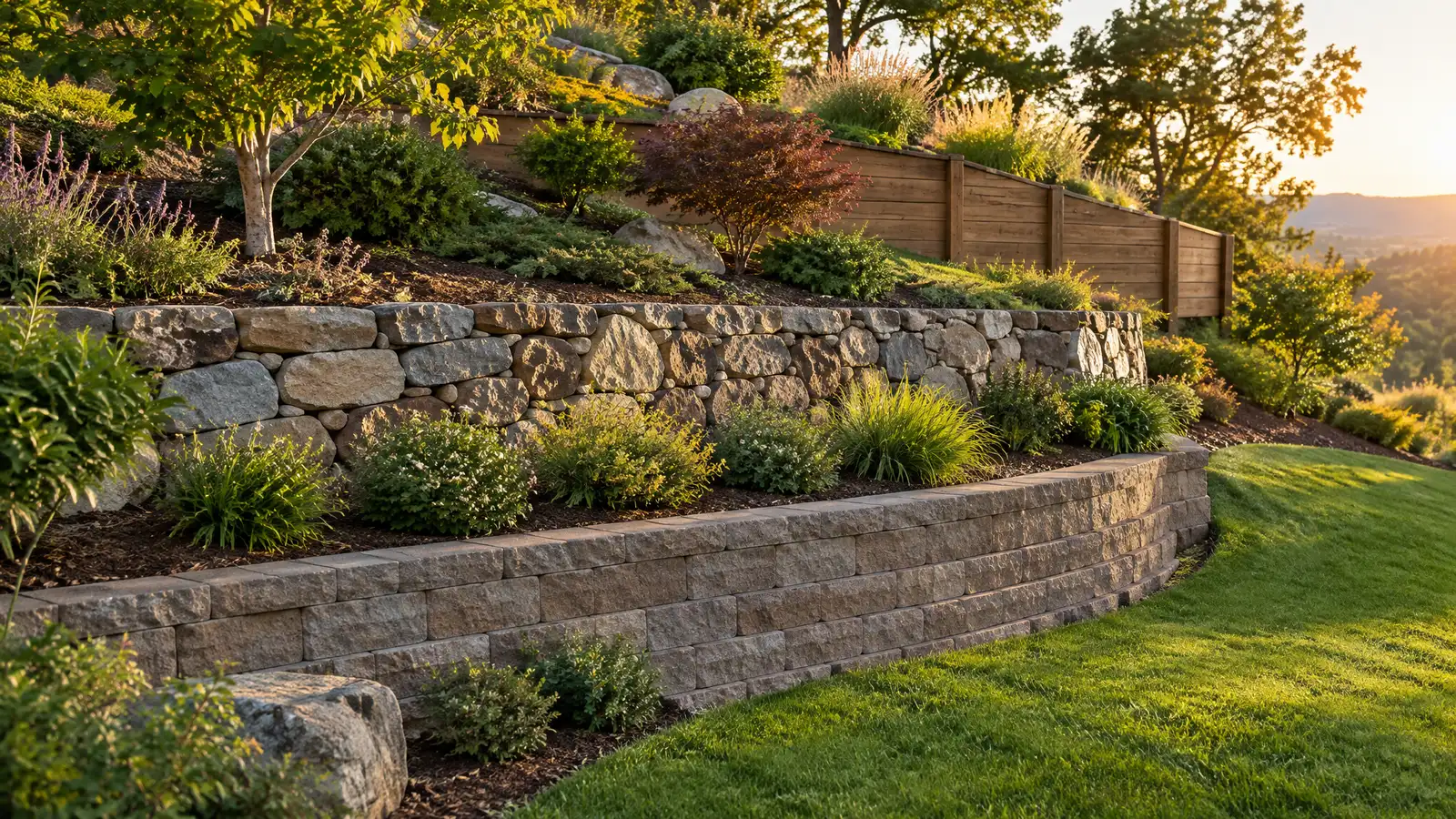 Comparison guideRetaining Wall TypesHow segmental block, poured concrete, natural stone and timber walls differ in strength, drainage needs, look and repair.Learn more
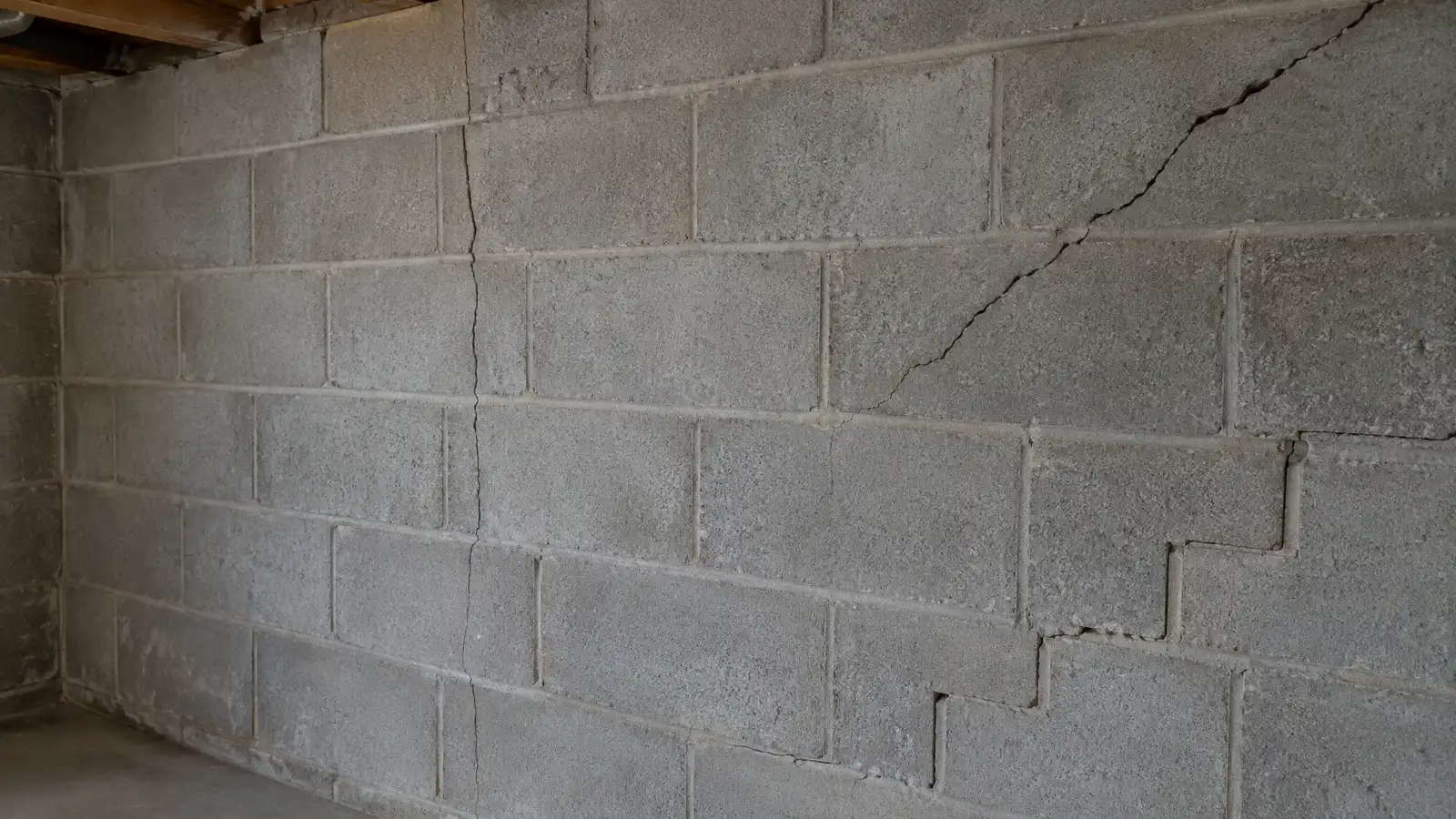 Comparison guideCrack TypesHow hairline, vertical, diagonal, stair-step and horizontal cracks differ in what they usually mean and what to do…Learn more
 ResourceSimpson Strong-TieA maker of structural connectors, anchors and fasteners used in framing, concrete and masonry, with engineering resources.Learn more
Answer a few questions about what you see, your foundation type, moisture and soil to learn which repair methods usually fit.
You tell us what you see and where the property is. One call sets up a visit that fits your day.
A specialist walks the inside and outside, checks cracks, floors, moisture and drainage and takes measurements and photos.
You receive a plain written scope with the cause, the method, the location of each repair and the schedule before anything begins.
Utility marking is requested where digging is needed, access is protected and materials and any engineering are lined up.
Supports, drains, sealing or lifting are completed in a clear order, with photos and checks along the way.
The site is cleaned up, the work is explained on a walk-through and care and monitoring tips are shared.
Rust, tilting, a sinking base, gaps at the top and floors that sag near the post are signs.
Often yes, with steel plates or additional beams, or it can be replaced.
Spacing and load decide, and your specialist or engineer sets the number for your house.
Floors can often be raised toward level, and results depend on the house and framing.
Yes, since rust and rot are linked to damp conditions, and drying protects the new work.
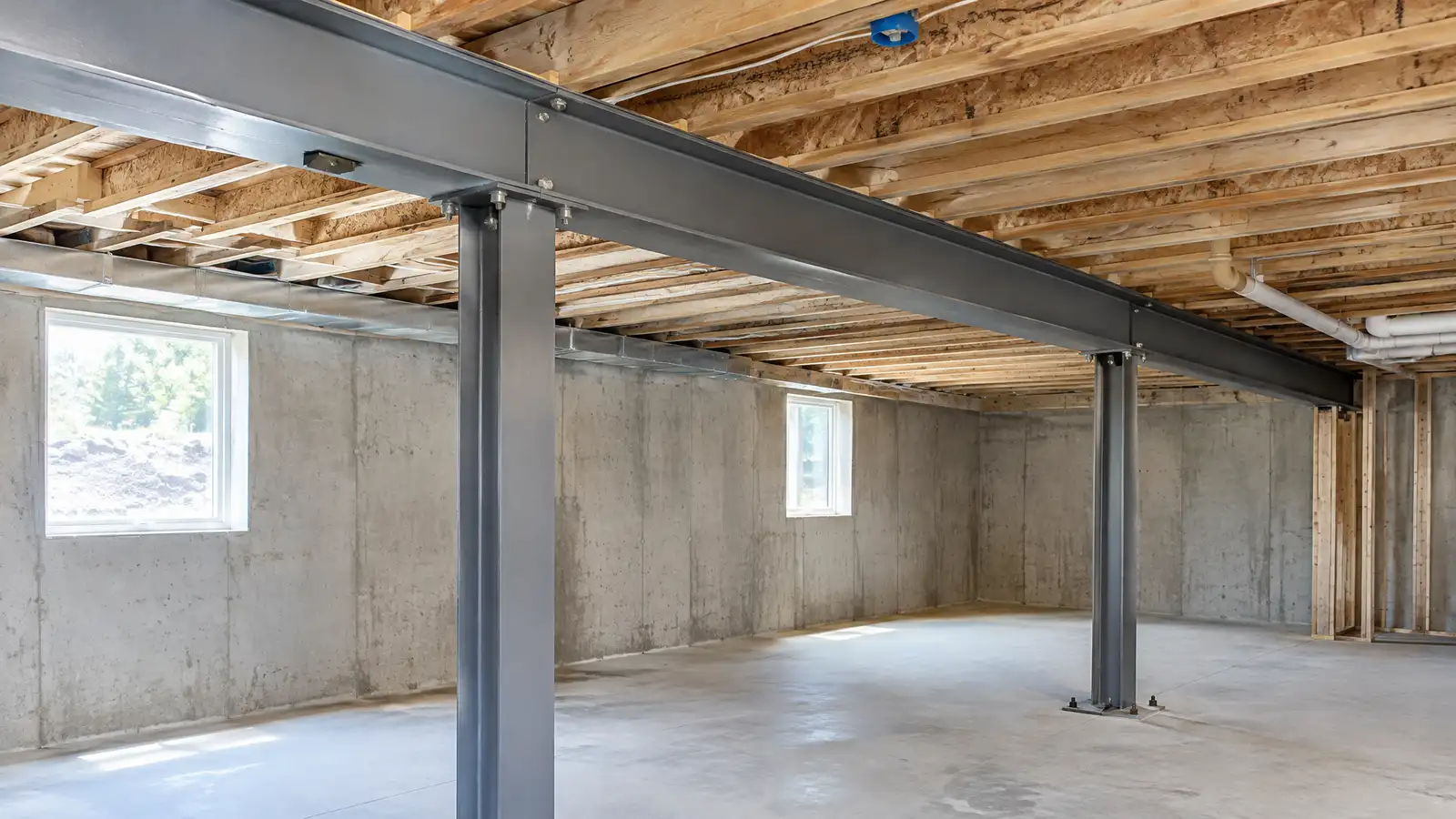 Structural Beams and Support ColumnsInstalling steel or engineered beams and columns that carry floors and walls where old supports have failed or…Explore
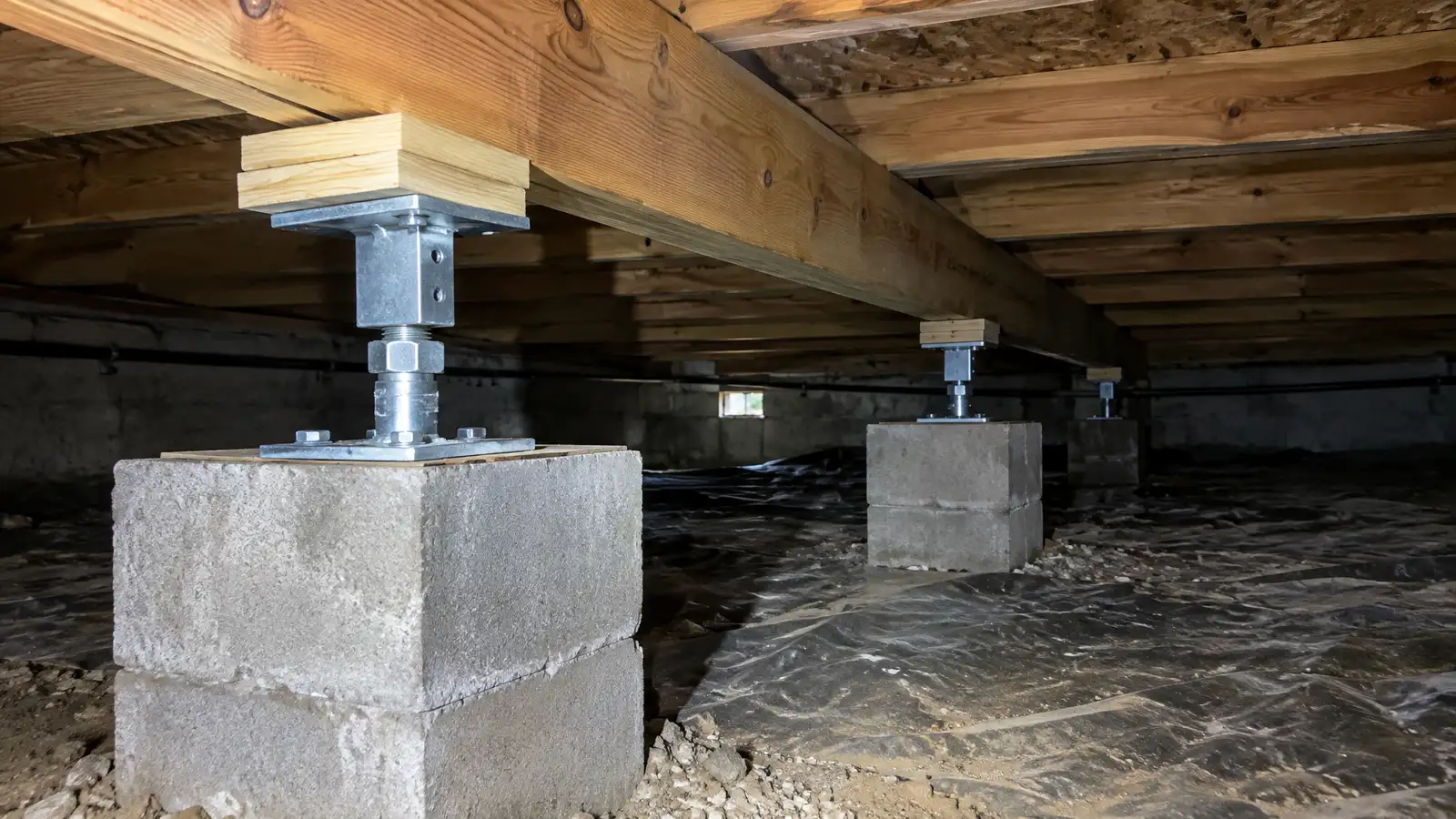 Pier and Beam Foundation RepairRepairs for crawl space homes with sagging floors, shifting piers, rotted beams and damp conditions underneath.Explore
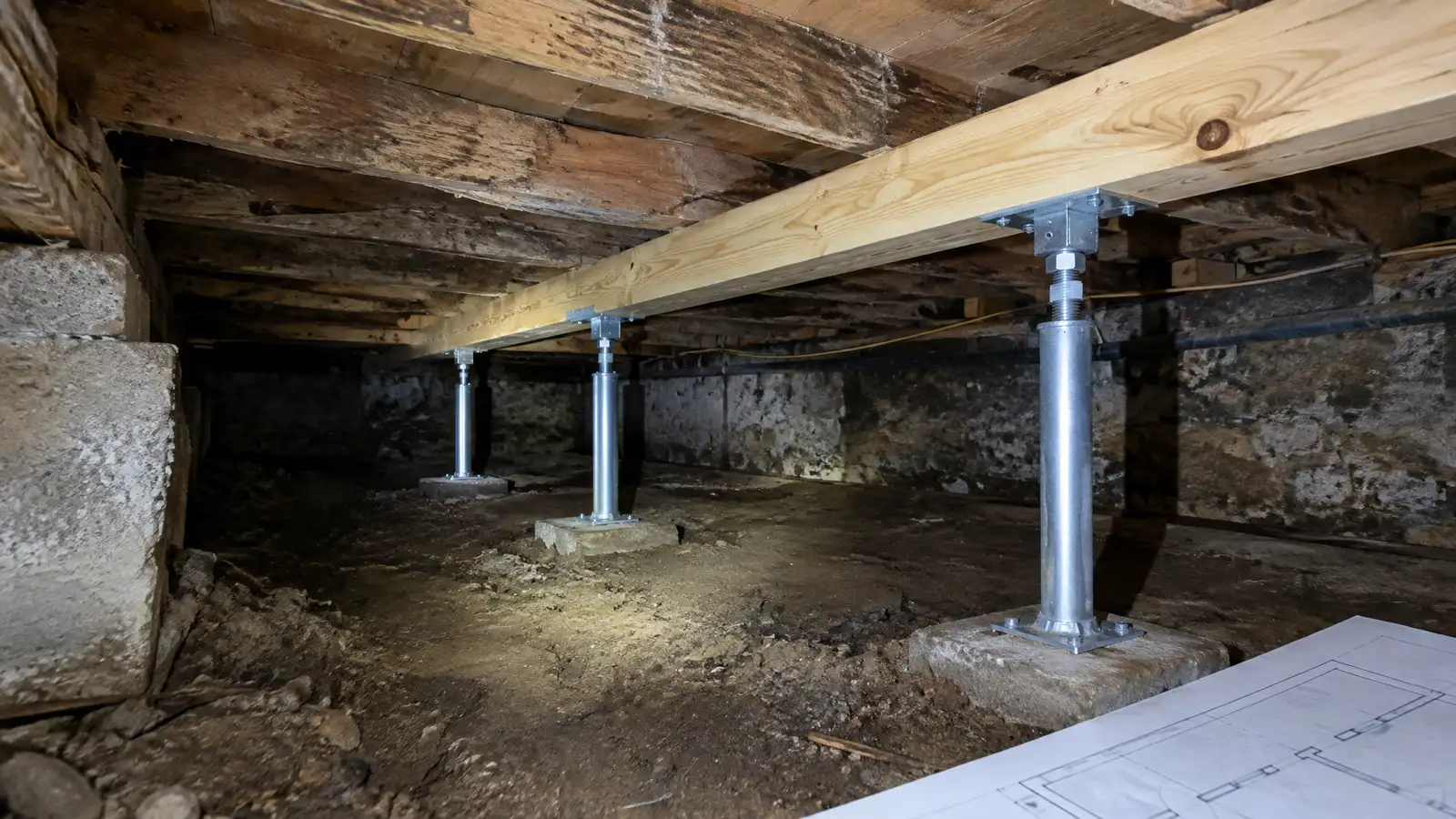 Sagging Floor RepairLifting and supporting sagging, bouncy or sloping floors from underneath, and fixing the cause so they stay put.Explore
 Crawl Space Repair and Structural SupportReplacing rotted wood, adding piers and beams and correcting damage under a house so the floor above is…Explore
Tell us about your property and one specialist will call you back to set up a visit.
Or call (615) 431-3789 to talk now.