Serving Nashville and Middle TennesseeFree Estimate
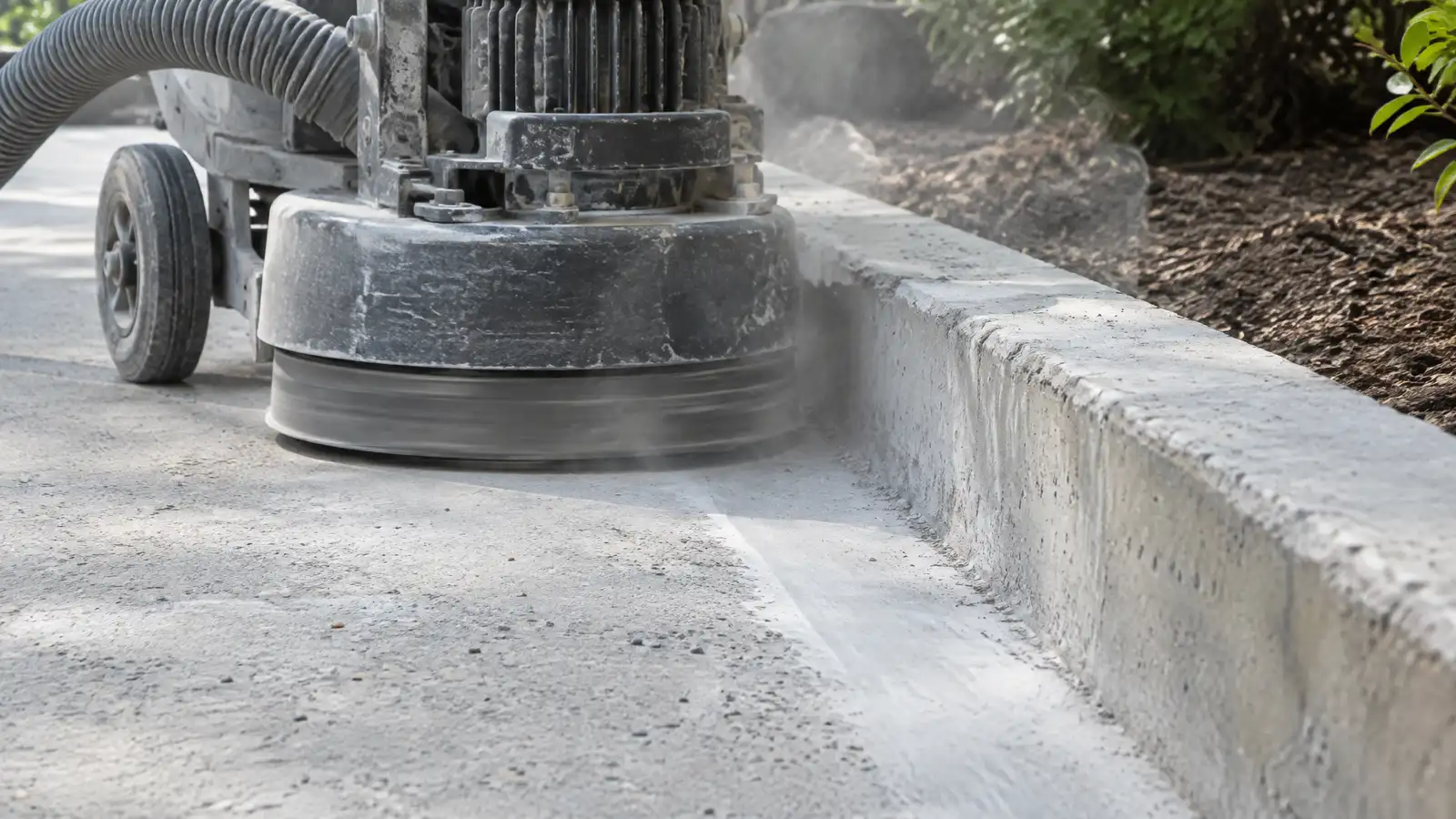
Making uneven concrete edges safe with grinding, lifting and patching, for homes, businesses and public walkways.
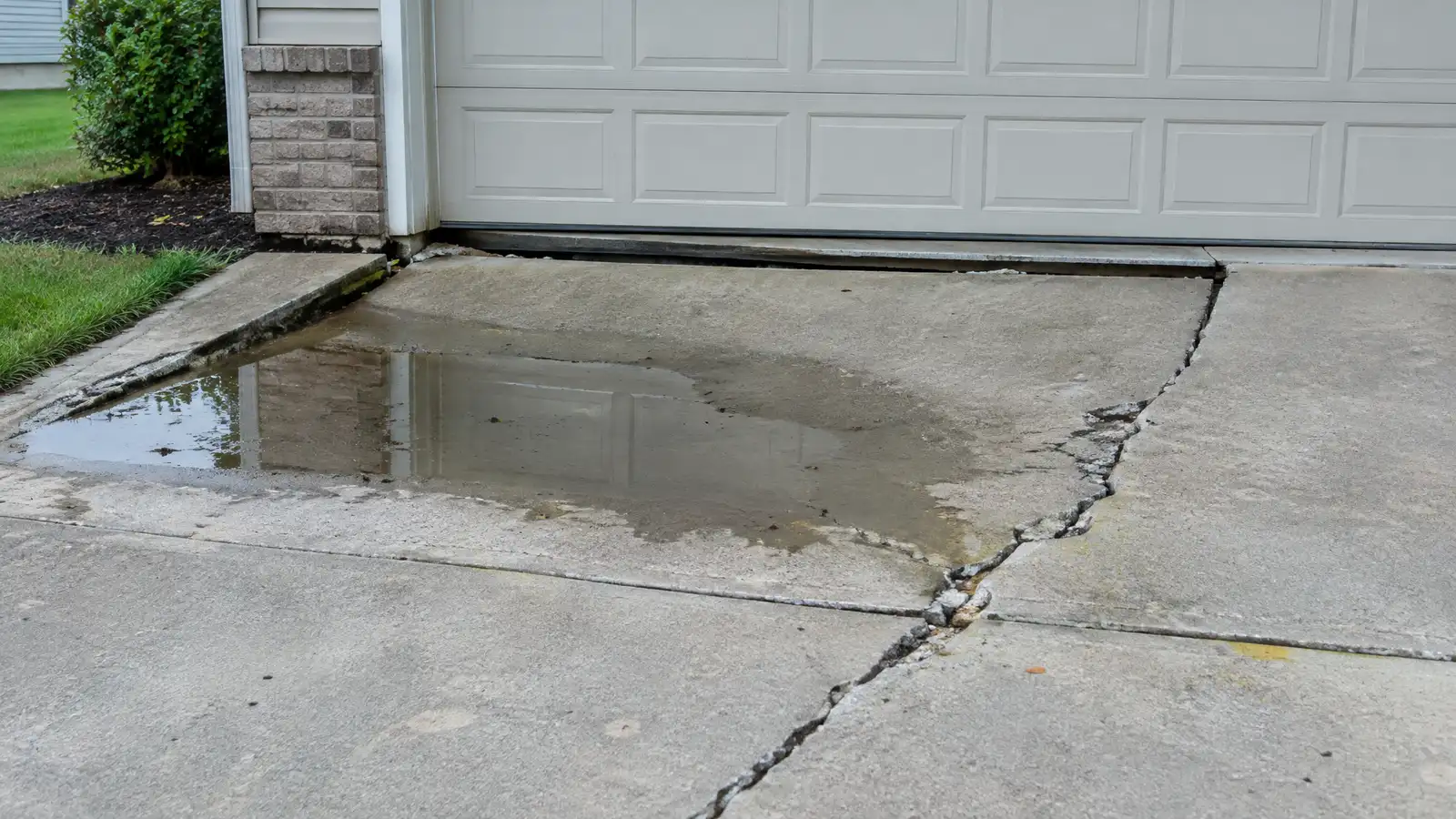
A raised edge less than an inch high can send someone to the ground. Property managers, churches, schools and homeowners across Nashville know the worry. Trip hazards come from settling slabs, tree roots and expansion joints that have shifted, and fixing them is one of the quickest ways to make a property safer.
Your specialist walks the property, marks each edge that is a hazard and measures the height difference. Small differences can be ground smooth with a specialized grinder, while larger ones are lifted with foam or slurry or replaced. Cracks and joints are sealed, and slip-resistant finishes can be added where needed. A completed list and photos help you document the work for your records. Keep a simple log of the spots that have bothered people, and take a quick photo of each. That list becomes your work order and your record. For commercial and shared properties, a before-and-after record is also a useful part of a safety program, and your specialist can include photos and locations in the written summary so it is easy to share.
Every hazard is identified and marked with its height, so nothing is missed and priorities are clear.
A grinder bevels small raised edges flush, leaving a smooth transition, often within hours.
Sunken slabs are raised to level, which fixes the cause of the edge and not just the symptom.
Photos and a simple list show what was fixed, which helps managers and boards.
Drag the handle to compare.
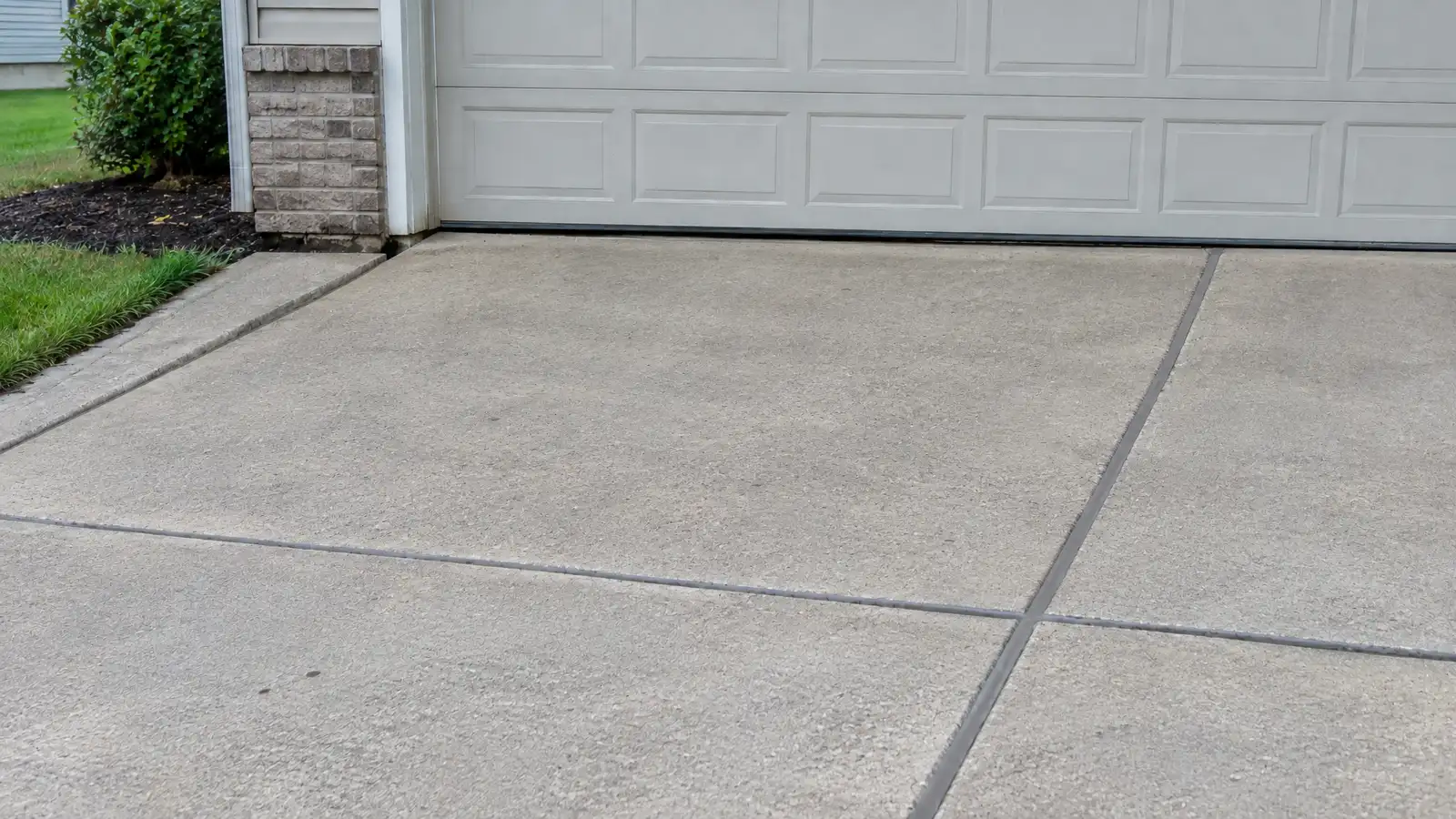
 BeforeAfter
Hazards identified and marked.
Heights recorded.
Grind, lift or replace.
Edges smoothed or slabs raised.
Joints treated.
Photos and a list.
Every topic has its own page with what to expect and how we approach it.
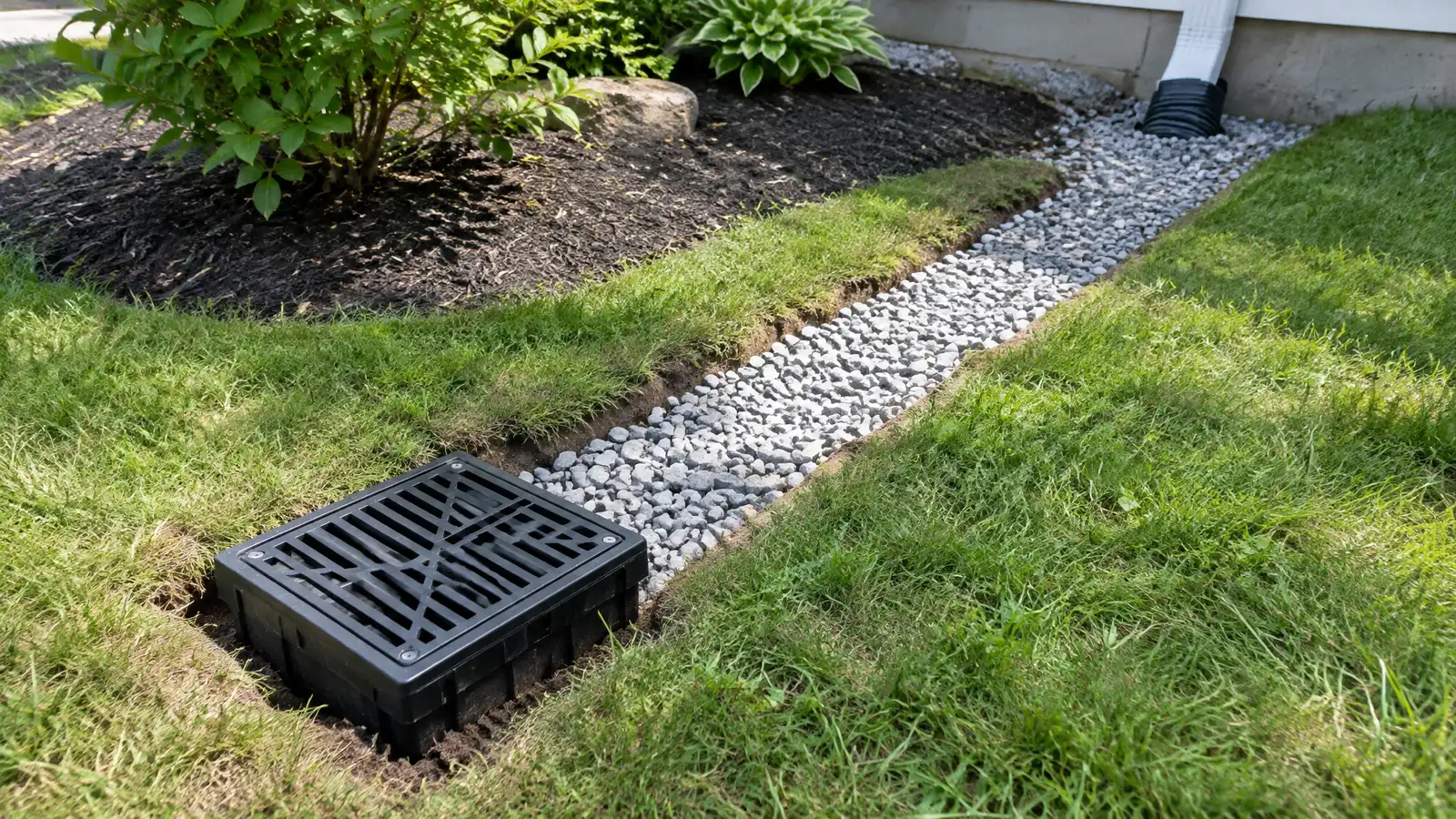 Comparison guideDrainage SolutionsHow French drains, surface drains, grading, swales, dry wells and downspout extensions differ in what water they handle.Learn more
 ResourceTennessee 811The state one-call center that helps prevent damage to underground utilities by notifying utility operators before digging begins.Learn more
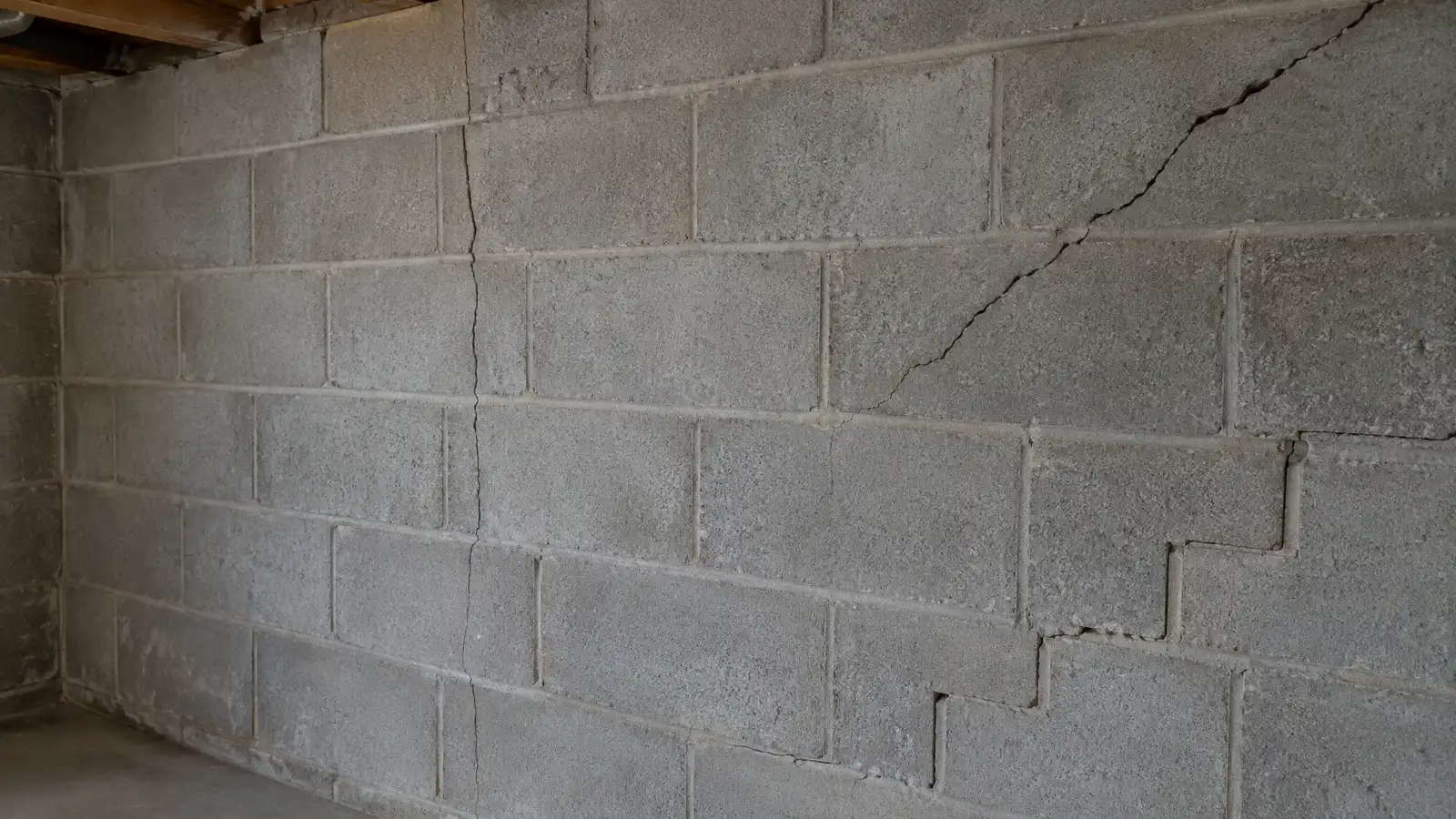 Comparison guideCrack TypesHow hairline, vertical, diagonal, stair-step and horizontal cracks differ in what they usually mean and what to do…Learn more
Enter your measurements to see piers, crack length, drain footage, crawl space liner area and slab area to plan for.
You tell us what you see and where the property is. One call sets up a visit that fits your day.
A specialist walks the inside and outside, checks cracks, floors, moisture and drainage and takes measurements and photos.
You receive a plain written scope with the cause, the method, the location of each repair and the schedule before anything begins.
Utility marking is requested where digging is needed, access is protected and materials and any engineering are lined up.
Supports, drains, sealing or lifting are completed in a clear order, with photos and checks along the way.
The site is cleaned up, the work is explained on a walk-through and care and monitoring tips are shared.
Even small height differences can cause falls, and your specialist can explain common guidelines. Local rules and your own risk policy also apply.
It removes the edge, and if the slab keeps moving a new edge can appear. Lifting addresses the movement.
Yes. Work is planned to limit disruption and keep people safe.
Yes, and larger sites can be scheduled in phases.
Photos and a written list of repairs are provided for your records.
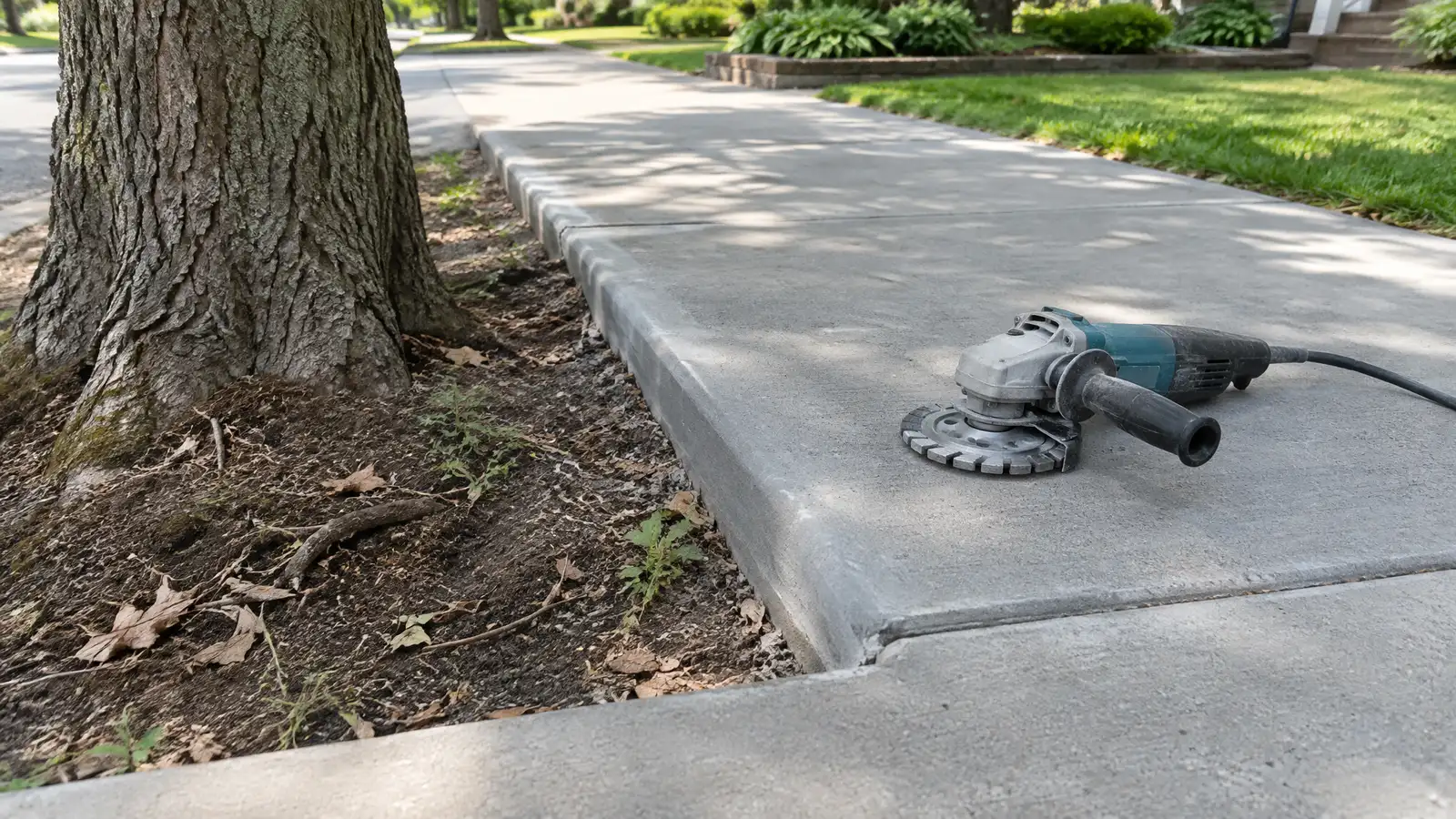 Sidewalk and Walkway LevelingRaising uneven walks and removing trip hazards so paths are safe for family, guests and delivery crews.Explore
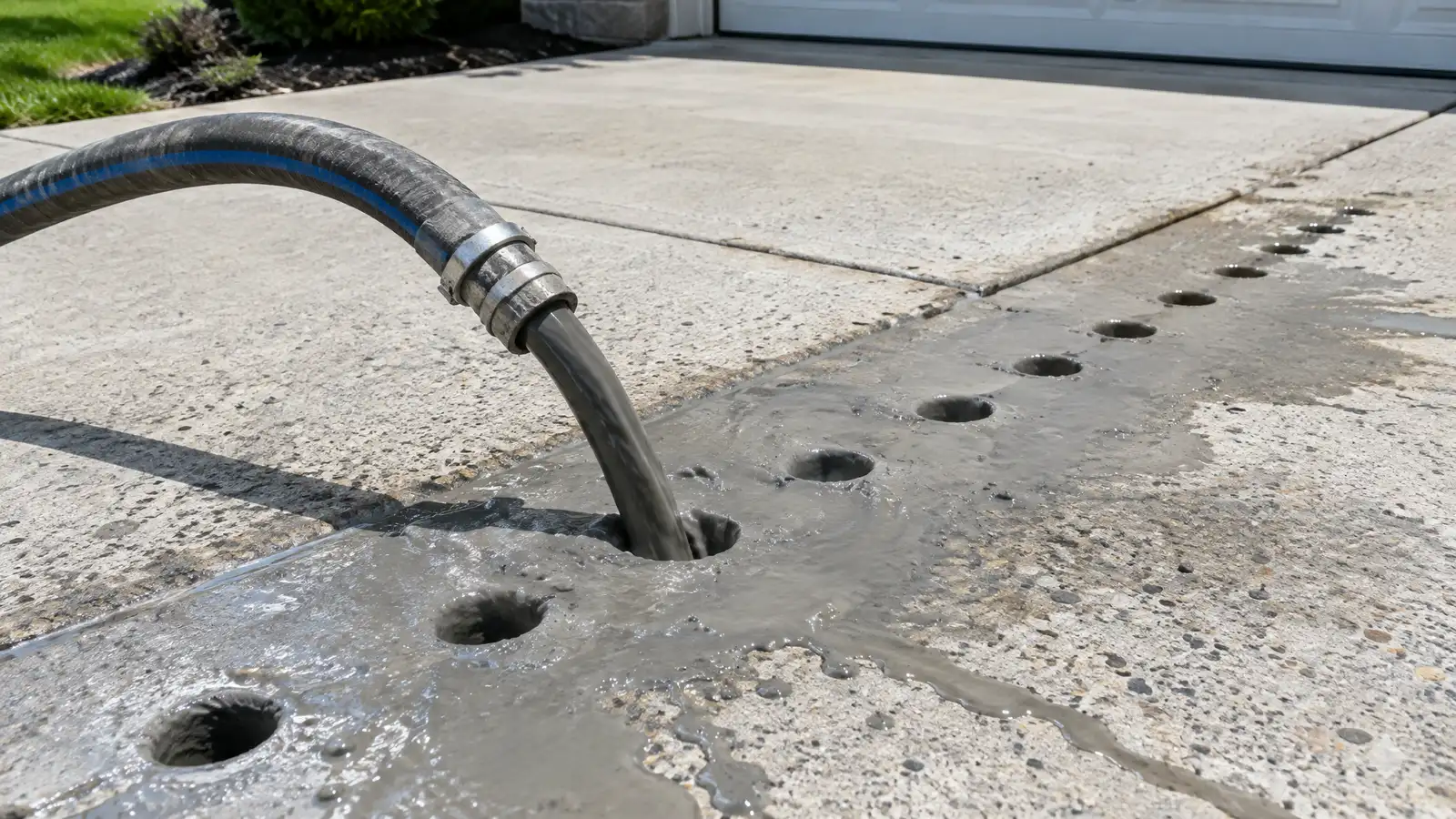 Slabjacking and MudjackingLifting sunken concrete slabs by pumping a cement-based slurry through small holes to fill voids and raise the…Explore
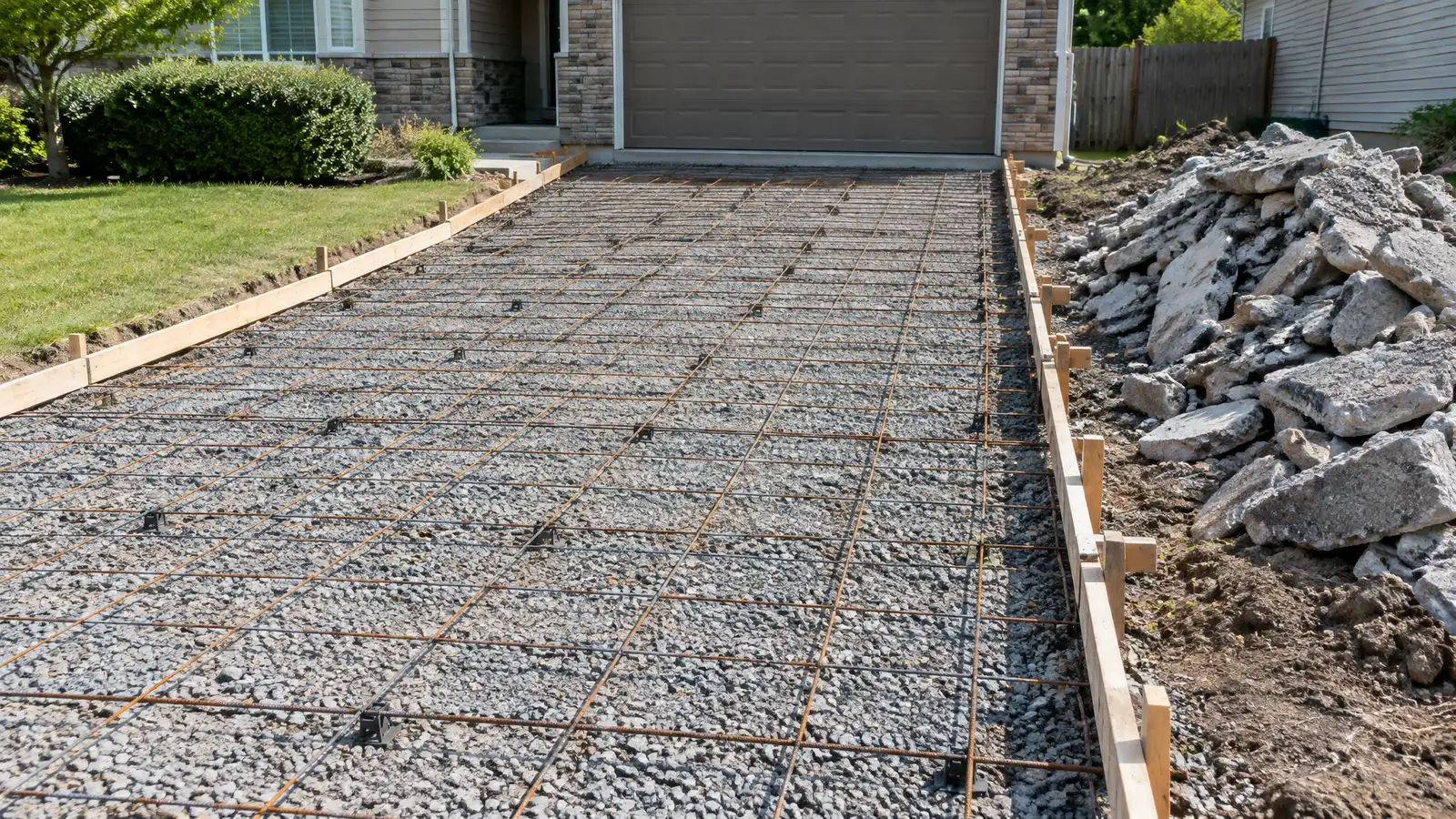 Concrete Removal and ReplacementRemoving broken or failed concrete and pouring new slabs with proper base, reinforcement, joints and drainage.Explore
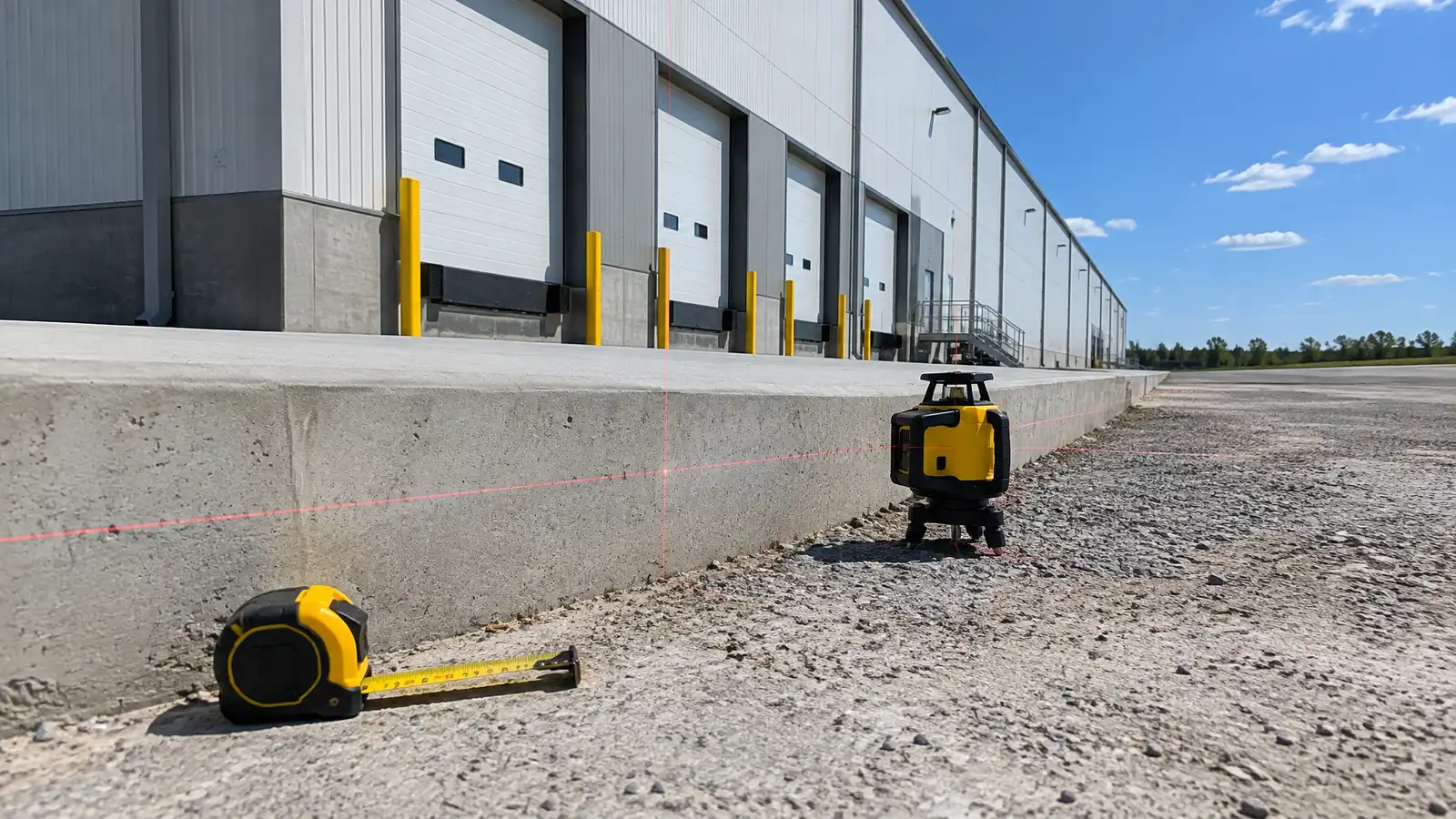 Commercial Foundation AssessmentsFoundation, slab and drainage reviews for apartments, churches, schools, shops and industrial buildings, with clear findings for owners…Explore
Tell us about your property and one specialist will call you back to set up a visit.
Or call (615) 431-3789 to talk now.