Serving Nashville and Middle TennesseeFree Estimate
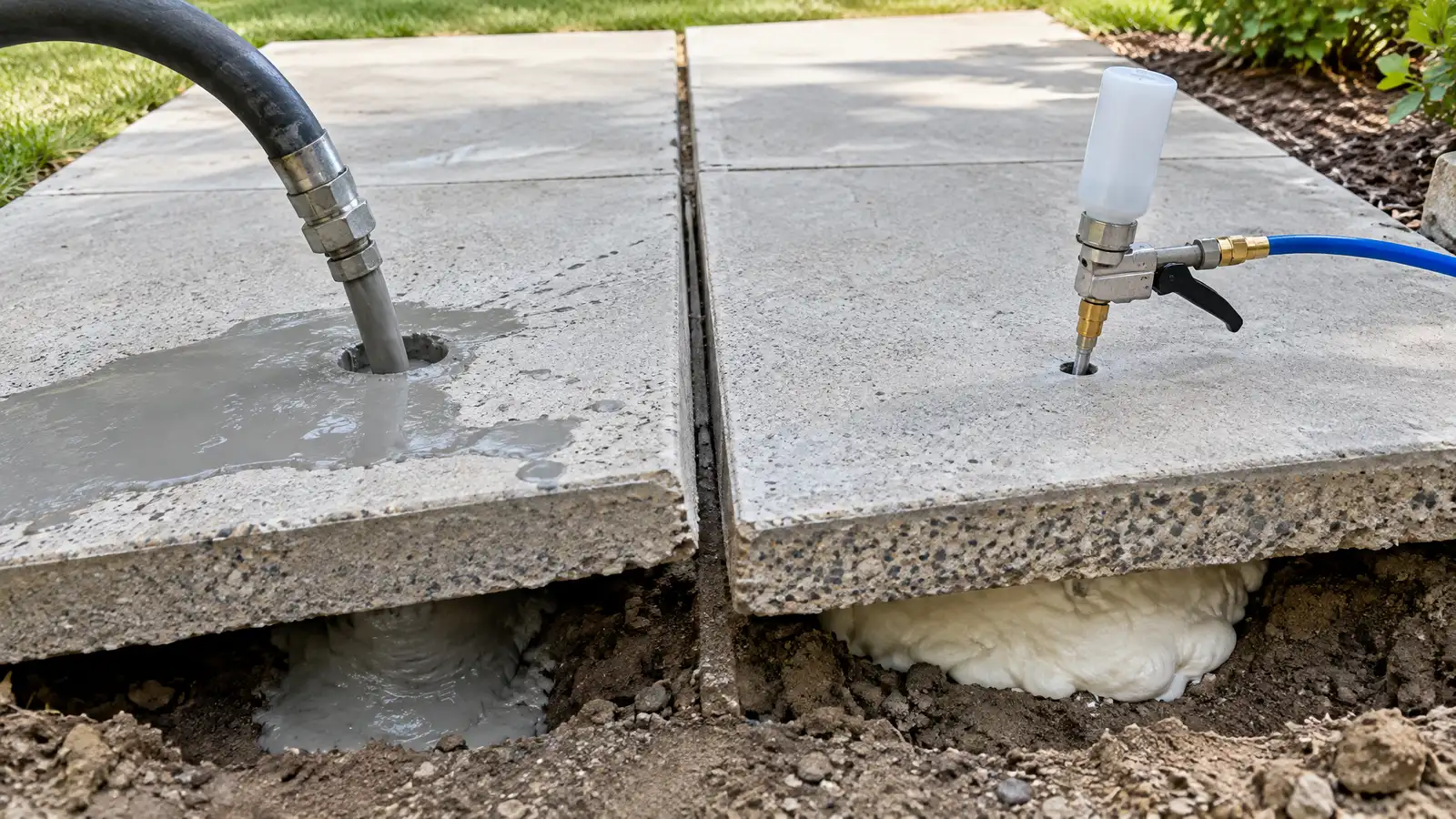
How cement slurry mudjacking and polyurethane foam differ in weight, hole size, curing time, use and fit for different slabs.
Both methods lift sunken concrete by filling the empty space under it, and they use different materials. Slabjacking pumps a cement-based slurry through holes about the size of a quarter. Foam lifting injects a lightweight polyurethane through small holes, where it expands and rises into place. Either can raise driveways, walks, patios, garage floors and pool decks that are still sound.
Slurry is heavy and economical for large voids, and it takes a little longer to cure. Foam is light, cures quickly and uses smaller holes, which suits soft soil and fine leveling. A good specialist explains which fits your slab, the size of the voids and the soil, and which gives the best result for the work. Drainage and the cause of the settlement matter with either method.
A heavy cement-based mix that fills large voids.
A light, expanding polyurethane that cures quickly.
Slurry holes are slightly larger, and foam ports are smaller.
Foam is ready quickly, and slurry takes a little longer.
Foam resists washing out, and slurry is durable when set.
The right choice depends on the slab, voids and soil.
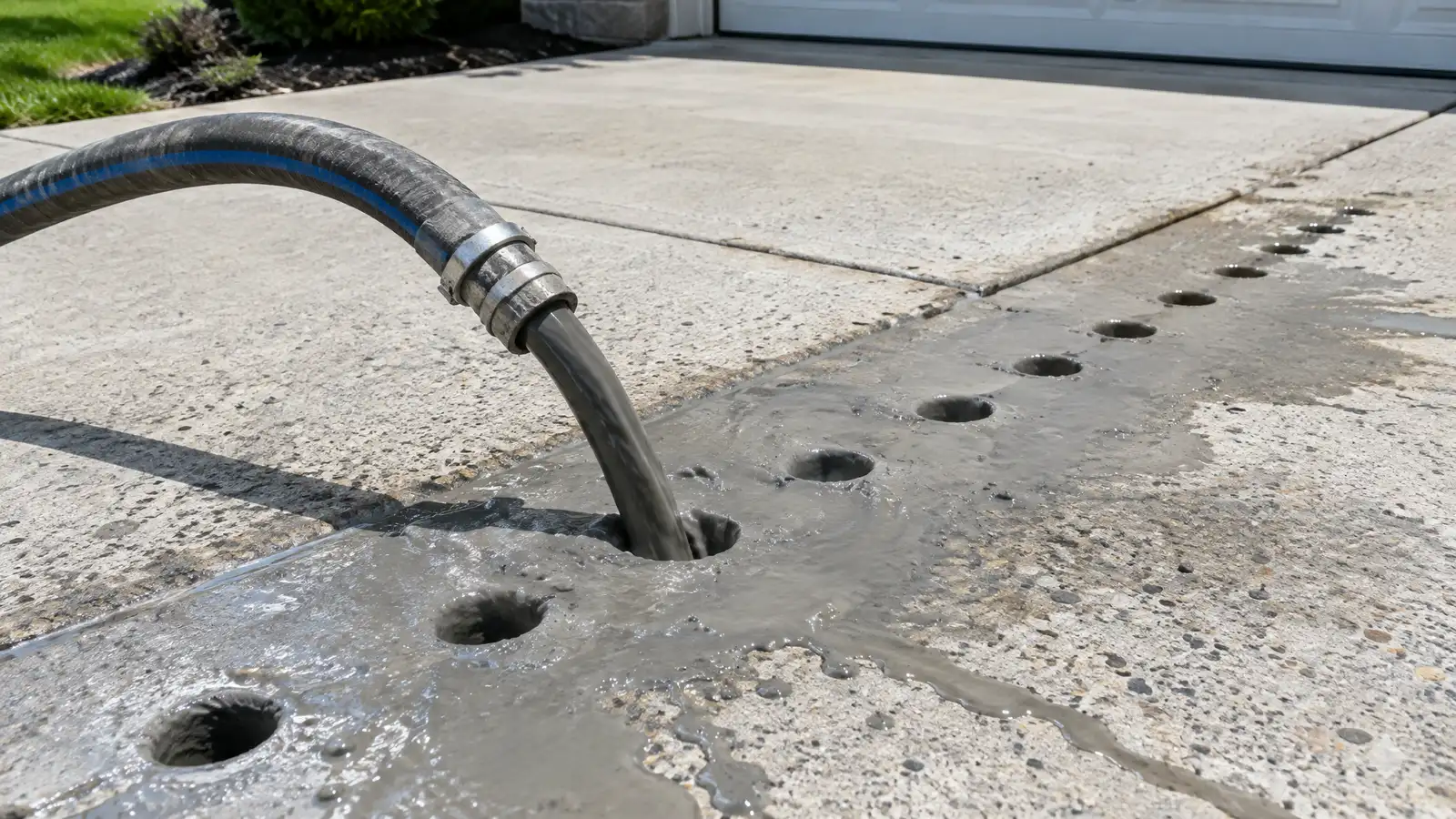 Slabjacking and MudjackingLifting sunken concrete slabs by pumping a cement-based slurry through small holes to fill voids and raise the…Explore
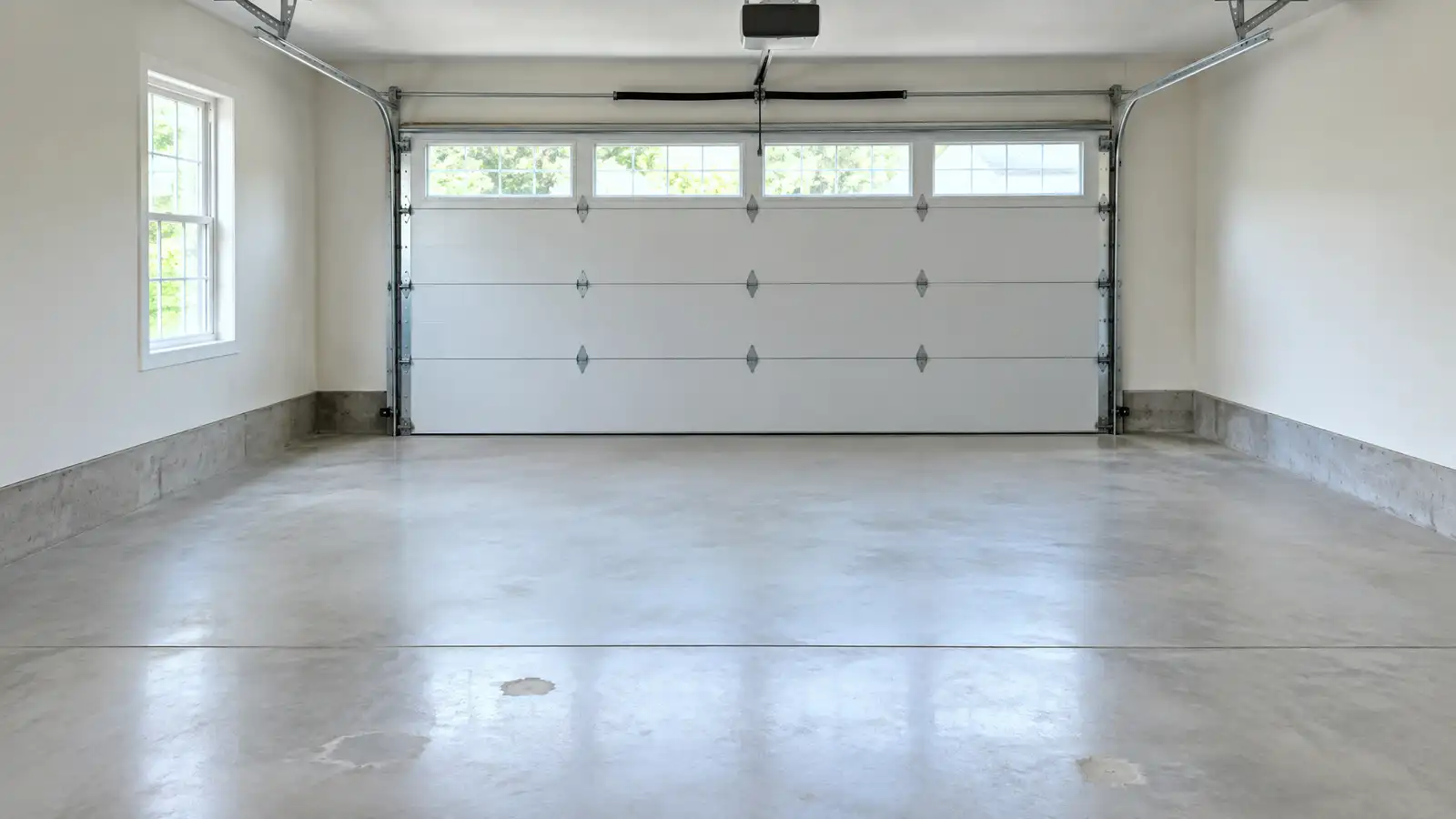 Garage Floor LevelingRaising sunken garage floors and aprons so they drain, meet the door and give vehicles a level place…Explore
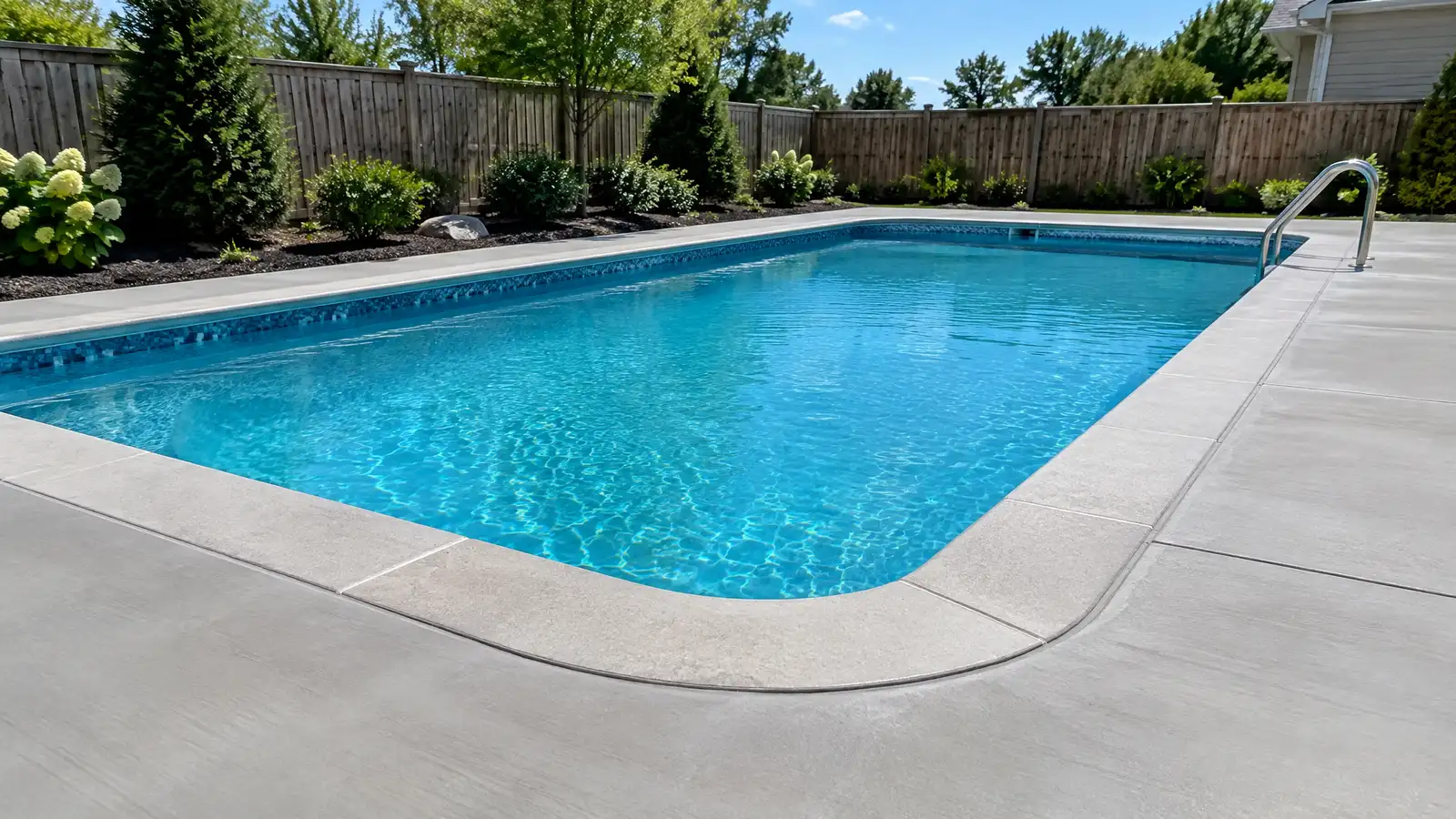 Pool Deck LiftingRaising and re-leveling sunken concrete around a pool so water drains away and the deck is safe to…Explore
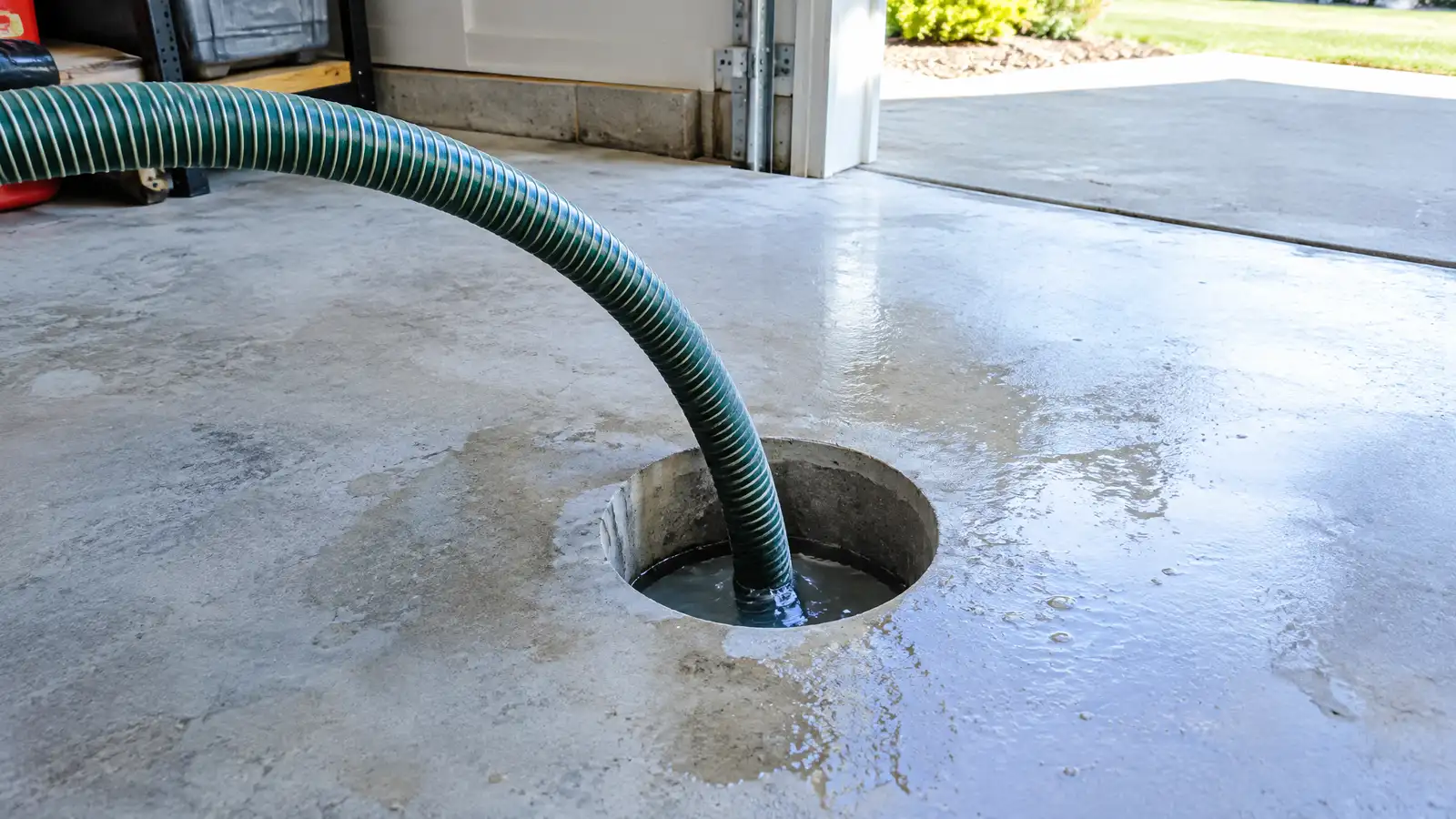 Void Filling Under SlabsFinding and filling hidden gaps beneath concrete floors, steps, garages and slabs to restore support.Explore
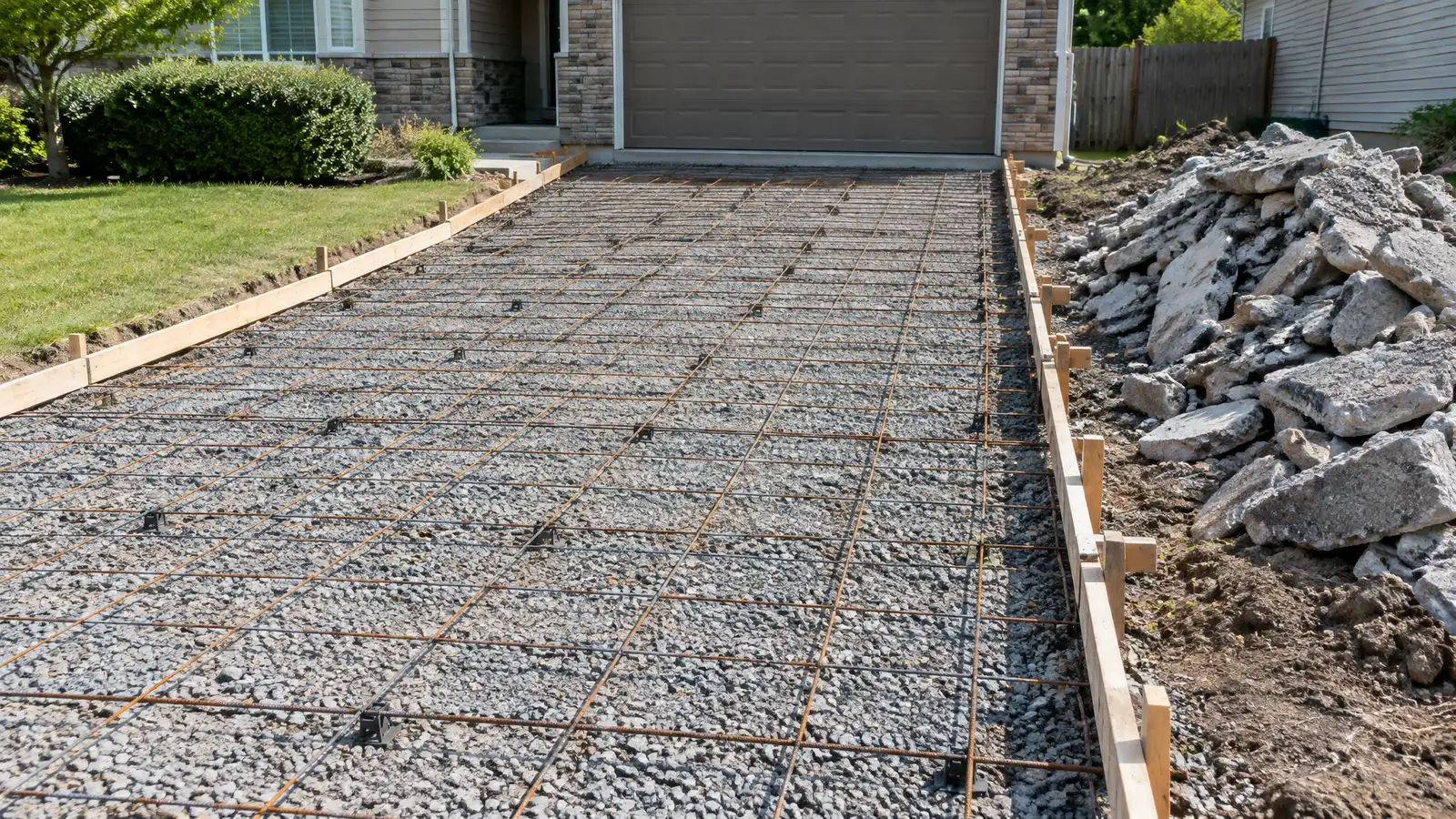 Concrete Removal and ReplacementRemoving broken or failed concrete and pouring new slabs with proper base, reinforcement, joints and drainage.Explore
Check a warning sign, size a job or ballpark a budget.
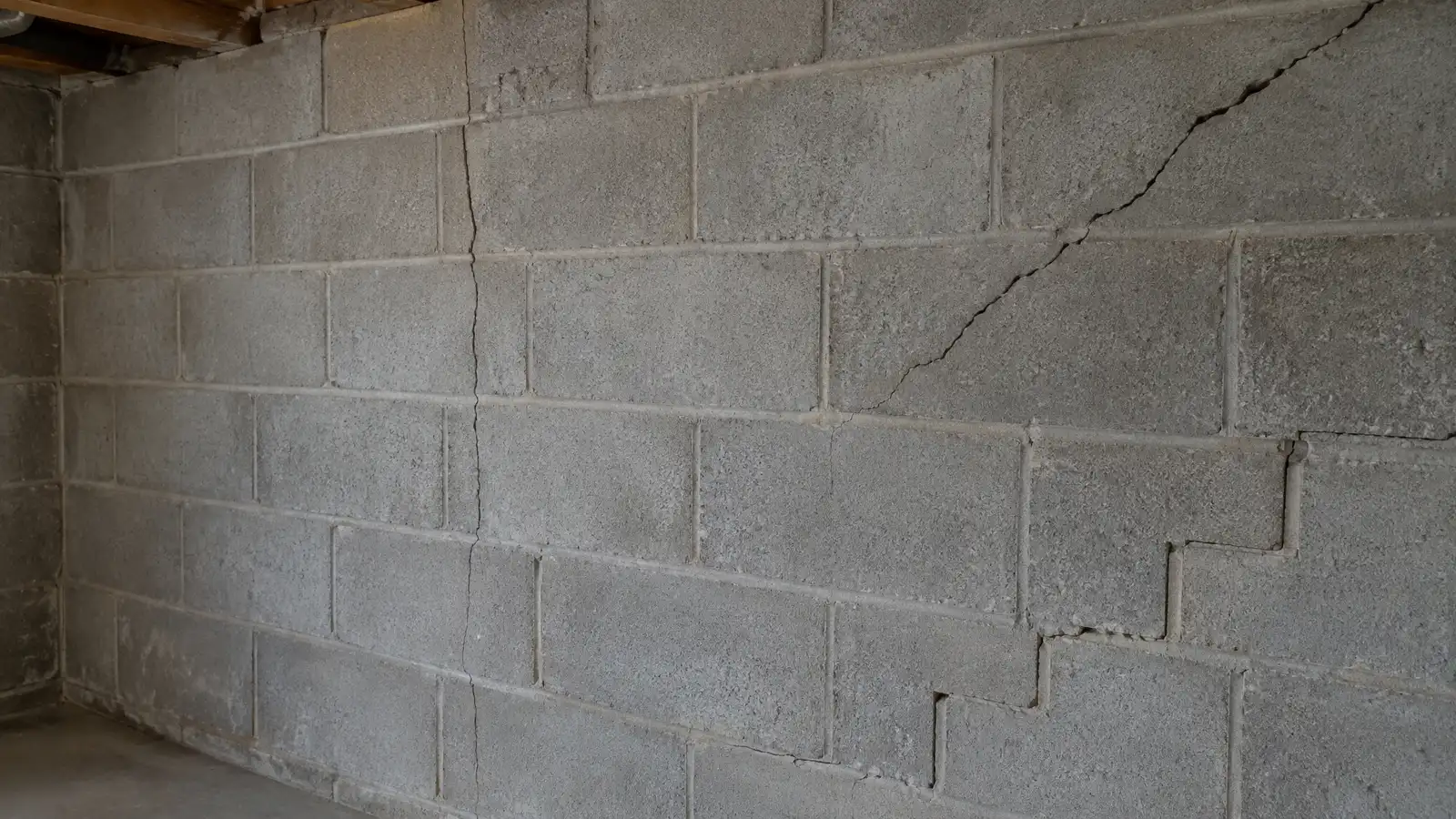 Foundation Problem Checker: What Is Wrong?Pick what you see in your walls, floors, basement, crawl space or concrete to get likely causes, what to try first and the service page that fits.Try it
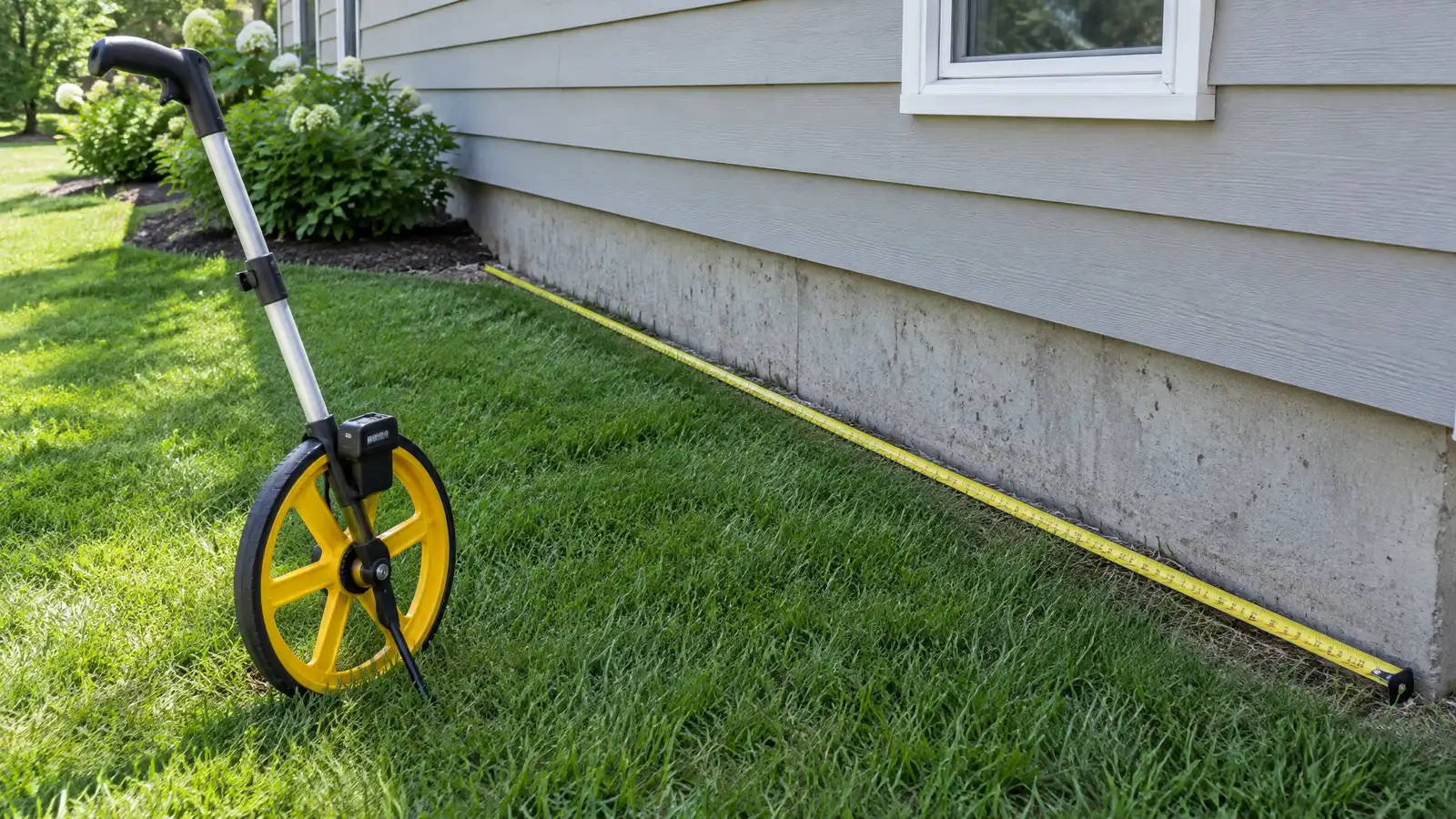 Foundation Job Size CalculatorEnter your measurements to see piers, crack length, drain footage, crawl space liner area and slab area to plan for.Try it
 Foundation Repair Budget PlannerPick a foundation, waterproofing, drainage or concrete job, set the quantity and add extras to see a ballpark planning range. Placeholder values only.Try it
Both can last many years when the cause of settlement is addressed.
Foam is lighter, so it adds less load to weak soil, and your specialist explains the choice.
Sound slabs lift best. Badly broken ones may need replacement.
 Comparison guideFoundation TypesHow slab-on-grade, crawl space, basement and pier and beam foundations differ in cost drivers, moisture, access, repair and…Learn more
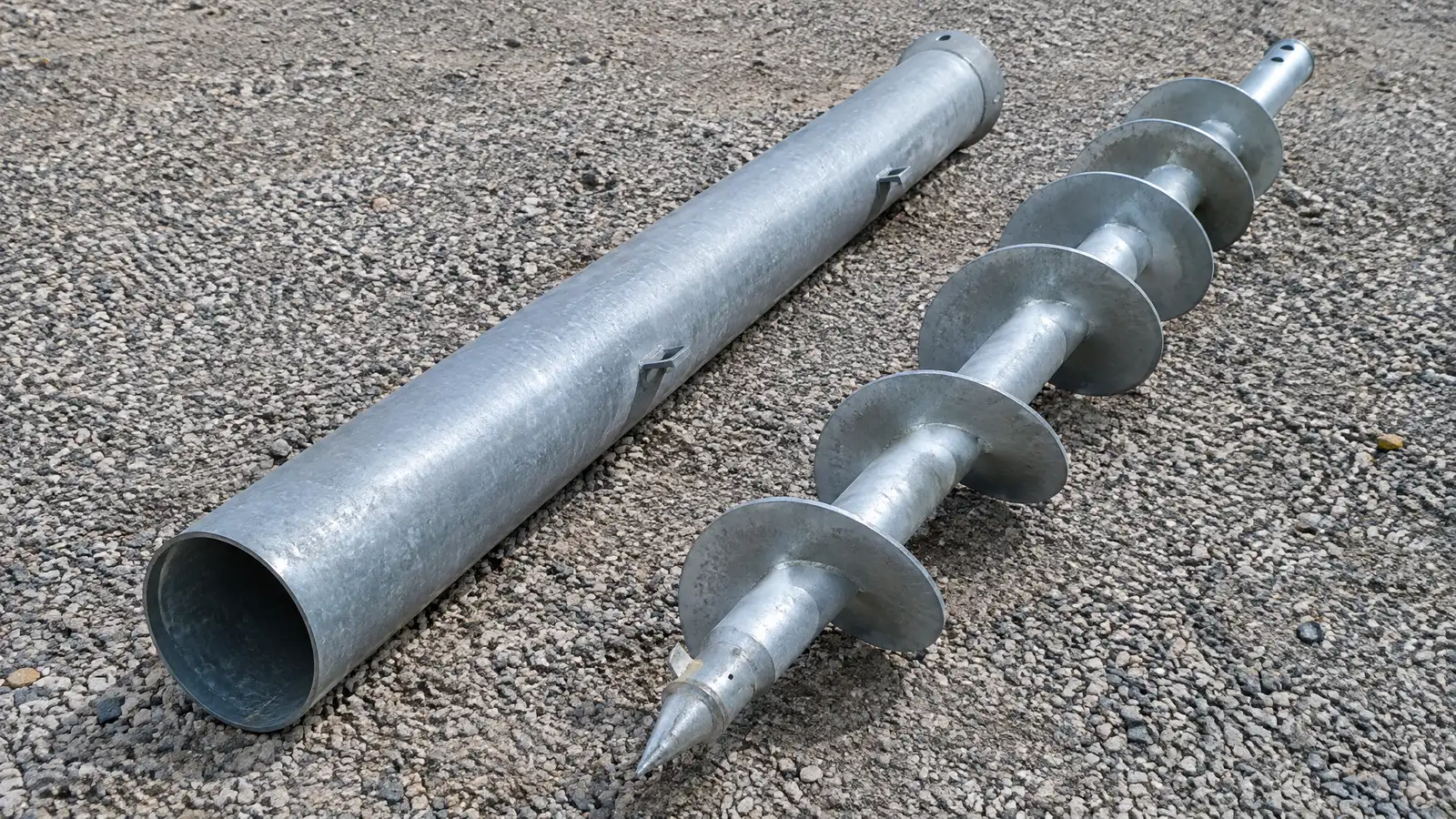 Comparison guidePush vs Helical PiersHow steel push piers and screw-in helical piers differ in how they are installed, what loads they suit…Learn more
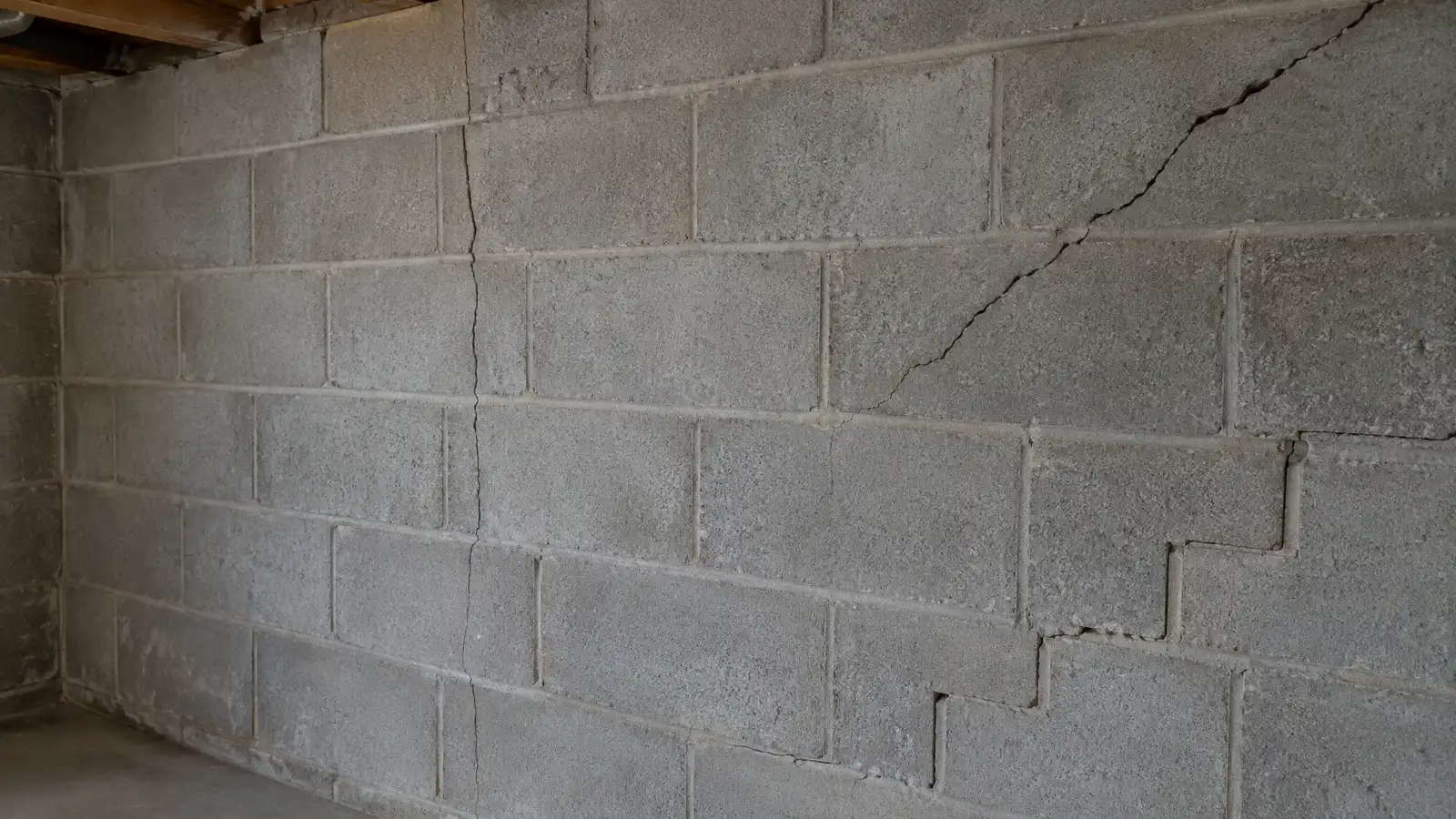 Comparison guideCrack TypesHow hairline, vertical, diagonal, stair-step and horizontal cracks differ in what they usually mean and what to do…Learn more
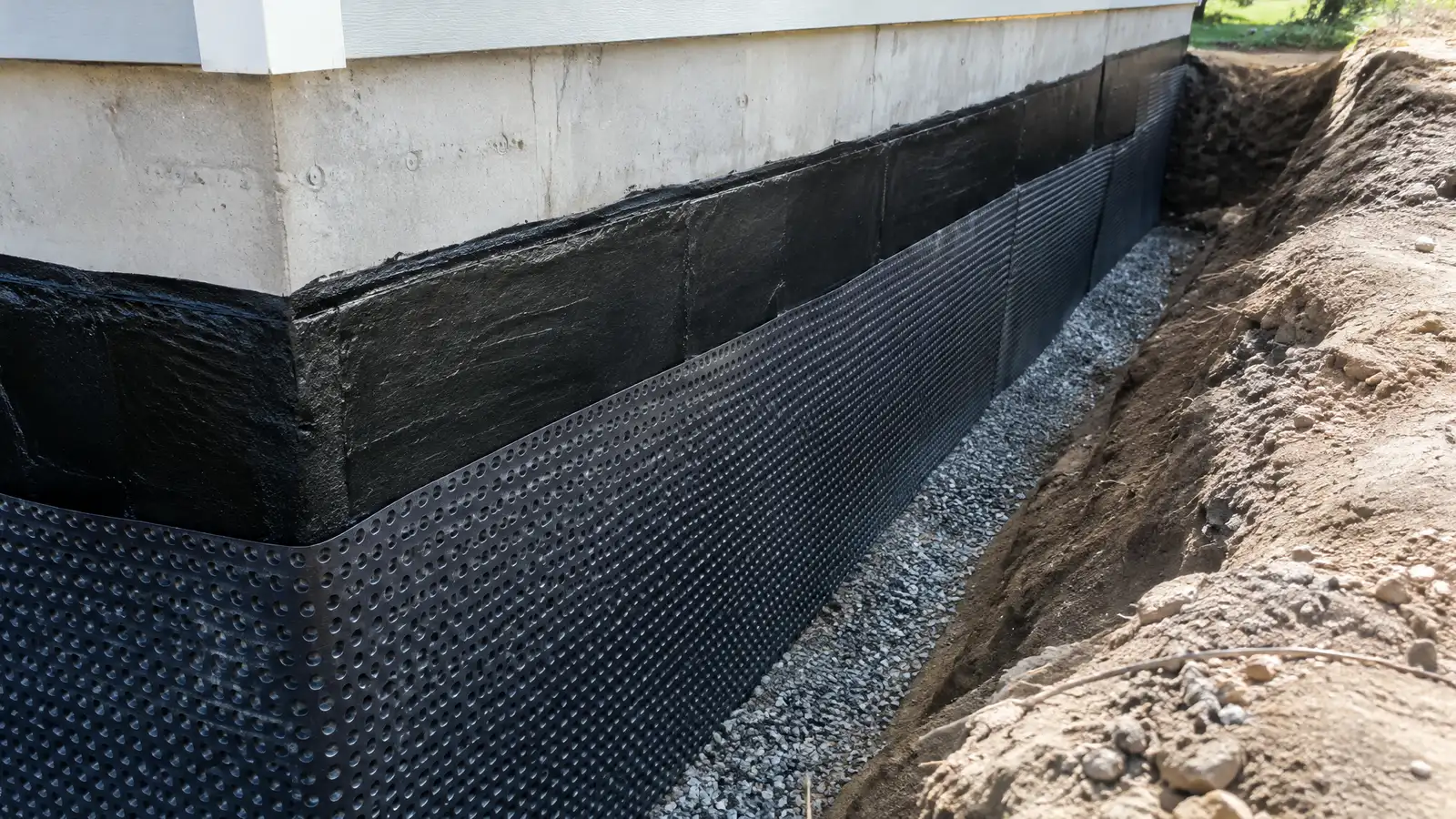 Comparison guideInterior vs Exterior WaterproofingHow interior drains and sump systems differ from exterior excavation and membranes in how they work, access needs…Learn more
Call and describe what you see. A specialist will look at the cause, talk through the options and give you a clear written estimate.