Serving Nashville and Middle TennesseeFree Estimate
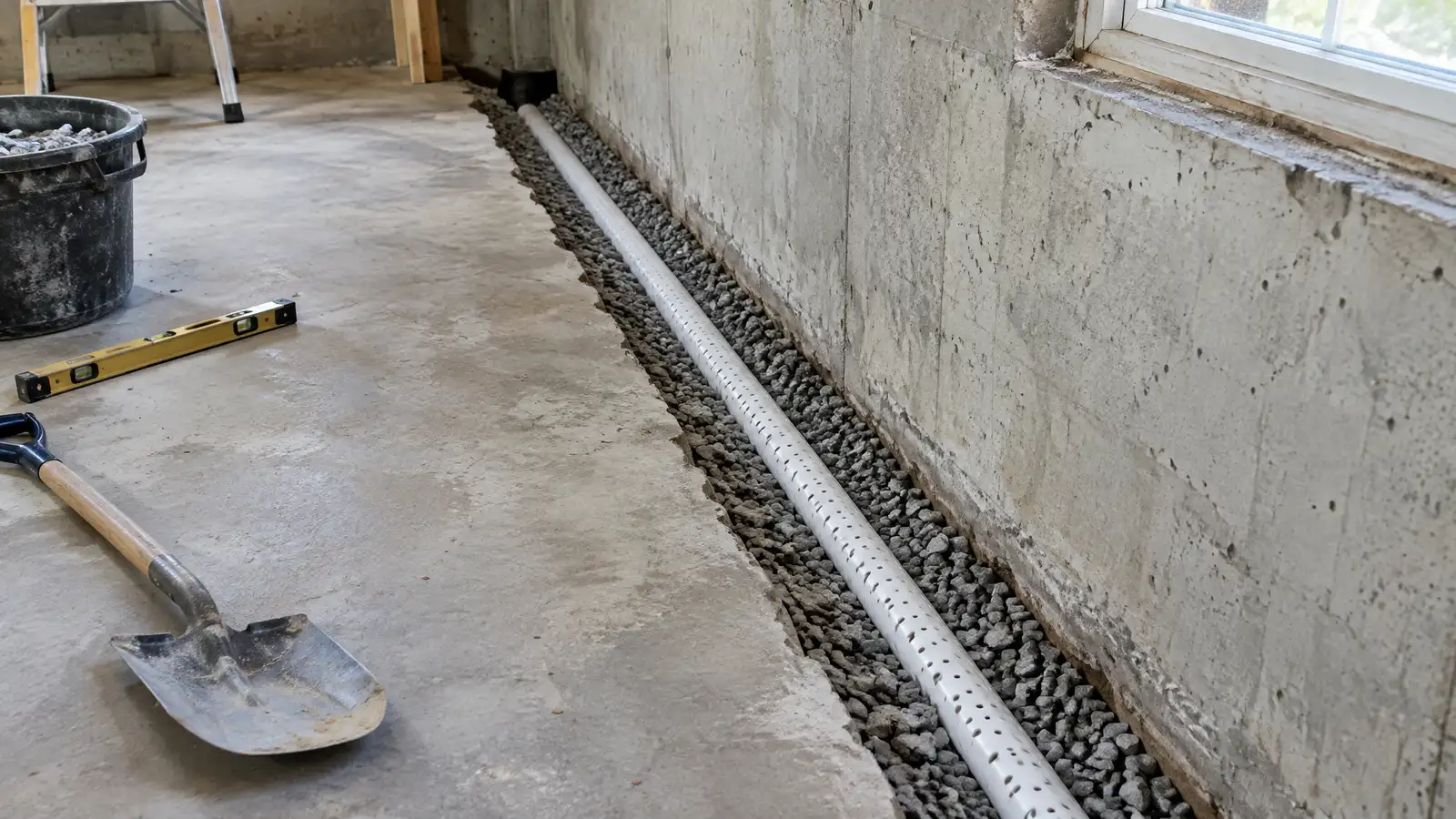
Perimeter drains and sump systems inside a basement or crawl space that catch water and send it safely away from the house.
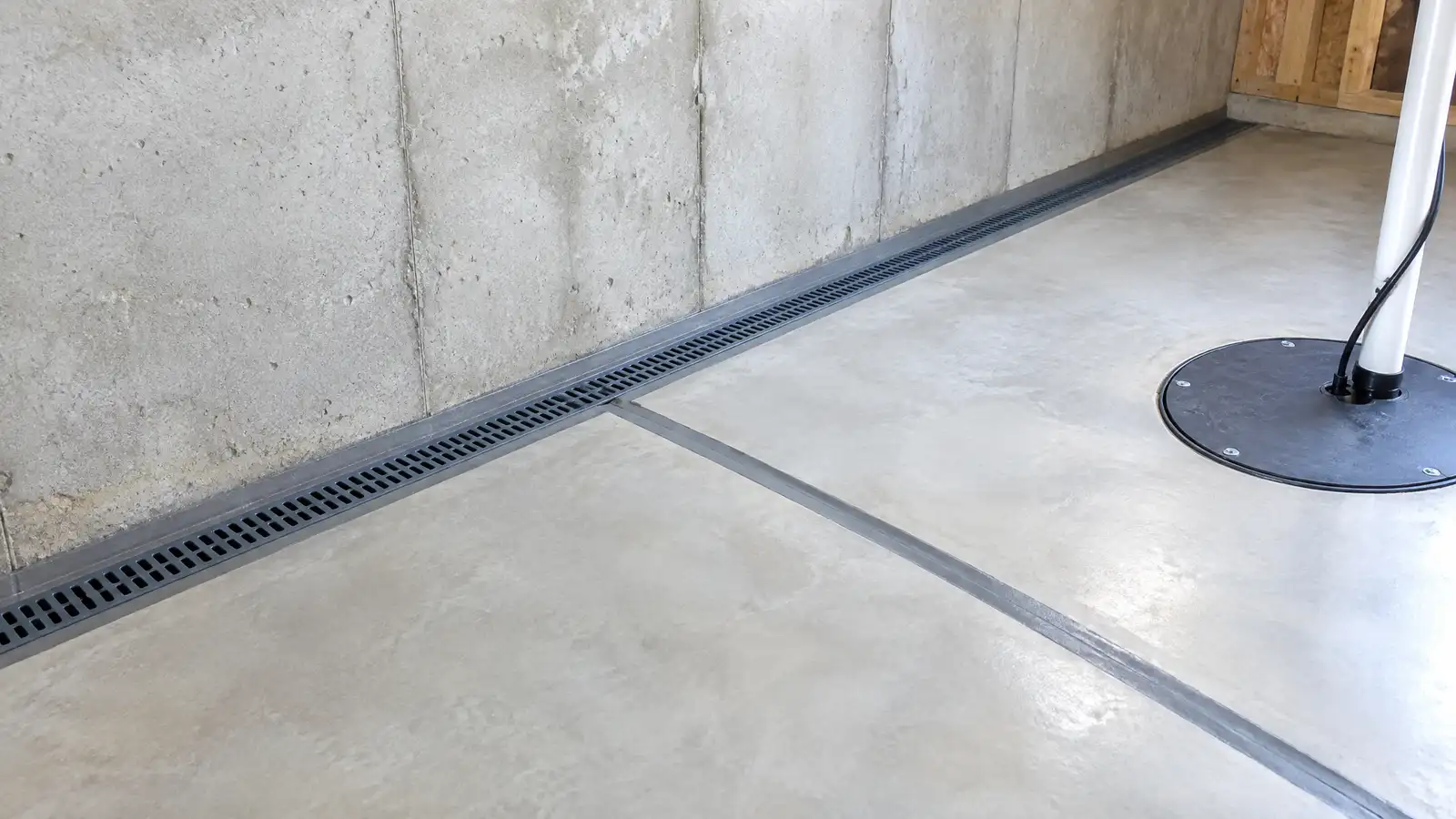
An interior drainage system works with water instead of fighting it. Channels set along the base of the walls catch water that enters at the wall-floor joint or through the walls, and carry it to a sump pit where a pump sends it outside. Many Nashville homeowners choose it because it works from inside, handles a wide range of leak paths and does not require digging up the yard.
Your specialist opens a narrow strip of the floor along the walls, sets a drain channel or perforated pipe in a bed of stone, connects it to the sump pit and covers it with new concrete. Wall surfaces may get a drainage membrane that guides water to the drain. The sump pump, the discharge line and backup power are checked, and the system is tested with water before the job is finished.
The wall-floor joint is where much basement water appears, and a drain there catches it before it spreads.
Channels and membranes guide water along the wall and across the floor to a sump pit.
A sump pump sends water outside through a discharge line that carries it well away from the foundation.
The system is tested with water, and the pump and backup are checked so it is ready for the next storm.
Drag the handle to compare.
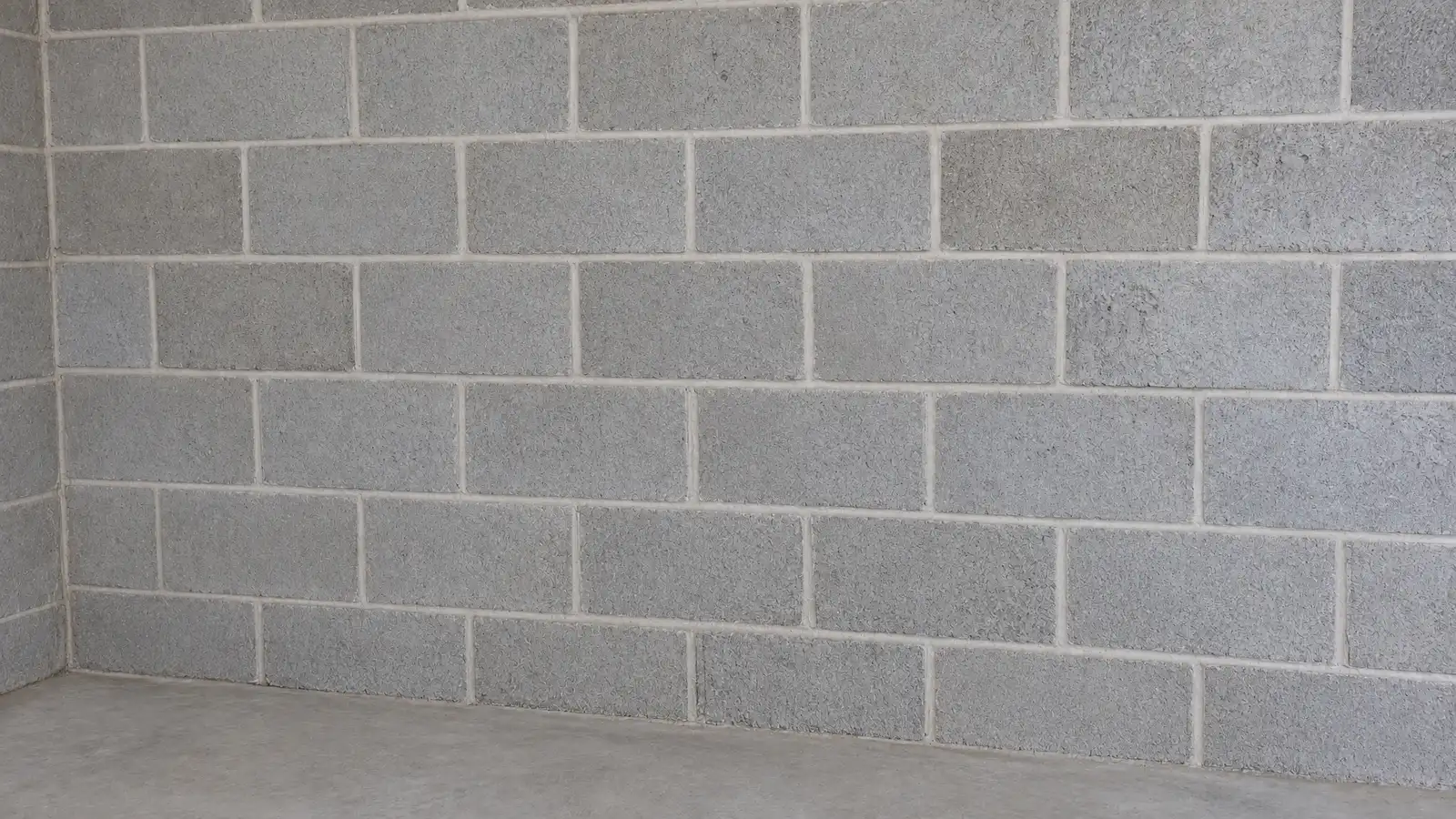
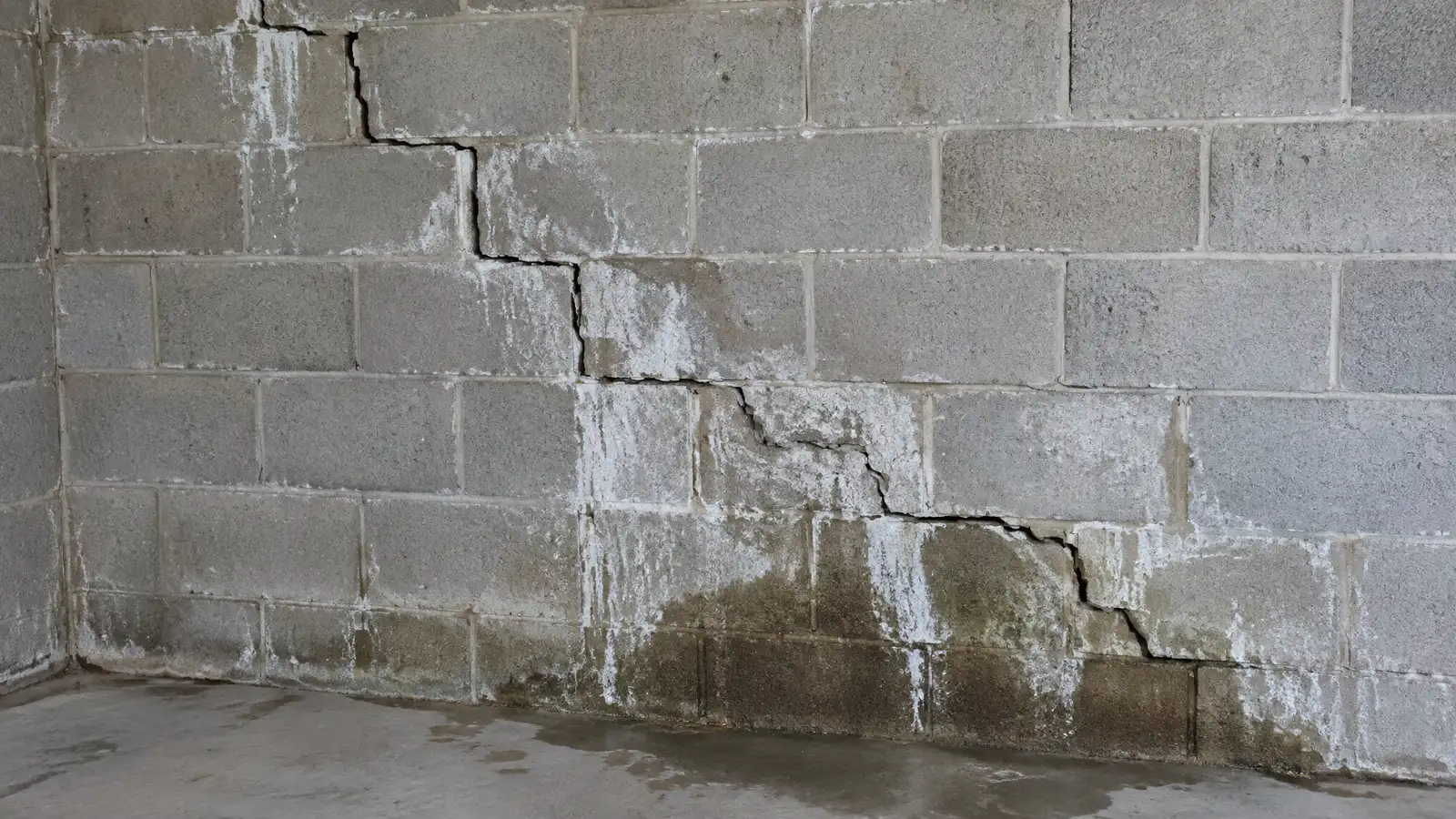 BeforeAfter
Along walls to the sump.
A narrow strip cut and removed.
Channel or pipe placed in a stone bed.
Pit, pump and discharge installed.
New concrete placed.
Flow and pump checked.
Every topic has its own page with what to expect and how we approach it.
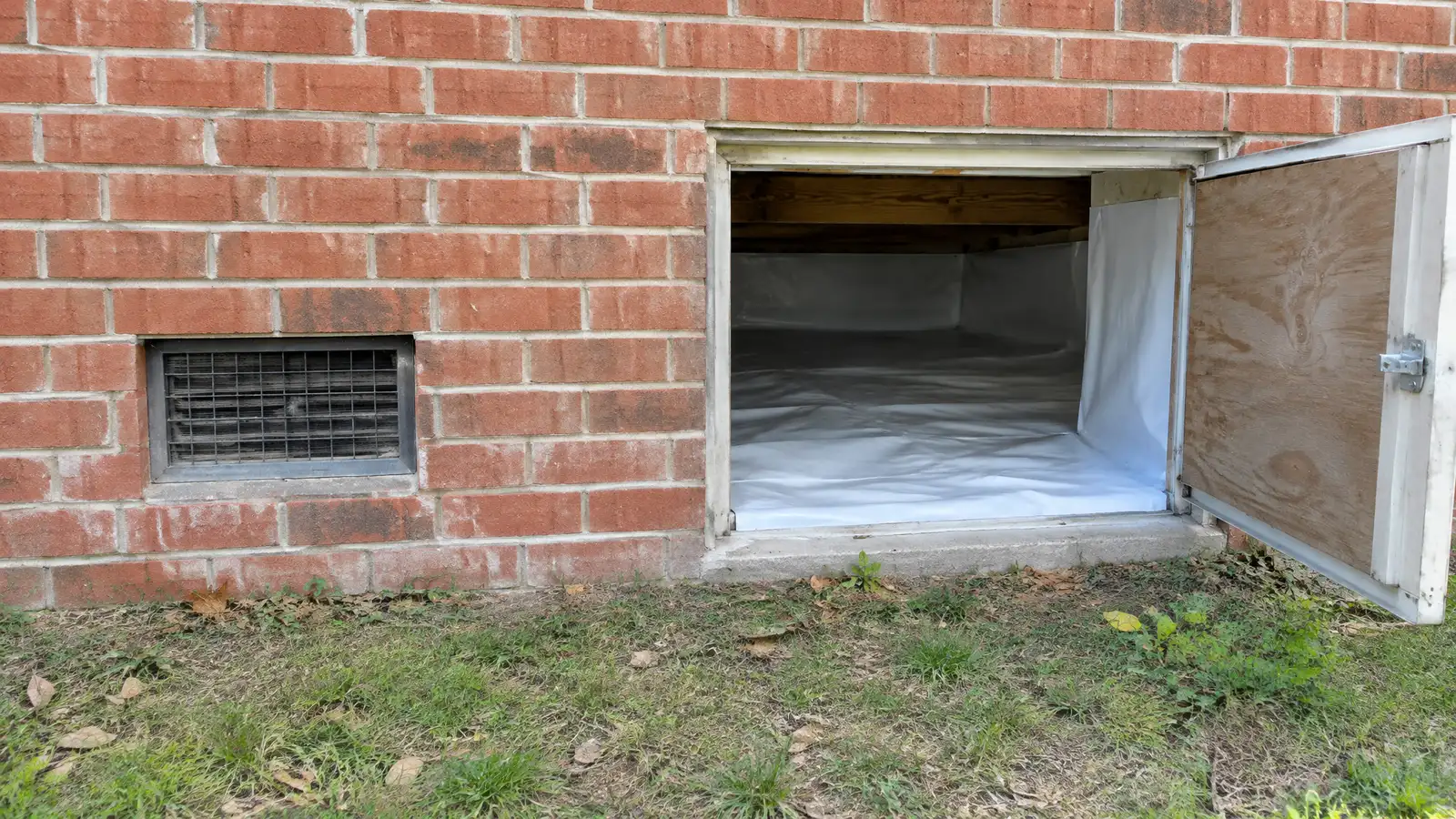 Comparison guideEncapsulation vs VentsHow a sealed, conditioned crawl space differs from a traditional vented one in moisture control, comfort, energy and…Learn more
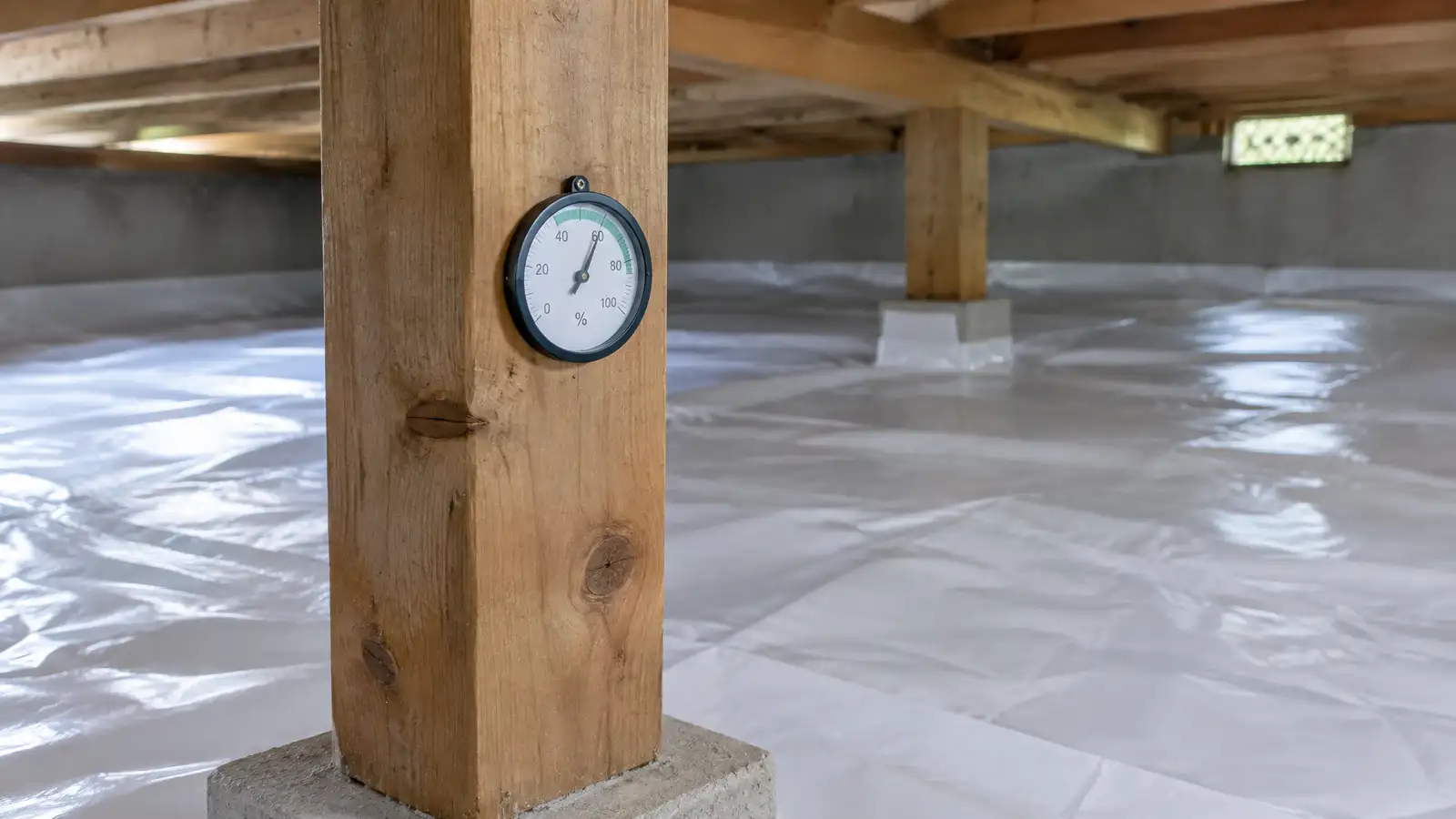 Comparison guideMoisture and Vapor BarriersHow moisture moves into a house from the soil, air and leaks, and how vapor barriers, drains and…Learn more
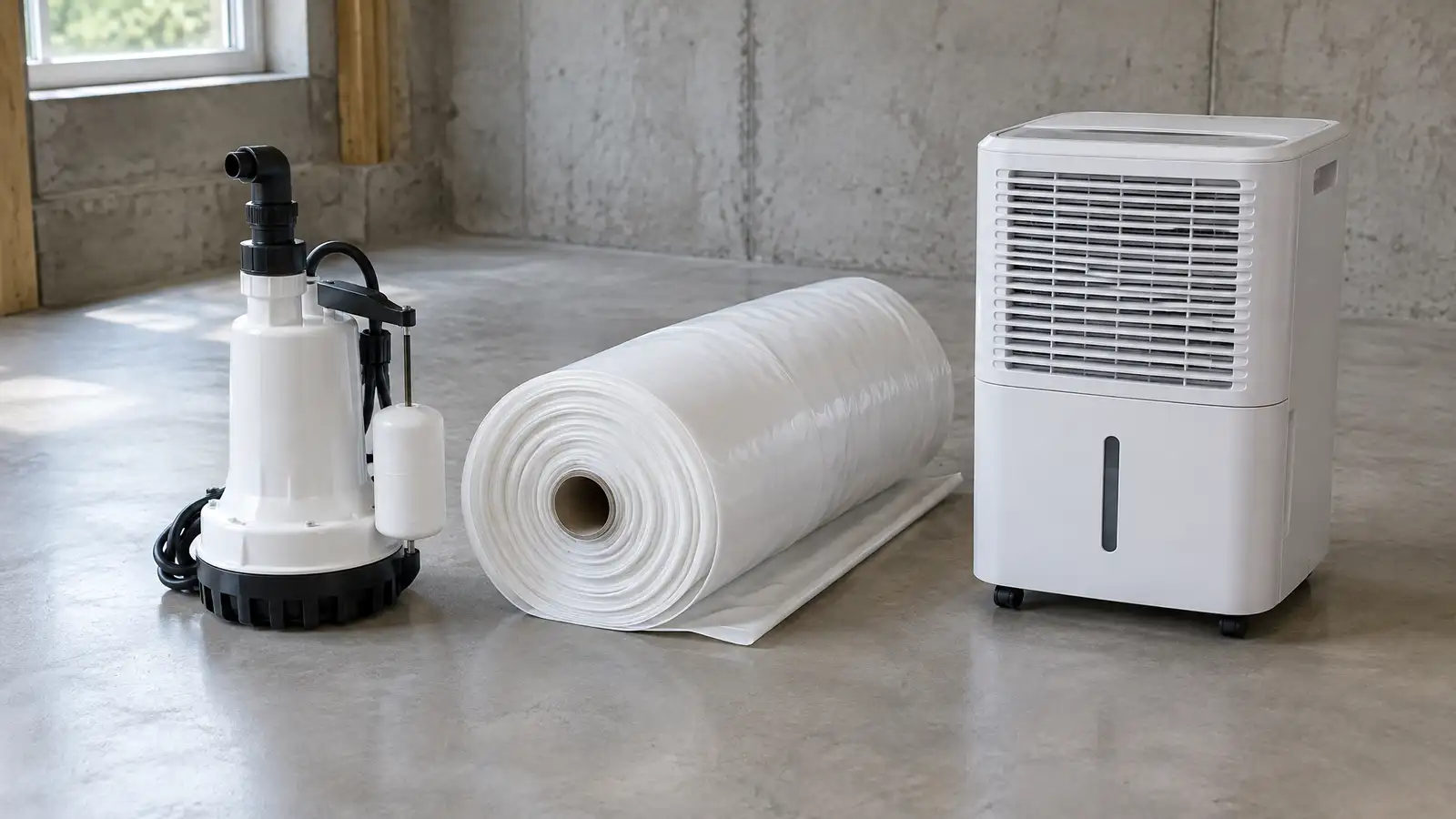 ResourceZoellerA maker of sump pumps, sewage pumps and water systems with product information and homeowner guidance.Learn more
Enter your measurements to see piers, crack length, drain footage, crawl space liner area and slab area to plan for.
You tell us what you see and where the property is. One call sets up a visit that fits your day.
A specialist walks the inside and outside, checks cracks, floors, moisture and drainage and takes measurements and photos.
You receive a plain written scope with the cause, the method, the location of each repair and the schedule before anything begins.
Utility marking is requested where digging is needed, access is protected and materials and any engineering are lined up.
Supports, drains, sealing or lifting are completed in a clear order, with photos and checks along the way.
The site is cleaned up, the work is explained on a walk-through and care and monitoring tips are shared.
It controls liquid water well. Humidity is a separate issue, and a dehumidifier or vapor barrier can address it.
Floor cutting is dusty and protection is set up, and your specialist explains the cleanup plan.
To a sump pit and out through a discharge line, away from the foundation.
The pump needs power, and a battery backup is a smart addition during storms.
An interior drain catches water that reaches the basement, and an exterior French drain intercepts water before it does.
 Basement WaterproofingA complete plan to keep water out of a basement, using drainage, pumps, sealing and exterior fixes matched…Explore
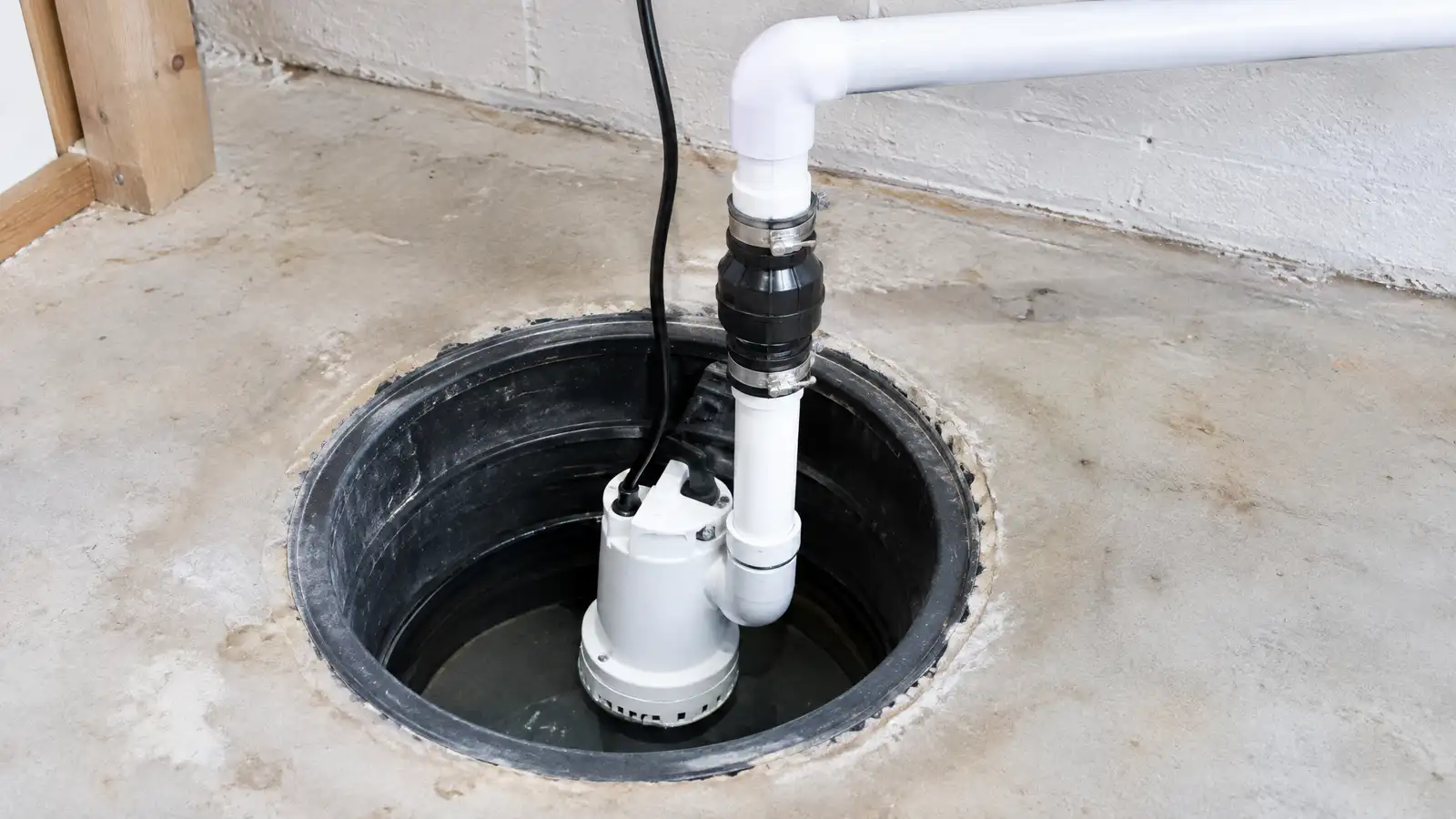 Sump Pump InstallationA properly sized sump pit and pump that keeps a basement or crawl space dry, with a discharge…Explore
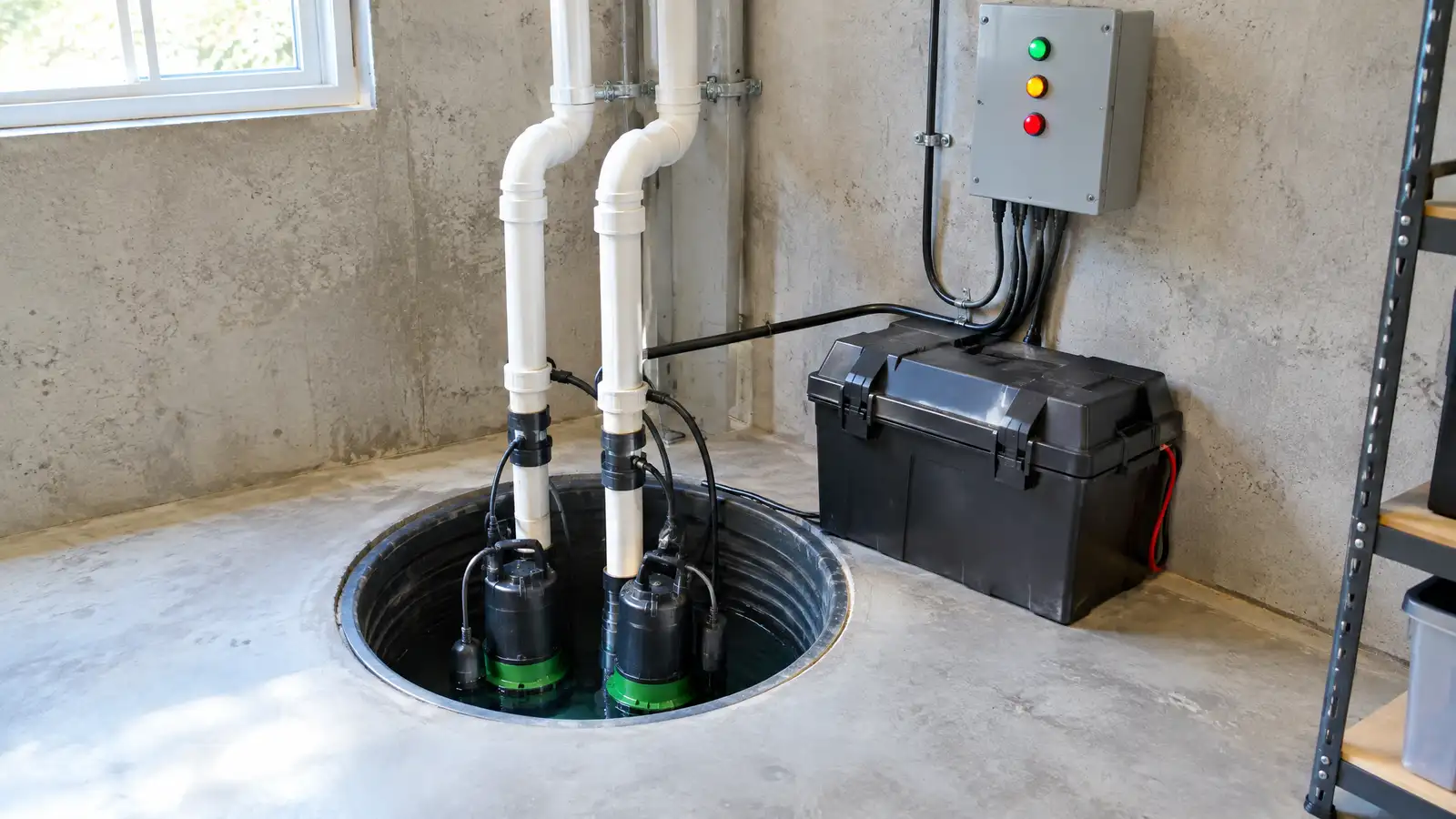 Battery Backup Sump PumpsA second pump with its own battery that keeps your basement or crawl space dry when the power…Explore
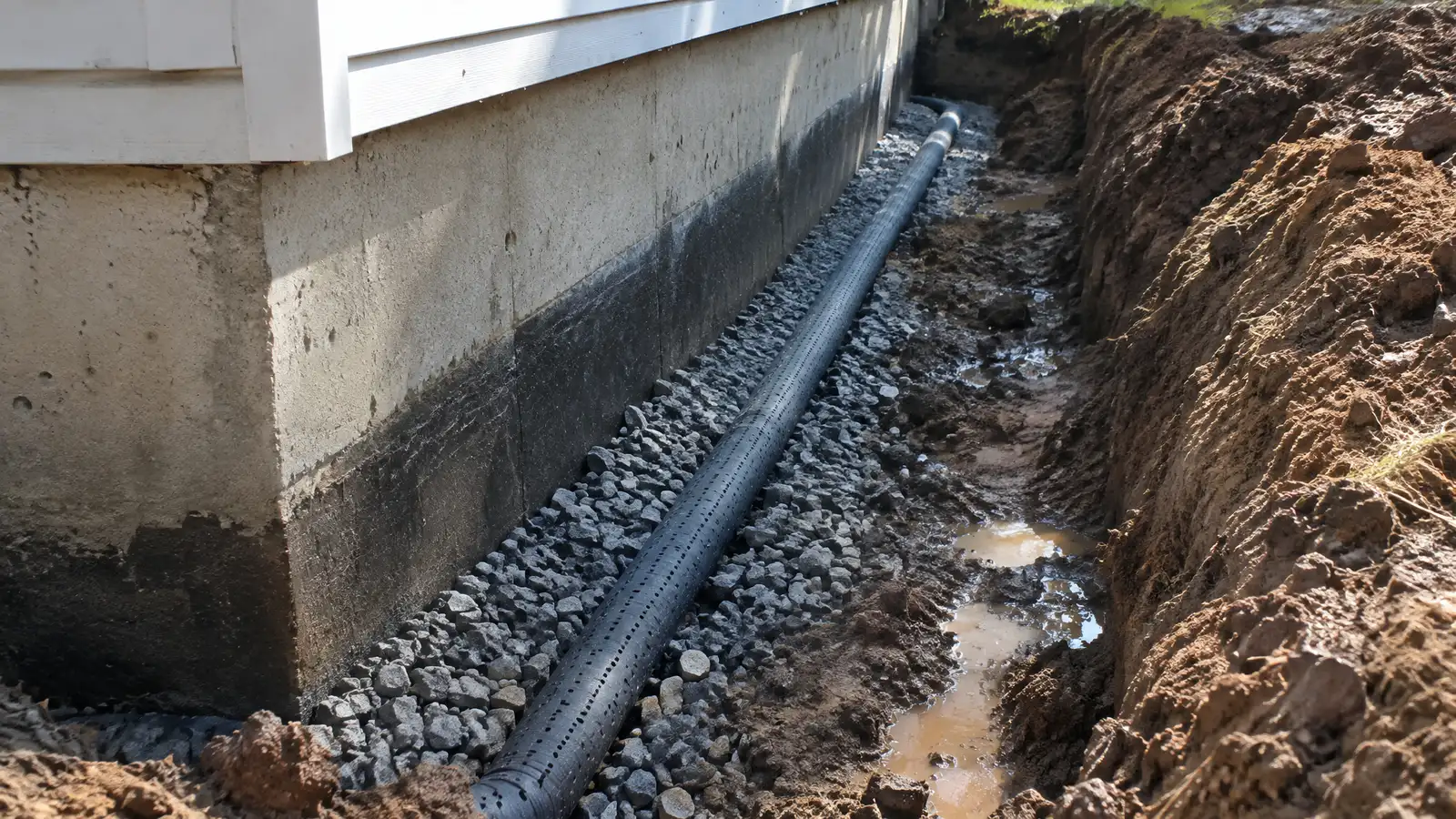 Hydrostatic Pressure ReliefDrainage that lowers the water pressure in the soil around a foundation, easing stress on walls and floors.Explore
Tell us about your property and one specialist will call you back to set up a visit.
Or call (615) 431-3789 to talk now.