Serving Nashville and Middle TennesseeFree Estimate
A close look at basement walls, floors, moisture and drainage that explains cracks, leaks and odors and points to the right fix.
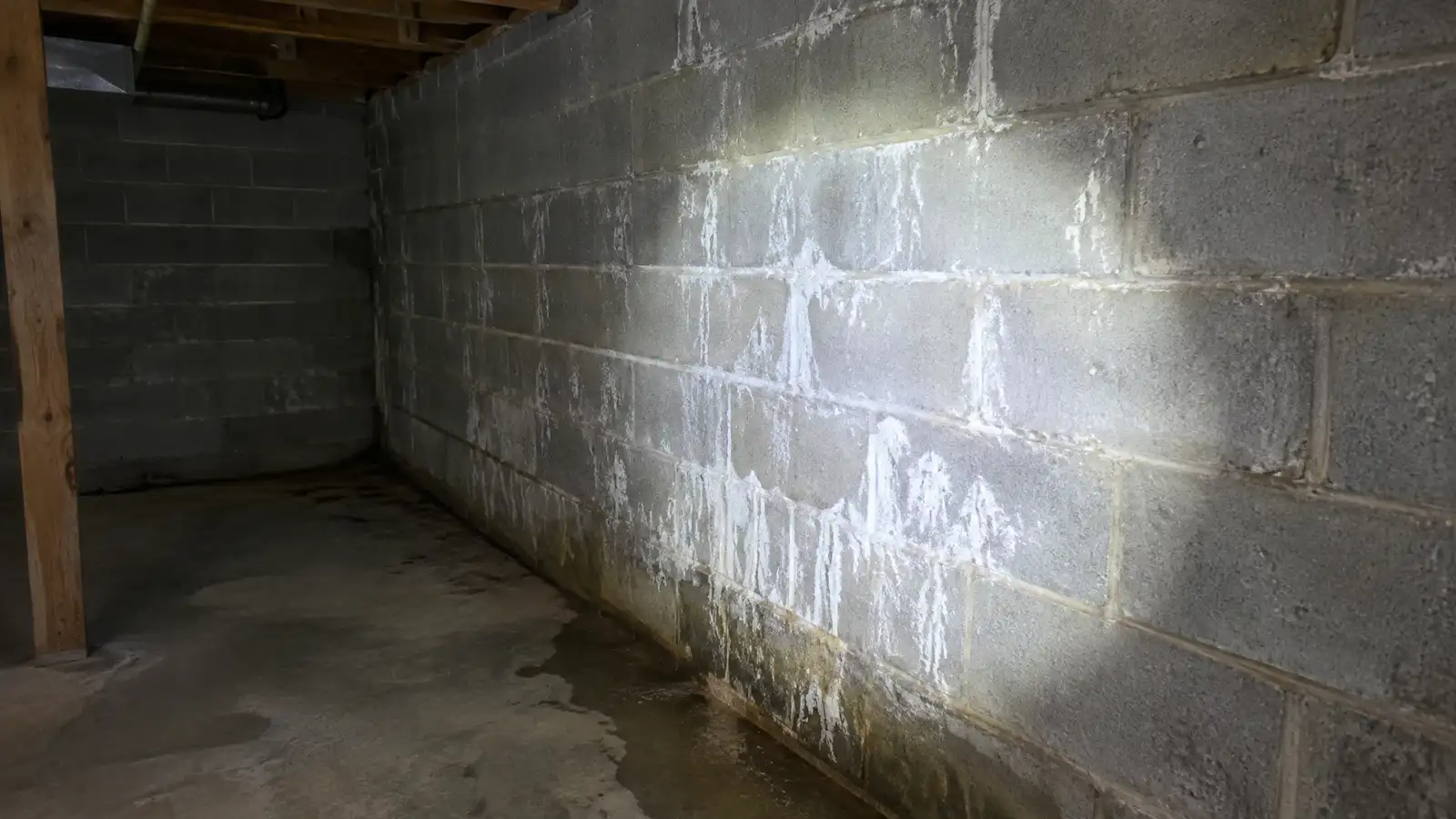
A basement should be dry, solid and comfortable. When it smells musty, shows white powder on the walls or lets water in after storms, something needs attention. Basements in Nashville homes sit against clay and rock that hold water in different ways, so the same symptom can have several causes. An inspection finds the right one.
Your specialist checks walls for cracks and bowing, floors for slope and cracks, joints where walls meet the floor, window wells, sump pits, drains and utilities. Moisture is measured and water paths are traced to the outside grading and gutters. You receive a plain summary with photos and a recommended order of steps, from simple drainage fixes to wall repair or full waterproofing.
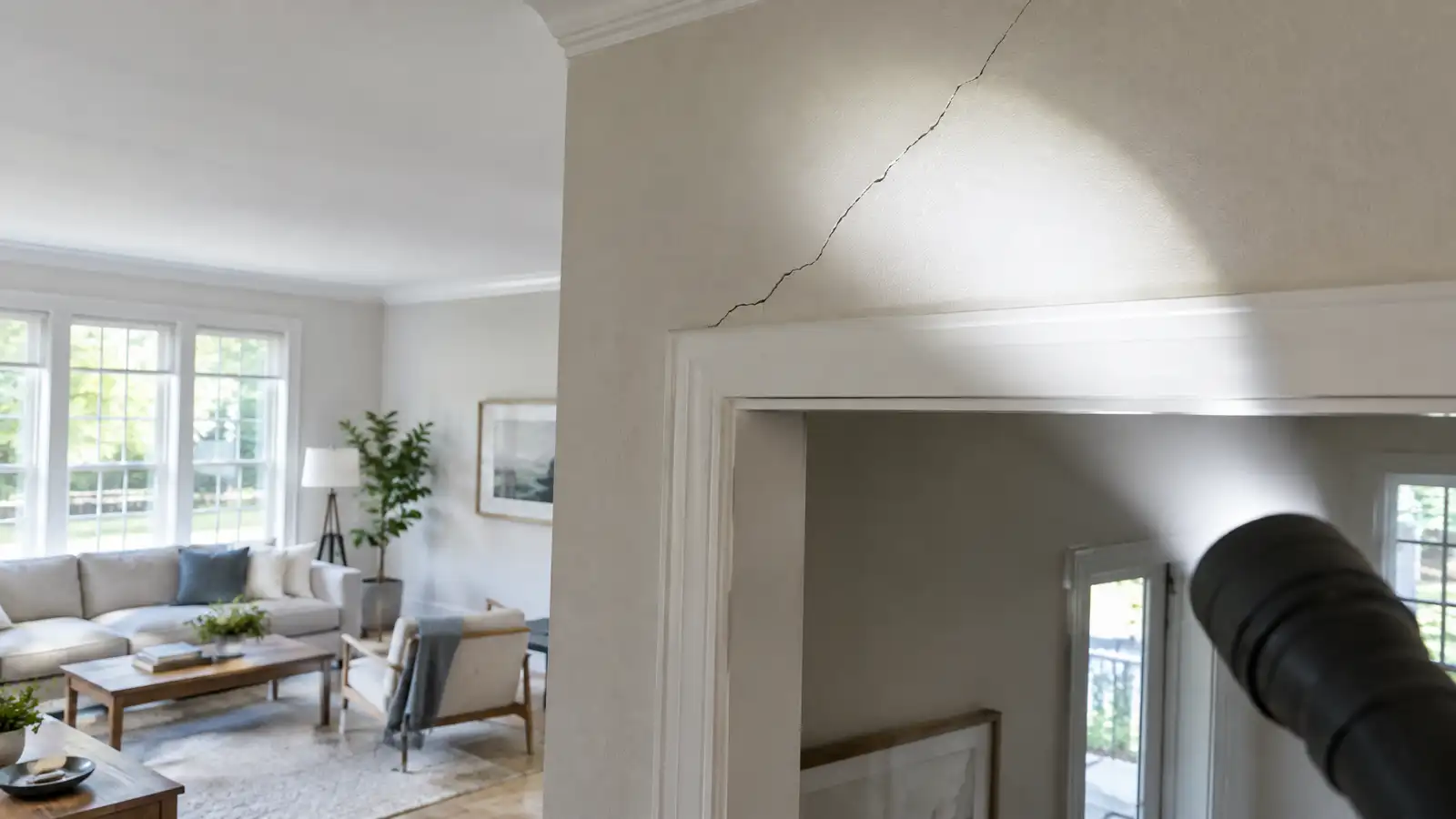
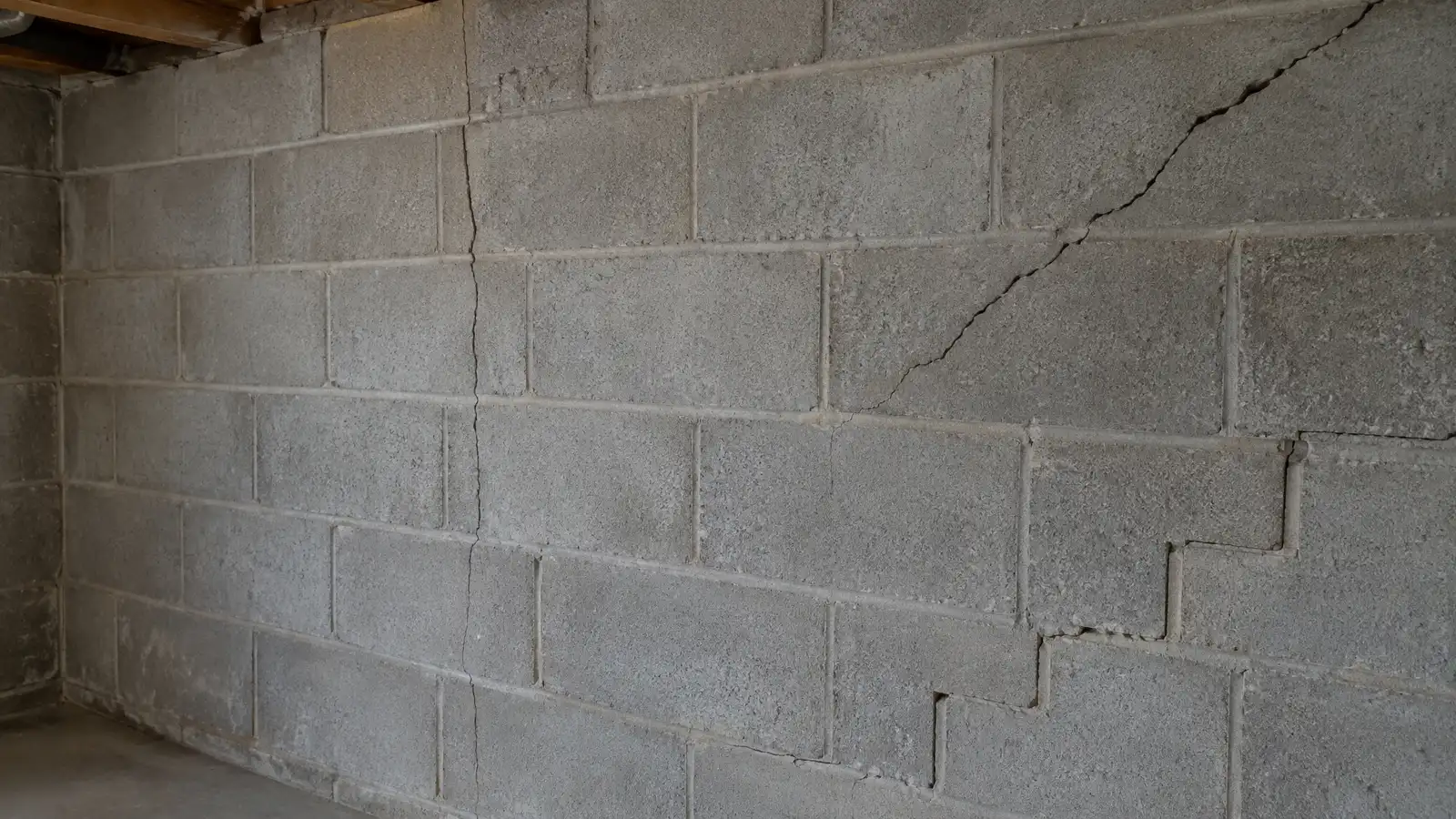
Cracks, bowing, efflorescence and floor joints show where pressure and water are working on the basement.
Window wells, wall-floor joints, pipe penetrations and sump pits are traced to find how water gets in.
Grading, downspouts and gutters are checked, since many basement problems start outdoors.
Simple, low-cost steps come first when they can solve the problem, and bigger work is explained when it is needed.
Drag the handle to compare.
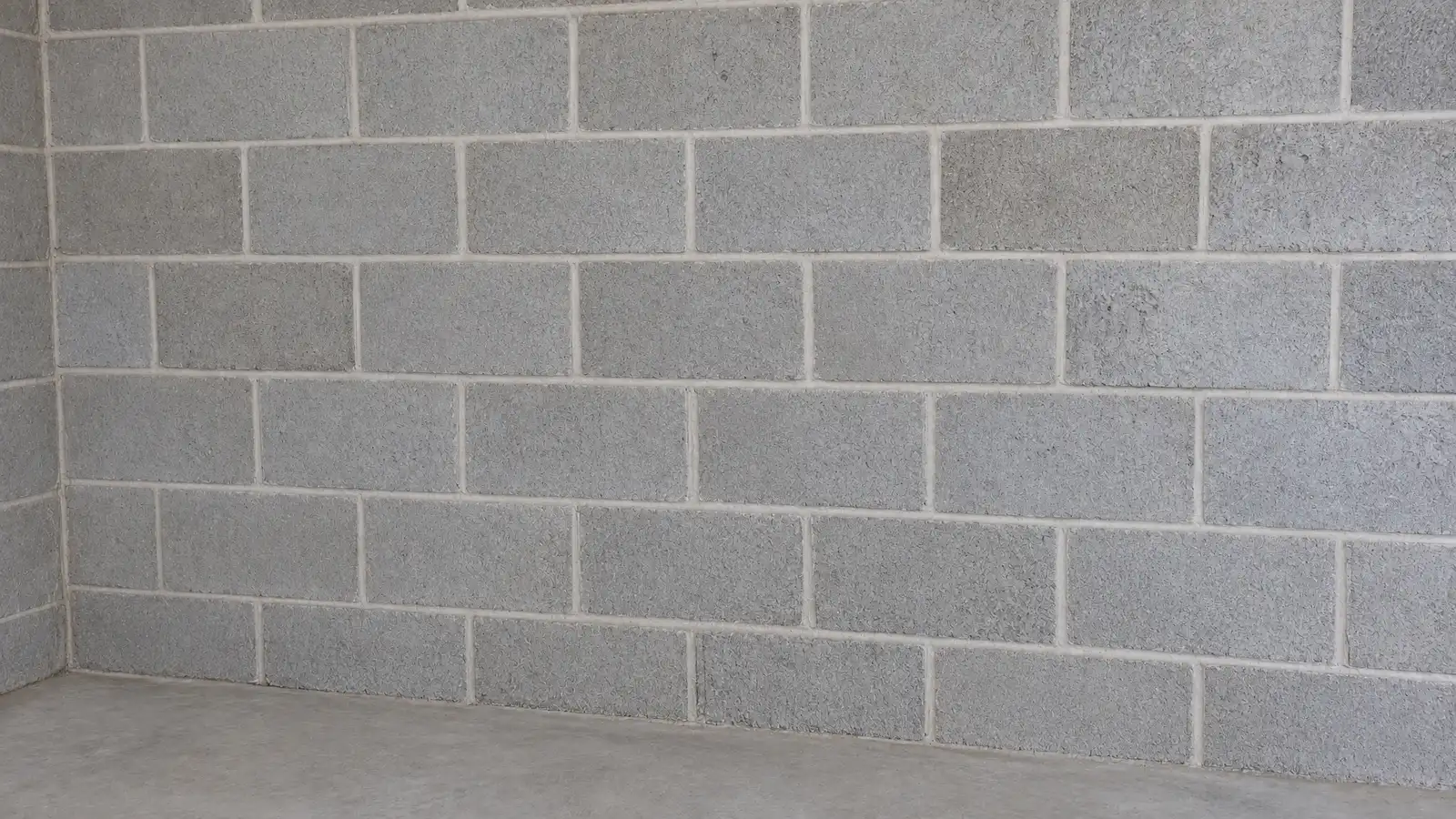
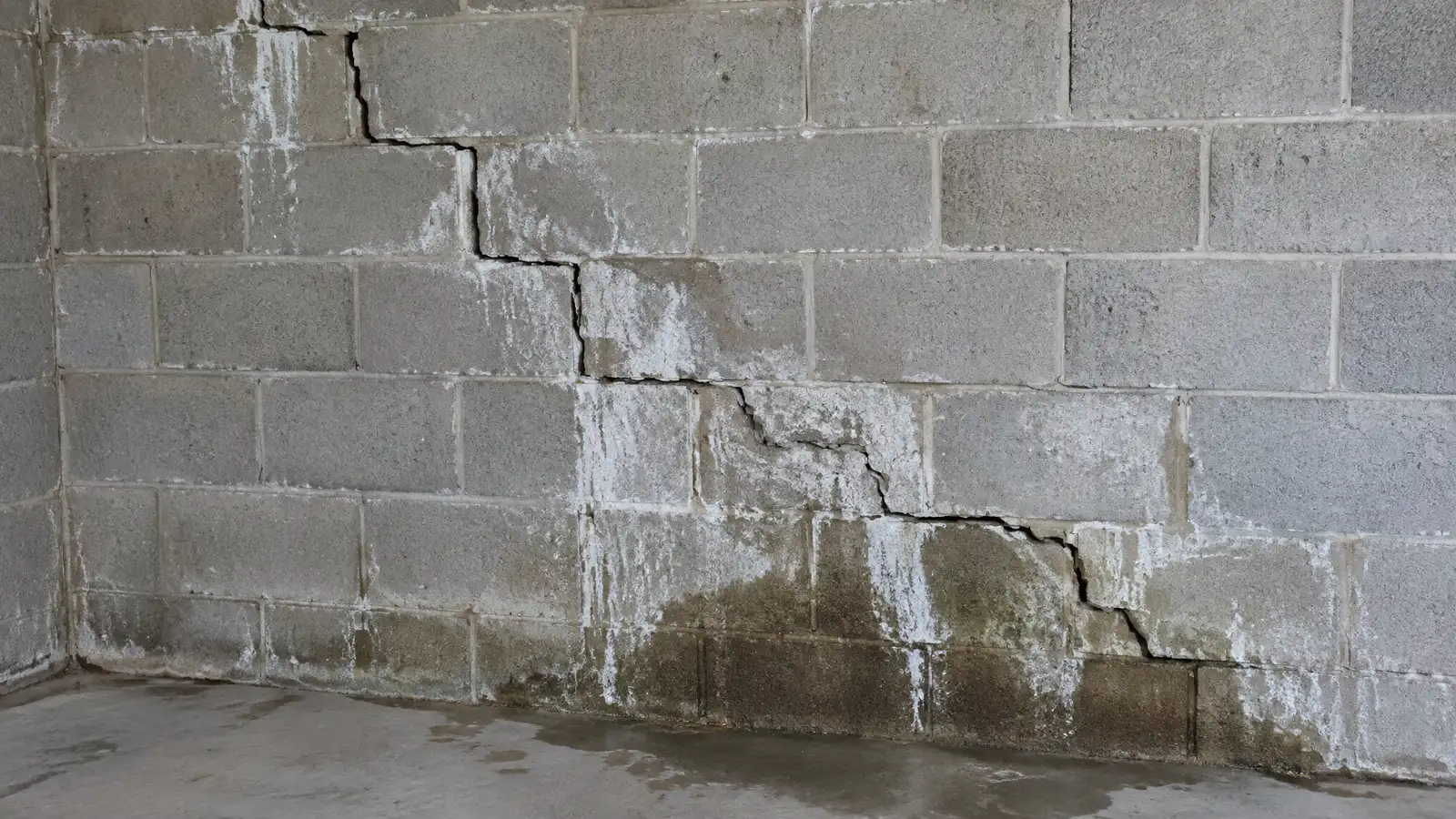 BeforeAfter
Cracks, bowing and powdery deposits.
Slope, cracks and joints.
Wells, pits and penetrations.
Grading and gutters.
Readings and notes.
Order of steps explained.
Every topic has its own page with what to expect and how we approach it.
 Comparison guideFoundation TypesHow slab-on-grade, crawl space, basement and pier and beam foundations differ in cost drivers, moisture, access, repair and…Learn more
 ResourceMetro CodesThe local office that handles building permits, inspections and code questions in Nashville and Davidson County.Learn more ResourceUSGSPlain-language information from the US Geological Survey on what sinkholes are, how karst forms and what triggers collapses.Learn more
Enter your measurements to see piers, crack length, drain footage, crawl space liner area and slab area to plan for.
You tell us what you see and where the property is. One call sets up a visit that fits your day.
A specialist walks the inside and outside, checks cracks, floors, moisture and drainage and takes measurements and photos.
You receive a plain written scope with the cause, the method, the location of each repair and the schedule before anything begins.
Utility marking is requested where digging is needed, access is protected and materials and any engineering are lined up.
Supports, drains, sealing or lifting are completed in a clear order, with photos and checks along the way.
The site is cleaned up, the work is explained on a walk-through and care and monitoring tips are shared.
Humidity, condensation and slow seepage can all dampen a basement even without recent rain. Readings and observations help sort them out.
It is often efflorescence, left behind as water passes through masonry. It signals moisture that should be checked.
No. Many cracks stay dry, and some leak only after heavy rain, so context matters.
Many owners do once moisture and structure are under control, and your specialist can say when it is a good time.
Yes. The pit, the pump, the discharge and the backup power are all part of the review.
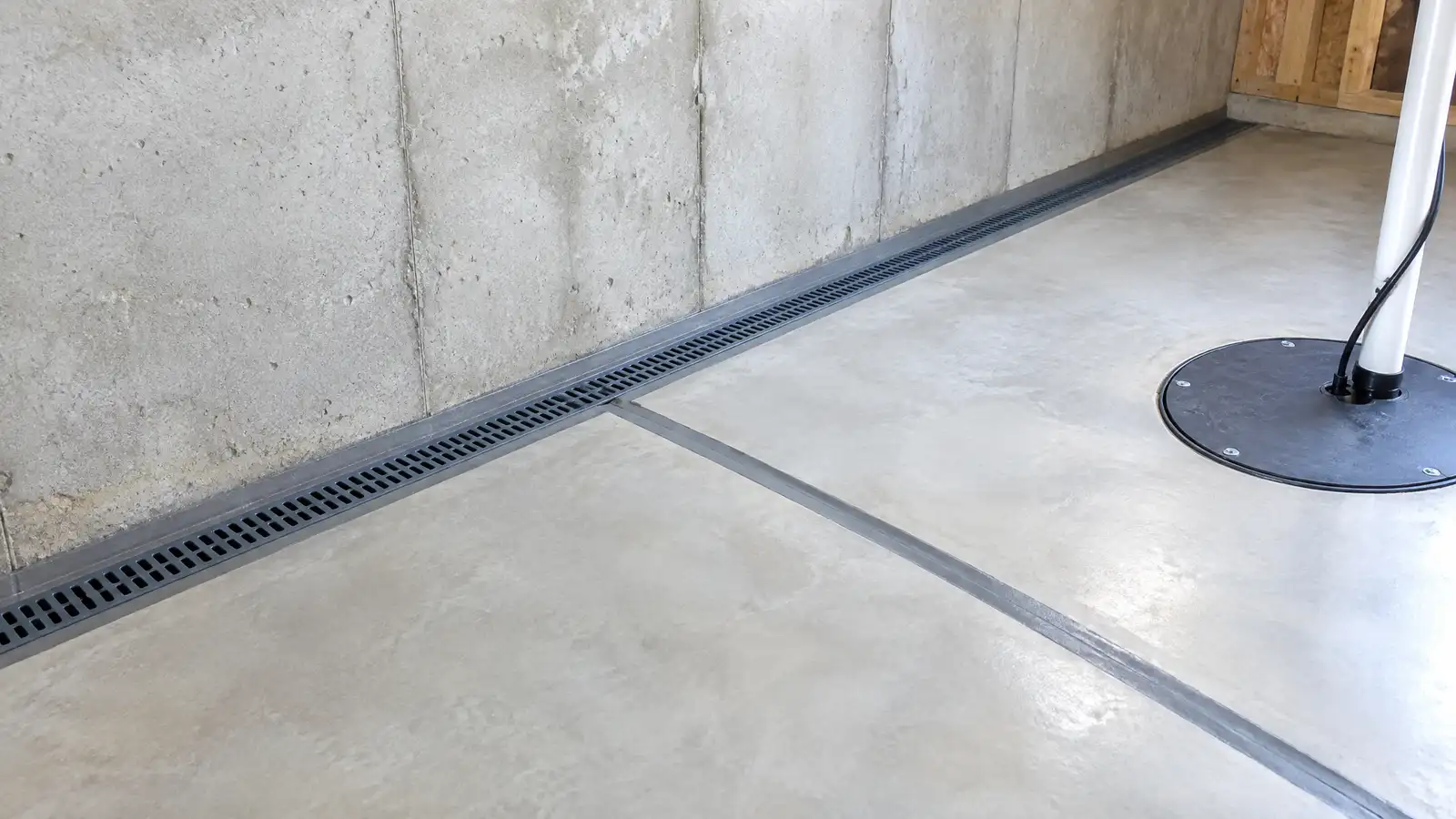 Basement WaterproofingA complete plan to keep water out of a basement, using drainage, pumps, sealing and exterior fixes matched…Explore
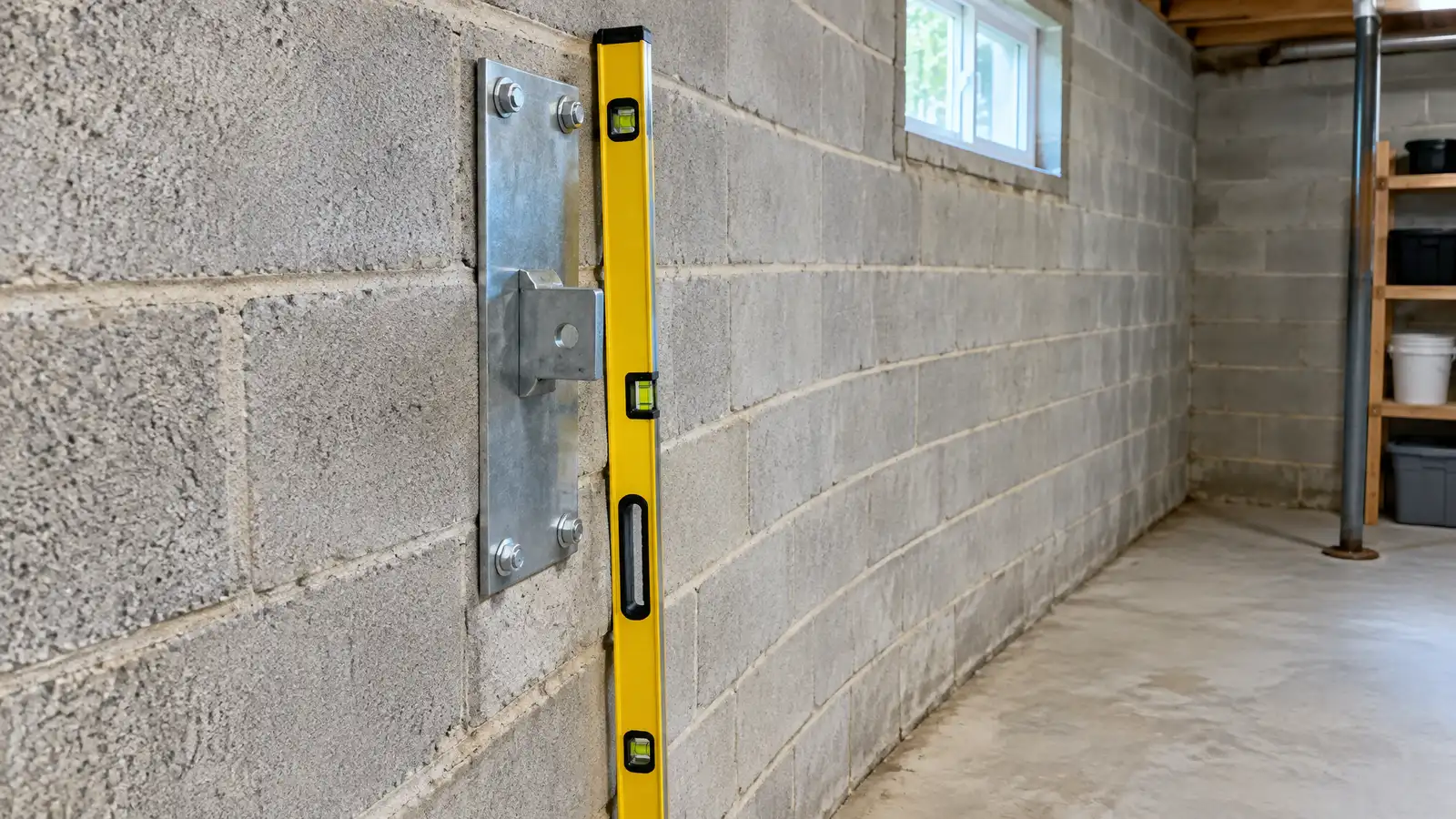 Bowing Basement Wall RepairStop and, where practical, straighten basement walls that bow or lean inward under pressure from wet soil.Explore
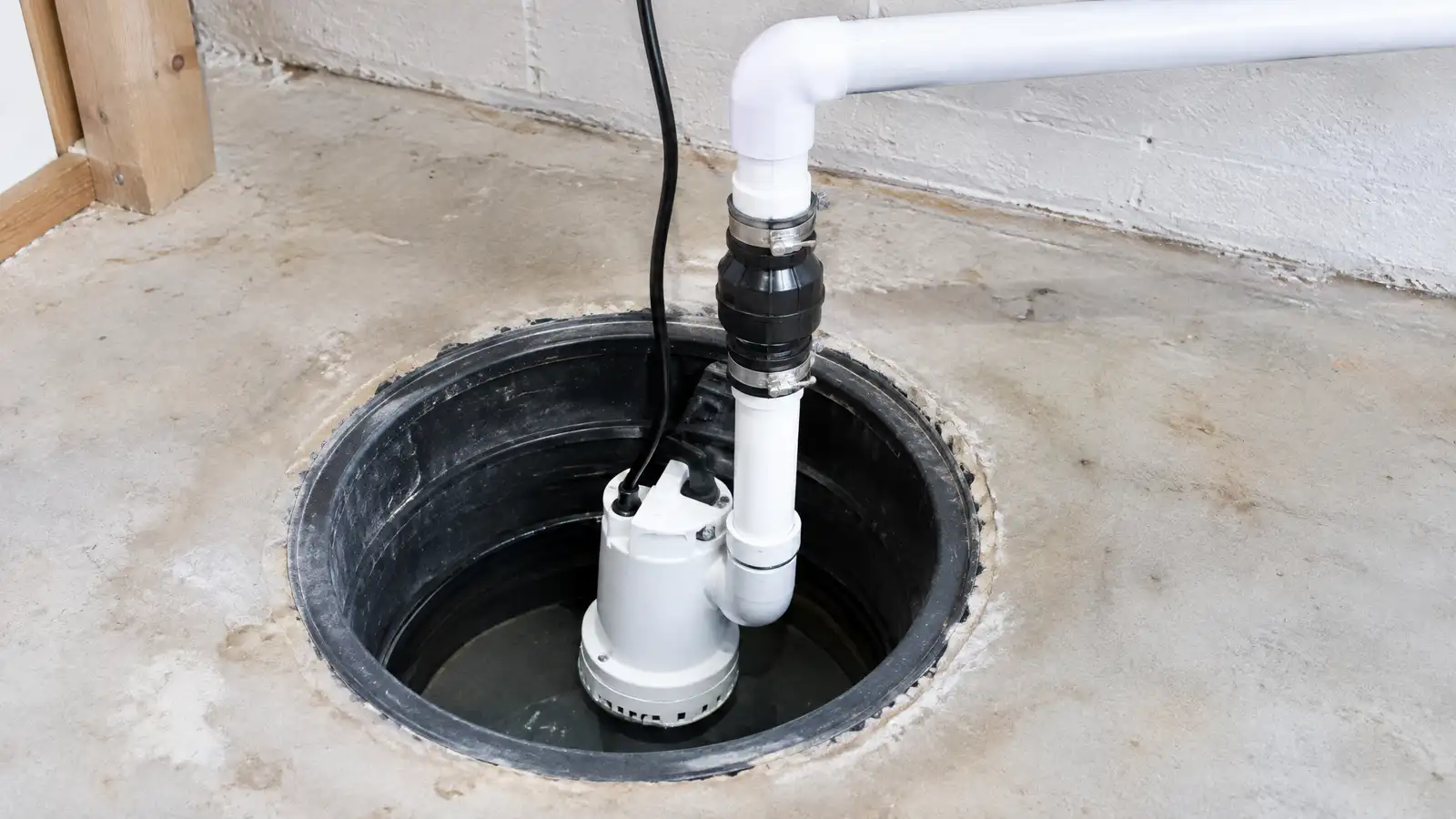 Sump Pump InstallationA properly sized sump pit and pump that keeps a basement or crawl space dry, with a discharge…Explore
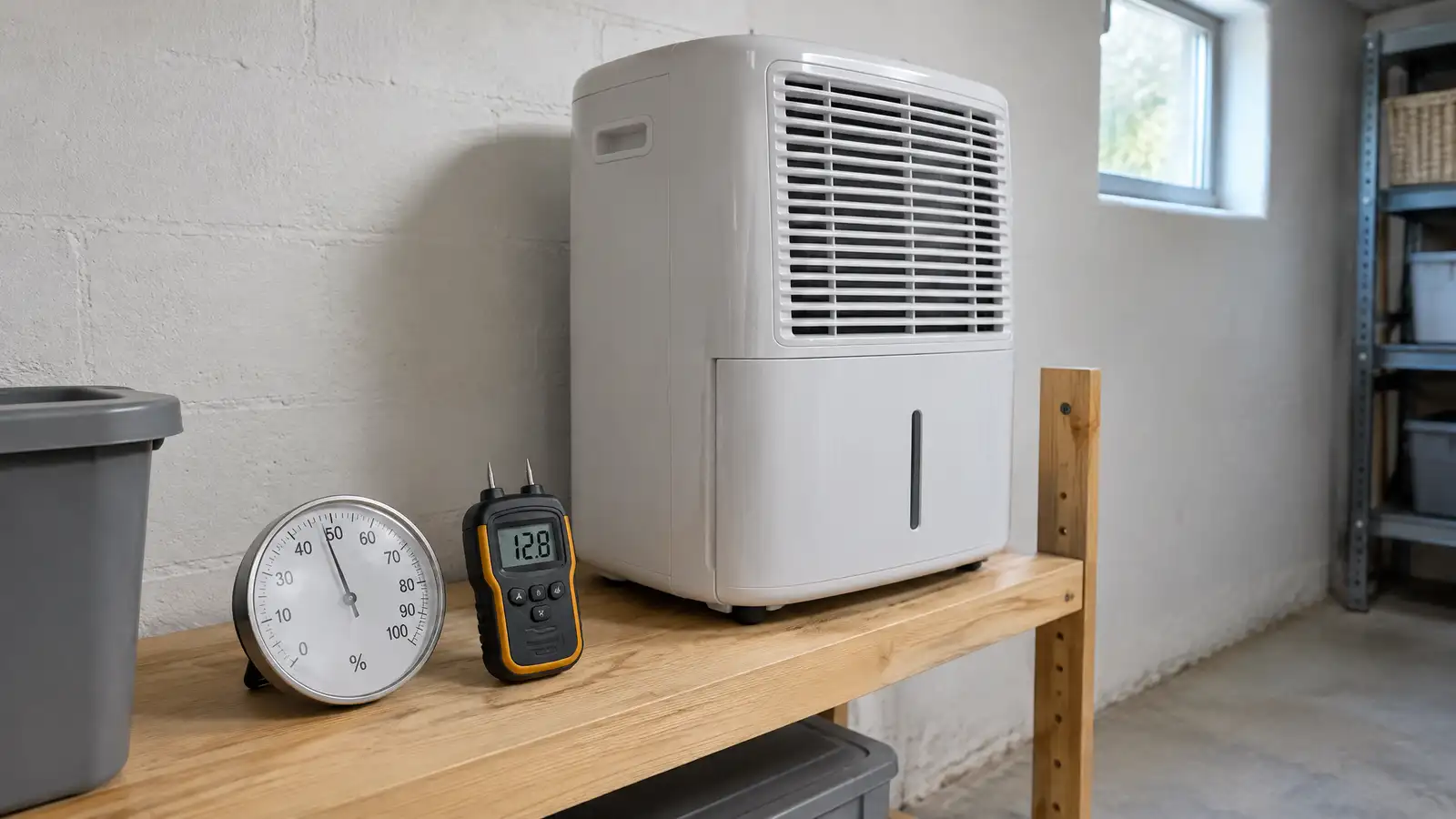 Moisture and Mold PreventionControlling water, humidity and airflow in basements and crawl spaces so mold has little to grow on.Explore
Tell us about your property and one specialist will call you back to set up a visit.
Or call (615) 431-3789 to talk now.