Serving Nashville and Middle TennesseeFree Estimate
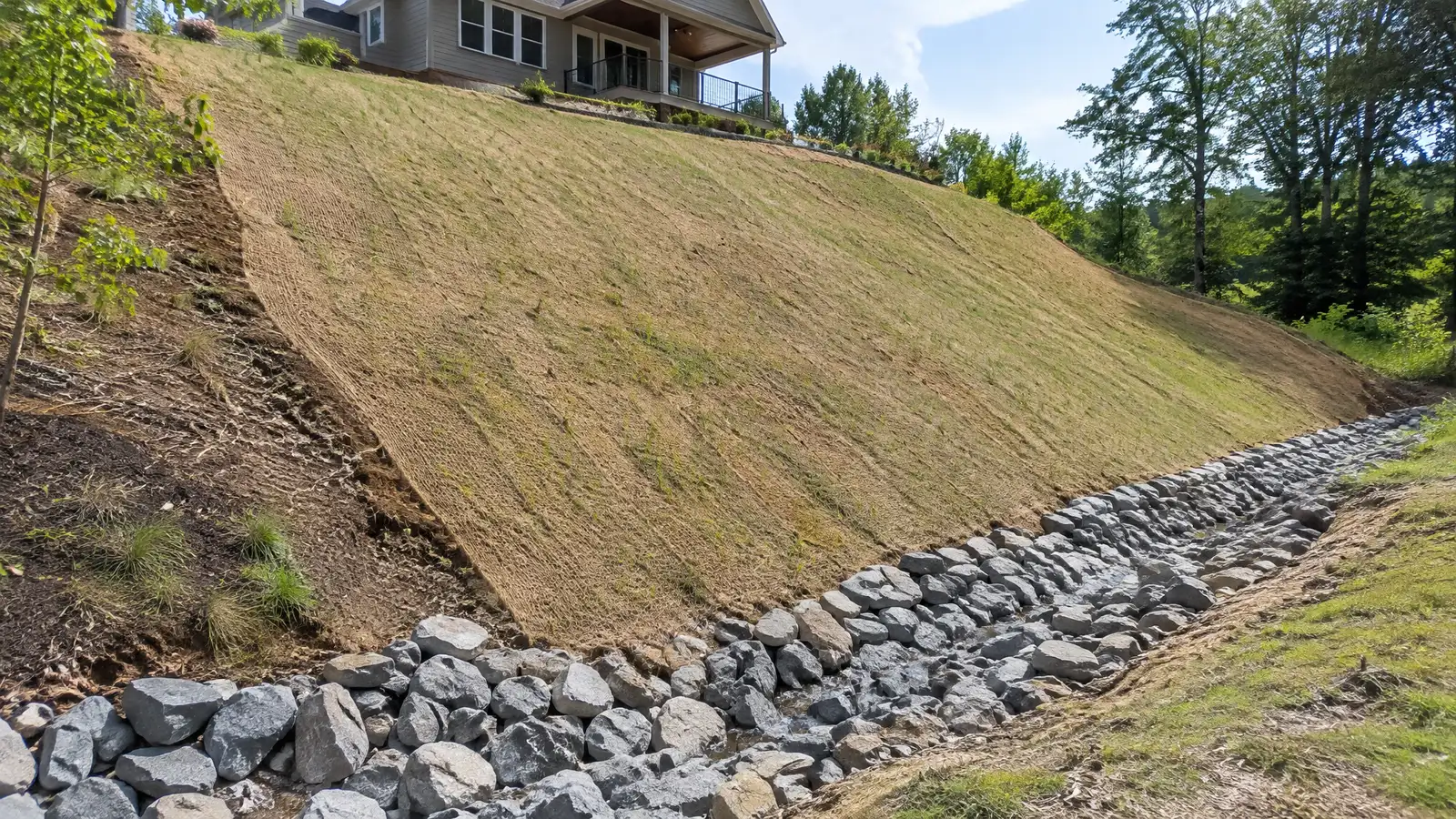
Protecting slopes, banks and soil near a foundation from washing away, with grading, planting, stone and structural measures.
When rain washes soil away, it can undermine a foundation, a driveway or a retaining wall. Slopes that look stable can lose a little each year, and a single heavy storm can take a lot at once. Erosion control keeps the ground where it belongs, which matters on hillside lots, creek banks and steep drives common around Nashville.
Your specialist looks at the slope, the flow of water, the soil and what is at risk, then selects measures that fit. Grading and swales slow runoff, erosion blankets and planting hold bare soil, stone or riprap protects channels and banks and retaining walls or terraces break up steep slopes. Gutters and downspouts are corrected so water is not concentrated on weak ground. Erosion rarely announces itself. It arrives as exposed roots, a small gully after each storm or a bank that is a little steeper every spring. Photograph the slope from the same spot each season and mark any fresh gullies. Those simple records help your specialist judge how fast the ground is moving and whether planting alone will do or structure is needed.
Gentle slopes, swales and check points slow runoff so it carries less soil.
Erosion blankets, seed, sod and planting protect bare soil from raindrops and flow.
Stone and riprap protect the places where water runs fastest, such as outlets, banks and ditches.
Terraces and retaining walls break up steep ground and keep structures from losing support.
Drag the handle to compare.
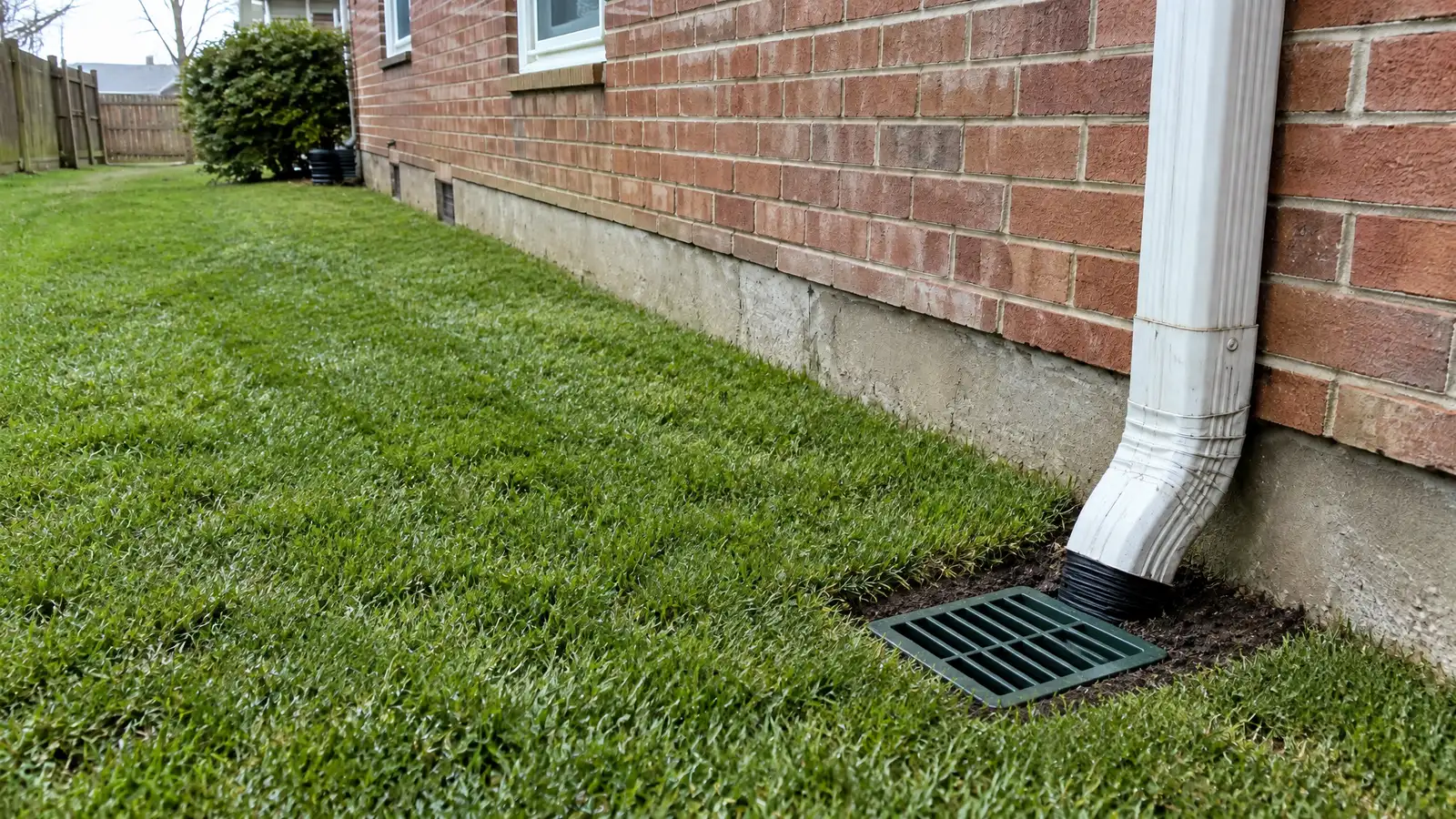
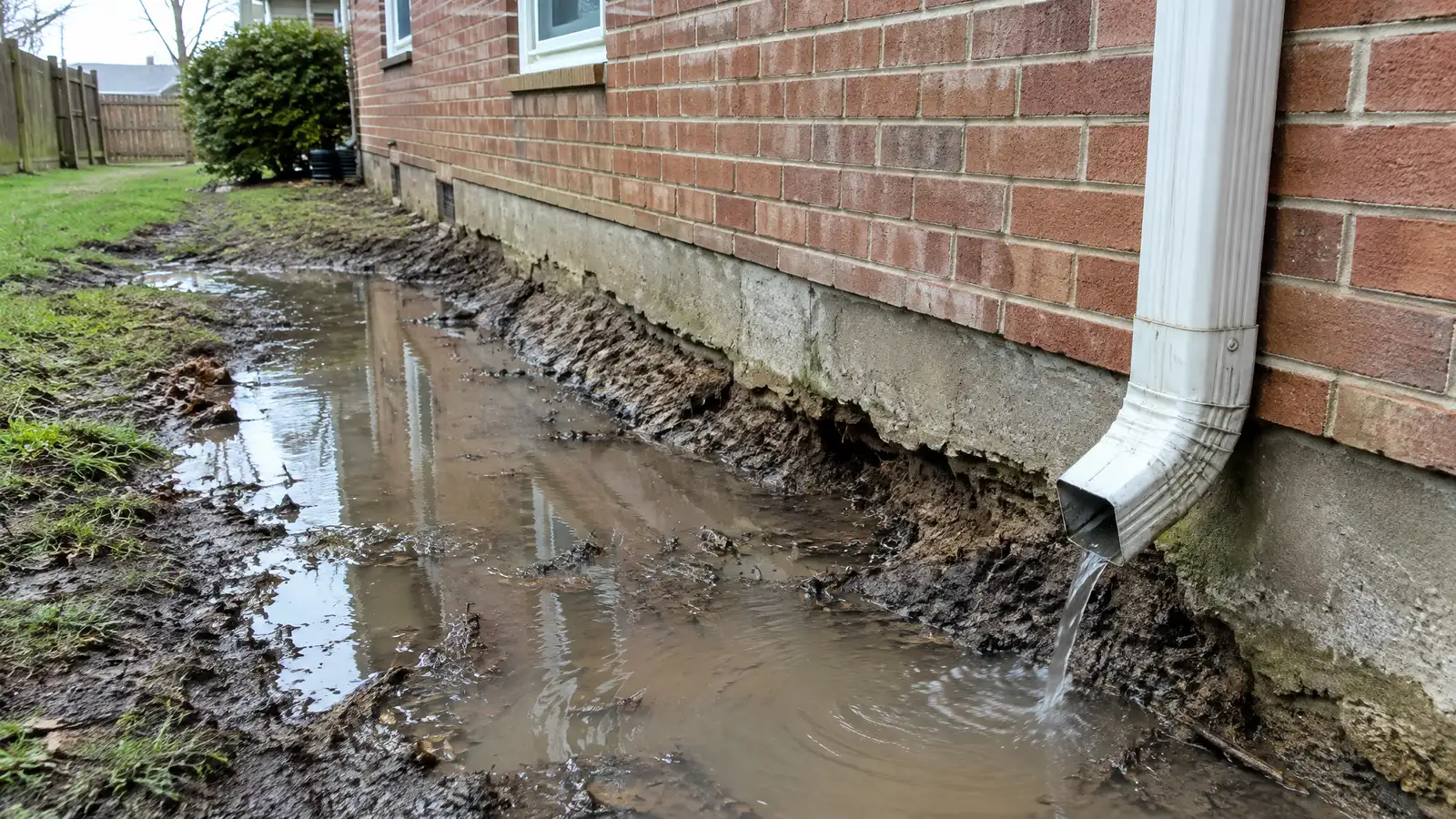 BeforeAfter
Soil, flow and risk reviewed.
Gutters, swales and drains.
Blankets, seed and planting.
Stone at outlets and banks.
Terraces or walls.
Checks after storms.
Every topic has its own page with what to expect and how we approach it.
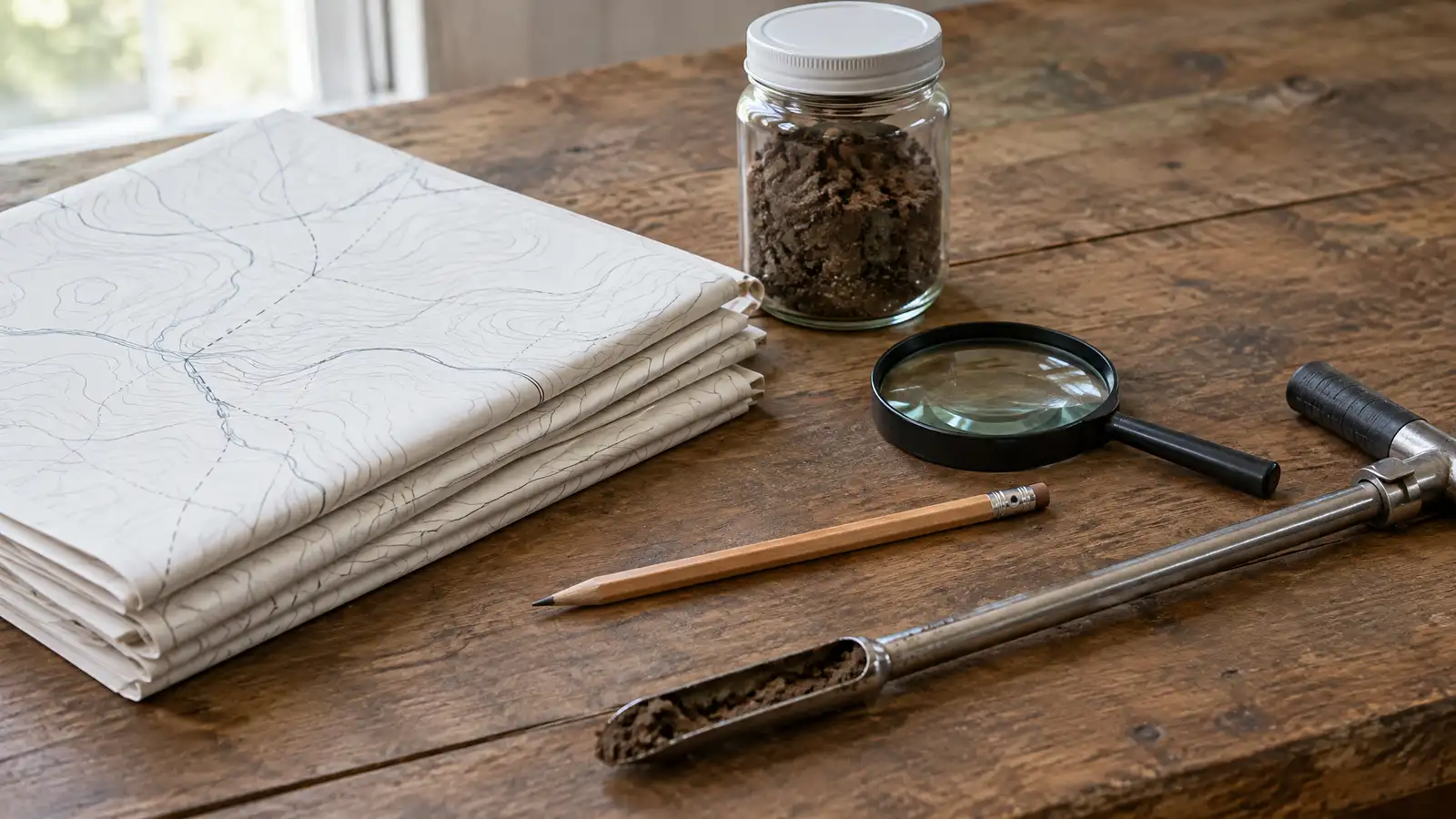 ResourceWeb Soil SurveyA free online tool from the USDA that maps soil types and describes properties such as drainage, shrink-swell…Learn more ResourceTennessee 811The state one-call center that helps prevent damage to underground utilities by notifying utility operators before digging begins.Learn more ResourceNWS NashvilleThe National Weather Service office for Middle Tennessee, with forecasts, warnings, radar and rainfall information.Learn more
Pick the project and options to see a typical sequence from estimate and engineering to utility marking, repair and cleanup.
You tell us what you see and where the property is. One call sets up a visit that fits your day.
A specialist walks the inside and outside, checks cracks, floors, moisture and drainage and takes measurements and photos.
You receive a plain written scope with the cause, the method, the location of each repair and the schedule before anything begins.
Utility marking is requested where digging is needed, access is protected and materials and any engineering are lined up.
Supports, drains, sealing or lifting are completed in a clear order, with photos and checks along the way.
The site is cleaned up, the work is explained on a walk-through and care and monitoring tips are shared.
Exposed roots, gullies, soil washed onto walks and soil dropping near foundations are signs.
It helps on gentle slopes, while steep or fast-flowing sites need structural measures too.
No. Many slopes can be handled with grading, drains and planting, and walls are used where they truly help.
Yes. Soil that washes out beside or beneath a footing can let the structure settle.
Work near streams often has rules. Your specialist explains what is common and you confirm with the local office.
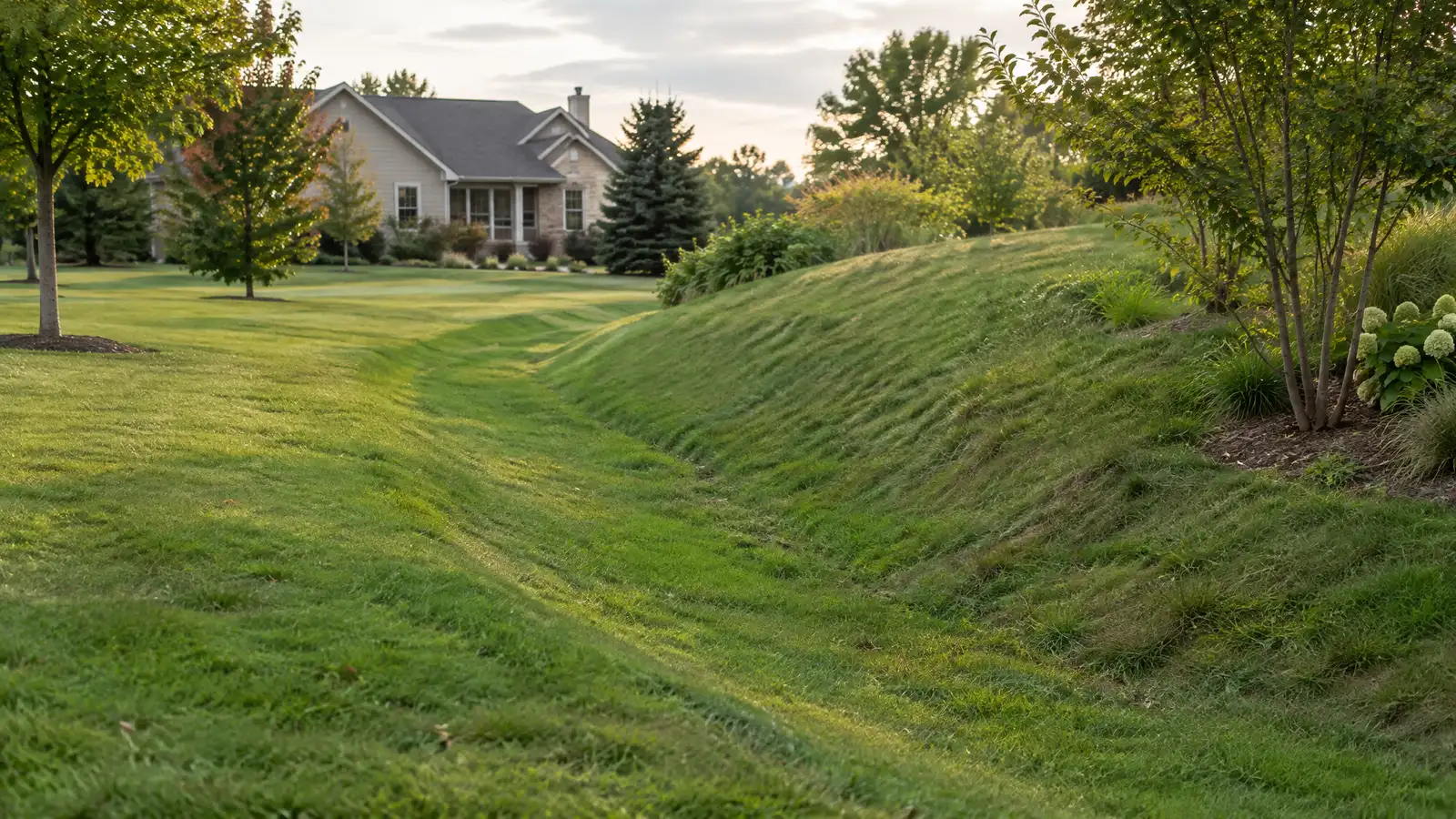 Swales and BermsShallow channels and gentle mounds that guide rain around a house and across a yard without pipes.Explore
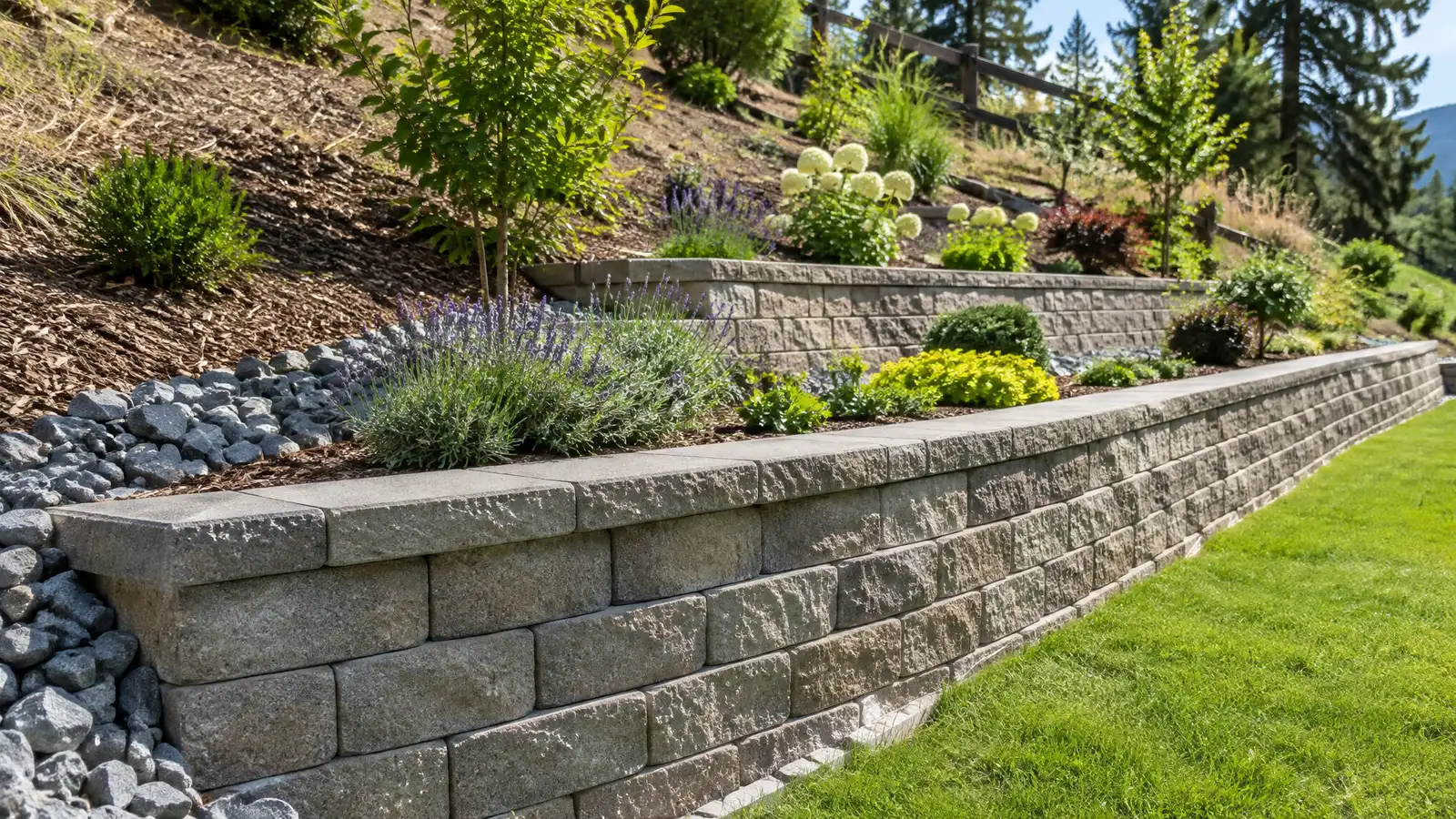 Retaining Wall ConstructionDesigning and building retaining walls in block, stone, concrete or timber with drainage and footings that last.Explore
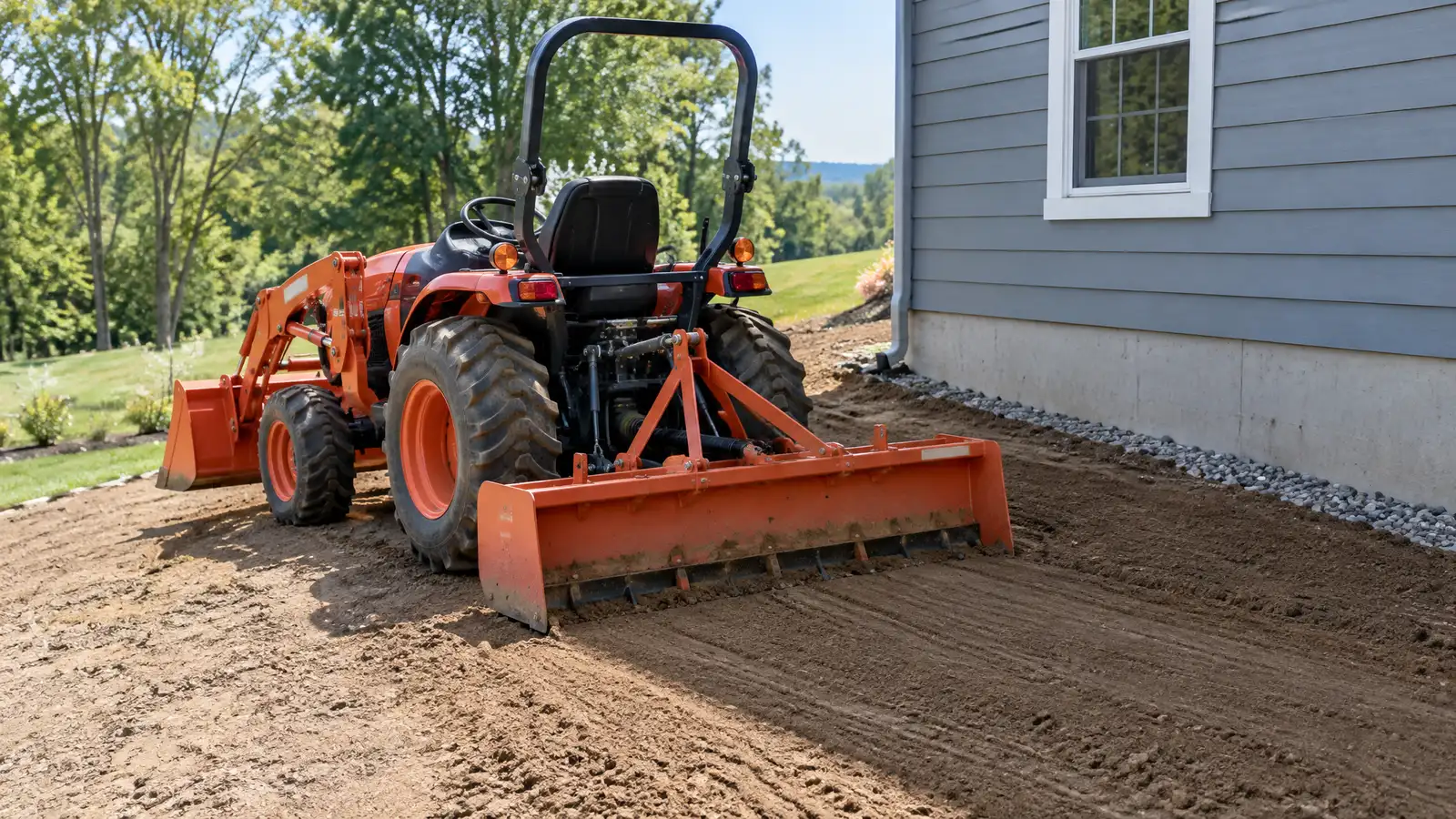 Lot Grading and RegradingReshaping soil so the ground slopes away from your house and rain flows toward a safe outlet.Explore
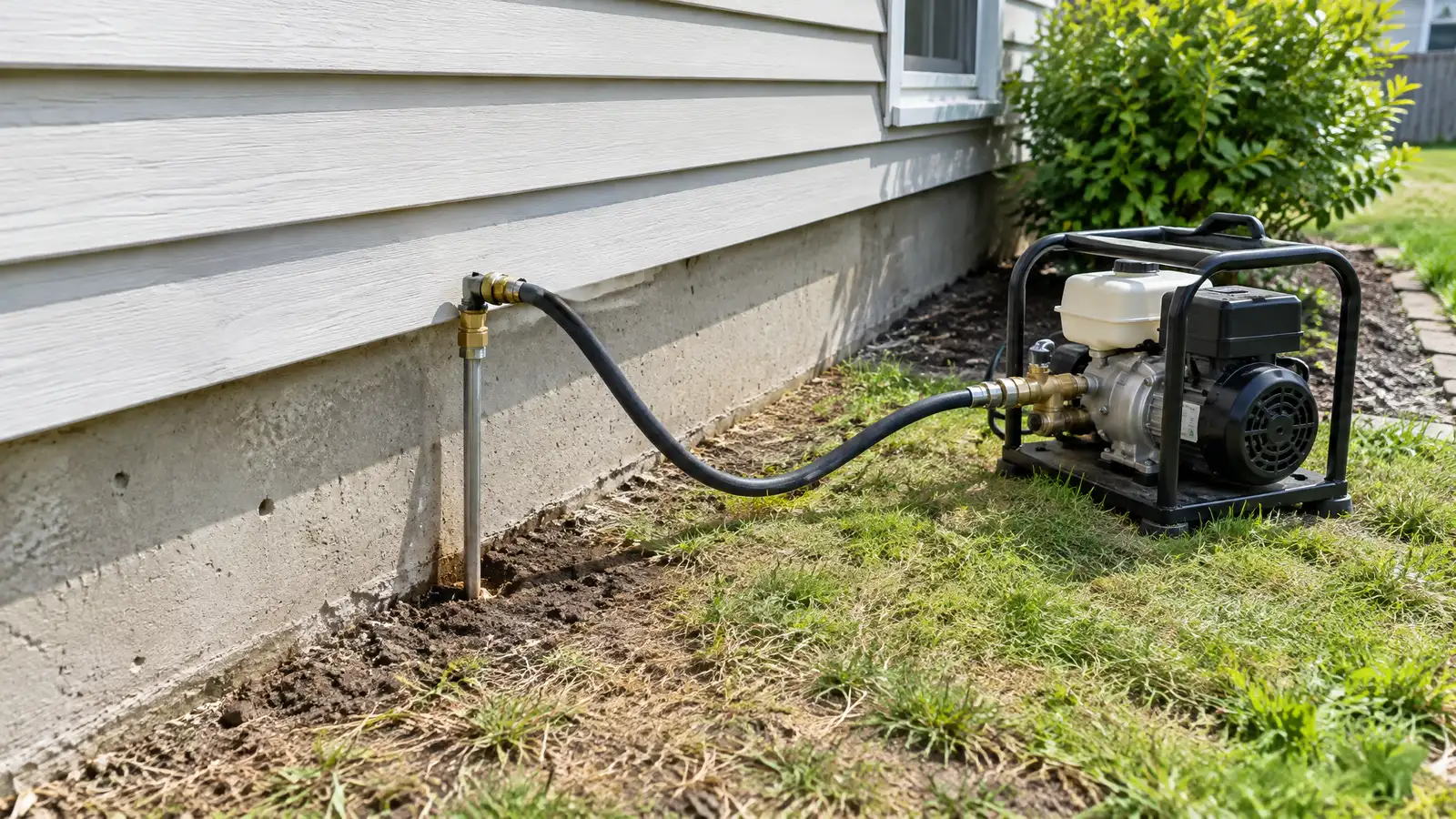 Soil Injection and StabilizationInjecting materials into weak or expansive soil to firm it up, fill voids and reduce movement under a…Explore
Tell us about your property and one specialist will call you back to set up a visit.
Or call (615) 431-3789 to talk now.