Serving Nashville and Middle TennesseeFree Estimate
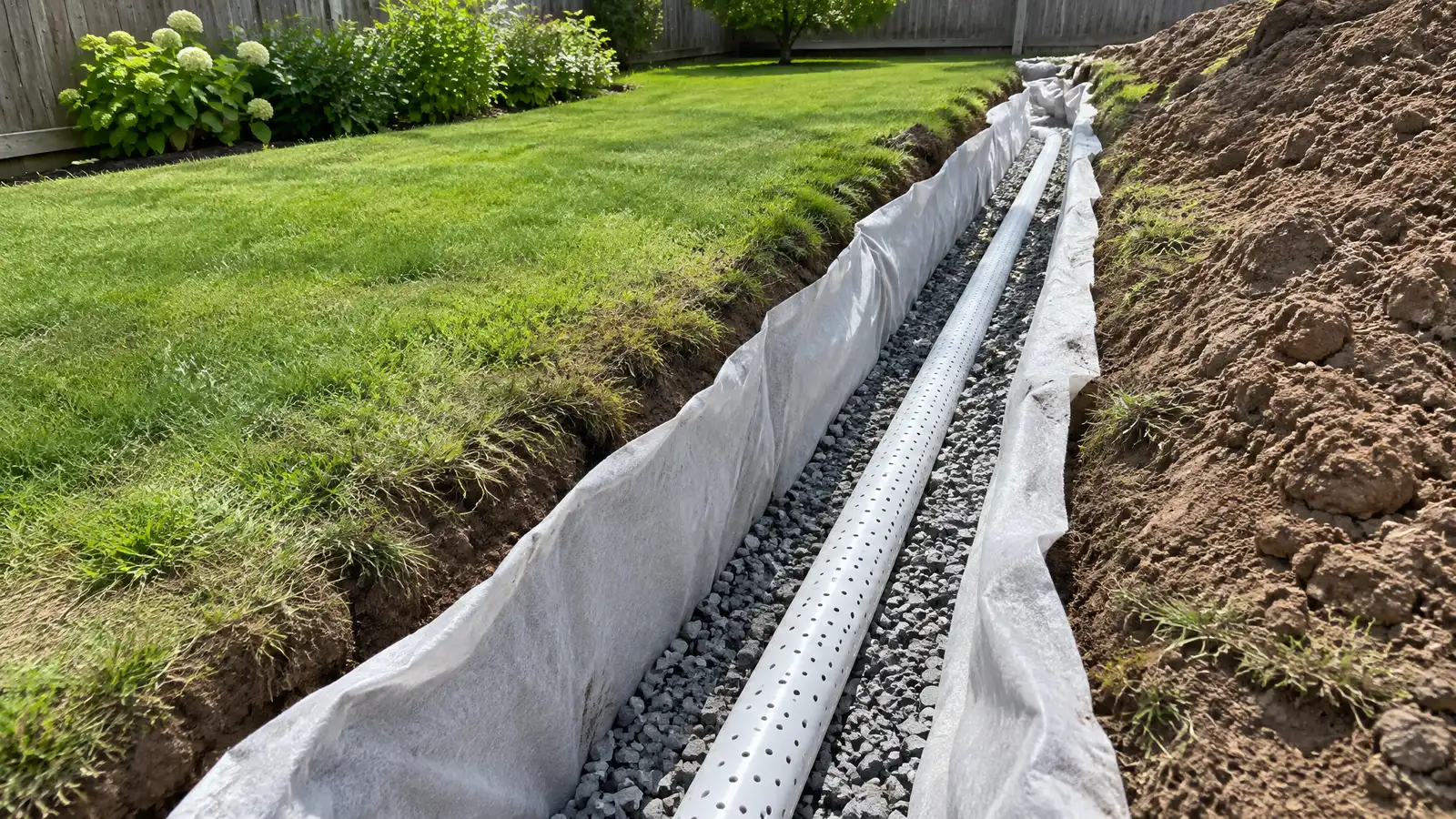
Perforated pipe in a stone-filled trench that intercepts groundwater and surface water and carries it safely away from your home.
A French drain is a hidden hero. A trench lined with fabric, filled with stone and holding a perforated pipe collects water that soaks through soil and sends it to a safe outlet. For a yard that stays soggy, a wall that sees water pressure or a hillside that sheds water toward a house, it can make a dramatic difference. Nashville's clay and slopes make French drains a common tool.
Your specialist marks utilities, lays out the route with a steady slope and excavates a trench. Fabric lines the trench, a bed of stone supports a perforated pipe, more stone covers it and the fabric wraps over the top. The outlet is a pipe to a street, ditch or daylight point, with cleanouts where helpful. The surface is restored with soil and sod, or covered with stone, depending on the site.
A steady slope toward the outlet lets water move, so levels are checked along the whole route.
Fabric keeps soil out of the stone, and clean stone gives water an easy path into the pipe.
The drain ends where water can leave, because a drain with no outlet is just a buried pond.
Sod, mulch or decorative stone covers the trench so the yard looks right again.
Drag the handle to compare.
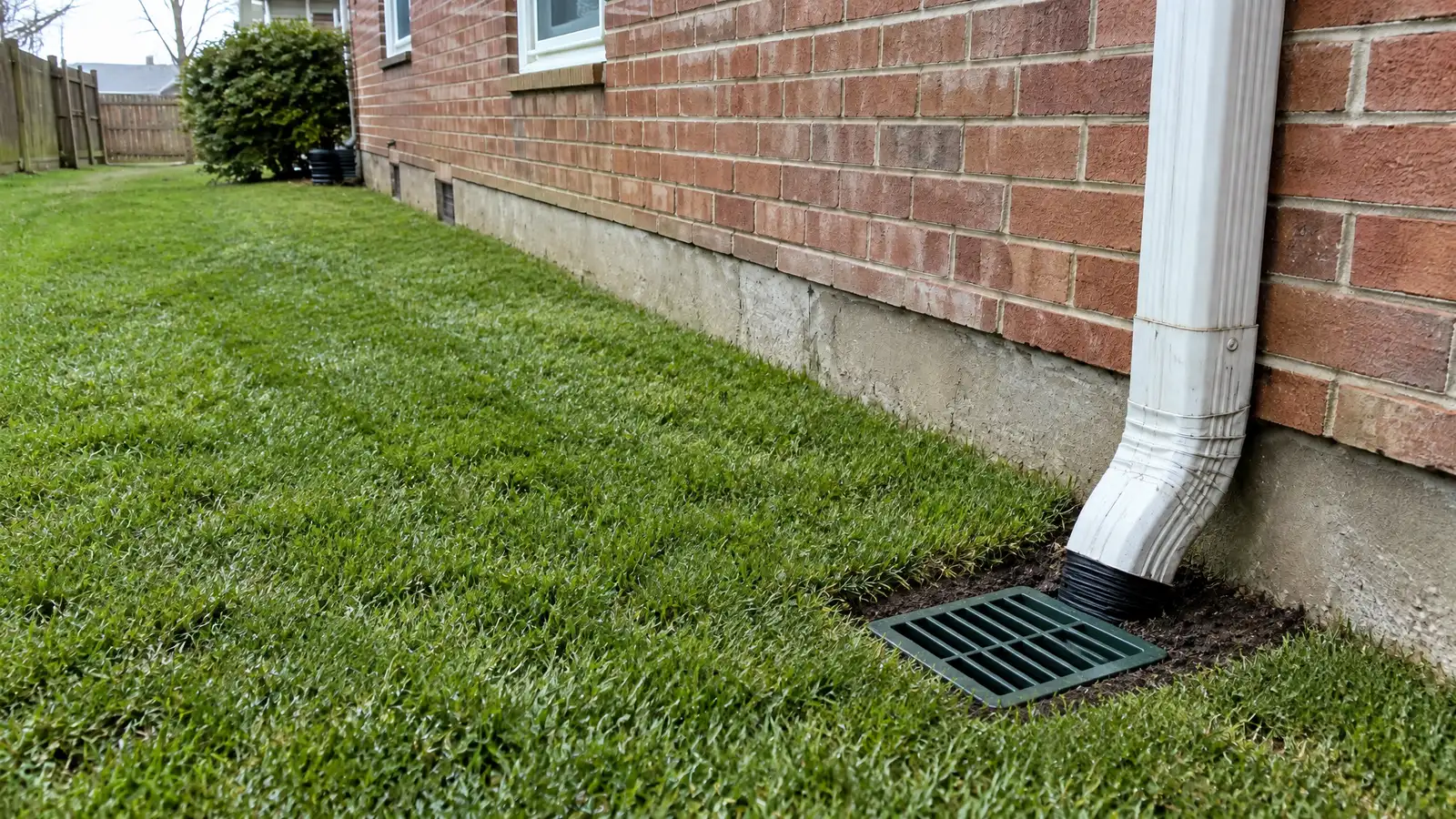
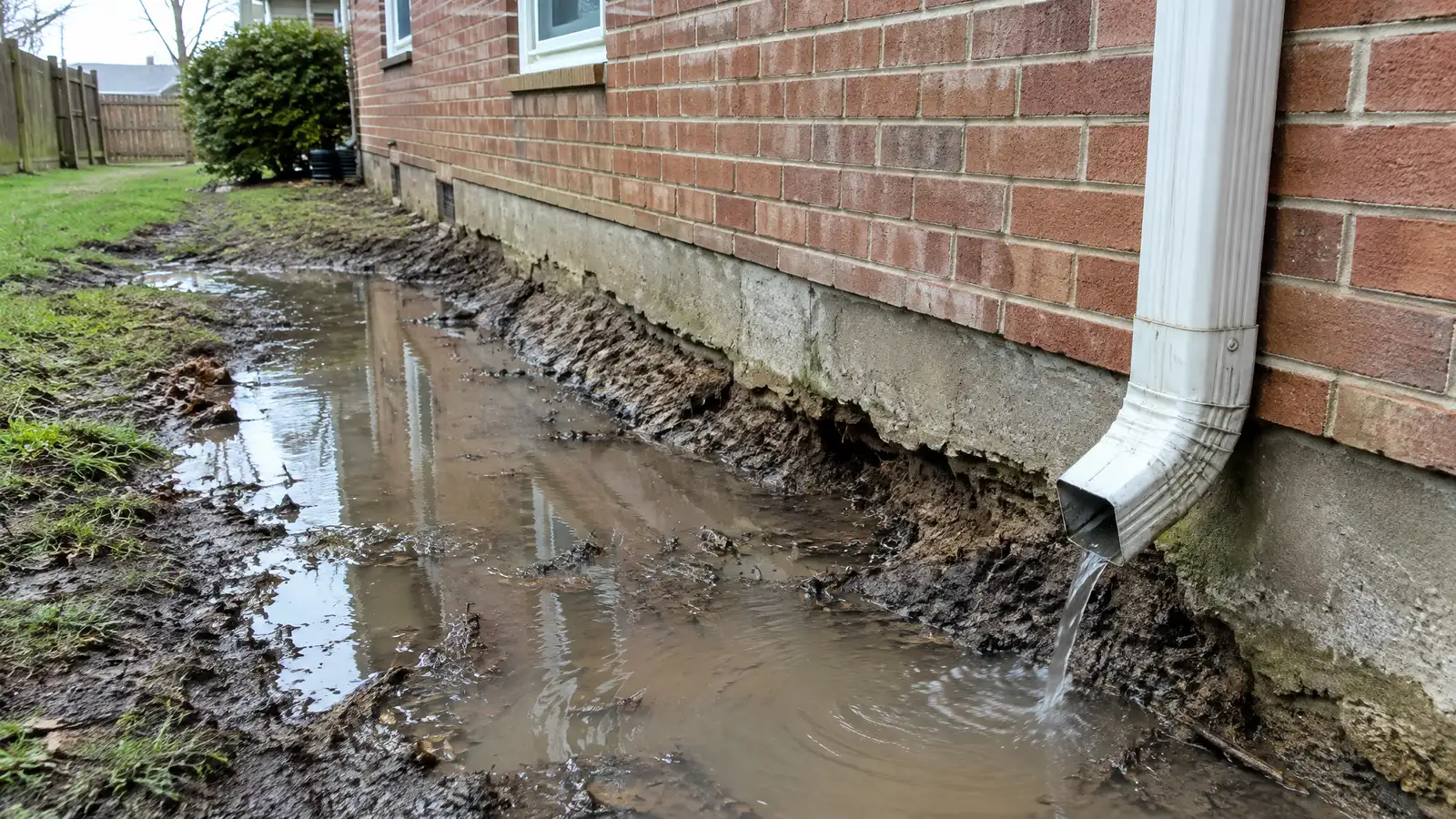 BeforeAfter
Lines located before digging.
Slope and outlet confirmed.
Depth and width set.
Fabric, stone and perforated pipe.
Pipe to daylight or a drain.
Sod, mulch or stone.
Every topic has its own page with what to expect and how we approach it.
 ResourceWeb Soil SurveyA free online tool from the USDA that maps soil types and describes properties such as drainage, shrink-swell…Learn more ResourceTennessee 811The state one-call center that helps prevent damage to underground utilities by notifying utility operators before digging begins.Learn more ResourceNWS NashvilleThe National Weather Service office for Middle Tennessee, with forecasts, warnings, radar and rainfall information.Learn more
Pick a foundation, waterproofing, drainage or concrete job, set the quantity and add extras to see a ballpark planning range. Placeholder values only.
You tell us what you see and where the property is. One call sets up a visit that fits your day.
A specialist walks the inside and outside, checks cracks, floors, moisture and drainage and takes measurements and photos.
You receive a plain written scope with the cause, the method, the location of each repair and the schedule before anything begins.
Utility marking is requested where digging is needed, access is protected and materials and any engineering are lined up.
Supports, drains, sealing or lifting are completed in a clear order, with photos and checks along the way.
The site is cleaned up, the work is explained on a walk-through and care and monitoring tips are shared.
A trench with stone and perforated pipe that collects water below the surface and carries it away.
Along the uphill side of a problem area, at the base of a foundation or across a soggy part of the yard, depending on where the water travels.
Depth depends on the water problem and the outlet. Your specialist sets it so the drain works and the trench stays safe.
Over time, silt can enter, which is why fabric, clean stone and cleanouts are used to protect the system.
Outlets should be kept clear and cleanouts checked, and your specialist shares a simple care routine.
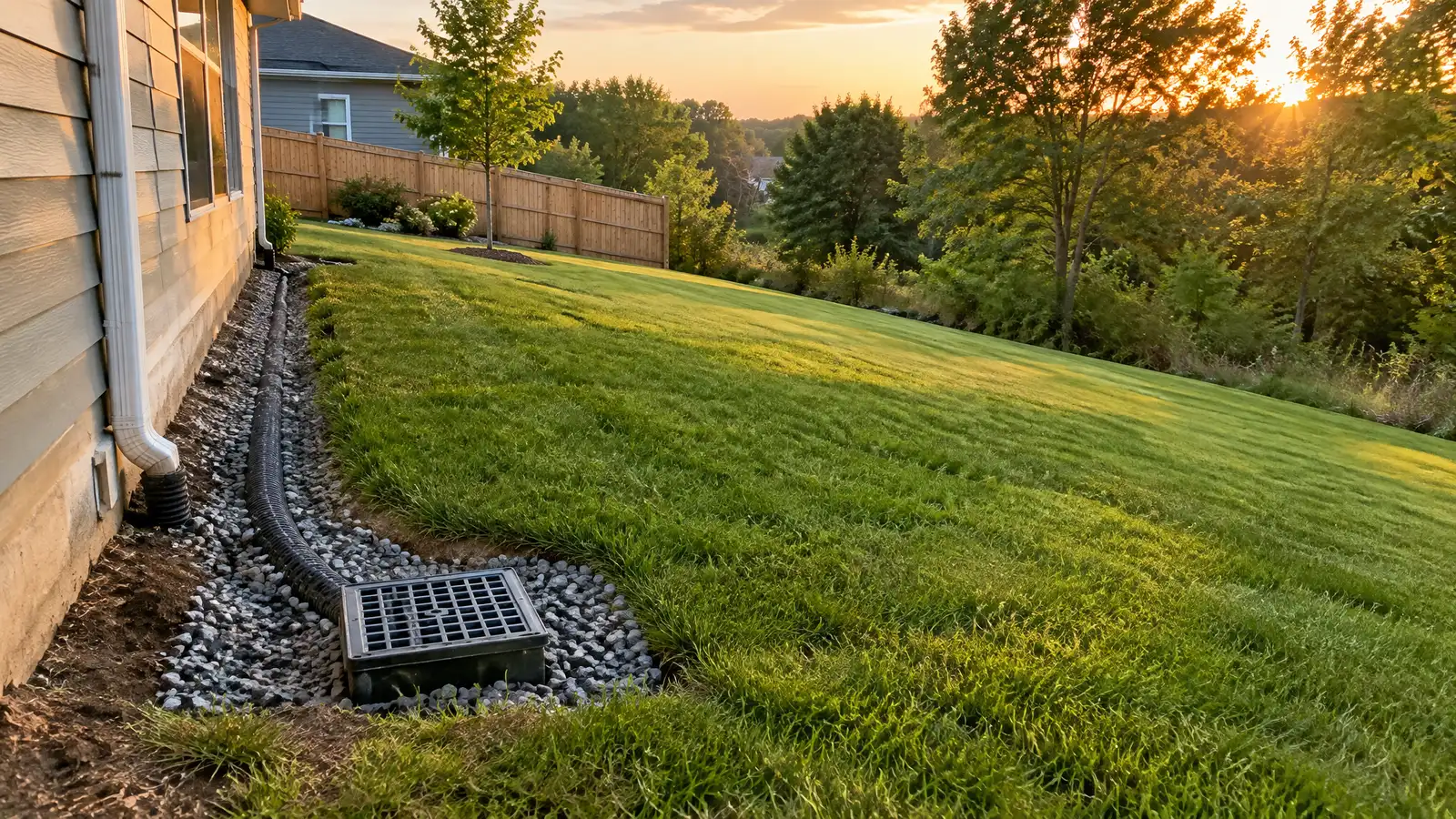 Yard Drainage SolutionsA plan to move rain and runoff away from your house and across your lot, using drains, grading…Explore
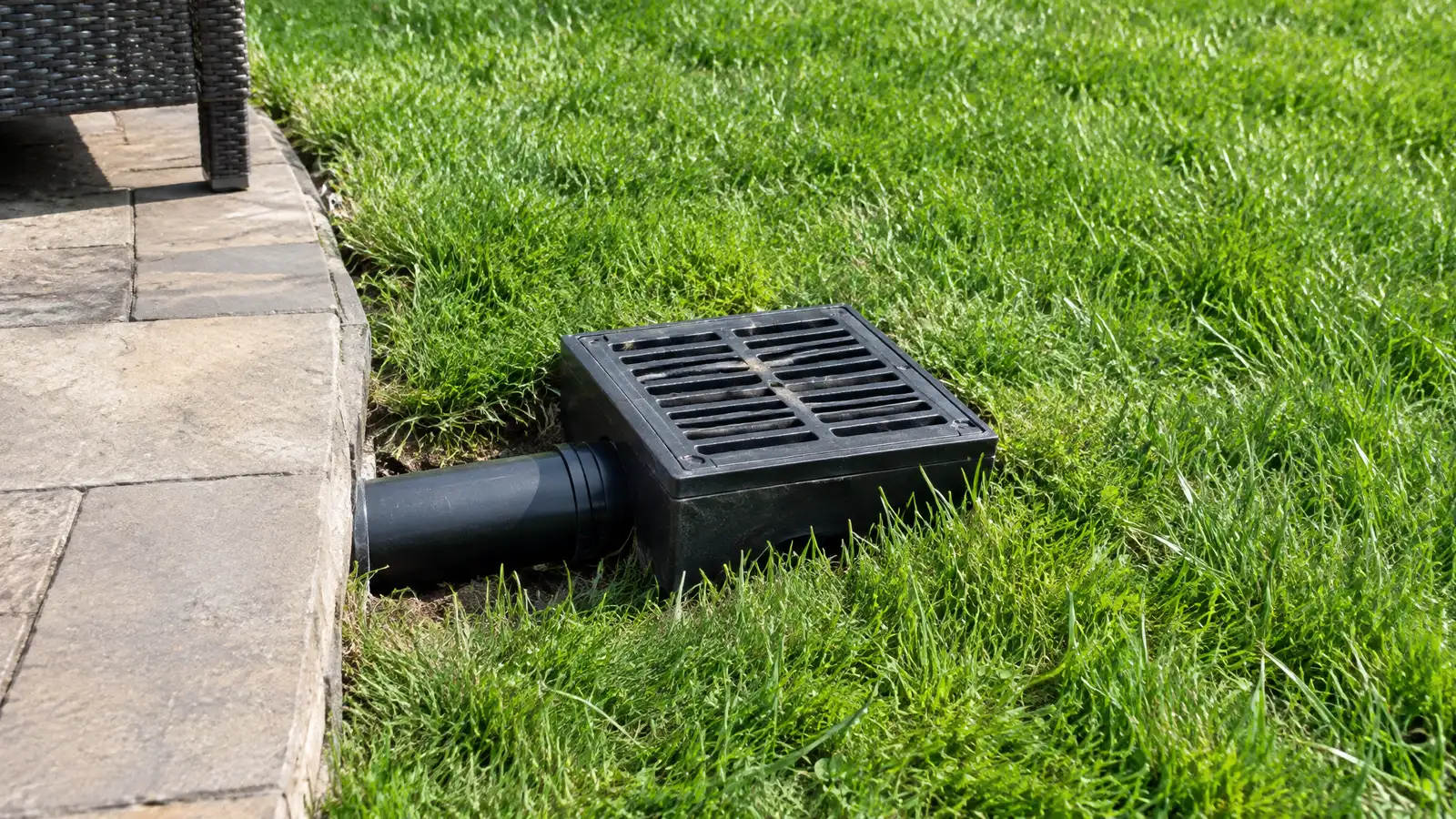 Surface Drains and Catch BasinsGrated inlets and underground pipes that collect rain from low spots, patios and driveways before it can pool.Explore
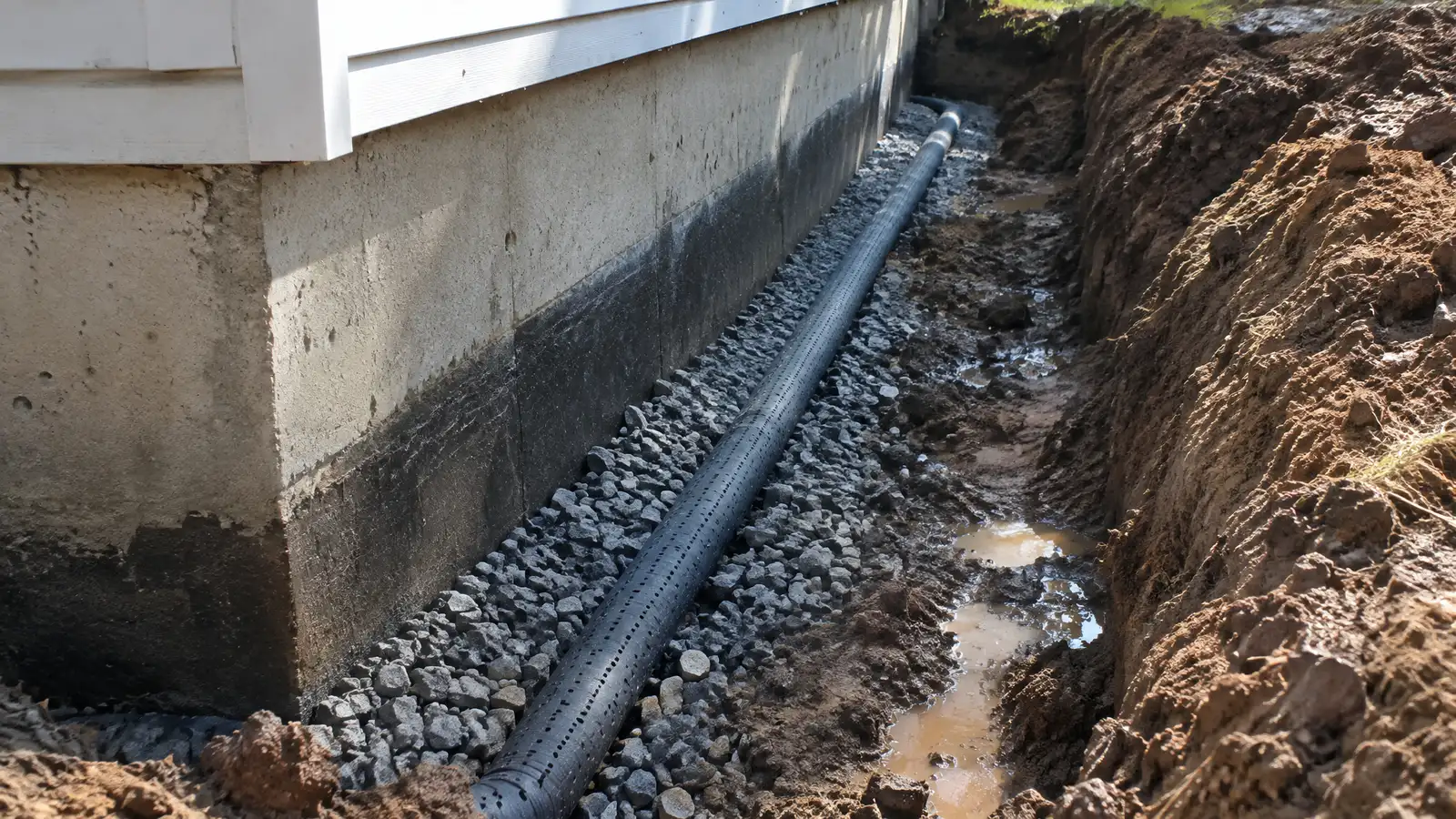 Hydrostatic Pressure ReliefDrainage that lowers the water pressure in the soil around a foundation, easing stress on walls and floors.Explore
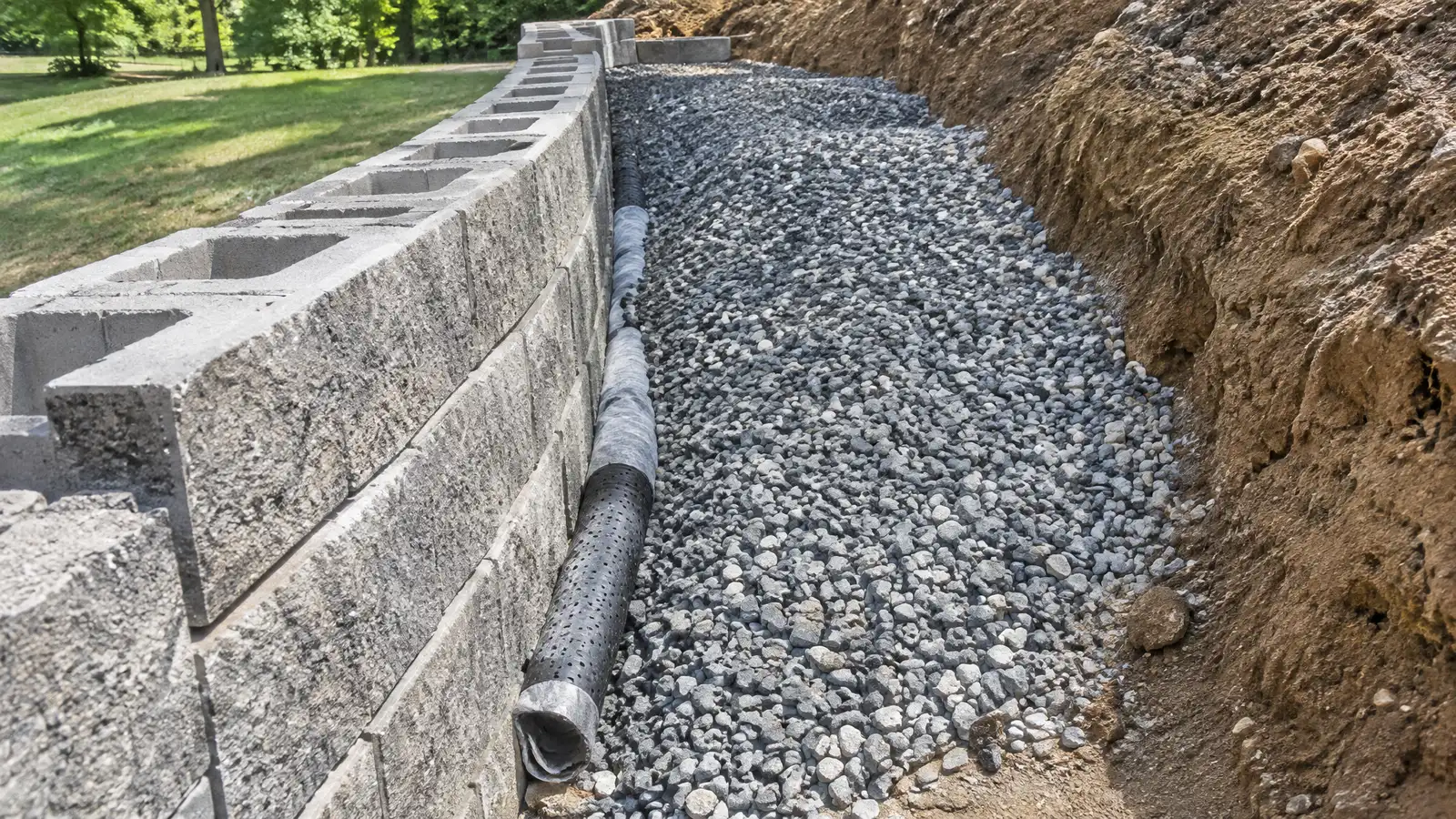 Retaining Wall DrainageDrains, gravel and outlets behind a retaining wall that relieve water pressure and keep the wall standing.Explore
Tell us about your property and one specialist will call you back to set up a visit.
Or call (615) 431-3789 to talk now.