Serving Nashville and Middle TennesseeFree Estimate
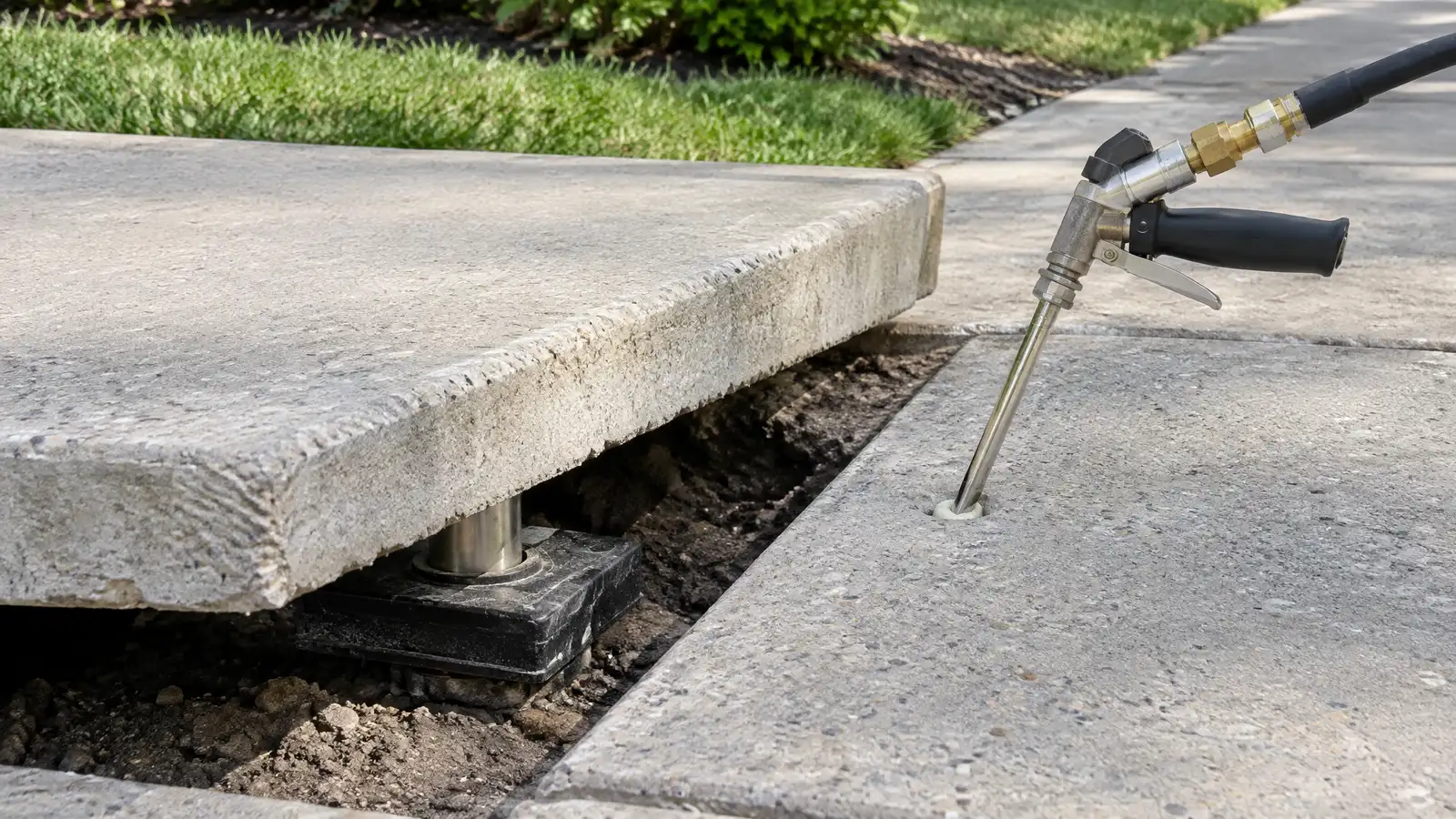
Lightweight expanding foam injected under sunken concrete to fill voids, lift the slab and stabilize it with minimal disruption.
Foam lifting uses a high-density polyurethane that expands once it is under the slab. It fills voids and lifts the concrete with surprising precision, using small holes about the size of a coin. Because the material is lightweight, it adds little load to weak soil, which makes it appealing across Nashville where soft or wet ground has caused many slabs to drop.
Your specialist drills small ports, injects the foam in controlled amounts and monitors the slab as it rises. The material cures quickly, so concrete is often usable the same day. Foam also seals the gap beneath the slab and resists washing out. After lifting, ports are patched, cracks are sealed and drainage is reviewed so water does not undo the work.
Foam is much lighter than slurry and cures into a rigid, water-resistant fill, which suits soft or wet soil.
Ports are about the size of a coin, so patched areas are minimal and less visible.
Foam cures quickly, so driveways, garage floors and walks can often be used soon after lifting.
Small pulses of foam raise the slab in tiny increments, which helps level a surface closely.
Drag the handle to compare.
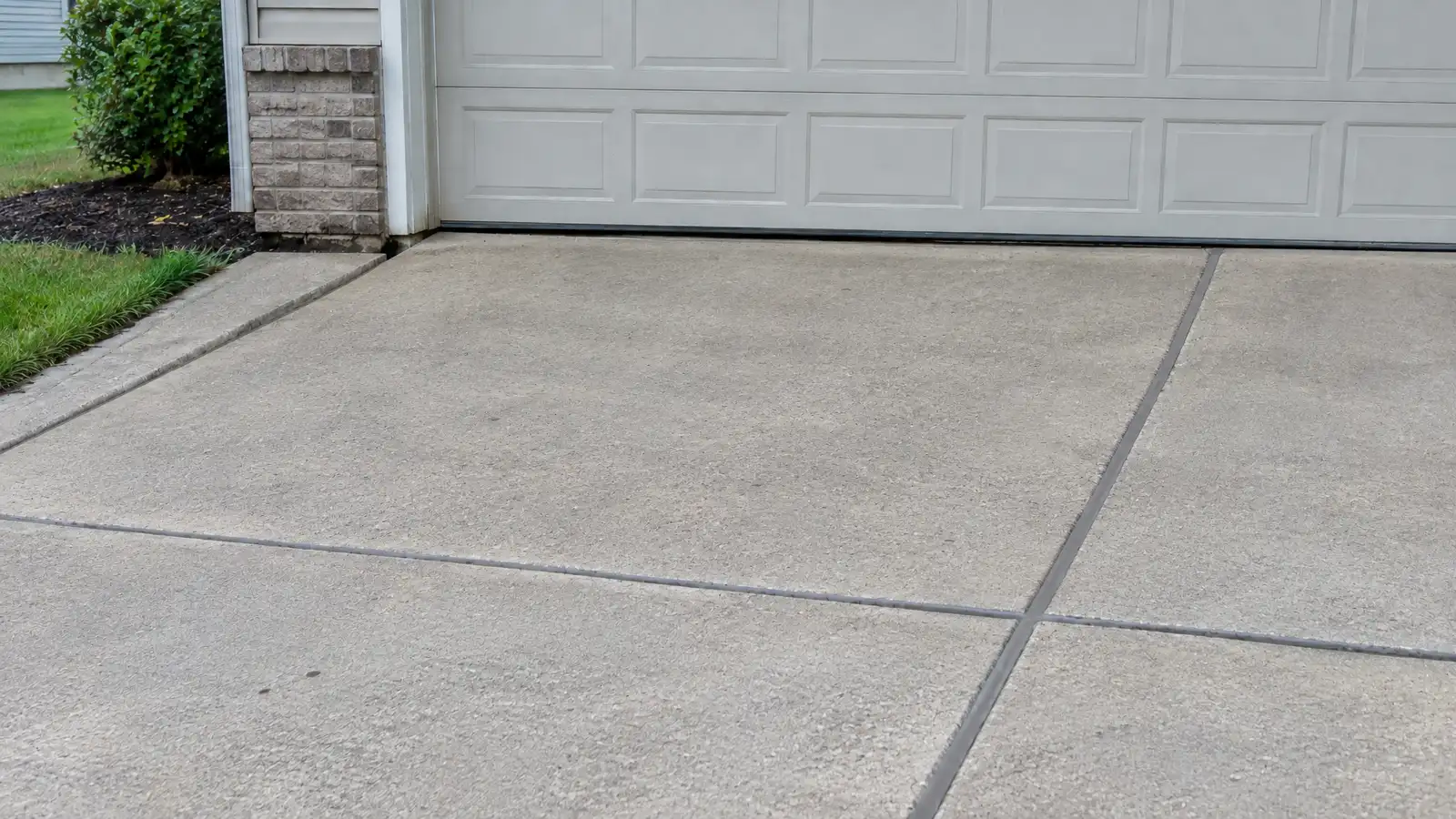
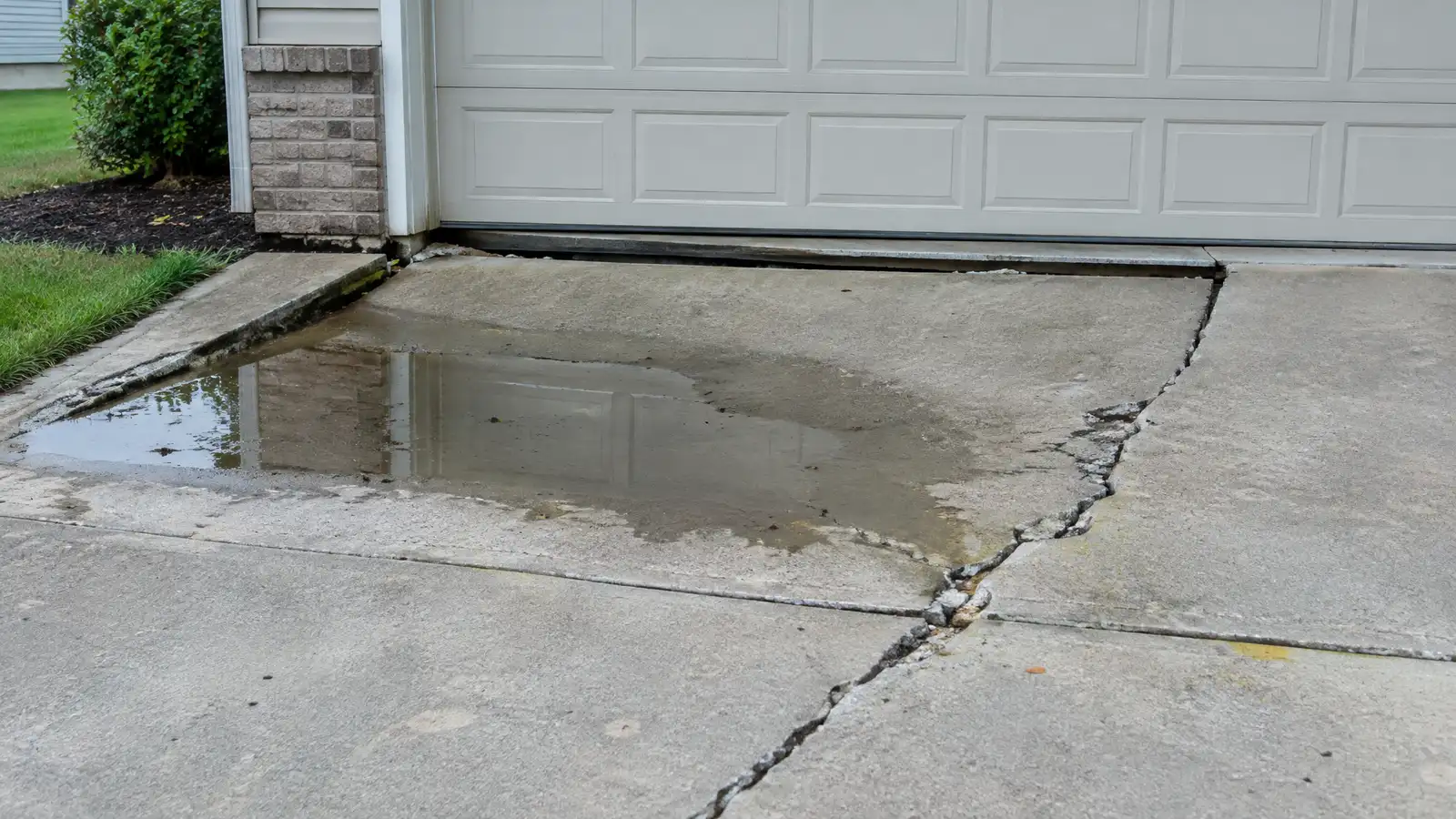 BeforeAfter
Voids and levels reviewed.
Small holes laid out.
Controlled and monitored.
Slab raised to the target.
Ports and cracks finished.
Water control checked.
Every topic has its own page with what to expect and how we approach it.
 ResourceACIA technical society that develops concrete standards, publications and education used by designers, contractors and inspectors.Learn more
 ResourcePCAA trade association of cement manufacturers that shares education and technical information about cement and concrete.Learn more ResourceQUIKRETEA maker of bagged concrete, mortar and repair products, with how-to guides on projects from setting posts to…Learn more
Pick what you see in your walls, floors, basement, crawl space or concrete to get likely causes, what to try first and the service page that fits.
You tell us what you see and where the property is. One call sets up a visit that fits your day.
A specialist walks the inside and outside, checks cracks, floors, moisture and drainage and takes measurements and photos.
You receive a plain written scope with the cause, the method, the location of each repair and the schedule before anything begins.
Utility marking is requested where digging is needed, access is protected and materials and any engineering are lined up.
Supports, drains, sealing or lifting are completed in a clear order, with photos and checks along the way.
The site is cleaned up, the work is explained on a walk-through and care and monitoring tips are shared.
Each has strengths. Foam is lighter and faster to cure, while slurry can be economical on large jobs. Your specialist explains which fits your slab.
The material is made for this use and cures to an inert, rigid fill. Your specialist can explain the product used.
Foam resists water and does not break down like soil, and a well done lift can last many years.
It can lift and support many cracked slabs, and badly broken ones may need replacement.
Foam is used under slabs and, in some cases, to fill voids near foundations. Your specialist explains where it fits.
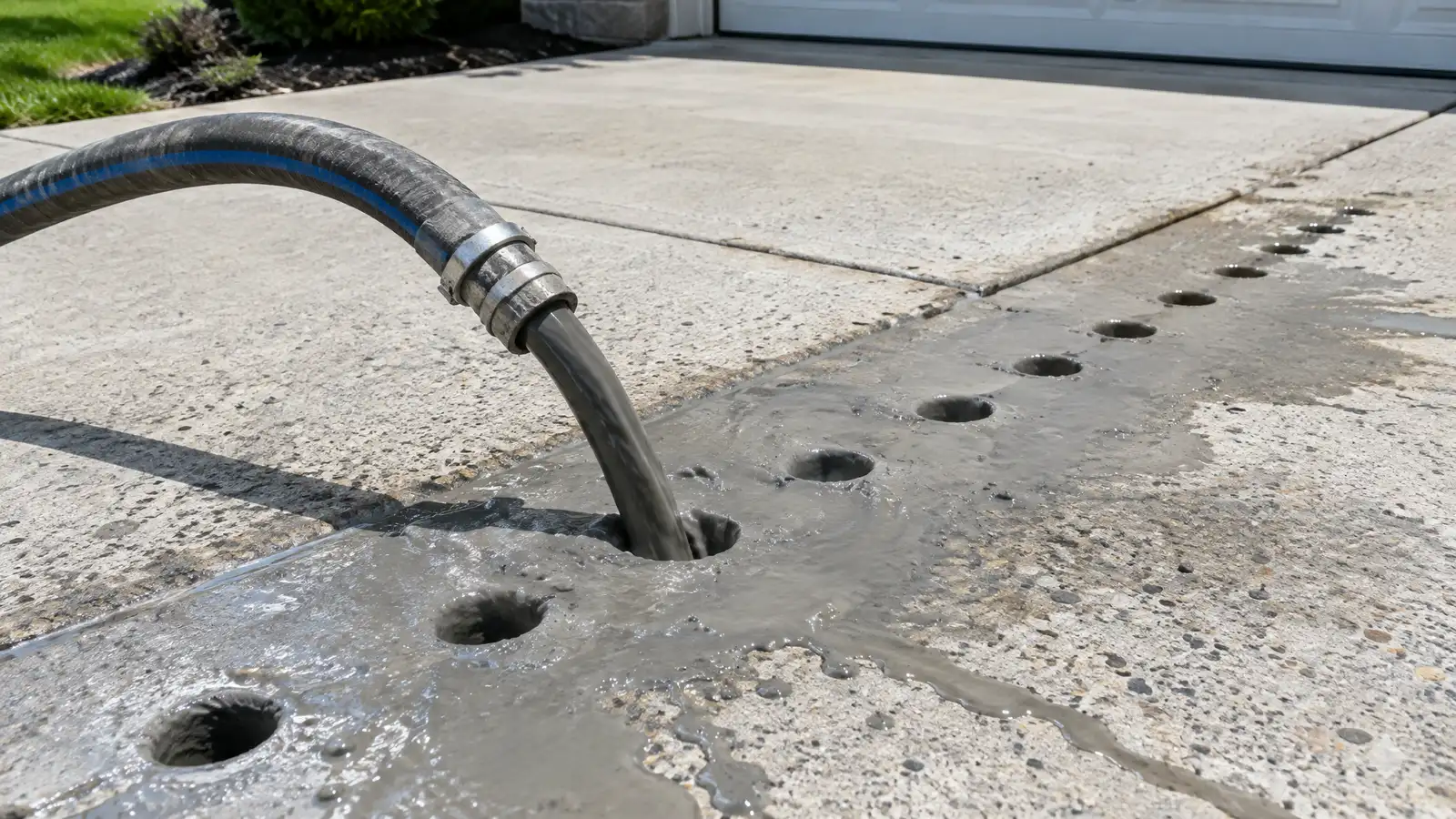 Slabjacking and MudjackingLifting sunken concrete slabs by pumping a cement-based slurry through small holes to fill voids and raise the…Explore
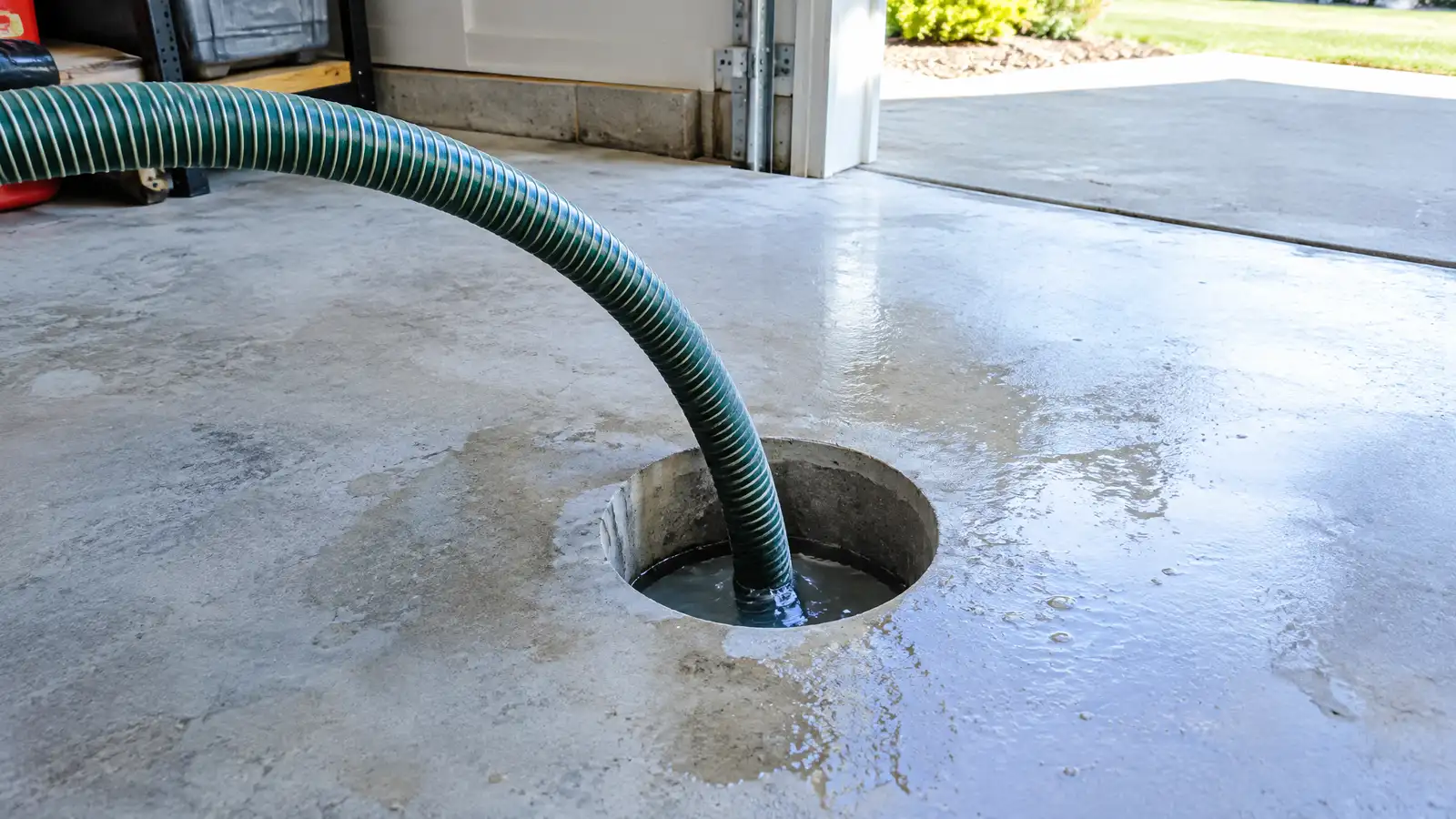 Void Filling Under SlabsFinding and filling hidden gaps beneath concrete floors, steps, garages and slabs to restore support.Explore
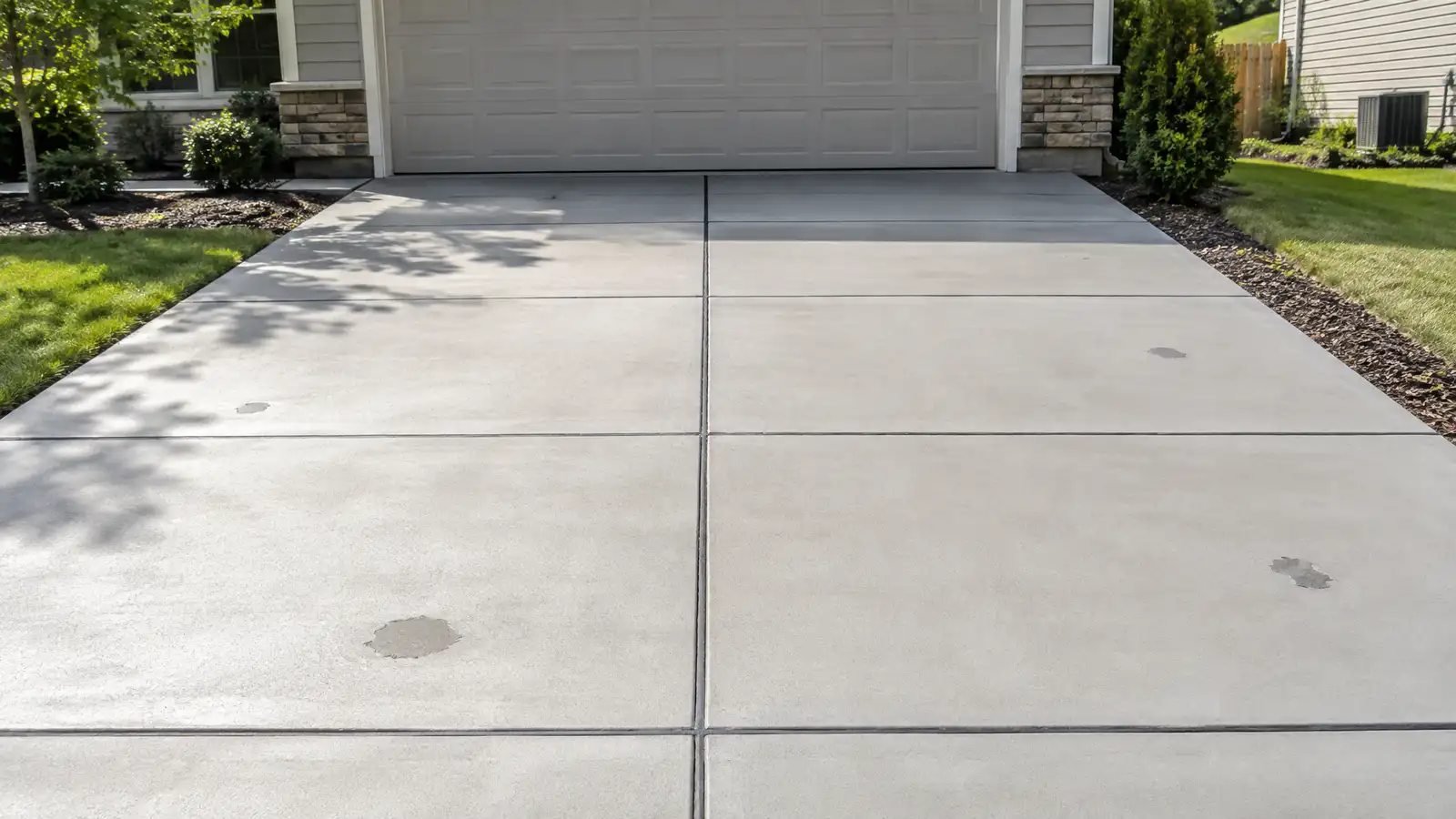 Driveway Leveling and RepairRaising sunken driveway slabs, fixing cracks and edges and restoring a smooth, safe, well-drained surface.Explore
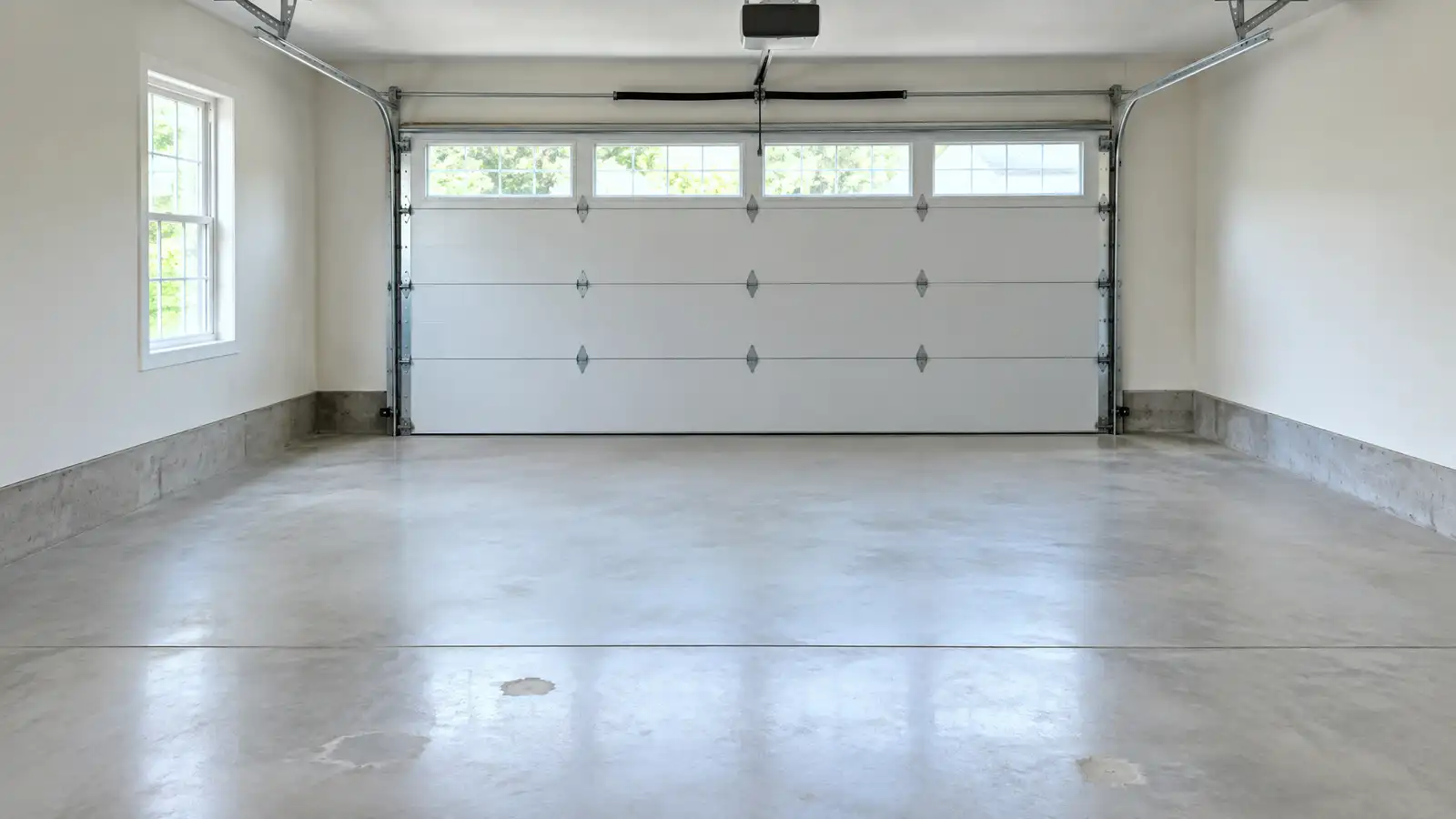 Garage Floor LevelingRaising sunken garage floors and aprons so they drain, meet the door and give vehicles a level place…Explore
Tell us about your property and one specialist will call you back to set up a visit.
Or call (615) 431-3789 to talk now.