Serving Nashville and Middle TennesseeFree Estimate
Sealing leaking cracks, tie holes and joints in basement walls with injected resins and proven repair products.
A thin line of dampness on a basement wall can become a steady trickle during a storm. Cracks, old form-tie holes and poorly sealed joints give water an easy path through concrete and block. Fixing them from inside is a targeted way to stop the leak, and Nashville homes with older basements often benefit from it.
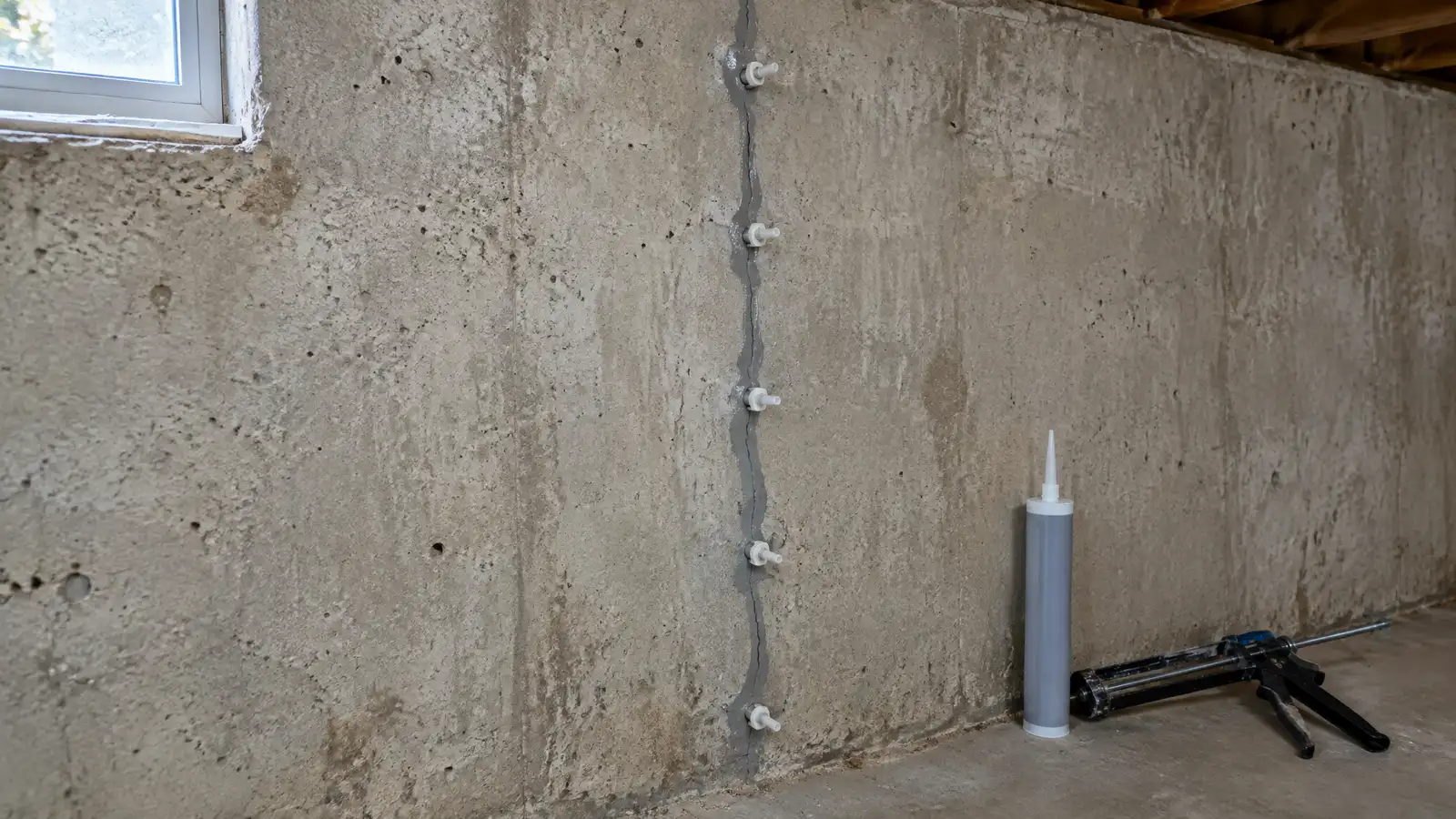
Your specialist locates each leak, cleans and prepares the surface and injects flexible polyurethane or another suitable material from the inside, setting ports along the crack. Tie holes are packed, joints are sealed and weeping areas are treated with a hydraulic cement or coating where appropriate. Drainage and grading outside are reviewed so the repair is not asked to hold back more water than it can.
Each crack, tie hole and joint is located and treated, so effort goes where water is actually coming in.
Resins are pushed through the full thickness of the wall, filling the crack and sealing the path.
Flexible materials suit cracks that may move, and hydraulic products suit active seepage at joints.
Gutters and grading are corrected so less water presses on the wall after the repair.
Drag the handle to compare.
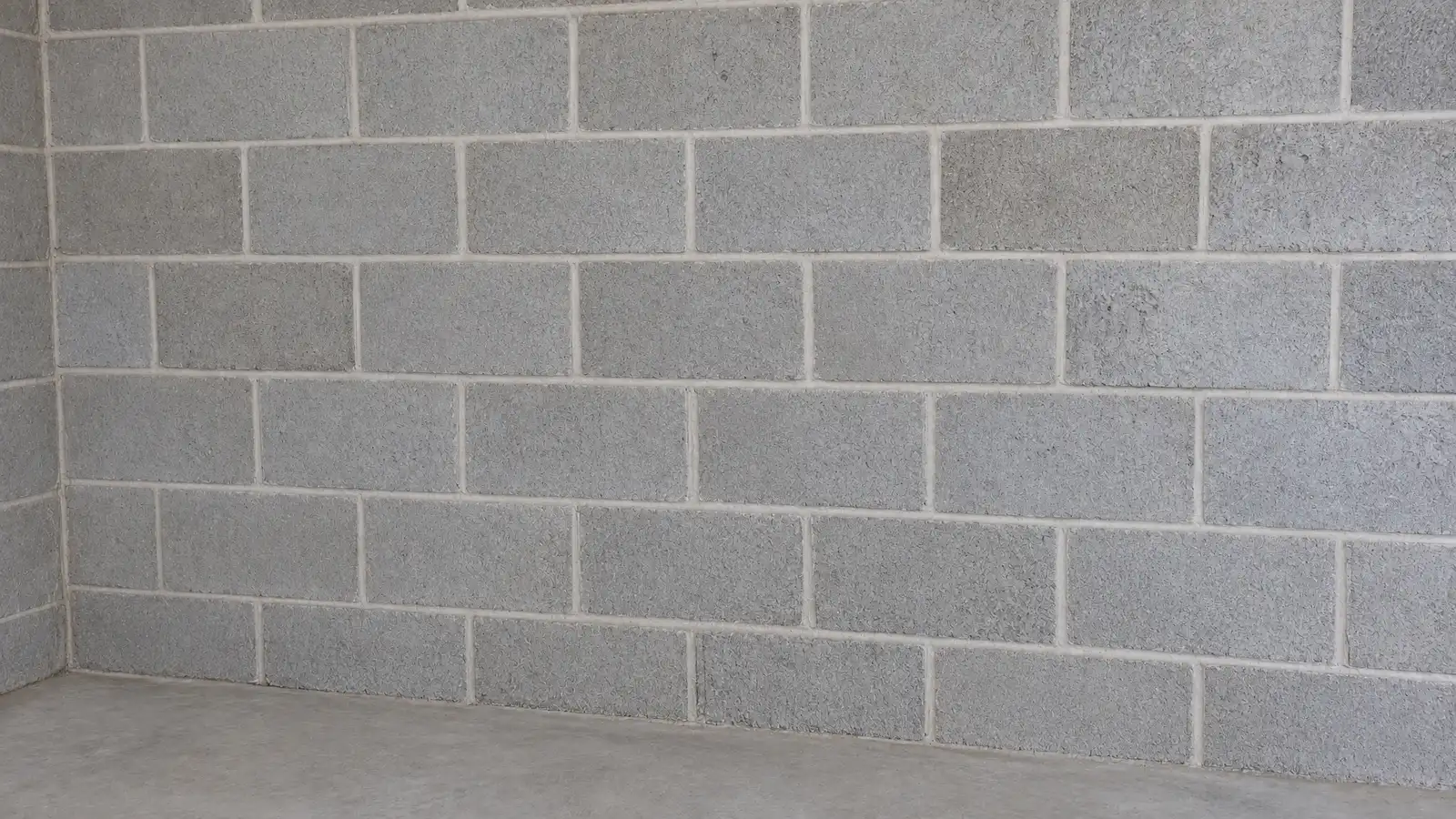
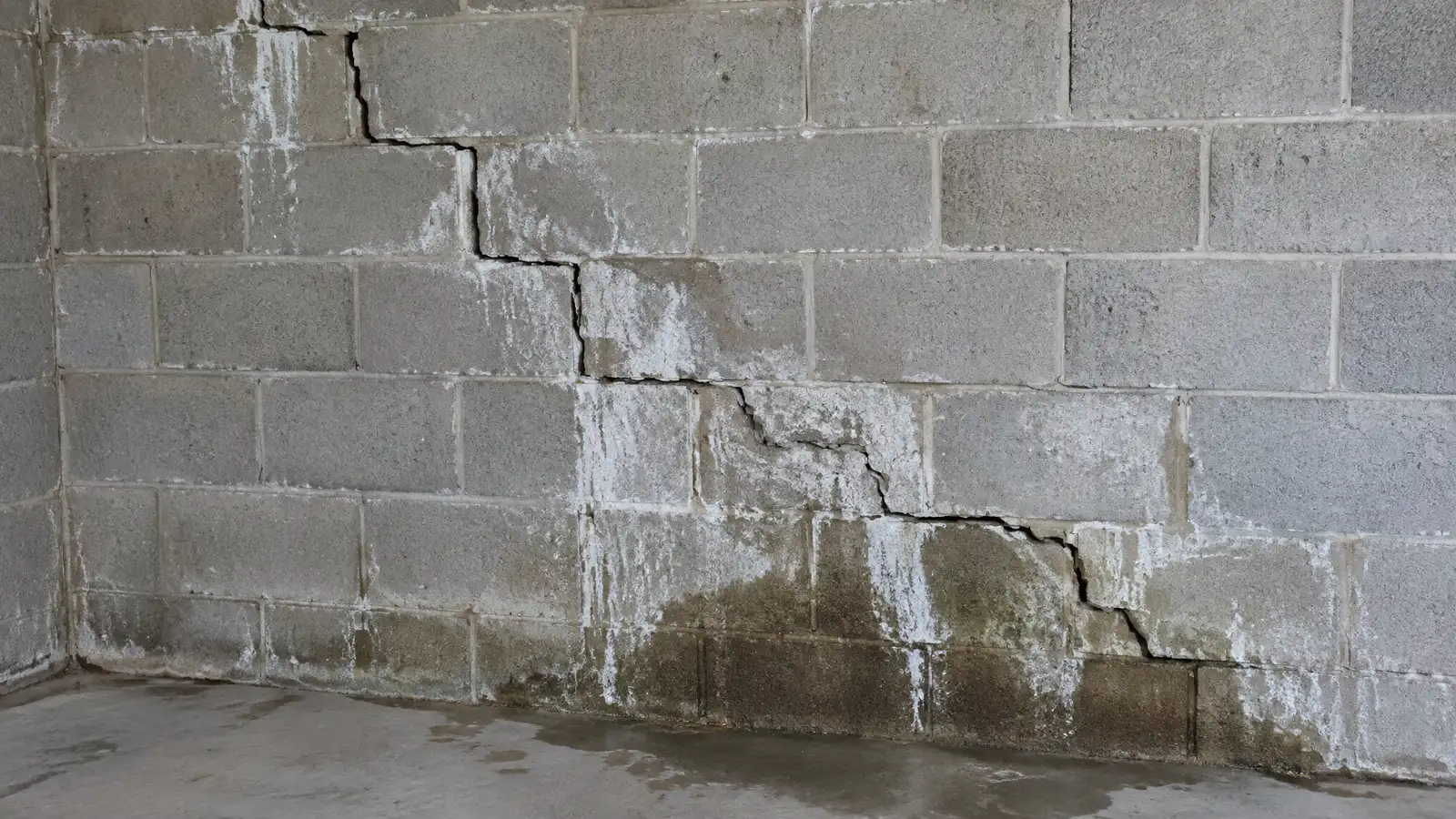 BeforeAfter
Cracks and joints identified.
Surfaces made ready.
Placed along the crack.
Material fills the path.
Packed and sealed.
Dry test and next steps.
Every topic has its own page with what to expect and how we approach it.
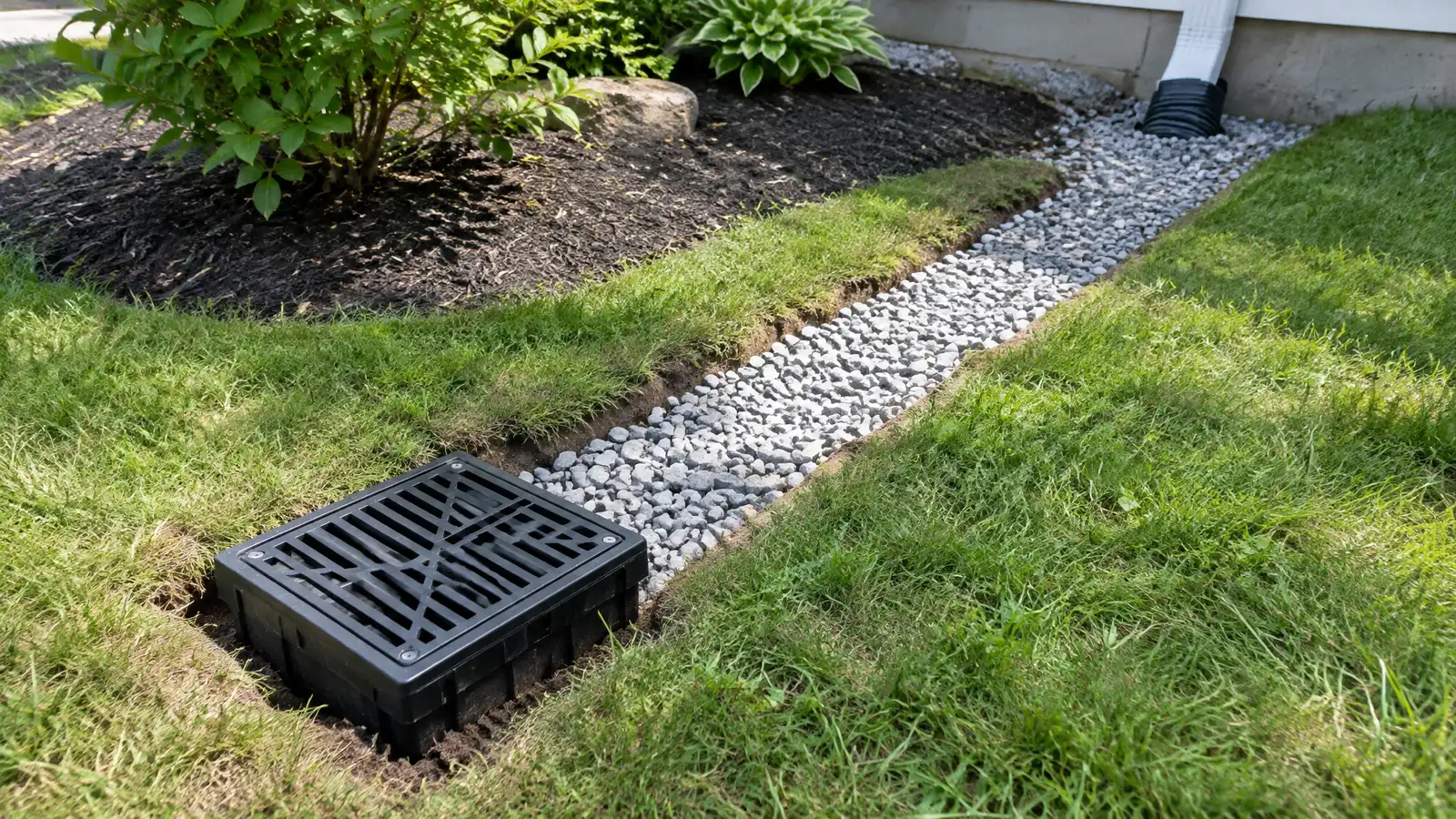 Comparison guideDrainage SolutionsHow French drains, surface drains, grading, swales, dry wells and downspout extensions differ in what water they handle.Learn more
 ResourceFEMAThe federal portal where you can look up flood maps and flood zones for an address and read…Learn more ResourceNWS NashvilleThe National Weather Service office for Middle Tennessee, with forecasts, warnings, radar and rainfall information.Learn more
Pick what you see in your walls, floors, basement, crawl space or concrete to get likely causes, what to try first and the service page that fits.
You tell us what you see and where the property is. One call sets up a visit that fits your day.
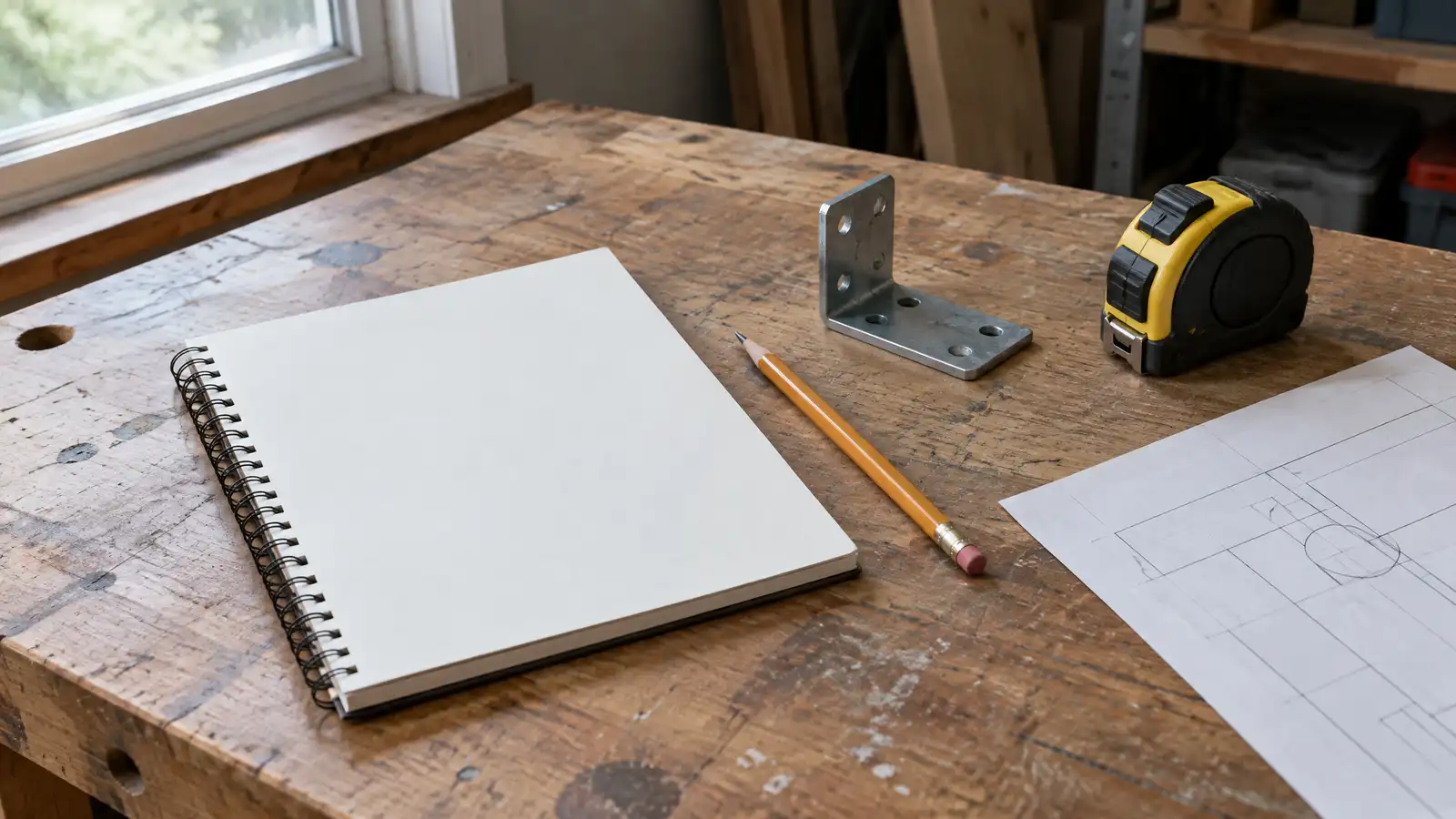
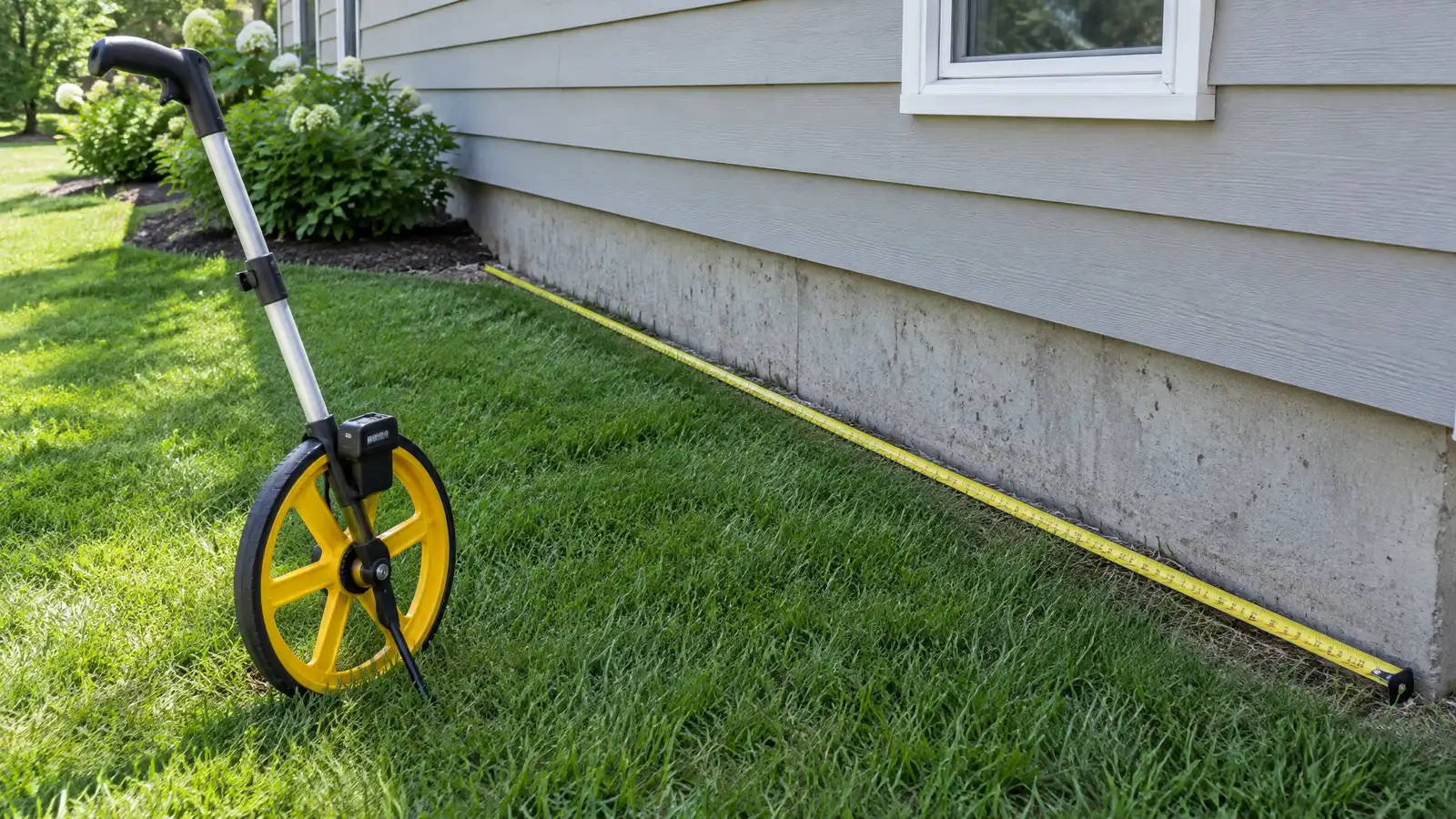
A specialist walks the inside and outside, checks cracks, floors, moisture and drainage and takes measurements and photos.
You receive a plain written scope with the cause, the method, the location of each repair and the schedule before anything begins.
Utility marking is requested where digging is needed, access is protected and materials and any engineering are lined up.
Supports, drains, sealing or lifting are completed in a clear order, with photos and checks along the way.
The site is cleaned up, the work is explained on a walk-through and care and monitoring tips are shared.
It stops leaks through the cracks and joints that are repaired. If water comes from many places, drainage is often added too.
A well made repair can last a long time, though a moving crack can reopen if the cause continues.
Yes, once the area is clean and dry. Your specialist shares timing tips.
Access to the walls helps, and your specialist explains how much space to clear.
Injection fills the crack through the wall, while surface patches may only cover it. Your specialist explains the difference.
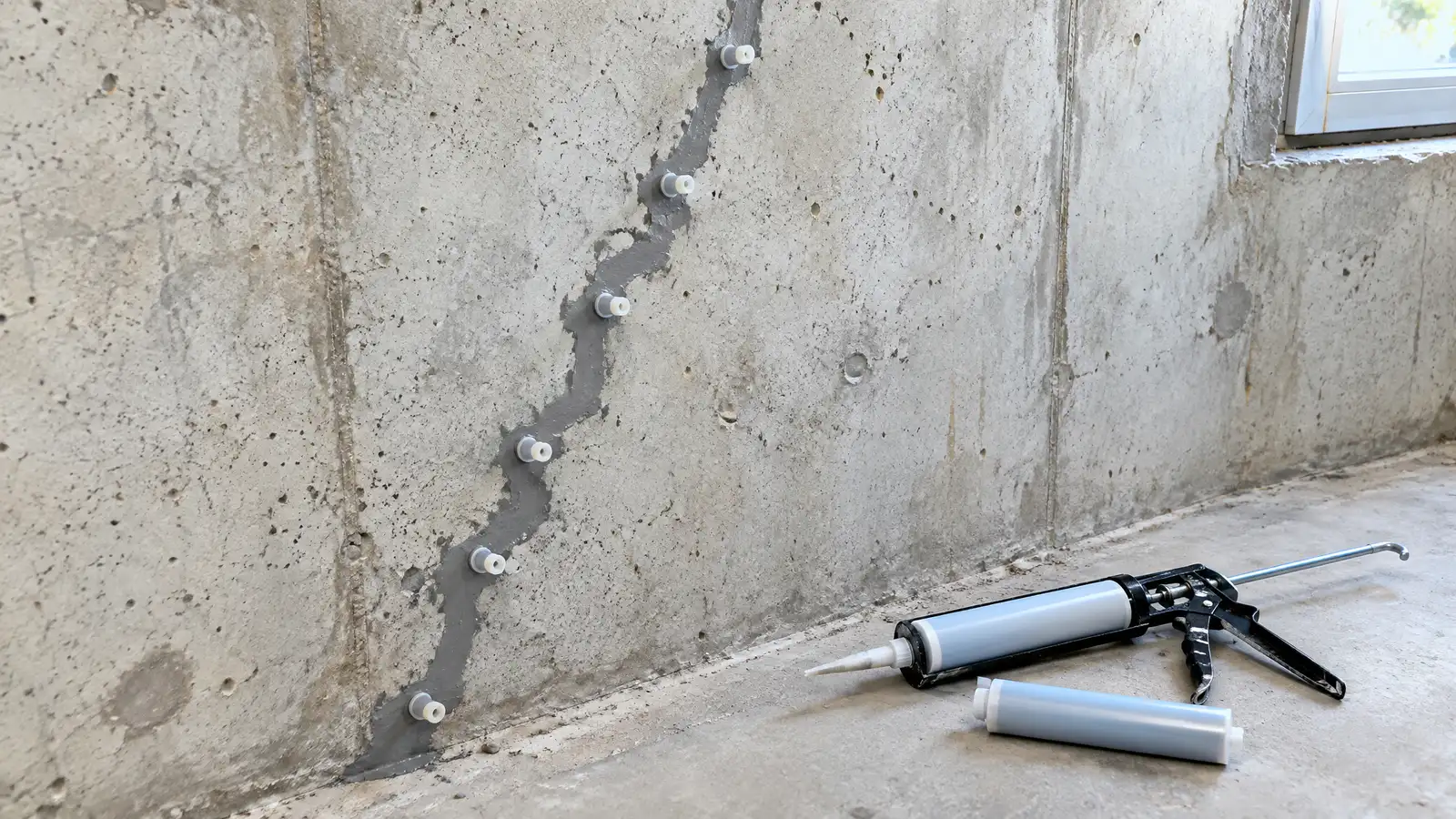 Foundation Crack RepairCrack sealing and injection that stops leaks and rejoins concrete, paired with fixes for whatever made the crack…Explore
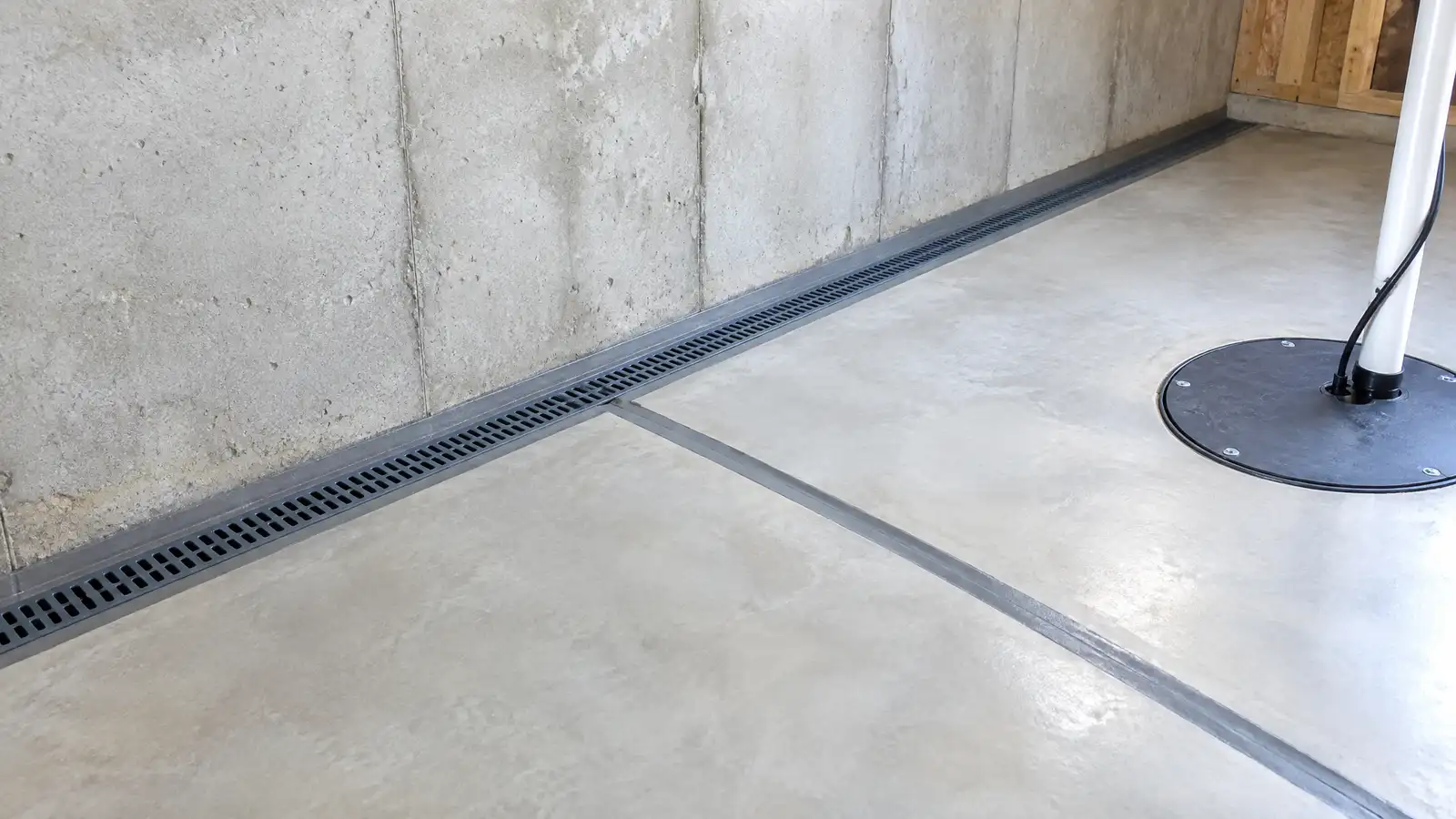 Basement WaterproofingA complete plan to keep water out of a basement, using drainage, pumps, sealing and exterior fixes matched…Explore
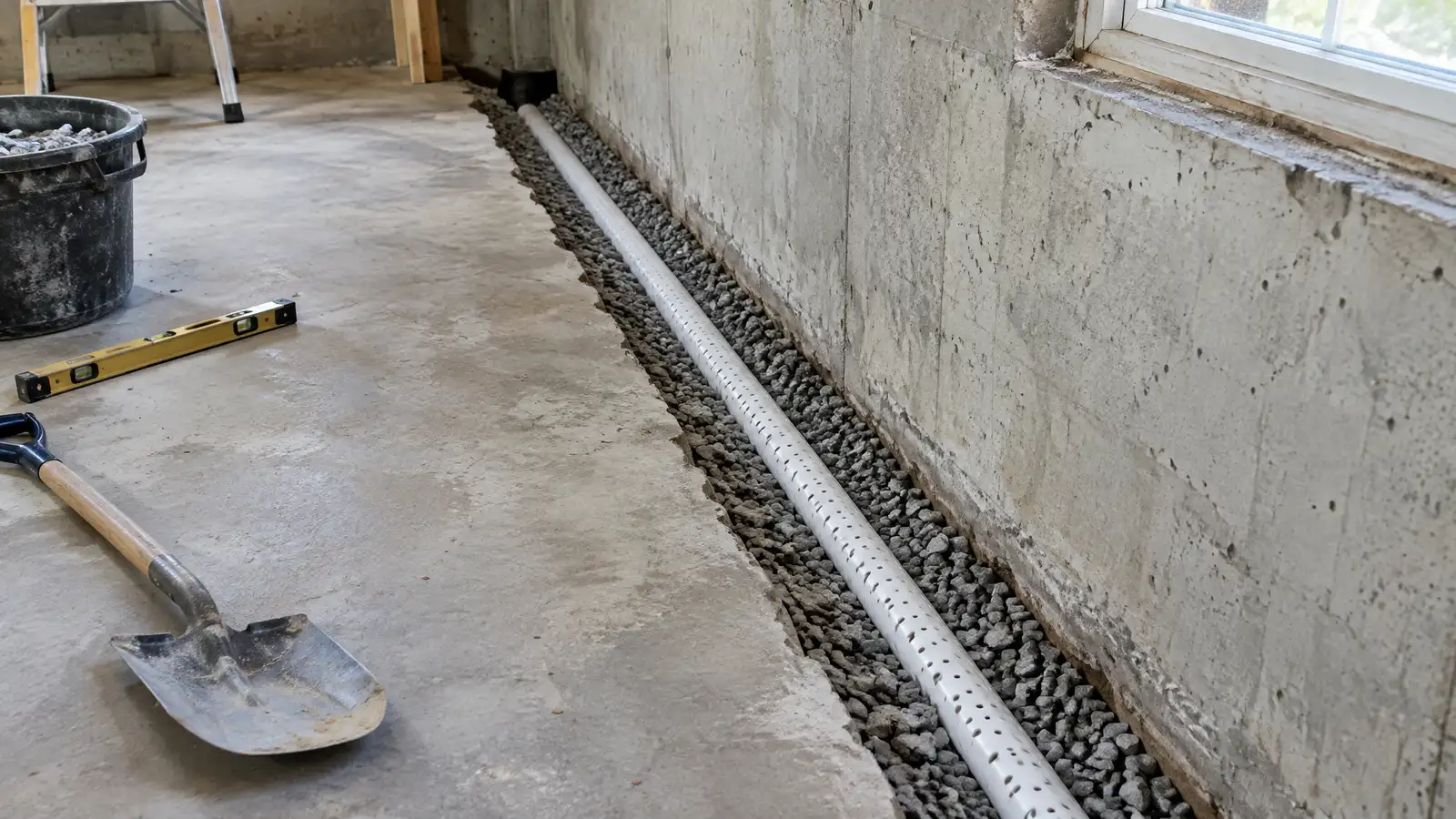 Interior Drainage SystemsPerimeter drains and sump systems inside a basement or crawl space that catch water and send it safely…Explore
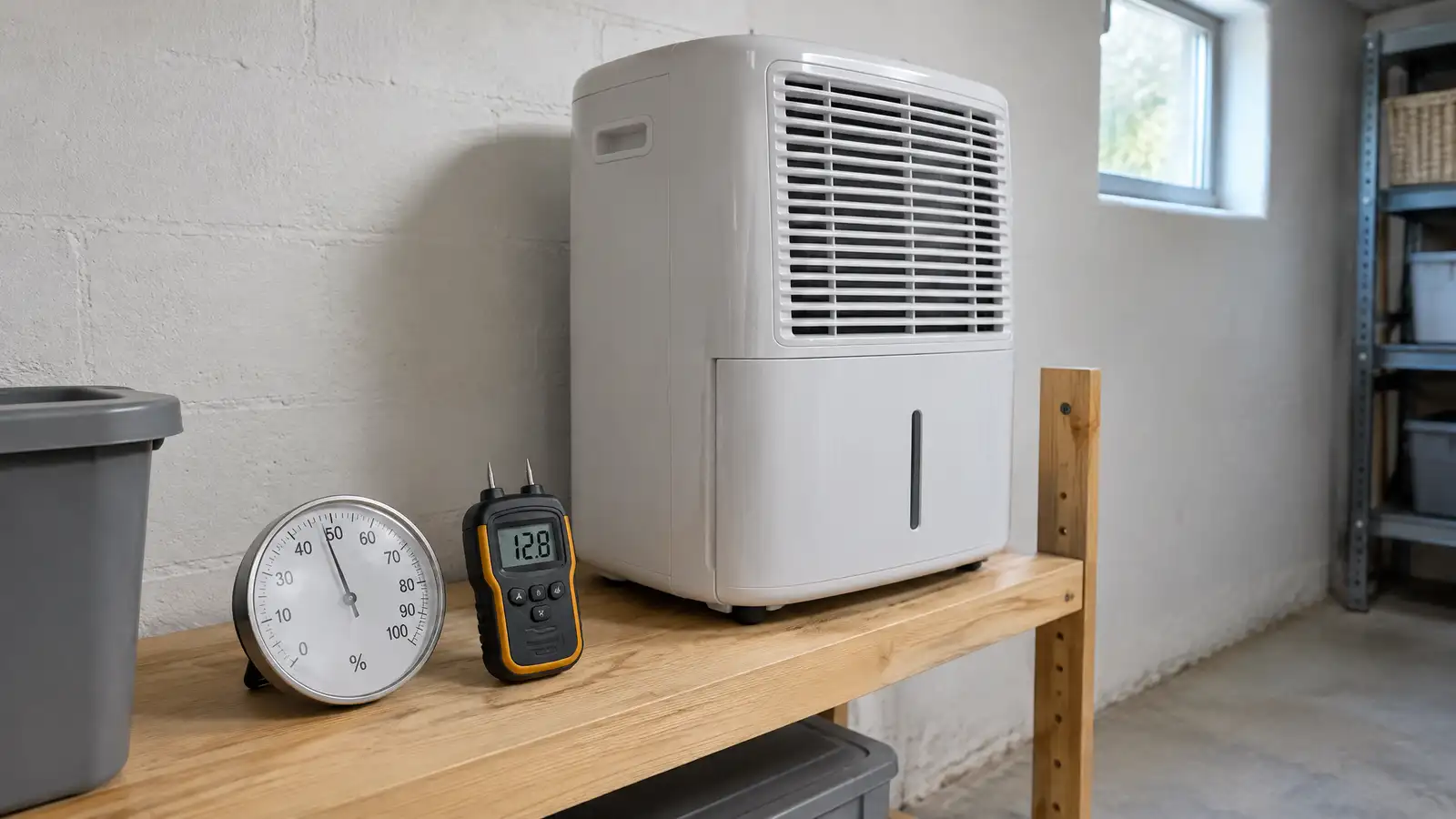 Moisture and Mold PreventionControlling water, humidity and airflow in basements and crawl spaces so mold has little to grow on.Explore
Tell us about your property and one specialist will call you back to set up a visit.
Or call (615) 431-3789 to talk now.