Serving Nashville and Middle TennesseeFree Estimate
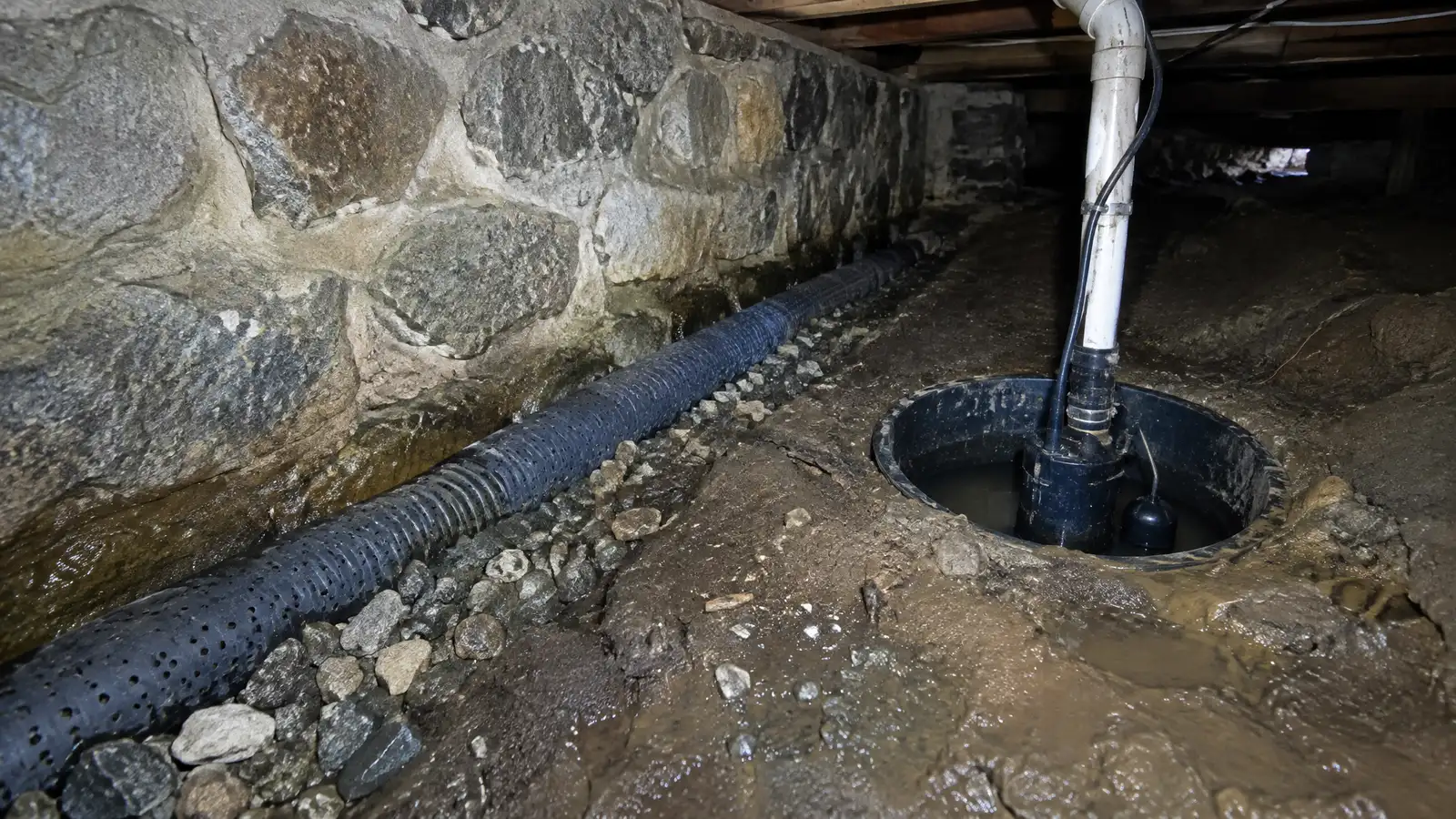
Drains, sump pumps and sealing that remove standing water and stop seepage under the house.
Standing water in a crawl space is a clear warning. It soaks insulation, rots wood and feeds mold, and it can wash soil from under footings. In Nashville, where hillside lots and clay soil channel rain toward the foundation, many crawl spaces take on water after heavy storms.
Your specialist traces where the water comes from, then installs the right mix of drains and pumps. A perimeter drain or French drain collects water, a sump pit and pump send it out, and gutters and grading are fixed so less arrives. Cracks and openings in walls are sealed. After drainage is in place, a vapor barrier or encapsulation protects the space from moisture that remains. After the work is done, a few easy habits keep a crawl space dry. Check the sump pit after heavy storms, keep gutters and downspouts clear and look at the liner and drains once or twice a year. Your specialist shows you what a healthy crawl space looks and smells like, so you can spot changes early and call before small issues become costly repairs.
Roof runoff, surface flow, high groundwater and plumbing leaks each need a different fix.
Drains and a sump pump gather water and send it away from the house.
Cracks, vents and wall penetrations are sealed so water does not creep in.
A liner and humidity control keep a dried crawl space from getting damp again.
Drag the handle to compare.
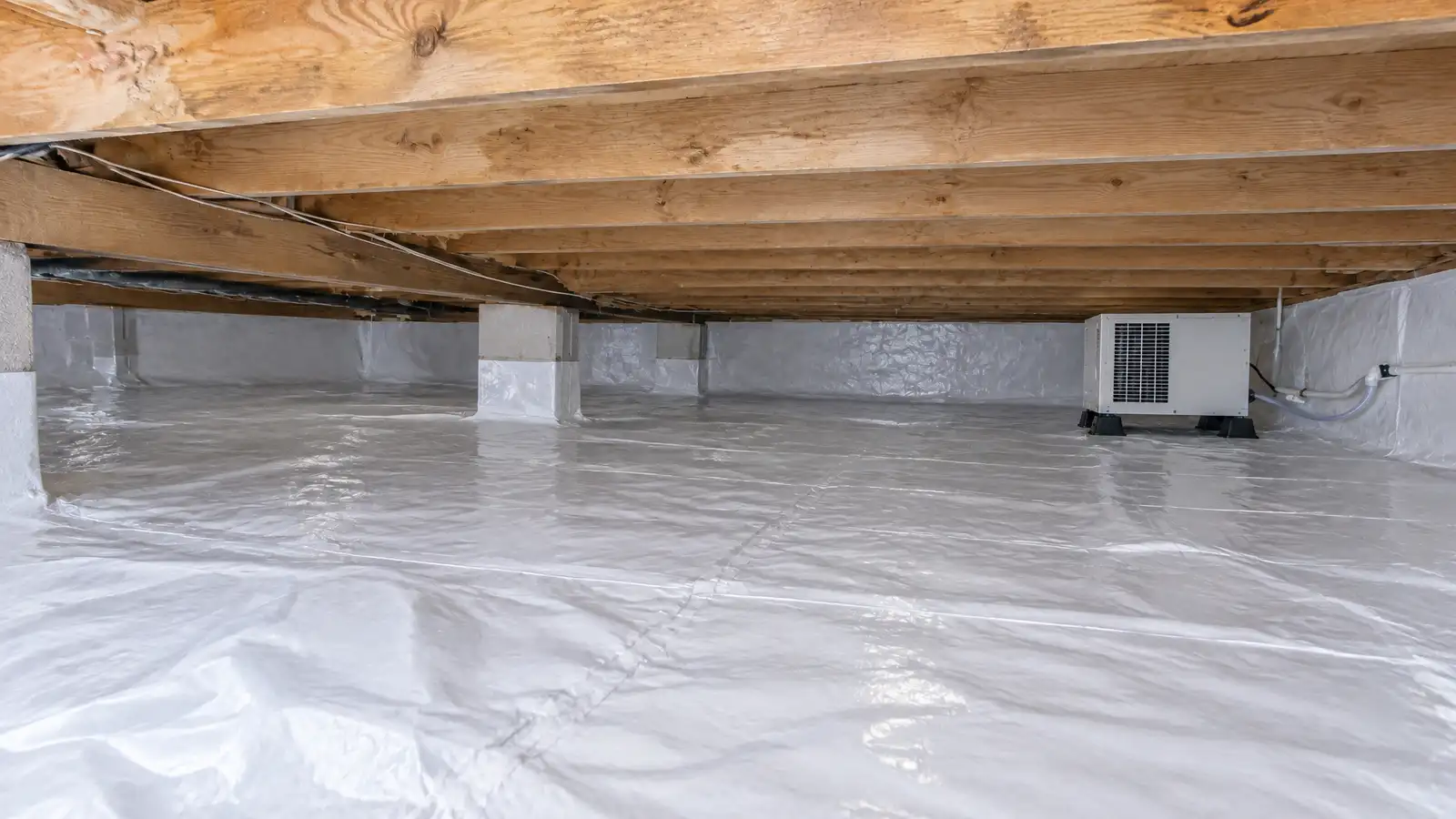
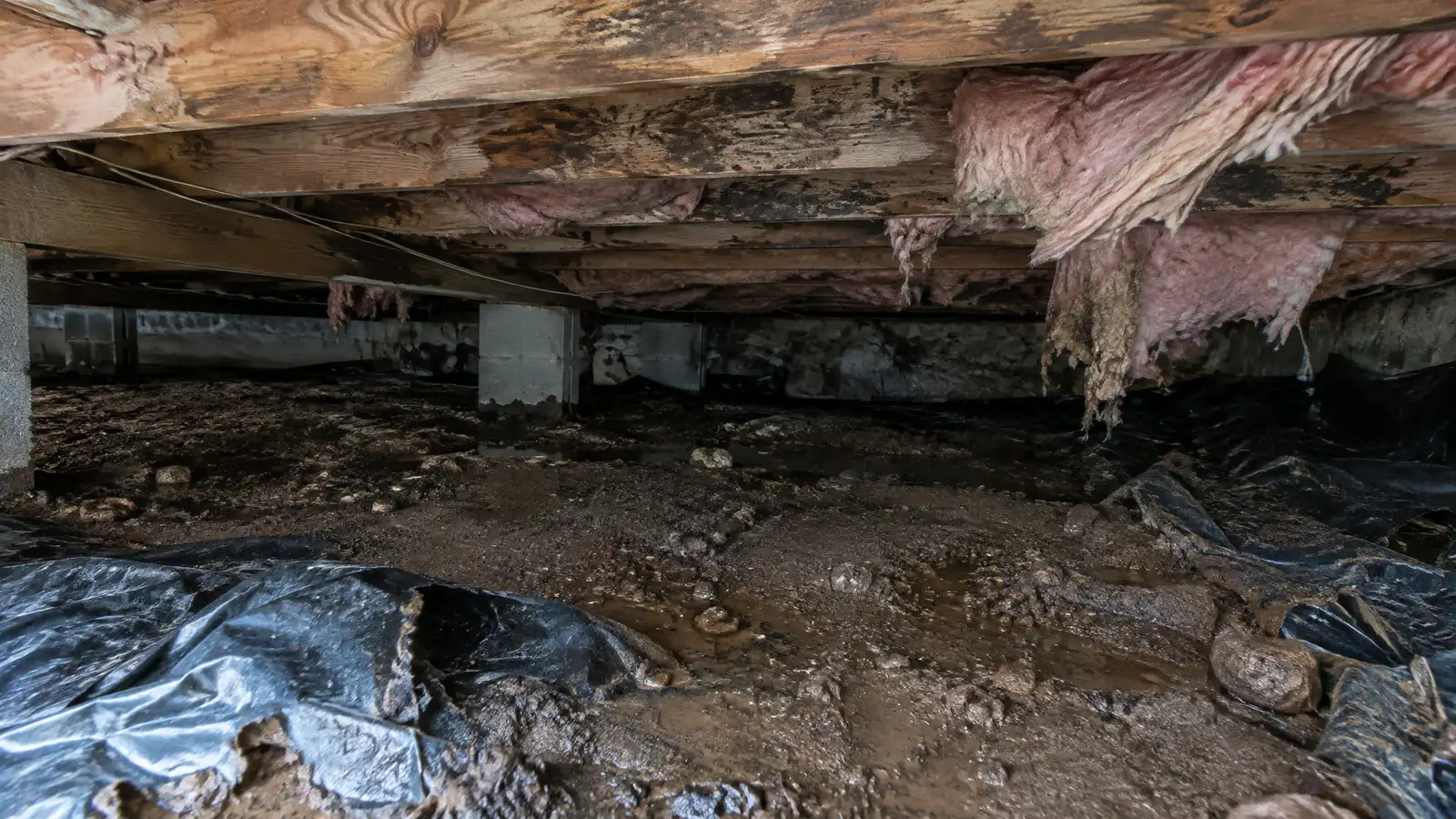 BeforeAfter
Sources and paths identified.
Drains and pump sized.
Pit, pump and drain placed.
Cracks and gaps closed.
Gutters and grading corrected.
Barrier or encapsulation added.
Every topic has its own page with what to expect and how we approach it.
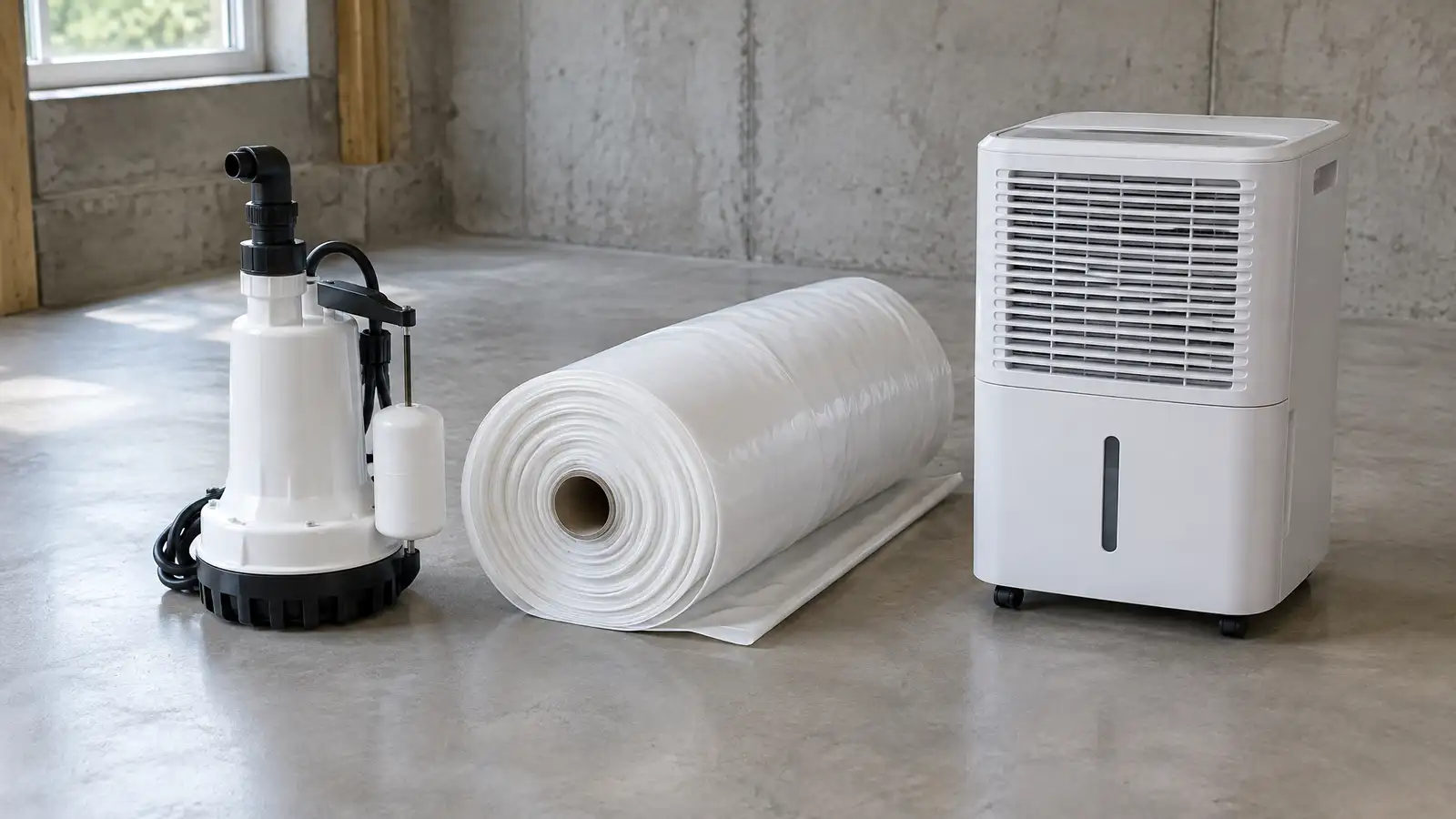 ResourceZoellerA maker of sump pumps, sewage pumps and water systems with product information and homeowner guidance.Learn more ResourceStegoA maker of vapor barriers and moisture control products used under slabs and in crawl spaces.Learn more ResourceAprilaireA maker of whole-home and crawl space dehumidifiers, ventilation and air quality products for homes.Learn more
Pick a foundation, waterproofing, drainage or concrete job, set the quantity and add extras to see a ballpark planning range. Placeholder values only.
You tell us what you see and where the property is. One call sets up a visit that fits your day.
A specialist walks the inside and outside, checks cracks, floors, moisture and drainage and takes measurements and photos.
You receive a plain written scope with the cause, the method, the location of each repair and the schedule before anything begins.
Utility marking is requested where digging is needed, access is protected and materials and any engineering are lined up.
Supports, drains, sealing or lifting are completed in a clear order, with photos and checks along the way.
The site is cleaned up, the work is explained on a walk-through and care and monitoring tips are shared.
Heavy rain, slopes, poor gutters and high groundwater can send water toward the foundation, and cracks give it a way in.
Often yes. A pump removes water that collects under the house, and drains and sealing help reduce how much arrives.
It can rot wood, harbor mold and wash away soil, so it deserves quick attention.
Water is removed first, and the space is dried before liners or insulation go in.
Yes. Drainage solves the liquid water and encapsulation controls what is left.
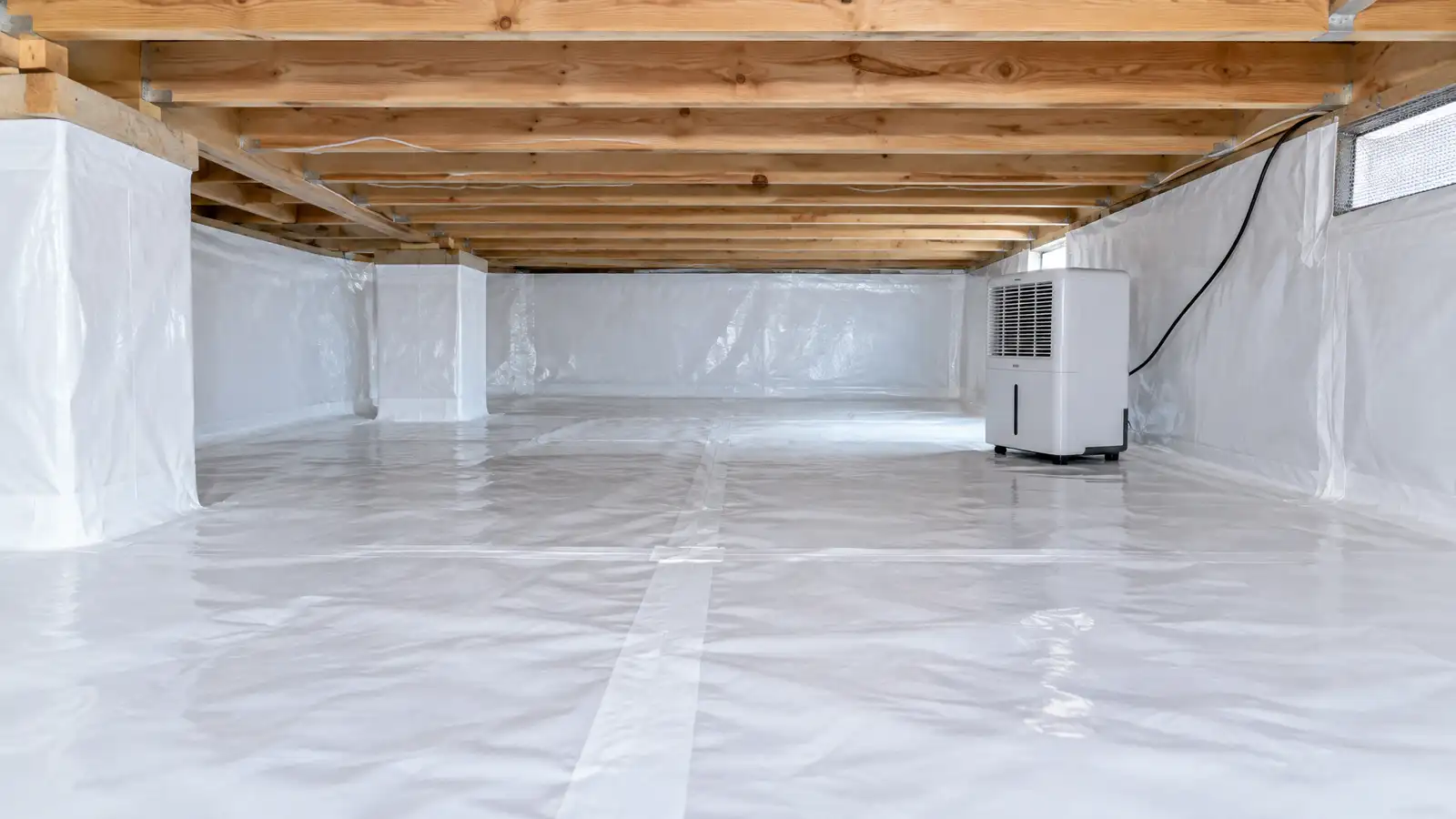 Crawl Space EncapsulationSealing the crawl space with a heavy liner on the floor and walls, drainage where needed and controlled…Explore
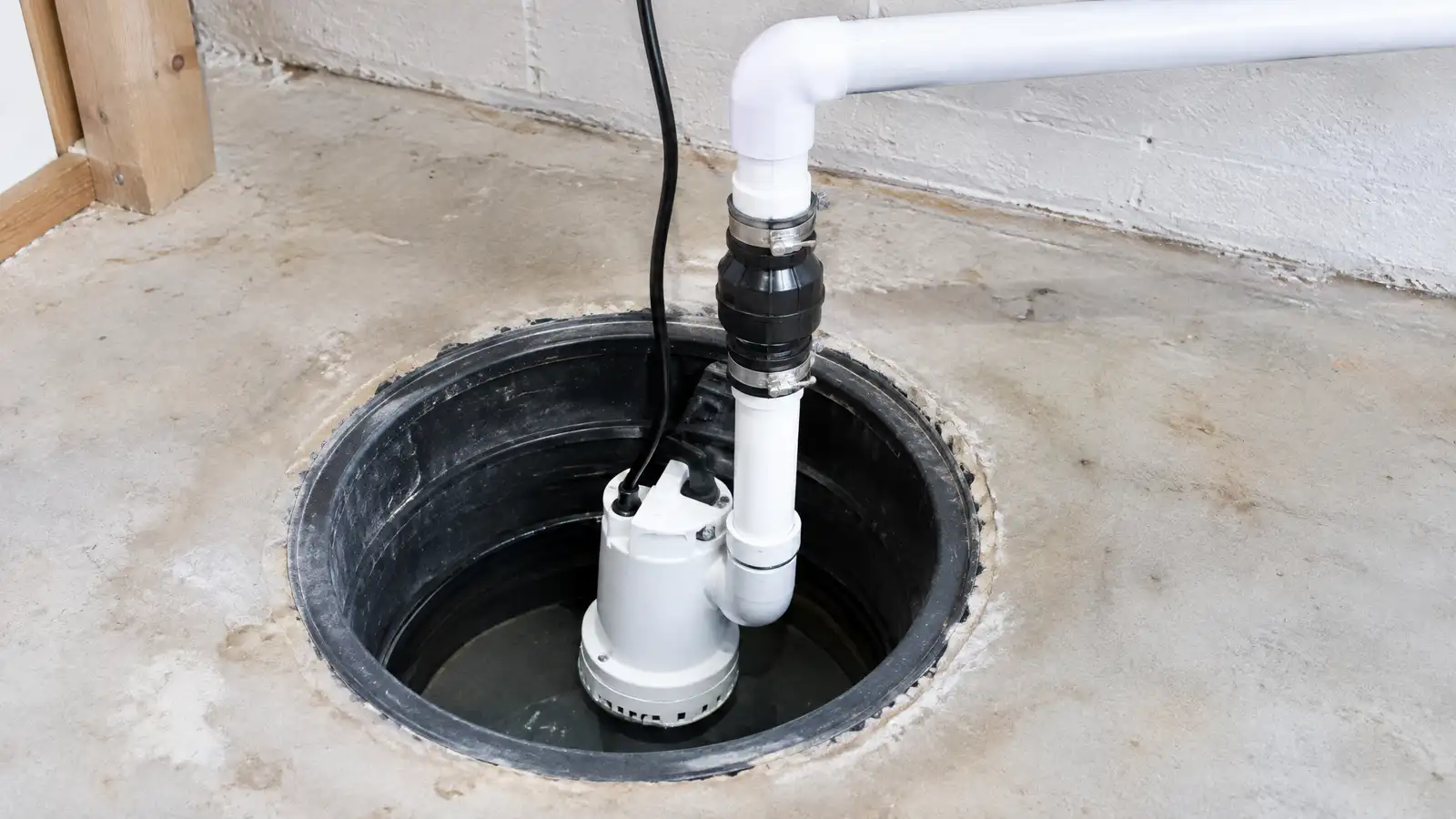 Sump Pump InstallationA properly sized sump pit and pump that keeps a basement or crawl space dry, with a discharge…Explore
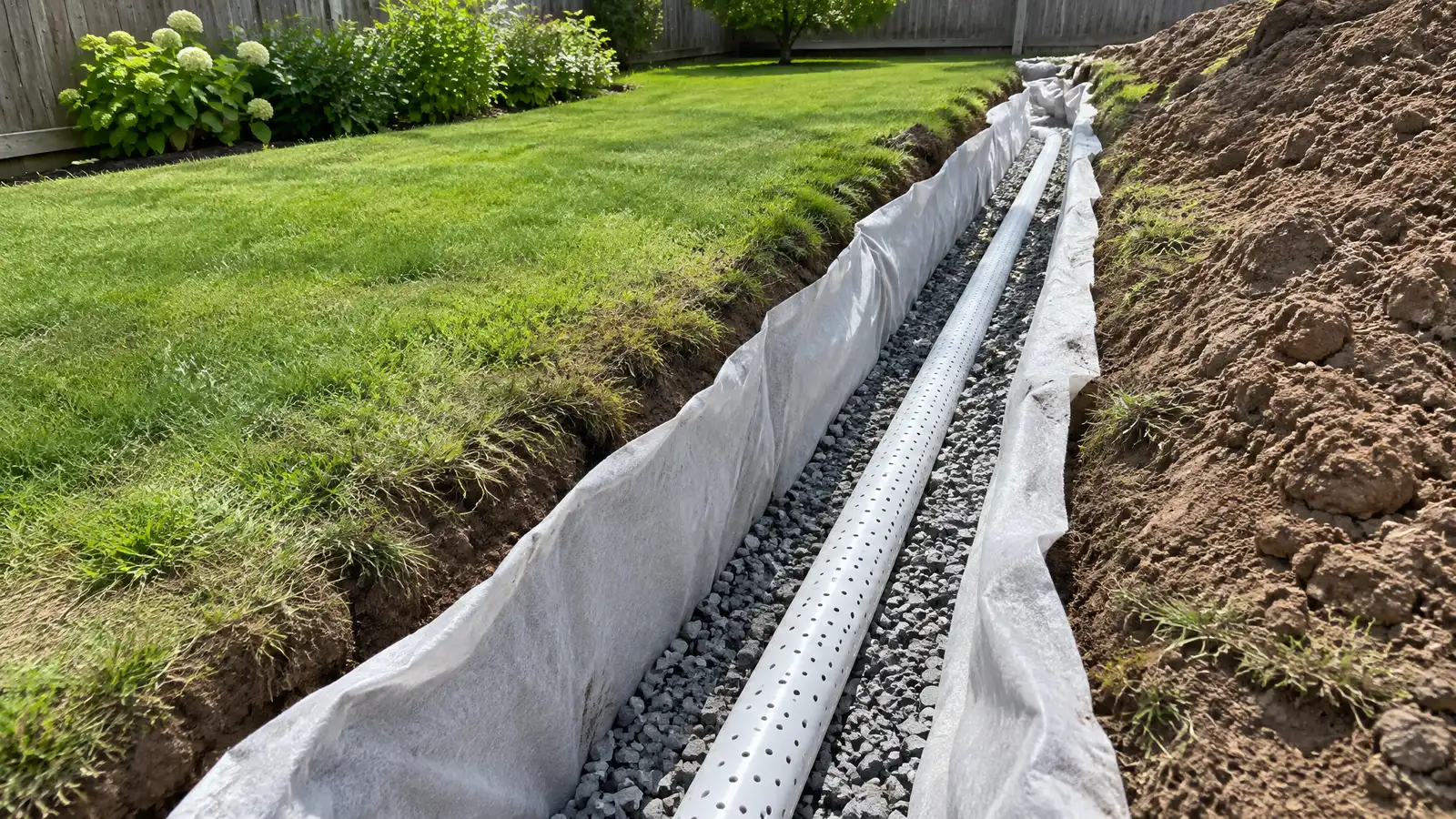 French DrainsPerforated pipe in a stone-filled trench that intercepts groundwater and surface water and carries it safely away from…Explore
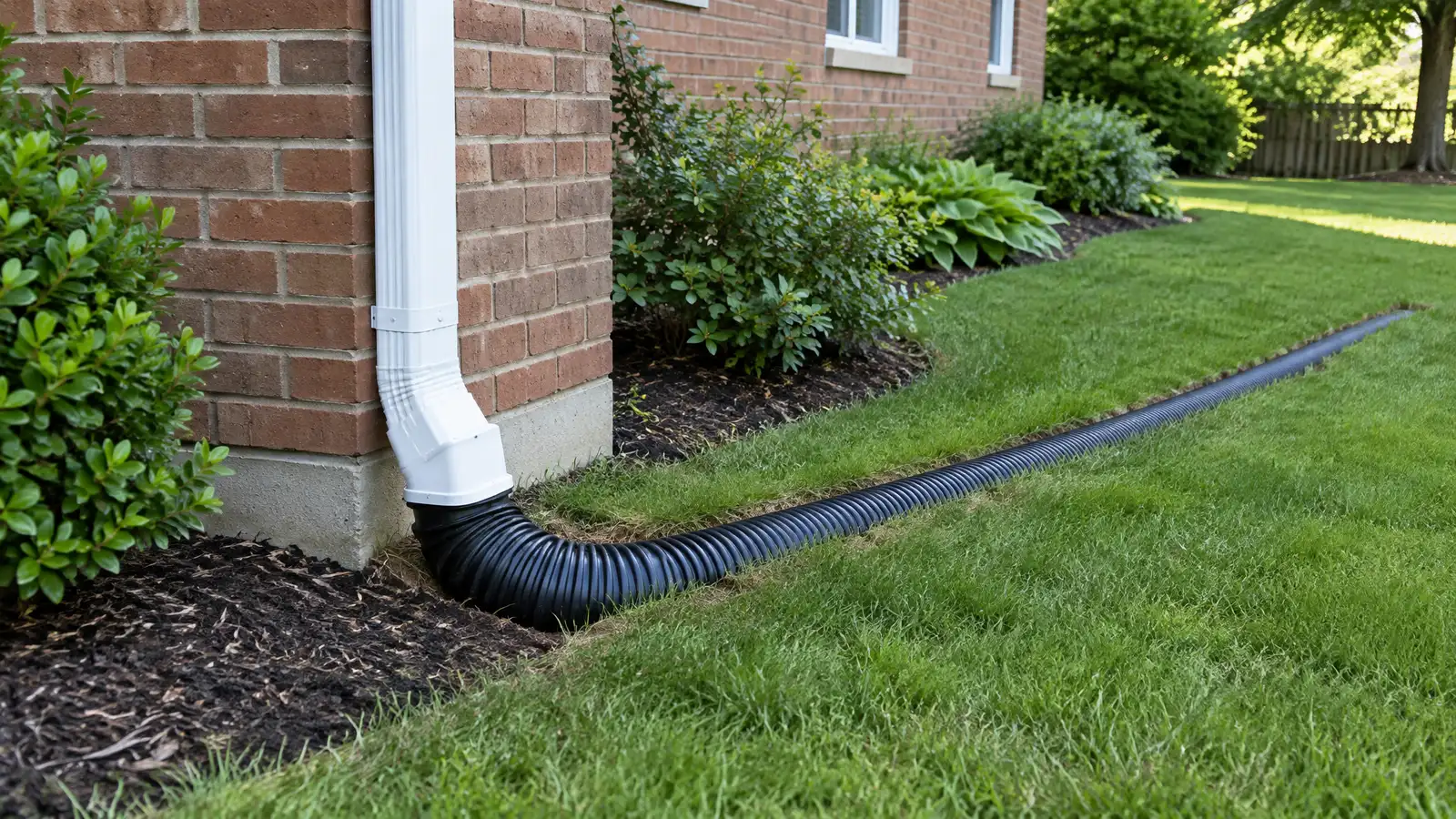 Downspout and Gutter DrainageExtending and burying downspouts and fixing gutters so roof water leaves your foundation zone instead of soaking it.Explore
Tell us about your property and one specialist will call you back to set up a visit.
Or call (615) 431-3789 to talk now.