Serving Nashville and Middle TennesseeFree Estimate
Raising and leveling a house on its foundation, for settlement repair, flood protection or a new foundation below.
Lifting a whole house sounds dramatic, but specialists do it carefully and routinely. Houses are raised to correct serious settlement, to rebuild a failing foundation, to add height in a flood-prone area or to create space beneath. In Nashville, where older homes are being preserved and floodplain rules affect building near rivers and creeks, house raising is a practical tool.
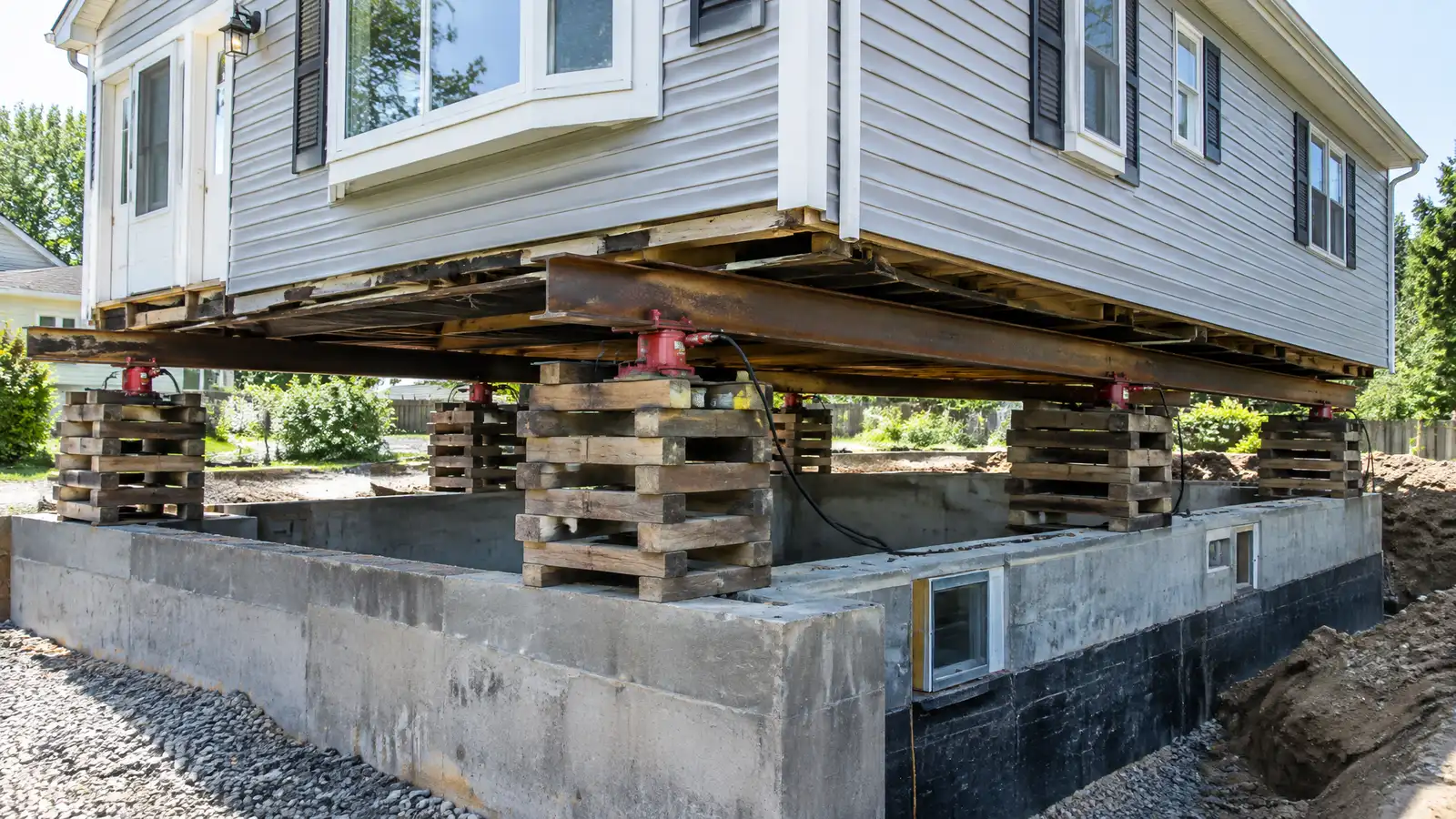
Your specialist studies the framing, plumbing and utilities, plans temporary supports and lifts the house on hydraulic jacks and steel or timber cribbing in small steps. Utilities are disconnected and protected, and the house is held at the target height while repairs or a new foundation are completed. The structure is lowered gently and reconnected. An engineer often designs the plan and permits may be required. A little preparation makes a lift go smoothly. Clear the area around the house, remove fragile items from shelves and walls and take photos of existing cracks and finishes beforehand. Your specialist walks the house with you, notes what is already there and explains which settling cracks may appear during and after the lift, so the day-to-day plan and your expectations match.
Framing, loads, utilities and access are reviewed so the lift follows a clear, safe plan.
Jacks raise the house in small increments with continuous monitoring, protecting finishes and structure.
With the house held, the foundation can be repaired, rebuilt or extended without taking the building apart.
Utilities are restored and the house is lowered gently onto the finished foundation.
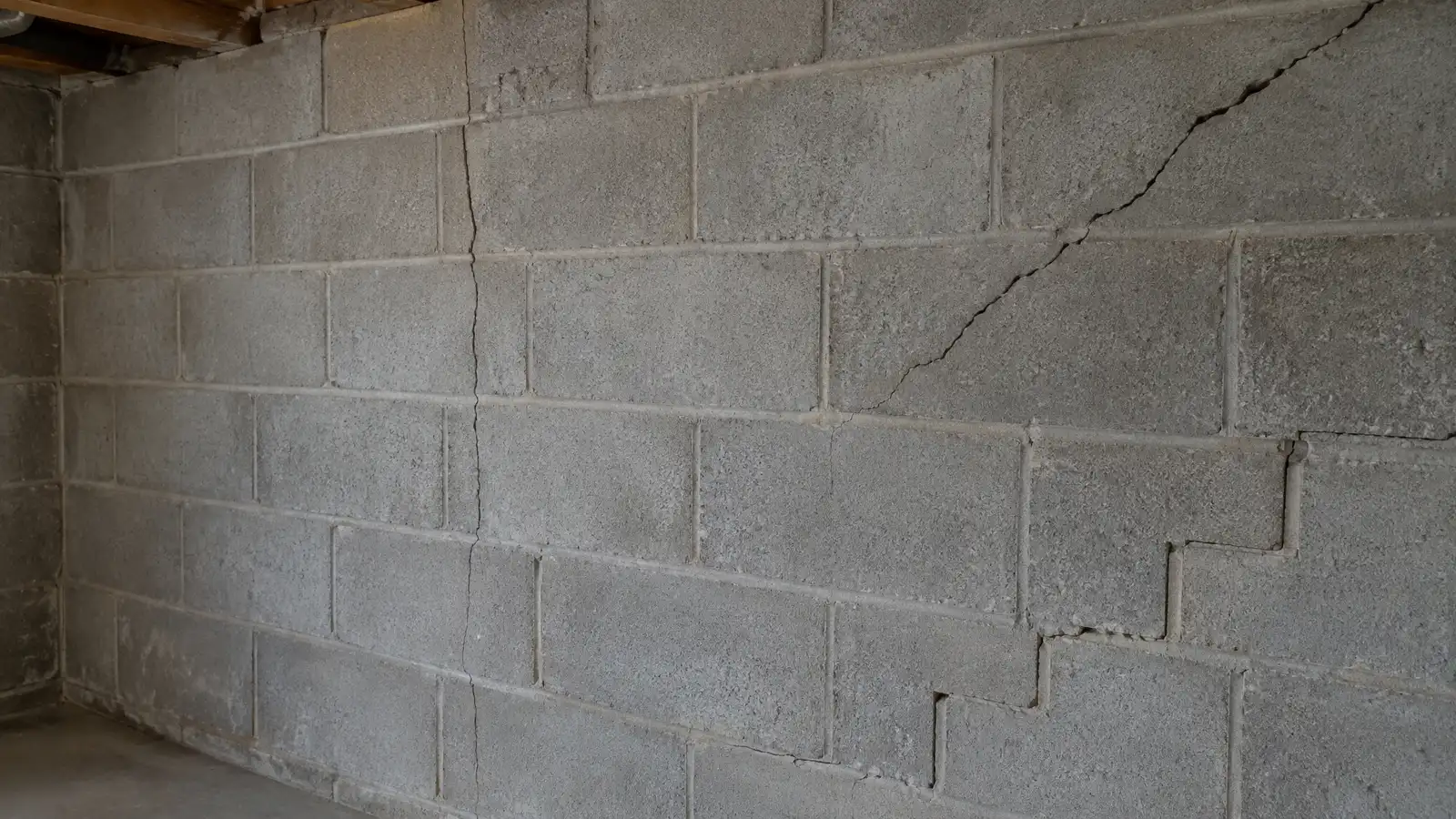
Drag the handle to compare.
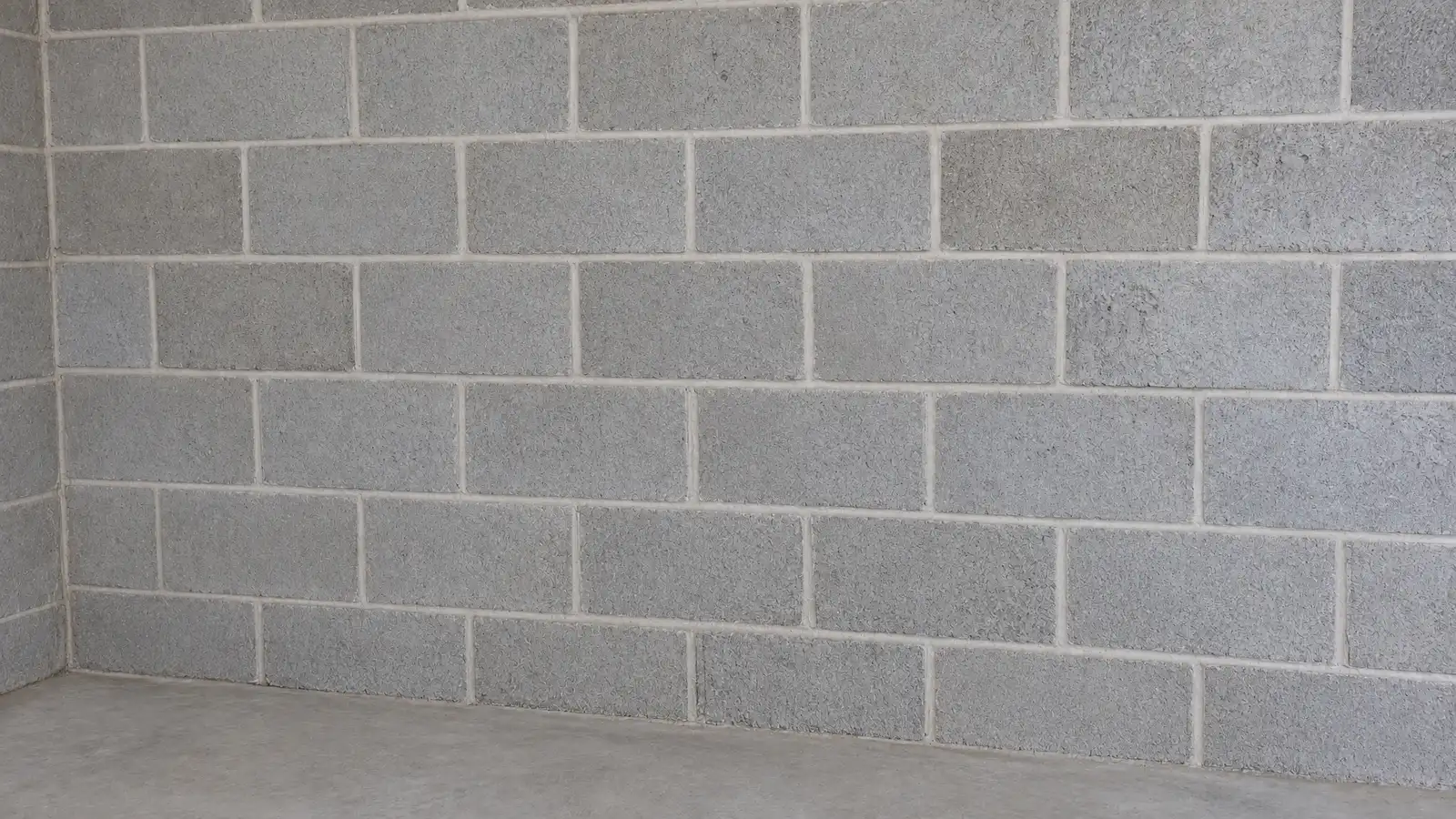
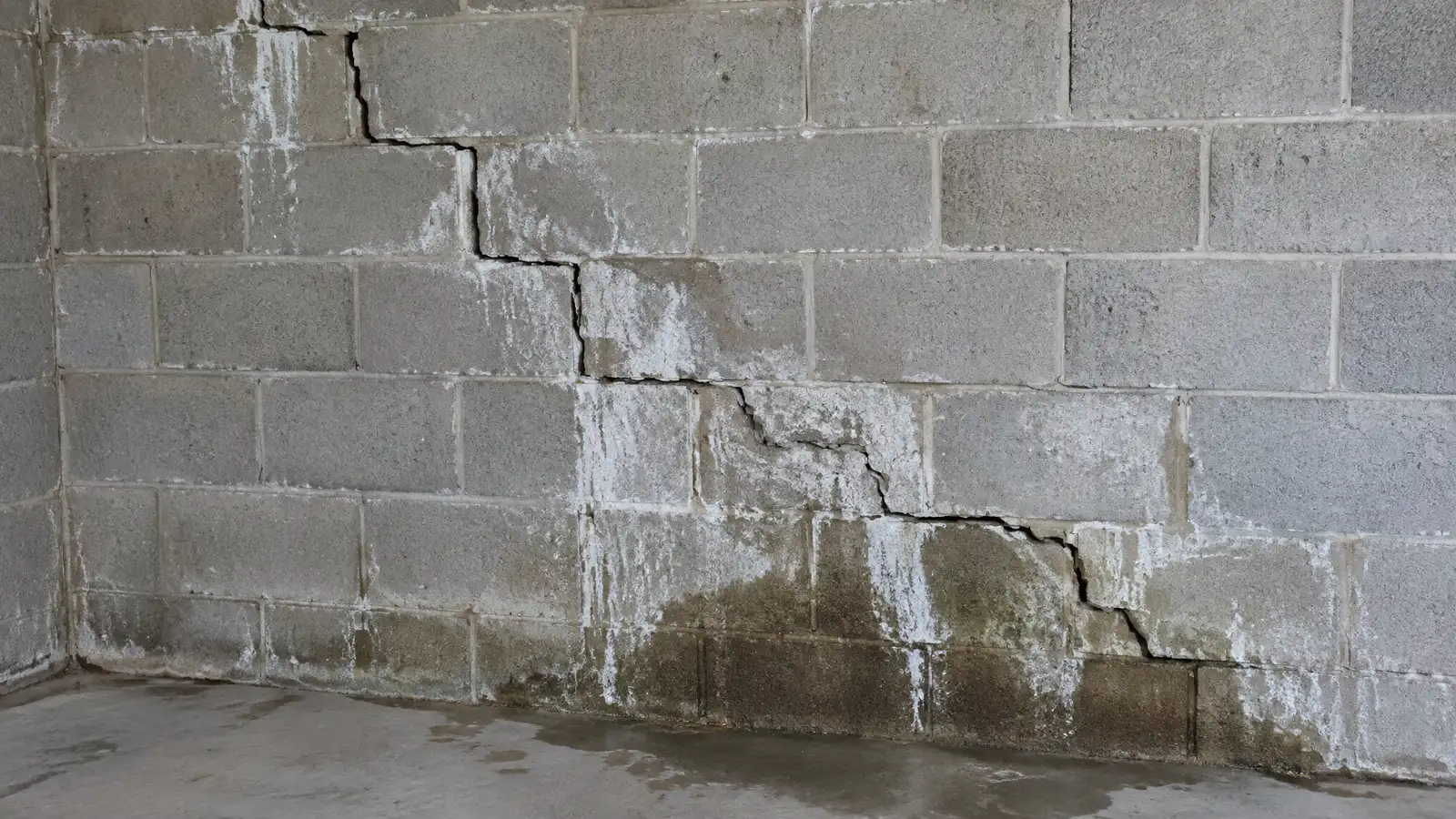 BeforeAfter
Framing and loads reviewed.
Supports and sequence designed.
Lines disconnected or secured.
Hydraulic jacks with monitoring.
Repairs or new foundation.
House set down and utilities restored.
Every topic has its own page with what to expect and how we approach it.
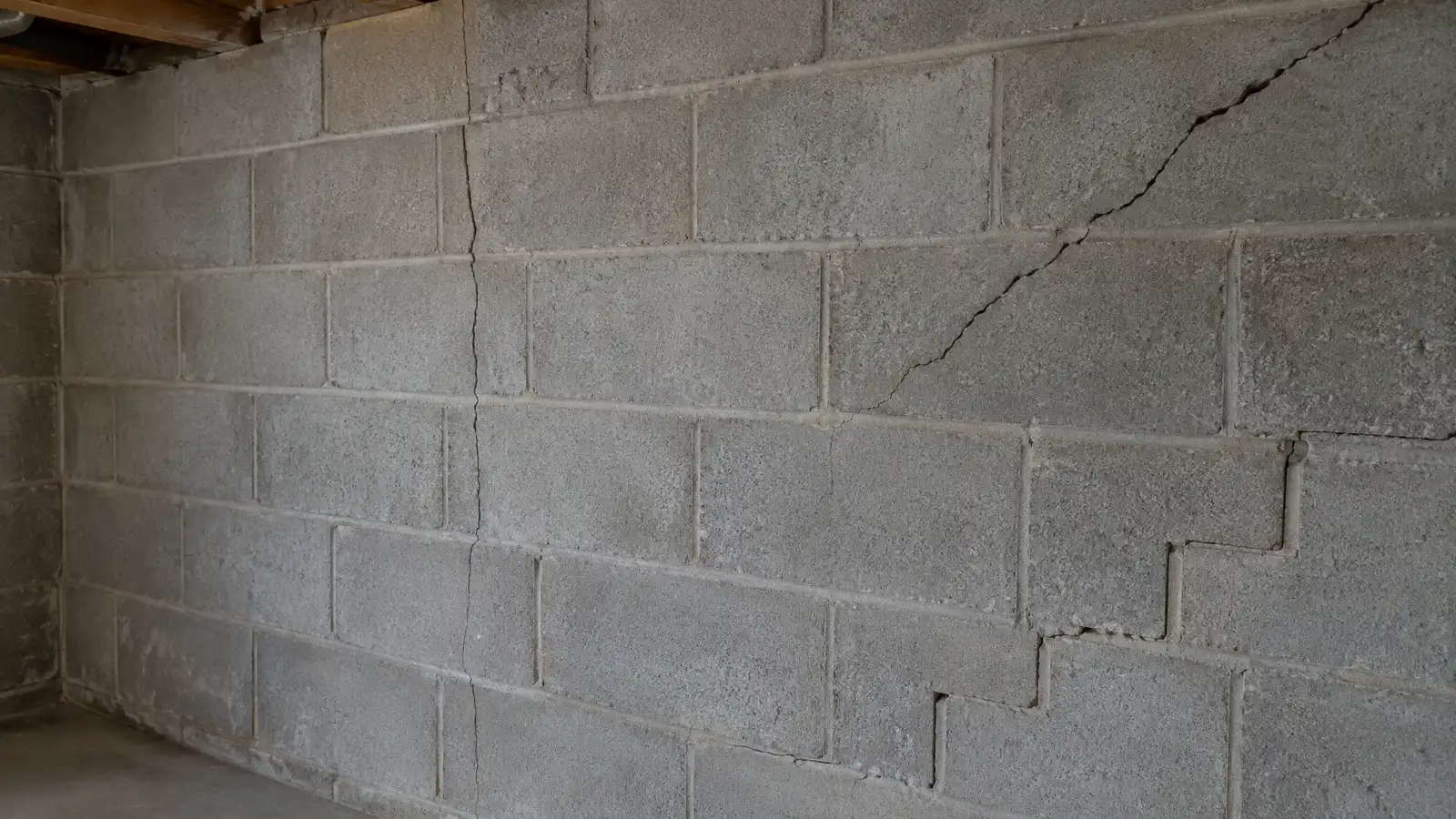 Comparison guideCrack TypesHow hairline, vertical, diagonal, stair-step and horizontal cracks differ in what they usually mean and what to do…Learn more
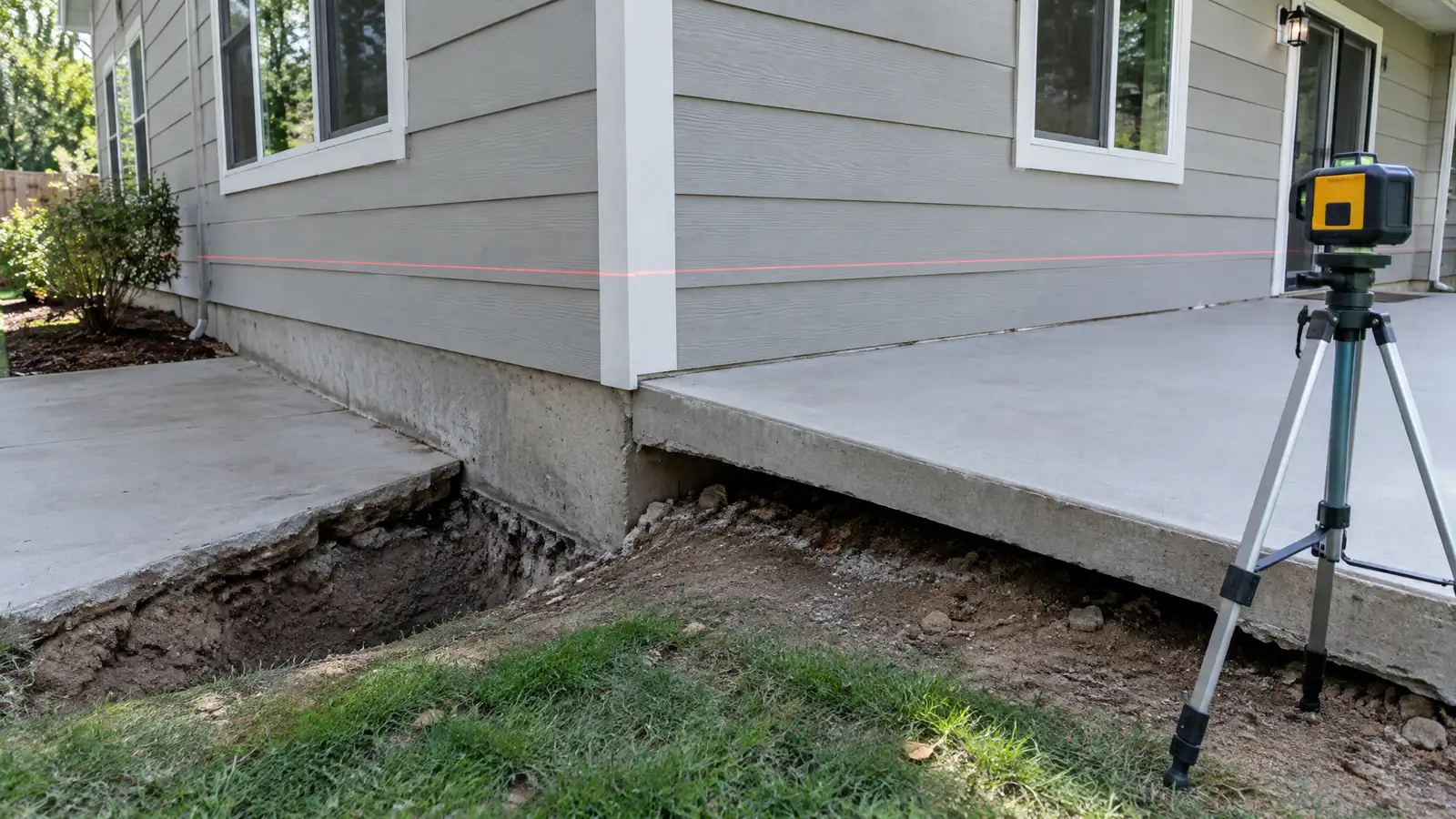 Comparison guideSettlement vs HeaveHow a foundation that sinks differs from one that lifts, what usually causes each and how repairs differ.Learn more
 ResourceASCEA professional society for civil engineers that publishes standards, research and public information on structures, soils and infrastructure.Learn more
Answer a few questions about what you see, your foundation type, moisture and soil to learn which repair methods usually fit.
You tell us what you see and where the property is. One call sets up a visit that fits your day.
A specialist walks the inside and outside, checks cracks, floors, moisture and drainage and takes measurements and photos.
You receive a plain written scope with the cause, the method, the location of each repair and the schedule before anything begins.
Utility marking is requested where digging is needed, access is protected and materials and any engineering are lined up.
Supports, drains, sealing or lifting are completed in a clear order, with photos and checks along the way.
The site is cleaned up, the work is explained on a walk-through and care and monitoring tips are shared.
When planned and carried out carefully, yes. Specialists use proven methods and monitor continuously.
The lift itself can be quick, while the work below takes as long as the foundation project requires.
Often yes, because utilities are disconnected. Your specialist explains what to expect for your project.
Small, steady lifting limits stress, though some cosmetic cracks can appear and are discussed in advance.
Often yes. Requirements vary by location and project, and your specialist helps you prepare.
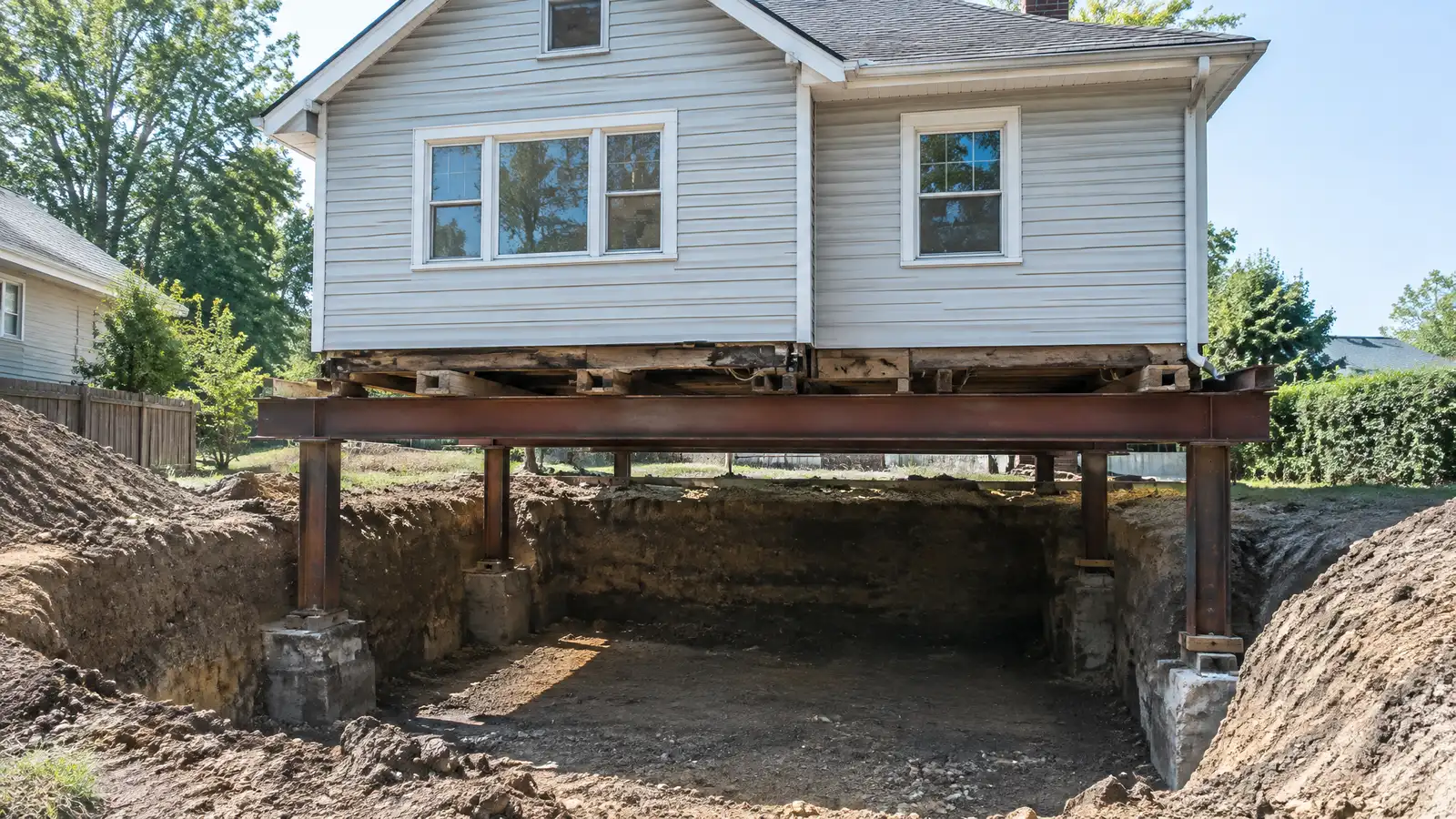 Foundation Replacement and DemolitionRemoving a failed foundation and building a new one, with the house supported safely in the meantime.Explore
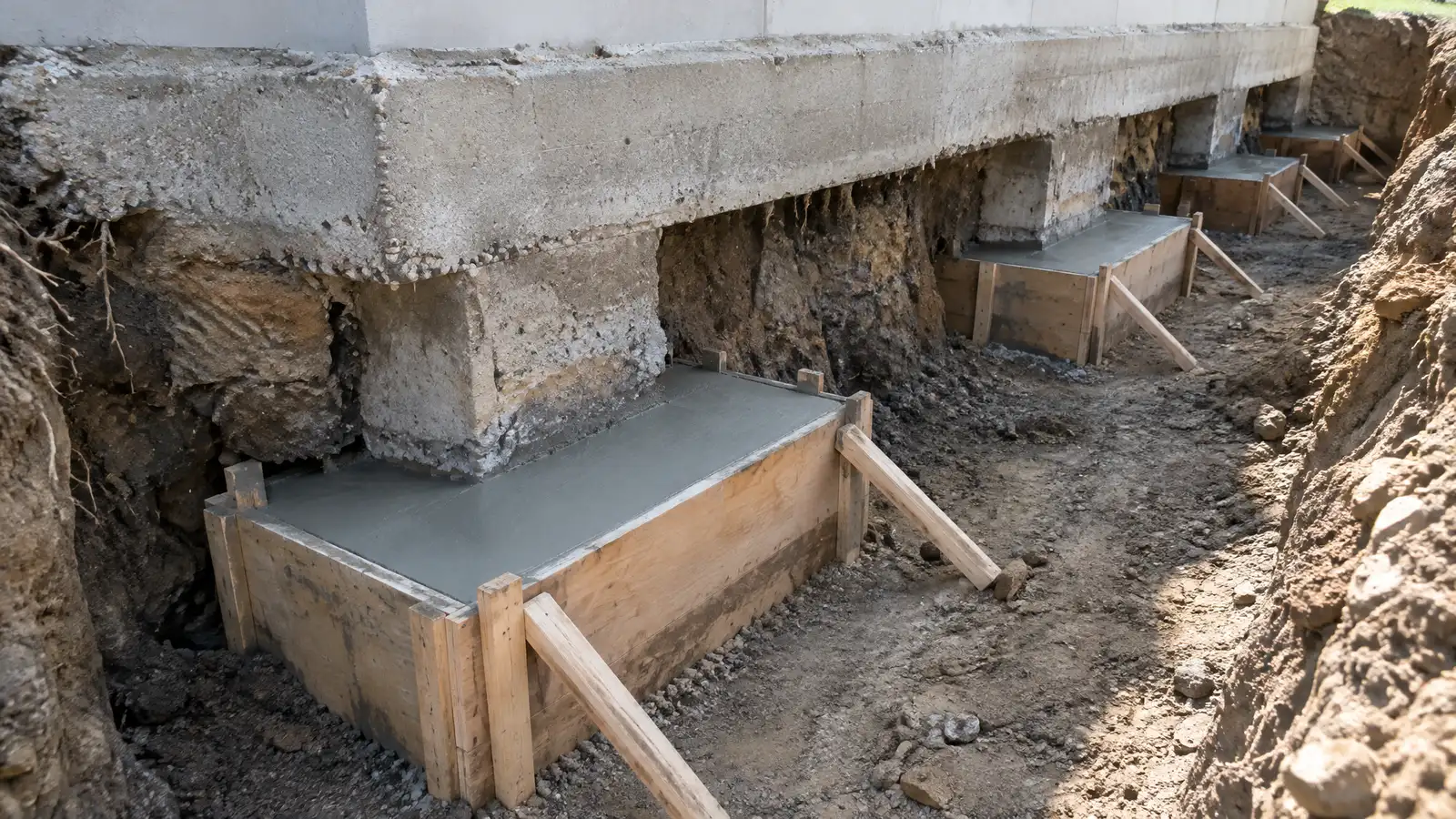 Foundation UnderpinningExtending or deepening footings so an existing foundation rests on stronger soil and carries its load safely.Explore
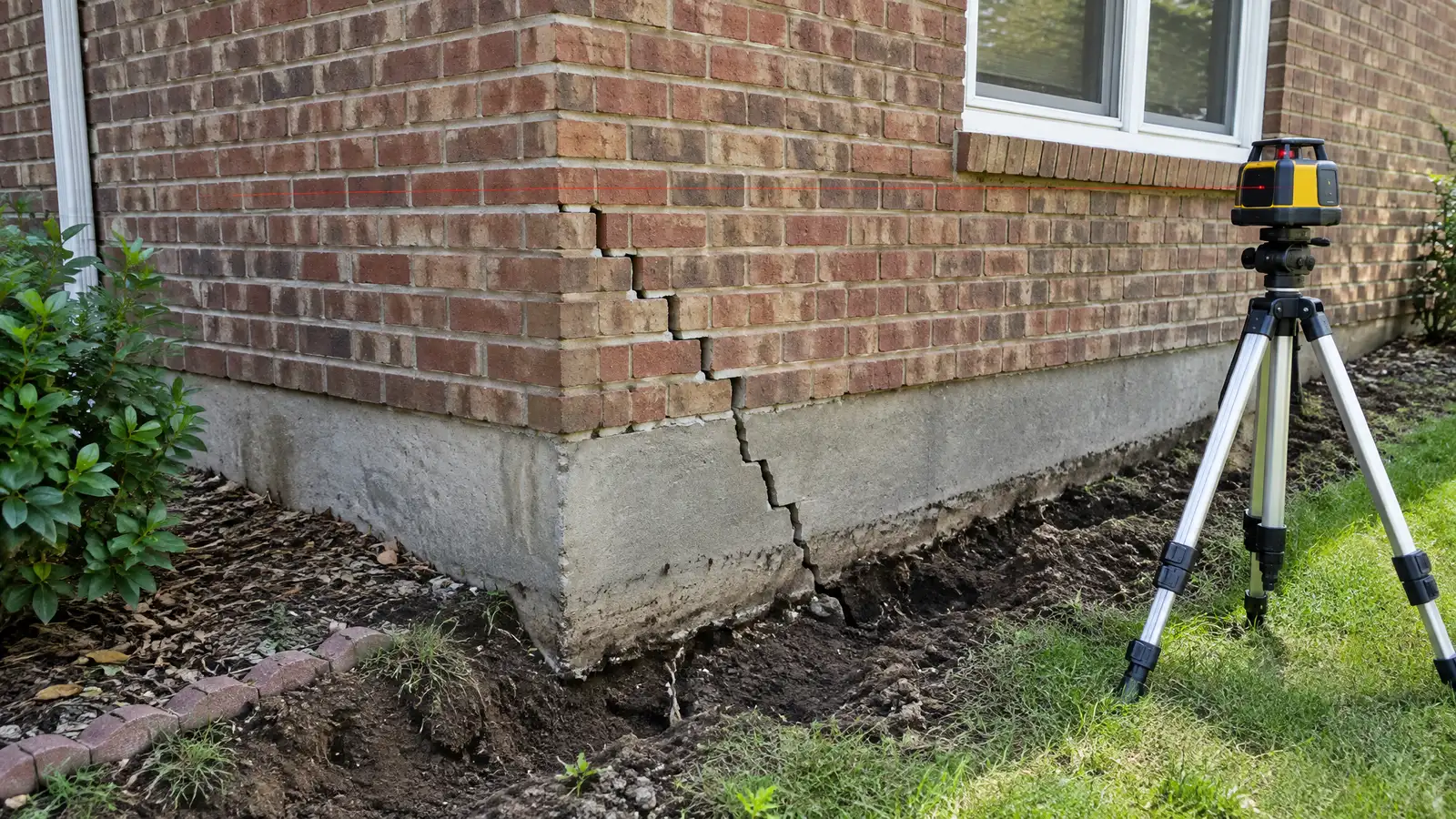 Settling and Sinking Foundation RepairRepairs for corners, walls and slabs that have dropped, using support, lifting and drainage to stop the movement…Explore
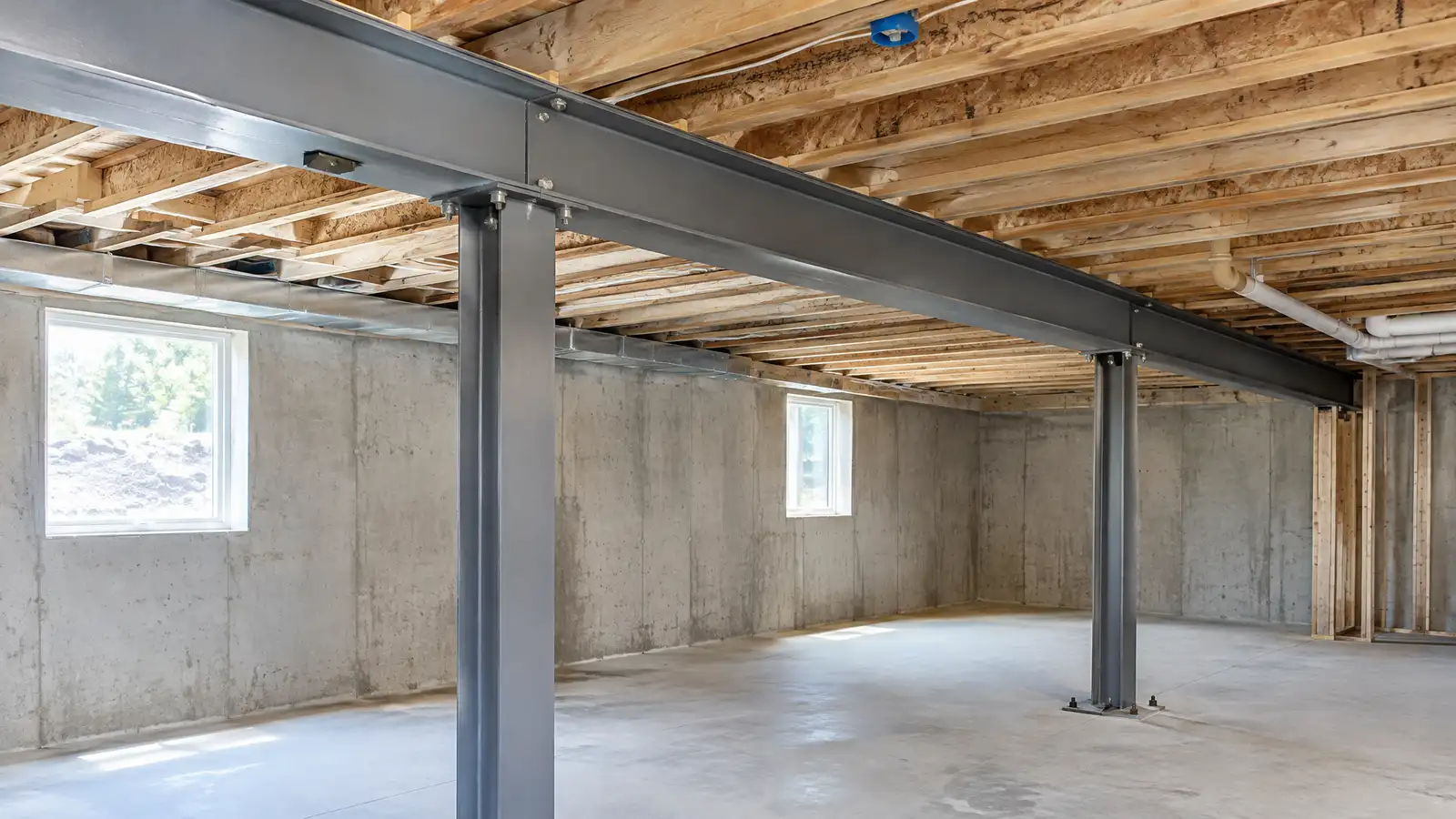 Structural Beams and Support ColumnsInstalling steel or engineered beams and columns that carry floors and walls where old supports have failed or…Explore
Tell us about your property and one specialist will call you back to set up a visit.
Or call (615) 431-3789 to talk now.