Serving Nashville and Middle TennesseeFree Estimate
Repairs for corners, walls and slabs that have dropped, using support, lifting and drainage to stop the movement and restore level.
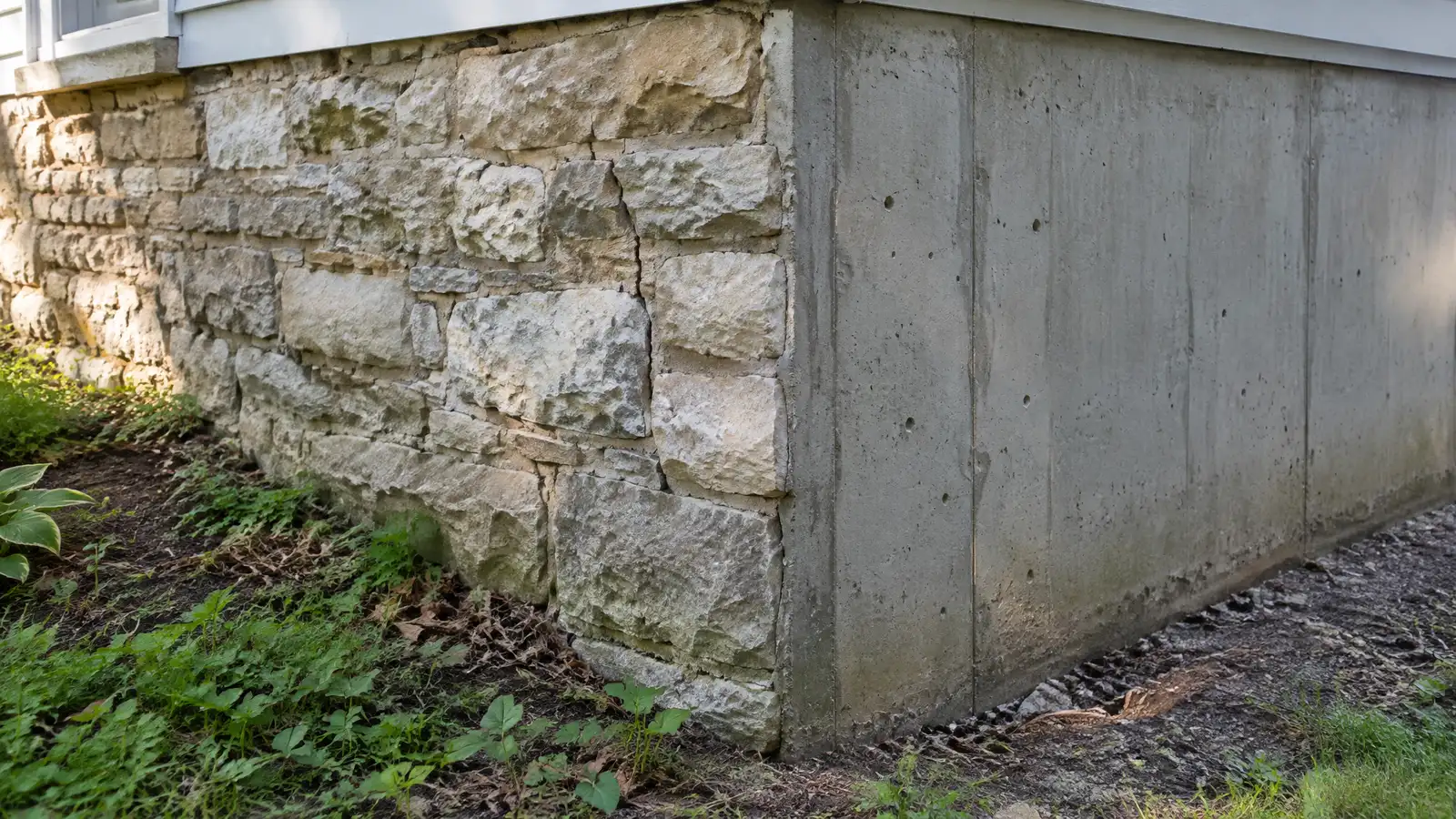
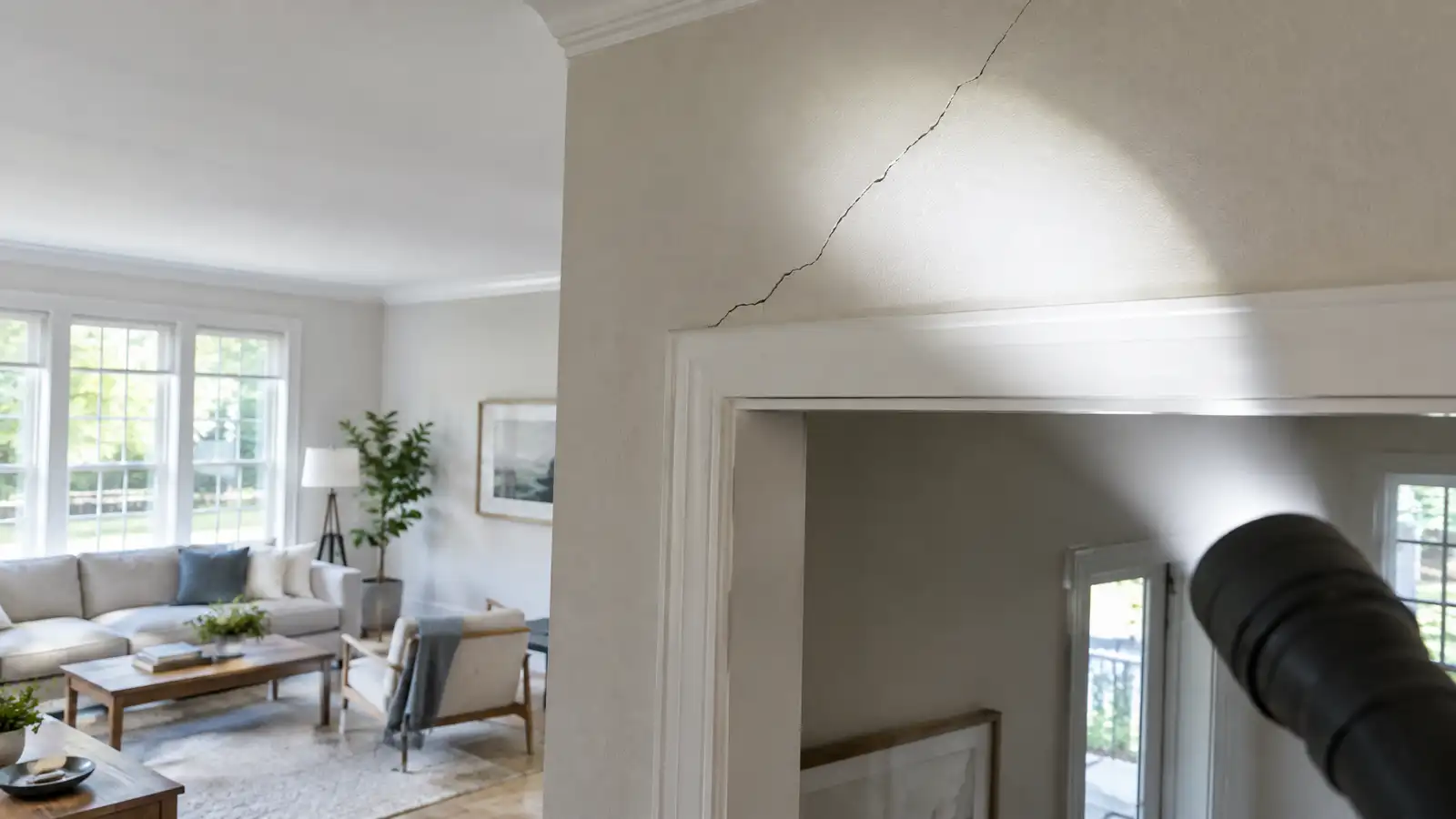
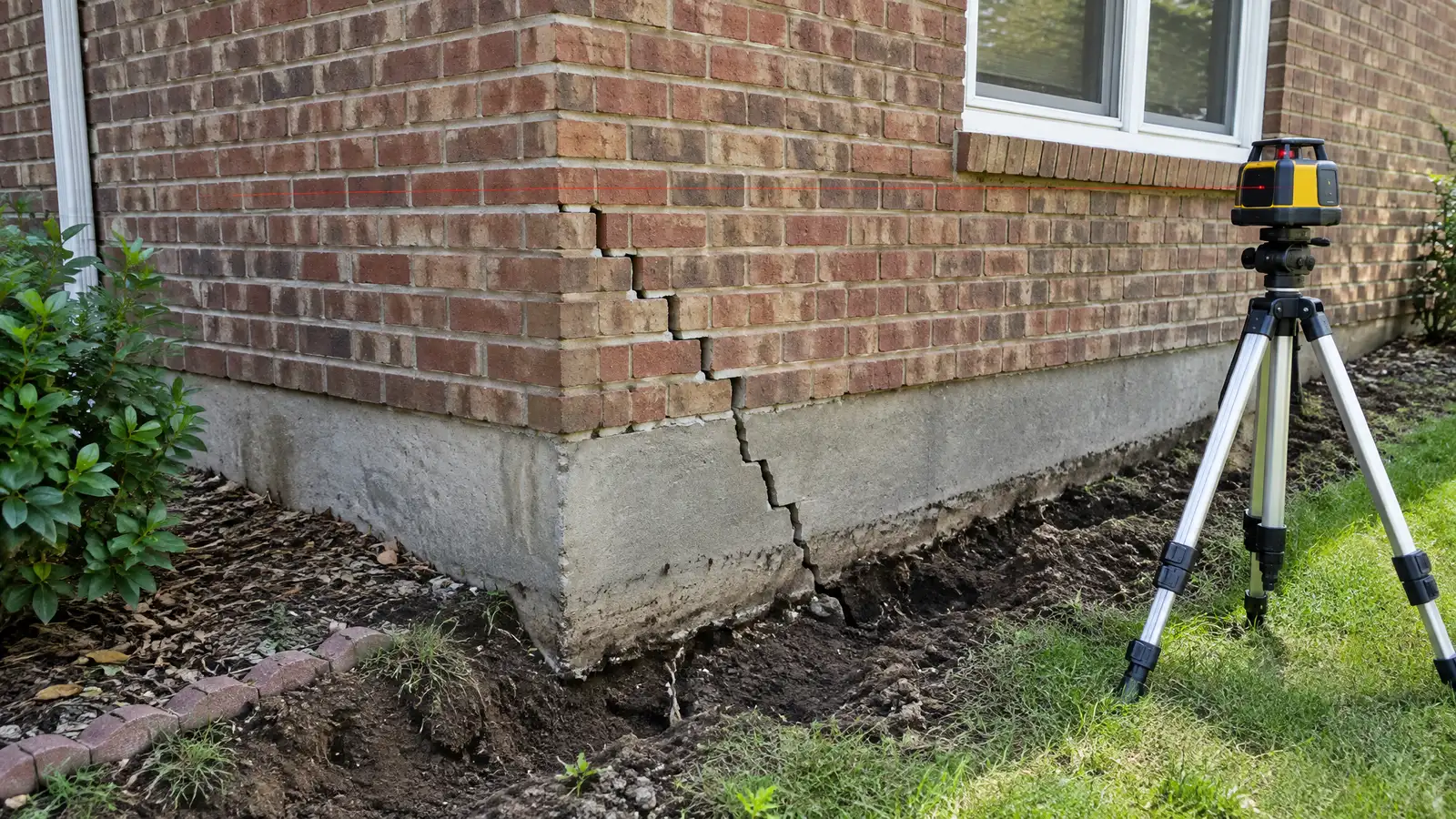
A little settling is normal in a new house, but continued settling is not. Doors that stick, gaps over windows, cracks that follow brick joints and floors that slope toward one side often come from soil that is compressing, drying or washing away. Homeowners in Nashville find the pattern after a dry summer or wet season and want to know whether it will stop or keep going.
Your specialist maps floors and cracks to see where the house has dropped and compares the pattern with soil, drainage and trees. The plan usually includes support such as piers where the structure needs it, and drainage or grading to deal with the cause. When lifting is part of the plan, it is done gradually to protect finishes. After the work, new readings show how the structure responded.
Where the house has dropped and how far tells a lot about which corners or walls need support.
Drainage, downspouts, grading and tree issues are handled so soil stops changing under the footing.
Piers or other supports are placed at measured points, rather than everywhere, so work stays focused.
New elevation readings and crack marks show what changed and what to keep watching.
Drag the handle to compare.
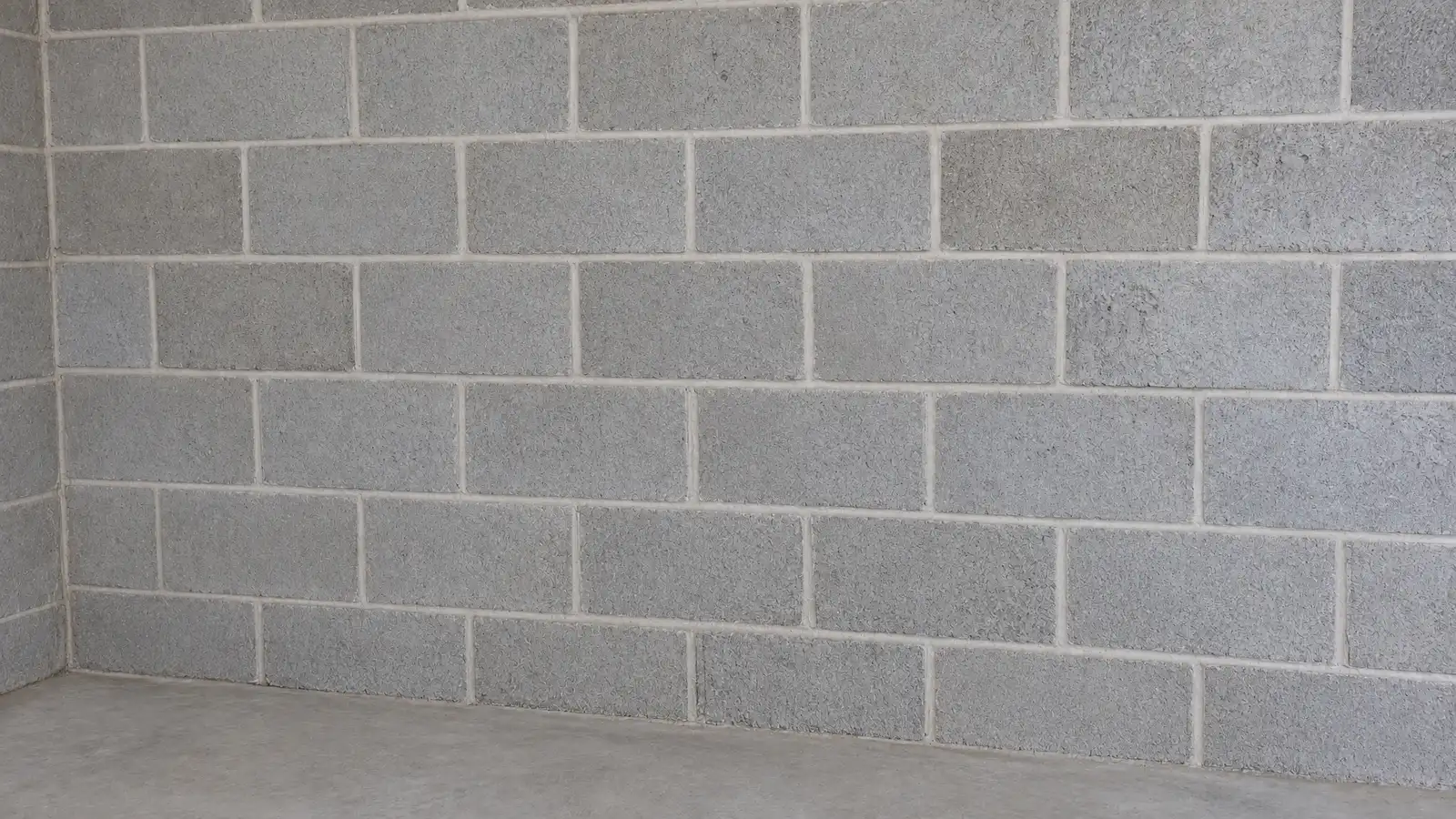
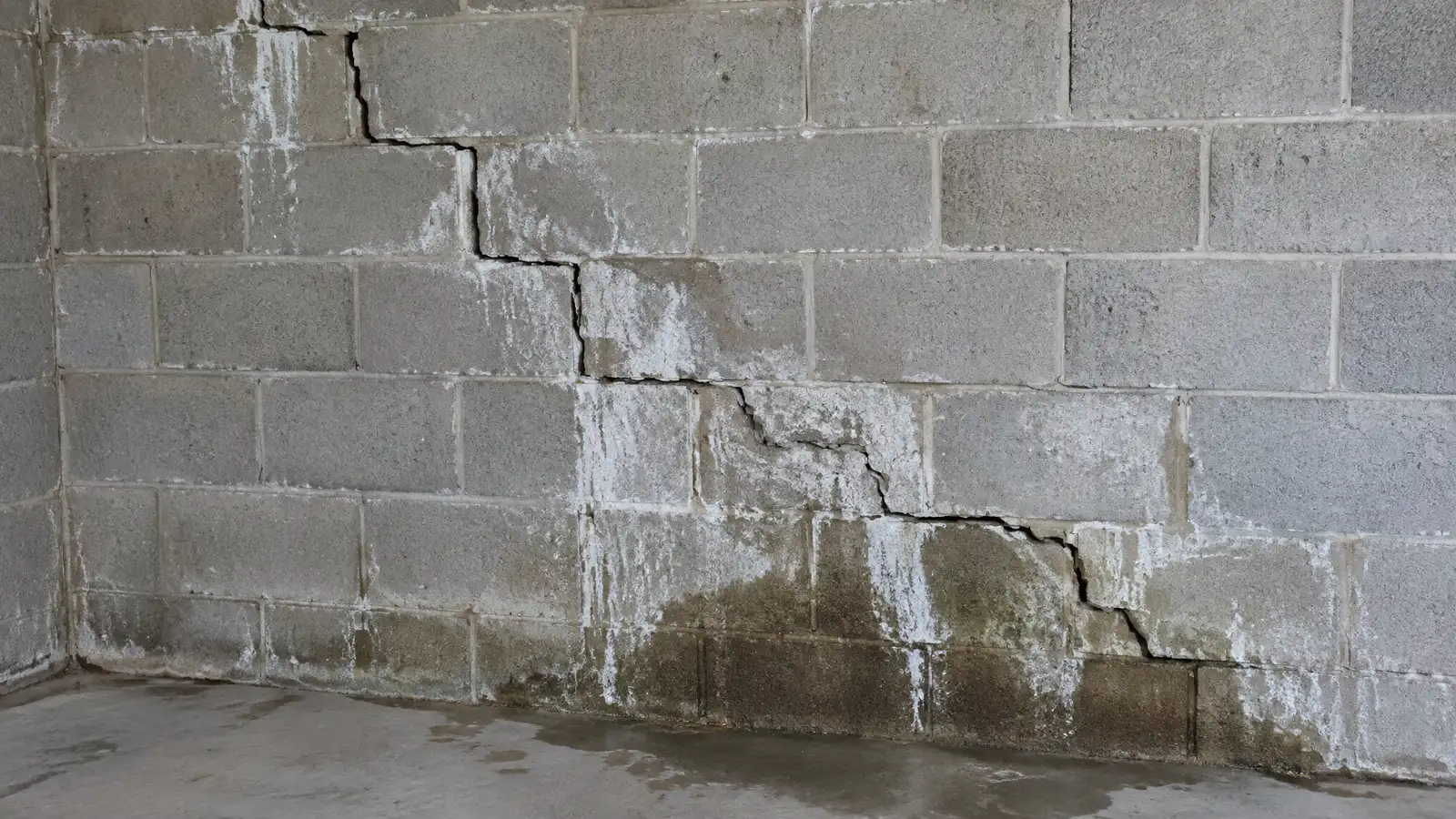 BeforeAfter
Floors and cracks recorded.
Drainage, trees and grading reviewed.
Pier or other support at measured points.
Downspouts and grading corrected.
Where practical, with checks.
New readings compared with old.
Every topic has its own page with what to expect and how we approach it.
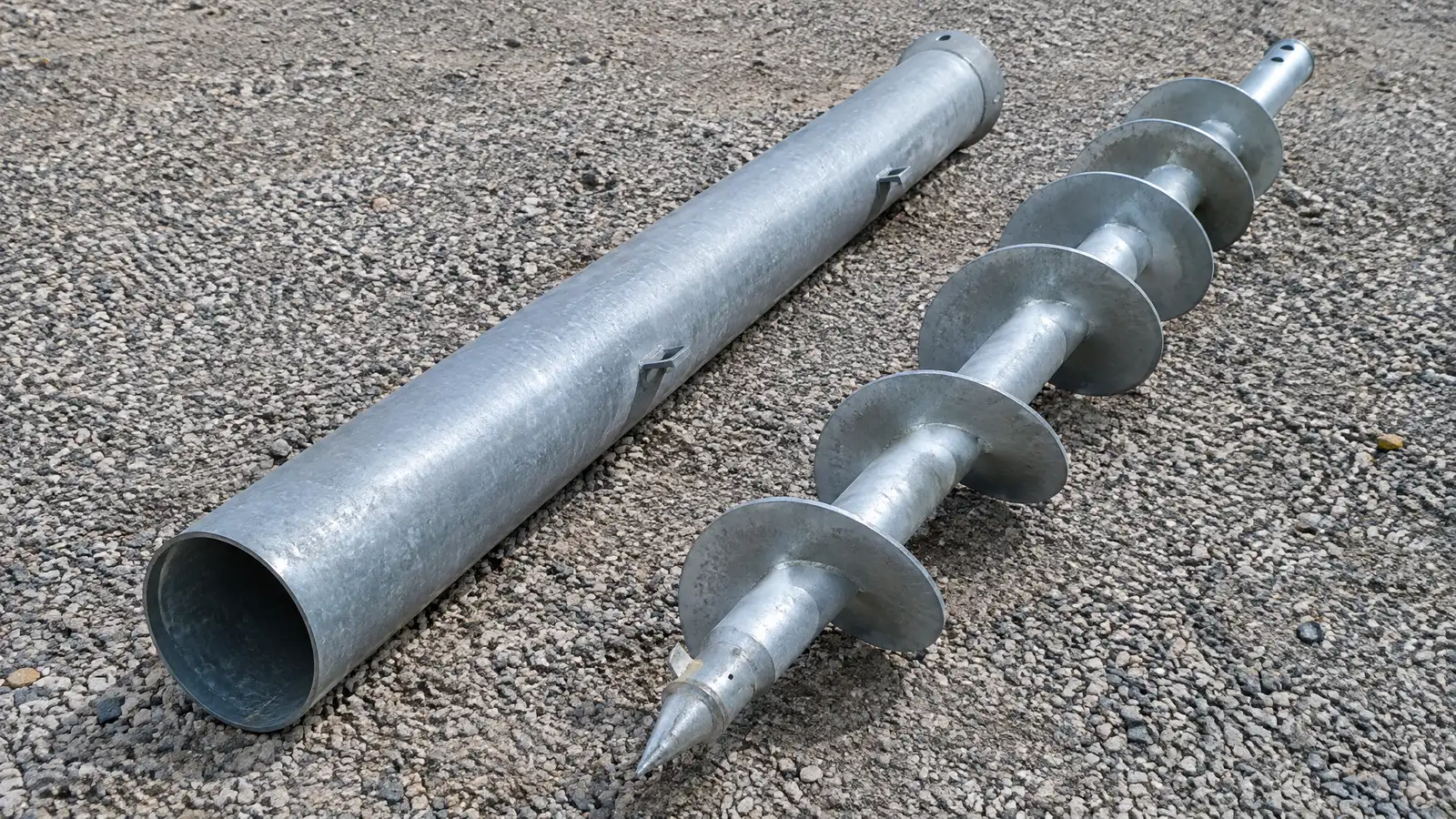 Comparison guidePush vs Helical PiersHow steel push piers and screw-in helical piers differ in how they are installed, what loads they suit…Learn more
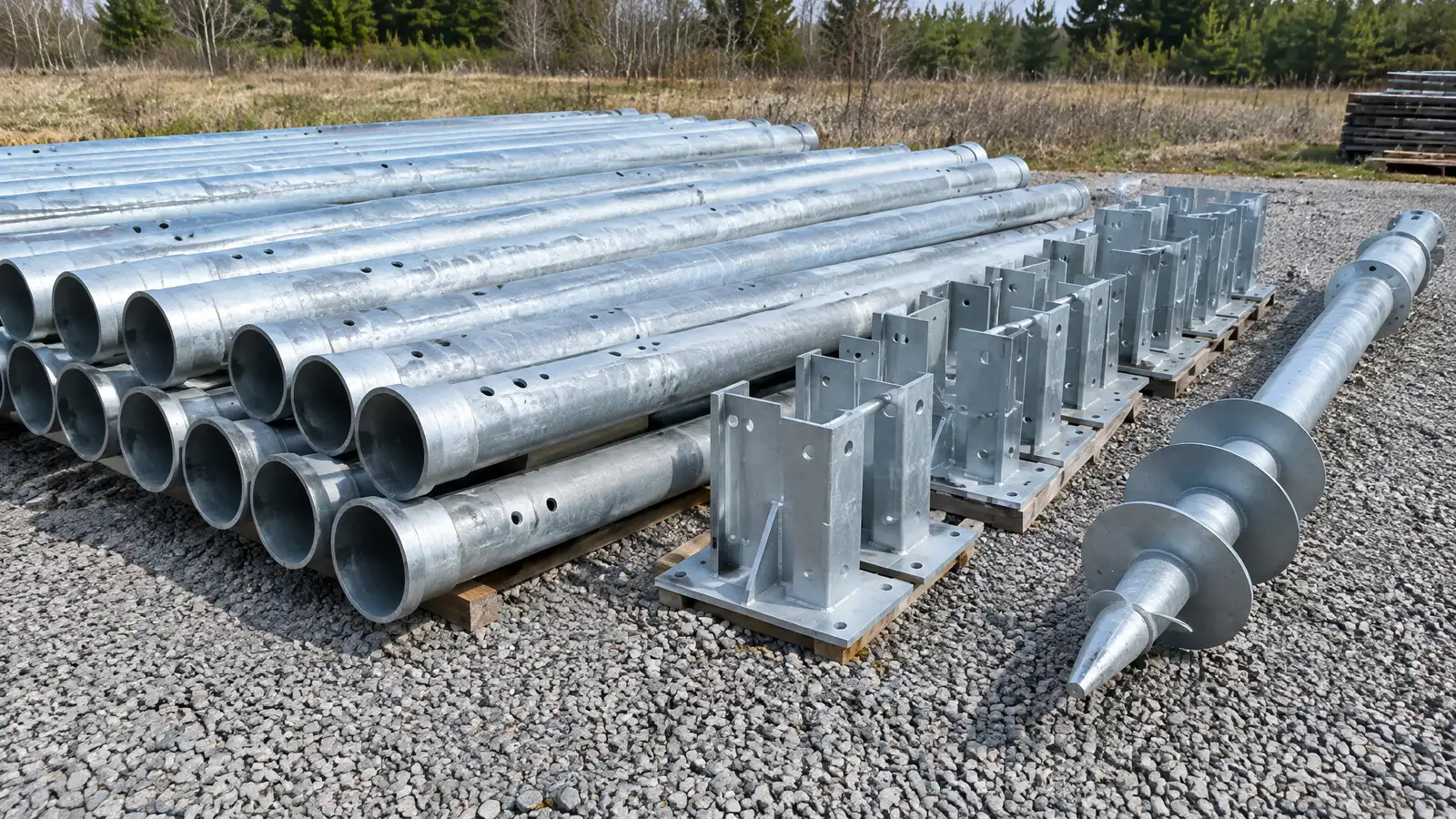 ResourceHubbell ChanceA maker of helical piles and anchors with technical manuals that explain how screw-in piles work and how…Learn more ResourceRam JackA maker of steel pier systems and tools used for foundation repair and stabilization, with educational information about…Learn more
Pick what you see in your walls, floors, basement, crawl space or concrete to get likely causes, what to try first and the service page that fits.
You tell us what you see and where the property is. One call sets up a visit that fits your day.
A specialist walks the inside and outside, checks cracks, floors, moisture and drainage and takes measurements and photos.
You receive a plain written scope with the cause, the method, the location of each repair and the schedule before anything begins.
Utility marking is requested where digging is needed, access is protected and materials and any engineering are lined up.
Supports, drains, sealing or lifting are completed in a clear order, with photos and checks along the way.
The site is cleaned up, the work is explained on a walk-through and care and monitoring tips are shared.
Soil that compresses, shrinks, washes out or was poorly compacted is a common reason, and water is often involved.
Some settling stops on its own and some continues. Monitoring or an inspection tells which is likely.
Not always. Mild or stable settling may need only drainage and monitoring, while active settling often calls for support.
Many homes can be raised part of the way back, and your specialist explains what is realistic.
Mark and photograph them, divert water away from the house and have them looked at soon.
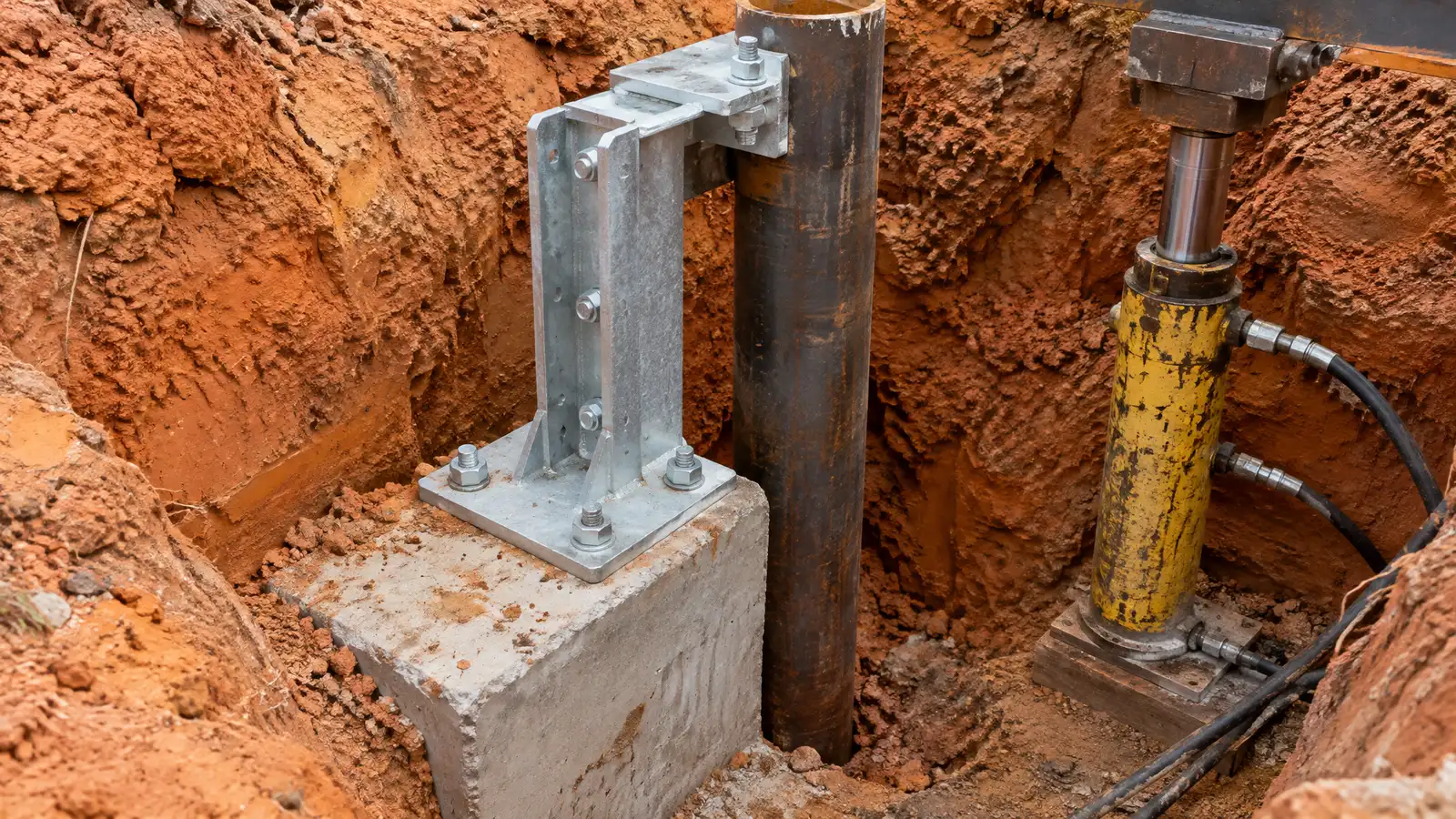 Push Pier Foundation RepairSteel push piers driven down to firm support to stop settlement and, where practical, lift a sinking foundation…Explore
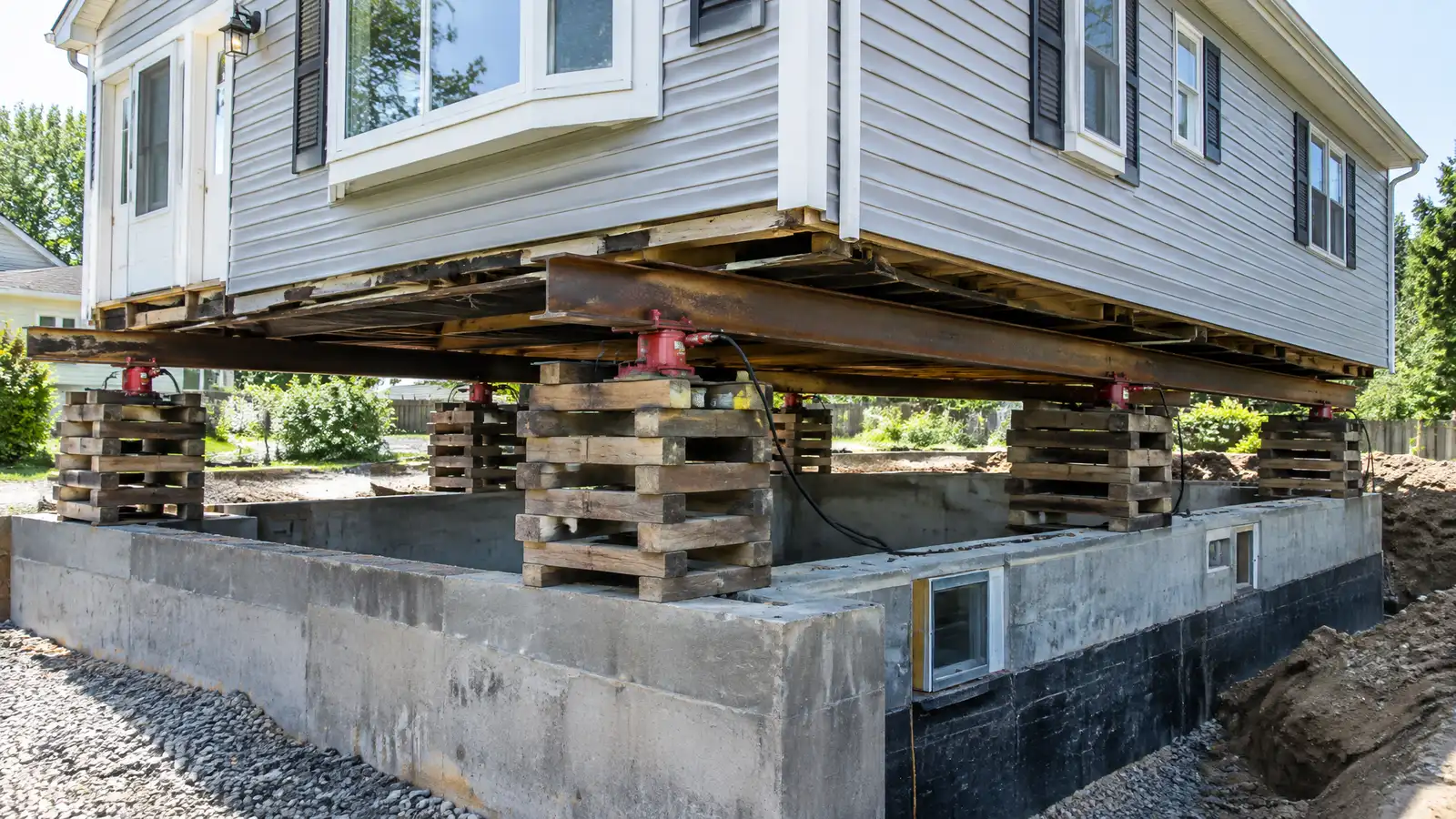 Foundation Leveling and House RaisingRaising and leveling a house on its foundation, for settlement repair, flood protection or a new foundation below.Explore
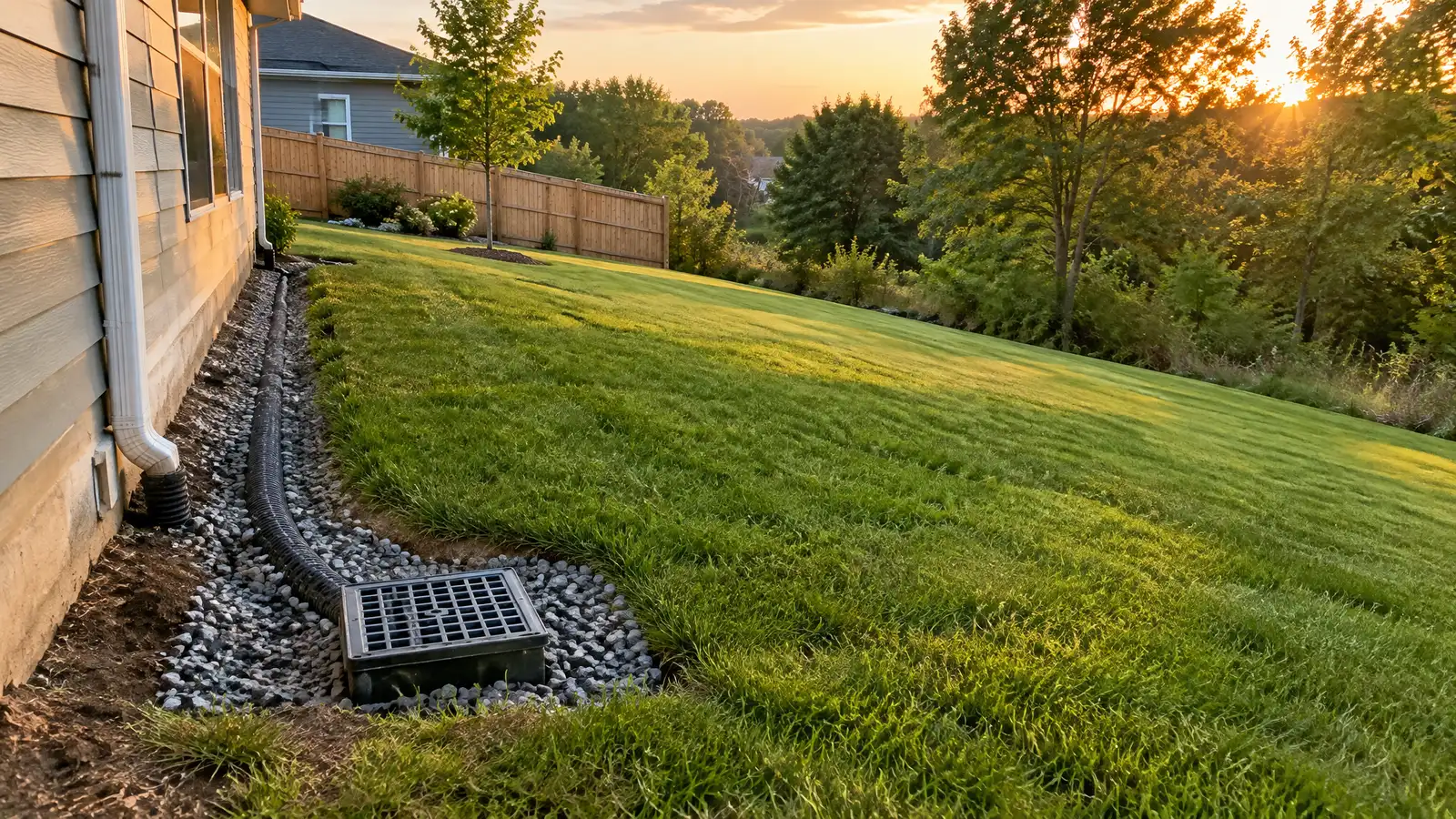 Yard Drainage SolutionsA plan to move rain and runoff away from your house and across your lot, using drains, grading…Explore
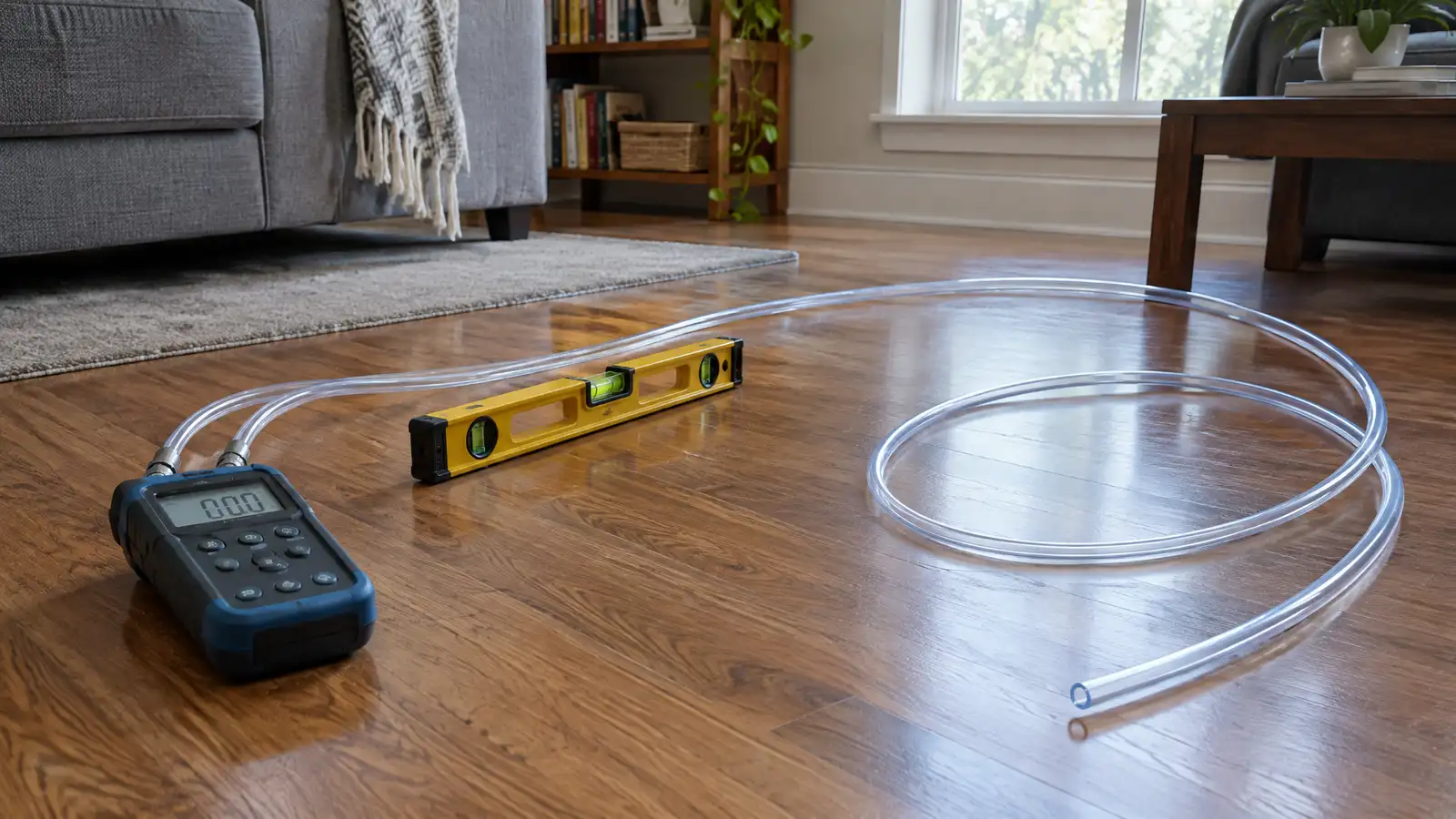 Floor Level and Elevation SurveysPrecise floor readings that map high and low spots across a house, so movement can be seen, tracked…Explore
Tell us about your property and one specialist will call you back to set up a visit.
Or call (615) 431-3789 to talk now.