The ground under you
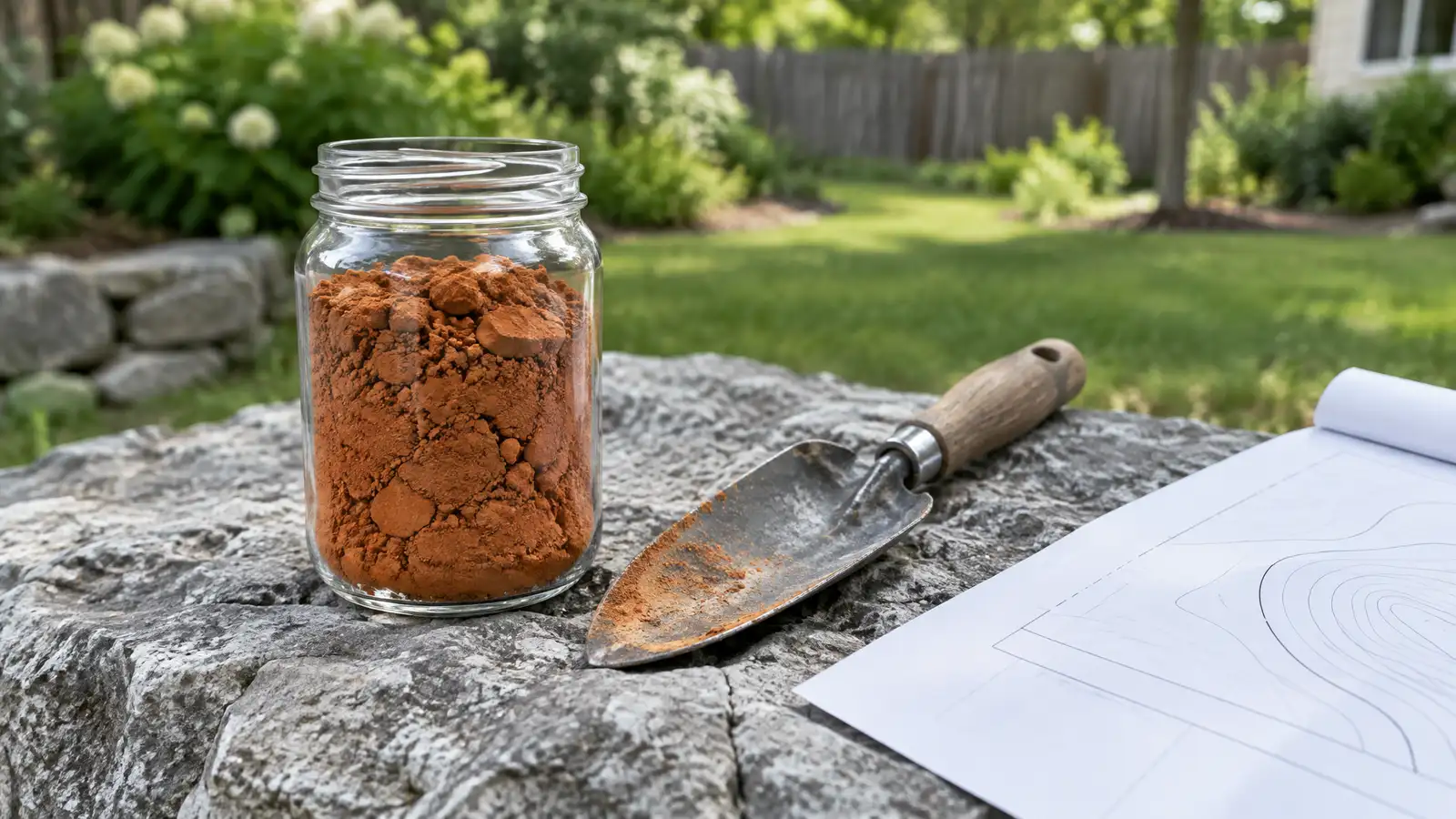
Middle Tennessee soils are a patchwork. Residual clay over limestone is common, with silt, fill and shale in places and bedrock close to the surface in many neighborhoods. Two houses on the same street can sit on very different ground.
That variety is why site-specific information beats general rules.
A walk after a heavy rain shows where water goes. Mark those places on a simple sketch.
Clay and moisture
Clay swells as it takes on water and shrinks as it dries. Footings and slabs on clay can move up and down with the seasons, and uneven moisture around a house makes the movement uneven.
Steady soil moisture and good drainage reduce that movement.
Keep soil moisture steady around the house. Extremely dry or very wet conditions create the most movement.
Rock and digging
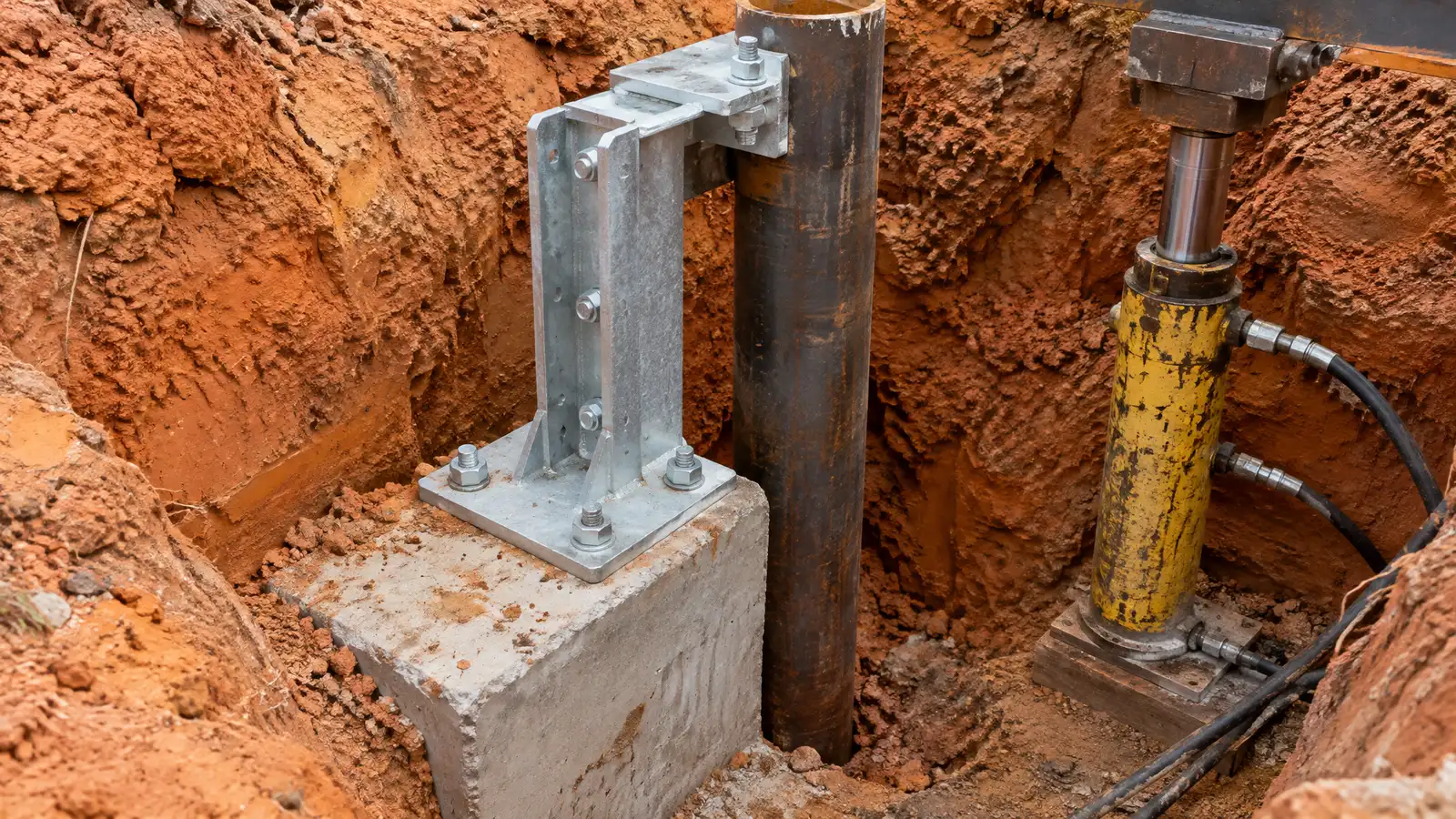
Shallow bedrock gives a firm base in some places and makes digging for piers, drains and footings slower. It also means the depth to good support can change quickly across a lot.
Specialists plan for that when they choose methods and locations.
If your lot has rock close to the surface, expect digging for piers and drains to be a bit slower, and plan accordingly.
Karst and sinkholes
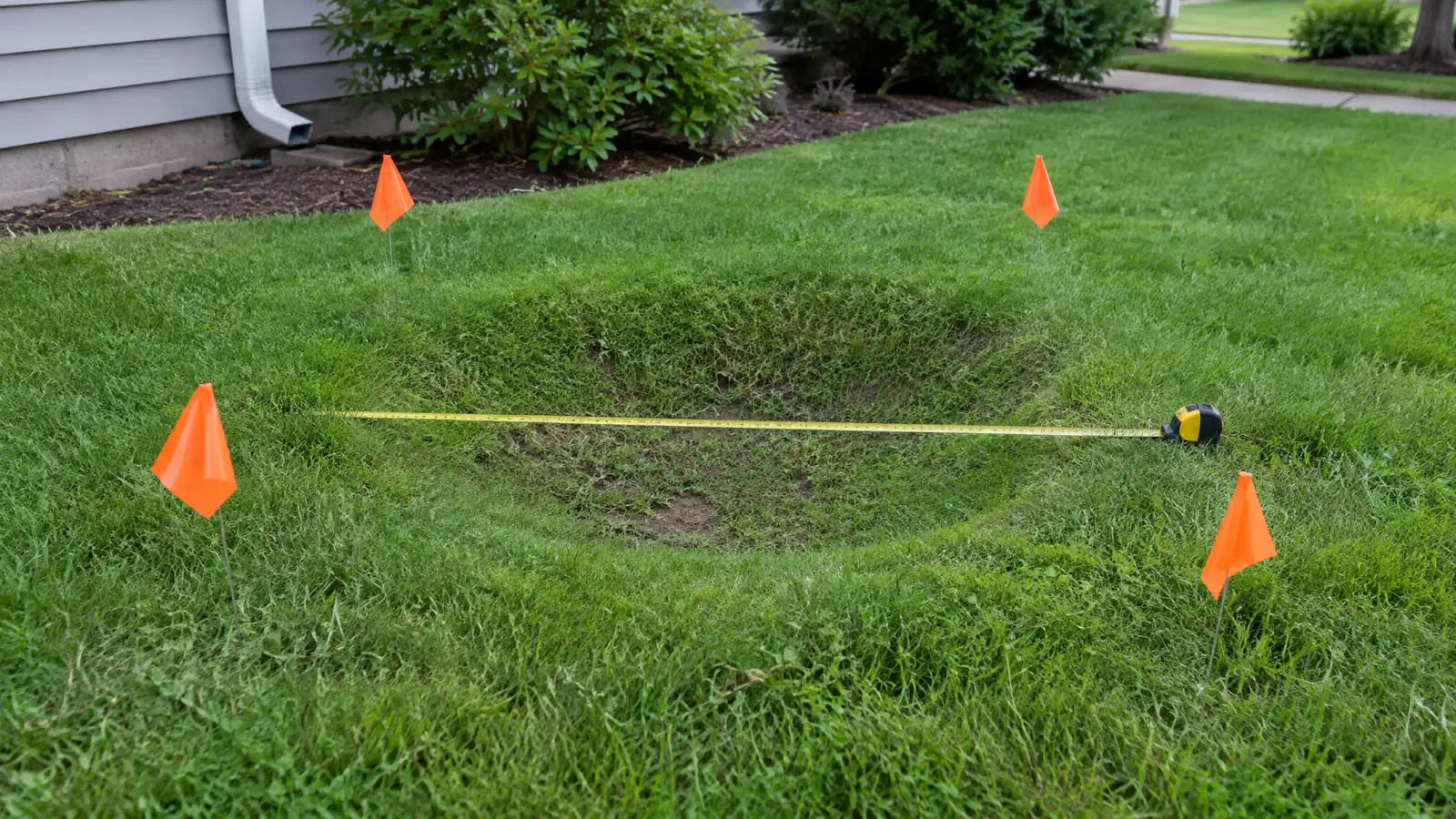
Limestone can dissolve over time into caves, cracks and voids, a landscape called karst. Most properties never see trouble, but water can wash soil into openings and create sinkholes.
Pipe leaks and concentrated runoff are common triggers, so fixing water problems matters.
A new dip in the ground or a sudden crack in a slab near a pipe deserves a quick look.
Learning about your lot
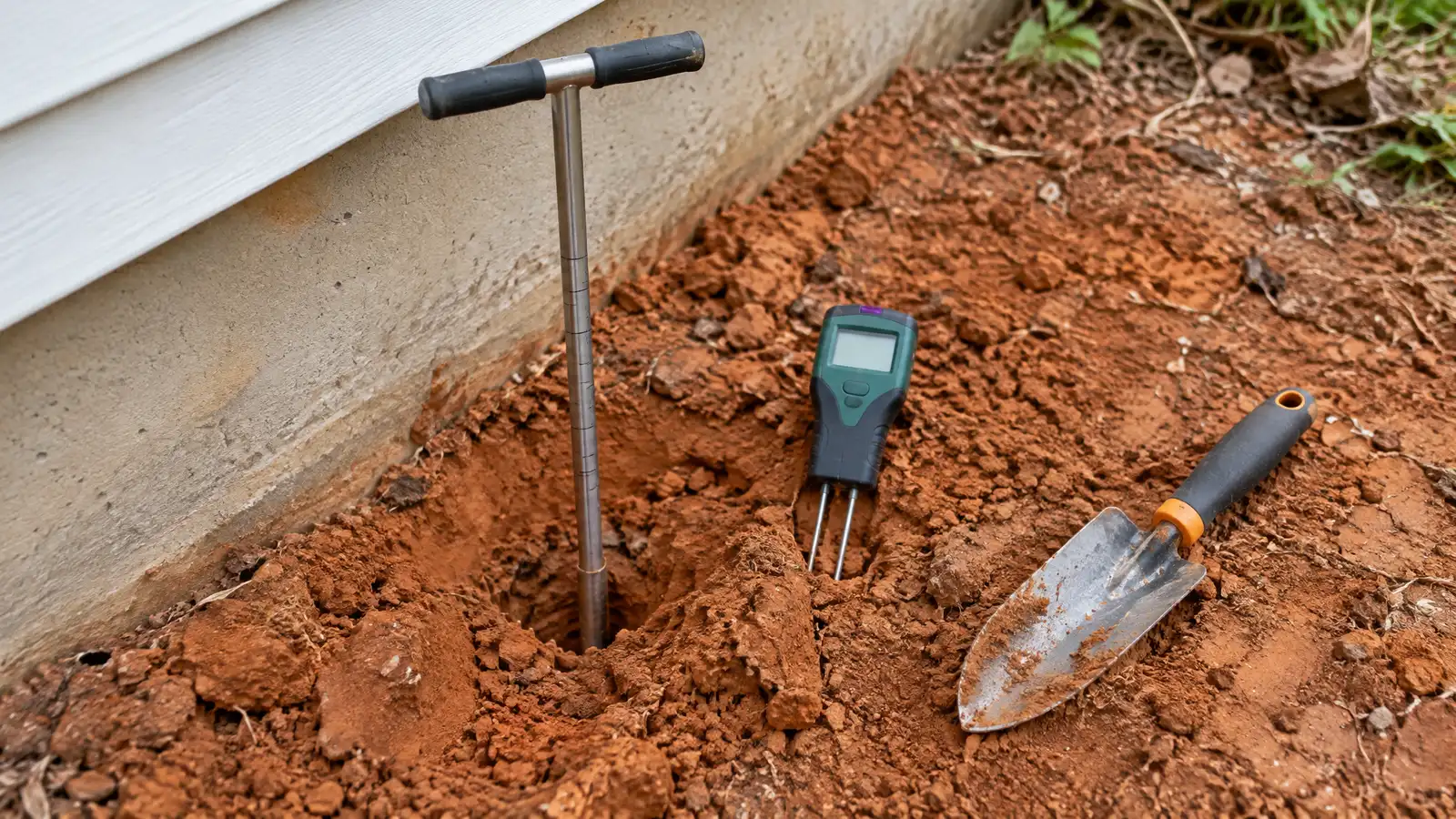
Public tools such as the USDA Web Soil Survey and state geology maps give general soil information. A site visit, a probe or a geotechnical test goes further.
Take note of where water goes after storms, which areas stay wet and where the ground dips.
Public tools are a good start. A visit adds what the map cannot show.
What owners can do
Send roof water away, keep grades sloping from the house, manage trees and fix leaks promptly. Those habits help every soil type.
If you see new dips, cracks or voids, have them evaluated.
Water is the lever you can pull. Gutters, grading and leak repair are all within an owner's reach.
You cannot change the ground, but you can control the water that acts on it.