Masonry is a system
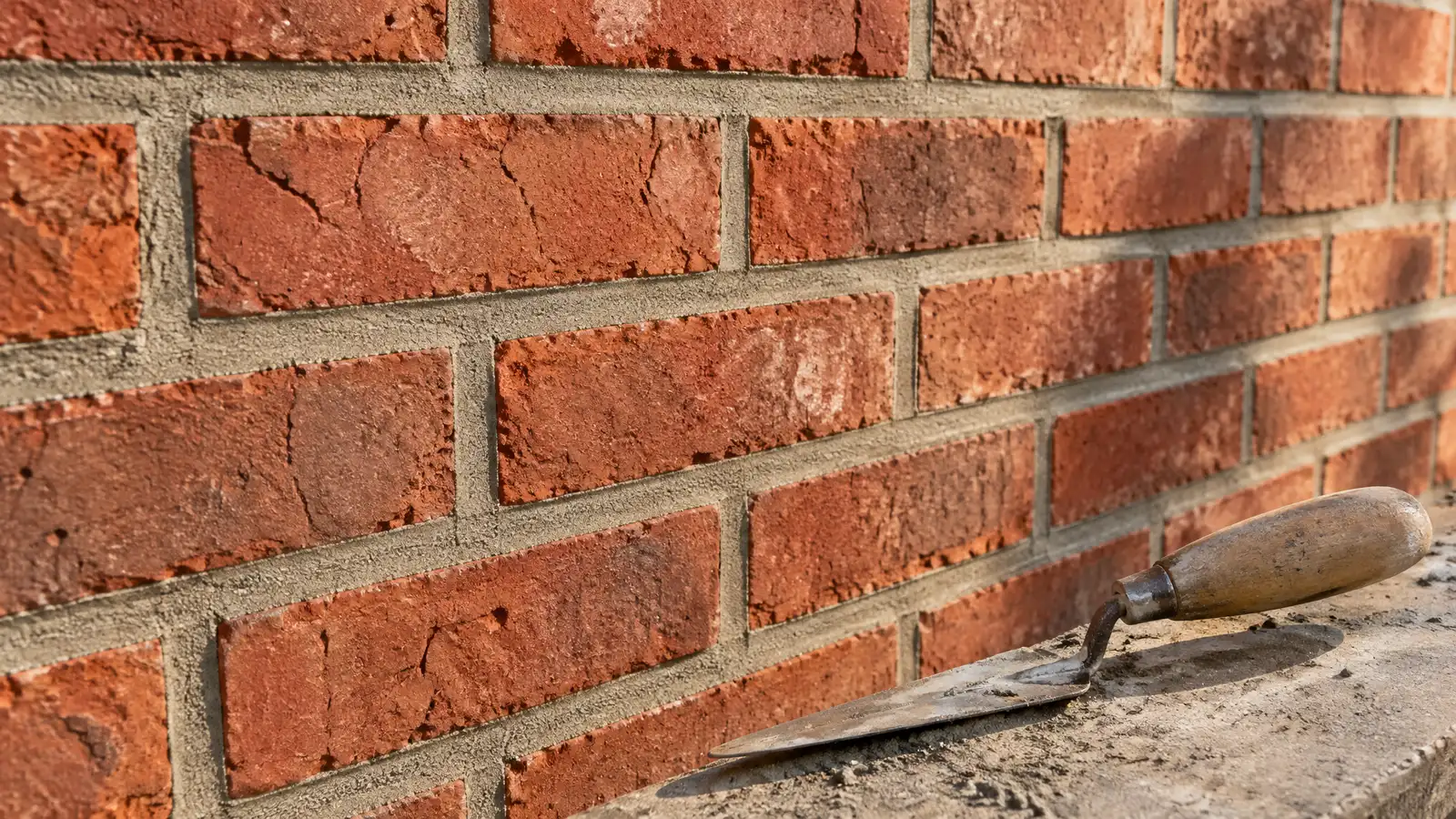
Brick, block and stone walls are made of units and mortar, tied together and kept dry by flashing and weep holes. A repair works best when it respects the whole system.
Failures often start with water.
Look at your walls after a hard rain. Wet patches, efflorescence and open joints mark trouble spots.
Mortar wears first
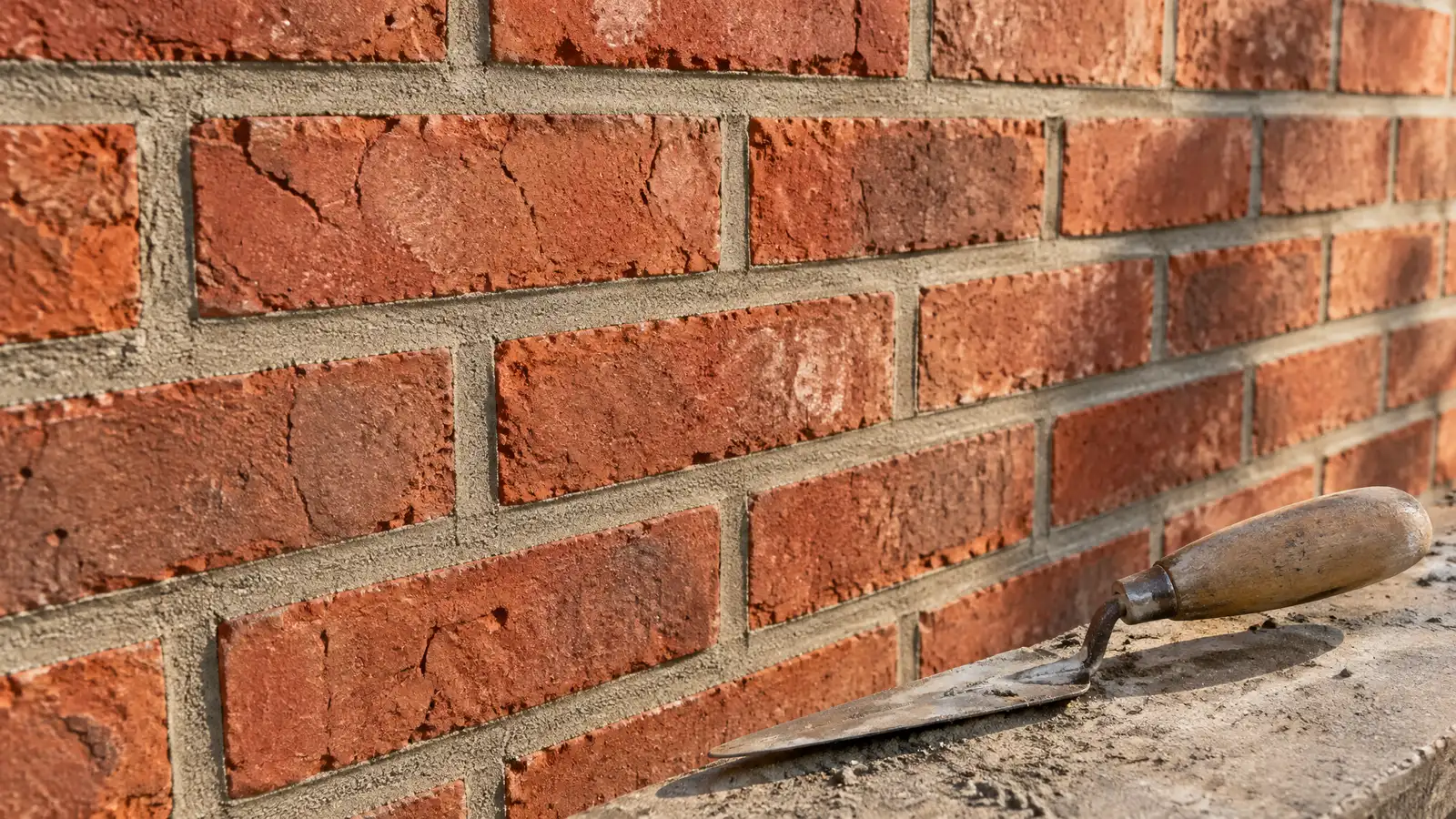
Mortar is meant to be softer than the units, and it is the part that is renewed over the years. Repointing with the right mix and joint style keeps walls watertight.
Hard modern mortar can damage soft old brick or stone.
Ask for a sample of the proposed mortar color before work begins.
Movement matters
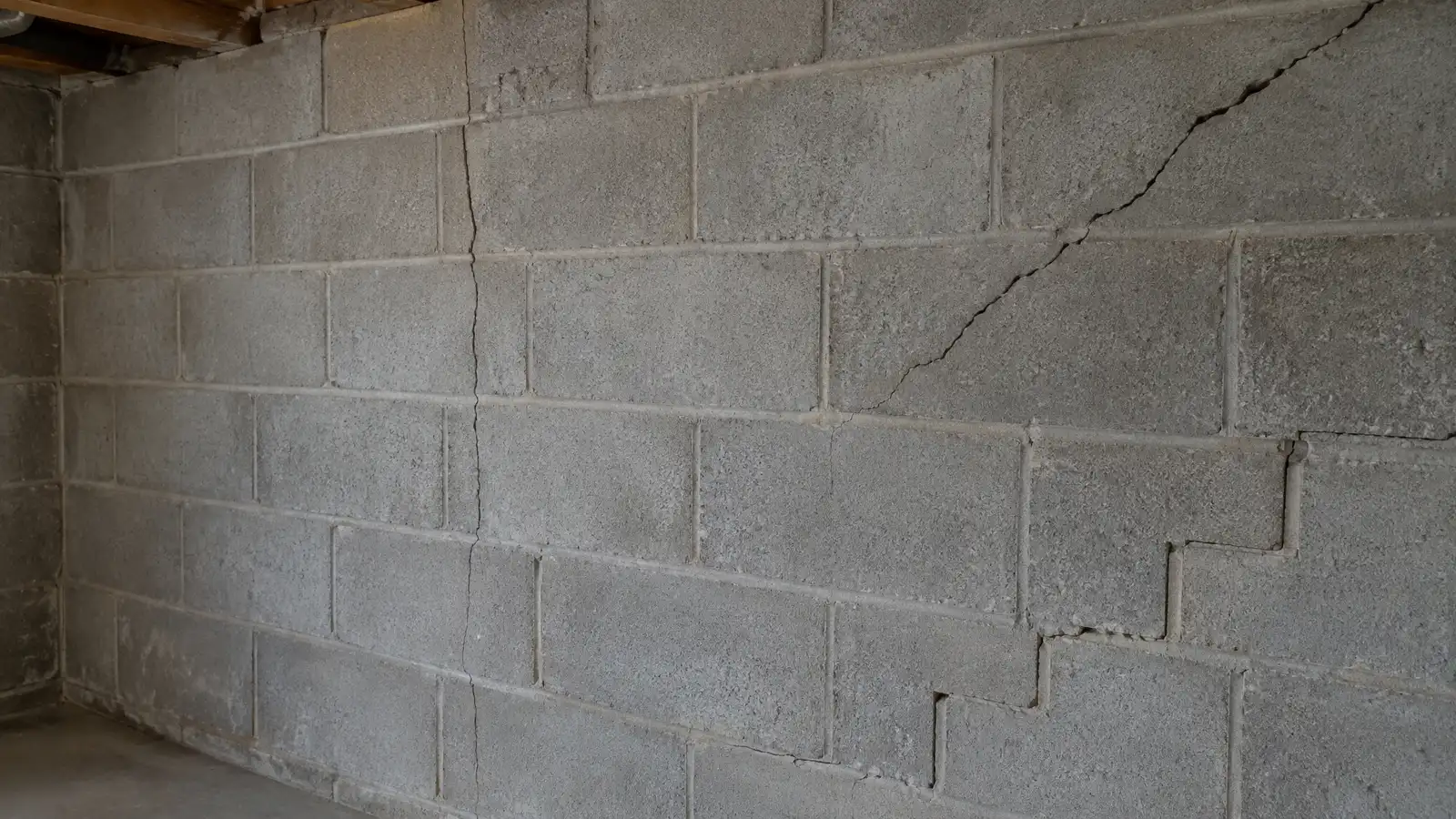
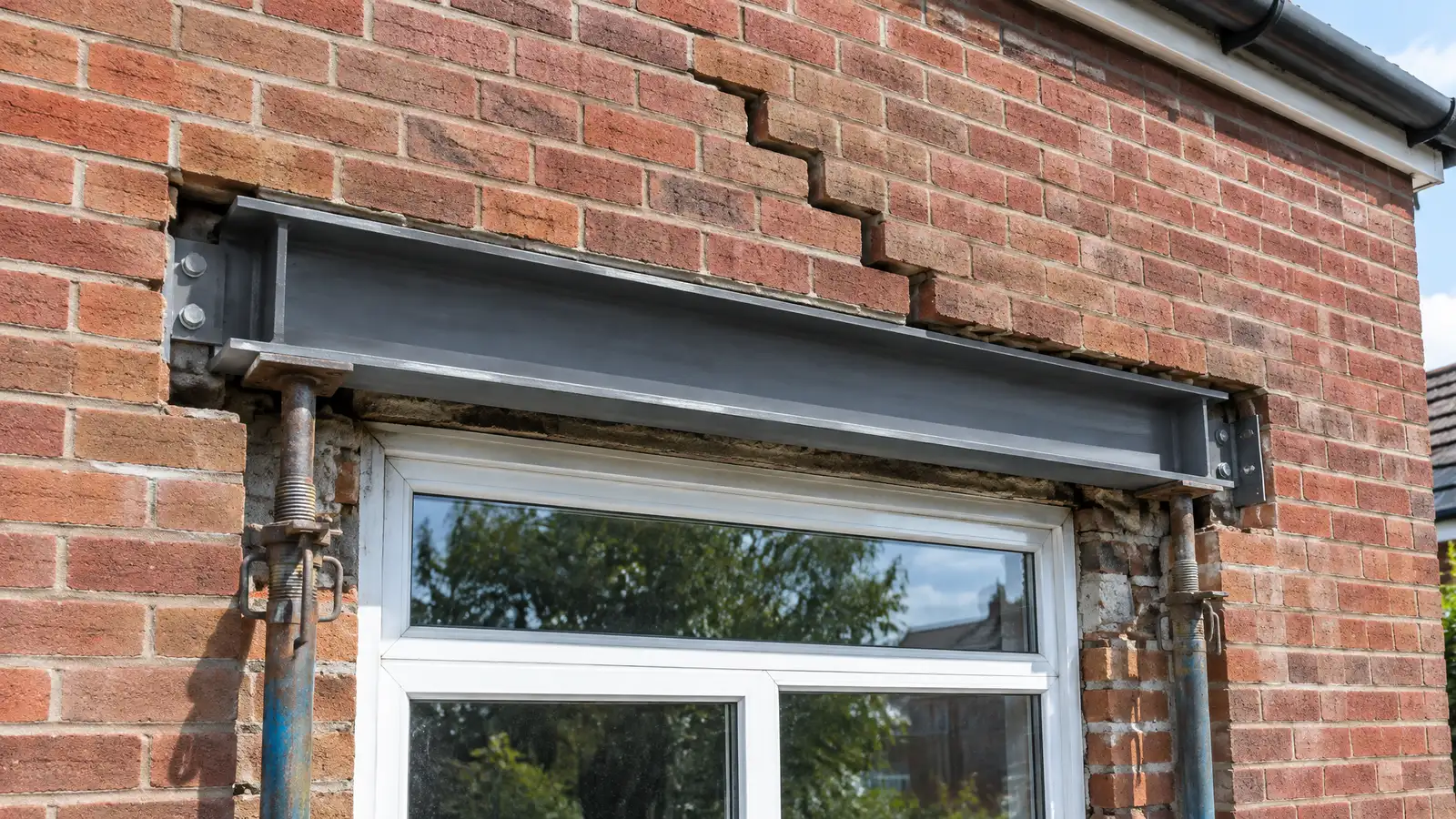
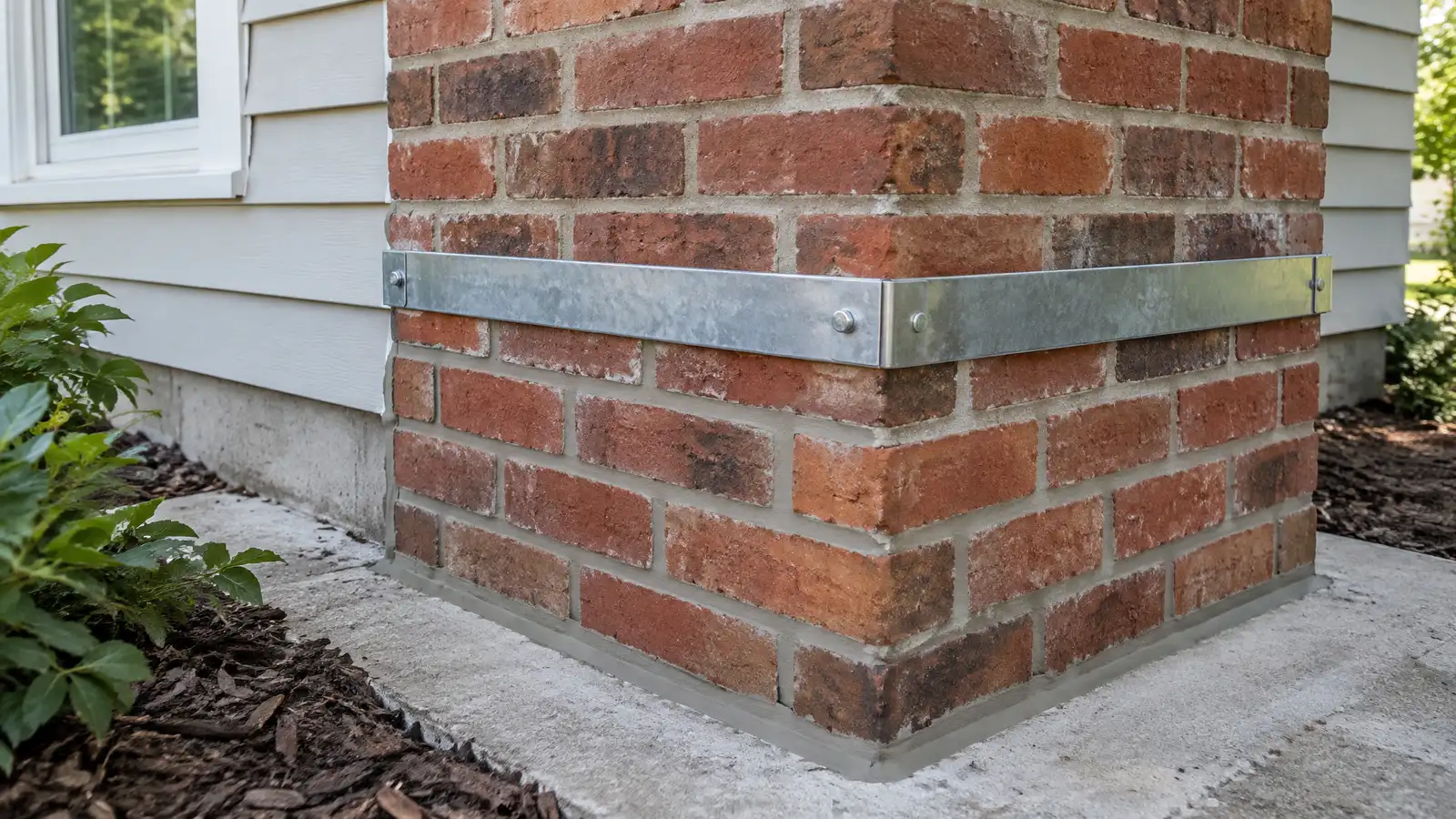
Stair-step cracks, bulging veneer and leaning chimneys often point to movement. If the foundation is still moving, masonry repairs may crack again.
Check and stabilize the base before cosmetic repairs.
Cracks that reopen after repair are a sign to check the base.
Flashing and water
Flashing above windows, doors and roof lines sends water out. Failed flashing causes rust, rot and loose veneer. Lintels rust and push brick outward.
Repair the water path along with the wall.
Check roof drainage and gutters near masonry. Overflow stains walls and speeds wear.
Match the look
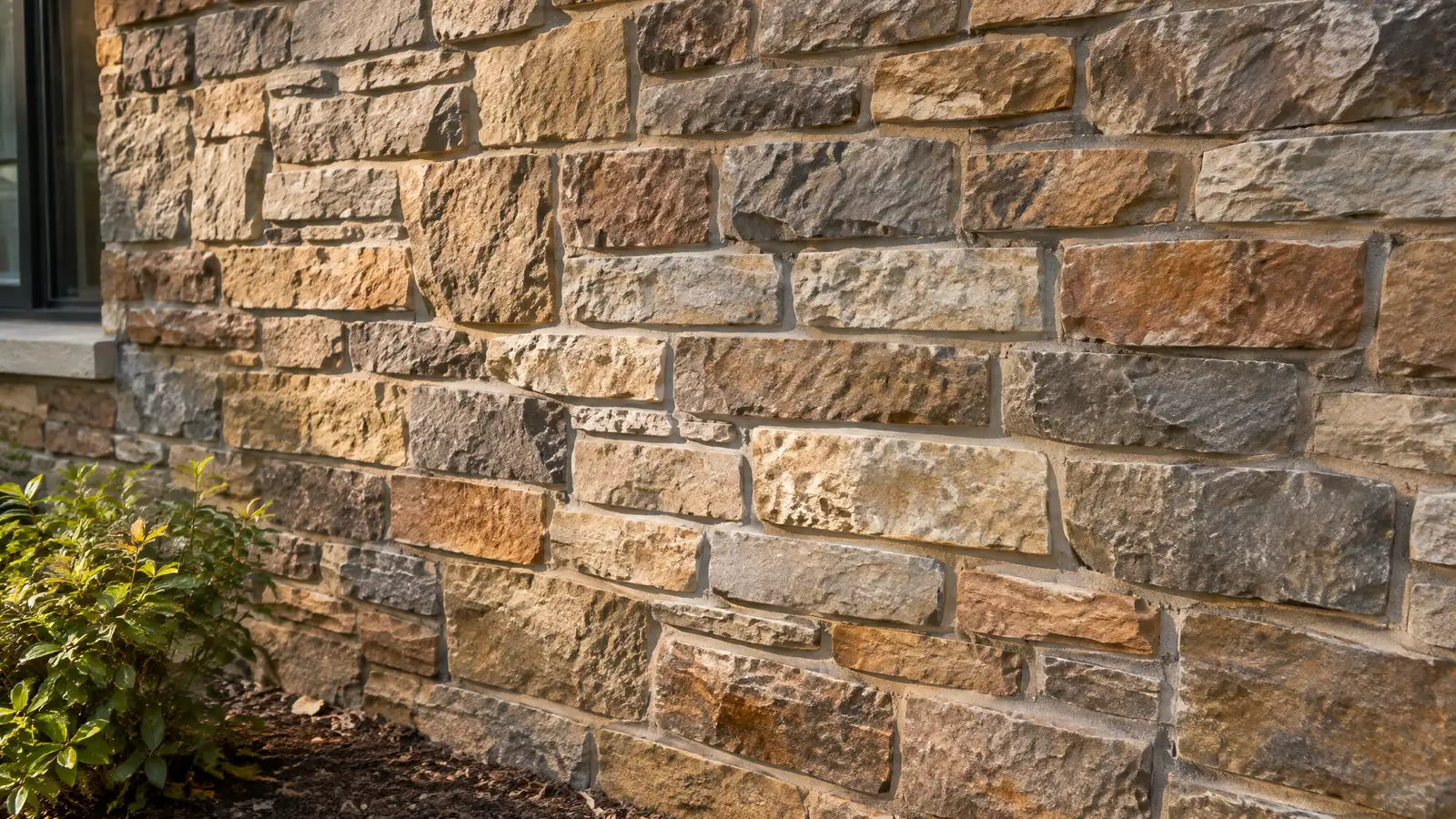
Brick color, texture, joint style and stone type should match, and samples help. Cleaning and sealing choices matter, since some sealers trap moisture.
A good mason explains why and shows samples.
Ask whether a breathable sealer makes sense for your wall.
Fix the movement and the water first, then repair the masonry with materials that match the wall.