Serving Nashville and Middle TennesseeFree Estimate
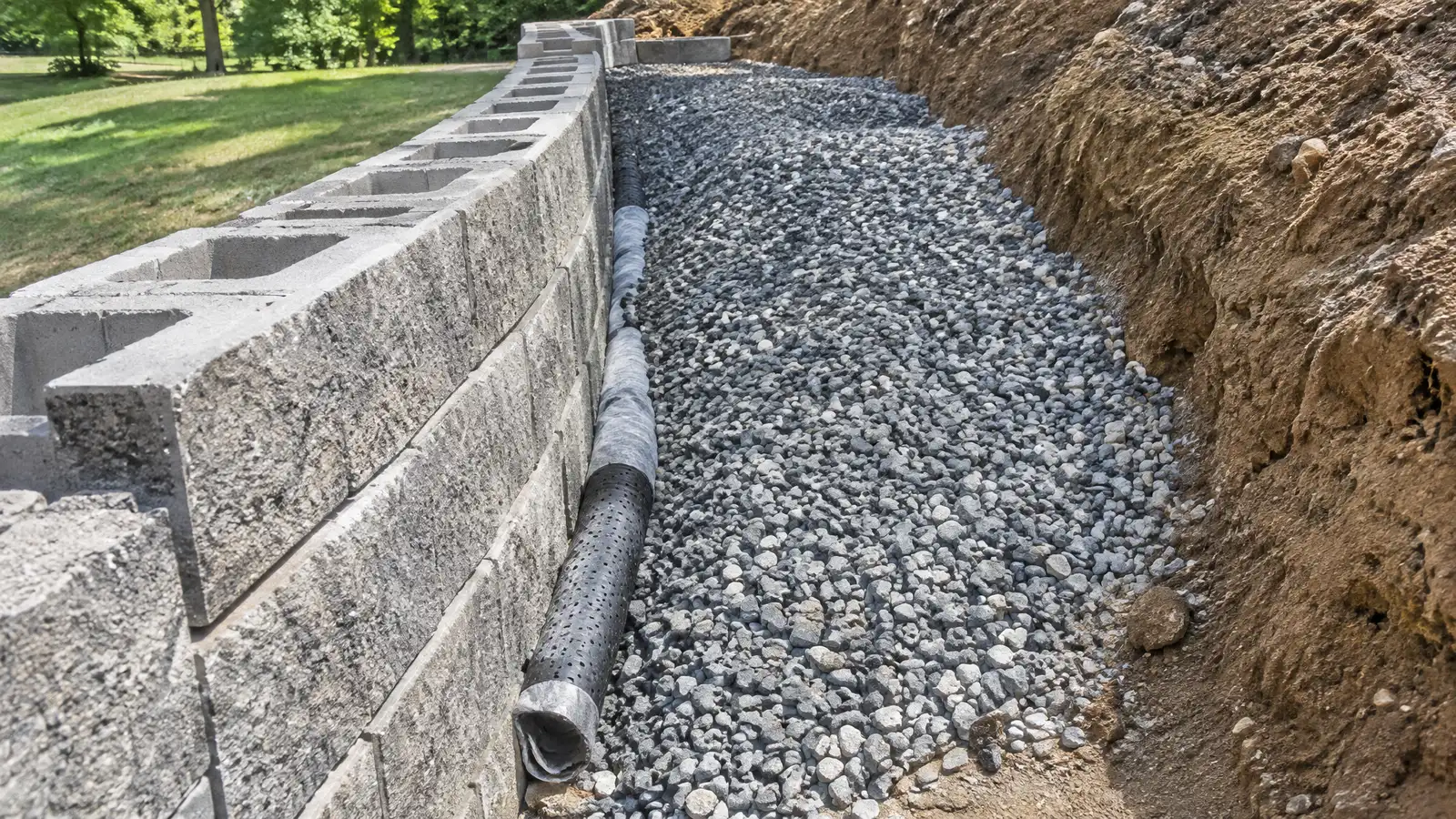
Drains, gravel and outlets behind a retaining wall that relieve water pressure and keep the wall standing.
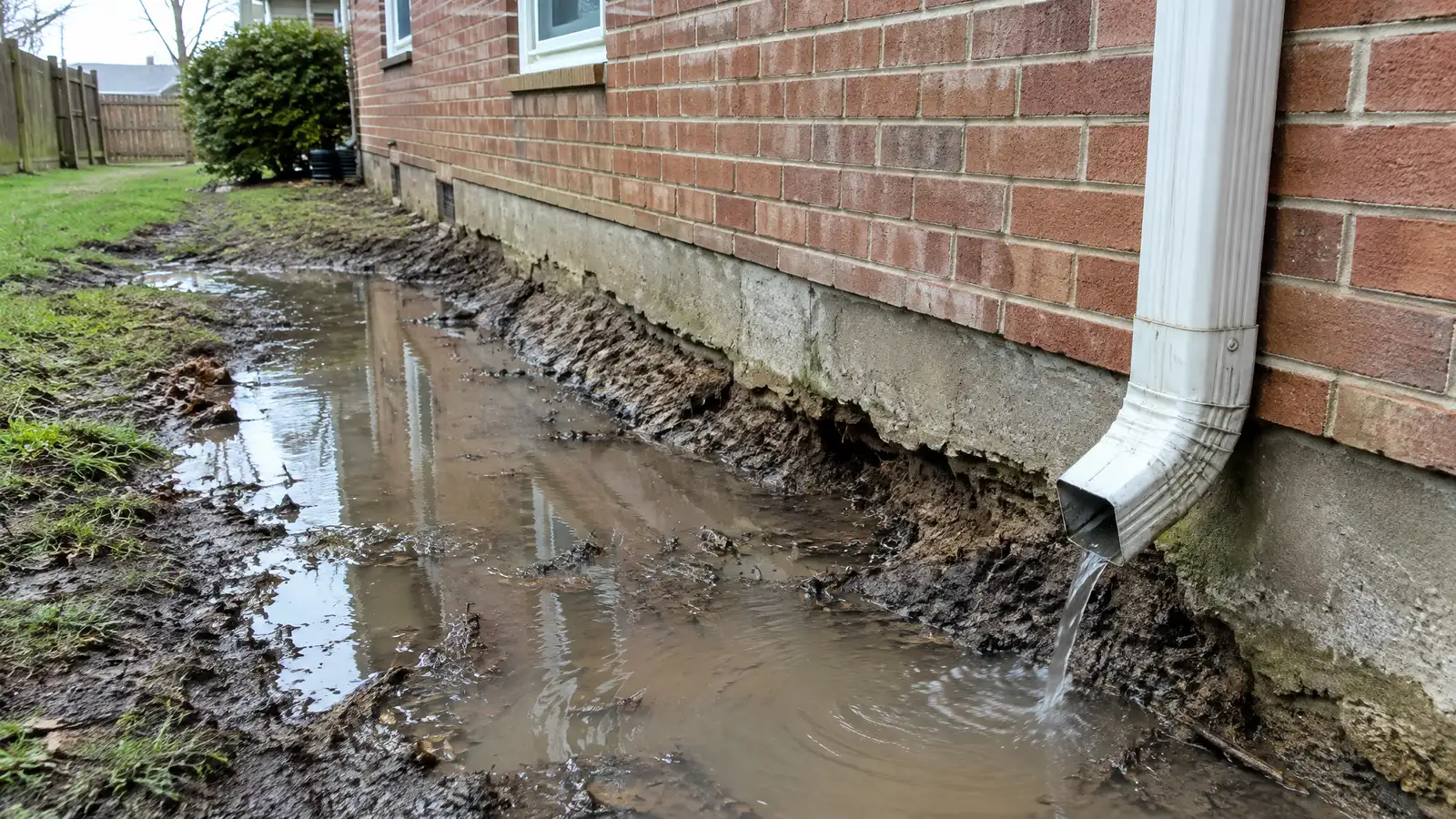
A retaining wall holds back soil, and soil full of water is far heavier and more forceful than dry soil. Most failing walls have the same story: water built up behind them with nowhere to go. Hillside lots around Nashville depend on walls of all kinds, and the drain behind a wall is what keeps it working for the long haul.
Your specialist checks the wall for leaning, bulging, cracks and weep holes and inspects the slope above for water sources. Drainage is added or restored with a perforated pipe in gravel at the base, a layer of clean stone behind the wall, filter fabric to keep soil out and outlets that deliver water to daylight. Surface water above the wall is diverted, so less reaches the soil behind it.
Wet soil can add enormous pressure, so relieving it is as important as the strength of the wall itself.
A column of clean stone and a perforated pipe collect water behind the wall and move it to an outlet.
Filter fabric keeps fine soil from clogging the stone, which helps drains last longer.
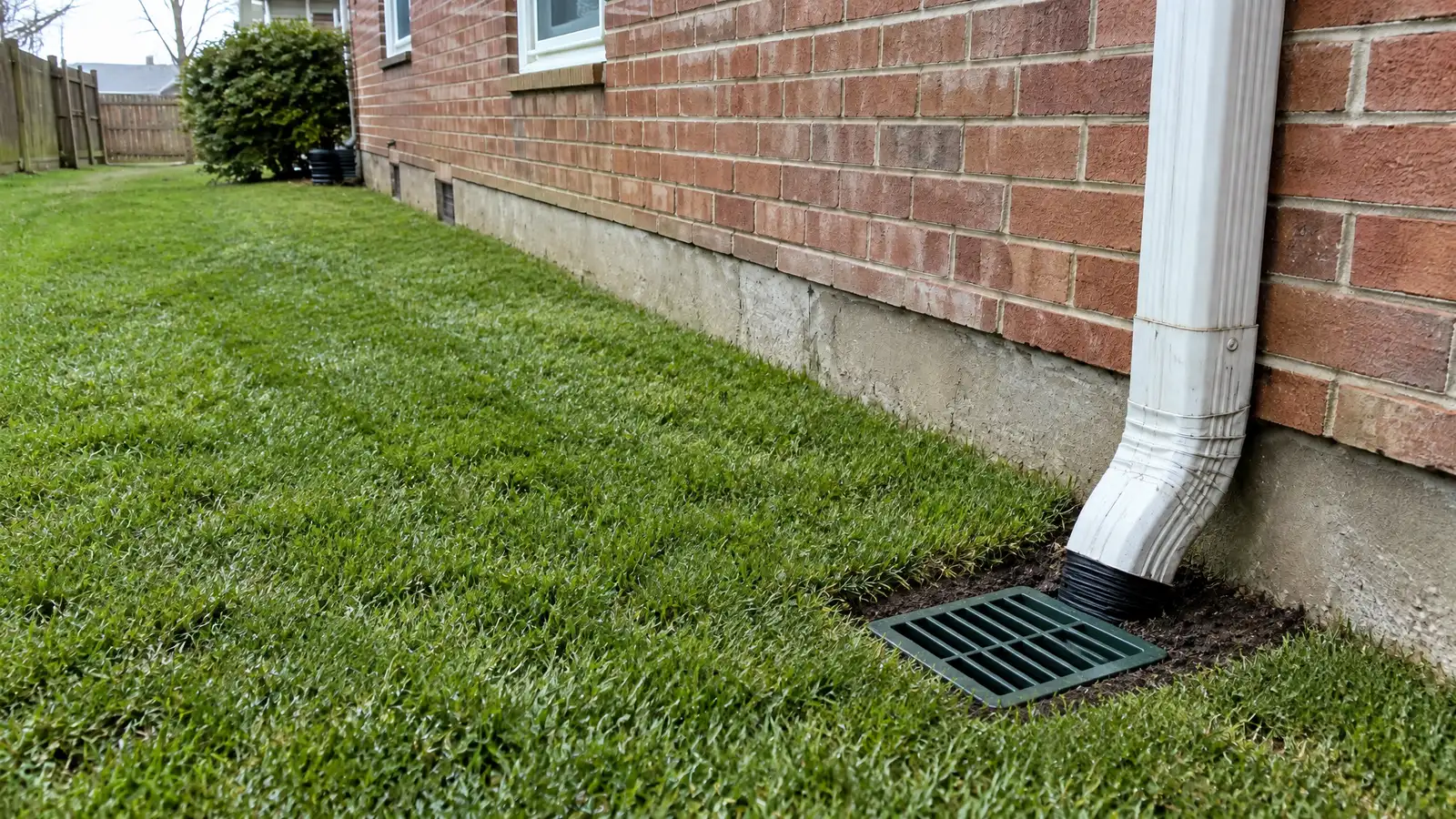
Gutters, swales and grading above the wall reduce the amount of water that gets behind it.
Drag the handle to compare.
 BeforeAfter
Lean, cracks and weep holes checked.
Water sources above identified.
Pipe, stone and outlets designed.
Where access allows.
Pipe, stone and filter.
Gutters and swales set.
Every topic has its own page with what to expect and how we approach it.
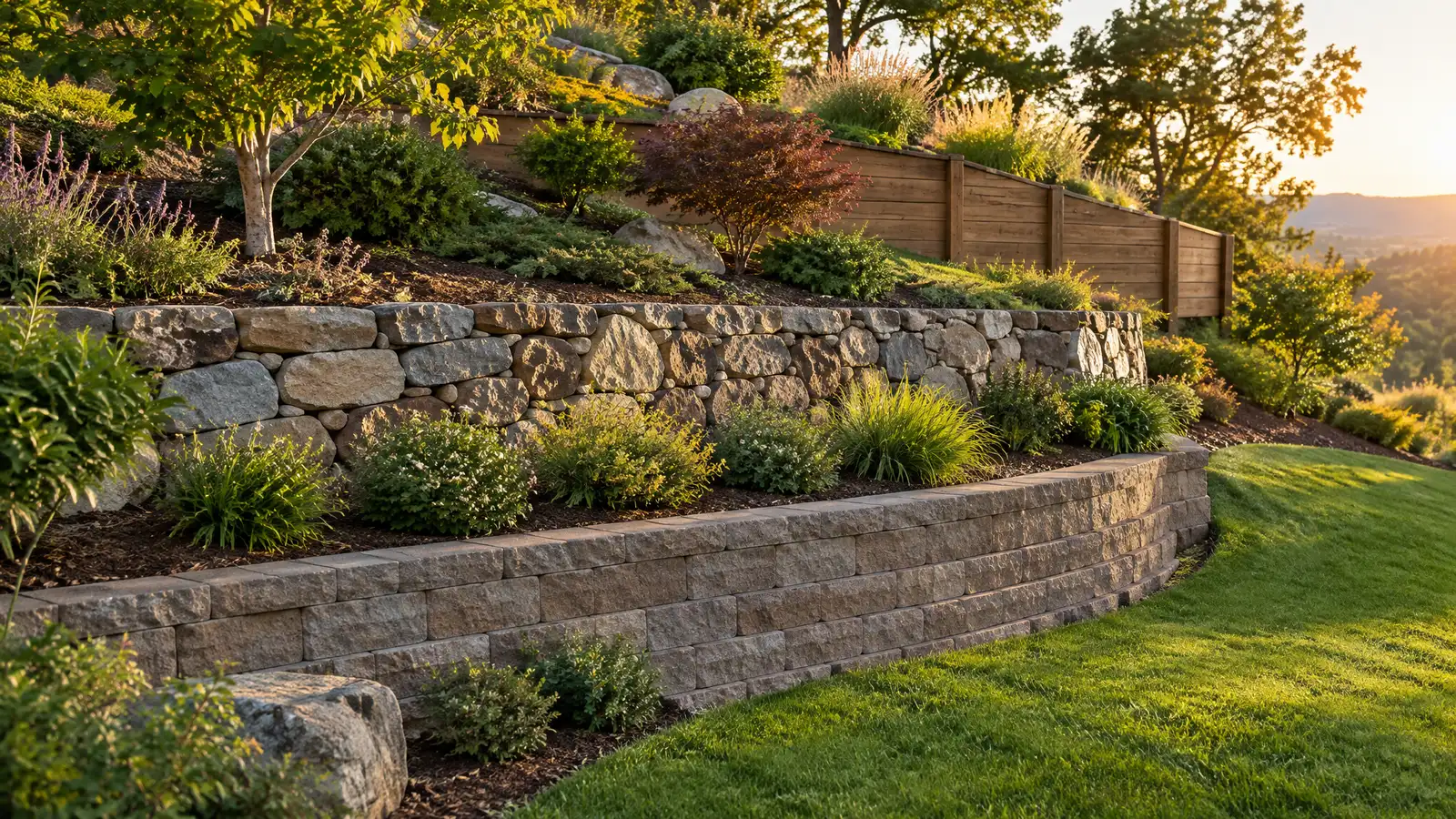 Comparison guideRetaining Wall TypesHow segmental block, poured concrete, natural stone and timber walls differ in strength, drainage needs, look and repair.Learn more
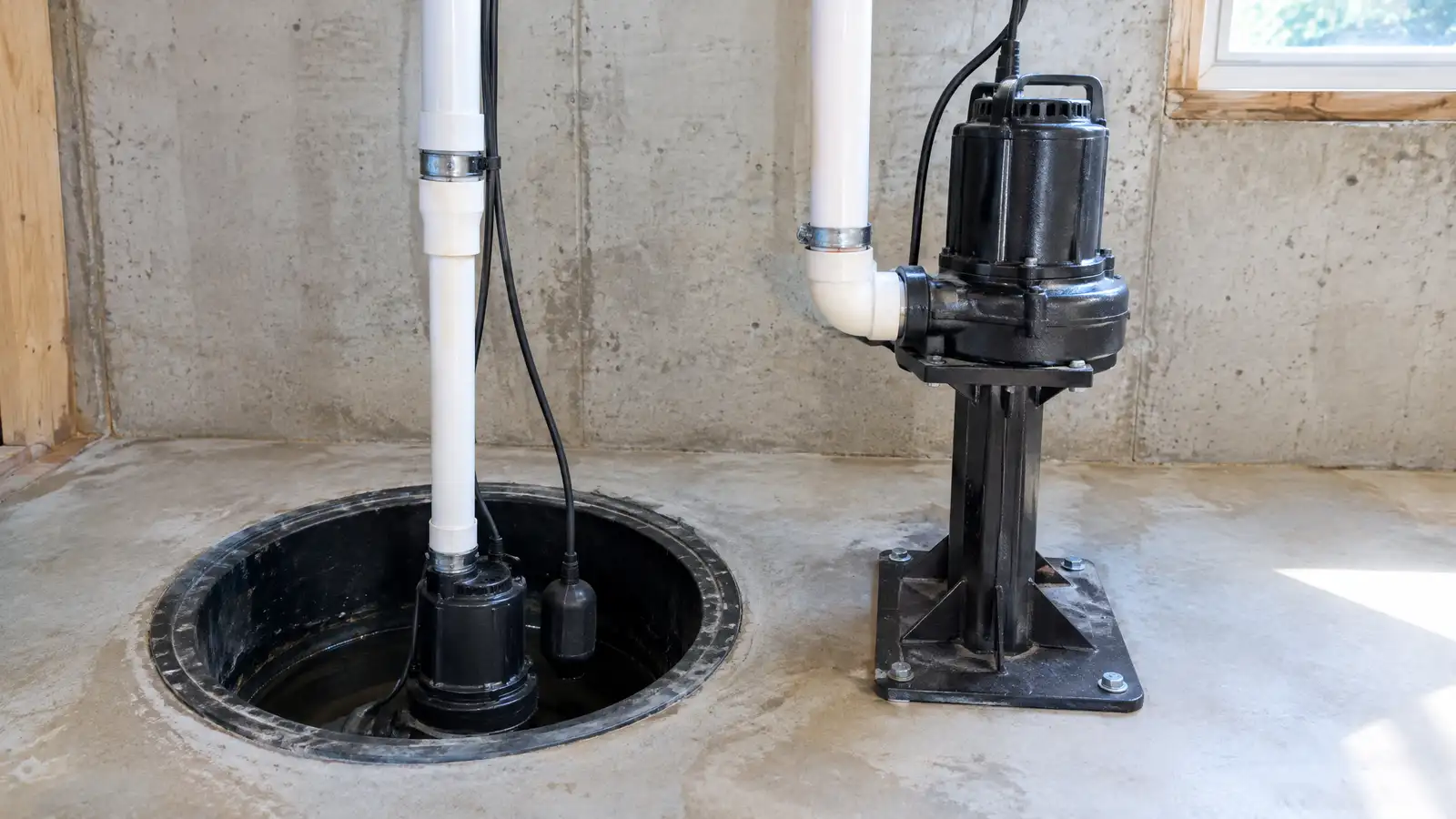 Comparison guideSump Pump TypesHow submersible, pedestal, battery backup and water-powered sump pumps differ in cost, noise, lifespan and best use.Learn more
 ResourceMetro CodesThe local office that handles building permits, inspections and code questions in Nashville and Davidson County.Learn more
Pick what you see in your walls, floors, basement, crawl space or concrete to get likely causes, what to try first and the service page that fits.
You tell us what you see and where the property is. One call sets up a visit that fits your day.
A specialist walks the inside and outside, checks cracks, floors, moisture and drainage and takes measurements and photos.
You receive a plain written scope with the cause, the method, the location of each repair and the schedule before anything begins.
Utility marking is requested where digging is needed, access is protected and materials and any engineering are lined up.
Supports, drains, sealing or lifting are completed in a clear order, with photos and checks along the way.
The site is cleaned up, the work is explained on a walk-through and care and monitoring tips are shared.
Water pressure, weak footings, poor construction and soil movement are common reasons, and poor drainage is among the most common.
Most retaining walls benefit from drainage, and weep holes alone are often not enough for taller walls.
Often yes, by excavating behind the wall or using drains that intercept water above it.
It can stop the pressure that causes leaning, and a leaning wall may also need structural repair or rebuilding.
When it has moved too far or crumbled, rebuilding with proper drainage is often the lasting fix.
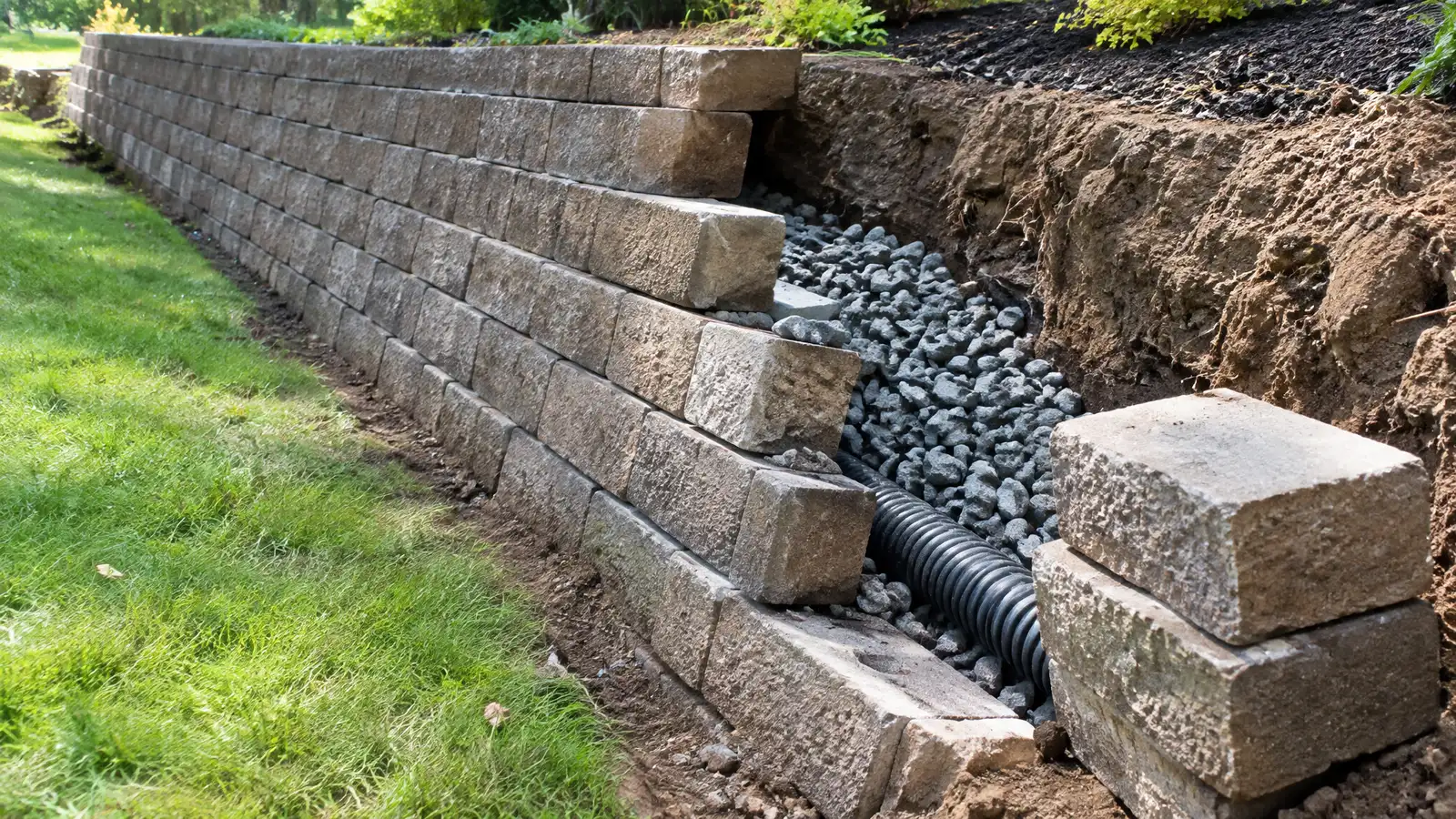 Retaining Wall RepairRepairing leaning, cracked or bulging retaining walls with drainage, reinforcement, resetting and rebuilding.Explore
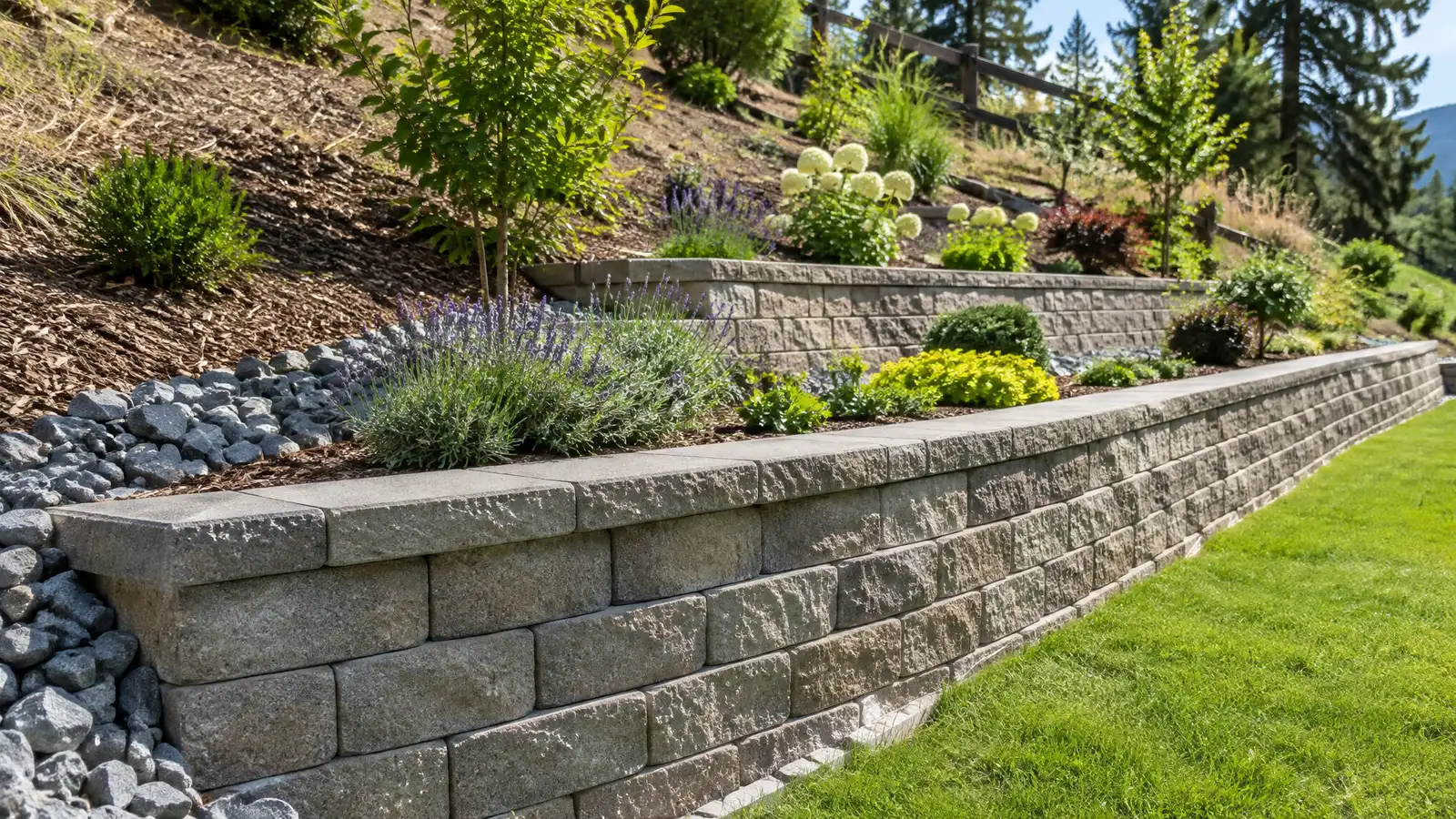 Retaining Wall ConstructionDesigning and building retaining walls in block, stone, concrete or timber with drainage and footings that last.Explore
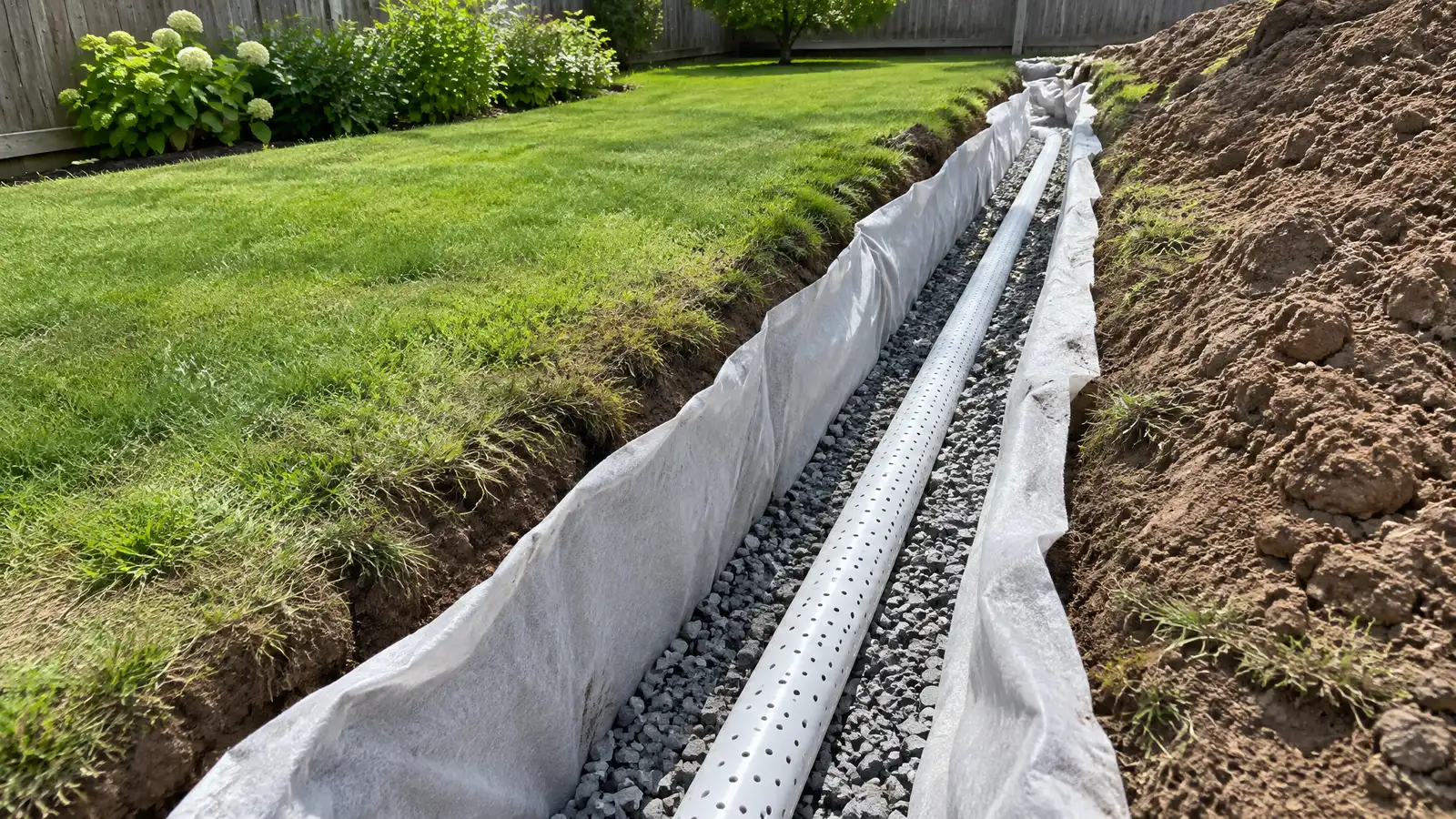 French DrainsPerforated pipe in a stone-filled trench that intercepts groundwater and surface water and carries it safely away from…Explore
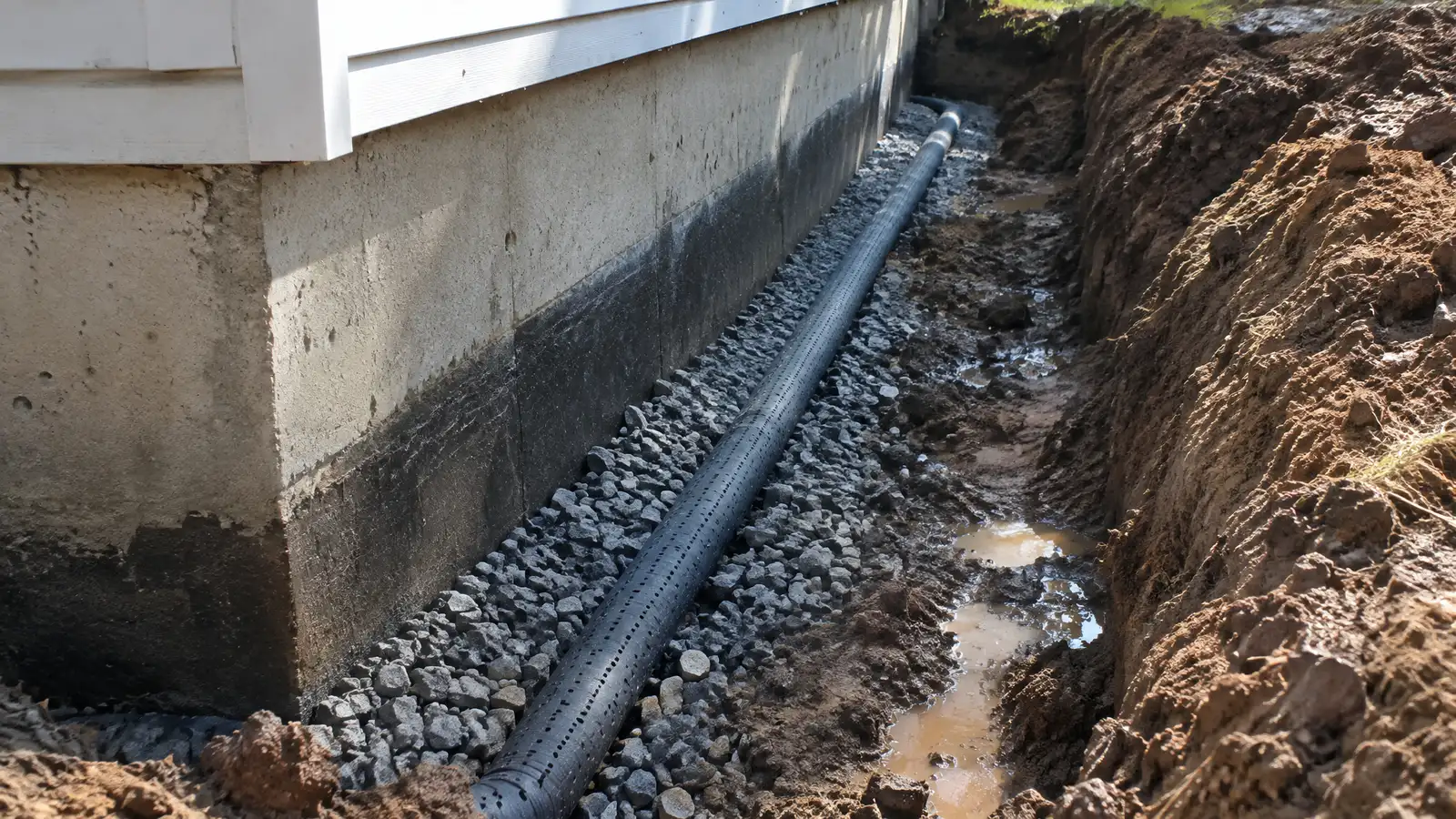 Hydrostatic Pressure ReliefDrainage that lowers the water pressure in the soil around a foundation, easing stress on walls and floors.Explore
Tell us about your property and one specialist will call you back to set up a visit.
Or call (615) 431-3789 to talk now.