Serving Nashville and Middle TennesseeFree Estimate
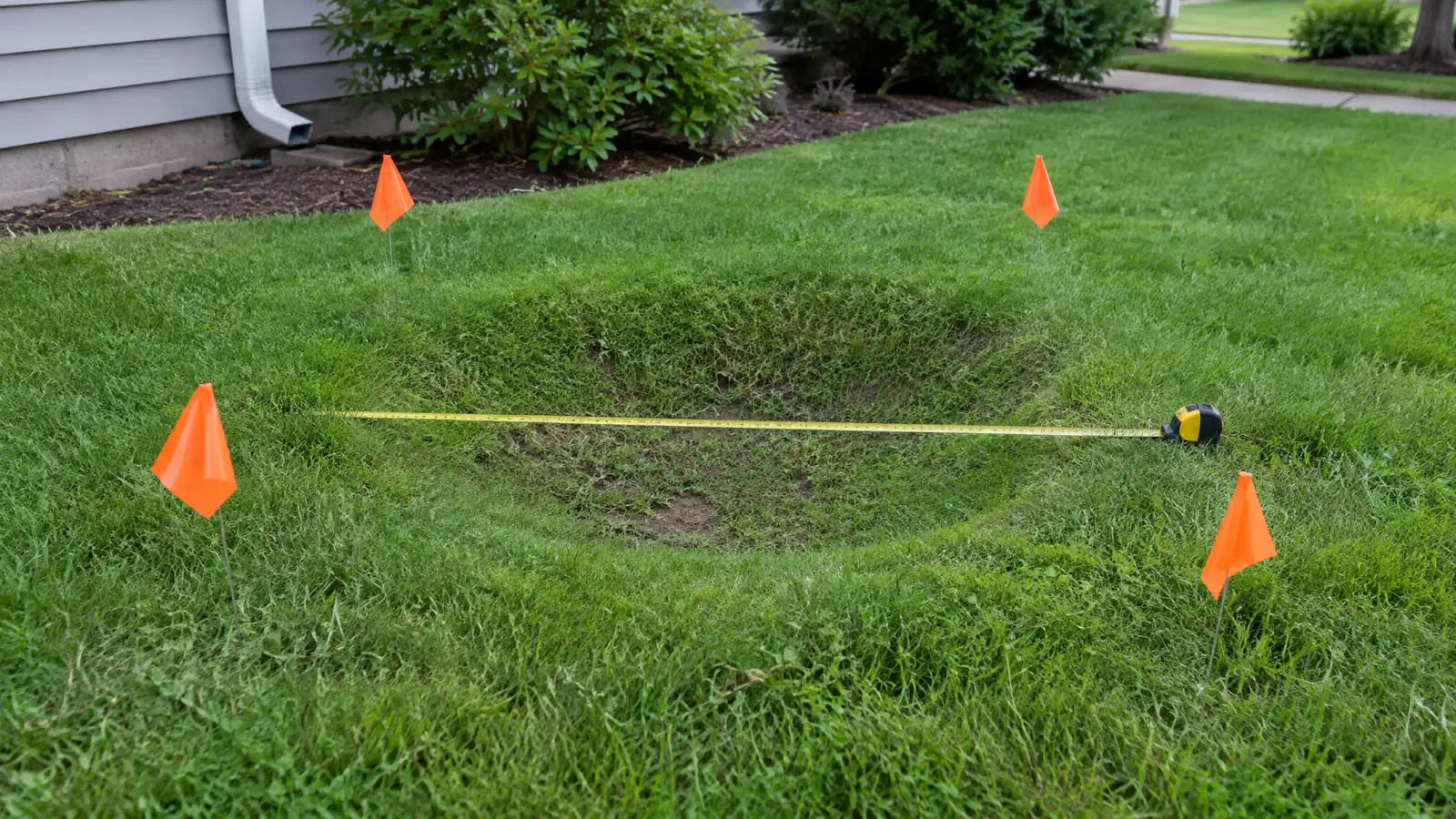
A careful check of sunken ground, depressions and hollow spots near a home, in a region where limestone makes voids possible.
Middle Tennessee sits on limestone, and limestone can dissolve over time into caves, cracks and voids. Most properties never see trouble, but a new depression in the yard, a patch of soil that drops after rain or a sudden crack in a slab deserves a quick look. Nashville area owners use an evaluation to find out whether the ground is simply settling or something deeper is going on.
Your specialist examines the depression, the surrounding ground, drainage patterns, buried utilities and nearby structures, and reviews public geology information. Probing and observation help judge the size and shape of any void. If the evidence points to a true sinkhole or an active void, you are guided to the right geotechnical or repair specialists, and temporary steps to keep people safe are explained.
A bowl-shaped dip, a steep-sided hole or a cracked line in the ground each point to different causes.
Broken pipes, runoff and concentrated downspouts can wash soil into hidden openings.
Buried lines and nearby foundations are considered, since a void can affect more than the surface.
Fencing off the area, diverting water and calling the right professionals come first when risk is real.
Drag the handle to compare.
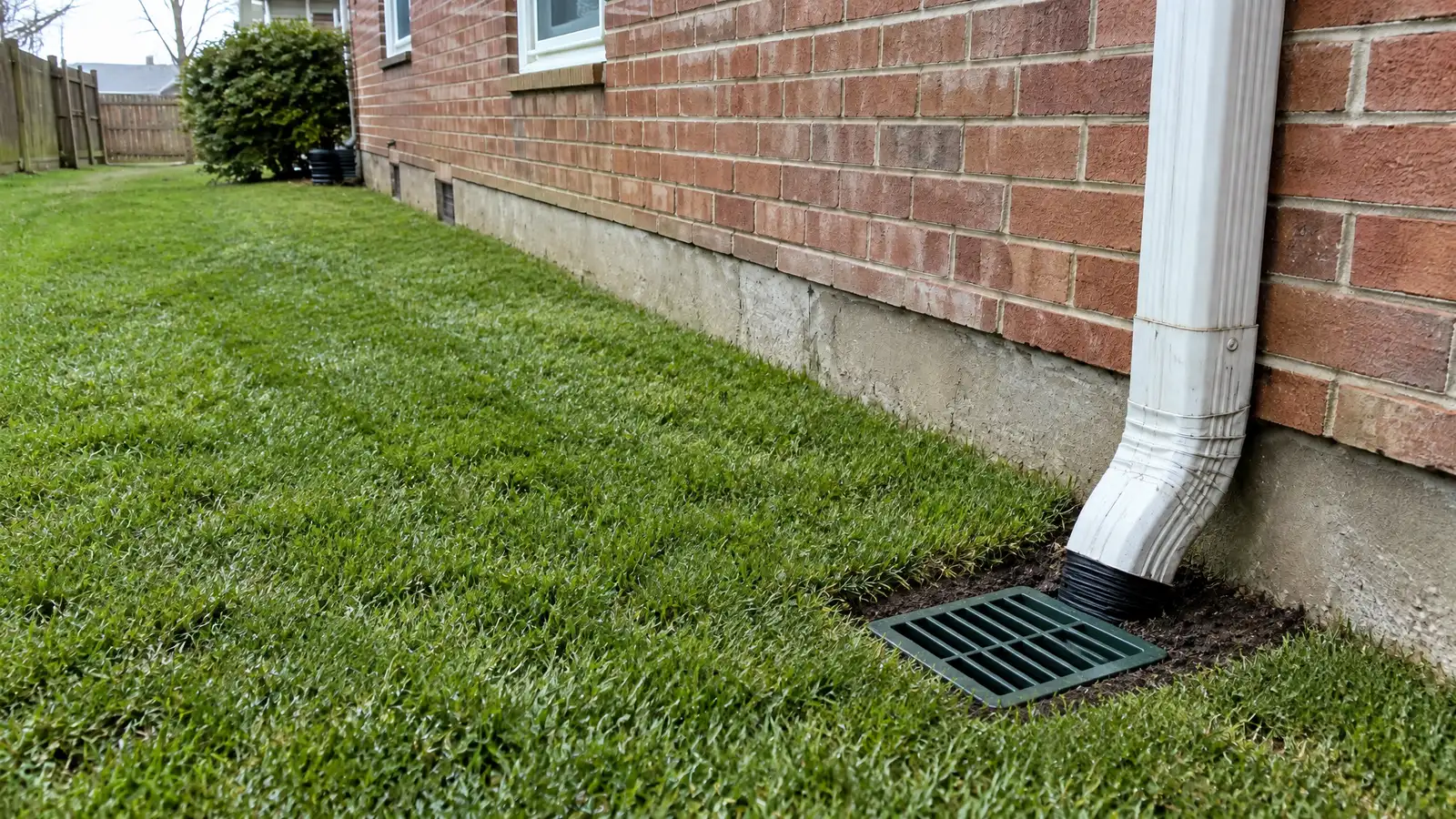
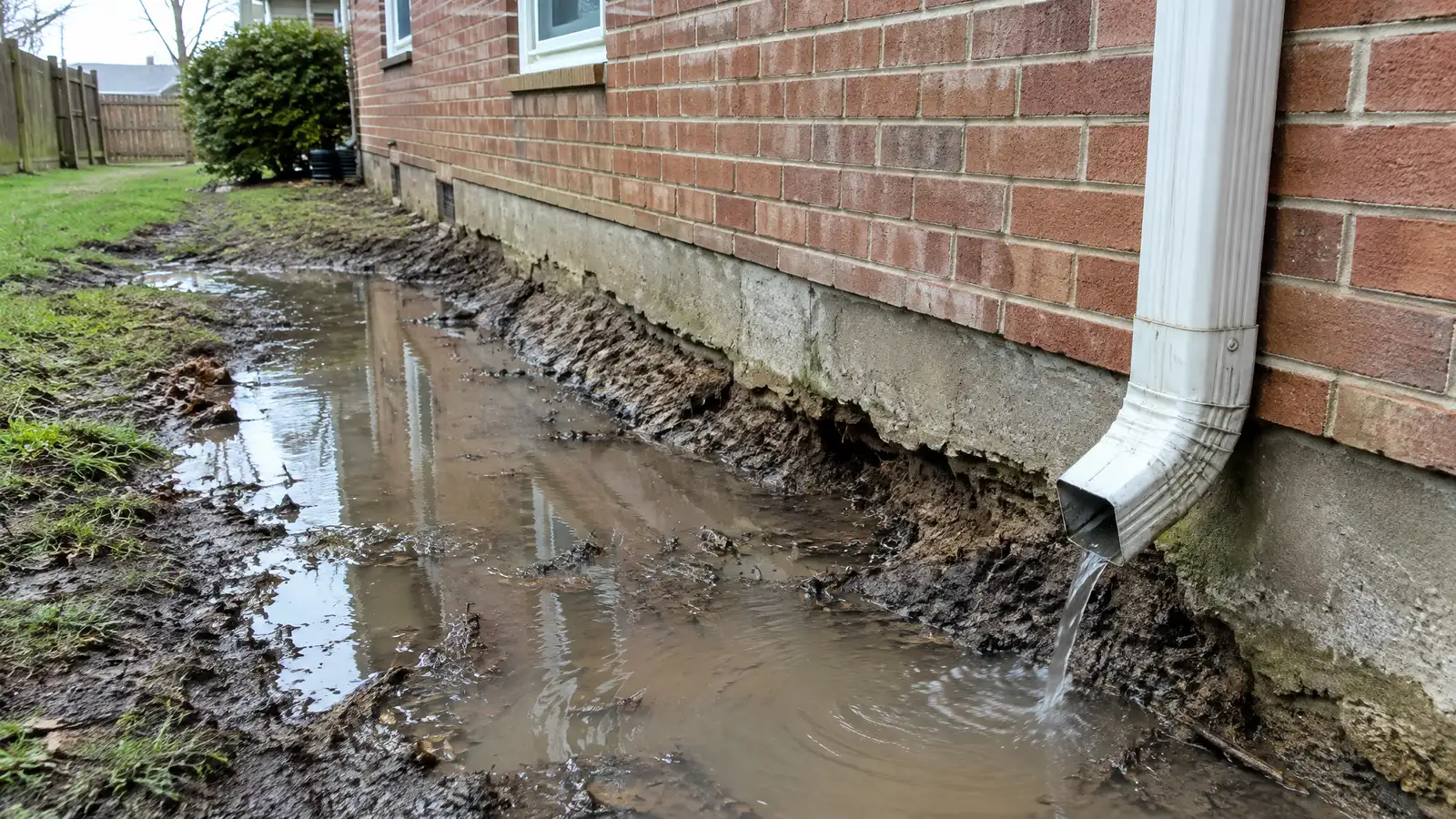 BeforeAfter
Keep people and pets away.
Depth, shape and surroundings measured.
Drains and pipes considered.
Geology information reviewed.
Settling, void or true sinkhole.
Repair or specialist referral.
Every topic has its own page with what to expect and how we approach it.
 ResourceUSGSPlain-language information from the US Geological Survey on what sinkholes are, how karst forms and what triggers collapses.Learn more ResourceTennessee GeologyThe state geology program that publishes geologic maps, karst information and resources on the rocks and soils of…Learn more ResourceFEMAThe federal portal where you can look up flood maps and flood zones for an address and read…Learn more
Pick what you see in your walls, floors, basement, crawl space or concrete to get likely causes, what to try first and the service page that fits.
You tell us what you see and where the property is. One call sets up a visit that fits your day.
A specialist walks the inside and outside, checks cracks, floors, moisture and drainage and takes measurements and photos.
You receive a plain written scope with the cause, the method, the location of each repair and the schedule before anything begins.
Utility marking is requested where digging is needed, access is protected and materials and any engineering are lined up.
Supports, drains, sealing or lifting are completed in a clear order, with photos and checks along the way.
The site is cleaned up, the work is explained on a walk-through and care and monitoring tips are shared.
Keep people and animals away, divert water if you safely can and call for help. Do not fill it in a hurry without understanding the cause.
No. Many low spots come from old trenches, rotted roots or poorly compacted soil. An evaluation sorts them out.
It can if it forms near a foundation. Early evaluation helps you protect the structure.
Geotechnical specialists and geologists confirm true sinkholes, and your specialist helps you reach them when needed.
Coverage varies by policy and company, so ask your insurer directly.
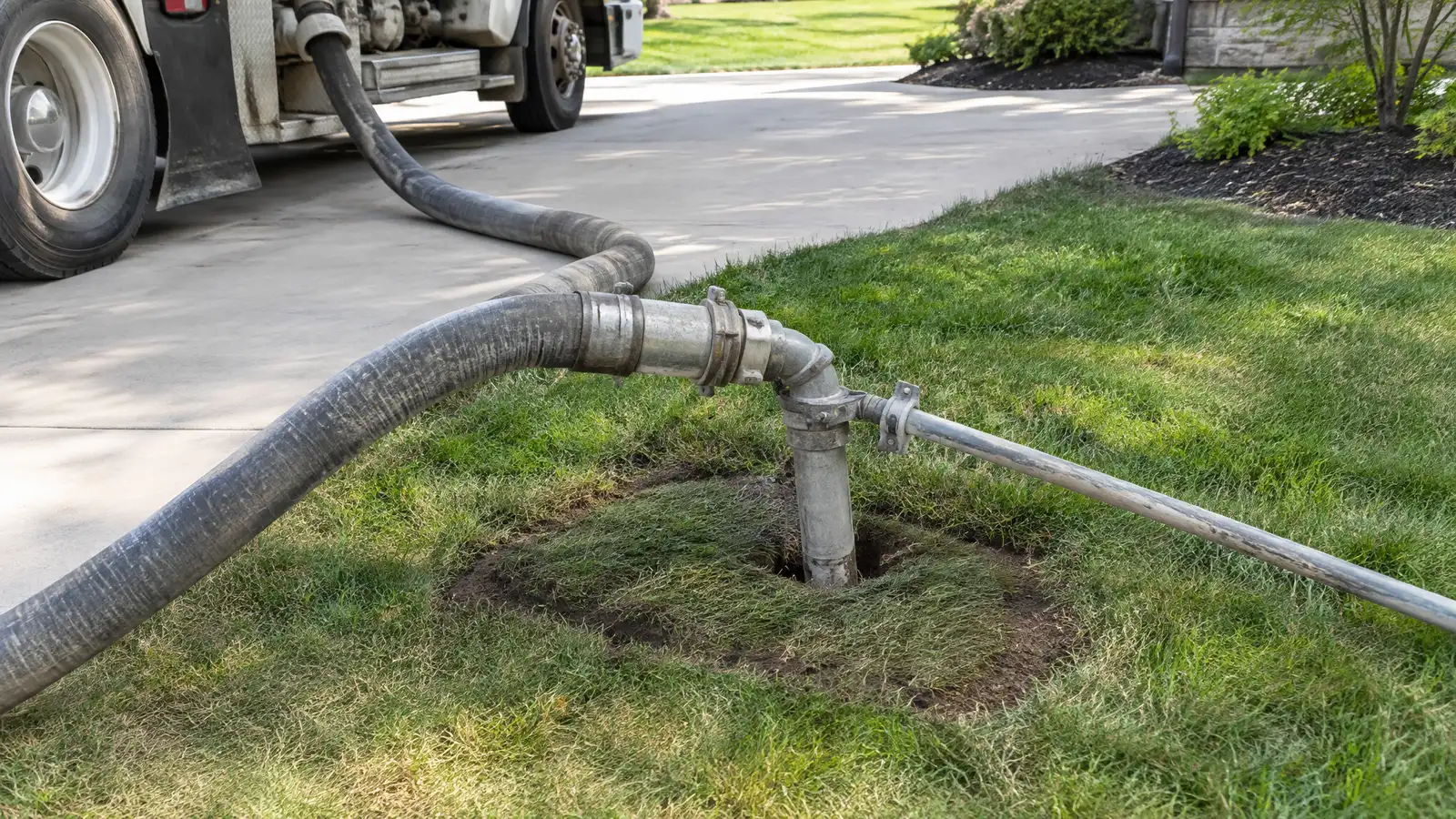 Sinkhole and Void RepairFilling and stabilizing sinkholes, voids and soft ground with compaction grouting, stone and engineered fill.Explore
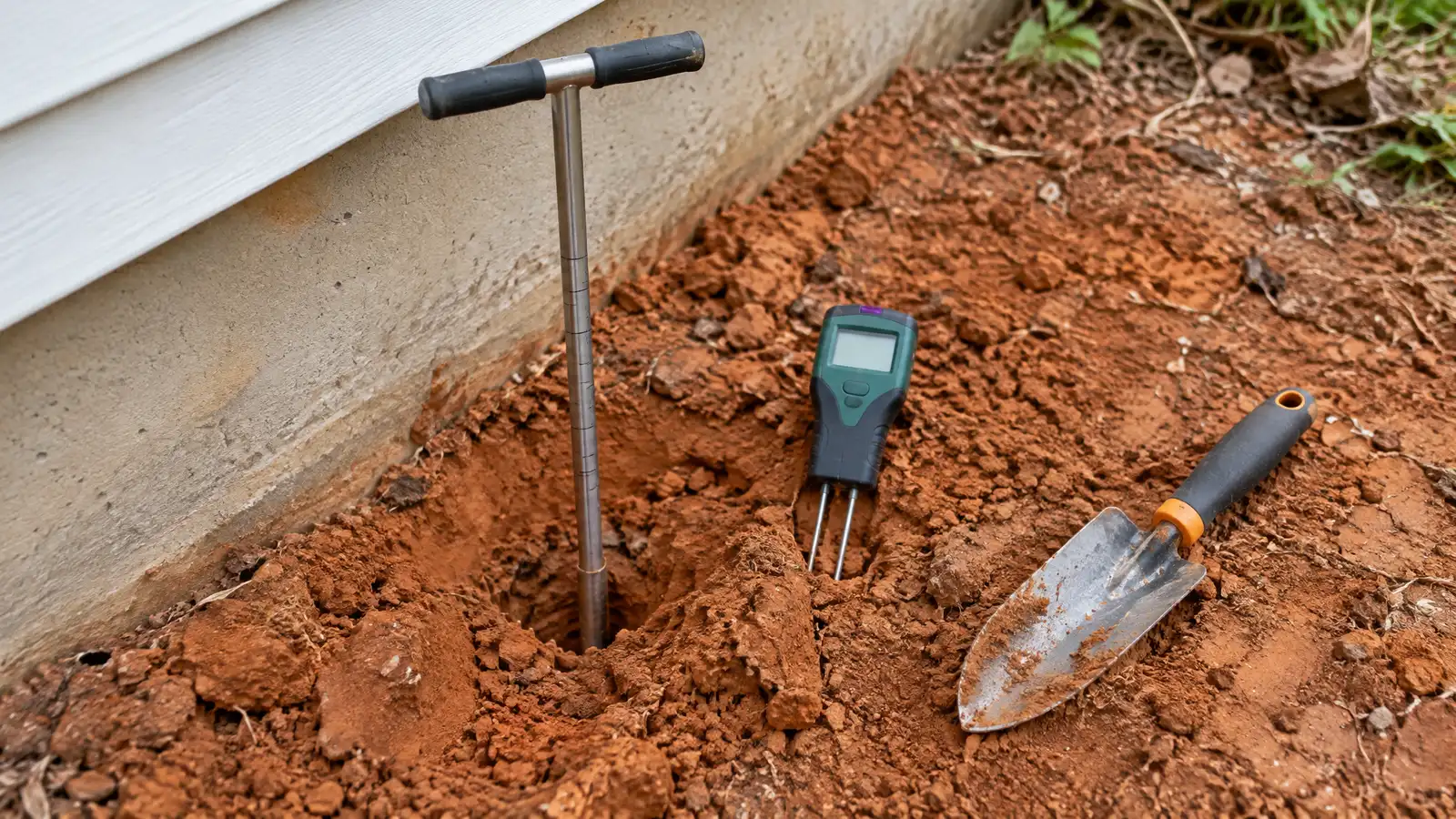 Soil and Moisture AssessmentsReadings and observations about the soil around your home and the moisture inside it, to find the real…Explore
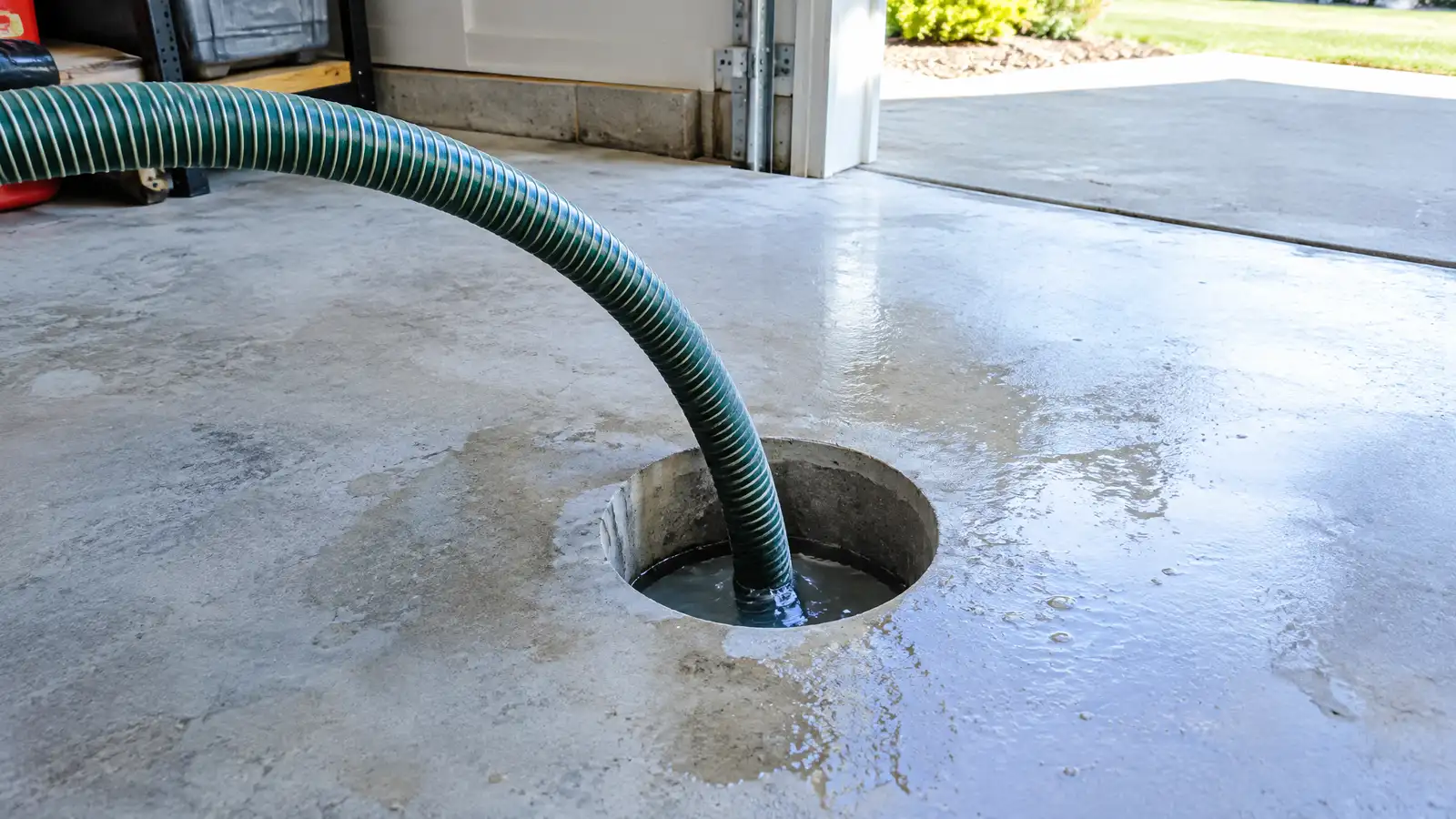 Void Filling Under SlabsFinding and filling hidden gaps beneath concrete floors, steps, garages and slabs to restore support.Explore
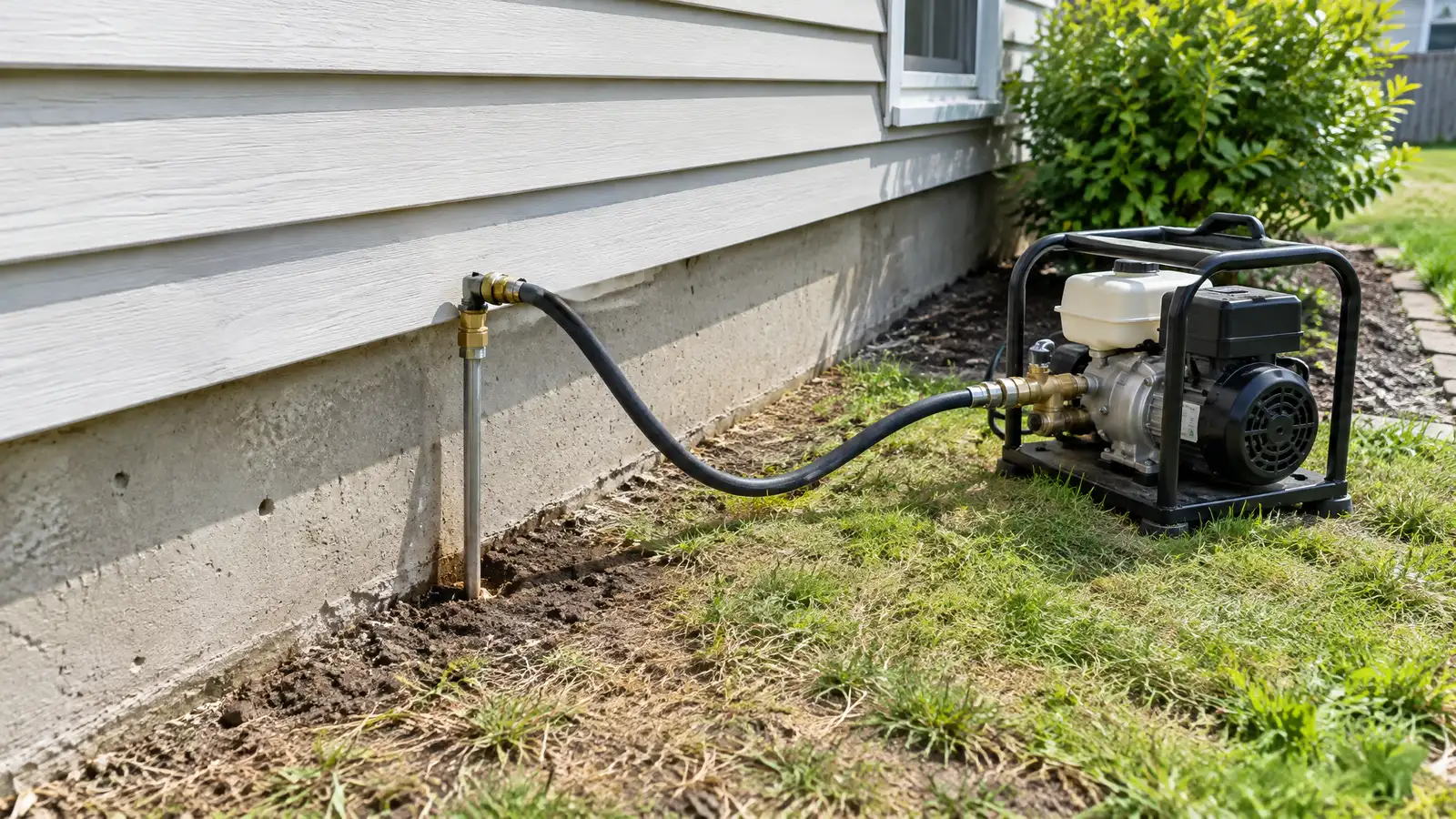 Soil Injection and StabilizationInjecting materials into weak or expansive soil to firm it up, fill voids and reduce movement under a…Explore
Tell us about your property and one specialist will call you back to set up a visit.
Or call (615) 431-3789 to talk now.