Serving Nashville and Middle TennesseeFree Estimate
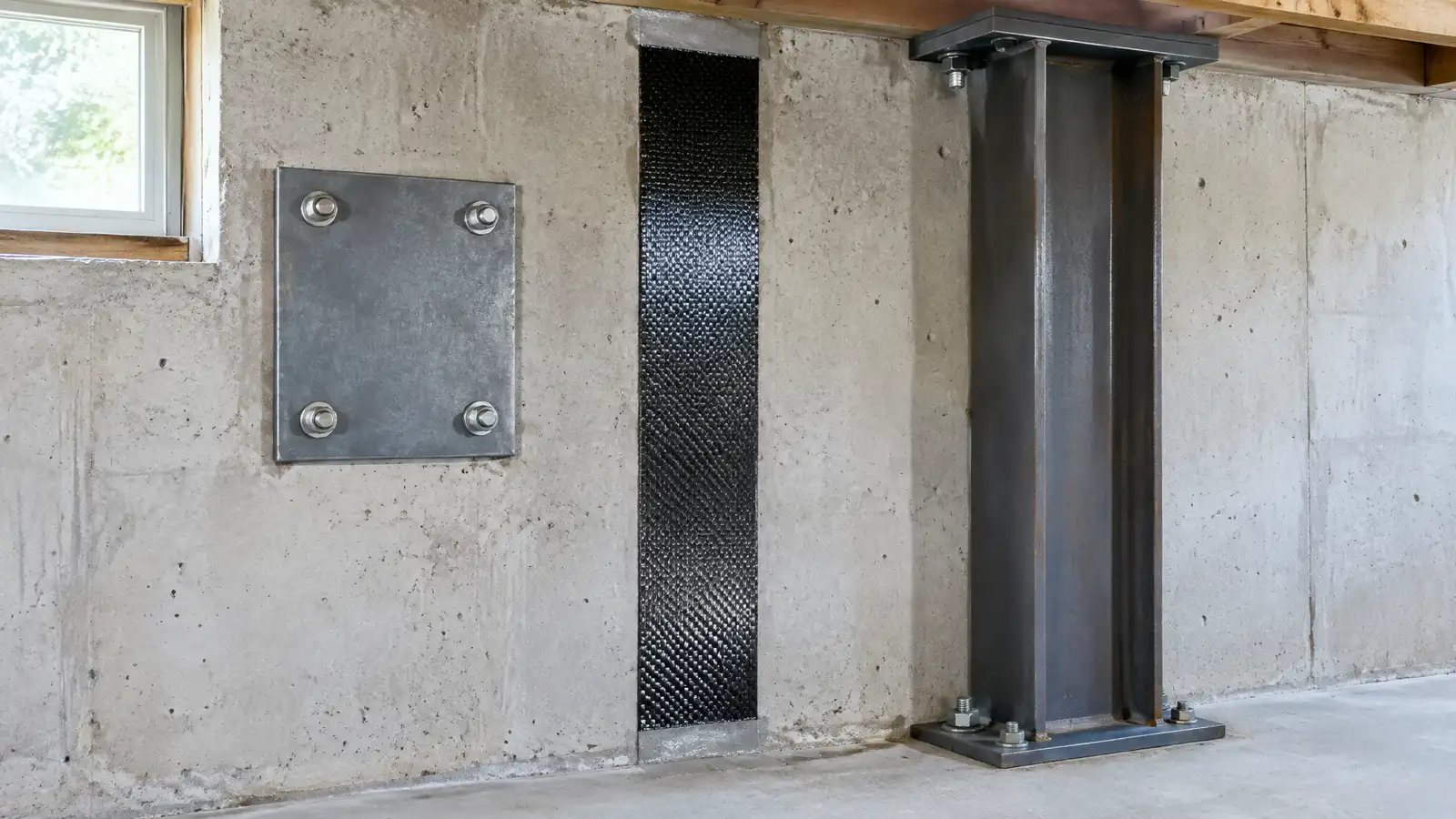
How wall anchors, carbon fiber straps, steel beams and rebuilding differ in what they do for bowing or cracked basement walls.
When a basement wall bows or cracks, there are several ways to hold it. Wall anchors tie the wall to stable soil outside and can pull it back over time. Carbon fiber straps are fixed to the wall and resist further bending. Steel beams brace the wall from the floor to the floor above. Rebuilding replaces a wall that has moved too far or failed. Each suits a different amount of movement.
The choice depends on how far the wall has moved, the wall type, access outside, finished space inside and the cause of pressure. Nearly every method works better with drainage and grading changes that reduce the water load. Owners in Nashville should ask which method fits and why, and an engineer can help with larger movement.
Rods and plates connected to earth anchors that restrain and can pull a wall.
Thin straps that hold small movement with a low profile.
Vertical braces fixed at the floor and floor joists.
Replacing wall sections that have moved too far.
Lowering water pressure helps any wall repair last.
Larger movement often calls for an engineer's opinion.
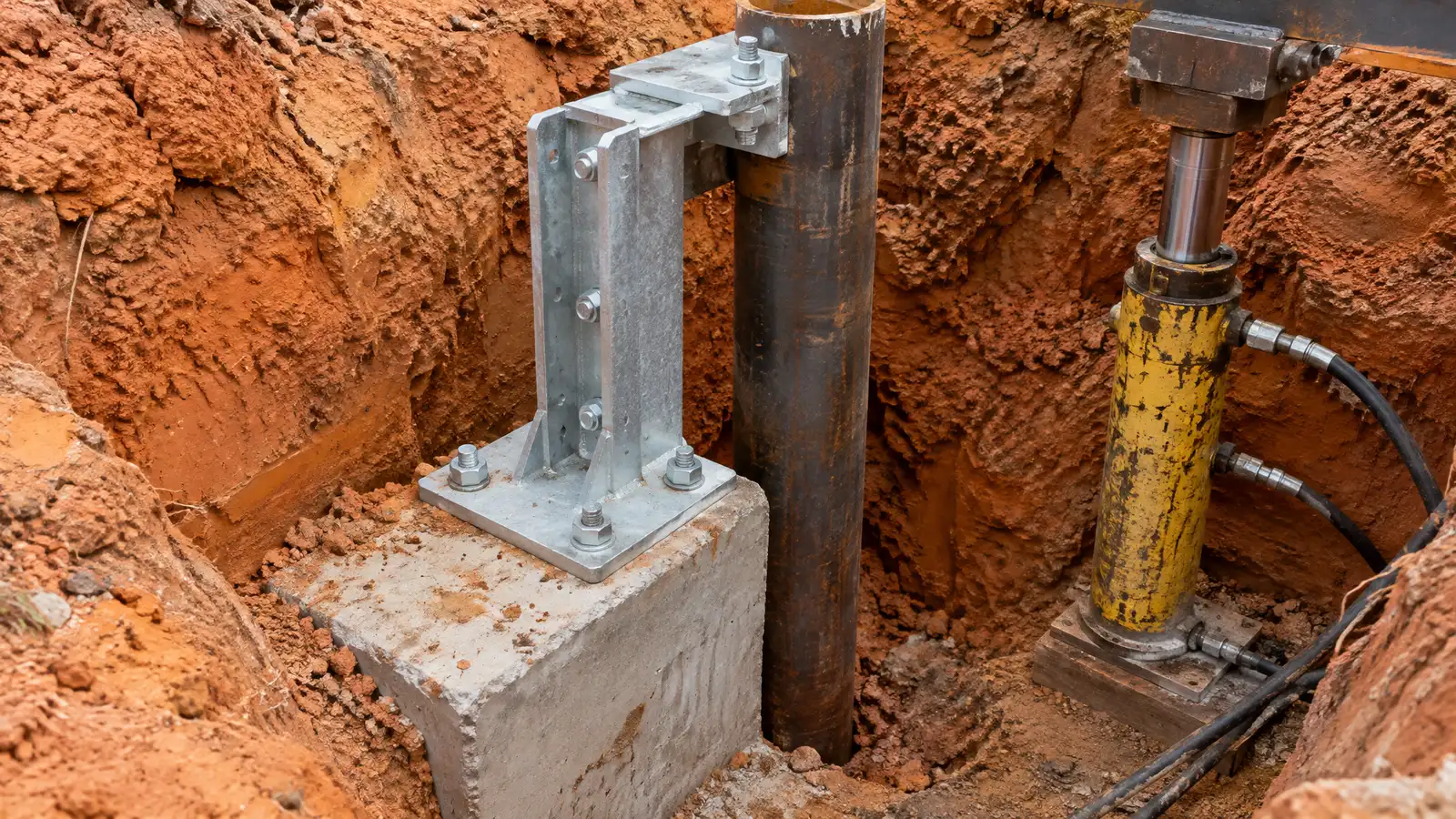 Push Pier Foundation RepairSteel push piers driven down to firm support to stop settlement and, where practical, lift a sinking foundation…Explore
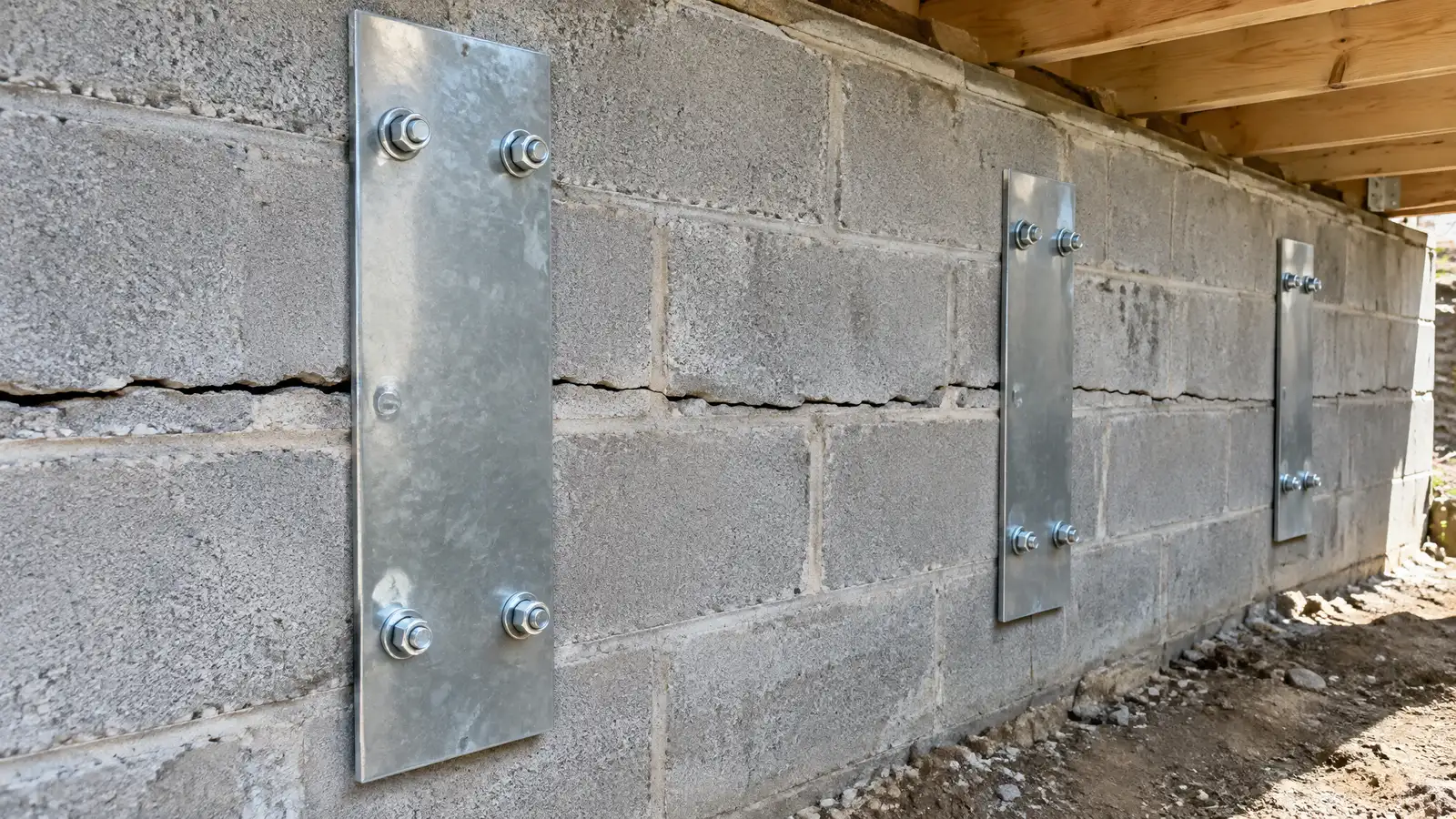 Block Foundation RepairRepairs for concrete block foundation walls with horizontal cracks, stair-step cracks, bowing or water seepage.Explore
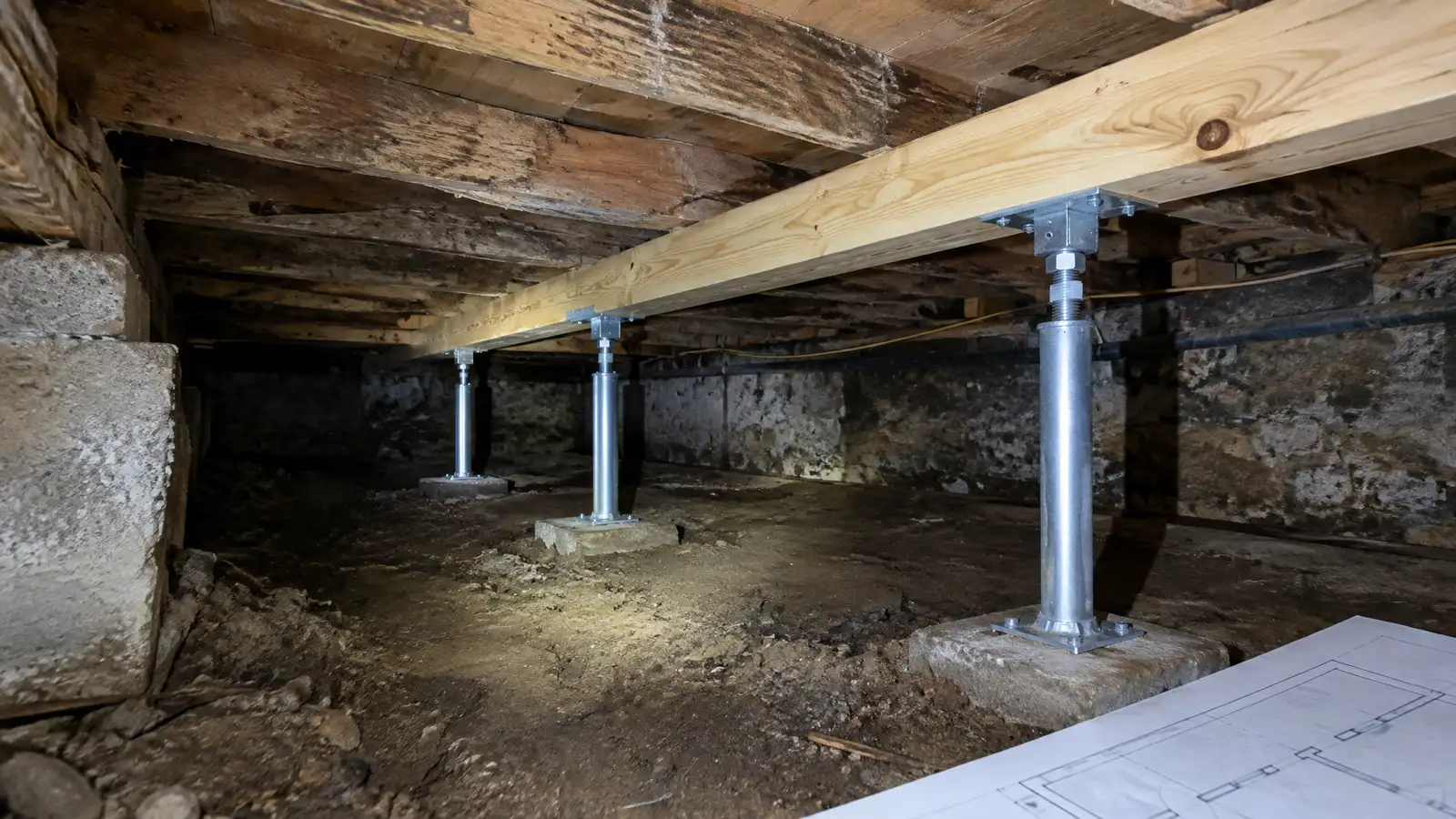 Sagging Floor RepairLifting and supporting sagging, bouncy or sloping floors from underneath, and fixing the cause so they stay put.Explore
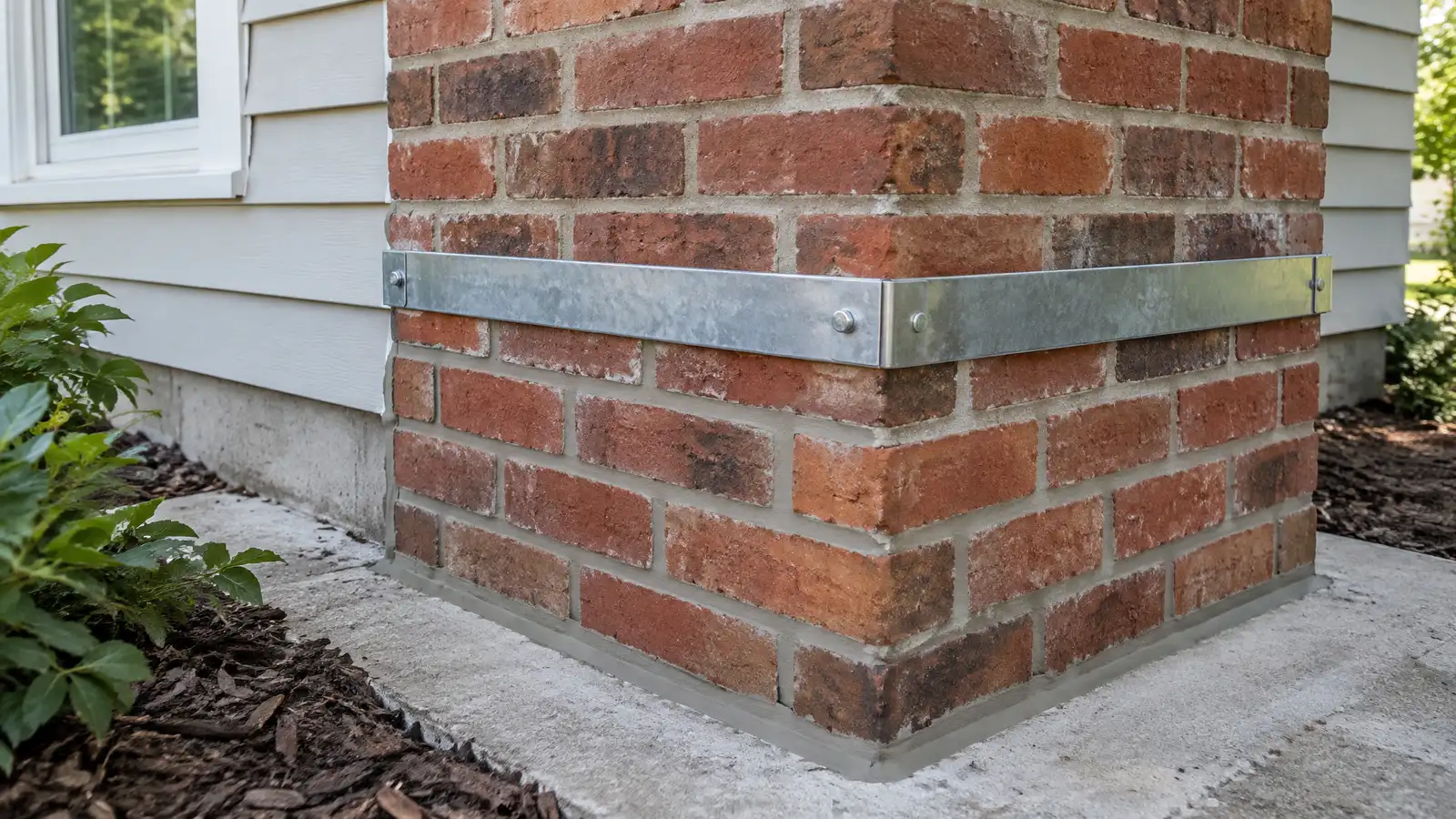 Chimney Repair and StabilizationRepairing leaning, cracked or settled chimneys and their foundations so they stand straight and shed water.Explore
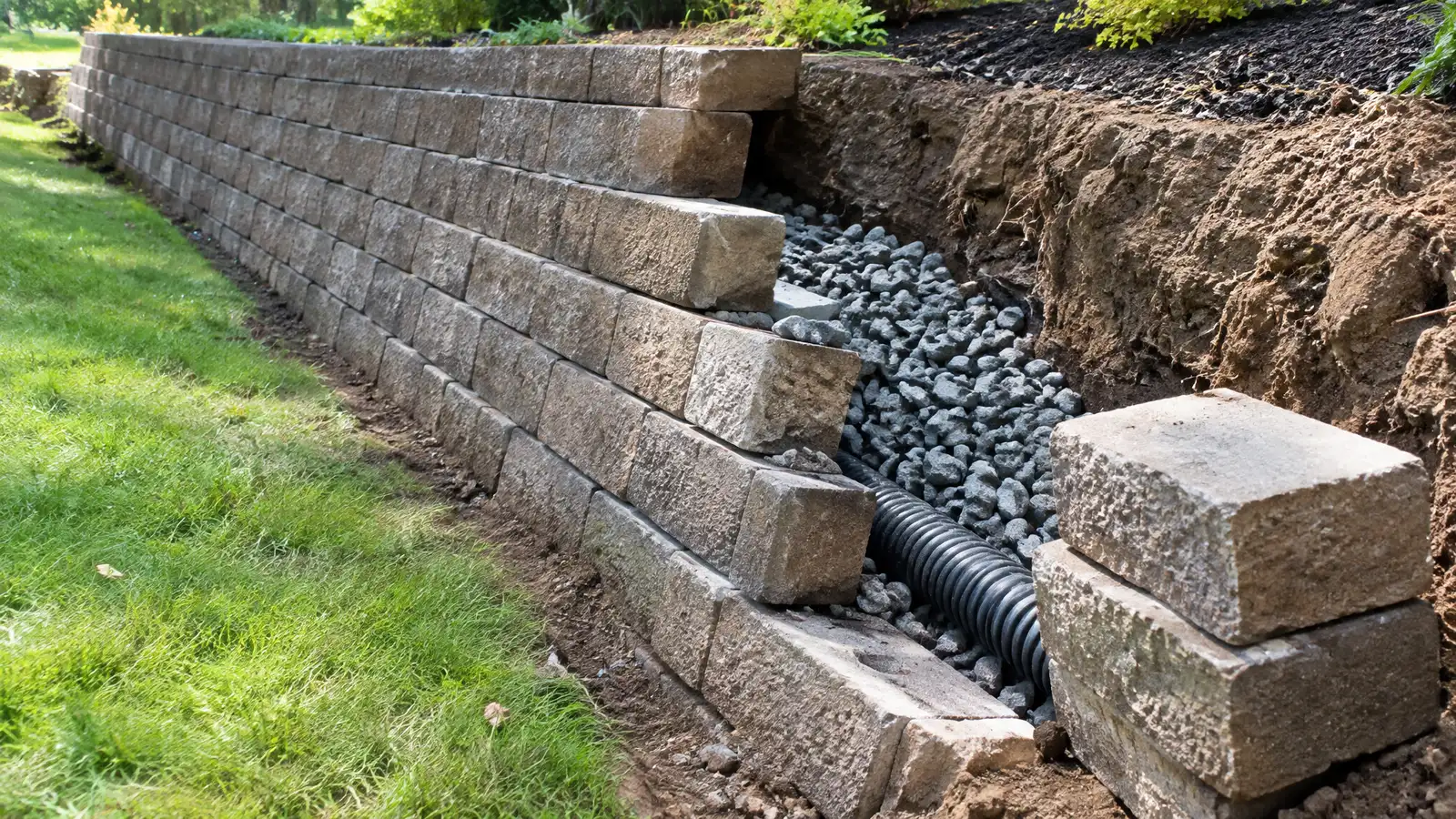 Retaining Wall RepairRepairing leaning, cracked or bulging retaining walls with drainage, reinforcement, resetting and rebuilding.Explore
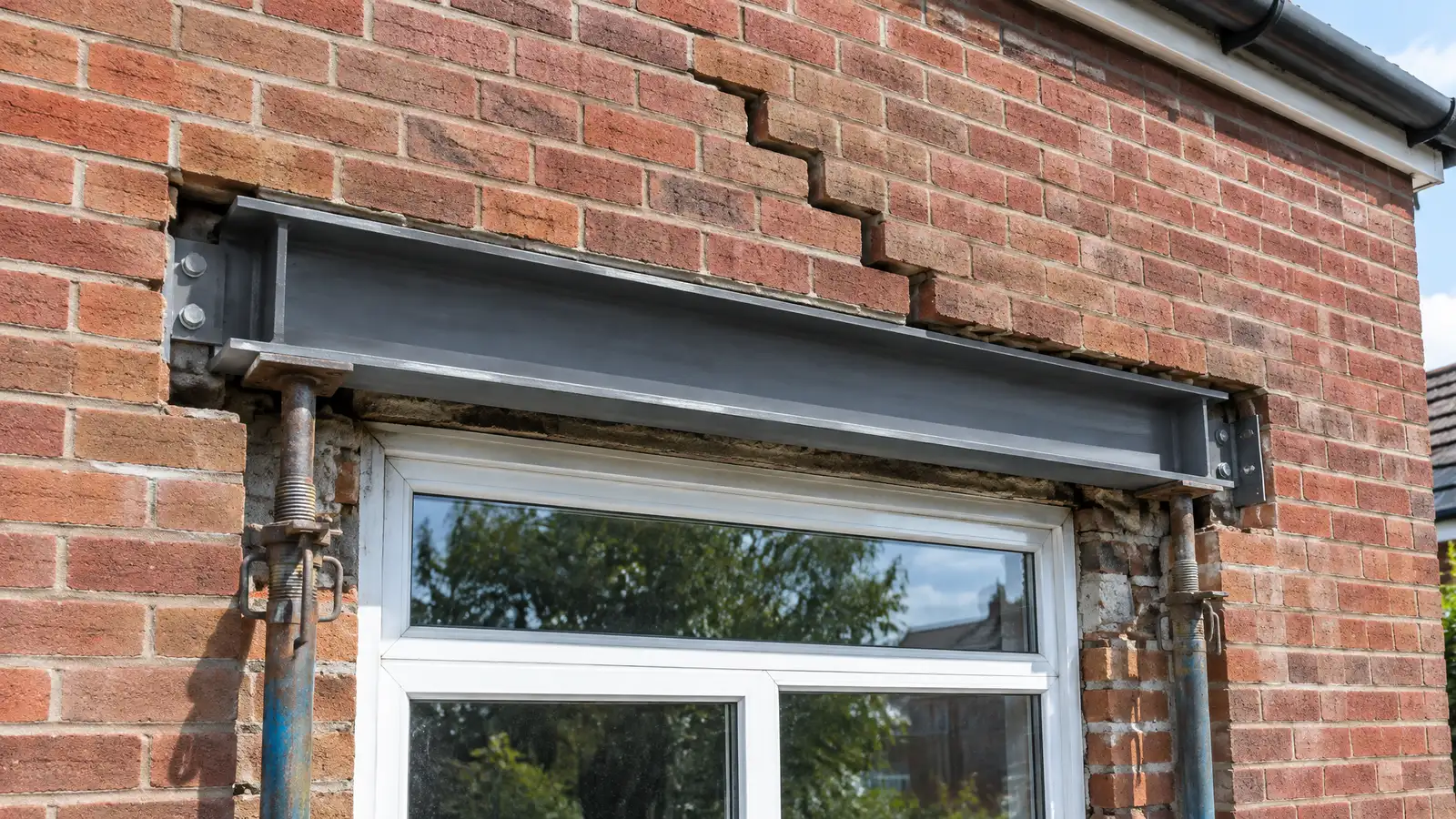 Stair-Step Crack and Lintel RepairRepairing stair-step cracks and failed lintels over doors and windows, after addressing the movement that caused them.Explore
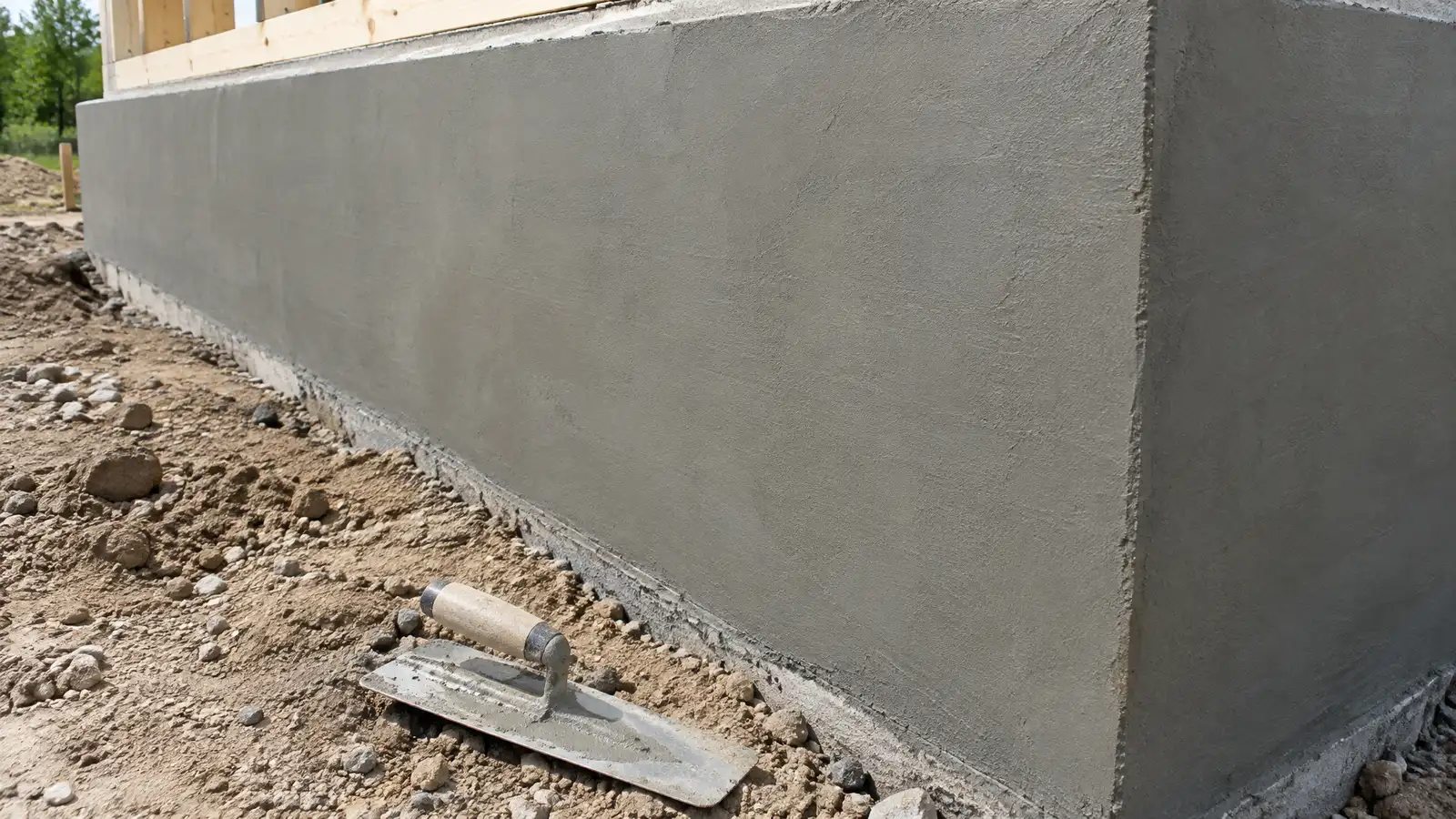 Foundation Parging and CoatingsRepairing and covering exposed foundation walls with parging and protective coatings that shed water and look neat.Explore
Check a warning sign, size a job or ballpark a budget.
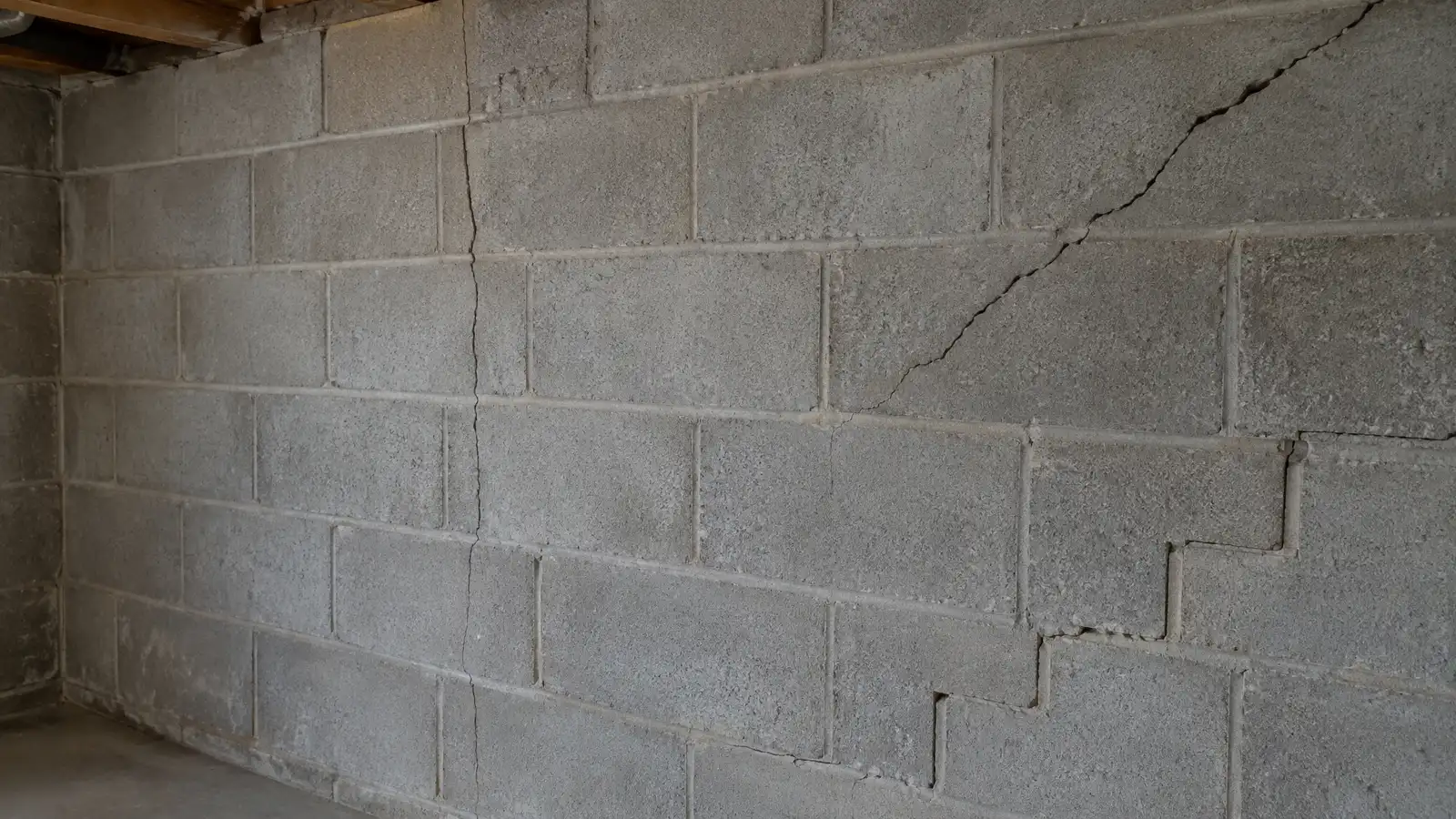 Foundation Problem Checker: What Is Wrong?Pick what you see in your walls, floors, basement, crawl space or concrete to get likely causes, what to try first and the service page that fits.Try it
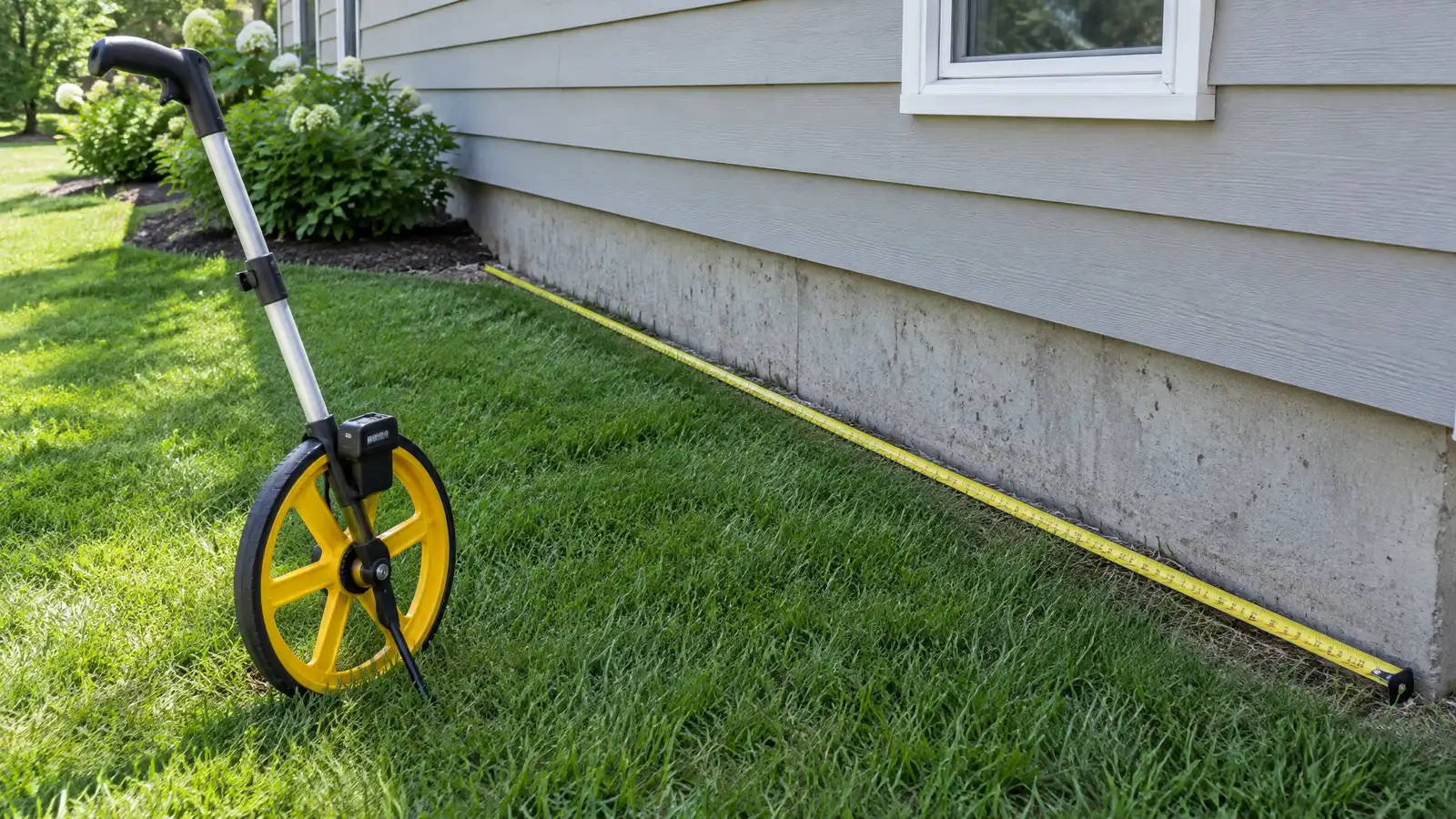 Foundation Job Size CalculatorEnter your measurements to see piers, crack length, drain footage, crawl space liner area and slab area to plan for.Try it
 Foundation Repair Budget PlannerPick a foundation, waterproofing, drainage or concrete job, set the quantity and add extras to see a ballpark planning range. Placeholder values only.Try it
It depends on the movement, wall type and access. A specialist explains why one fits.
Anchors can pull a wall back gradually in some cases, and other methods hold it where it is.
Often yes, since pressure from water is the underlying cause.
 Comparison guideFoundation TypesHow slab-on-grade, crawl space, basement and pier and beam foundations differ in cost drivers, moisture, access, repair and…Learn more
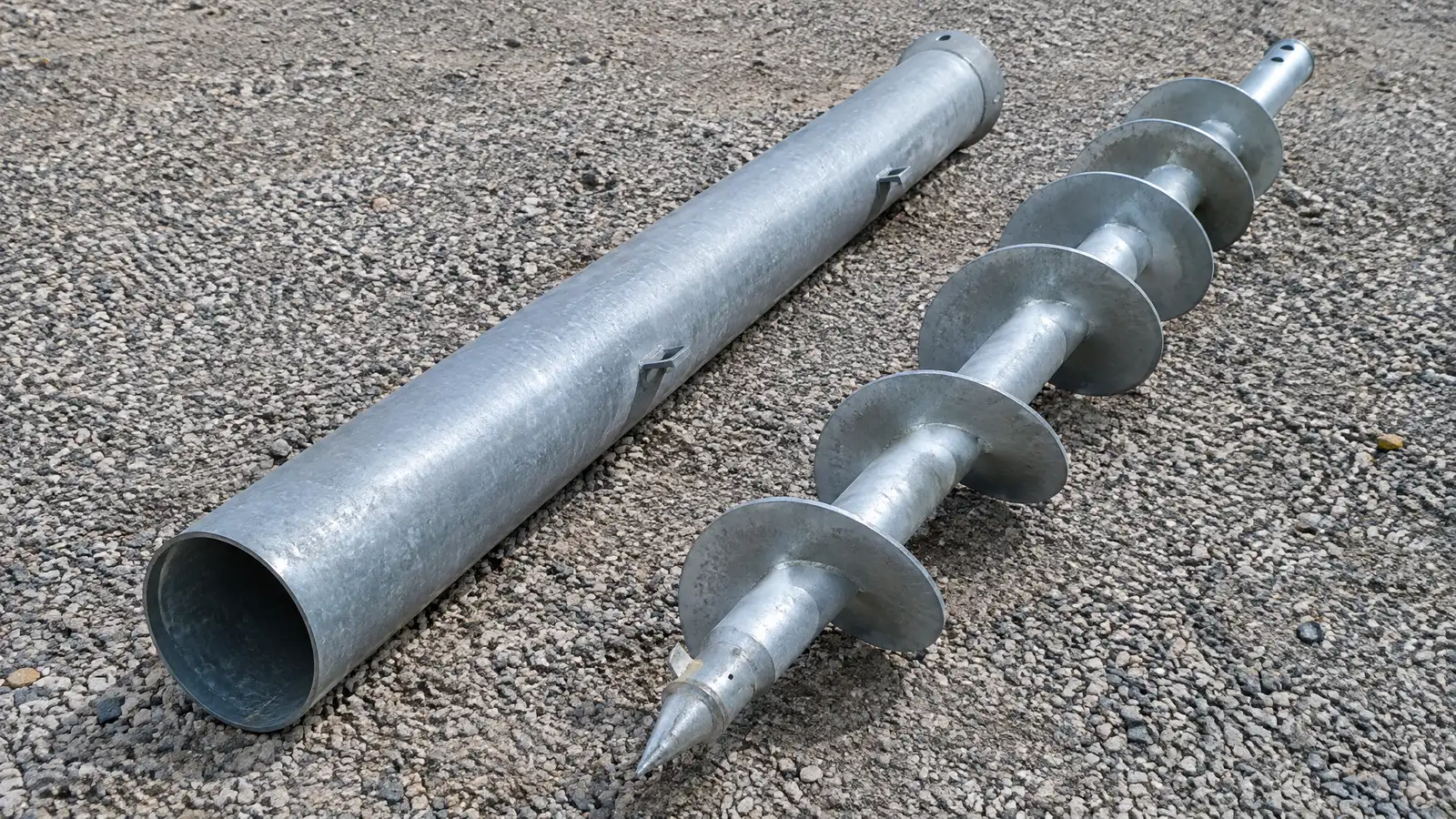 Comparison guidePush vs Helical PiersHow steel push piers and screw-in helical piers differ in how they are installed, what loads they suit…Learn more
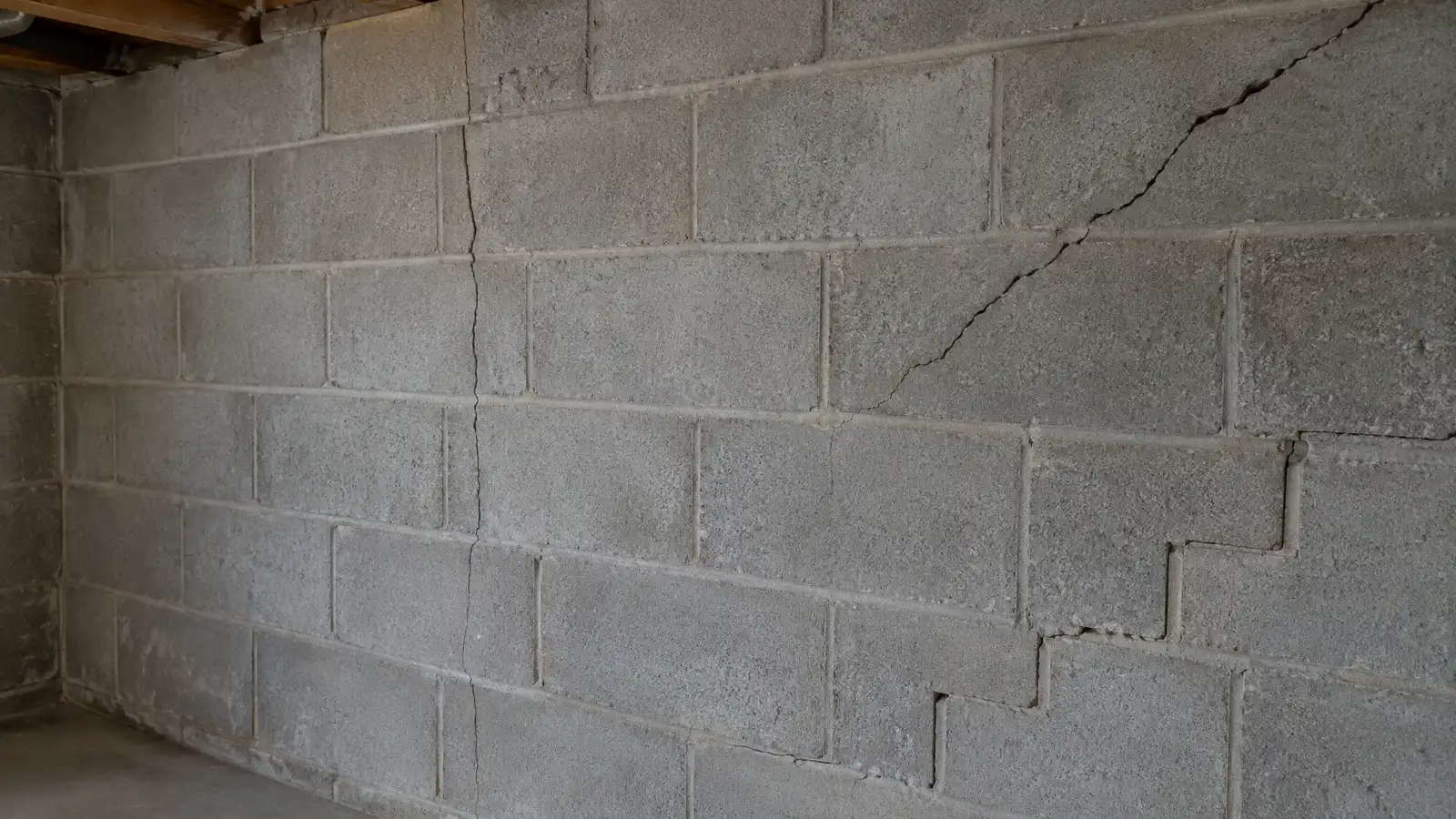 Comparison guideCrack TypesHow hairline, vertical, diagonal, stair-step and horizontal cracks differ in what they usually mean and what to do…Learn more
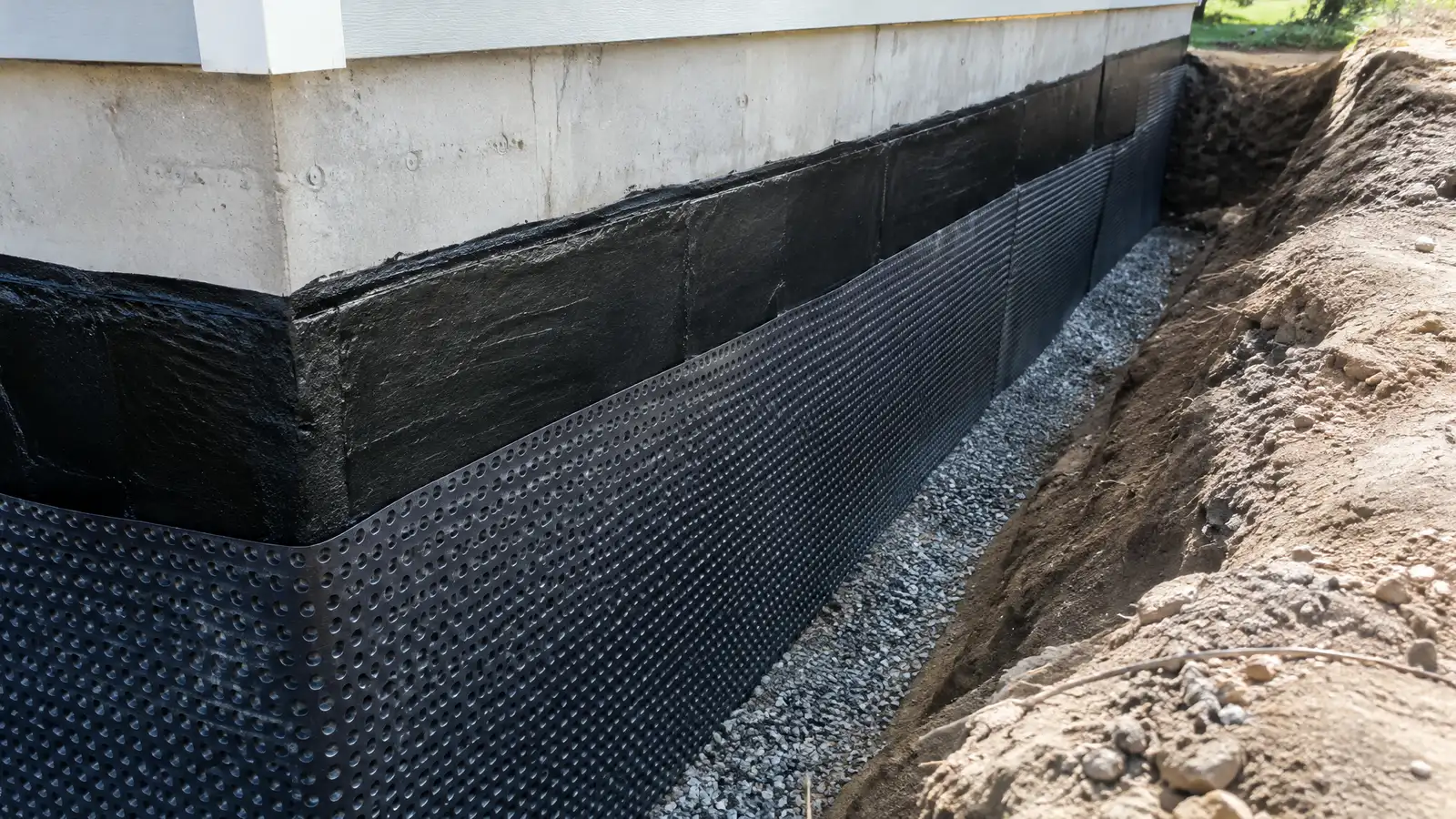 Comparison guideInterior vs Exterior WaterproofingHow interior drains and sump systems differ from exterior excavation and membranes in how they work, access needs…Learn more
Call and describe what you see. A specialist will look at the cause, talk through the options and give you a clear written estimate.