Serving Nashville and Middle TennesseeFree Estimate
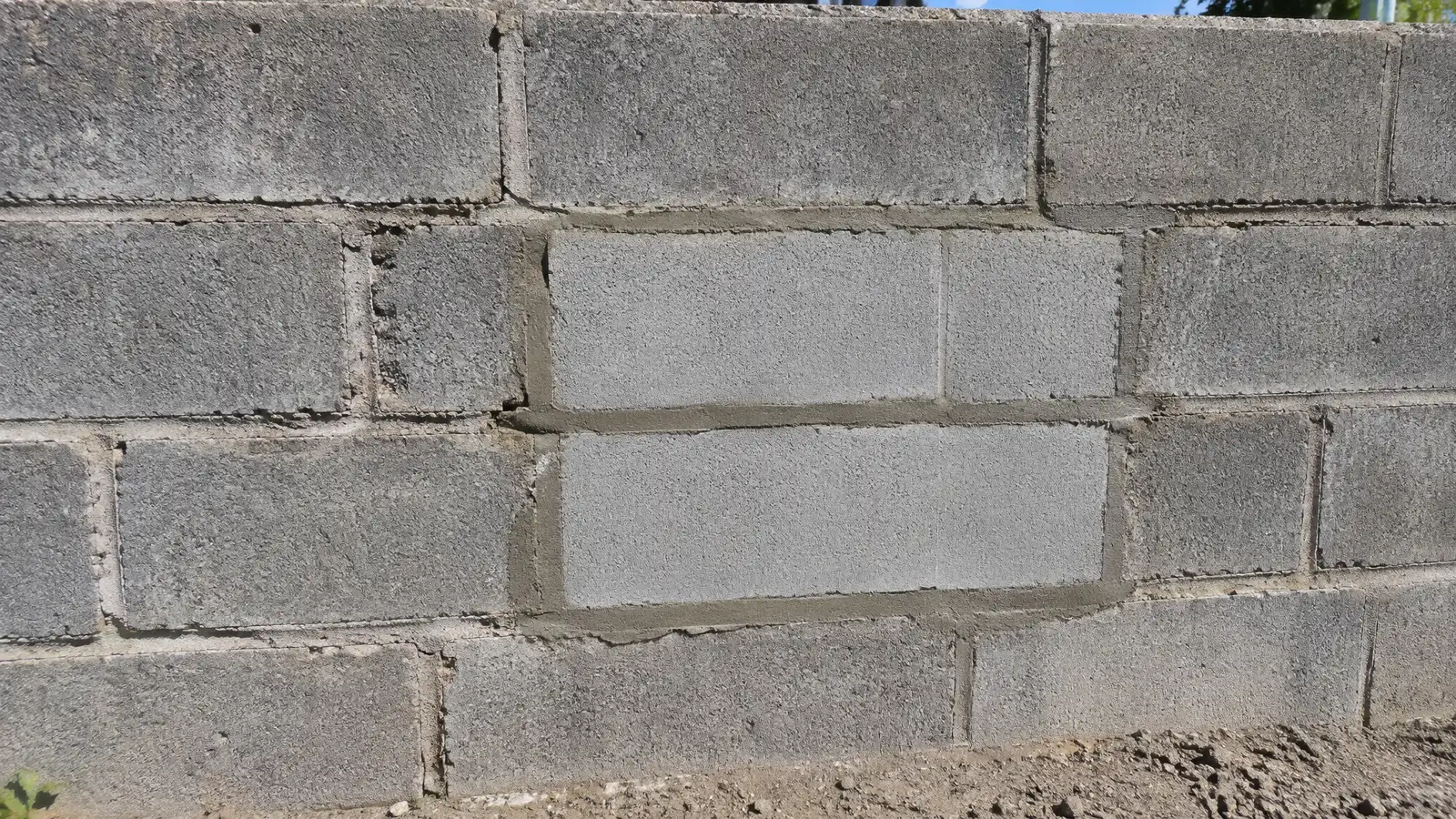
Repairing cracked, leaning or crumbling concrete block walls with filling, reinforcing, rebuilding and drainage.
Concrete block walls appear in foundations, garages, shops and retaining structures across Middle Tennessee. They are economical and strong, but they crack where water pressure or settlement pushes on them. A block wall repair works at the cracks, the mortar and the reinforcement, and it often involves the soil and water behind the wall too.
Your specialist inspects the wall for horizontal and stair-step cracks, bowing, loose block and crumbling mortar. Repairs may include repointing, replacing damaged units, filling cores with grout where design allows, adding steel reinforcement or wall anchors and improving drainage behind the wall. If an engineer is involved, repairs follow the report and the work is staged to keep the wall safe. Before repairs begin, take a few dated photos of each crack and mark the ends with a pencil. After the work, repeat the photos. That simple record shows whether the wall is stable, and it helps your specialist judge whether drainage and reinforcement are doing their jobs. Walls that stay quiet through a wet season are the best sign that the repair plan was a good one.
Horizontal and stair-step cracks often show sideways pressure or settlement, so they are measured and watched.
Open joints are repointed and broken block is replaced, which restores continuous strength.
Cores can be filled with grout and reinforced with steel where designs call for it, adding strength to weak walls.
Water behind a wall is a major load, so drainage is often added as part of the repair.
Drag the handle to compare.
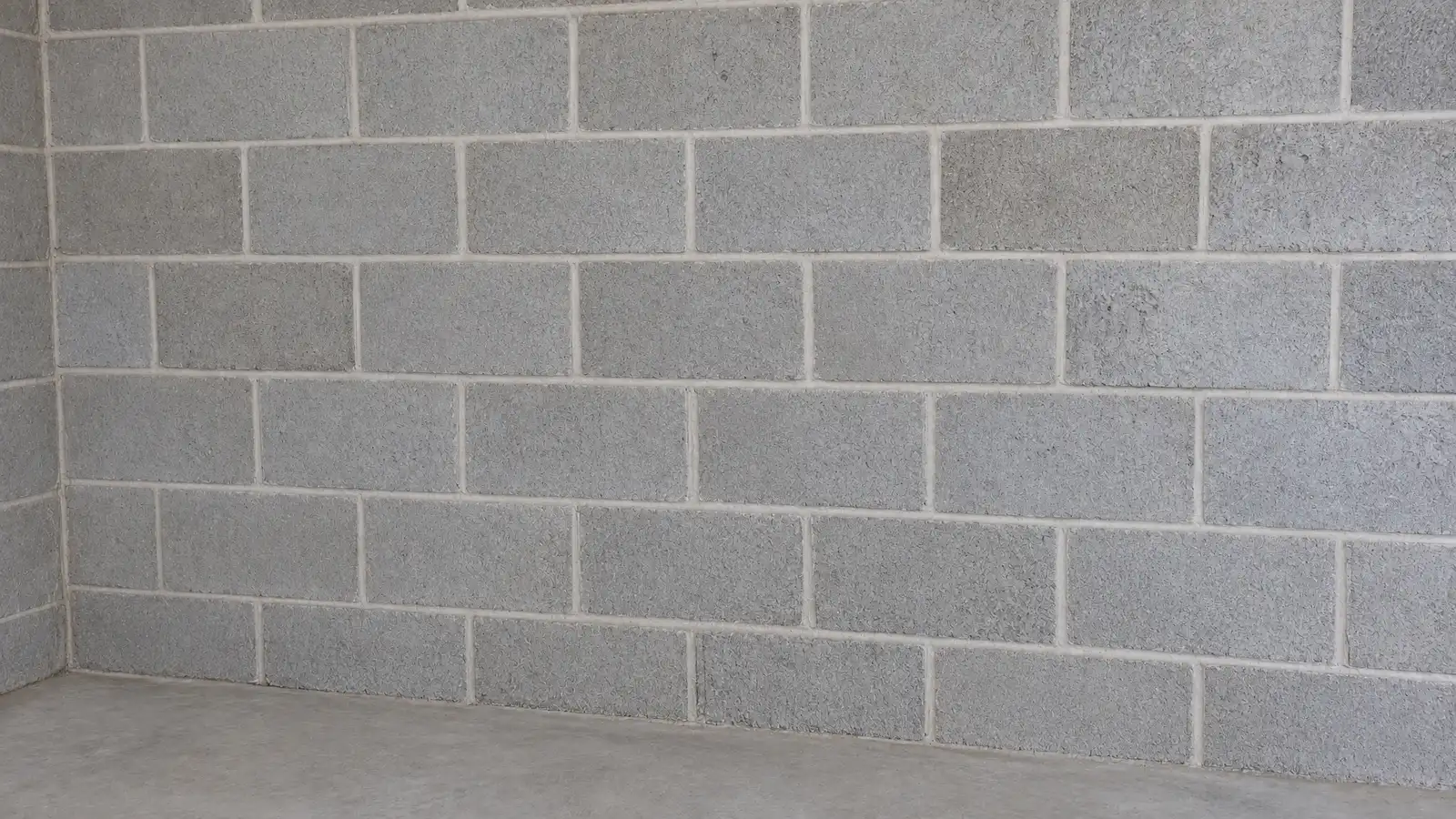
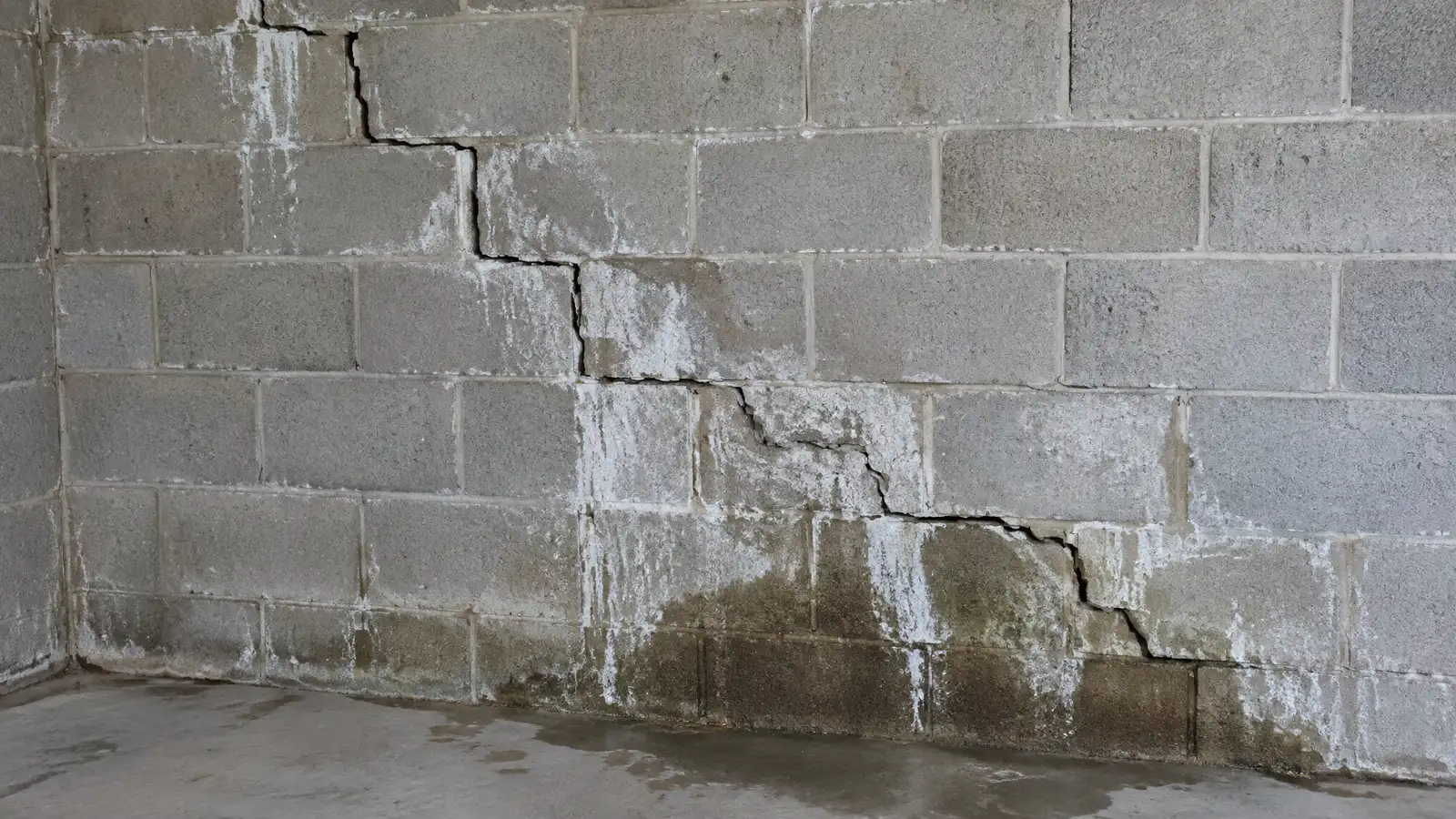 BeforeAfter
Cracks and bowing measured.
Pressure, settlement and age.
Mortar and block replaced.
Grout, steel or anchors.
Pressure relief.
Optional surface protection.
Every topic has its own page with what to expect and how we approach it.
 Comparison guideRetaining Wall TypesHow segmental block, poured concrete, natural stone and timber walls differ in strength, drainage needs, look and repair.Learn more
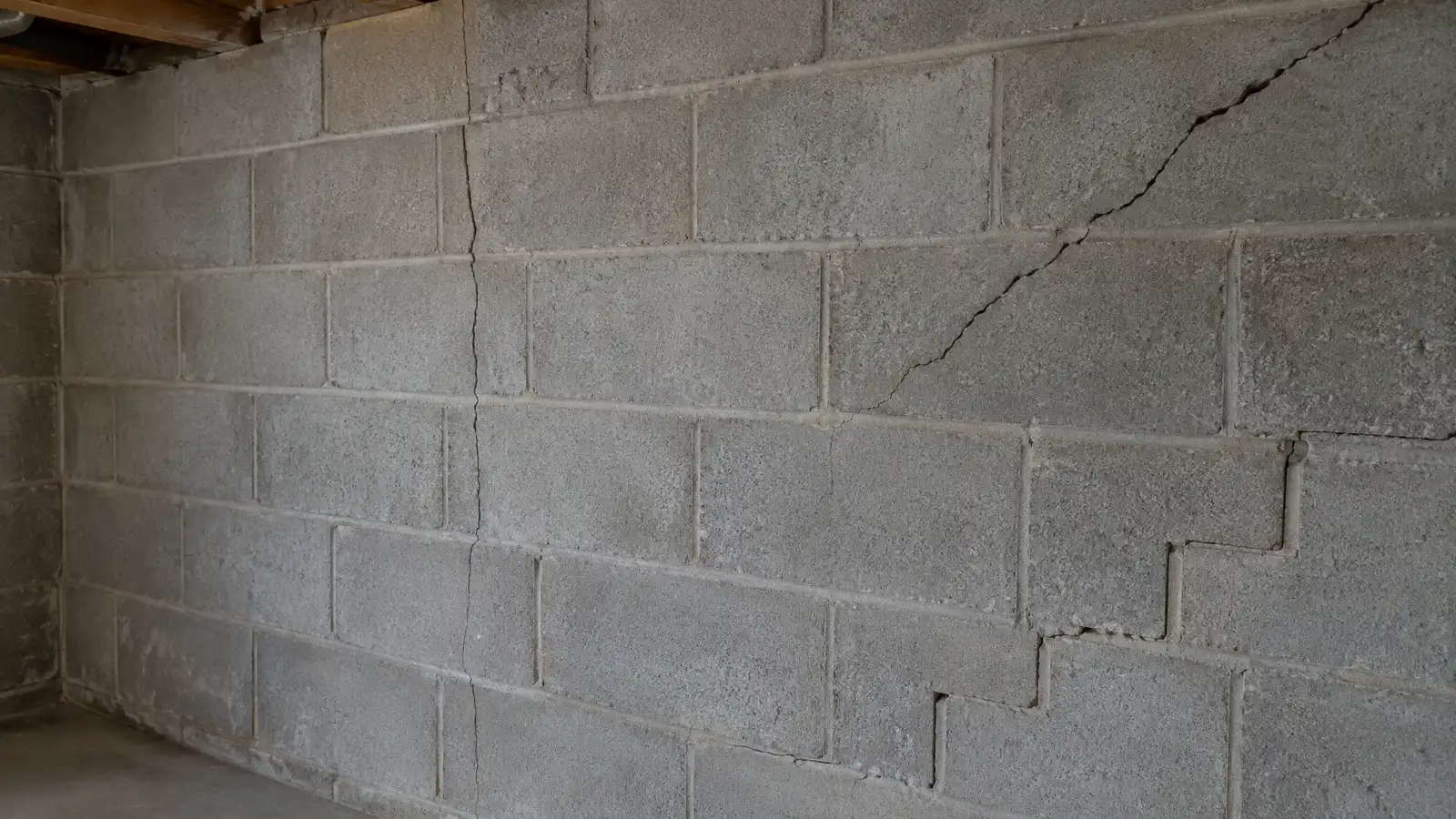 Comparison guideCrack TypesHow hairline, vertical, diagonal, stair-step and horizontal cracks differ in what they usually mean and what to do…Learn more
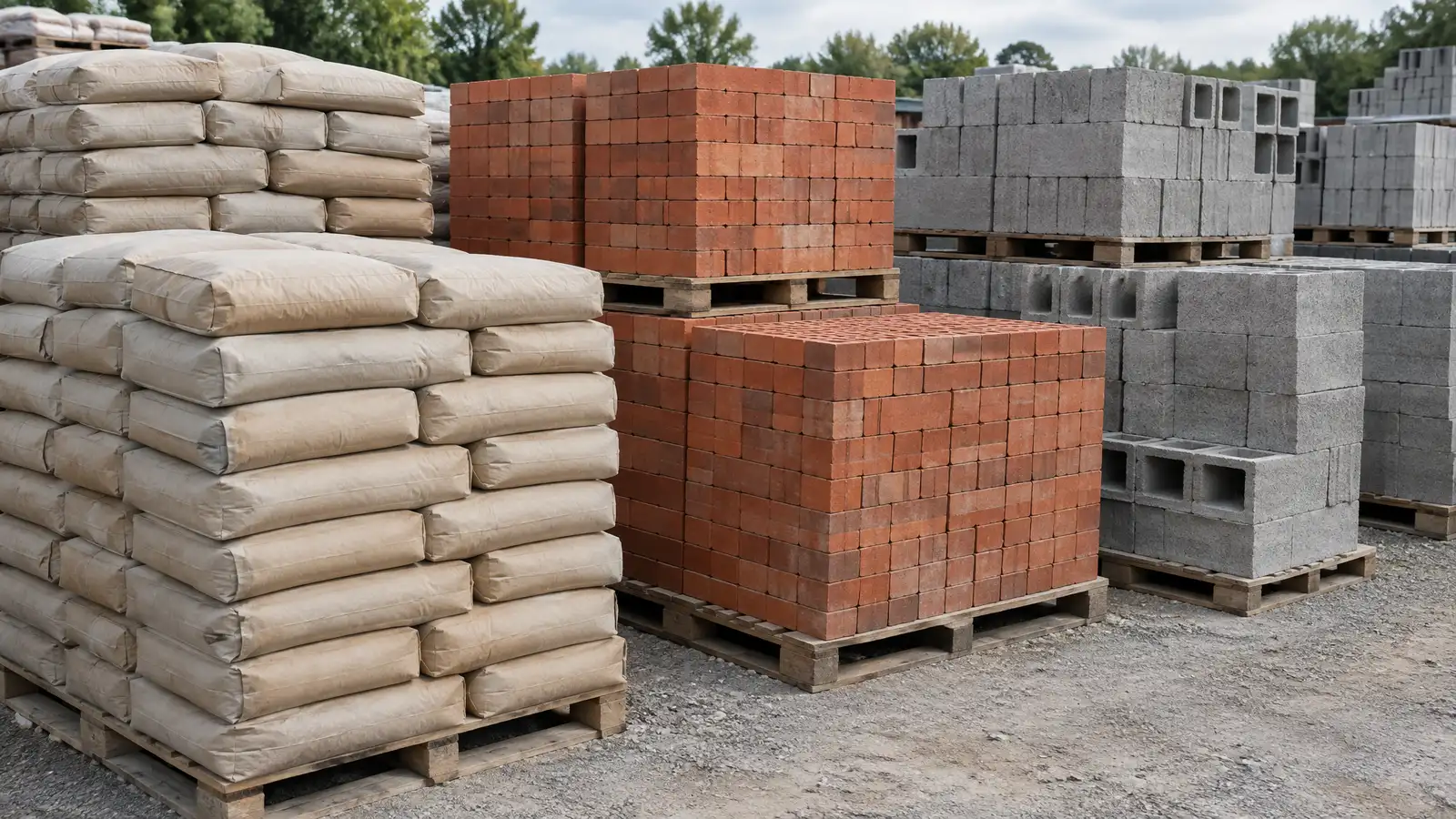 ResourceSimpson Strong-TieA maker of structural connectors, anchors and fasteners used in framing, concrete and masonry, with engineering resources.Learn more
Pick a foundation, waterproofing, drainage or concrete job, set the quantity and add extras to see a ballpark planning range. Placeholder values only.
You tell us what you see and where the property is. One call sets up a visit that fits your day.
A specialist walks the inside and outside, checks cracks, floors, moisture and drainage and takes measurements and photos.
You receive a plain written scope with the cause, the method, the location of each repair and the schedule before anything begins.
Utility marking is requested where digging is needed, access is protected and materials and any engineering are lined up.
Supports, drains, sealing or lifting are completed in a clear order, with photos and checks along the way.
The site is cleaned up, the work is explained on a walk-through and care and monitoring tips are shared.
Often yes, by repairing the mortar and block and adding reinforcement and drainage, depending on how far it has moved.
Water pressure, settlement, freeze and thaw and poor original construction are common causes.
Walls that have moved a lot or lost large pieces may be better rebuilt, and an engineer can guide that choice.
With reinforcement, grout-filled cores add strength, and your specialist explains when that makes sense.
Yes, including drainage which is often the key to a lasting repair.
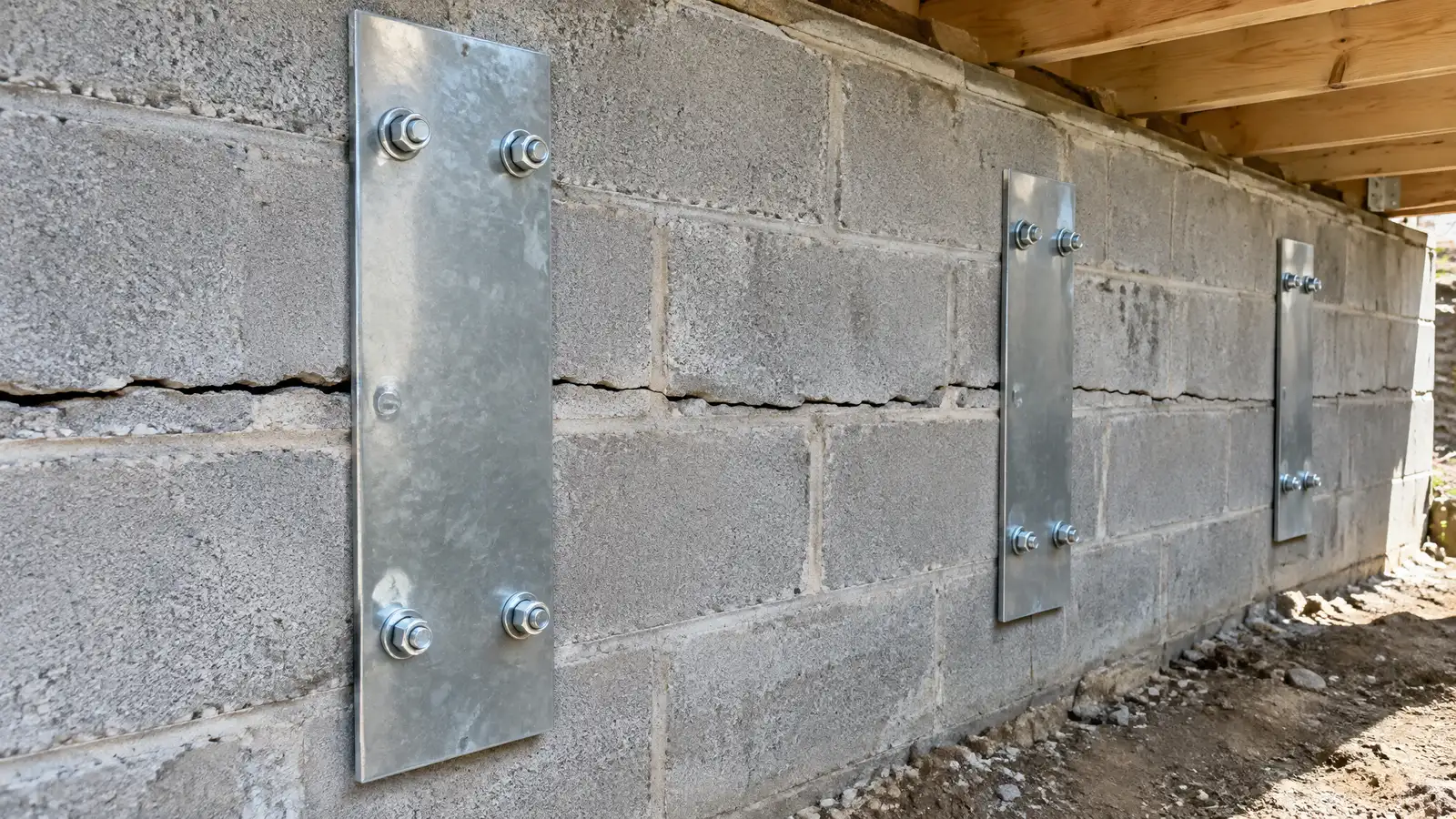 Block Foundation RepairRepairs for concrete block foundation walls with horizontal cracks, stair-step cracks, bowing or water seepage.Explore
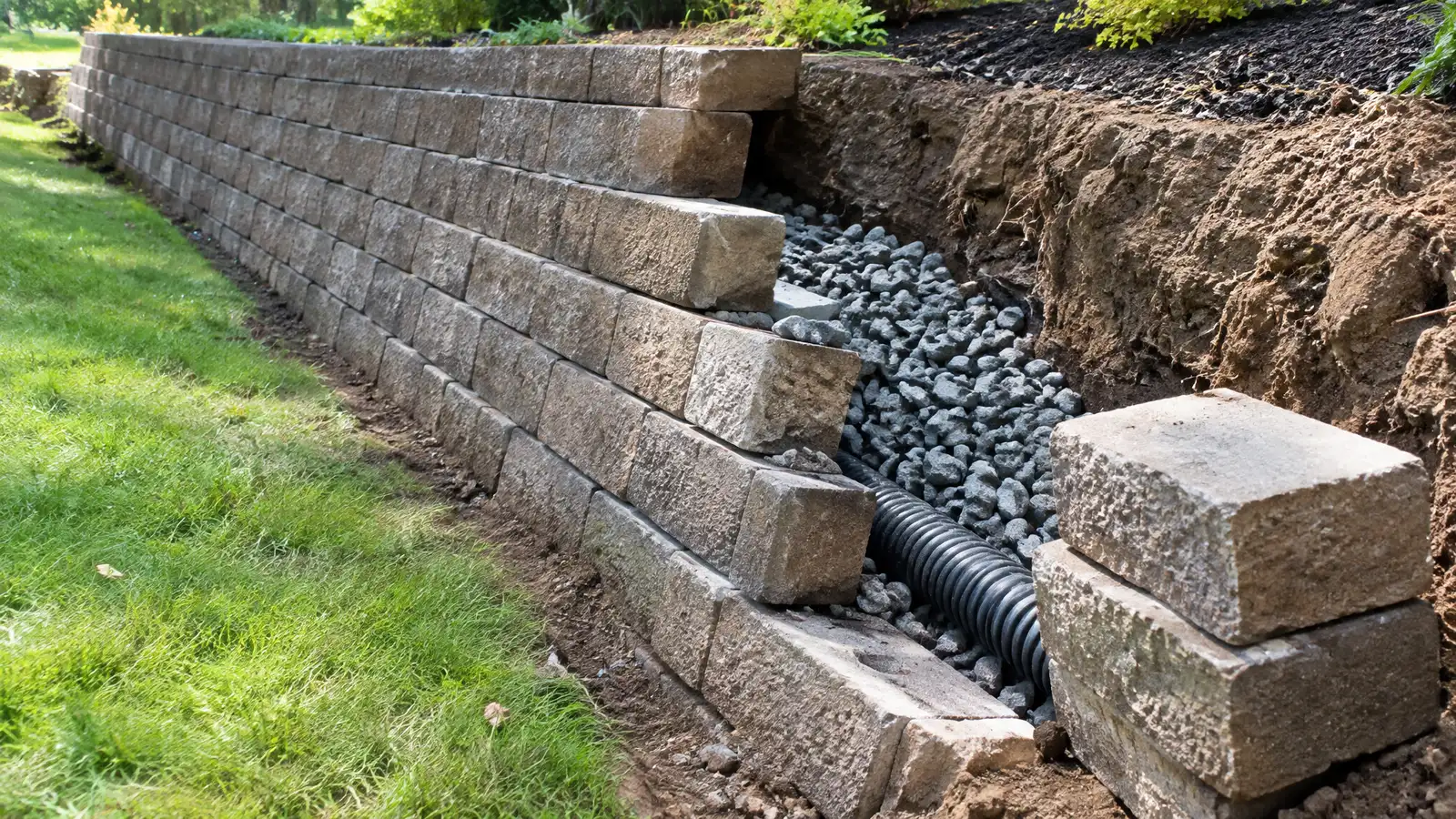 Retaining Wall RepairRepairing leaning, cracked or bulging retaining walls with drainage, reinforcement, resetting and rebuilding.Explore
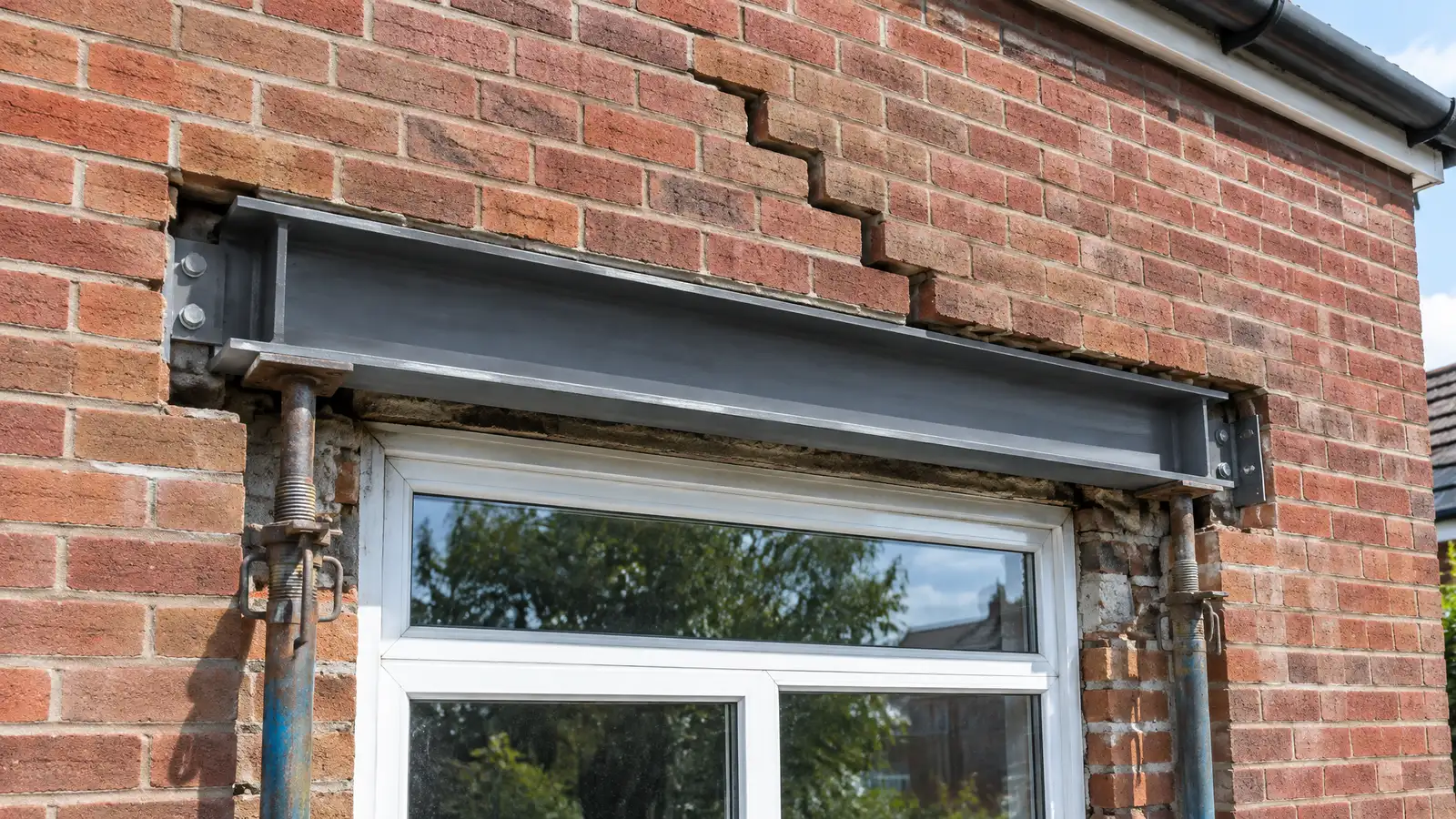 Stair-Step Crack and Lintel RepairRepairing stair-step cracks and failed lintels over doors and windows, after addressing the movement that caused them.Explore
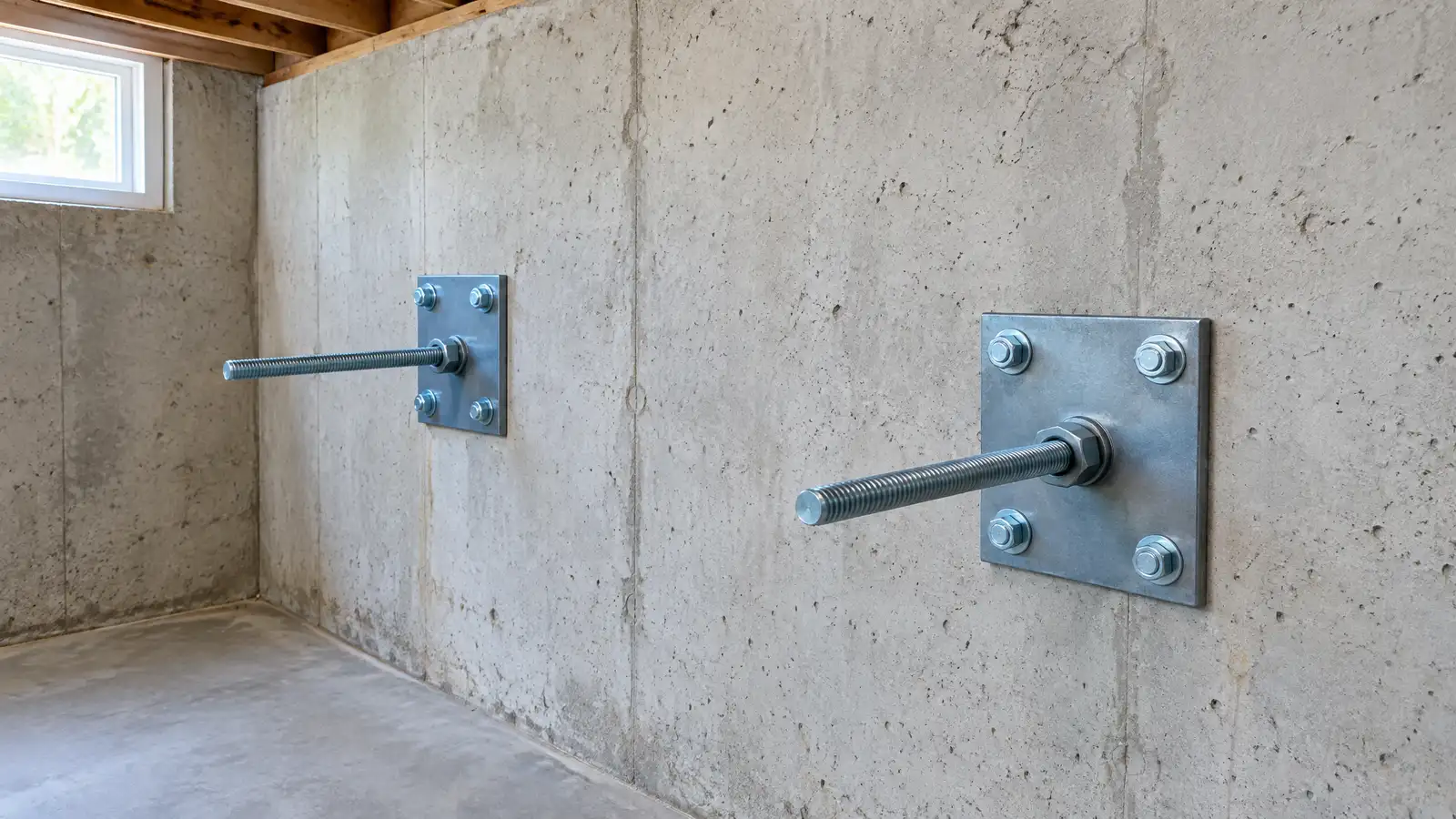 Wall Anchors and BracingSteel anchors and braces that hold basement and foundation walls steady, tied to stable soil or to the…Explore
Tell us about your property and one specialist will call you back to set up a visit.
Or call (615) 431-3789 to talk now.