Serving Nashville and Middle TennesseeFree Estimate
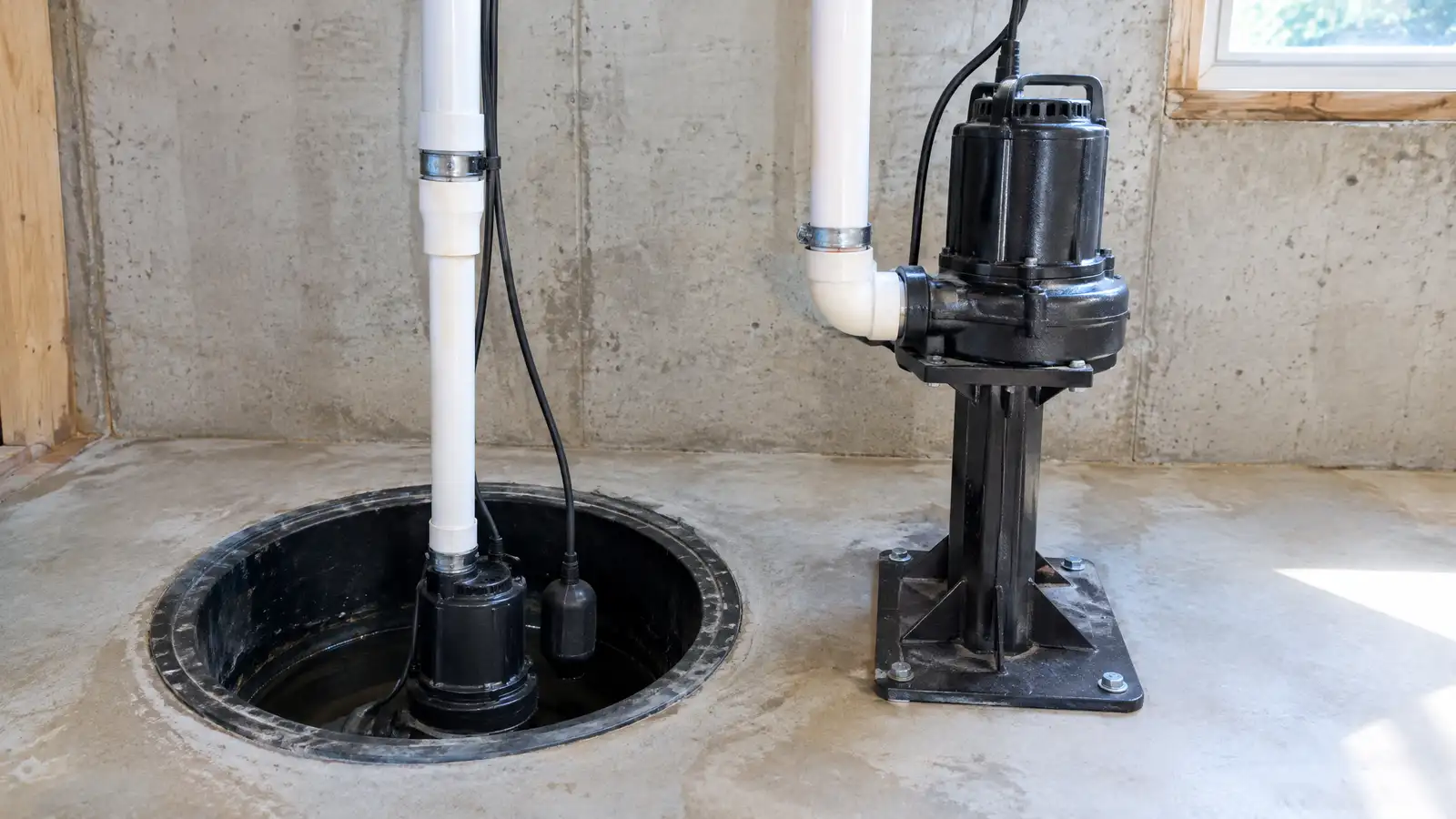
How submersible, pedestal, battery backup and water-powered sump pumps differ in cost, noise, lifespan and best use.
A sump pump sits in a pit and sends water out of the house, and the type you choose changes how well it works. Submersible pumps sit in the water, run quietly and handle heavy flow. Pedestal pumps sit above the pit on a stand, are easier to service and often last a long time. Battery backup pumps run when the power fails, and water-powered backups use water pressure from the house supply.
Most owners use a submersible main pump with a battery backup, since storms and outages often arrive together. Size, float switches, check valves and discharge lines matter as much as the type. A specialist can size a pump to the water you actually see and explain the care it needs, so it works when the next storm hits.
Sits in the pit, runs quietly and handles heavy flow.
Motor sits above the pit, easy to service and often long lived.
A second pump with its own battery for outages.
A backup that uses the home water supply, with some limits.
Flow and lift decide the right pump size.
Float switches and check valves help it work reliably.
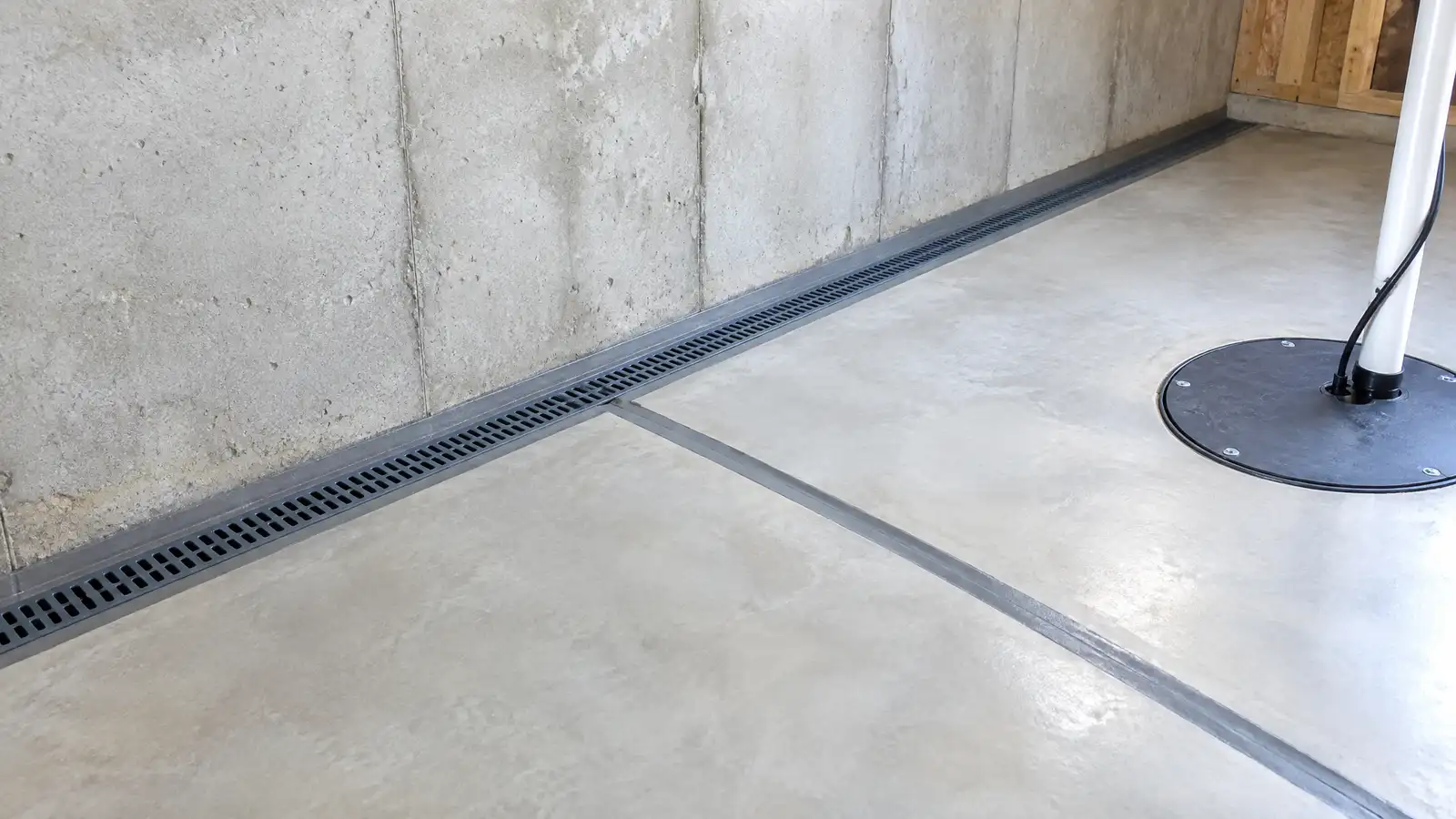 Basement WaterproofingA complete plan to keep water out of a basement, using drainage, pumps, sealing and exterior fixes matched…Explore
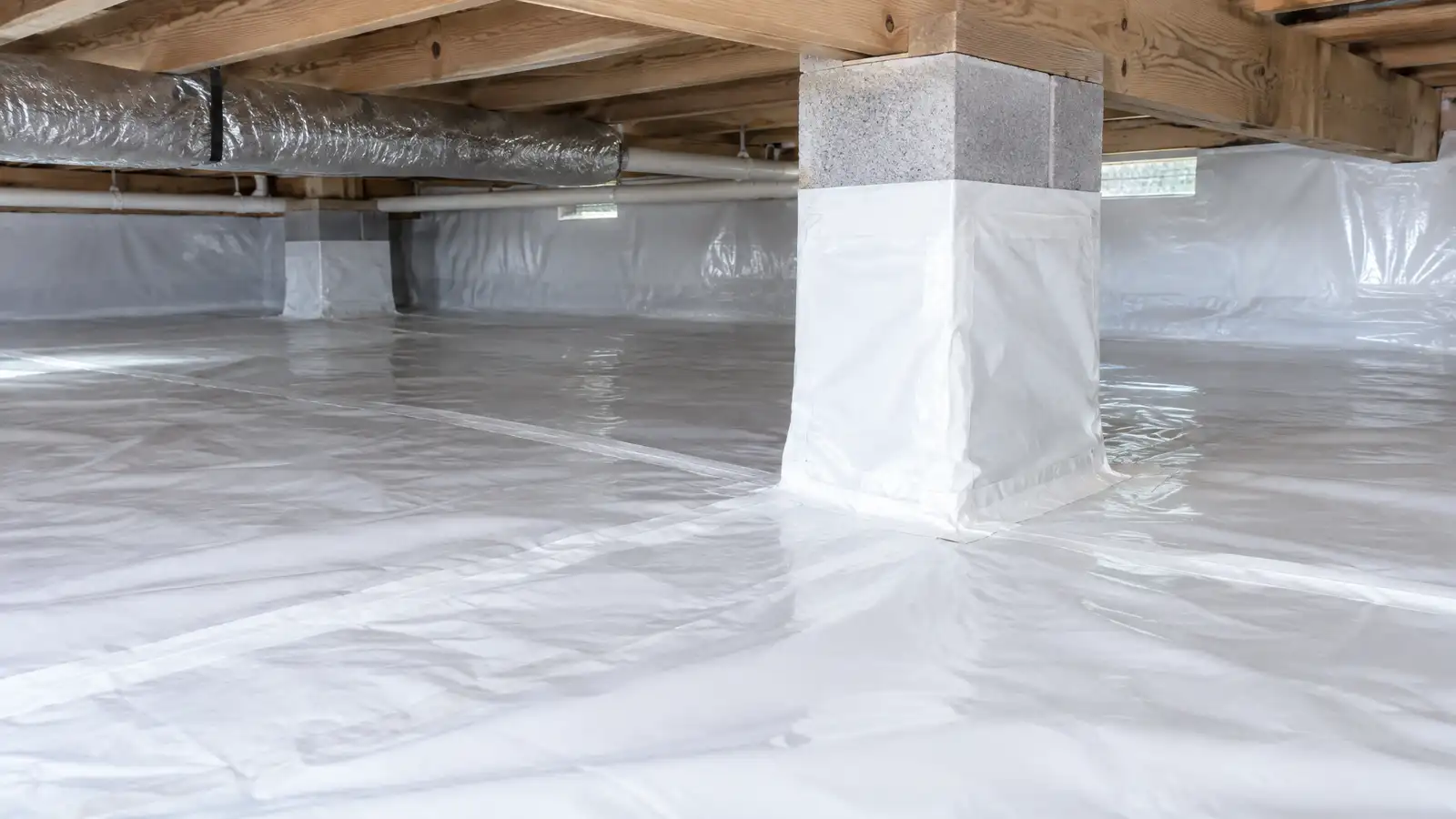 Crawl Space Vapor BarriersA tough plastic ground cover that blocks moisture rising from the soil, installed with sealed seams and clean…Explore
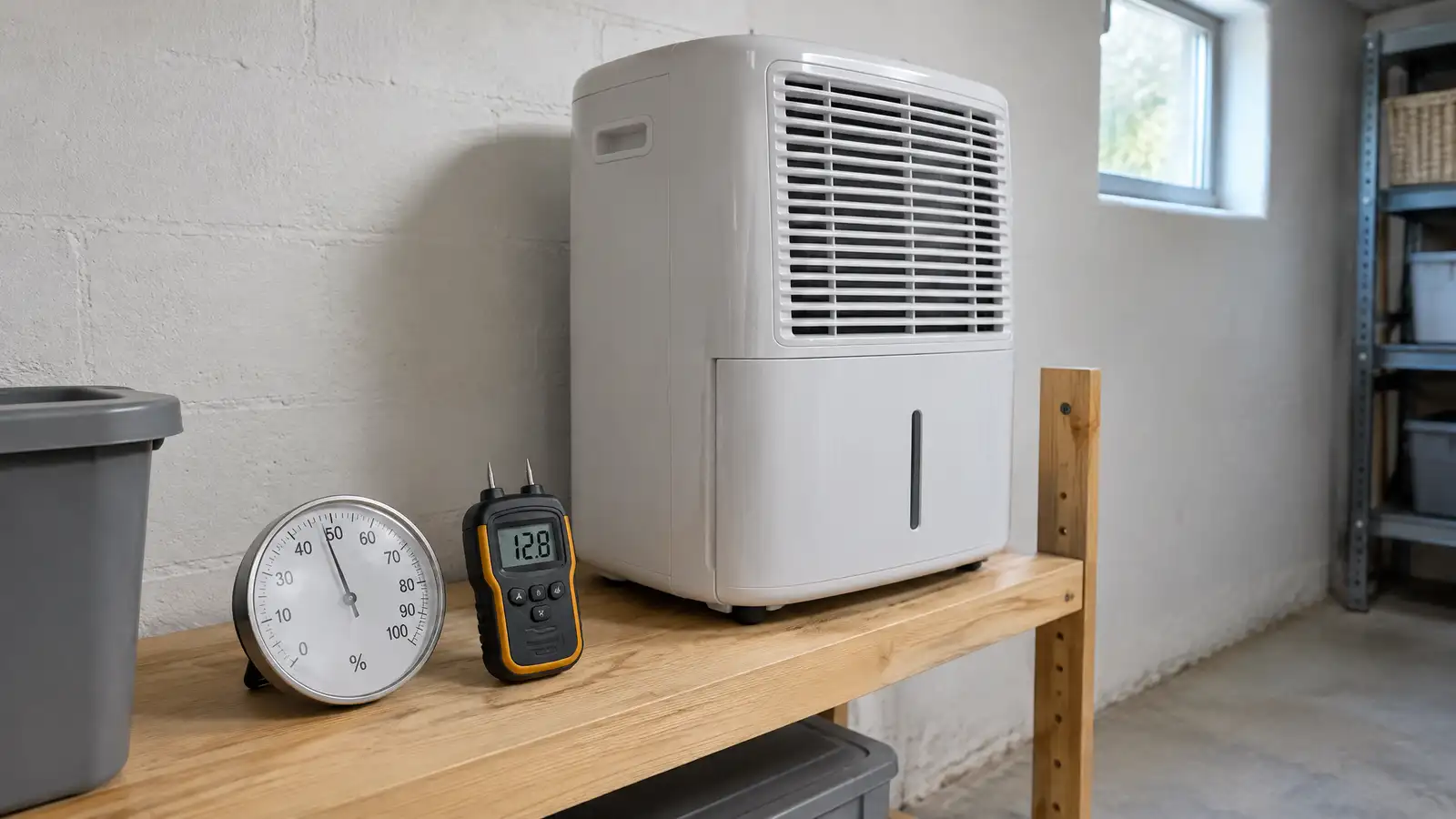 Moisture and Mold PreventionControlling water, humidity and airflow in basements and crawl spaces so mold has little to grow on.Explore
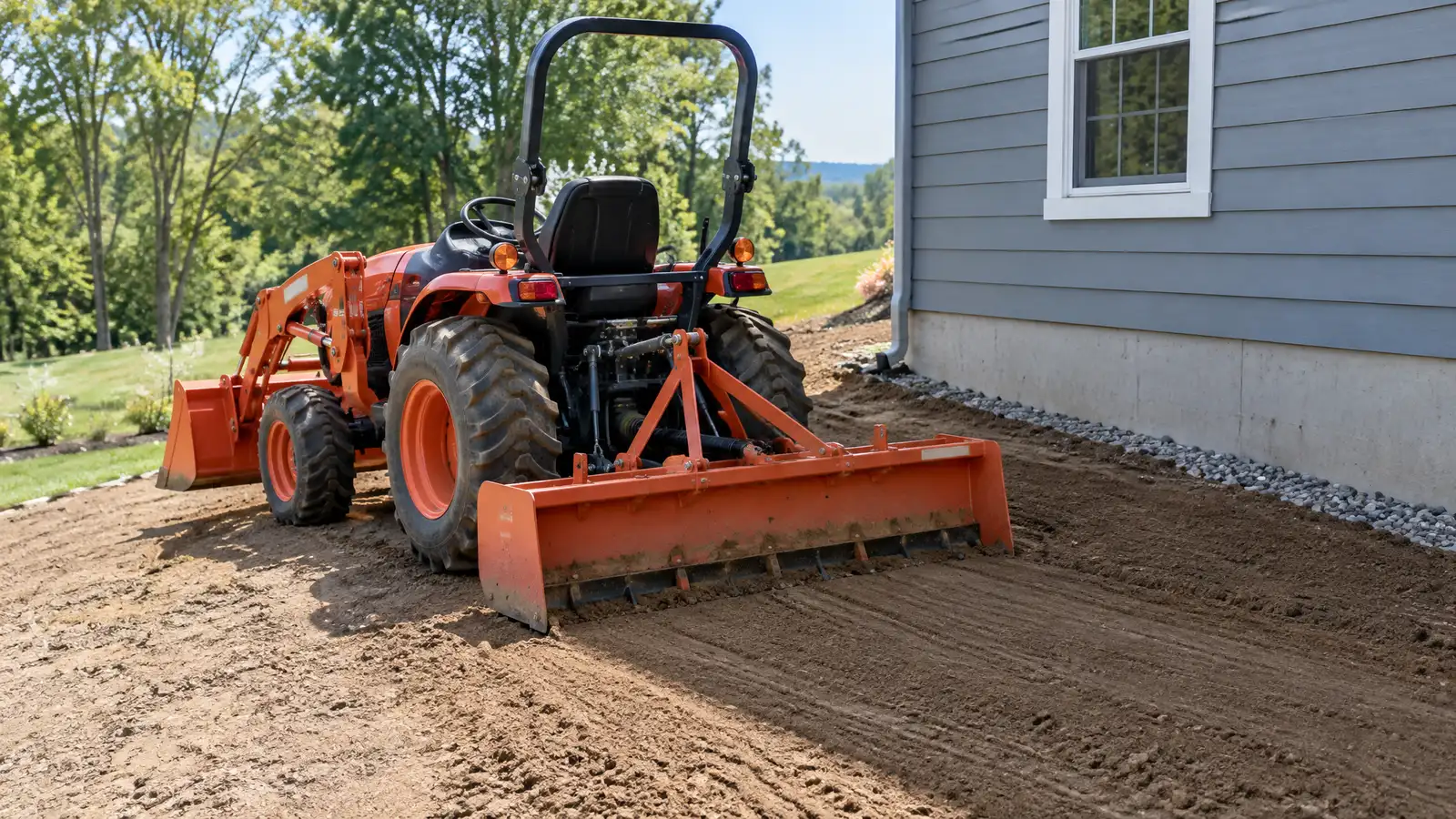 Lot Grading and RegradingReshaping soil so the ground slopes away from your house and rain flows toward a safe outlet.Explore
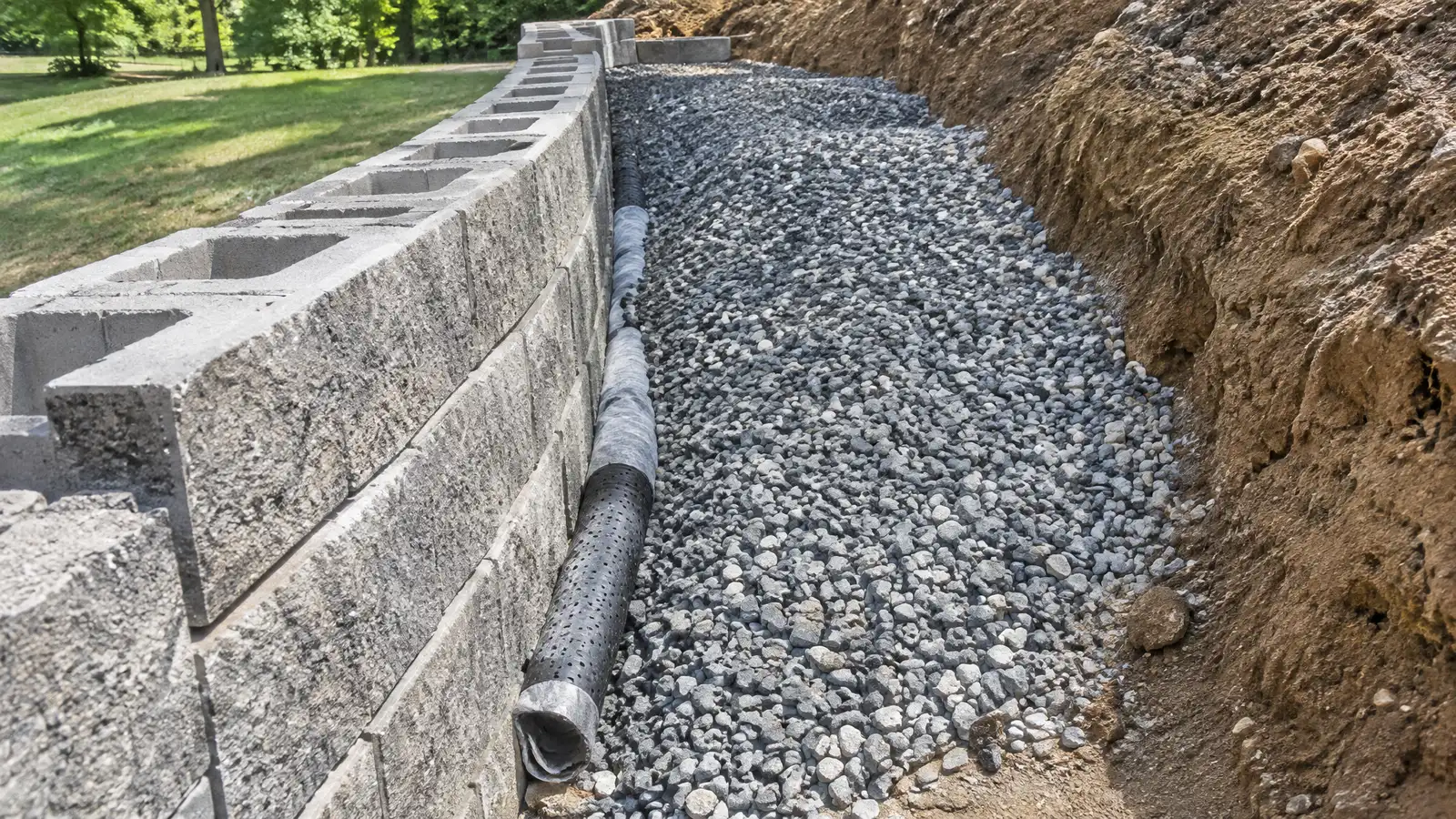 Retaining Wall DrainageDrains, gravel and outlets behind a retaining wall that relieve water pressure and keep the wall standing.Explore
Check a warning sign, size a job or ballpark a budget.
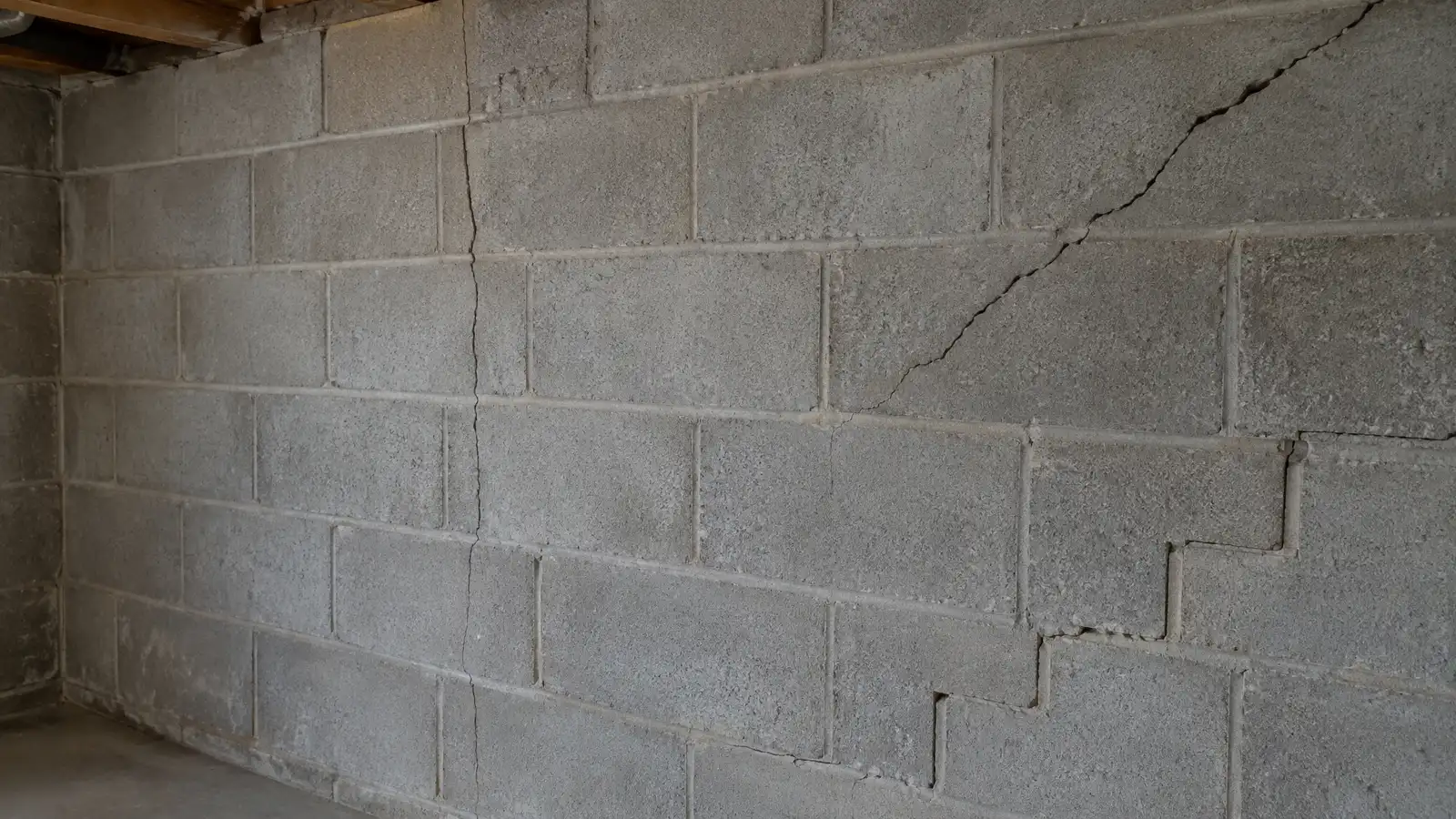 Foundation Problem Checker: What Is Wrong?Pick what you see in your walls, floors, basement, crawl space or concrete to get likely causes, what to try first and the service page that fits.Try it
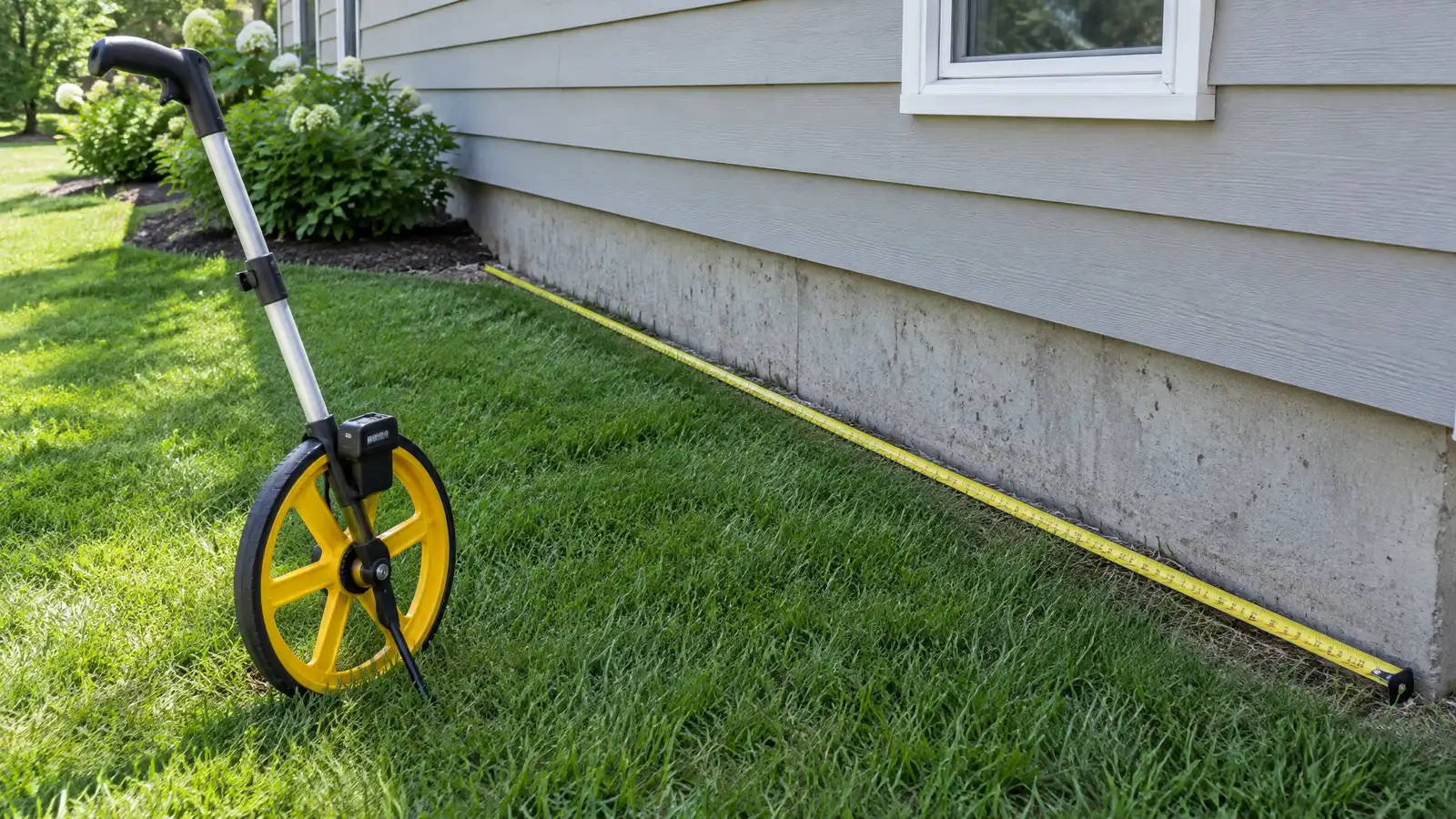 Foundation Job Size CalculatorEnter your measurements to see piers, crack length, drain footage, crawl space liner area and slab area to plan for.Try it
 Foundation Repair Budget PlannerPick a foundation, waterproofing, drainage or concrete job, set the quantity and add extras to see a ballpark planning range. Placeholder values only.Try it
A submersible main pump with a battery backup is a common combination.
Life varies with use and care, and testing a few times a year helps catch problems early.
Many owners add one because outages often happen during storms.
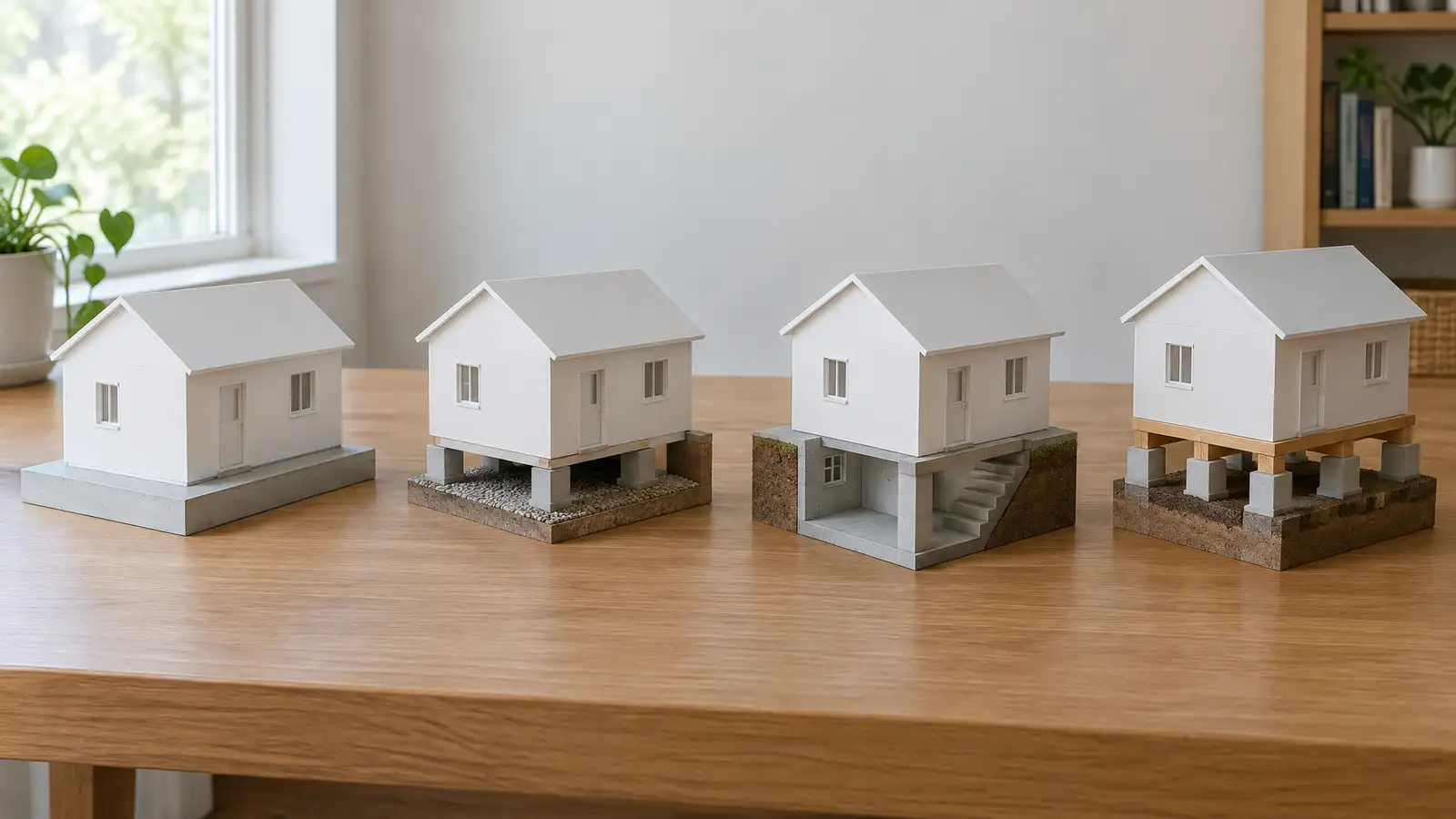 Comparison guideFoundation TypesHow slab-on-grade, crawl space, basement and pier and beam foundations differ in cost drivers, moisture, access, repair and…Learn more
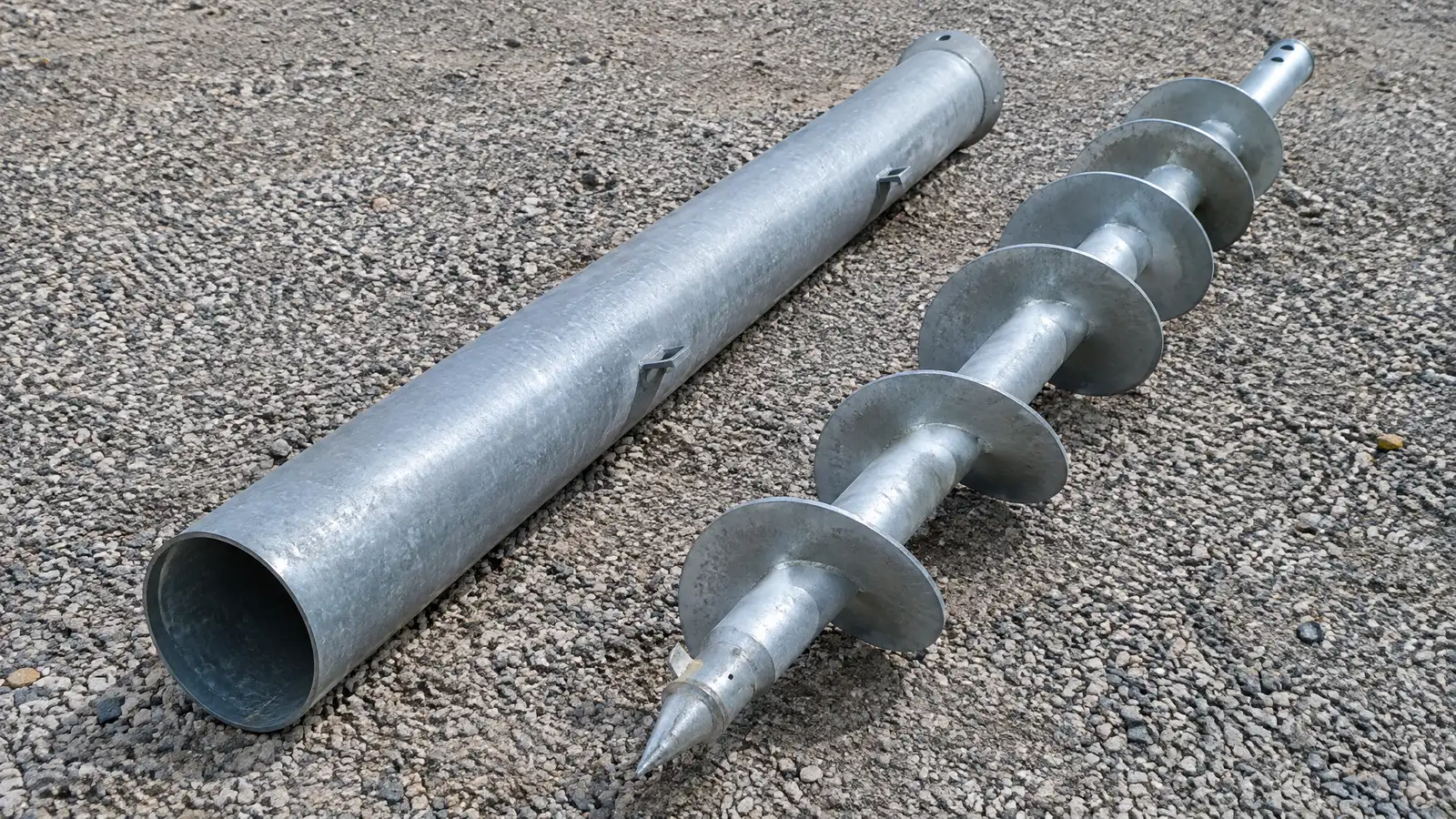 Comparison guidePush vs Helical PiersHow steel push piers and screw-in helical piers differ in how they are installed, what loads they suit…Learn more
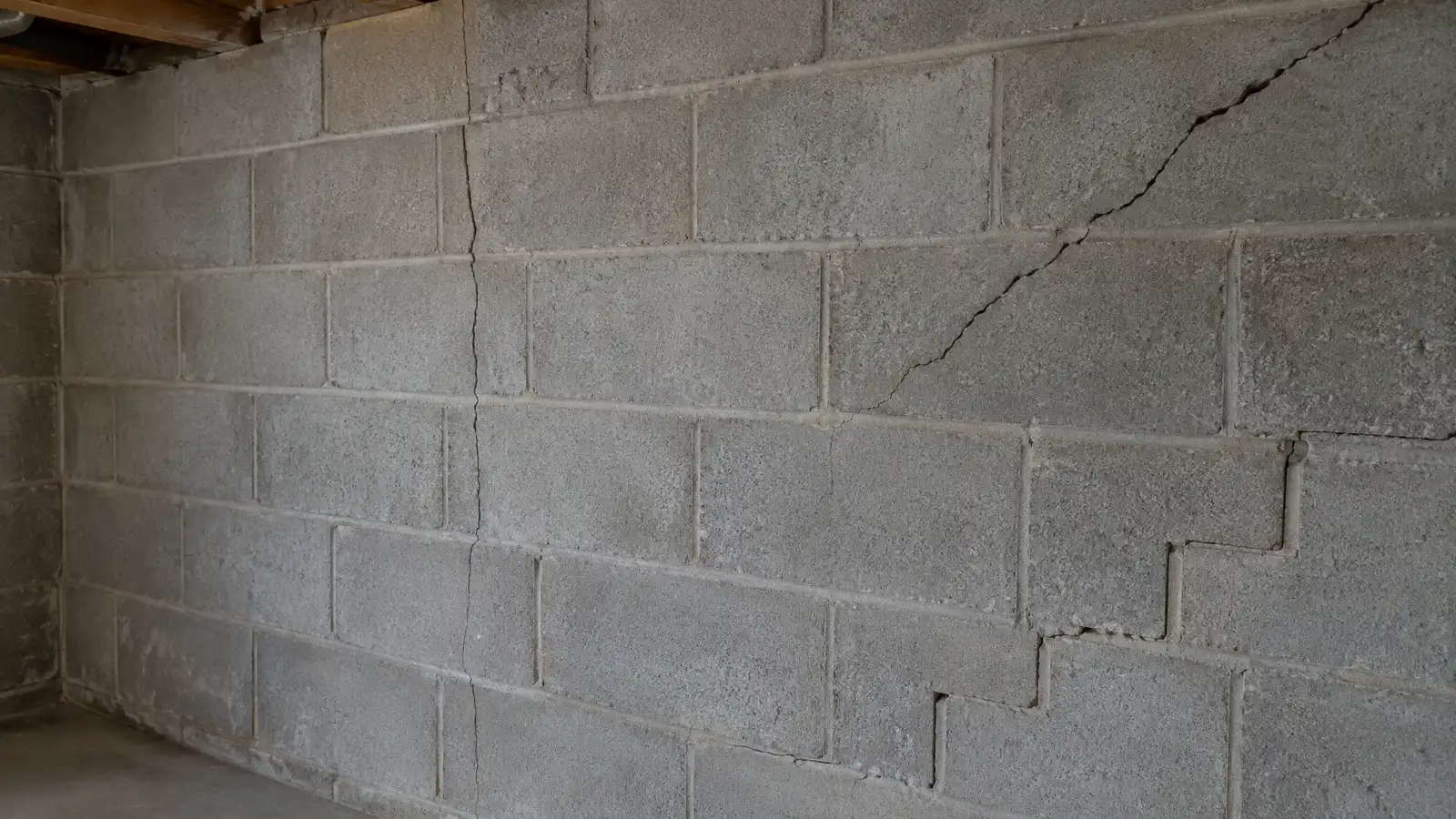 Comparison guideCrack TypesHow hairline, vertical, diagonal, stair-step and horizontal cracks differ in what they usually mean and what to do…Learn more
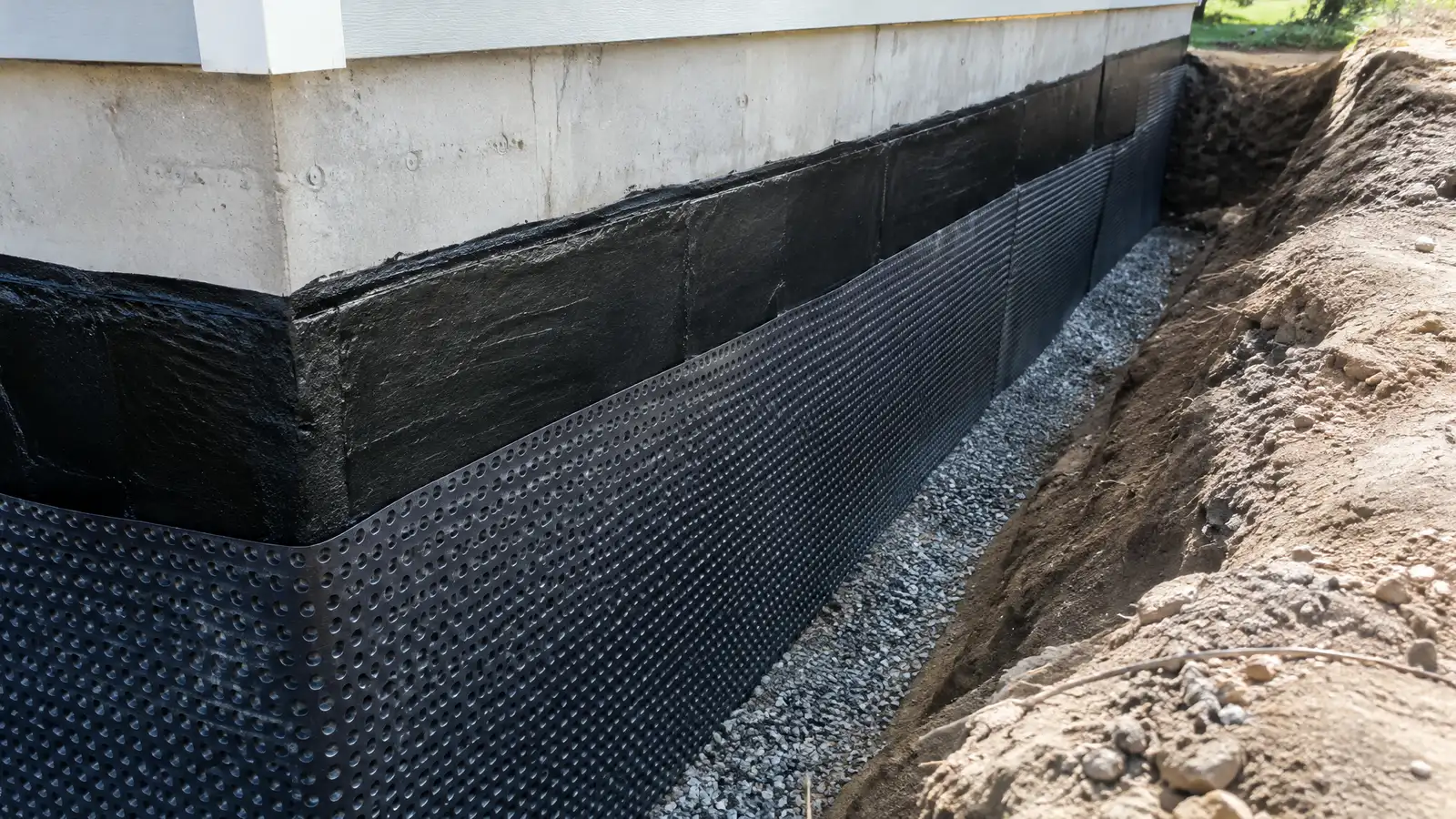 Comparison guideInterior vs Exterior WaterproofingHow interior drains and sump systems differ from exterior excavation and membranes in how they work, access needs…Learn more
Call and describe what you see. A specialist will look at the cause, talk through the options and give you a clear written estimate.