Serving Nashville and Middle TennesseeFree Estimate
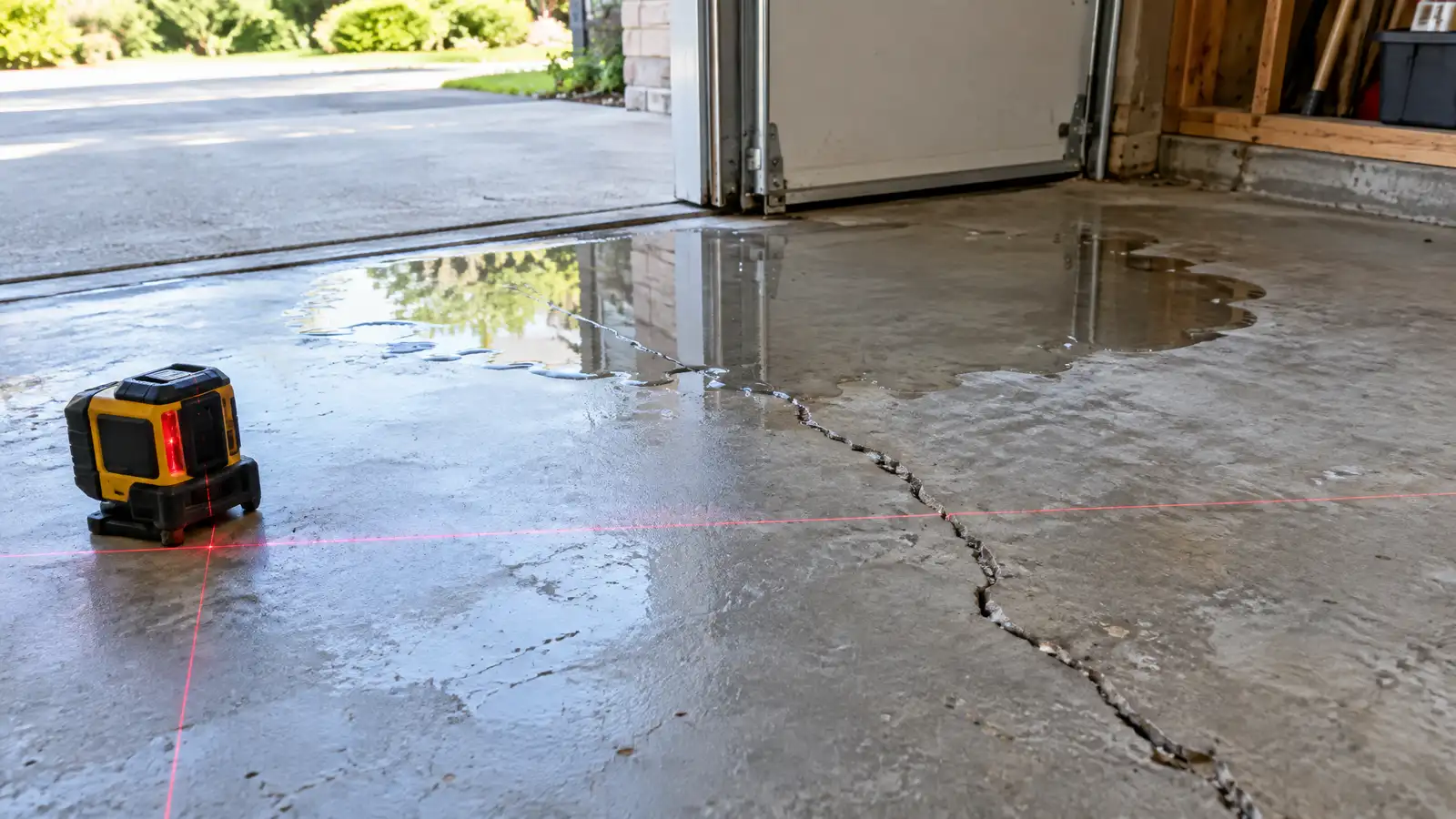
Repairs for garage slabs and footings that crack, tilt or sink, so doors close, floors drain and vehicles park level.
Garages carry heavy loads, take hard weather and often sit on thinner slabs than the house. A garage floor that cracks, slopes the wrong way or sinks near the door can leave puddles, jam an overhead door and invite water into the house. Nashville homeowners often find the first sign at the apron, where the slab meets the driveway.
Your specialist inspects the slab, footings, walls and door, checks drainage around the garage and maps floor heights. Repairs may include lifting the slab with foam or grout, installing piers, sealing cracks, filling voids and adjusting grading or drains. Door tracks and seals are checked after the work. The scope explains which fixes are needed now and which can wait for another season.
The thin floor and the walls that frame it can settle differently, so both are checked.
A garage door that binds or a floor that holds water often points to a slab that has moved.
Foam, grout or piers restore a garage floor depending on how far it has dropped and why.
Seals, thresholds and control joints are reviewed so water stays out and the floor drains as intended.
Drag the handle to compare.
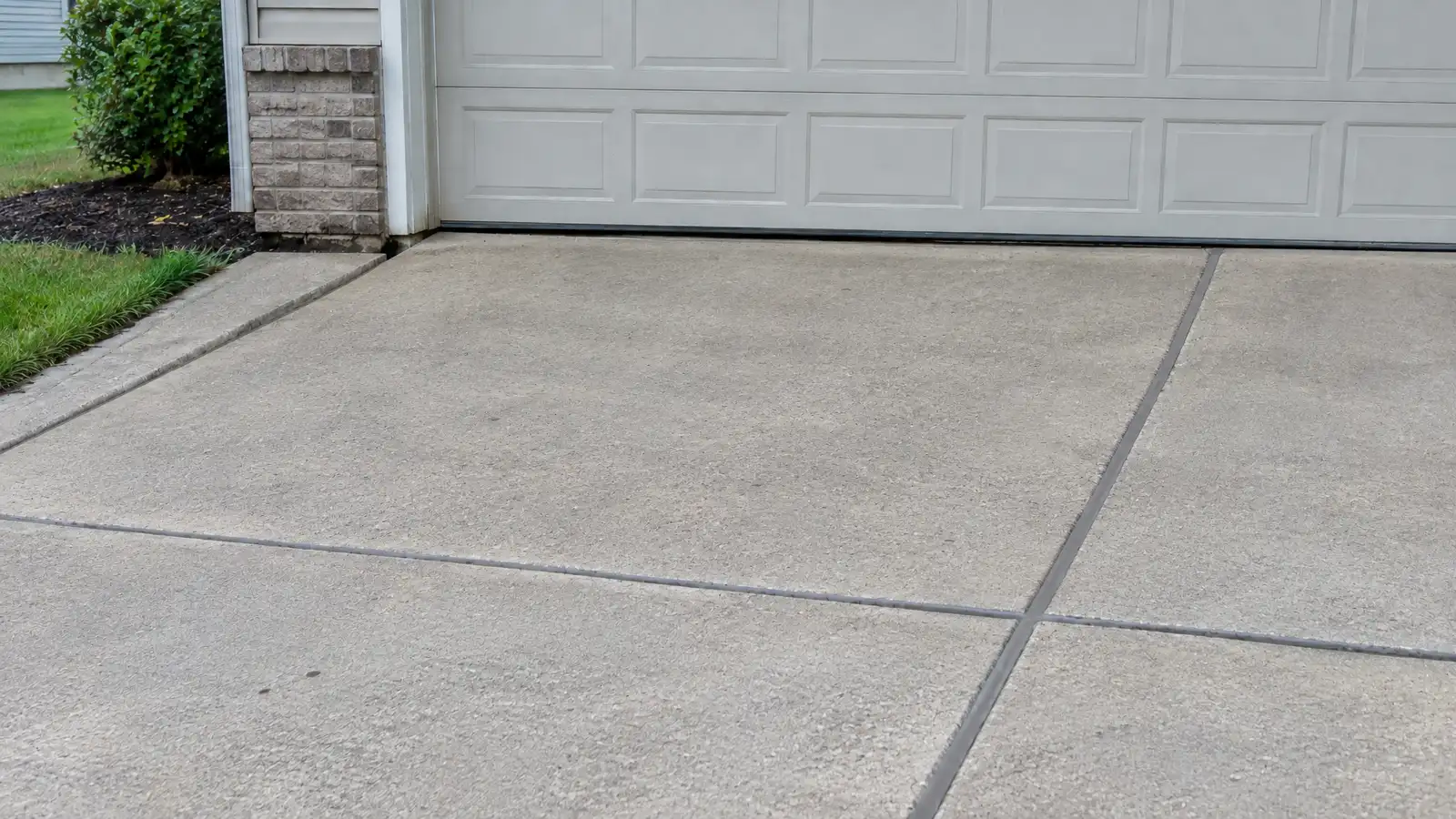
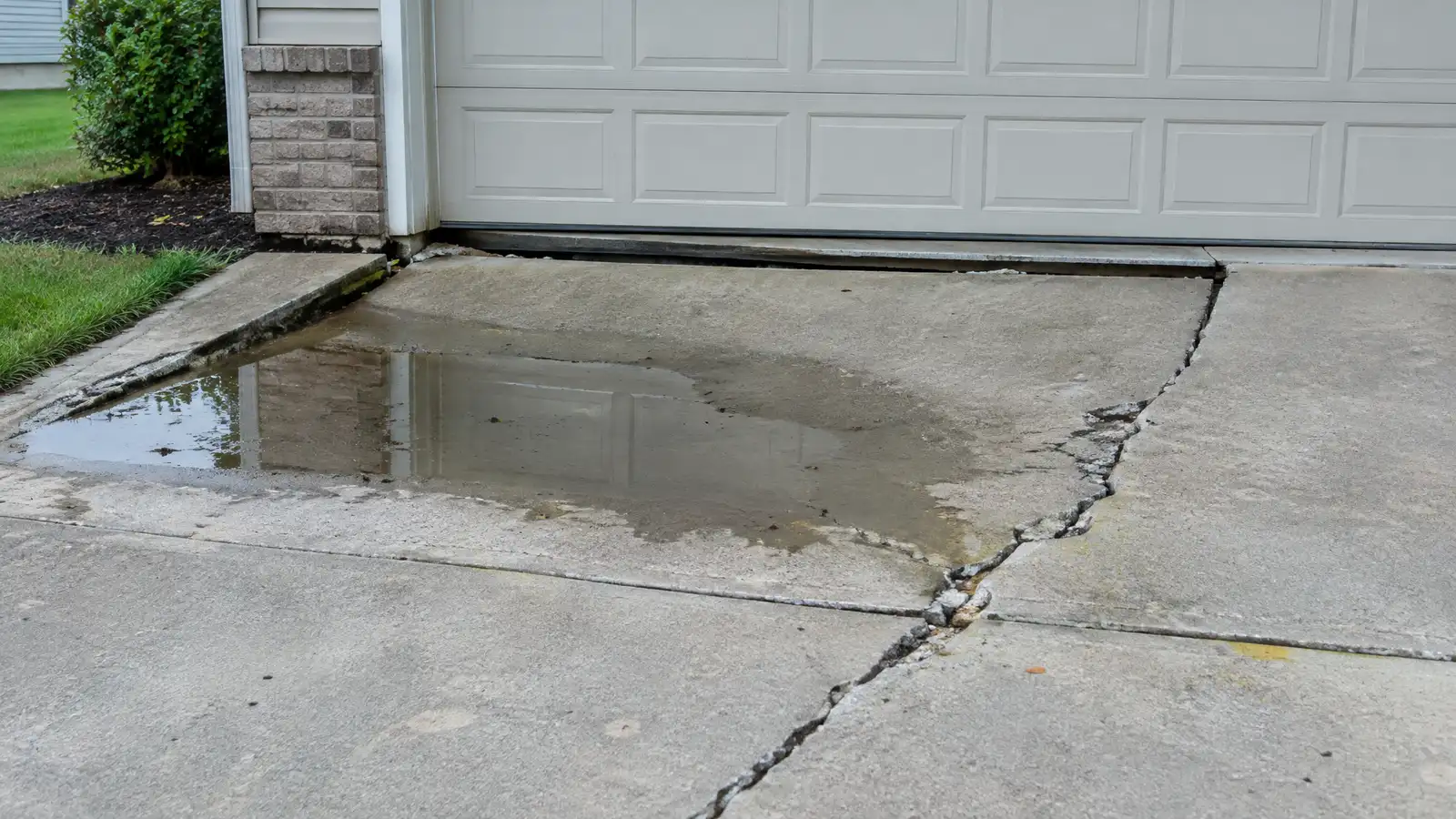 BeforeAfter
Slab, walls and door reviewed.
Heights and slopes recorded.
Foam, grout or piers.
Slab brought toward level.
Cracks and joints treated.
Operation and seals checked.
Every topic has its own page with what to expect and how we approach it.
 ResourceASCEA professional society for civil engineers that publishes standards, research and public information on structures, soils and infrastructure.Learn more
 ResourceSimpson Strong-TieA maker of structural connectors, anchors and fasteners used in framing, concrete and masonry, with engineering resources.Learn more ResourceSikaA global maker of construction chemicals, including crack injection resins, waterproofing and concrete repair materials.Learn more
Pick what you see in your walls, floors, basement, crawl space or concrete to get likely causes, what to try first and the service page that fits.
You tell us what you see and where the property is. One call sets up a visit that fits your day.
A specialist walks the inside and outside, checks cracks, floors, moisture and drainage and takes measurements and photos.
You receive a plain written scope with the cause, the method, the location of each repair and the schedule before anything begins.
Utility marking is requested where digging is needed, access is protected and materials and any engineering are lined up.
Supports, drains, sealing or lifting are completed in a clear order, with photos and checks along the way.
The site is cleaned up, the work is explained on a walk-through and care and monitoring tips are shared.
Poor compaction, washed-out soil, drainage problems and heavy loads can all let a garage slab drop.
Often yes, using foam or grout from small holes, which is quick and tidy.
Restoring the slab often helps, and the door and tracks are checked as part of the visit.
Yes. Standing water can seep under walls and into the house, so slope and sealing matter.
Lifting suits slabs that are sound but sunken, and replacement suits slabs that are badly broken.
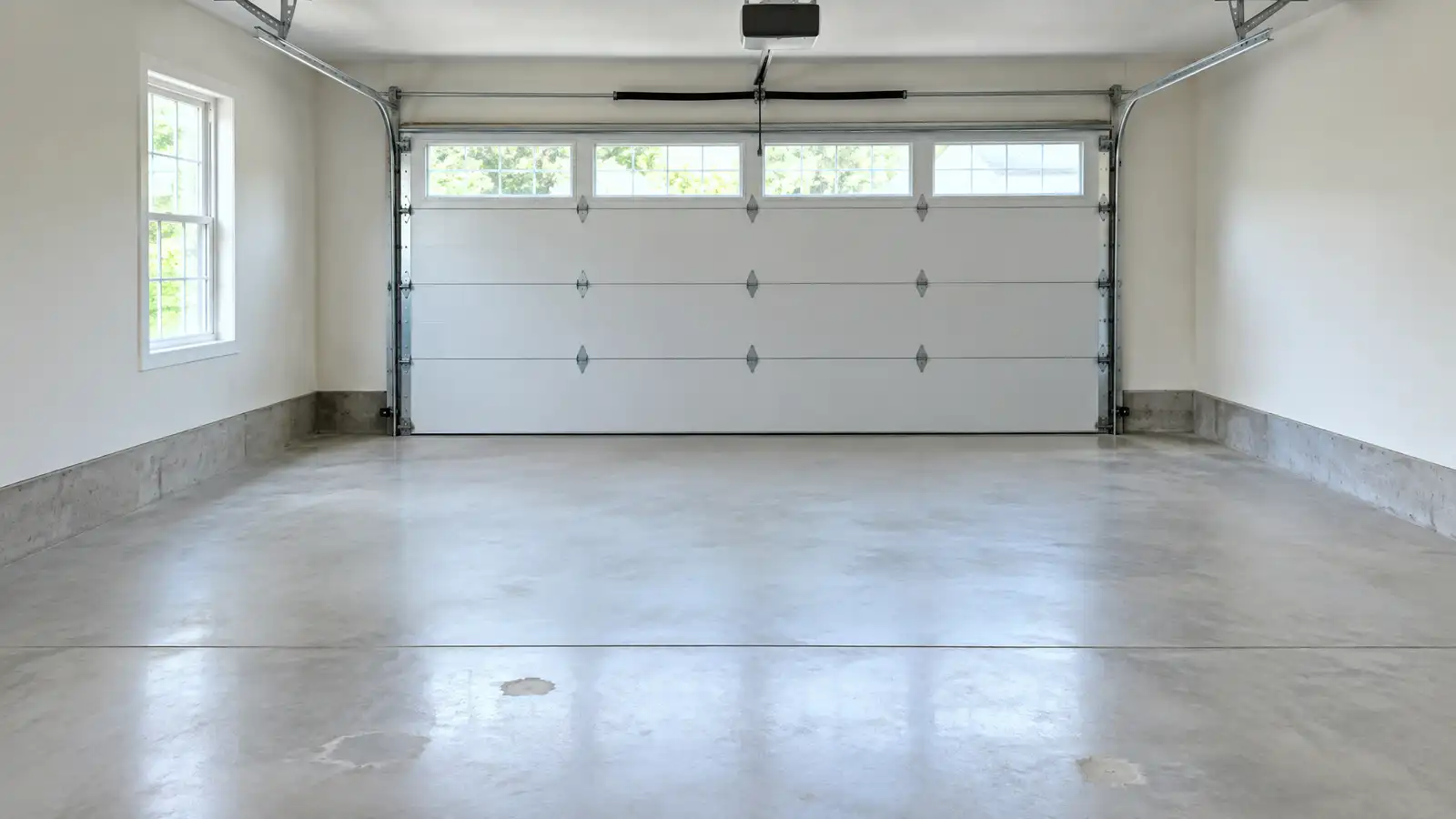 Garage Floor LevelingRaising sunken garage floors and aprons so they drain, meet the door and give vehicles a level place…Explore
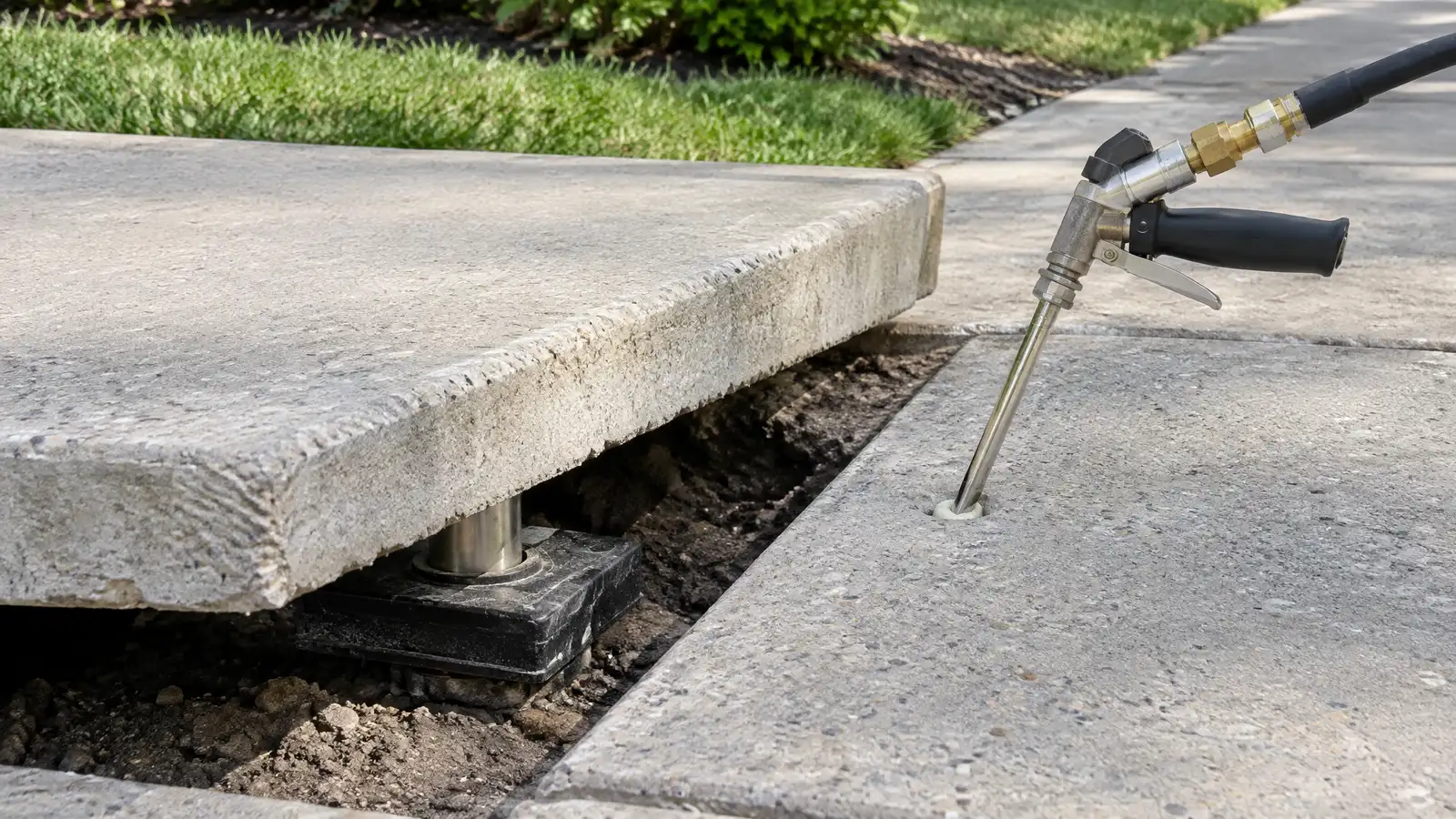 Polyurethane Foam Concrete LiftingLightweight expanding foam injected under sunken concrete to fill voids, lift the slab and stabilize it with minimal…Explore
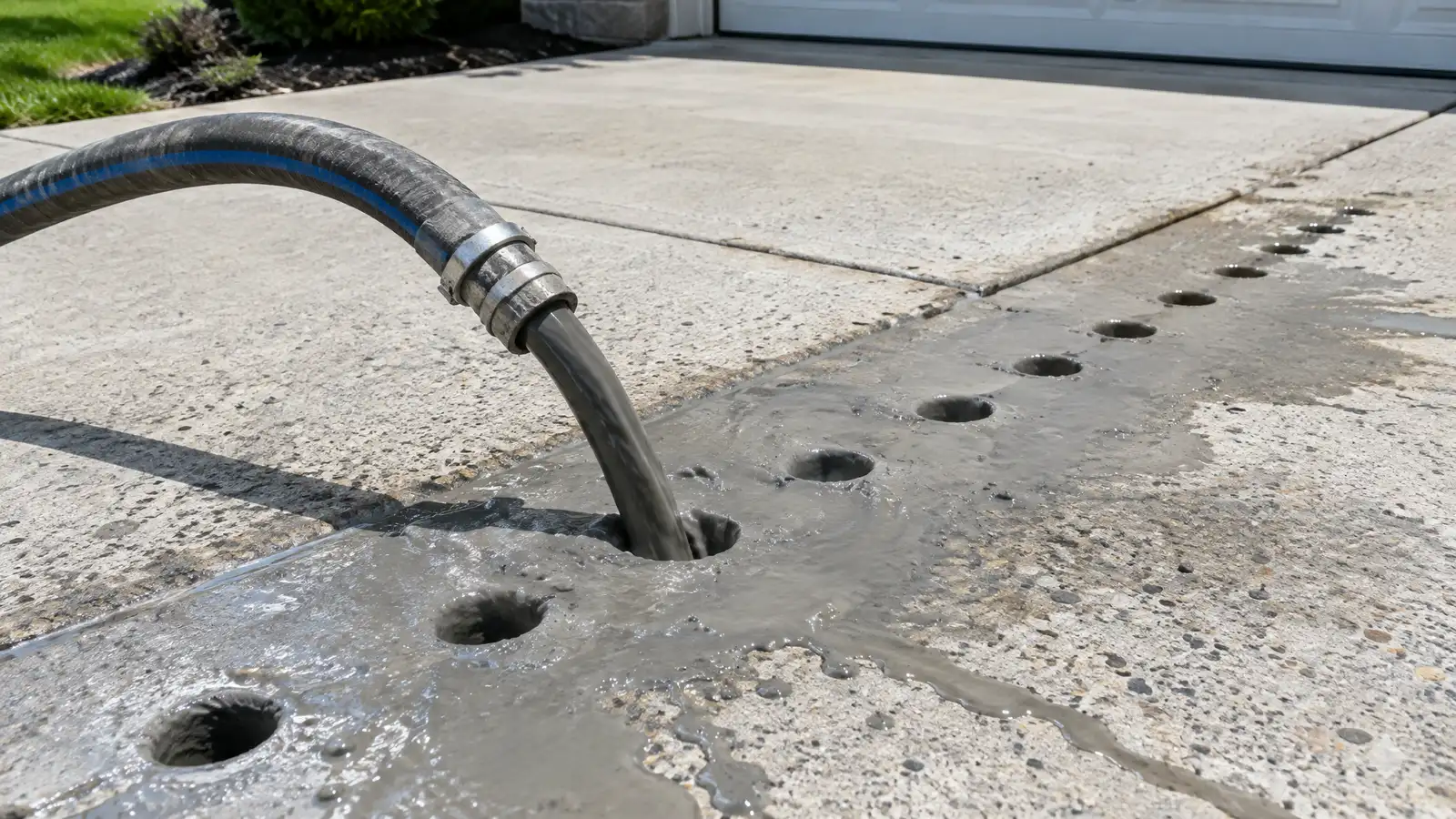 Slabjacking and MudjackingLifting sunken concrete slabs by pumping a cement-based slurry through small holes to fill voids and raise the…Explore
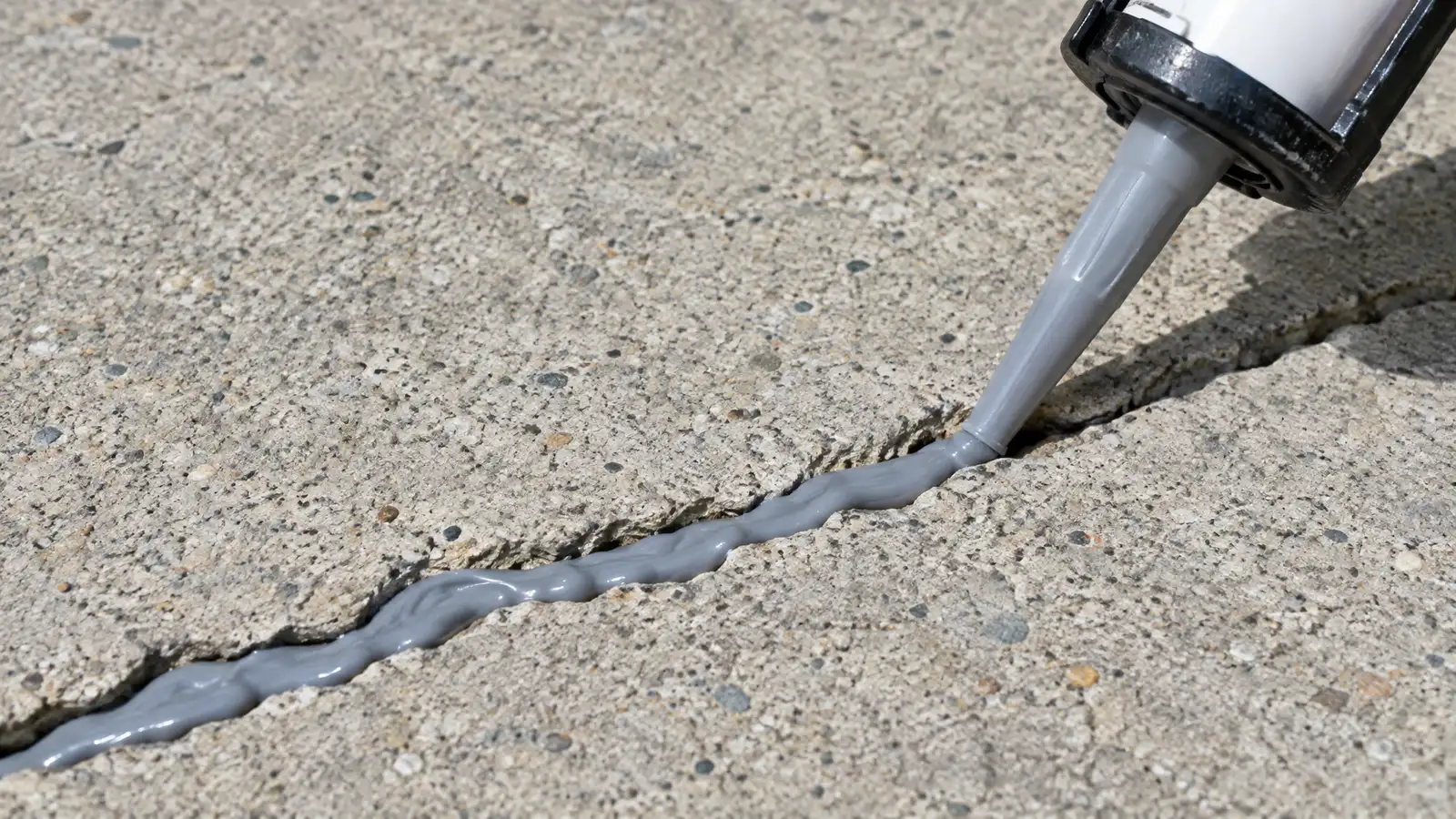 Concrete Crack RepairSealing and filling cracks in driveways, slabs, floors and walls with products matched to the crack and the…Explore
Tell us about your property and one specialist will call you back to set up a visit.
Or call (615) 431-3789 to talk now.