Start outside
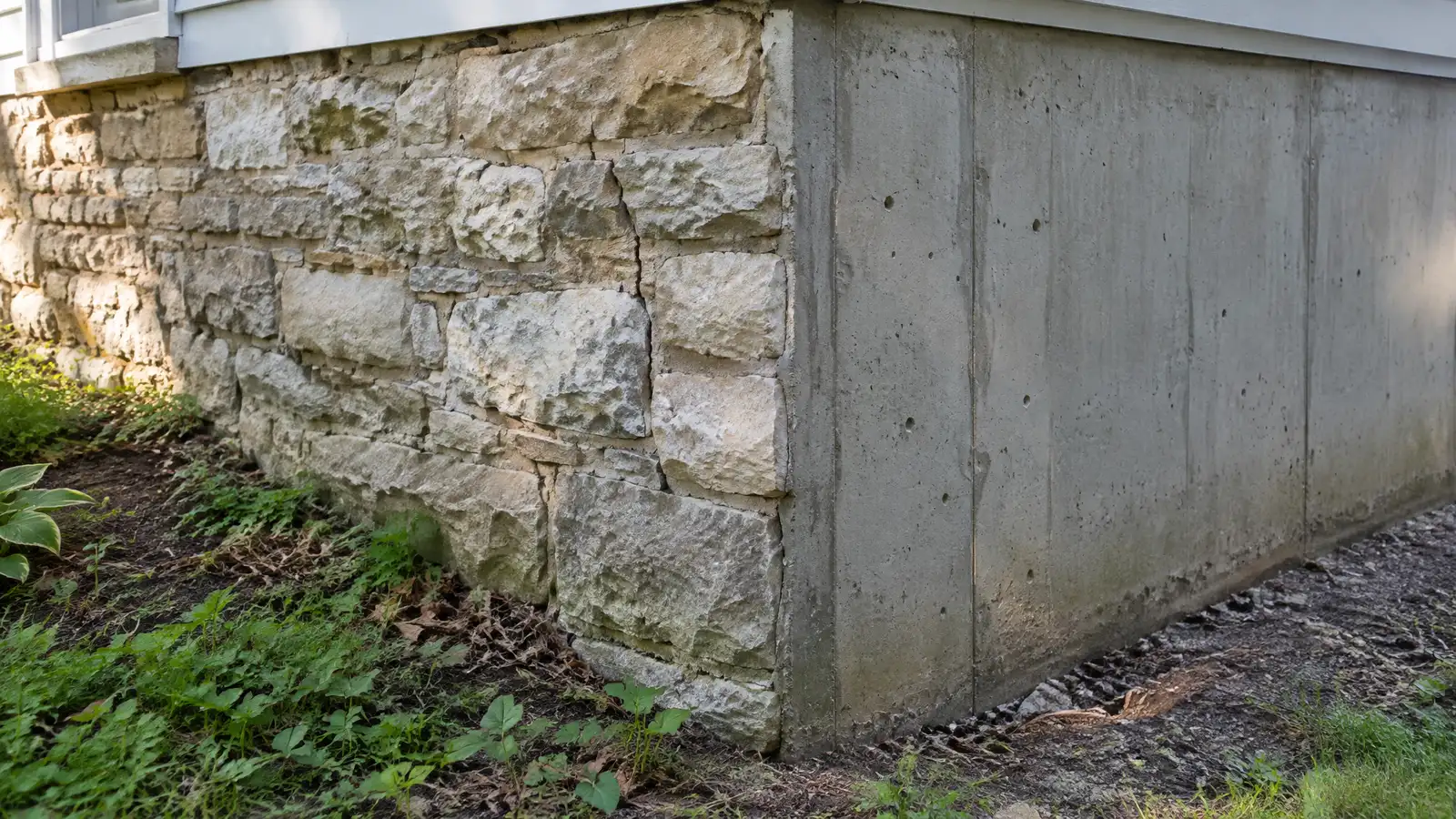
Walk around the house and look at the brick, siding and the line where the foundation meets the soil. Stair-step cracks in brick, gaps between the chimney and the wall, a porch pulling away and soil washed out beside the foundation are all worth noting.
Look at the ground too. Water pooling near the house, downspouts that dump beside the wall and bare soil that slopes toward the foundation set up trouble even when nothing has cracked yet.
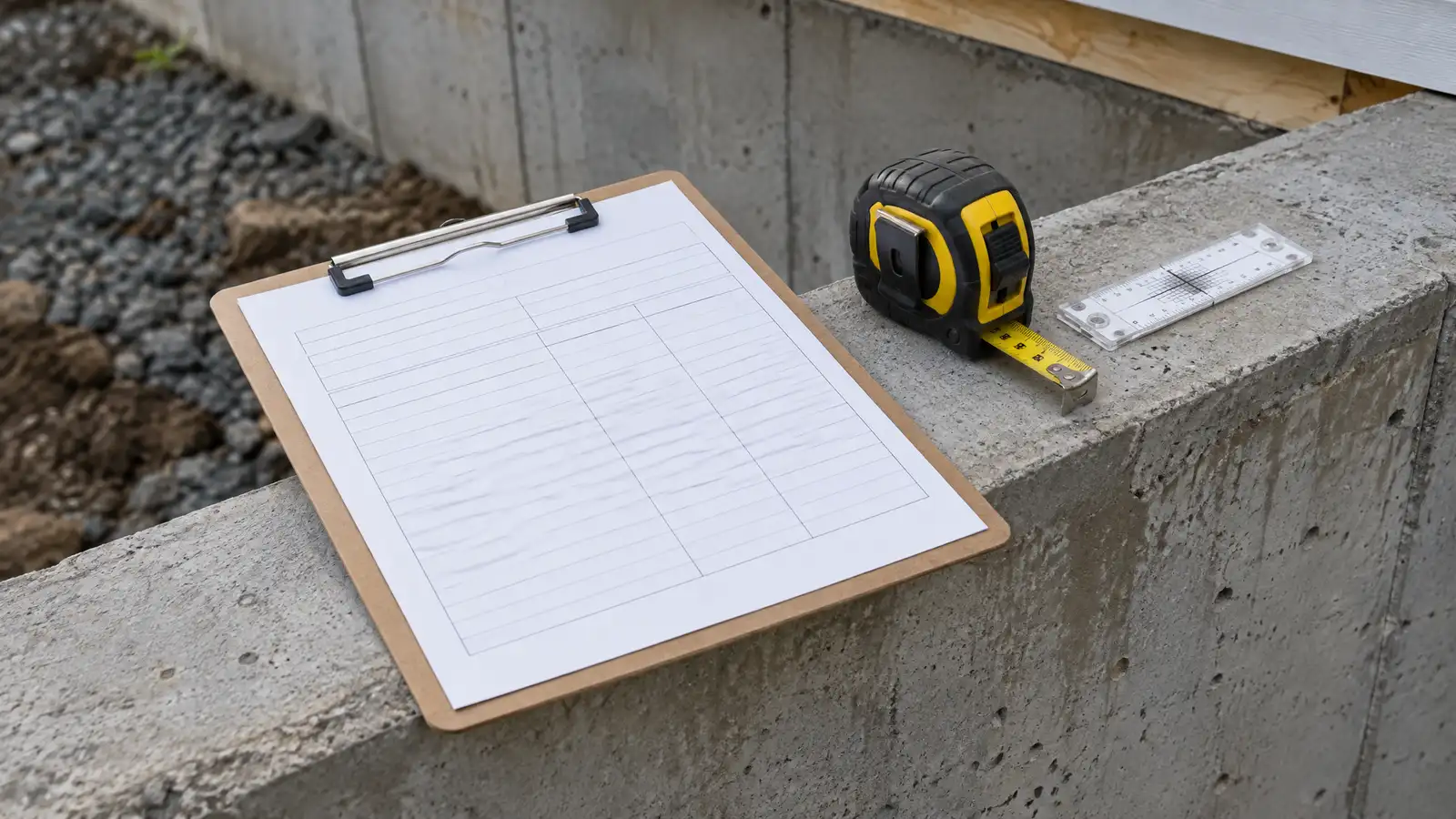
Take dated photos so you can compare later.
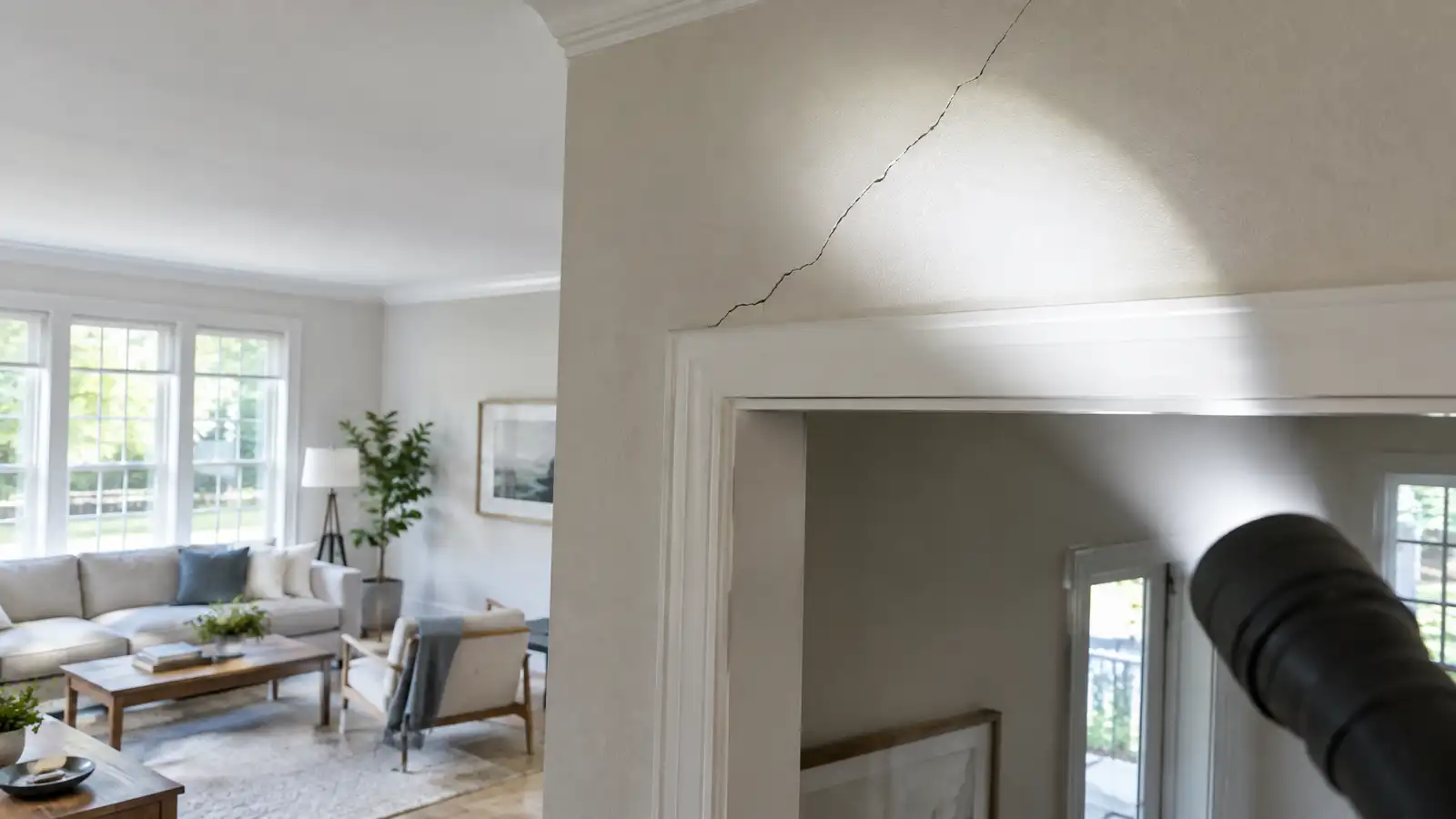
A quick tip: check the same places each season with a flashlight and a notepad. Note the date, the weather and what you see, and over a year you will have a clear picture of what is normal for your house.
Check the doors and windows
Doors that stick, windows that will not open and gaps that appear around frames can mean the walls have shifted. Seasonal changes can cause minor sticking, so notice whether the change is new, growing or limited to one area.
Gaps between trim and walls, between cabinets and walls or between a door and its frame can all show movement, especially when they appear together.
A level or a marble on the floor shows slope in a way your eyes may miss.
If you have recently had a plumbing repair, new landscaping or a nearby build, mention it. Those events often explain why doors started to stick or soil dropped beside a wall.
Look at the floors and walls
Floors that slope, bounce or feel soft deserve attention, and so do cracks that run across ceilings and walls, especially at the corners of doors and windows.
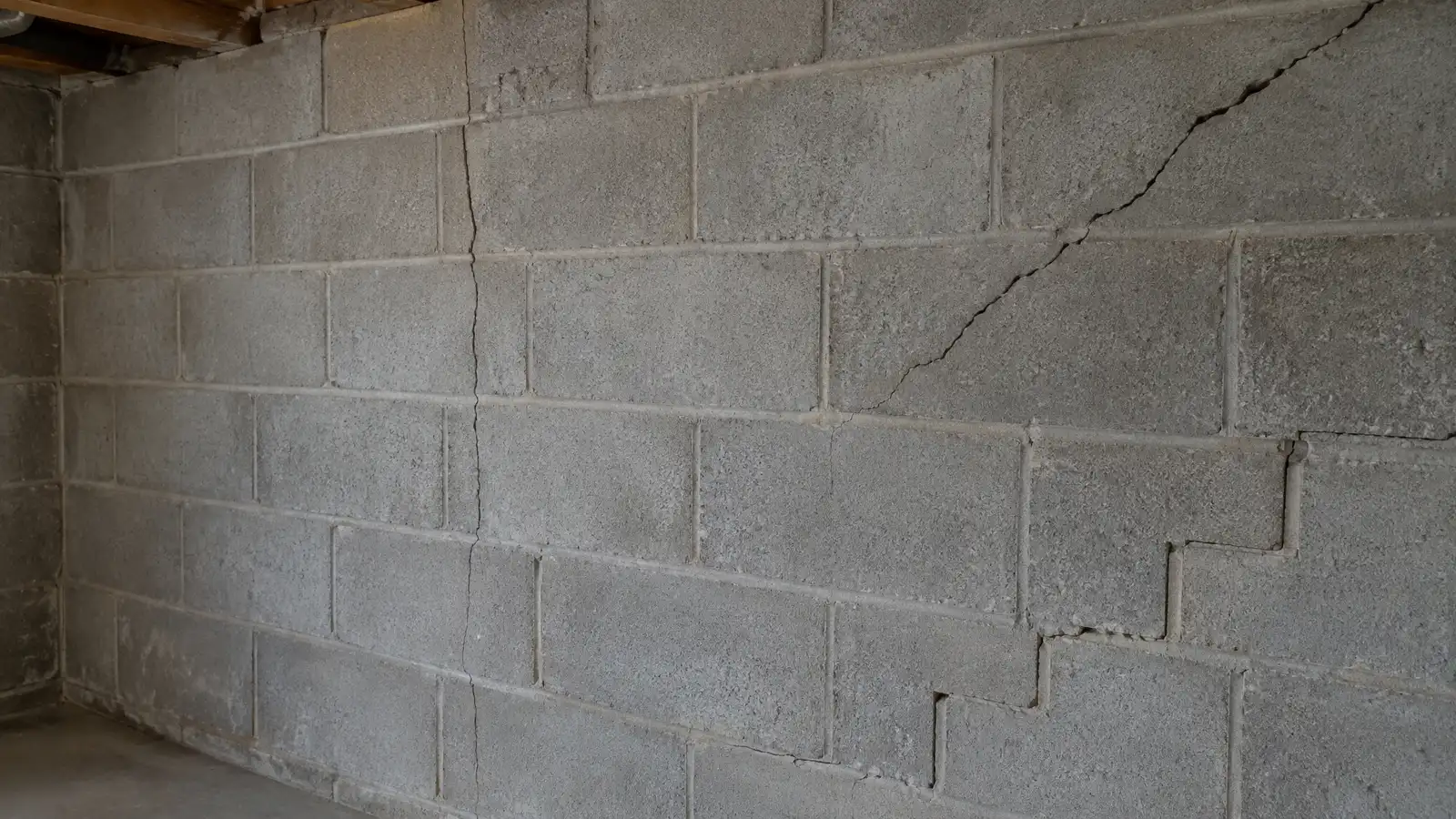
Diagonal cracks that widen toward one end and stair-step cracks in block or brick often suggest movement. Hairline vertical cracks are often cosmetic.
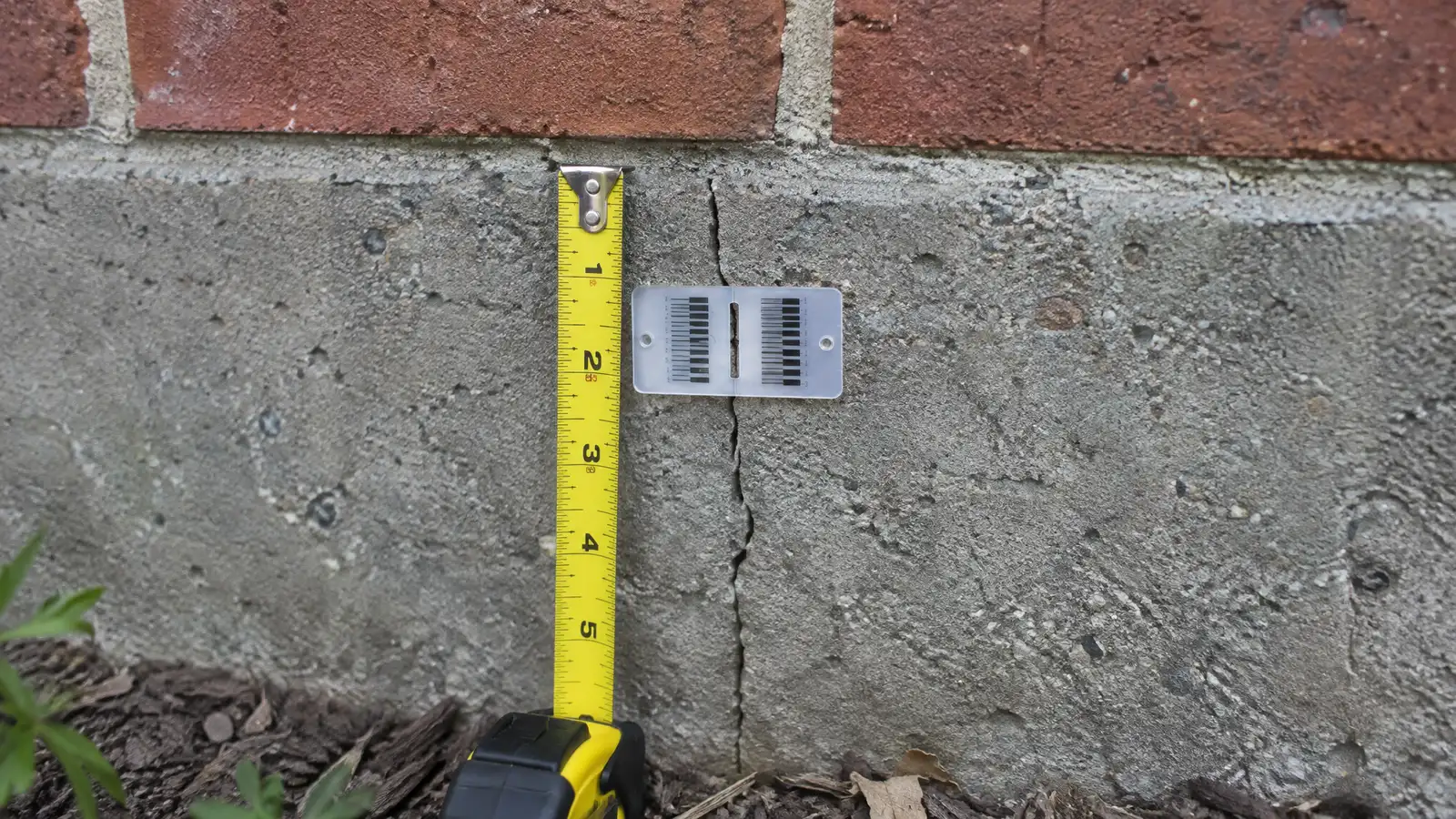
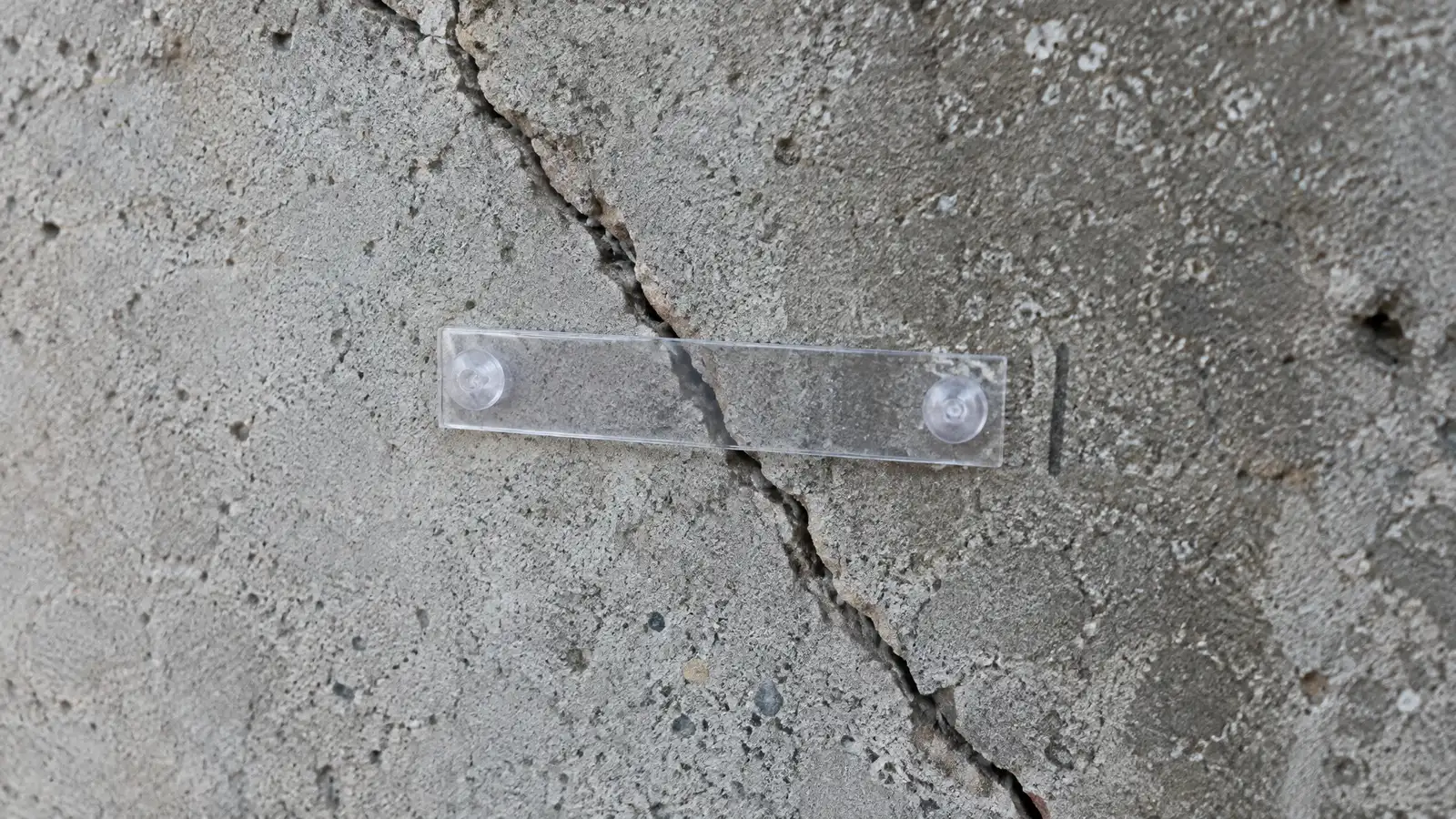
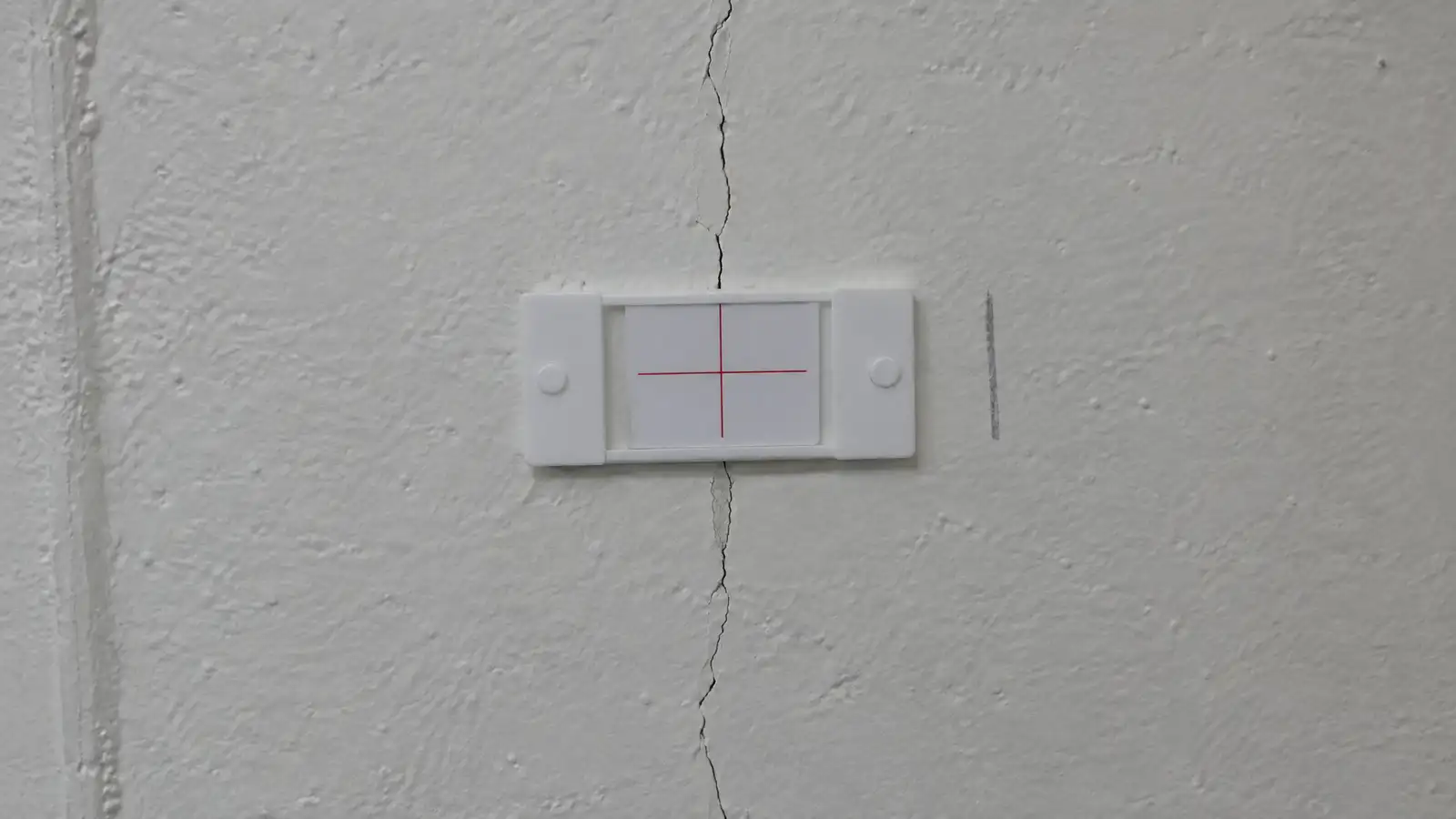
Mark the ends of a crack with a dated pencil line to see whether it grows.
Rolling a marble or setting a small level across a floor takes seconds and shows slope. Check a few rooms and write down which direction it rolls, then repeat later to see whether anything changes.
Check the basement and crawl space
Water stains, white powder on walls, musty odors and damp insulation are all moisture clues. A wall that bows inward or a horizontal crack in a basement wall is a stronger warning and deserves a prompt visit.
In a crawl space, look for standing water, torn plastic, sagging insulation and wood that is dark or soft.
If you are not comfortable entering the space, a specialist can do it for you.
Safety matters in basements and crawl spaces. Watch for wiring, standing water and low clearance, and let a professional go in when conditions are unsafe or access is tight.
What can wait and what cannot
Cosmetic cracks, small seasonal sticking and a damp corner after a storm can often wait for a monitoring period. Fast growth, large offsets, bowing walls, floors that suddenly slope and water pouring in should be looked at right away.
When you are unsure, a Free Estimate gives you a clear answer and a written scope with no obligation.
Not everything is a foundation problem. Roof leaks, plumbing issues and ordinary wood shrinkage can look similar, so ask for a clear explanation of what the evidence shows.
What to do first
Divert water away from the house, take photos, mark cracks and note when each sign appeared. Avoid patching cracks until you understand the cause, since a patch can hide a moving crack.
Then call for a visit, or use our problem checker to sort what you see.
Keep your notes and photos in one folder. They help a specialist, an engineer, an insurer or a future buyer understand what has happened and when.
Do not ignore a sign that is growing, and do not panic over one that is not. Measure, photograph and ask a specialist.