Serving Nashville and Middle TennesseeFree Estimate
How interior drains and sump systems differ from exterior excavation and membranes in how they work, access needs, disruption and fit for the house.
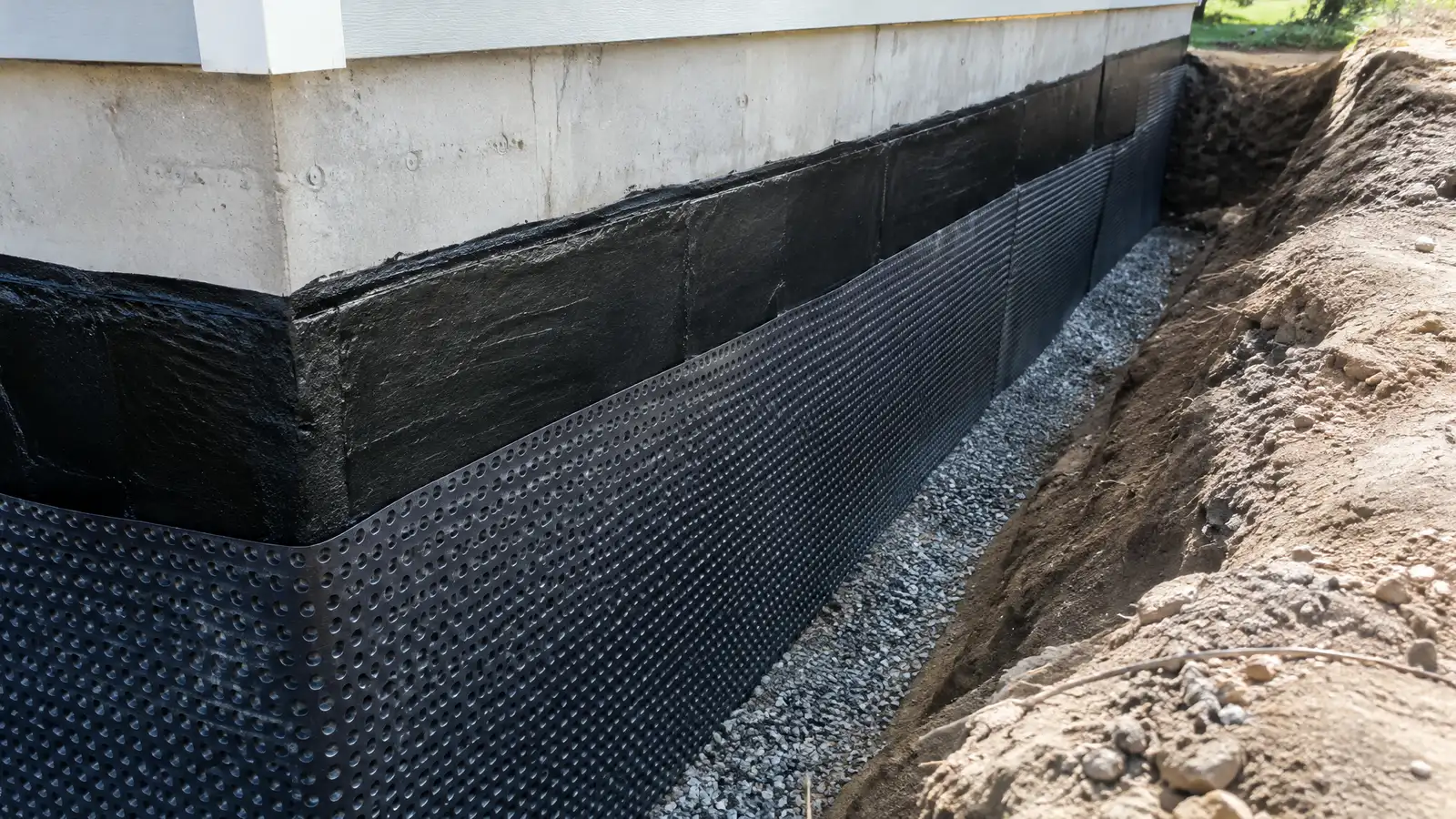
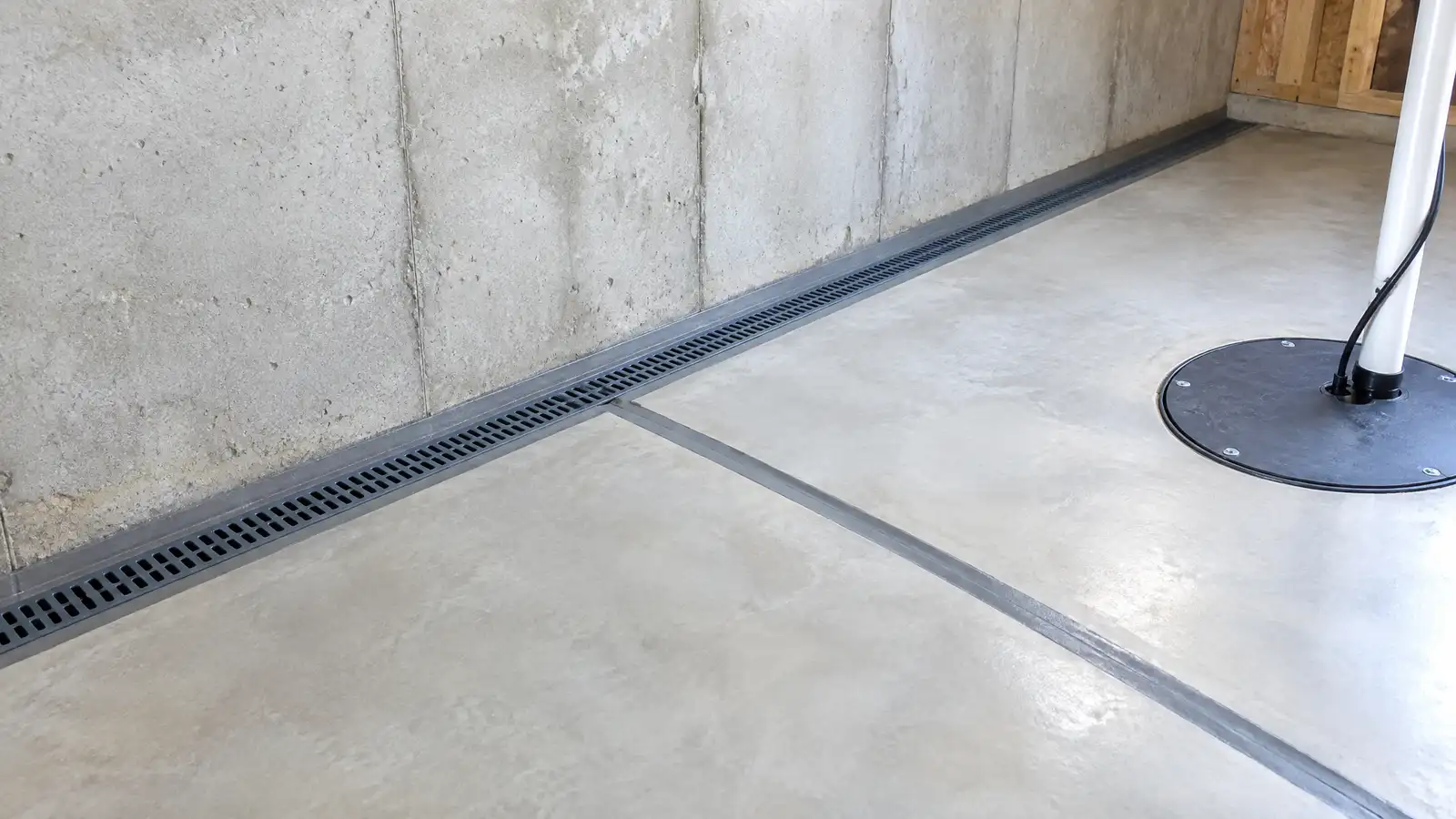
Interior waterproofing accepts that some water will reach the basement and collects it. A drain along the base of the walls leads water to a sump pit, and a pump sends it outside. Exterior waterproofing stops water before it reaches the wall. Soil is excavated, the wall is sealed with a membrane and a drain carries water away. Both can work well, and they work differently.
Interior systems are usually quicker, work in all weather and do not disturb landscaping. Exterior systems protect the wall itself and can be a good choice when access allows and the wall needs repair. Many Nashville homes benefit from both, along with gutters and grading. The right answer depends on the source of water, the condition of the wall and your plans for the basement.
Channels at the wall base catch water and lead it to a sump pit.
Seal the wall and add a footing drain to keep water from entering.
Interior work is inside the house, and exterior work digs up the yard.
Interior systems often take fewer days and are less weather dependent.
Exterior work can protect the wall surface as well as the basement.
Many homes use both together with gutters and grading.
 Basement WaterproofingA complete plan to keep water out of a basement, using drainage, pumps, sealing and exterior fixes matched…Explore
 Crawl Space EncapsulationSealing the crawl space with a heavy liner on the floor and walls, drainage where needed and controlled…Explore
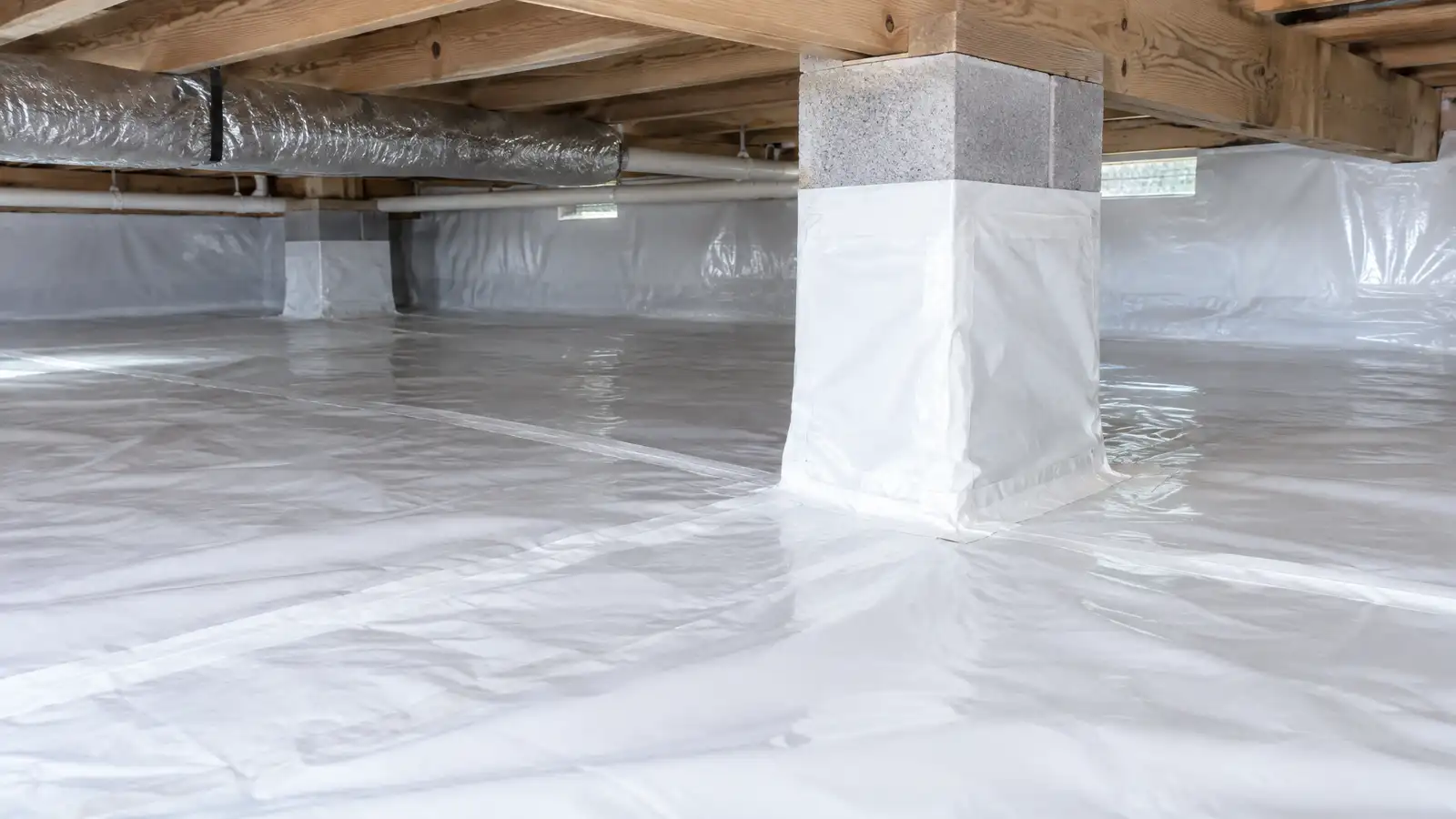 Crawl Space Vapor BarriersA tough plastic ground cover that blocks moisture rising from the soil, installed with sealed seams and clean…Explore
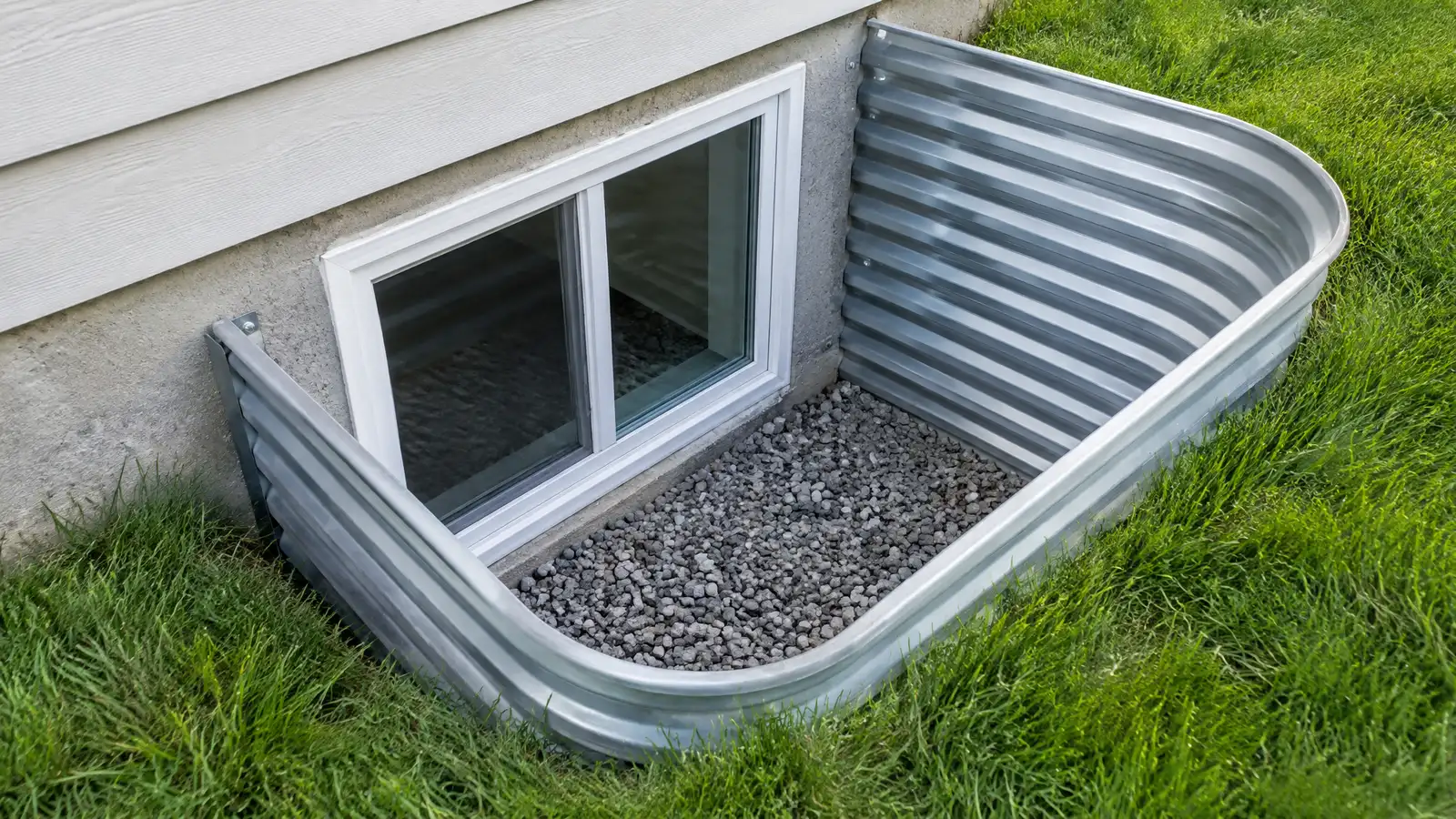 Window Wells and Egress WindowsNew or improved window wells, drains and egress windows that bring light and safe exits to a basement…Explore
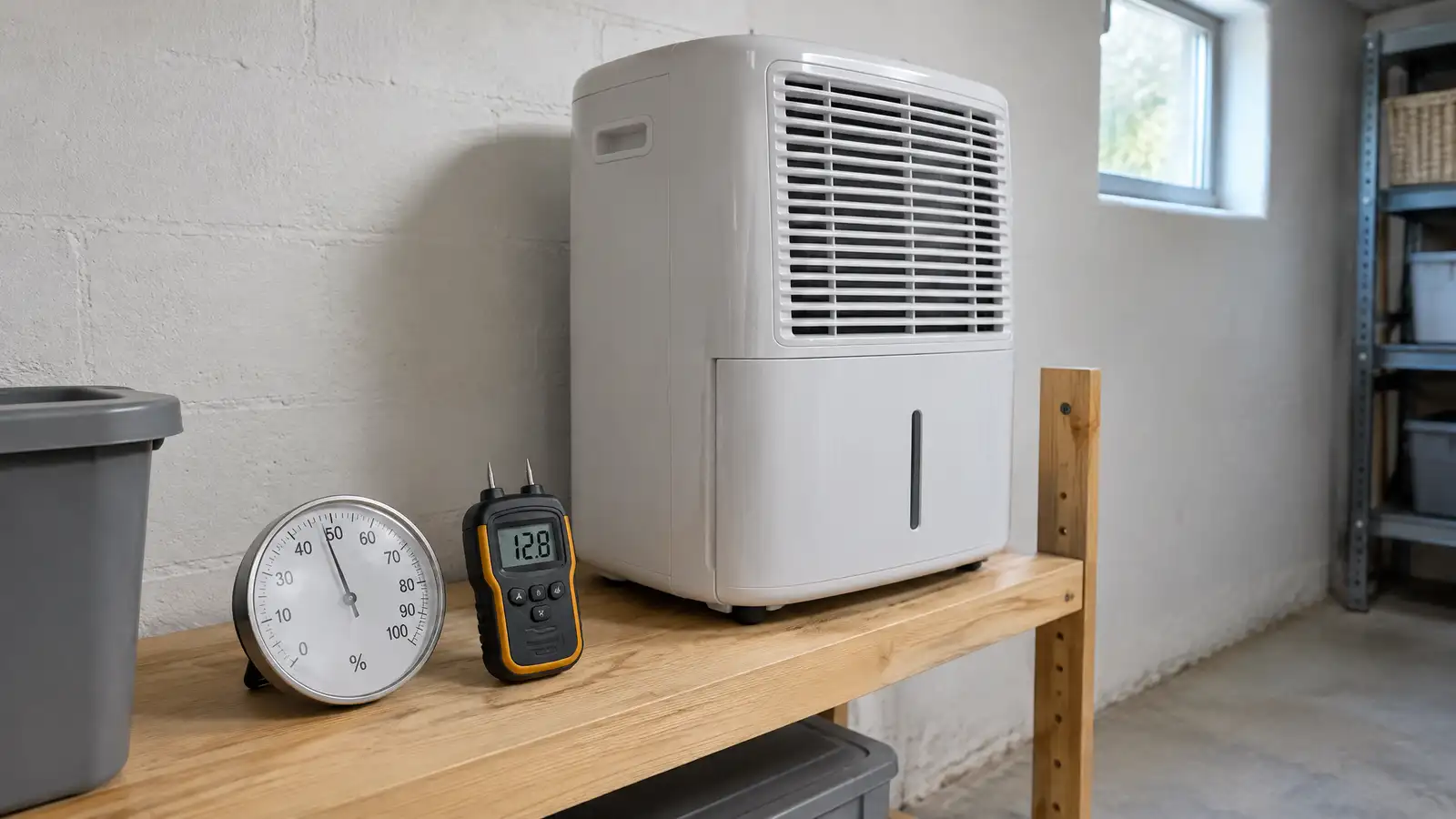 Moisture and Mold PreventionControlling water, humidity and airflow in basements and crawl spaces so mold has little to grow on.Explore
 Engineer Report and Plan CoordinationFinding the right engineer, preparing the information and turning the report into a clear, buildable repair plan.Explore
 Foundation Repair for Home SellersClear findings, repair scopes and documentation for owners who need to deal with a foundation question before or…Explore
 Insurance Claim Documentation SupportClear photos, measurements and written findings that help you document foundation damage for your insurer or another party.Explore
Check a warning sign, size a job or ballpark a budget.
 Foundation Problem Checker: What Is Wrong?Pick what you see in your walls, floors, basement, crawl space or concrete to get likely causes, what to try first and the service page that fits.Try it
 Foundation Job Size CalculatorEnter your measurements to see piers, crack length, drain footage, crawl space liner area and slab area to plan for.Try it
 Foundation Repair Budget PlannerPick a foundation, waterproofing, drainage or concrete job, set the quantity and add extras to see a ballpark planning range. Placeholder values only.Try it
Neither is better for every house. The cause of water, access and goals decide.
They manage water at the base of the walls, and bowing or cracked walls may need separate repair.
Interior systems rely on one, and exterior systems often include one too.
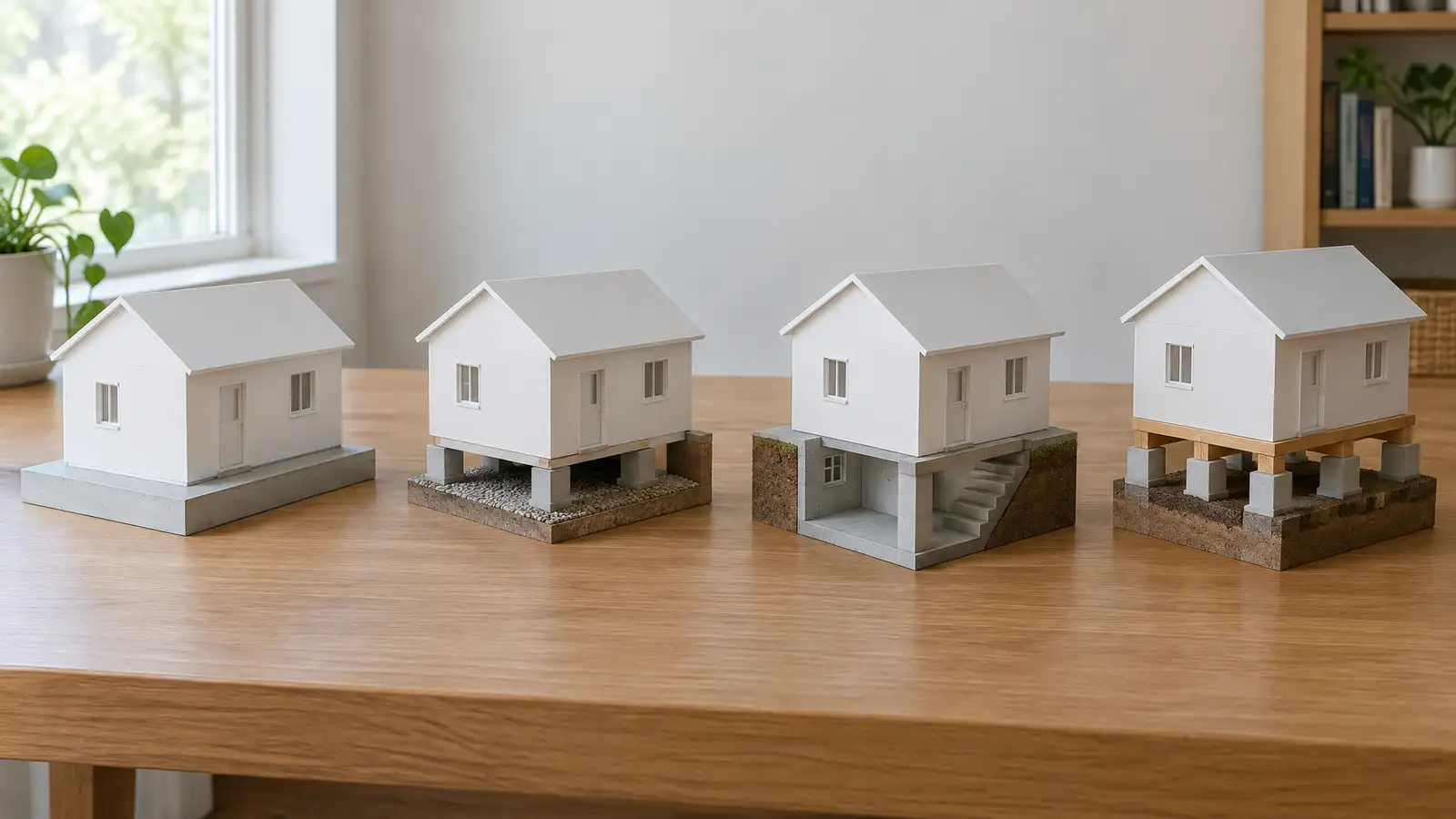 Comparison guideFoundation TypesHow slab-on-grade, crawl space, basement and pier and beam foundations differ in cost drivers, moisture, access, repair and…Learn more
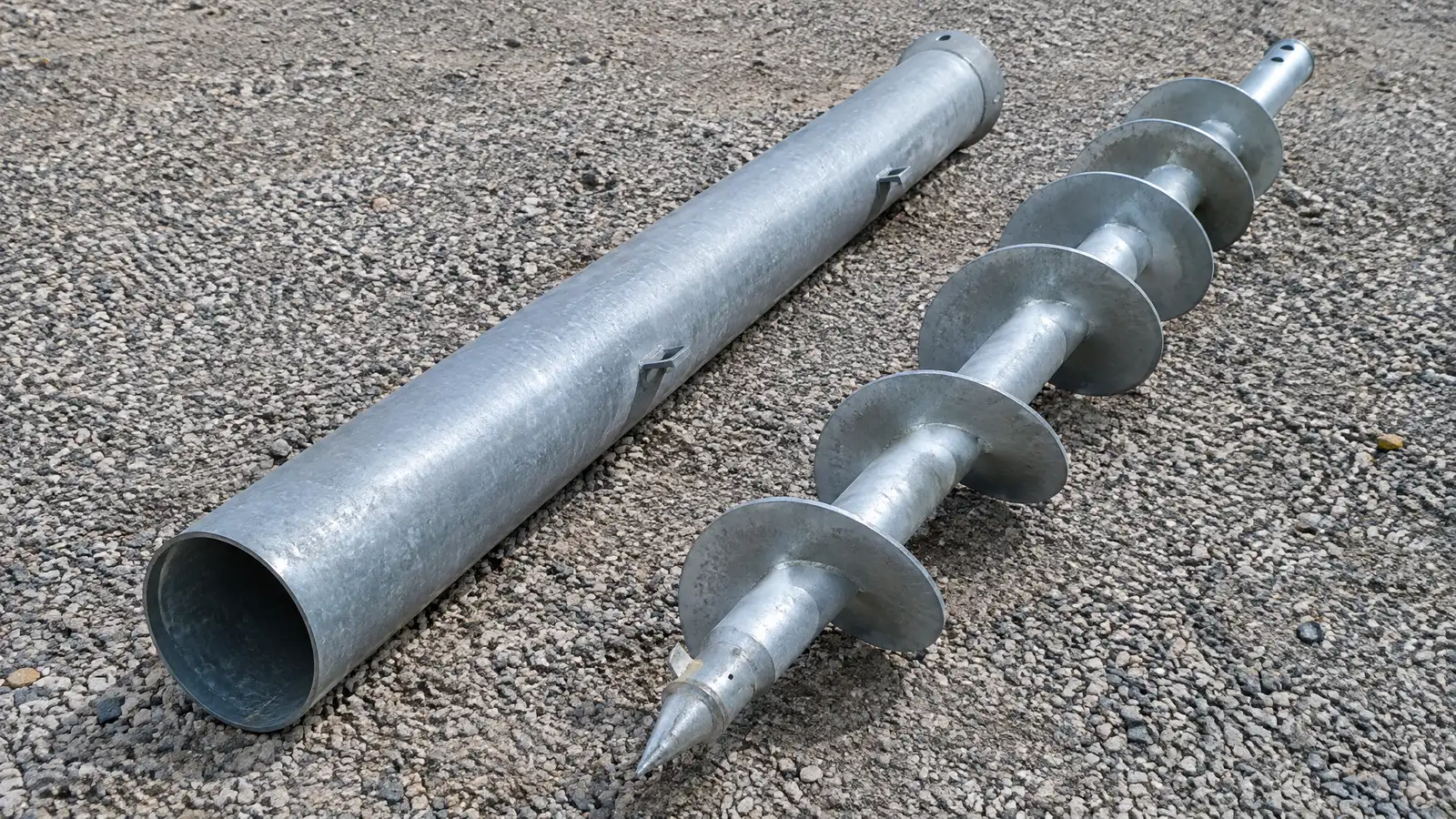 Comparison guidePush vs Helical PiersHow steel push piers and screw-in helical piers differ in how they are installed, what loads they suit…Learn more
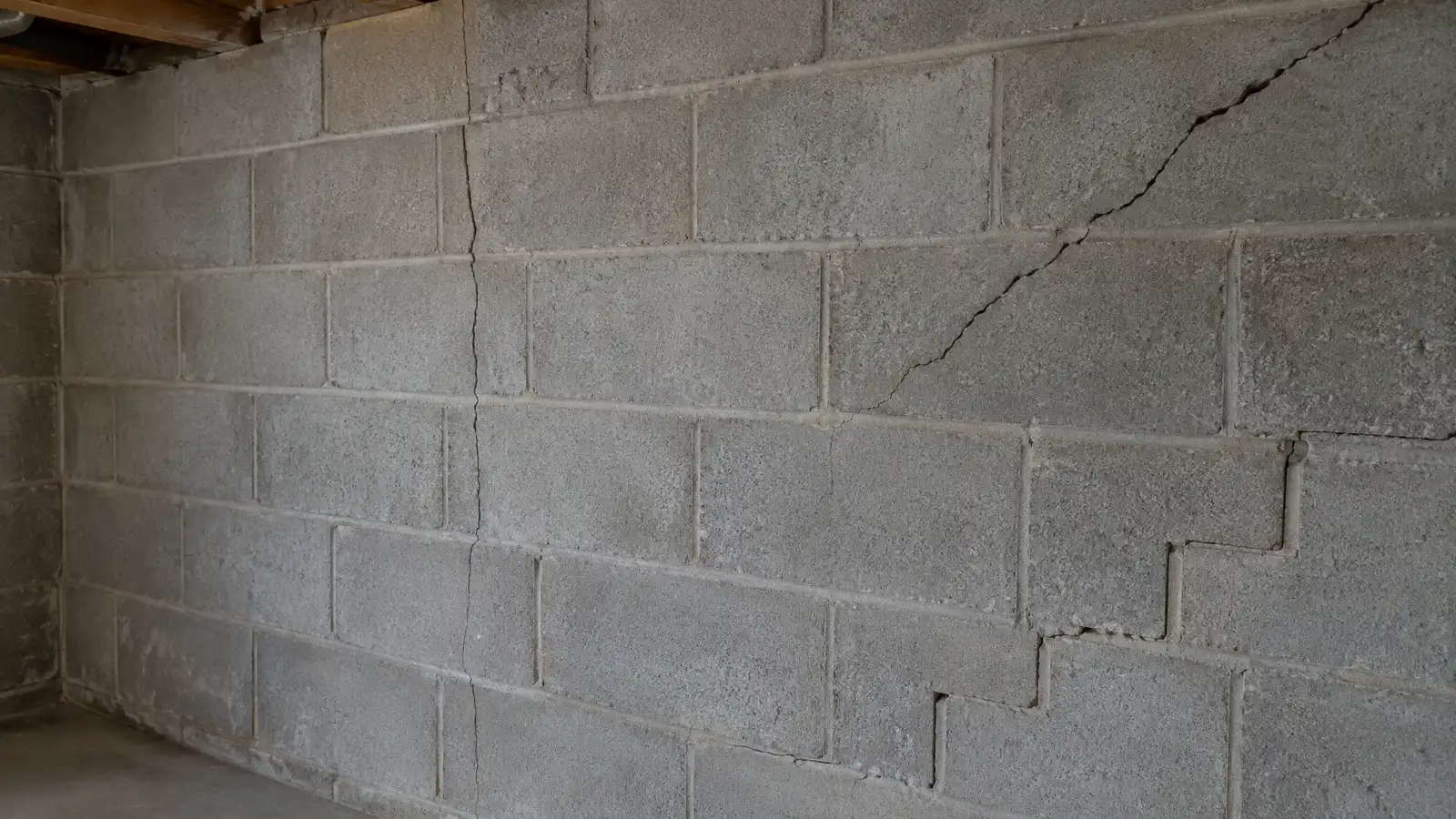 Comparison guideCrack TypesHow hairline, vertical, diagonal, stair-step and horizontal cracks differ in what they usually mean and what to do…Learn more
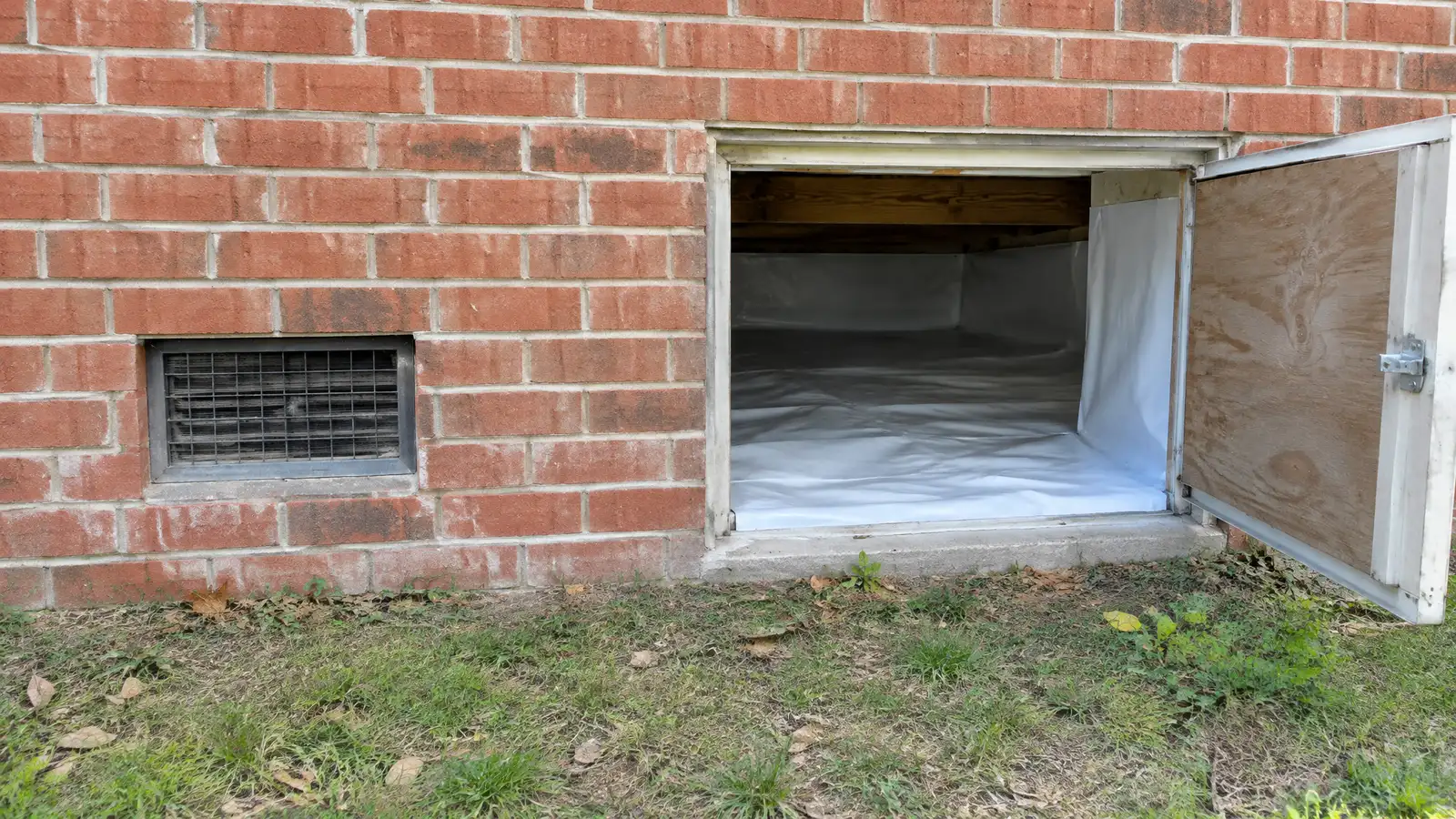 Comparison guideEncapsulation vs VentsHow a sealed, conditioned crawl space differs from a traditional vented one in moisture control, comfort, energy and…Learn more
Call and describe what you see. A specialist will look at the cause, talk through the options and give you a clear written estimate.