Serving Nashville and Middle TennesseeFree Estimate
Finding and filling hidden gaps beneath concrete floors, steps, garages and slabs to restore support.
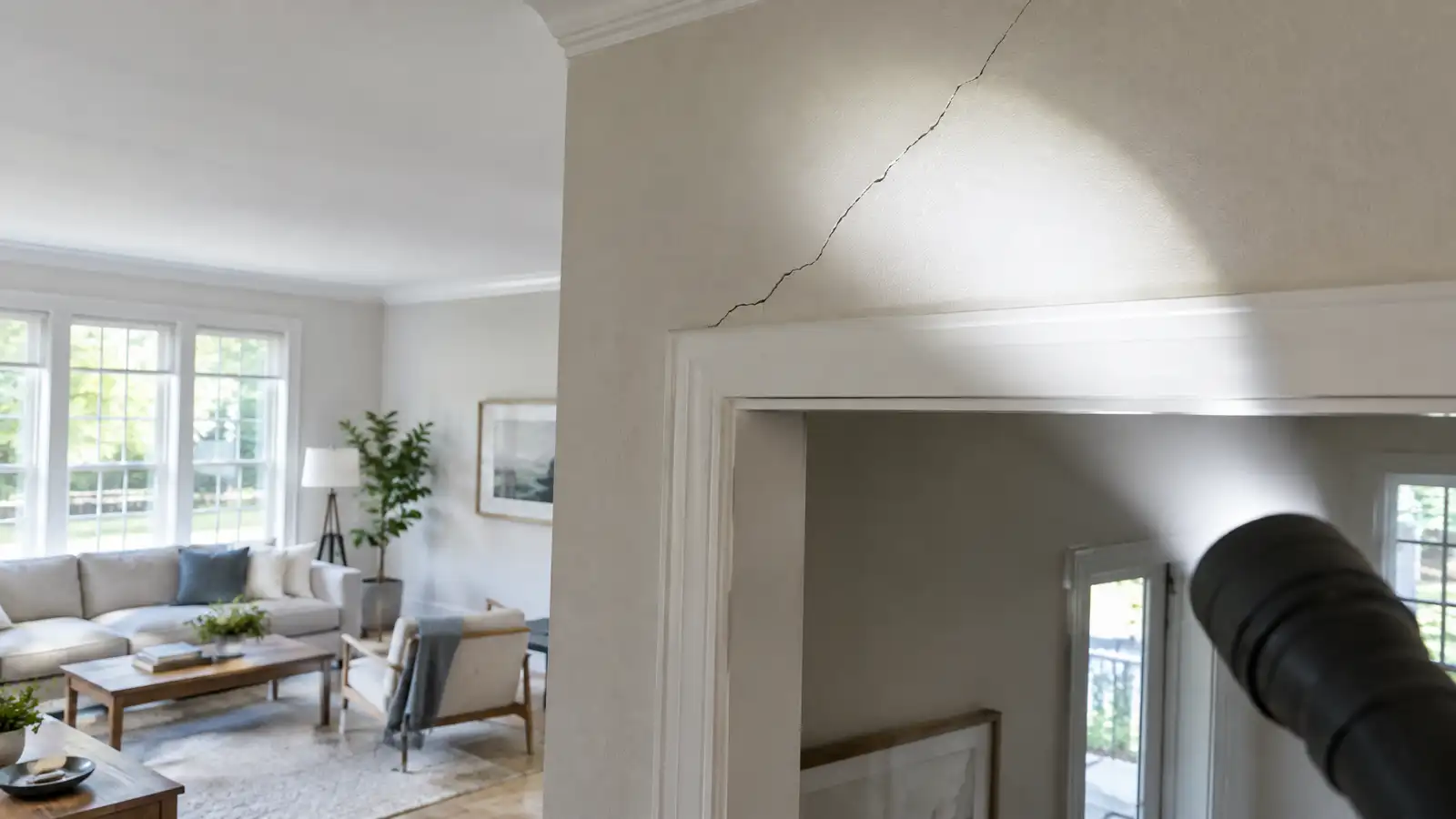
A slab can look fine and still be hollow beneath. Water that runs under concrete can wash soil away, and a leaking pipe or poor compaction can leave gaps. Those voids make a slab bridge over empty space, and the first sign may be a hollow sound when tapped or a crack that keeps growing. Many slabs around Nashville need support restored before they fail.
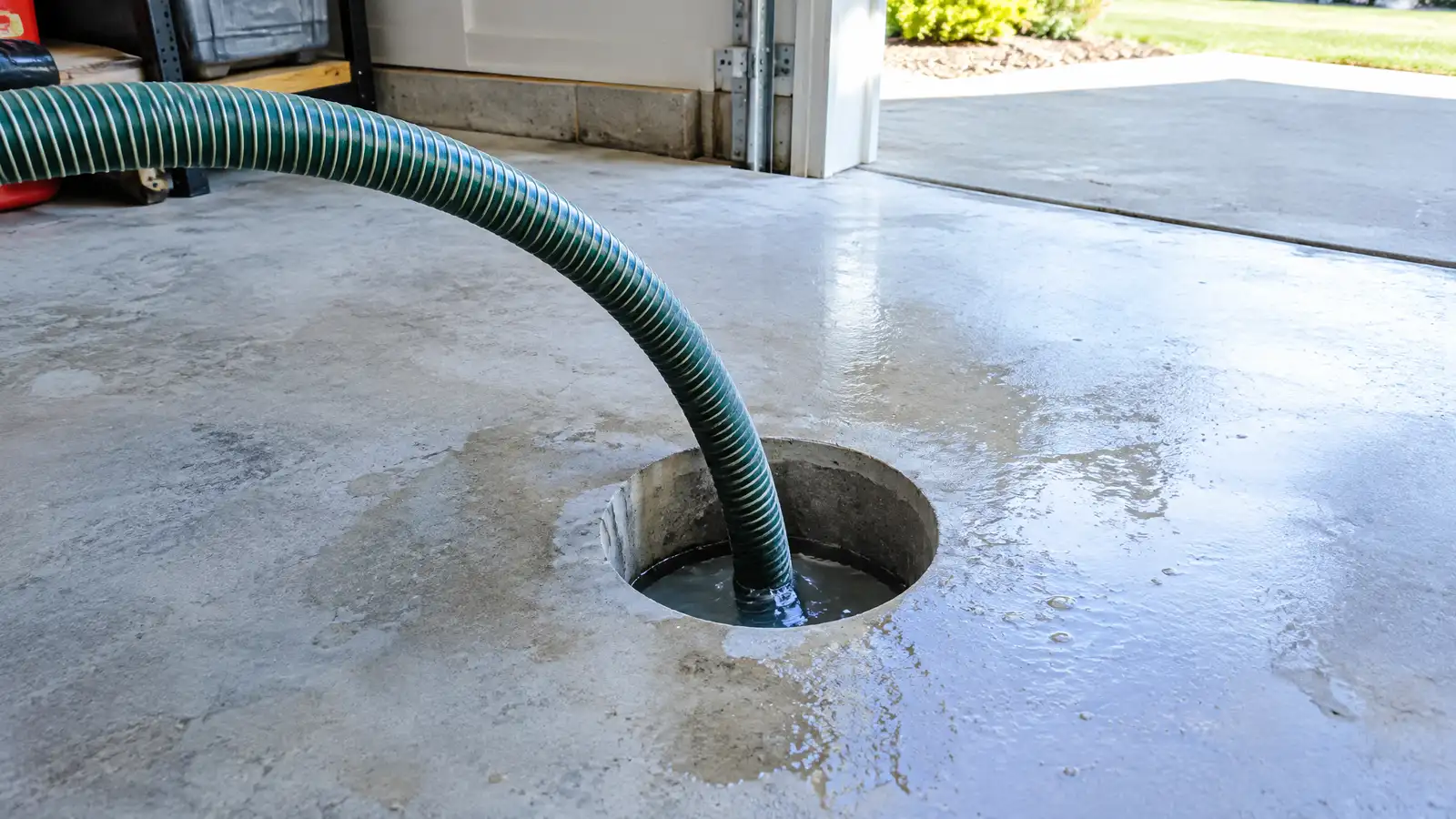
Your specialist sounds the slab, drills small test holes and measures void depth, then fills the space with foam, grout or flowable fill depending on the size and the load. Filling is done in stages so the slab is supported without being forced up too fast. Cracks are sealed, and the source of the water or soil loss is found and corrected, so voids do not form again.
Sounding and test holes show where support has been lost and how deep the void runs.
Foam, grout and flowable fill each suit different void sizes and loads, so the material matches the job.
Gradual filling supports the slab smoothly without forcing it up or cracking it.
Leaks, drains and runoff that wash soil away are corrected so voids do not return.
Drag the handle to compare.
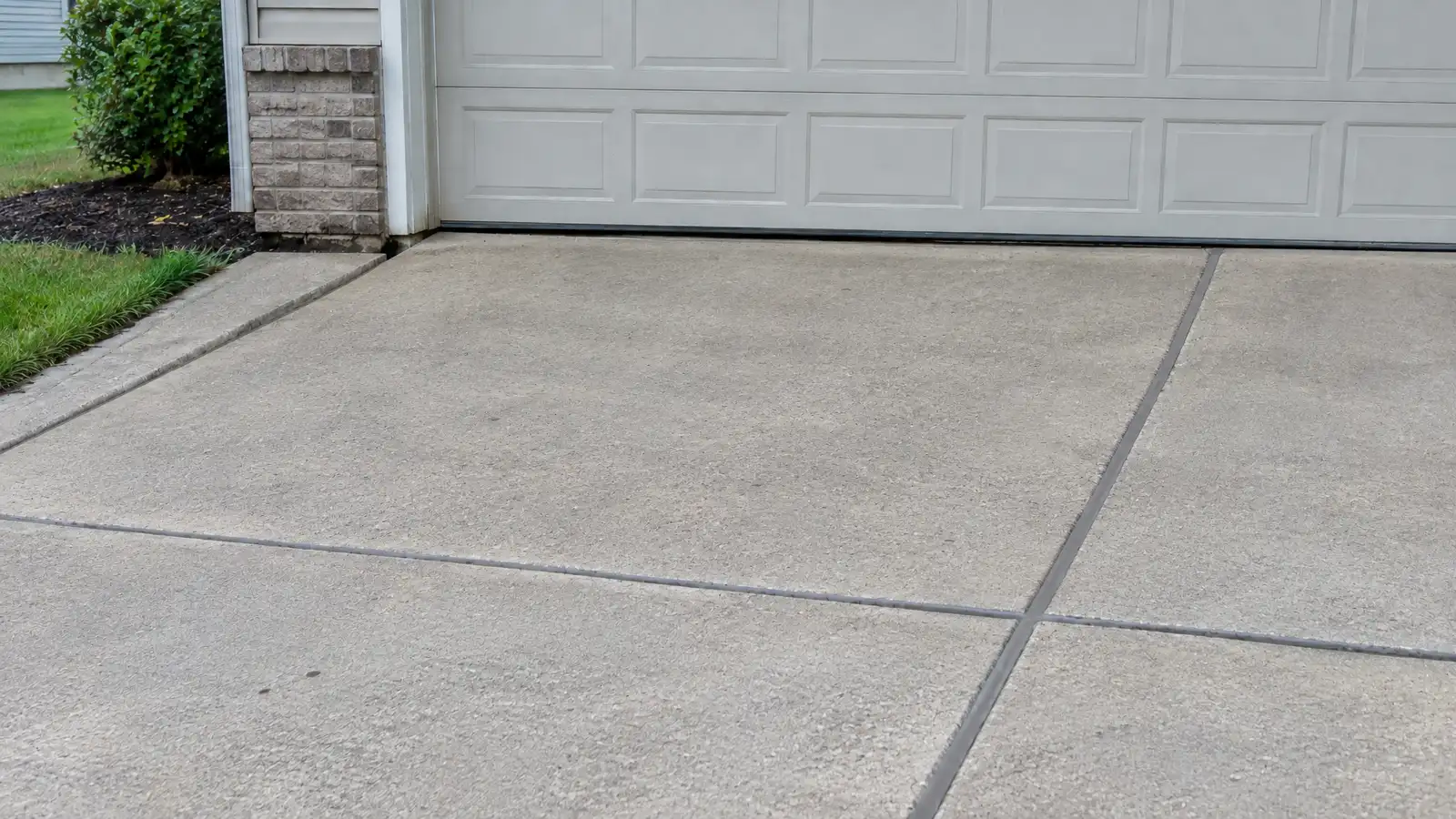
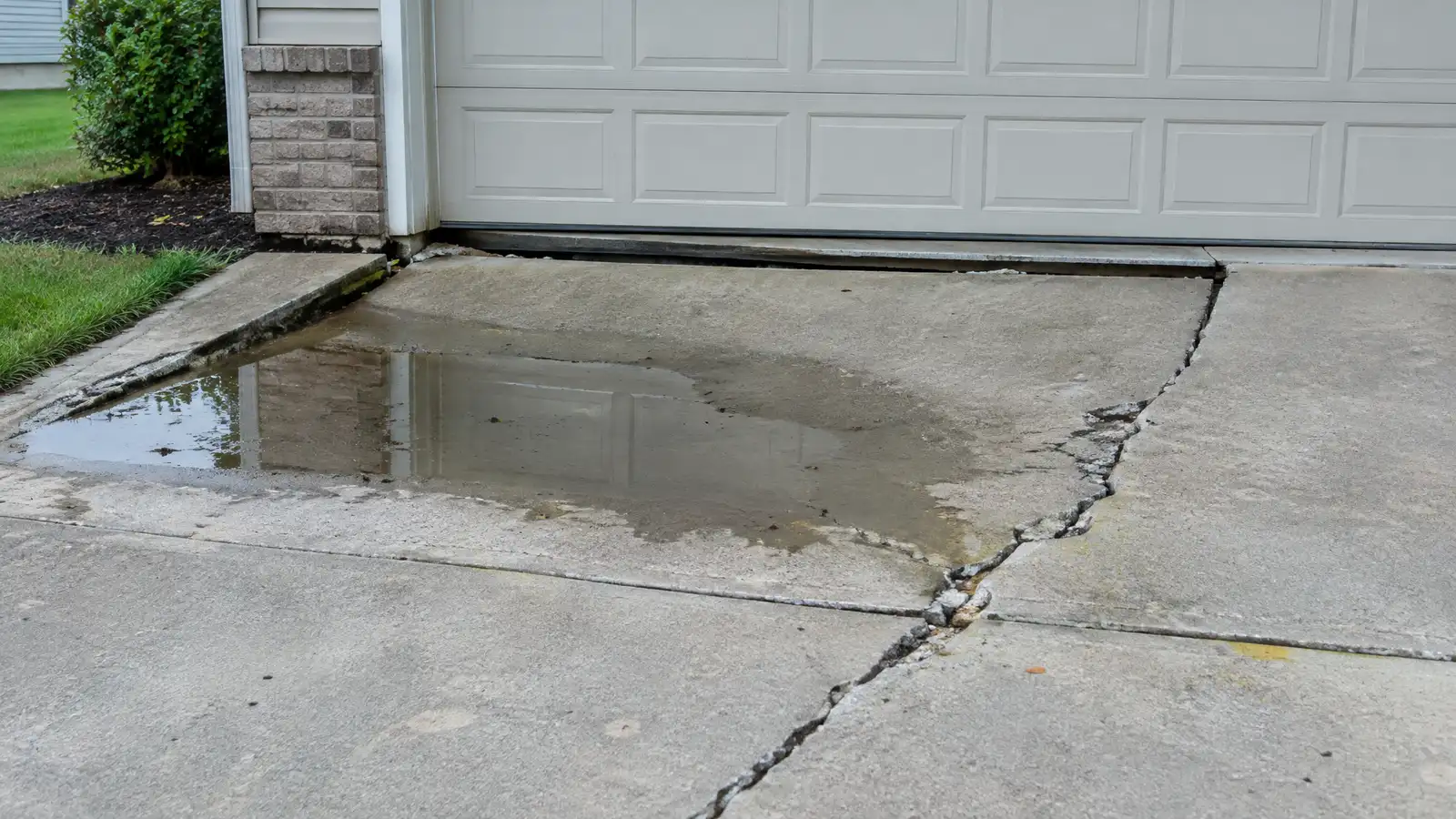 BeforeAfter
Hollow areas found.
Small holes and measurements.
Foam, grout or flowable fill.
Support restored smoothly.
Surface finished.
Water and soil loss corrected.
Every topic has its own page with what to expect and how we approach it.
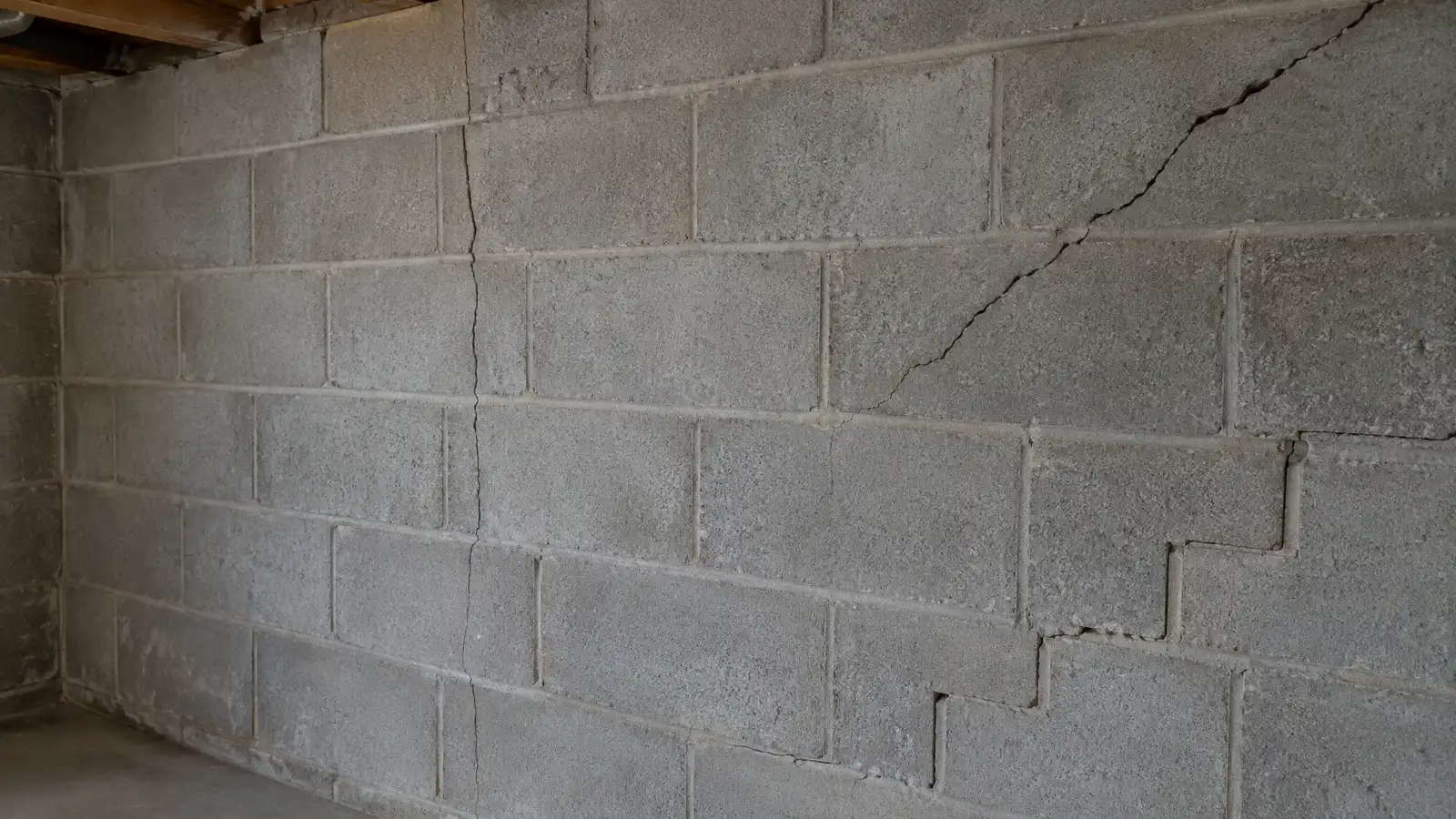 Comparison guideCrack TypesHow hairline, vertical, diagonal, stair-step and horizontal cracks differ in what they usually mean and what to do…Learn more
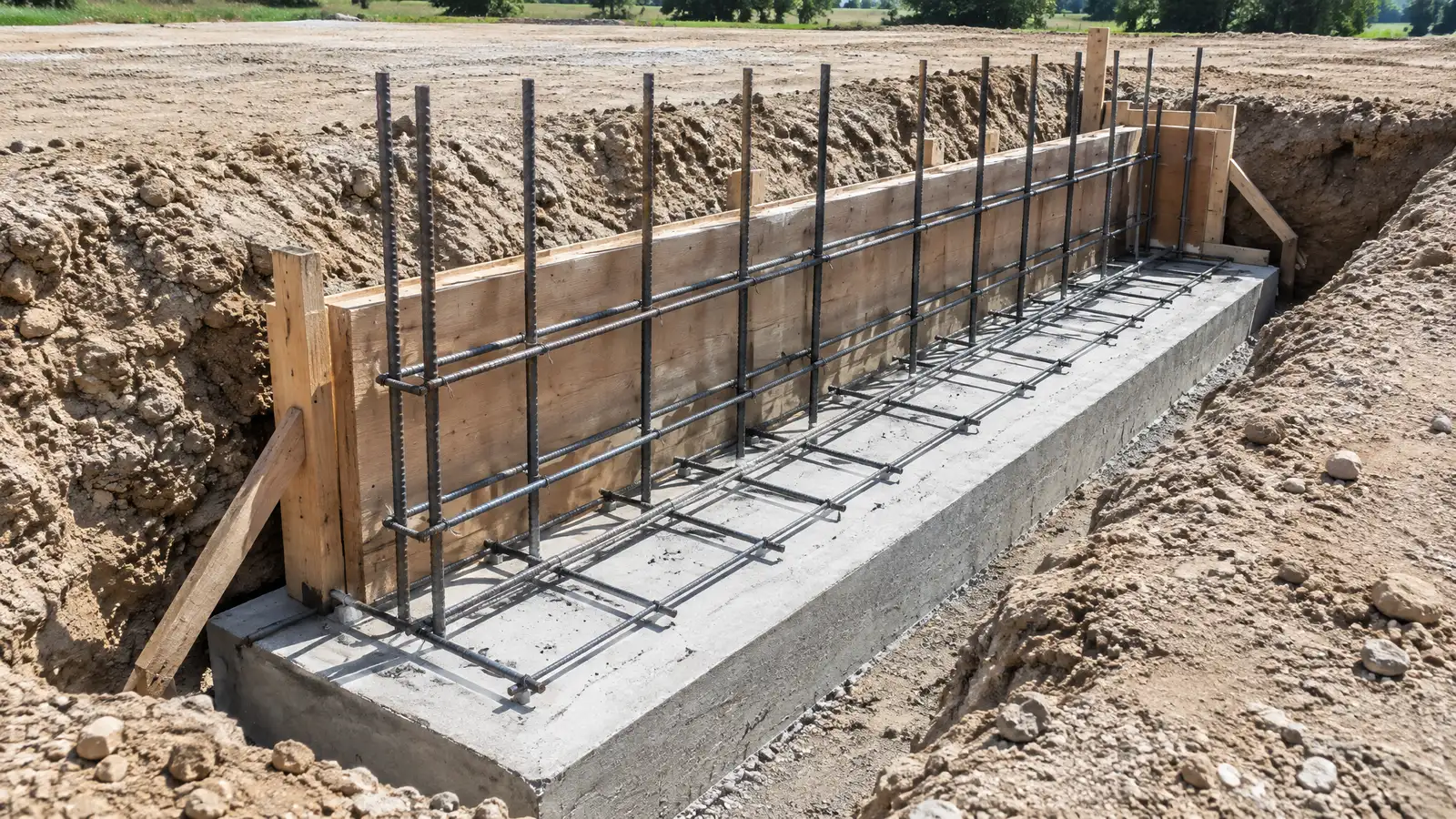 Comparison guideFootings and Stem WallsHow footings spread a building's load into the soil, how stem walls rise from them and what depth…Learn more
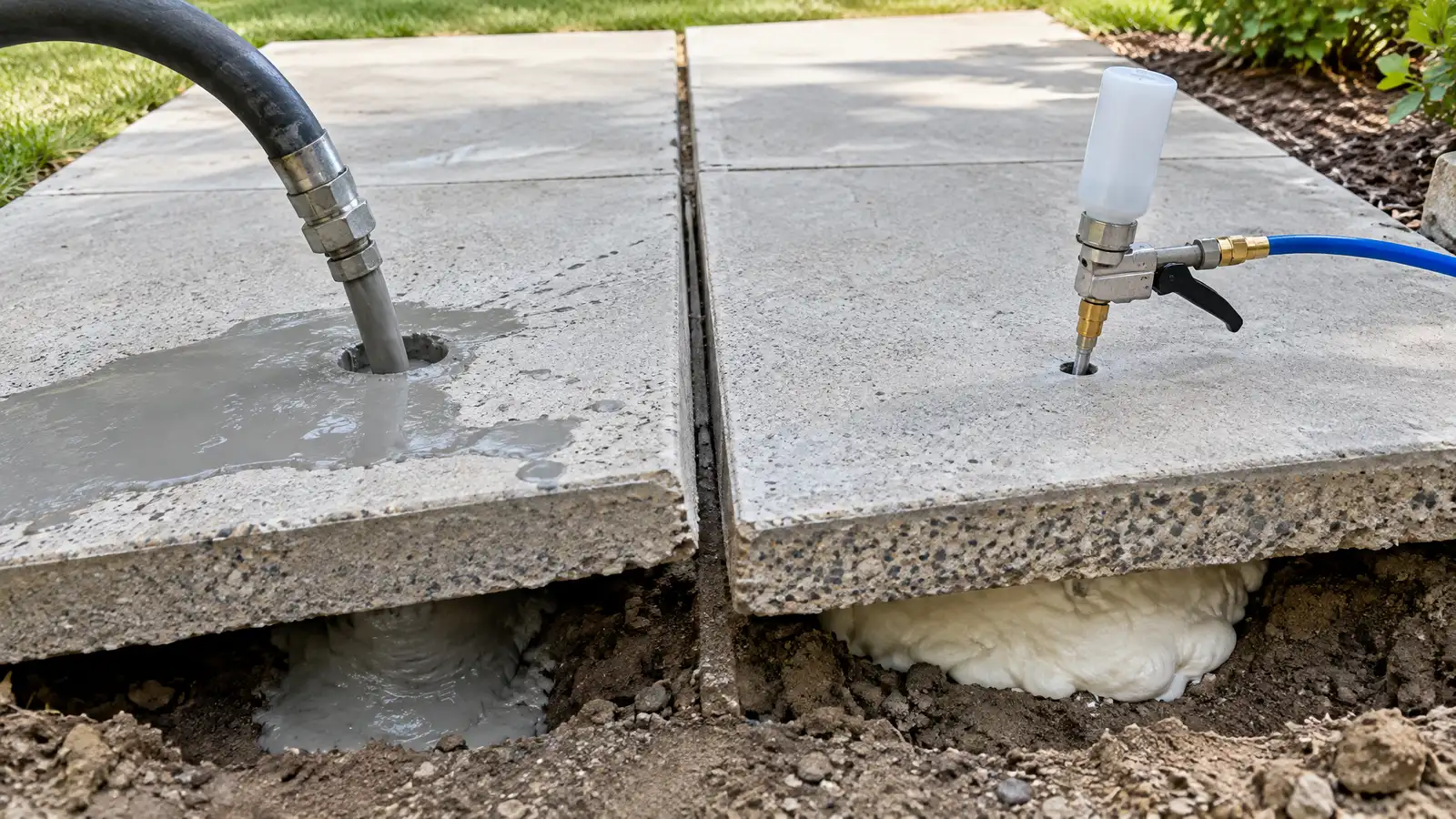 Comparison guideSlabjacking vs FoamHow cement slurry mudjacking and polyurethane foam differ in weight, hole size, curing time, use and fit for…Learn more
Pick what you see in your walls, floors, basement, crawl space or concrete to get likely causes, what to try first and the service page that fits.
You tell us what you see and where the property is. One call sets up a visit that fits your day.
A specialist walks the inside and outside, checks cracks, floors, moisture and drainage and takes measurements and photos.
You receive a plain written scope with the cause, the method, the location of each repair and the schedule before anything begins.
Utility marking is requested where digging is needed, access is protected and materials and any engineering are lined up.
Supports, drains, sealing or lifting are completed in a clear order, with photos and checks along the way.
The site is cleaned up, the work is explained on a walk-through and care and monitoring tips are shared.
Washed-out soil, leaking pipes, poor compaction and erosion are common causes.
It can crack or break under load if it is not supported, which is why filling the void is wise.
Not always. Filling restores support, while lifting also raises the slab. Both can be done in one visit.
It can, because support under the slab removes one cause of cracking.
They can if water keeps flowing under the slab, so drainage and plumbing are part of the plan.
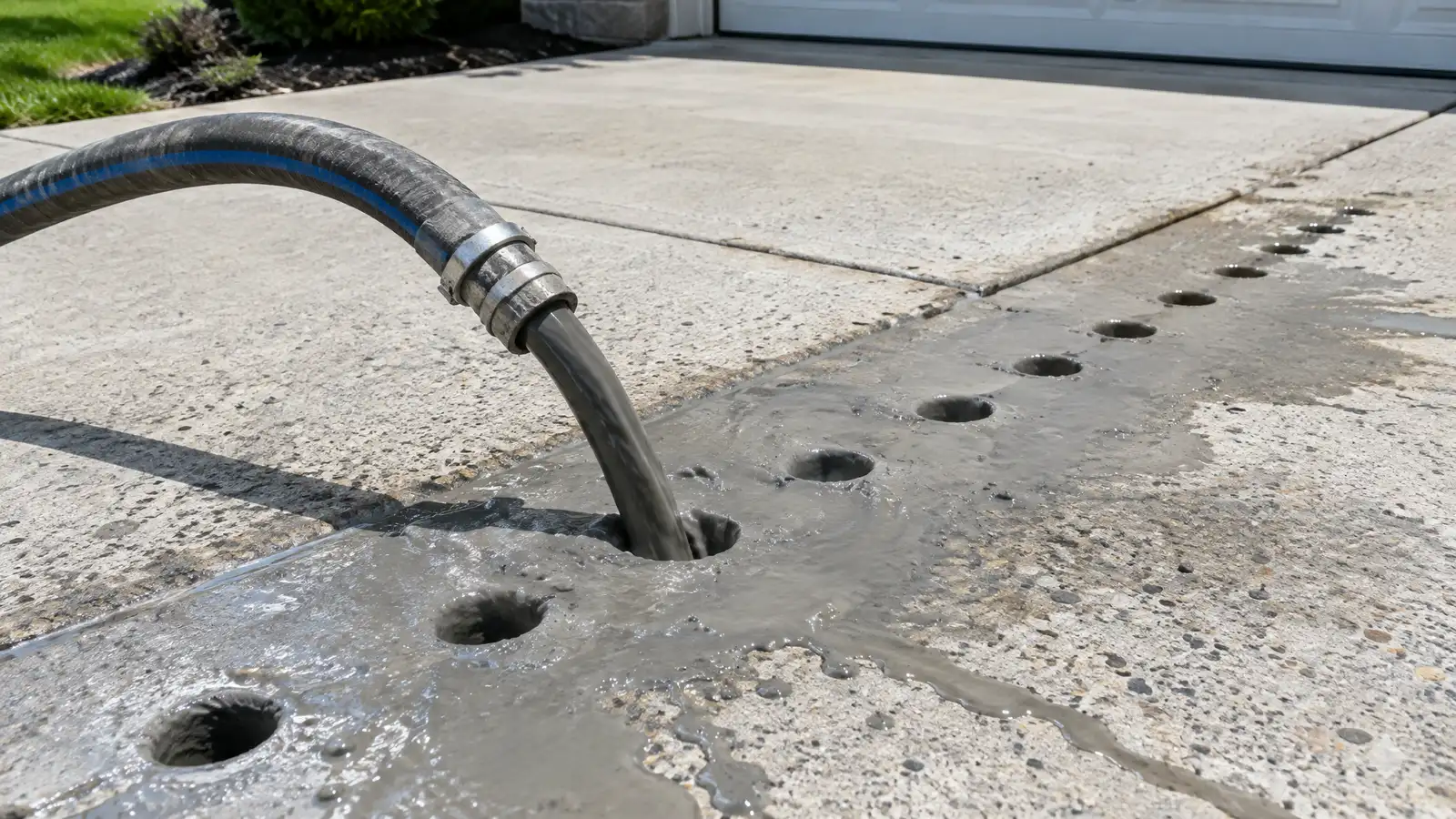 Slabjacking and MudjackingLifting sunken concrete slabs by pumping a cement-based slurry through small holes to fill voids and raise the…Explore
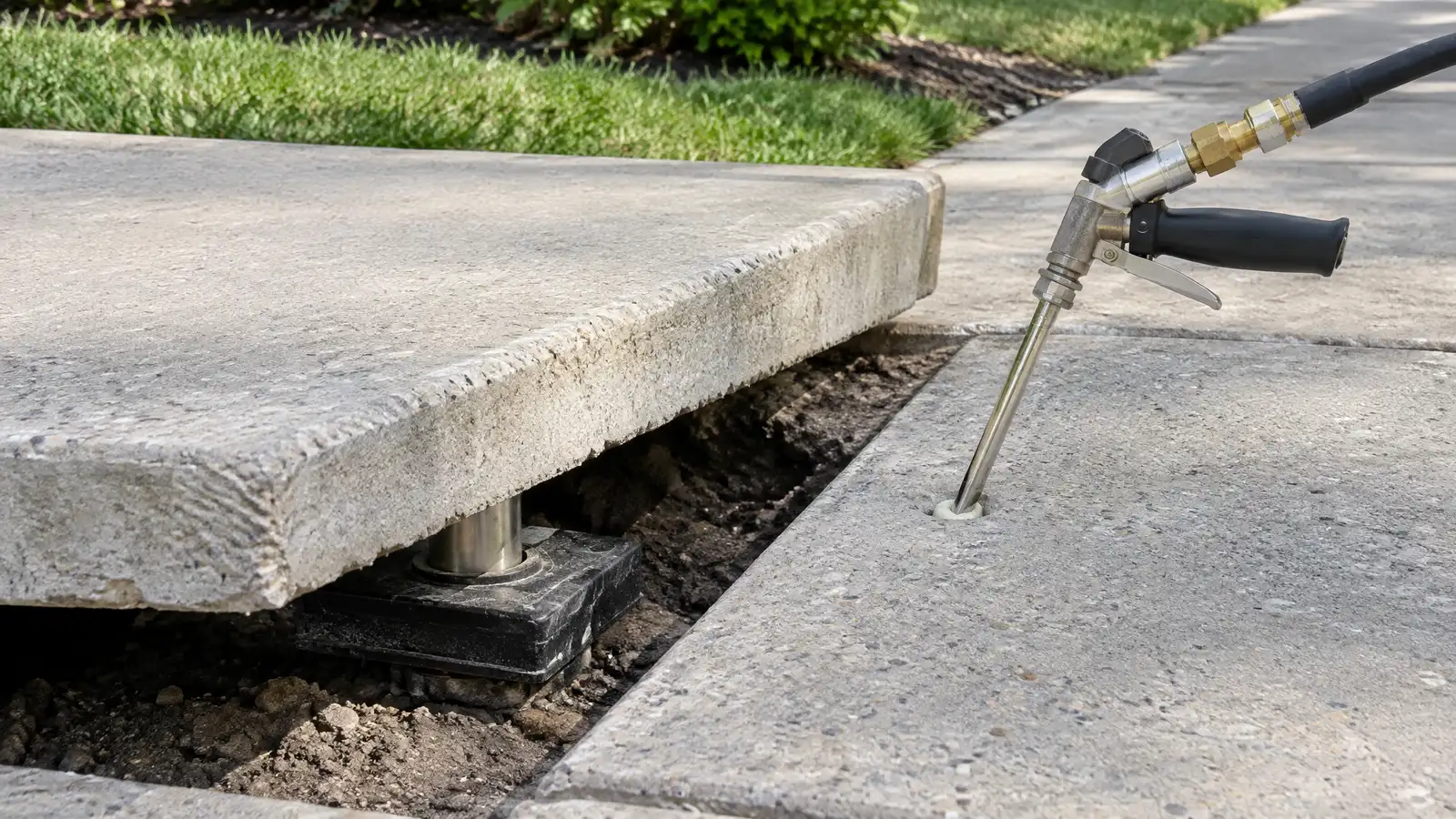 Polyurethane Foam Concrete LiftingLightweight expanding foam injected under sunken concrete to fill voids, lift the slab and stabilize it with minimal…Explore
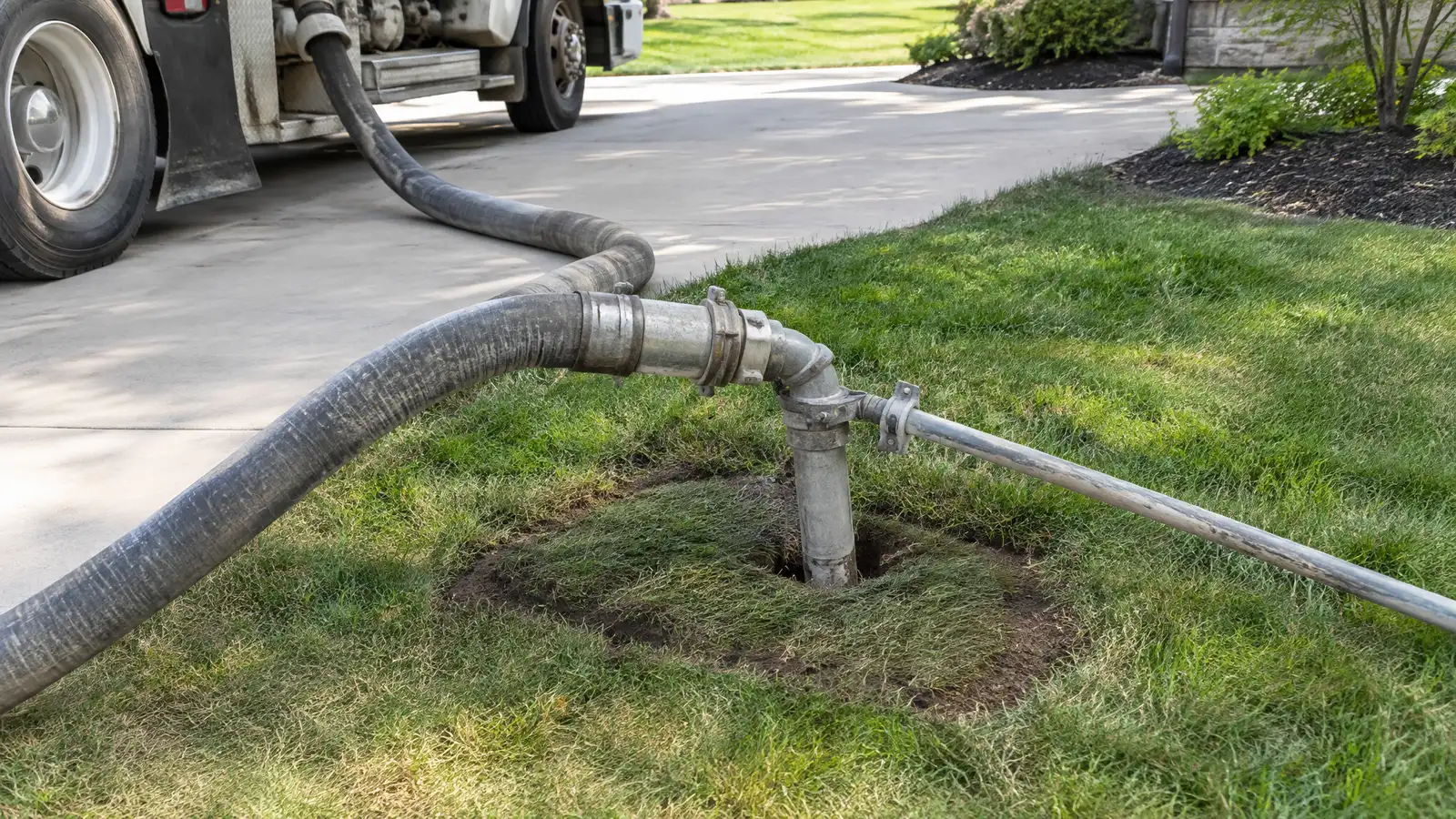 Sinkhole and Void RepairFilling and stabilizing sinkholes, voids and soft ground with compaction grouting, stone and engineered fill.Explore
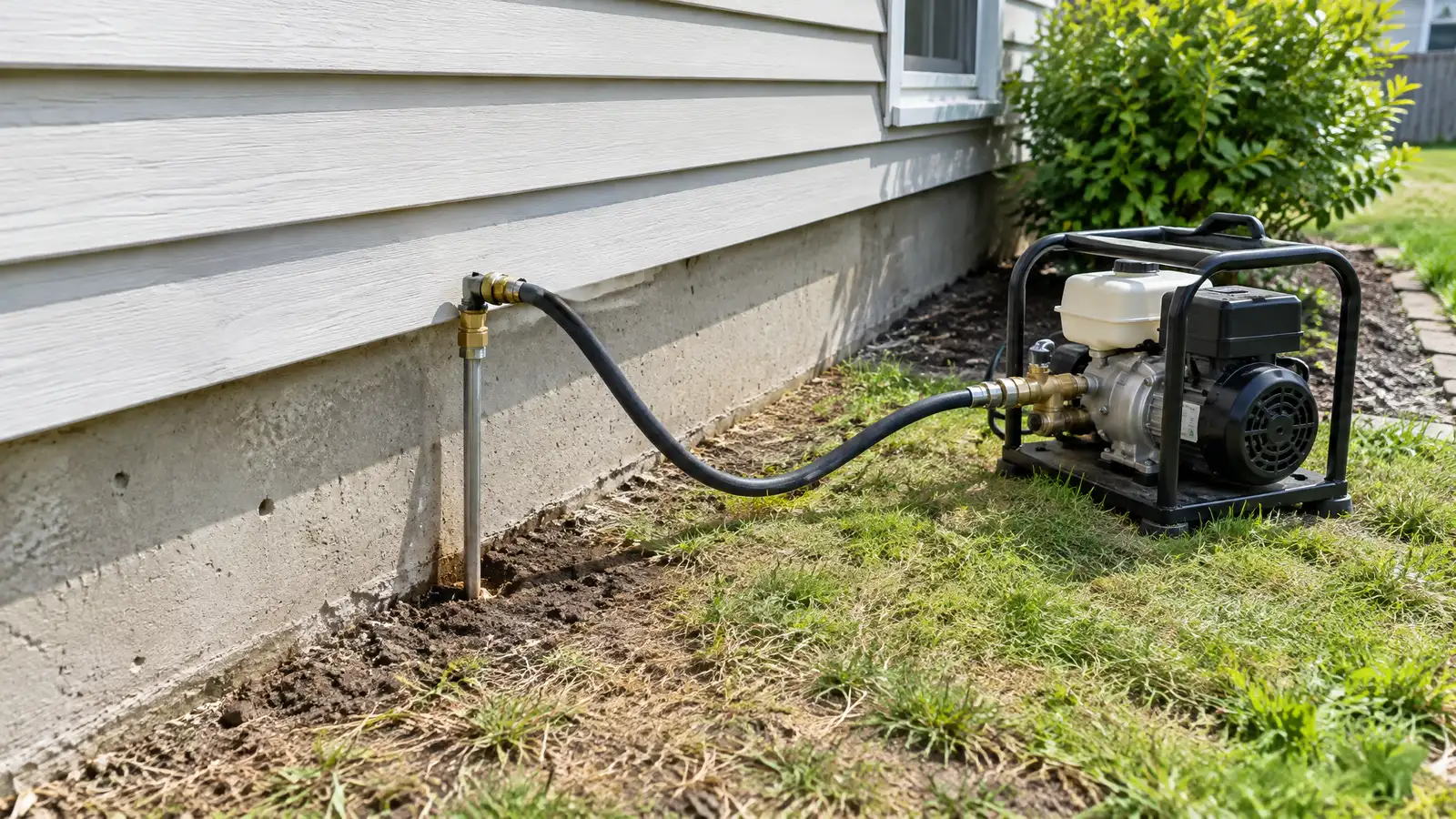 Soil Injection and StabilizationInjecting materials into weak or expansive soil to firm it up, fill voids and reduce movement under a…Explore
Tell us about your property and one specialist will call you back to set up a visit.
Or call (615) 431-3789 to talk now.