Why the crawl space matters
The crawl space shapes the air in the house, the health of the floor framing and how comfortable the floors feel. A damp one can send odors upstairs, rot wood and invite pests.
Many owners never look under the house, which is why problems often grow unnoticed.
Mark the date on a small note and photograph it in the crawl space each year. It makes change easy to see.
What a healthy one looks like
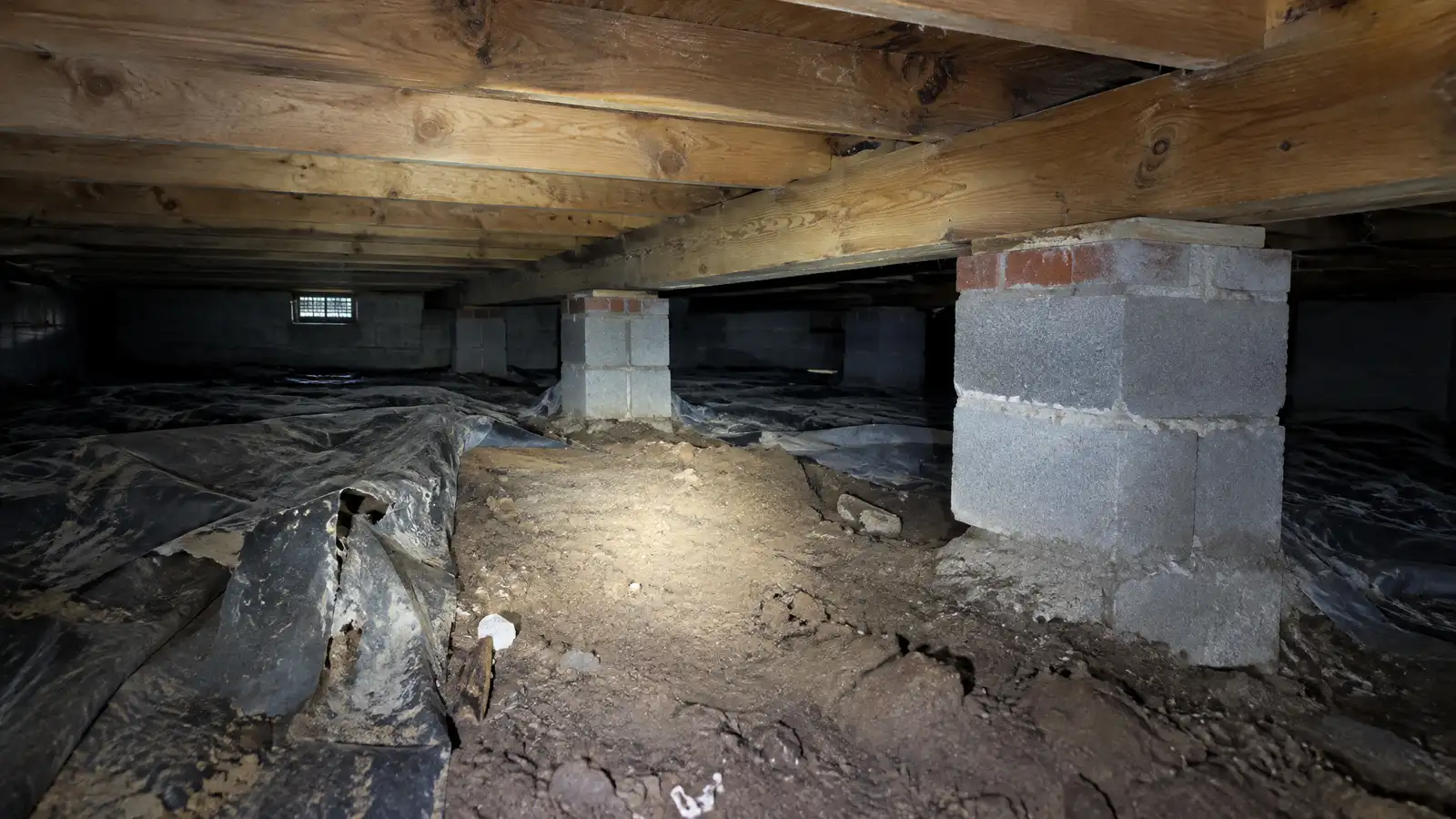
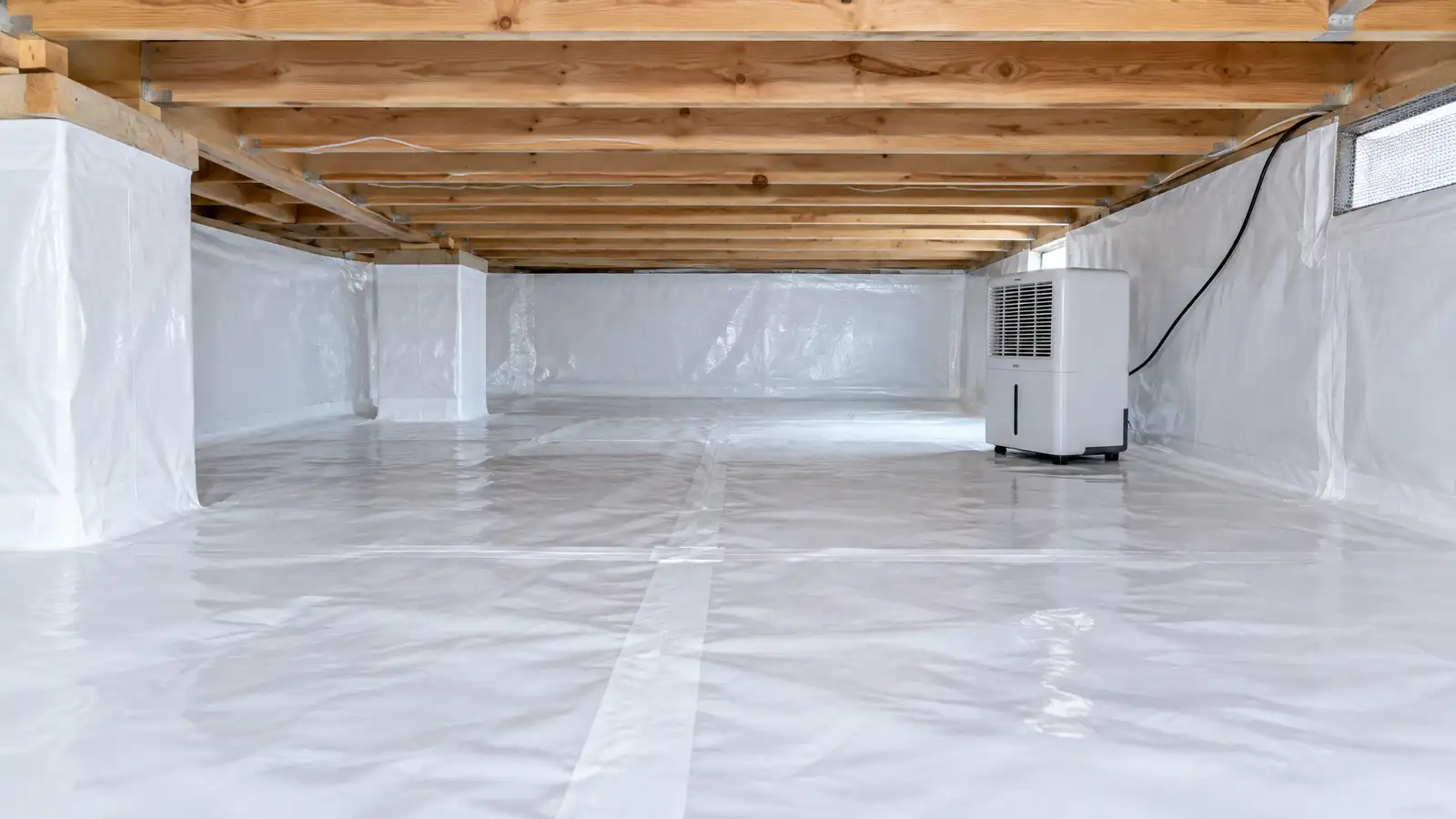
A healthy crawl space is dry, has covered soil, sound wood, tidy insulation and no standing water or musty smell. Humidity is in a reasonable range, and access is clear.
Photos from a professional visit help you see what normal looks like for your house.
Look for rodent droppings, shredded insulation and mud tubes, which signal pests.
Simple checks
After heavy storms, look for standing water and wet insulation through the access door. Check that the vapor barrier is in place, vents or seals are intact and downspouts are not dumping beside the wall.
Place a hygrometer under the house to see humidity over time.
Keep an eye on the humidity reading in July and August, when it usually peaks.
Vents, barriers and encapsulation
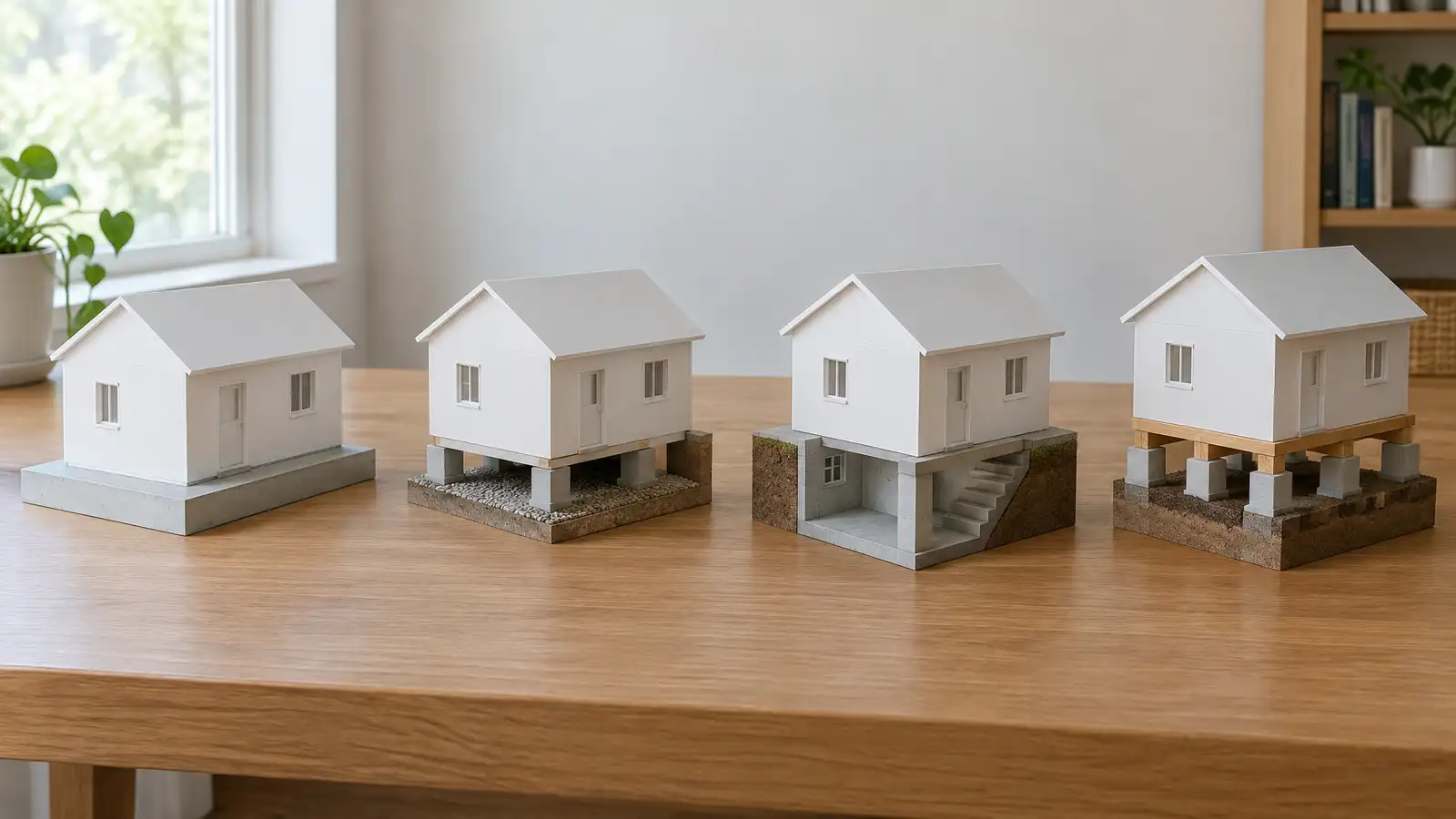
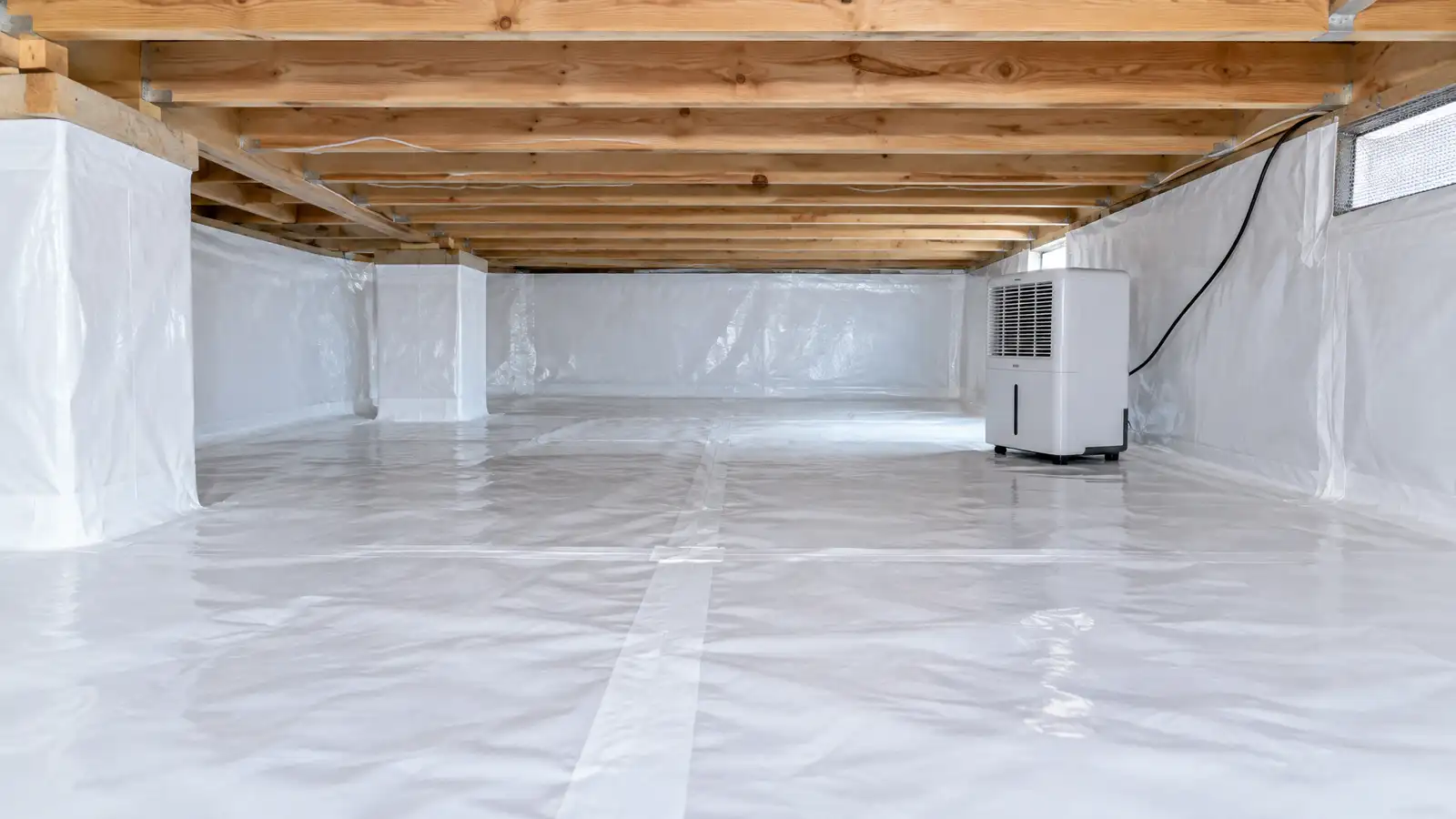
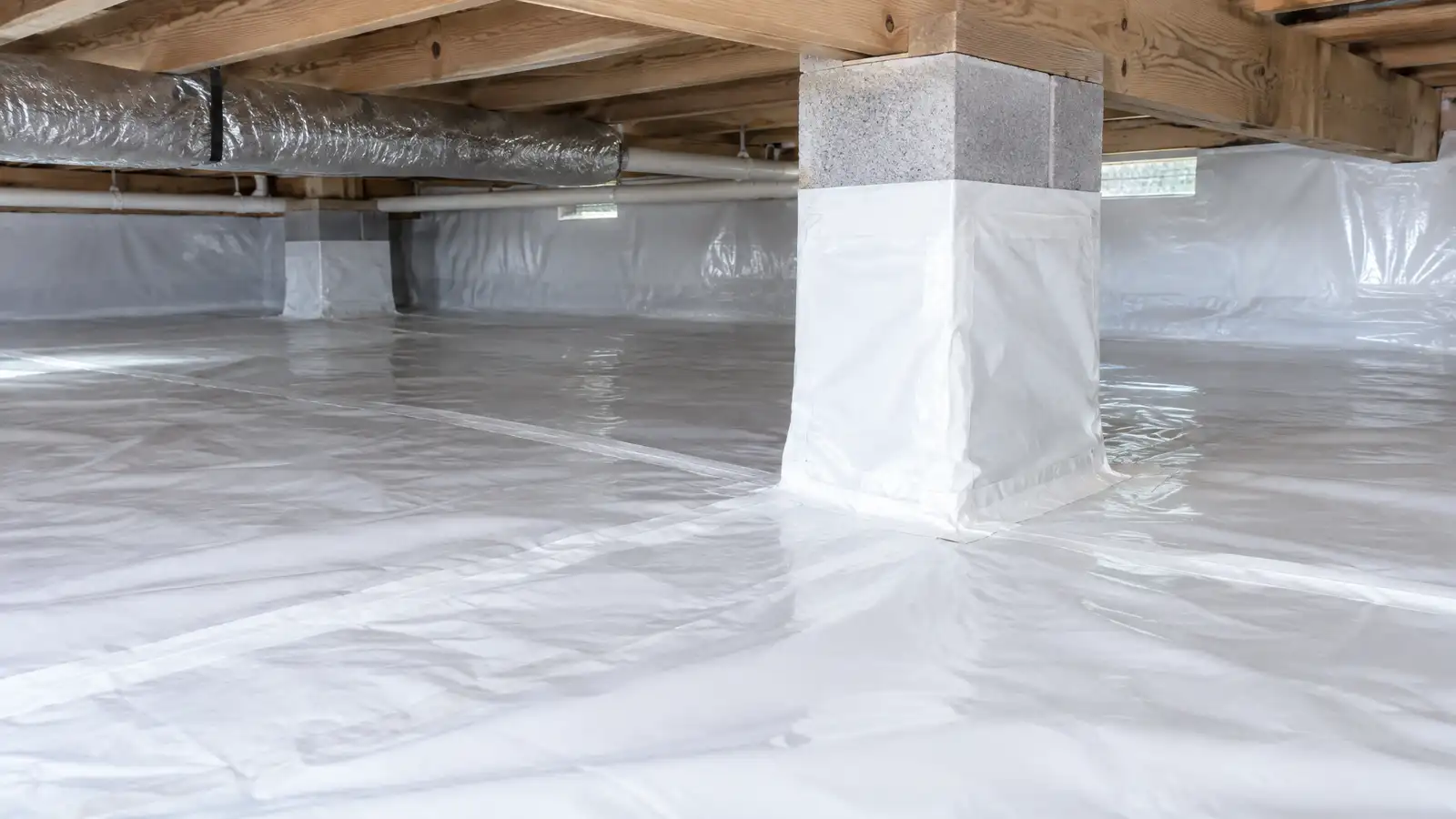
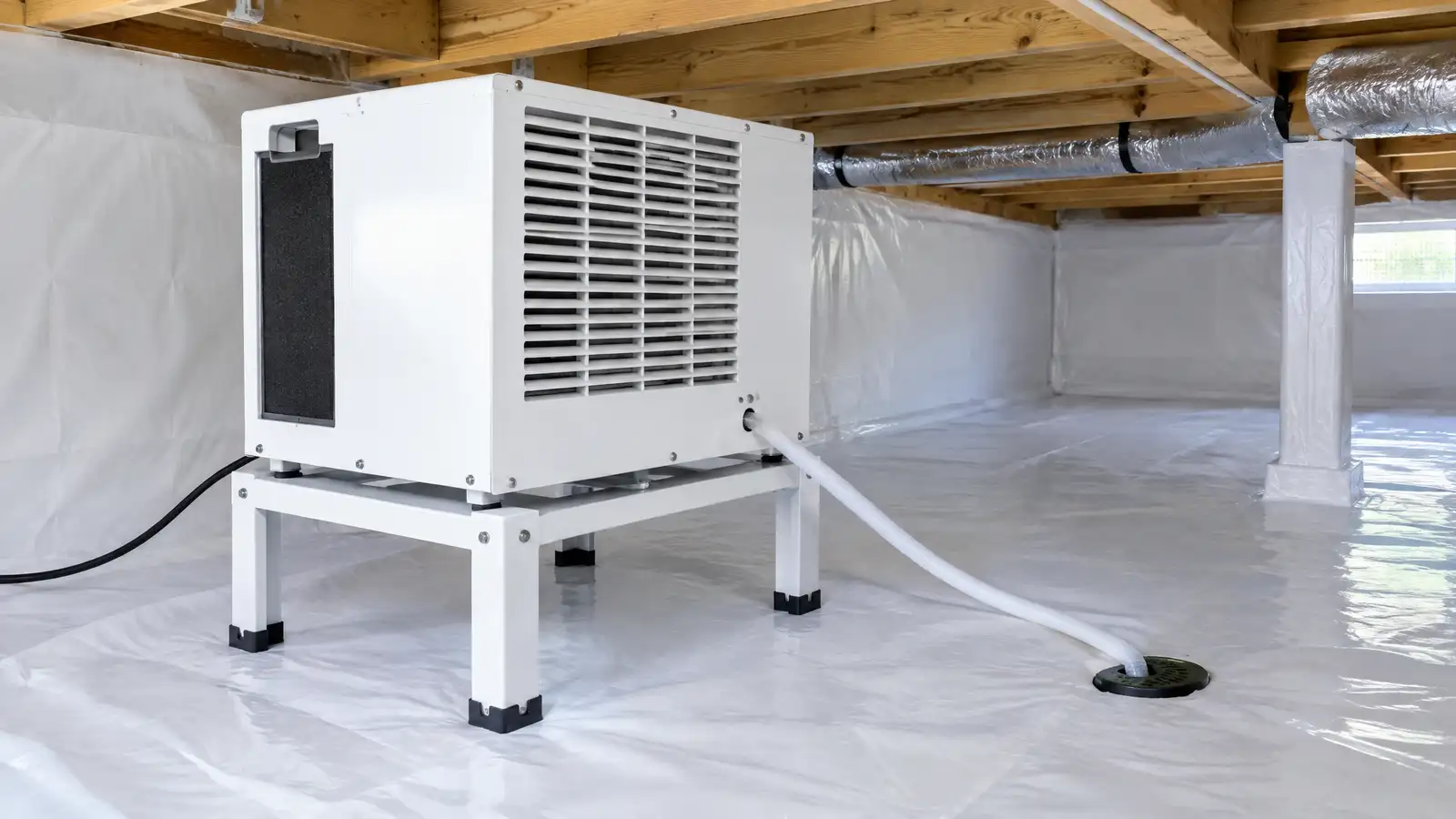
Traditional crawl spaces rely on vents. Many are improved with a heavy vapor barrier and drainage. Others are encapsulated and conditioned, with sealed vents and a dehumidifier.
Your specialist explains which fits your house and the local rules.
If you have an HVAC system under the house, check ducts for sagging and tears.
Pests and wood
Termites, rodents and wood rot love damp spaces. Dry conditions, sound barriers and sealed openings help discourage them, and pest professionals handle treatment.
Soft or dark wood should be probed and repaired.
A dry crawl space with clear access invites regular checks, which makes small problems easy to catch.
Plan the next step
If you see standing water, torn plastic, sagging insulation or musty smells, a crawl space inspection is a smart next step. A written scope with photos lets you plan repairs in order.
Take photos before any work starts so you can compare afterward.
Look under the house once a year and after big storms, and fix water and humidity before you fix anything else.