Serving Nashville and Middle TennesseeFree Estimate
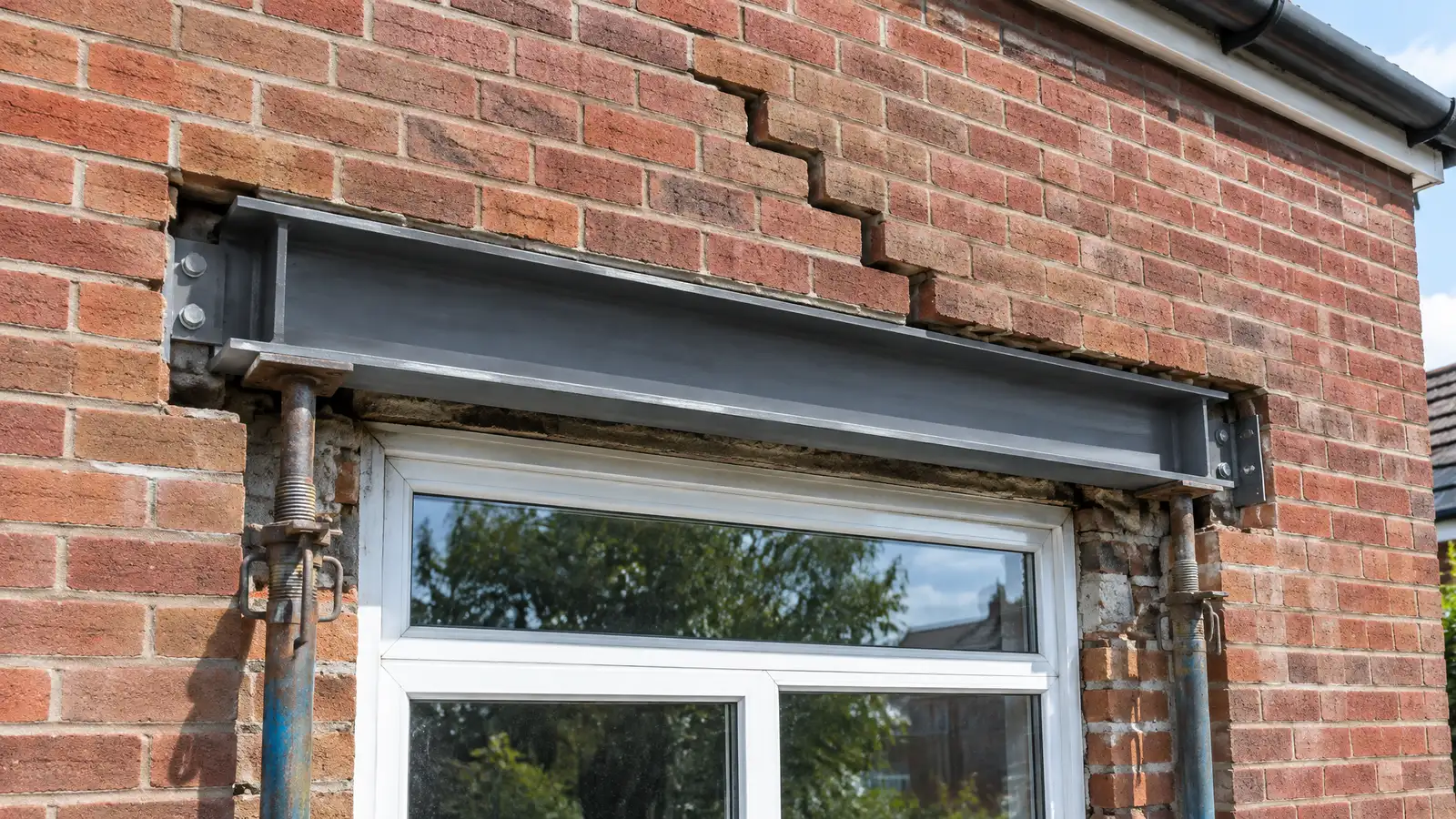
Repairing stair-step cracks and failed lintels over doors and windows, after addressing the movement that caused them.
A stair-step crack follows the mortar joints in brick or block, climbing like a staircase. Cracks above windows and doors often come from a lintel, the beam over an opening, that has rusted, bent or lost its bearing. These patterns usually point to movement, and Nashville homes with brick veneer and older steel lintels show them often.
Your specialist measures the crack, checks the foundation and soil for settlement and inspects lintels above openings. If movement is active, the foundation is stabilized first. Failed lintels are replaced or supported, loose brick is rebuilt, cracks are repointed and flashing is installed to keep water away from steel. The repair is finished so the wall blends with the rest of the brick or block. Measure and photograph the crack before anyone touches it, and mark the date. Masonry repairs are most successful when the movement behind the crack has stopped, so a short monitoring period can help. Your specialist may suggest gauges and a plan, and then schedule the repointing or lintel work for the right season, with materials matched to your walls.
Direction and location tell whether the crack comes from foundation movement, a failing lintel or something else.
If the foundation is still moving, masonry repairs would simply crack again, so the support comes first.
Rusted or bent steel lintels expand and push the brick above them, so they are replaced and flashed.
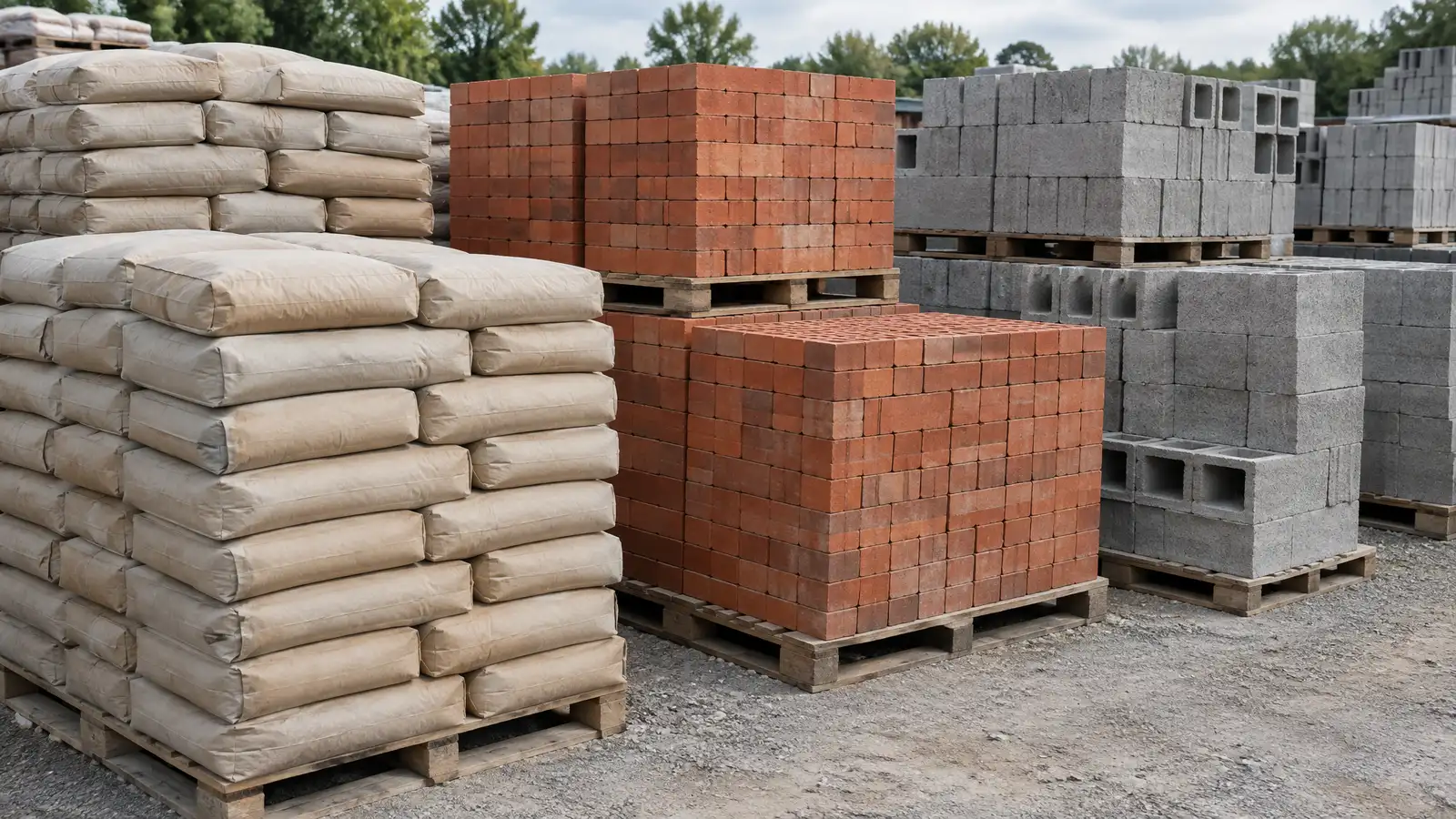
Matching brick and mortar make repairs less visible and keep the wall watertight.
Drag the handle to compare.
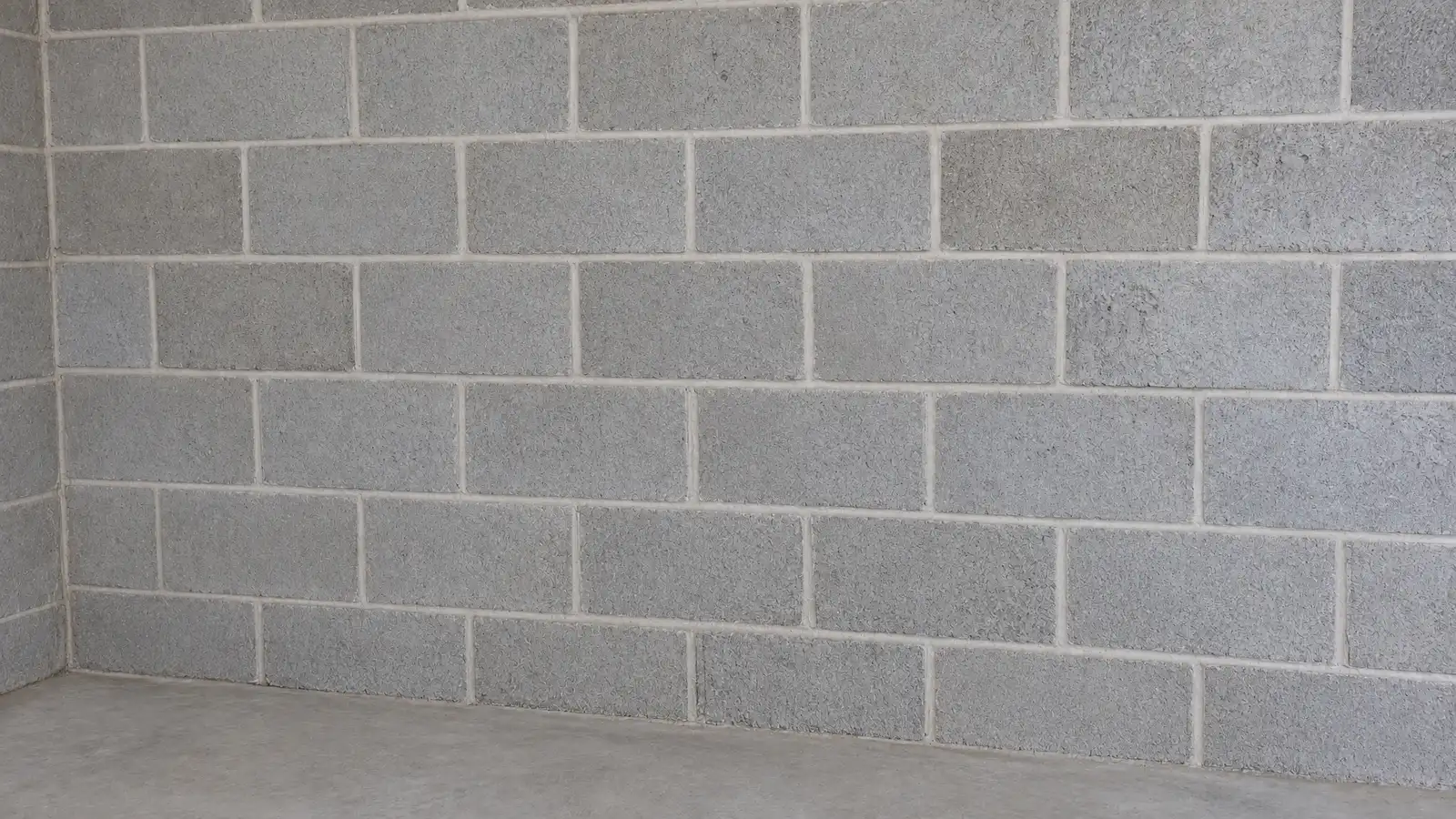
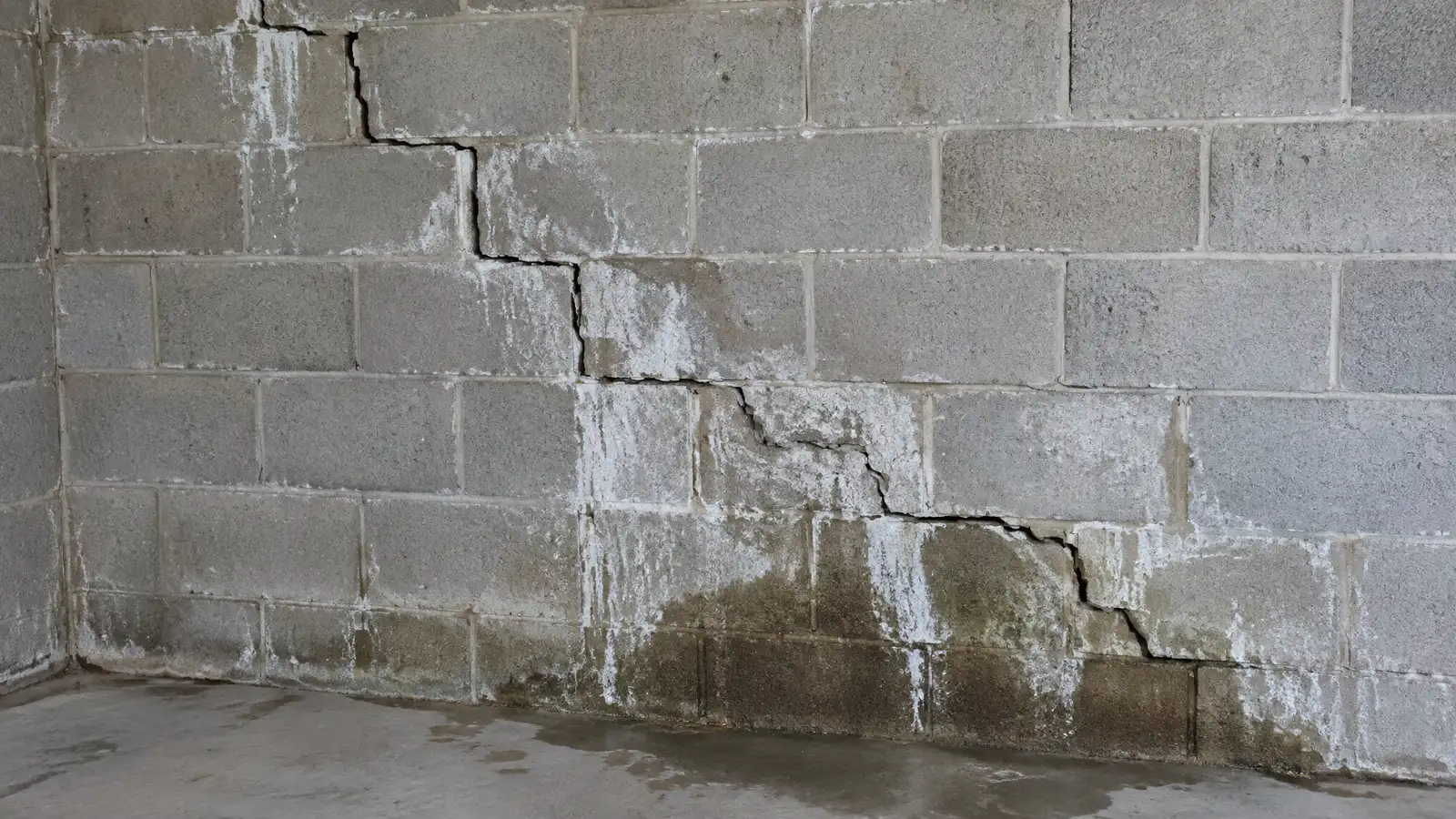 BeforeAfter
Cracks and lintels checked.
Settlement and soil considered.
Support placed.
Rusted steel removed and new set.
Brick and mortar repaired.
Water kept out.
Every topic has its own page with what to expect and how we approach it.
 ResourceSimpson Strong-TieA maker of structural connectors, anchors and fasteners used in framing, concrete and masonry, with engineering resources.Learn more ResourcePCAA trade association of cement manufacturers that shares education and technical information about cement and concrete.Learn more
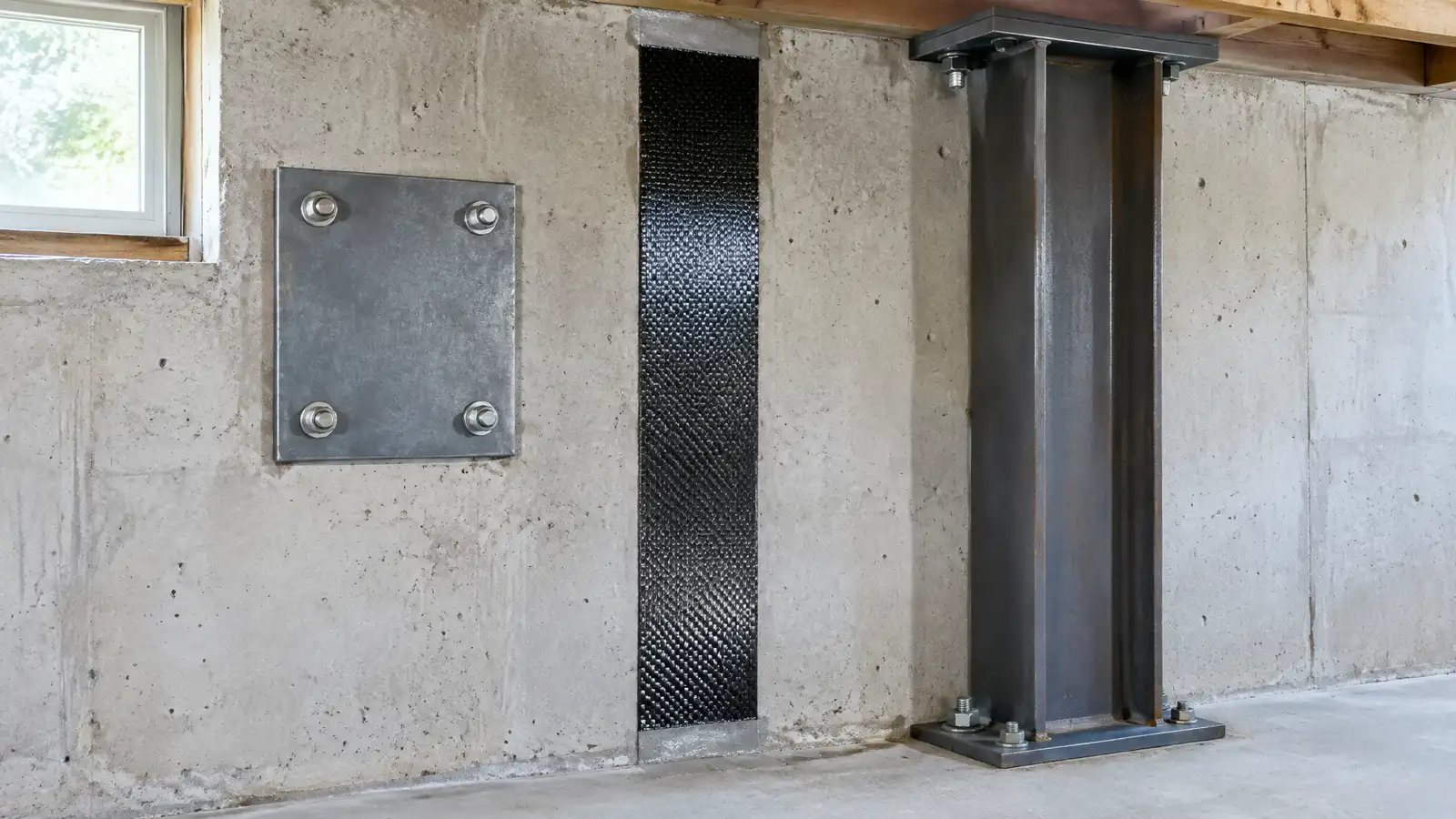 Comparison guideWall Repair MethodsHow wall anchors, carbon fiber straps, steel beams and rebuilding differ in what they do for bowing or…Learn more
Enter your measurements to see piers, crack length, drain footage, crawl space liner area and slab area to plan for.
You tell us what you see and where the property is. One call sets up a visit that fits your day.
A specialist walks the inside and outside, checks cracks, floors, moisture and drainage and takes measurements and photos.
You receive a plain written scope with the cause, the method, the location of each repair and the schedule before anything begins.
Utility marking is requested where digging is needed, access is protected and materials and any engineering are lined up.
Supports, drains, sealing or lifting are completed in a clear order, with photos and checks along the way.
The site is cleaned up, the work is explained on a walk-through and care and monitoring tips are shared.
Foundation settlement, soil movement, expansion and failing lintels are common causes.
If the cause remains, the crack can return. Fixing the cause first gives the repair a better chance.
The beam above a door or window that carries the wall over the opening. Steel lintels can rust and push brick out.
Cracks starting at the corners of windows or doors, rust stains and bulging brick above openings are signs.
Well matched brick and mortar blend in, and your specialist shows samples when possible.
 Brick Repair and TuckpointingReplacing crumbling mortar and damaged brick so walls shed water, hold together and match the look of the…Explore
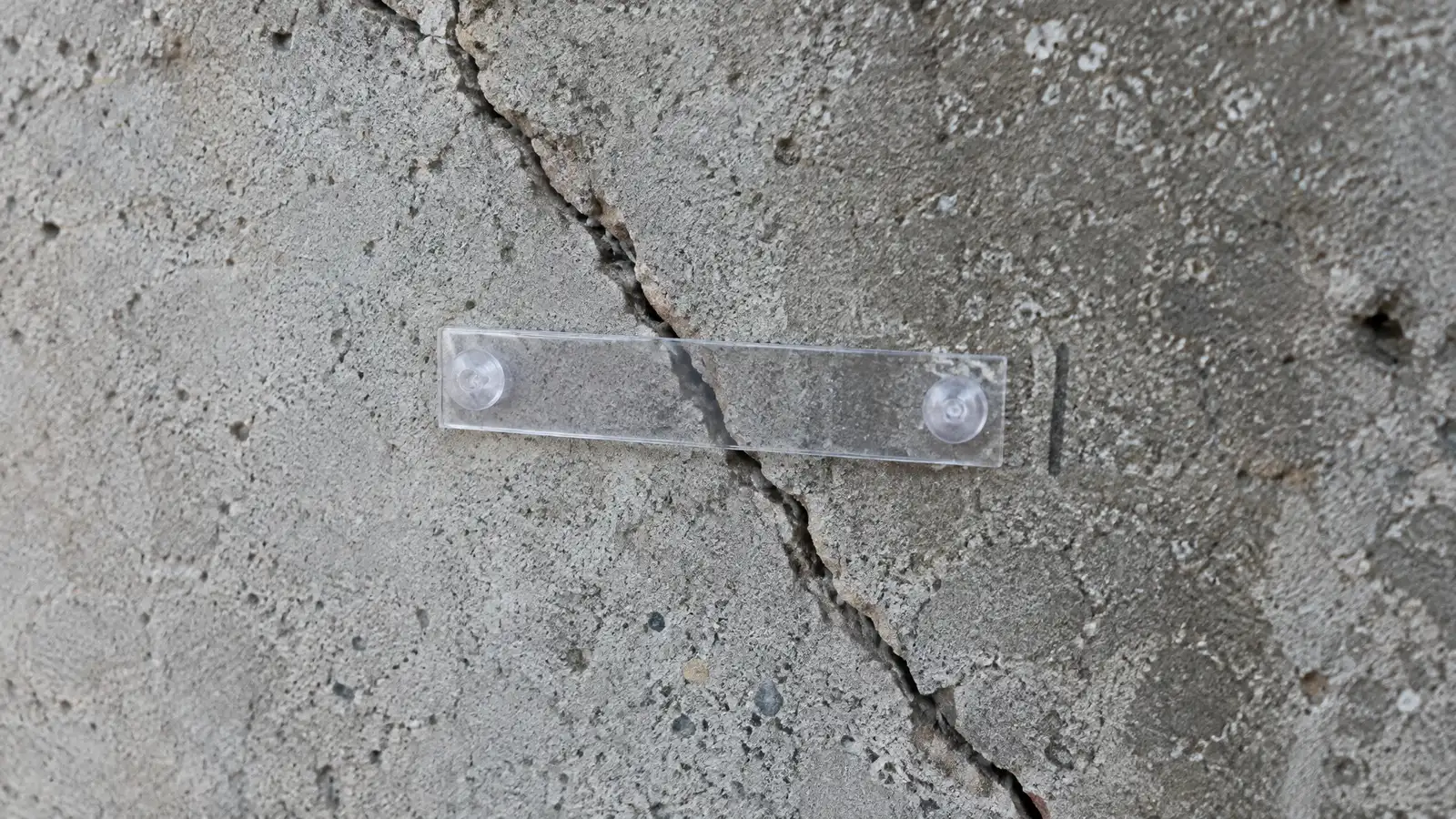 Foundation Crack EvaluationA specialist reads the width, direction and pattern of your cracks to tell harmless shrinkage from movement that…Explore
 Veneer and Stone RepairRepairing loose, cracked or fallen brick veneer, stone veneer and decorative stonework on homes and walls.Explore
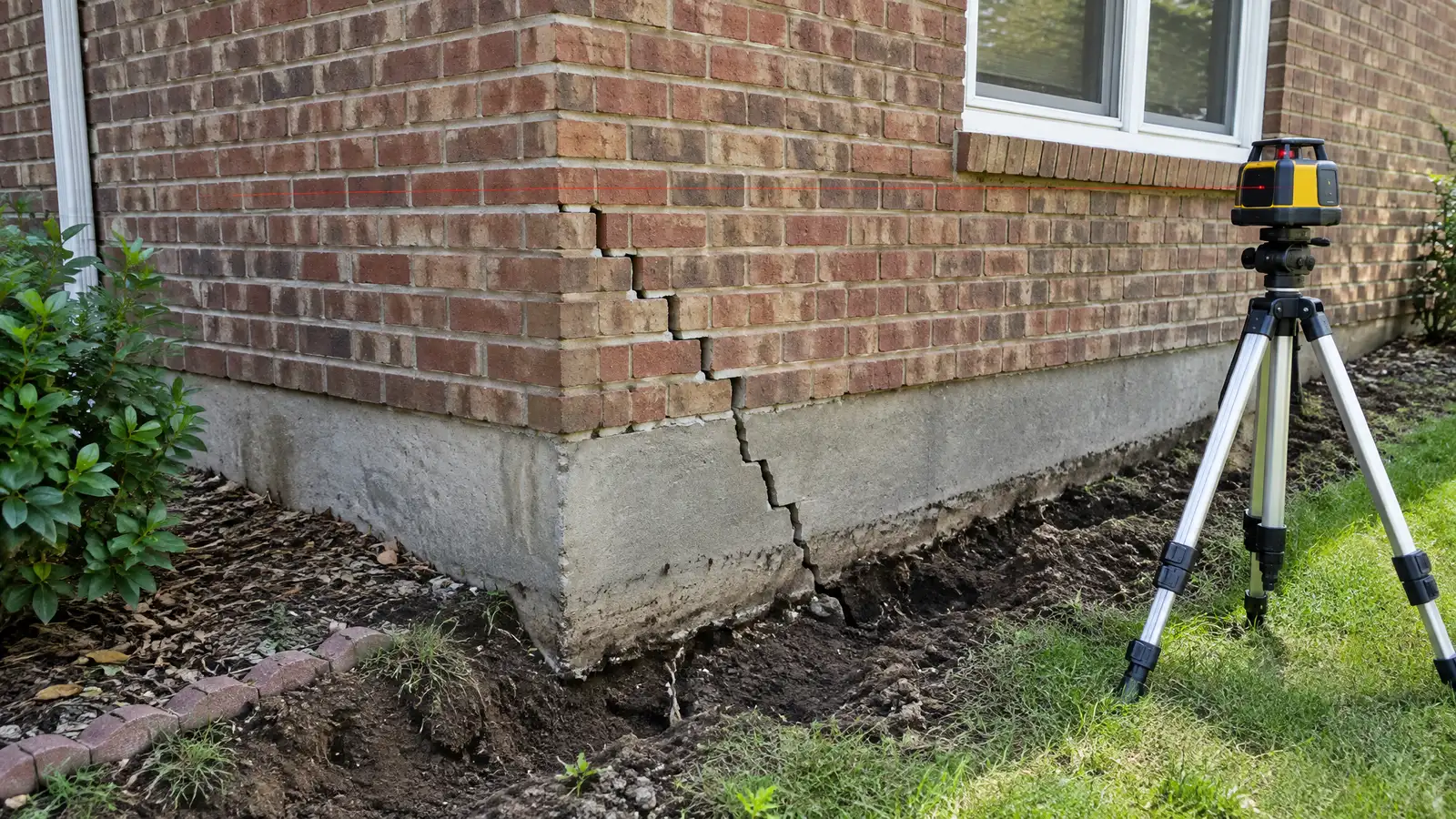 Settling and Sinking Foundation RepairRepairs for corners, walls and slabs that have dropped, using support, lifting and drainage to stop the movement…Explore
Tell us about your property and one specialist will call you back to set up a visit.
Or call (615) 431-3789 to talk now.