Serving Nashville and Middle TennesseeFree Estimate
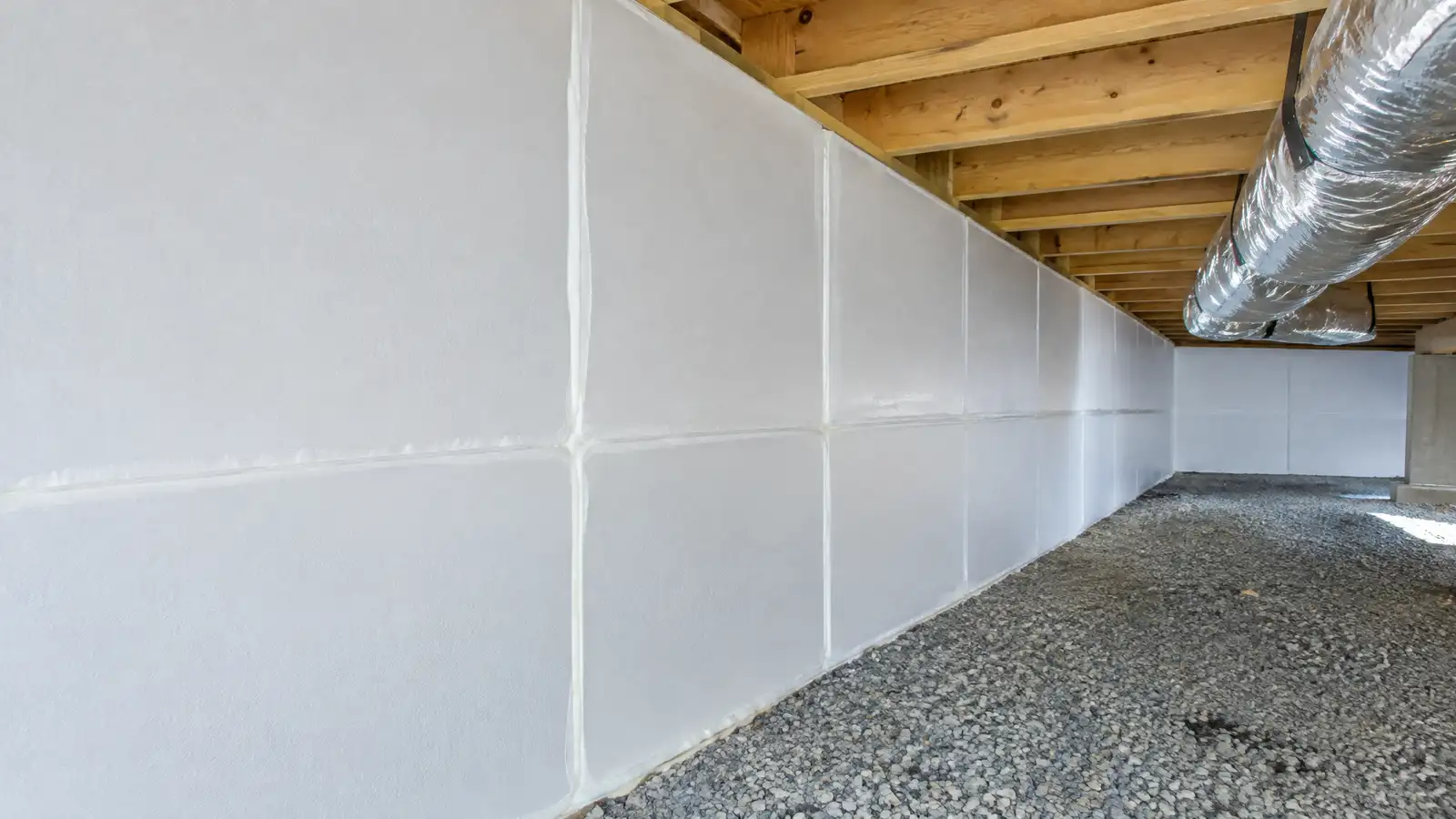
Insulation for crawl space walls or floors that supports comfort, controls moisture and fits the way the space is sealed.
The floors above a crawl space can feel cold in winter and clammy in summer. Insulation helps, but where it goes matters. Fiberglass batts under the floor can sag and absorb moisture, while rigid foam on the walls of a sealed crawl space stays dry and steady. Nashville owners often revisit crawl space insulation when they fix moisture or notice drafts.
Your specialist inspects existing insulation, removes wet or fallen material and recommends a plan that fits the space. In a sealed or encapsulated crawl space, rigid foam board or spray foam on the walls and rim joists is common. In a vented space, insulation under the floor is secured and protected. Air sealing, ducts and plumbing are considered so the insulation works as a system.
Insulation works poorly when it is wet, so humidity and water are controlled before new material goes in.
Sealed crawl spaces insulate the walls and rim, and vented spaces insulate under the floor. The choice follows how the space is managed.
Straps and supports keep insulation from sagging, which helps it stay effective.
Air leaks at the rim joist, wires and pipes are closed so insulation does its job.
Drag the handle to compare.
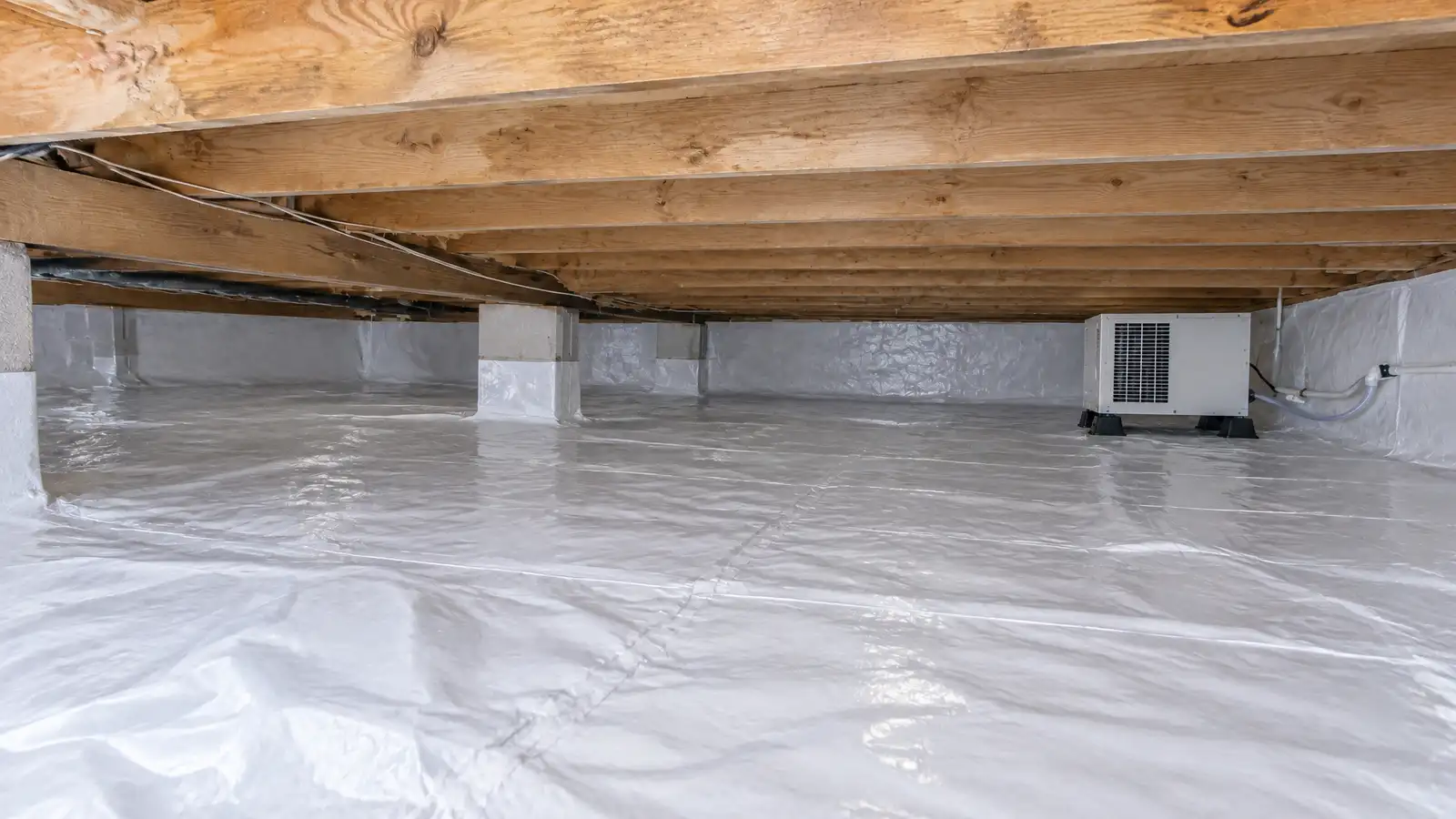
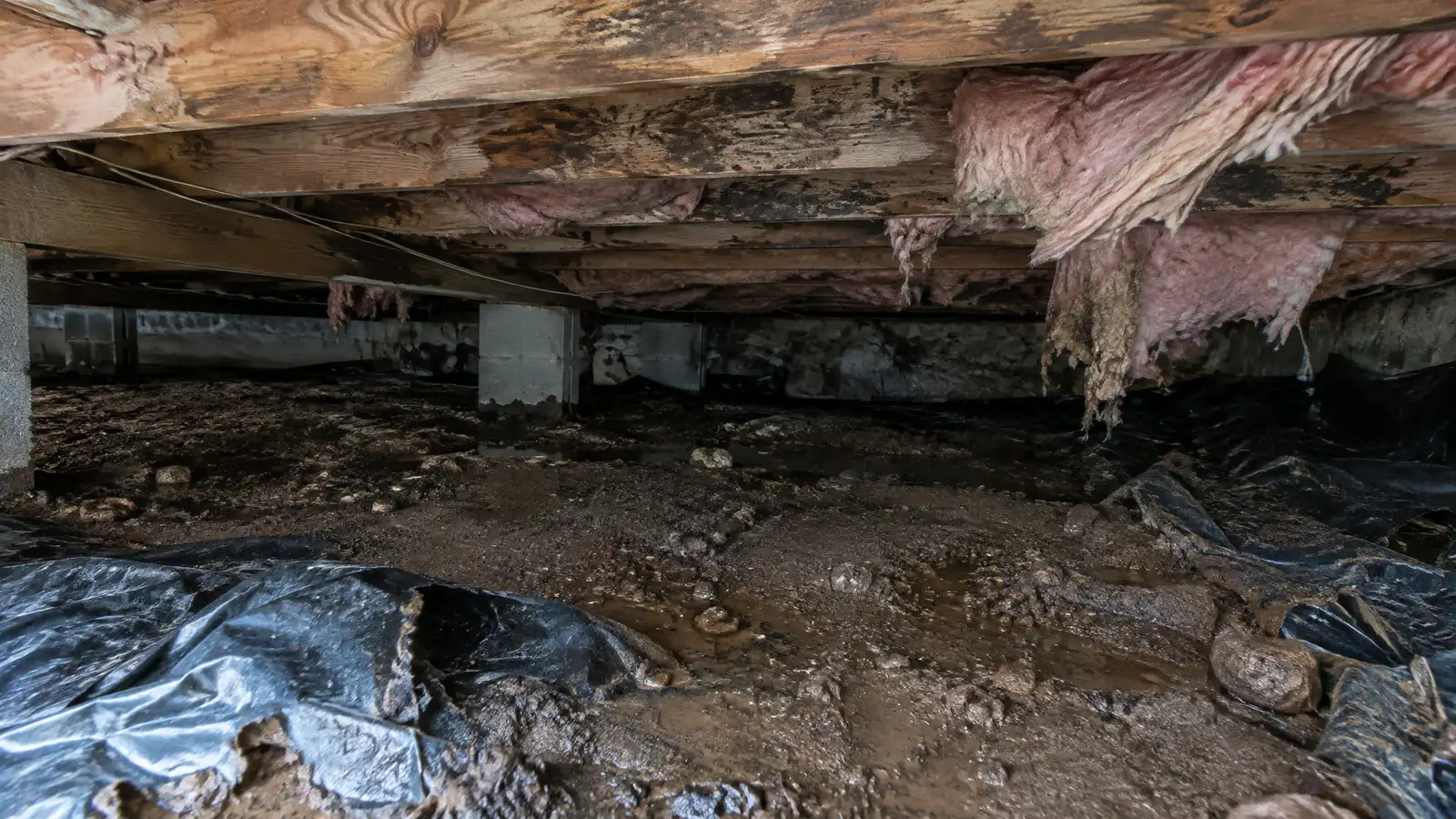 BeforeAfter
Old insulation and moisture reviewed.
Damaged insulation taken out.
Wall or floor insulation.
Gaps and rim joists closed.
Material fixed in place.
Ducts and plumbing checked.
Every topic has its own page with what to expect and how we approach it.
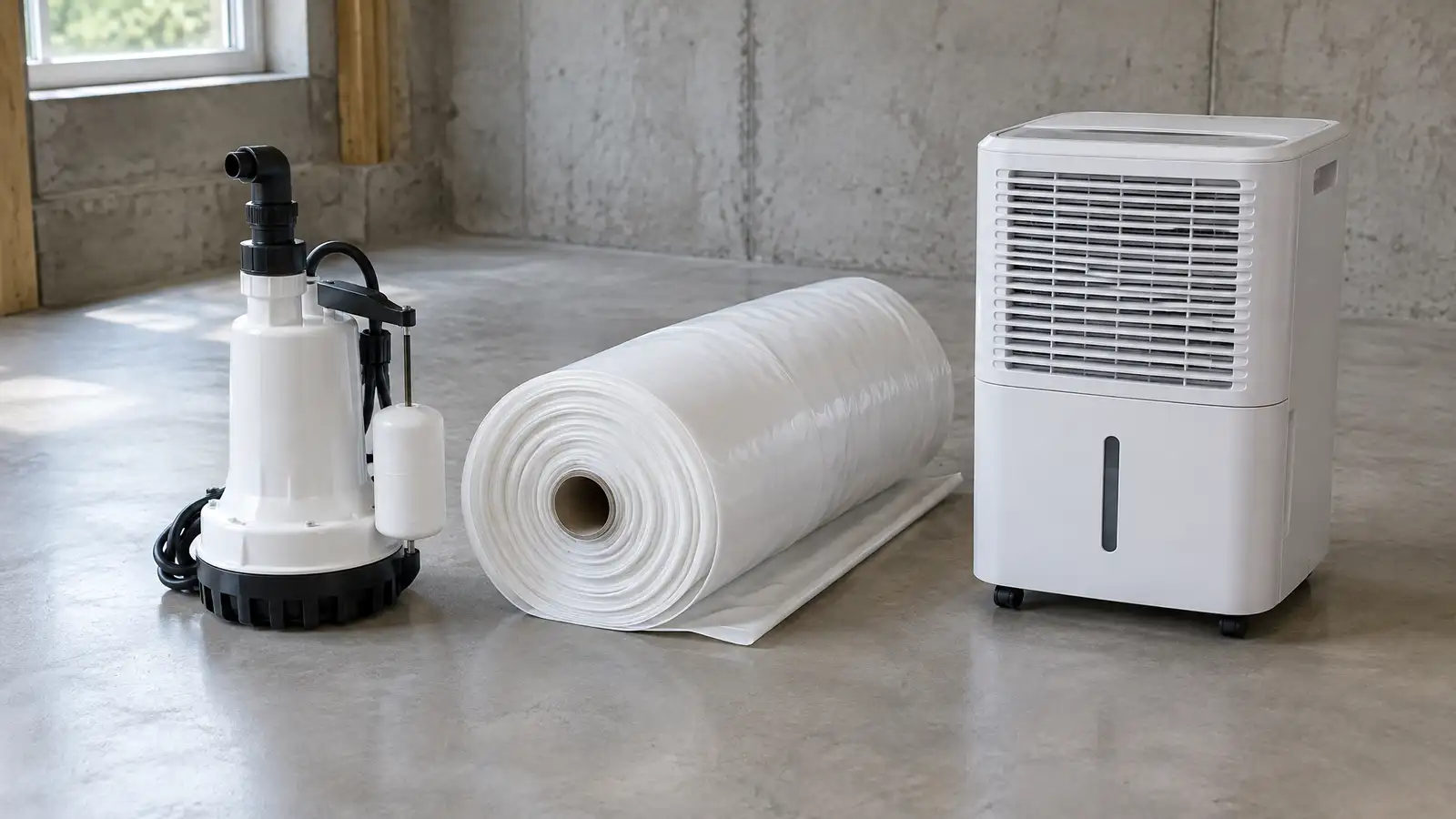 ResourceAprilaireA maker of whole-home and crawl space dehumidifiers, ventilation and air quality products for homes.Learn more
 ResourceEPAGuidance from the US Environmental Protection Agency on controlling moisture and mold in homes, schools and businesses.Learn more
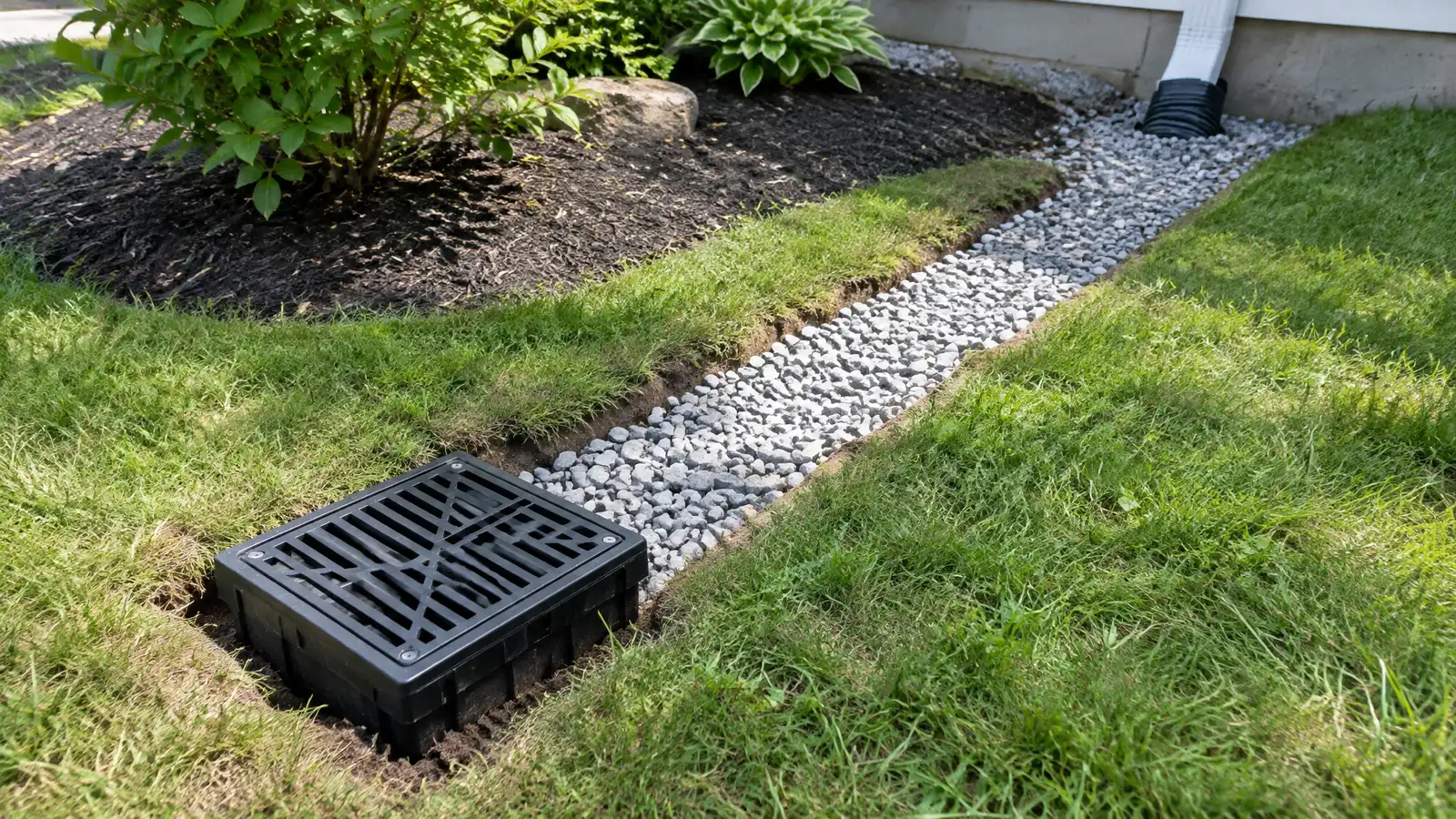 Comparison guideDrainage SolutionsHow French drains, surface drains, grading, swales, dry wells and downspout extensions differ in what water they handle.Learn more
Answer a few questions about what you see, your foundation type, moisture and soil to learn which repair methods usually fit.
You tell us what you see and where the property is. One call sets up a visit that fits your day.
A specialist walks the inside and outside, checks cracks, floors, moisture and drainage and takes measurements and photos.
You receive a plain written scope with the cause, the method, the location of each repair and the schedule before anything begins.
Utility marking is requested where digging is needed, access is protected and materials and any engineering are lined up.
Supports, drains, sealing or lifting are completed in a clear order, with photos and checks along the way.
The site is cleaned up, the work is explained on a walk-through and care and monitoring tips are shared.
It depends on whether the crawl space is vented or sealed. Your specialist recommends the approach that fits your space.
Moisture, weight and old fasteners can make batts sag or drop. Replacing them with the right system solves the problem.
No. Moisture needs to be controlled first, and insulation then supports comfort and efficiency.
It can seal and insulate in one step, and your specialist explains where it makes sense and where other products are enough.
Crawl space work is tight and dirty, and wet or hazardous conditions are common, so many owners leave it to a professional.
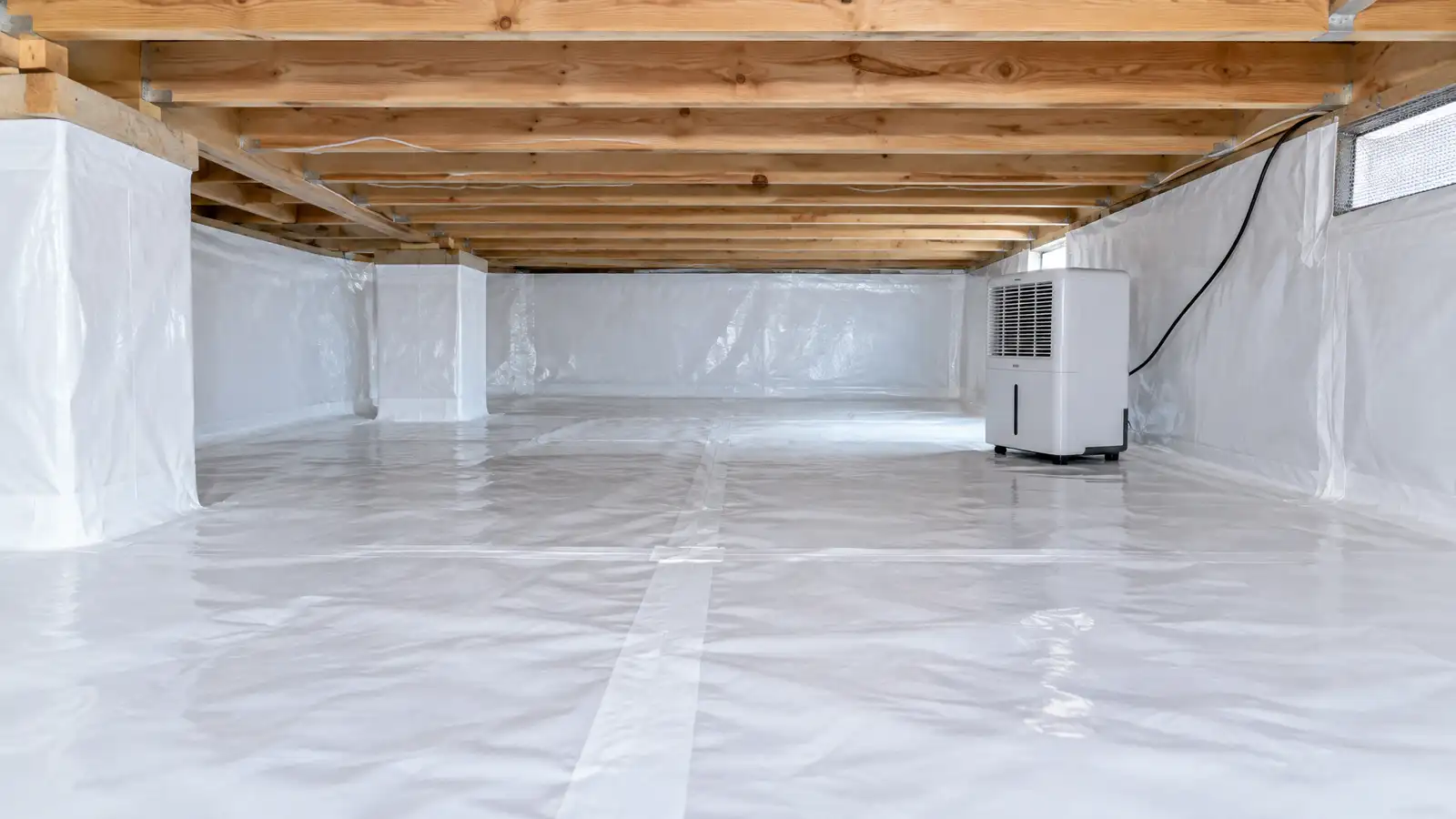 Crawl Space EncapsulationSealing the crawl space with a heavy liner on the floor and walls, drainage where needed and controlled…Explore
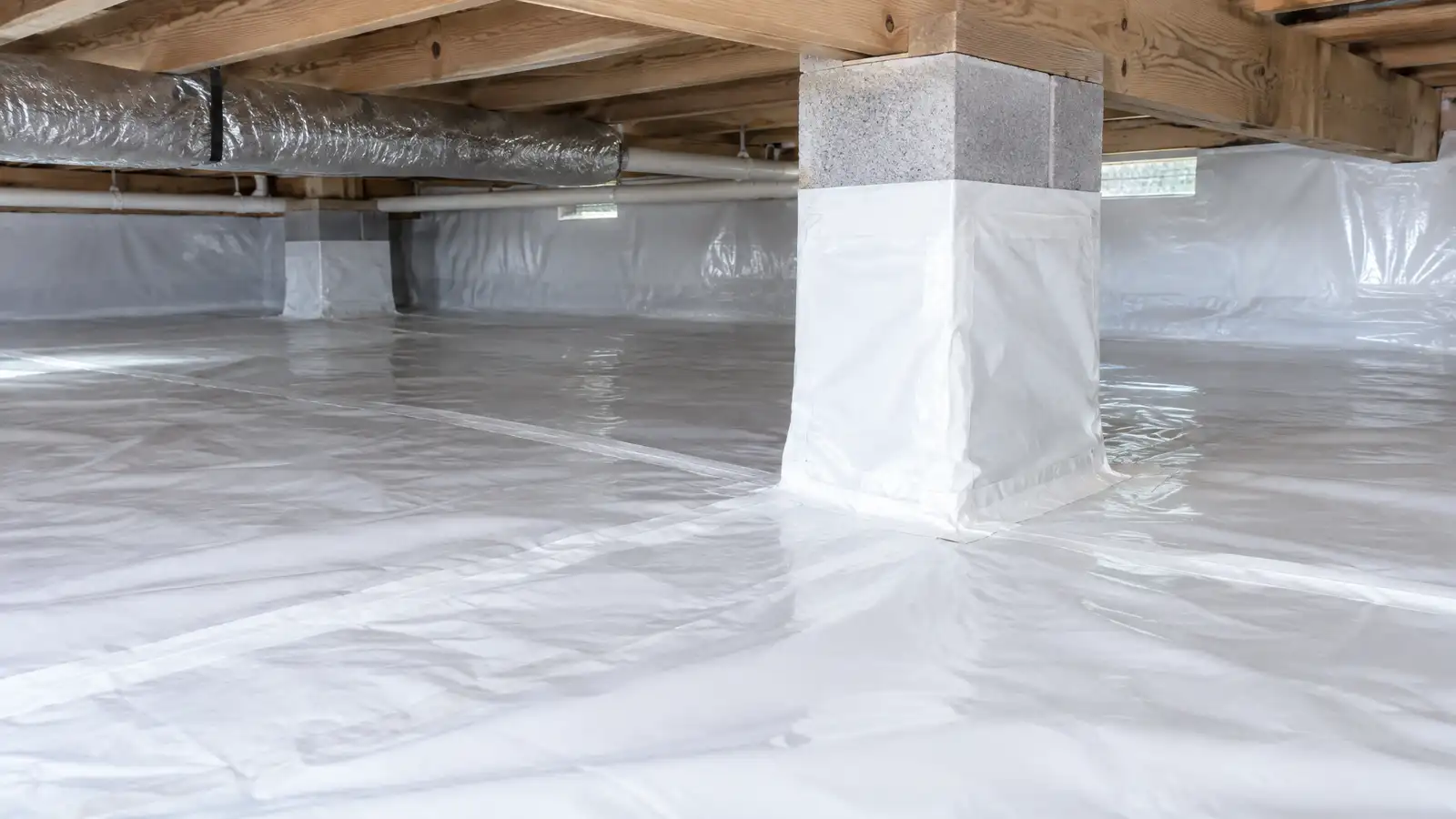 Crawl Space Vapor BarriersA tough plastic ground cover that blocks moisture rising from the soil, installed with sealed seams and clean…Explore
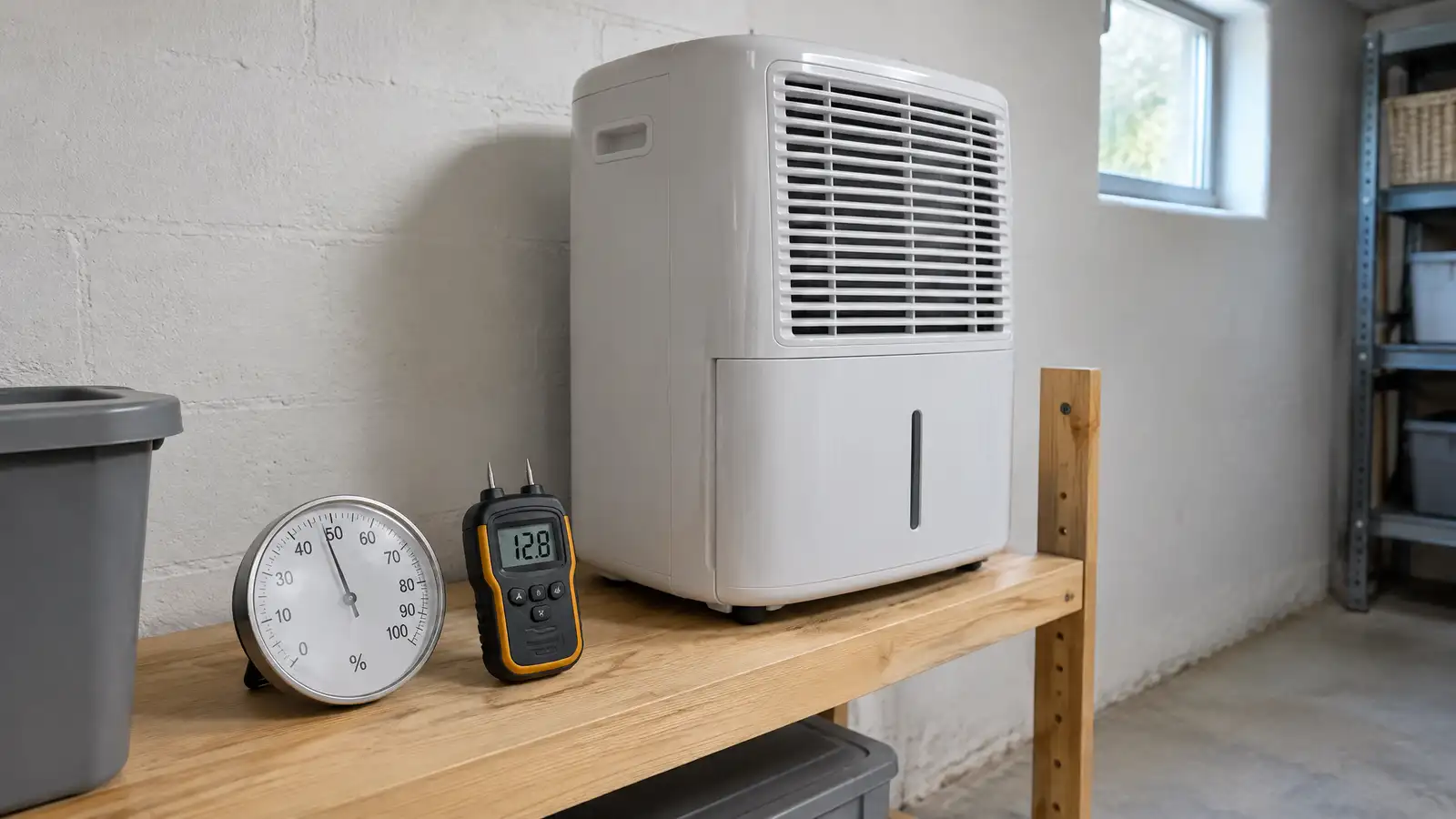 Moisture and Mold PreventionControlling water, humidity and airflow in basements and crawl spaces so mold has little to grow on.Explore
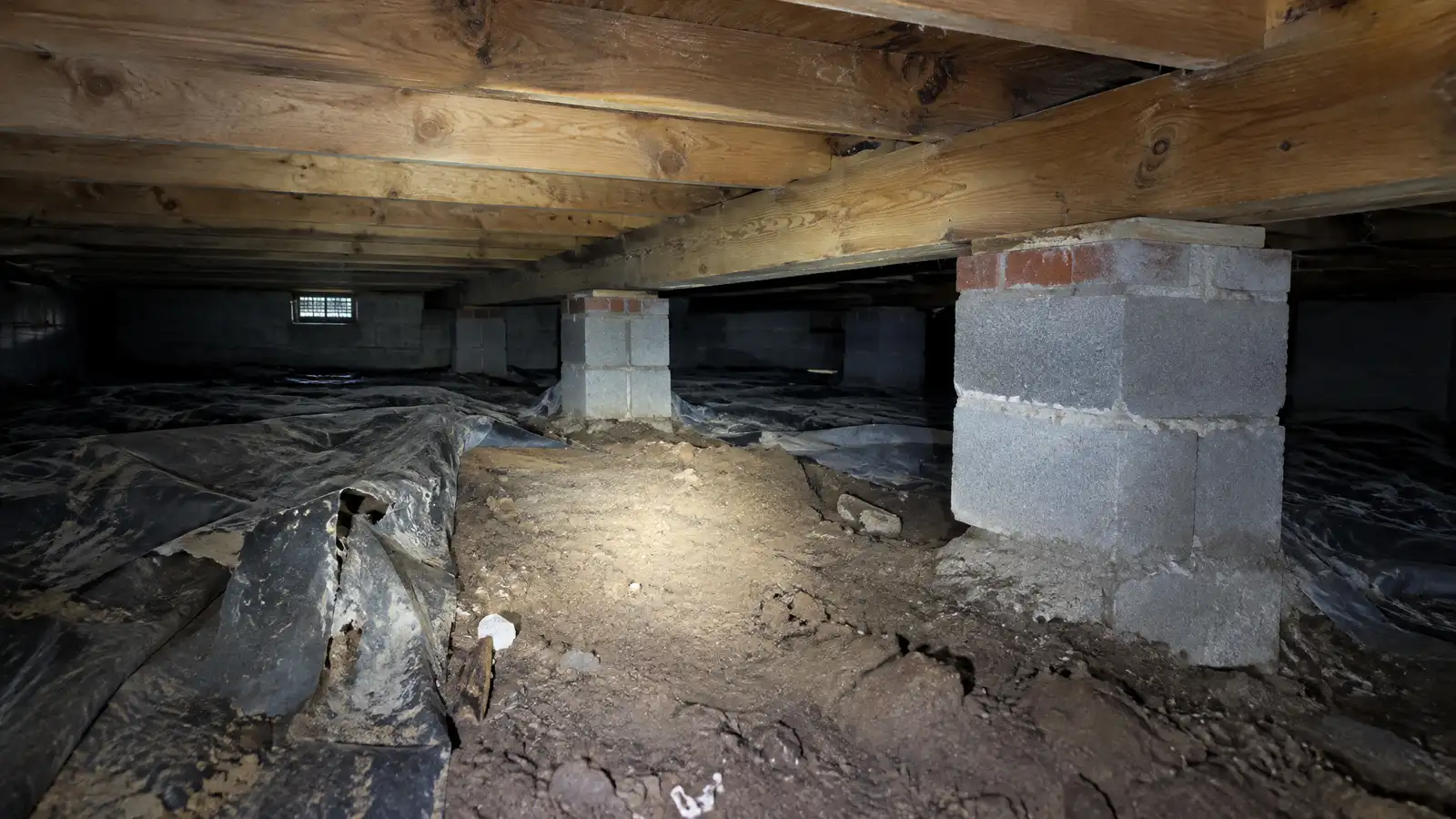 Crawl Space InspectionsA look under the house at moisture, supports, vapor barriers, insulation and pests, with photos of what is…Explore
Tell us about your property and one specialist will call you back to set up a visit.
Or call (615) 431-3789 to talk now.