Serving Nashville and Middle TennesseeFree Estimate
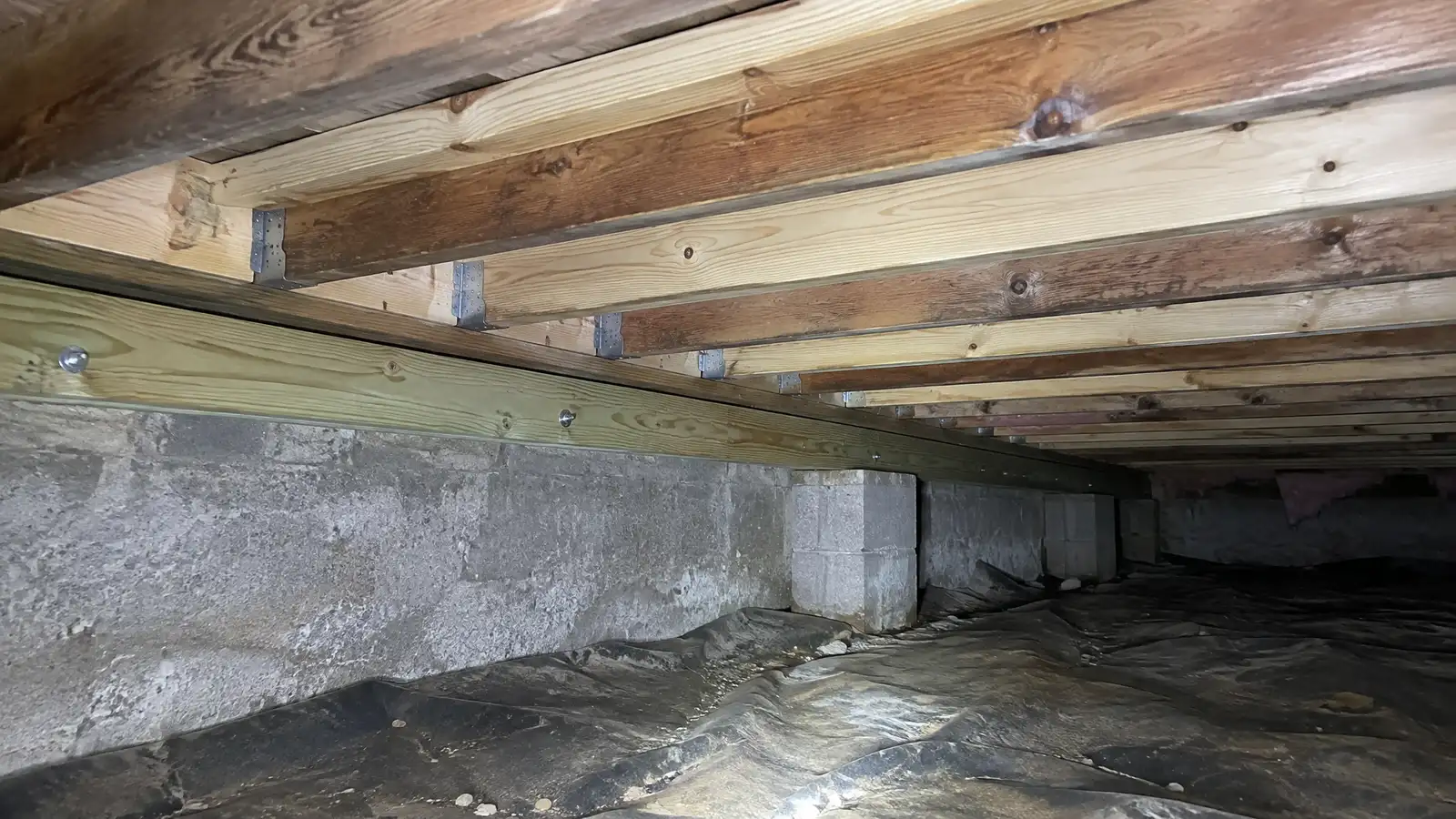
Repairing rotted, cracked or sagging joists and sills with sistering, replacement and moisture control.
Joists carry the floor, and the sill plate ties the wood frame to the foundation. When moisture, termites or old notches weaken either, floors bounce, squeak and sag. In Nashville's humid climate, damp crawl spaces and leaky walls are common causes. Repairing the framing and drying the space protects the home and the floors you walk on.
Your specialist probes the wood, measures floor heights and traces the moisture source. Damaged joists are sistered with new lumber or replaced, rotted sill plates are replaced in sections with the house supported, and metal hangers and connectors tie everything together. Insects are referred to a pest professional, and moisture control such as a vapor barrier or drainage is added so the new wood stays dry. Wood repairs last when the moisture that caused the damage is gone. Ask your specialist to show you the source of the dampness, whether it was a leak, a wet crawl space or condensation, and what is being done about it. A short list of care steps, such as checking the vapor barrier and gutters once or twice a year, helps keep the new framing sound.
Soft or cracked wood is mapped, so the repair covers what is damaged and leaves what is sound.
A new joist fastened beside a weak one can restore strength, and badly damaged joists are replaced.
A rotted sill is replaced in sections with temporary support so the wall above stays secure.
Without drying the space, new wood can rot again, so water control goes along with the repair.
Drag the handle to compare.
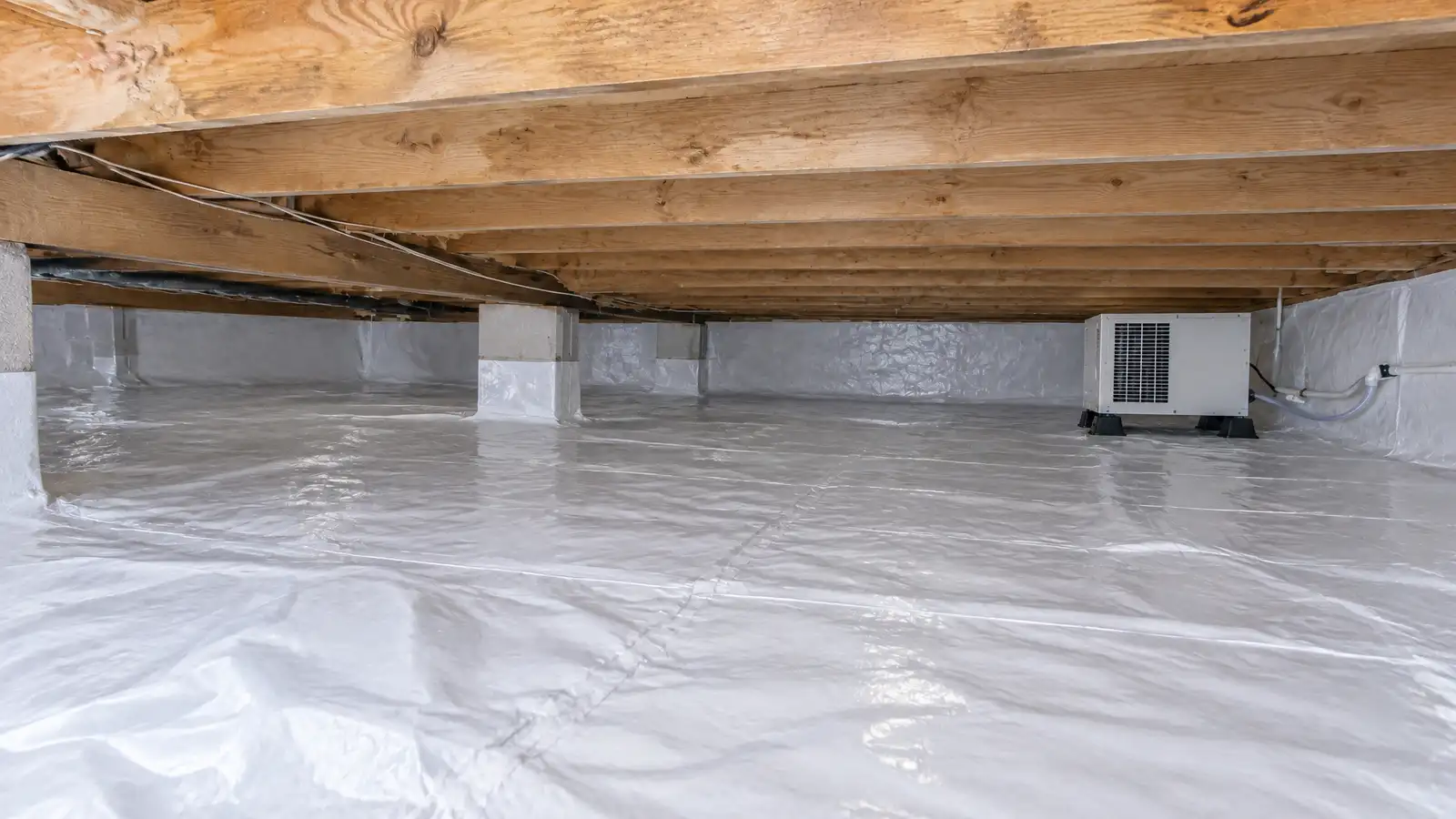
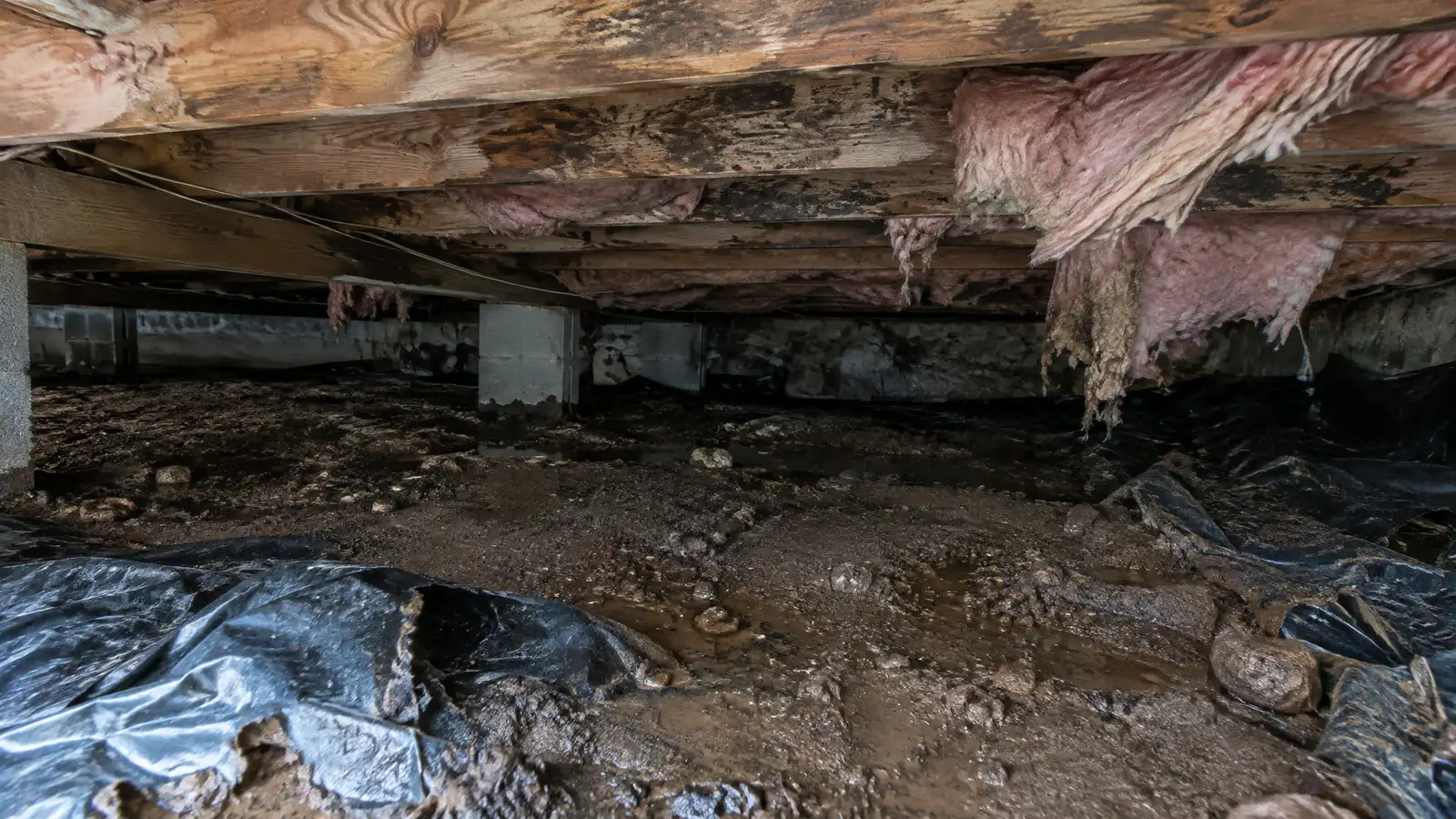 BeforeAfter
Damage mapped.
Sources traced.
Temporary support placed.
Joists and sills repaired.
Hangers and ties installed.
Barrier and drainage added.
Every topic has its own page with what to expect and how we approach it.
 ResourceBIAA national trade association for the brick industry that publishes technical notes on brick construction, mortar and cracking.Learn more ResourceCMHAAn industry association for concrete block, pavers and retaining wall products, formerly known as the National Concrete Masonry…Learn more
 Comparison guideRetaining Wall TypesHow segmental block, poured concrete, natural stone and timber walls differ in strength, drainage needs, look and repair.Learn more
Pick a foundation, waterproofing, drainage or concrete job, set the quantity and add extras to see a ballpark planning range. Placeholder values only.
You tell us what you see and where the property is. One call sets up a visit that fits your day.
A specialist walks the inside and outside, checks cracks, floors, moisture and drainage and takes measurements and photos.
You receive a plain written scope with the cause, the method, the location of each repair and the schedule before anything begins.
Utility marking is requested where digging is needed, access is protected and materials and any engineering are lined up.
Supports, drains, sealing or lifting are completed in a clear order, with photos and checks along the way.
The site is cleaned up, the work is explained on a walk-through and care and monitoring tips are shared.
Fastening a new board alongside a damaged one so the pair carry the load together.
Yes, in sections, with the house supported while the old wood is removed and new treated wood is installed.
It can be, since water often comes from poor drainage or foundation leaks. The cause is part of the repair.
Pest treatment is a specialty, and your specialist points you to the right professionals while repairing the damage.
Often yes, once weak joists are repaired and supports are corrected.
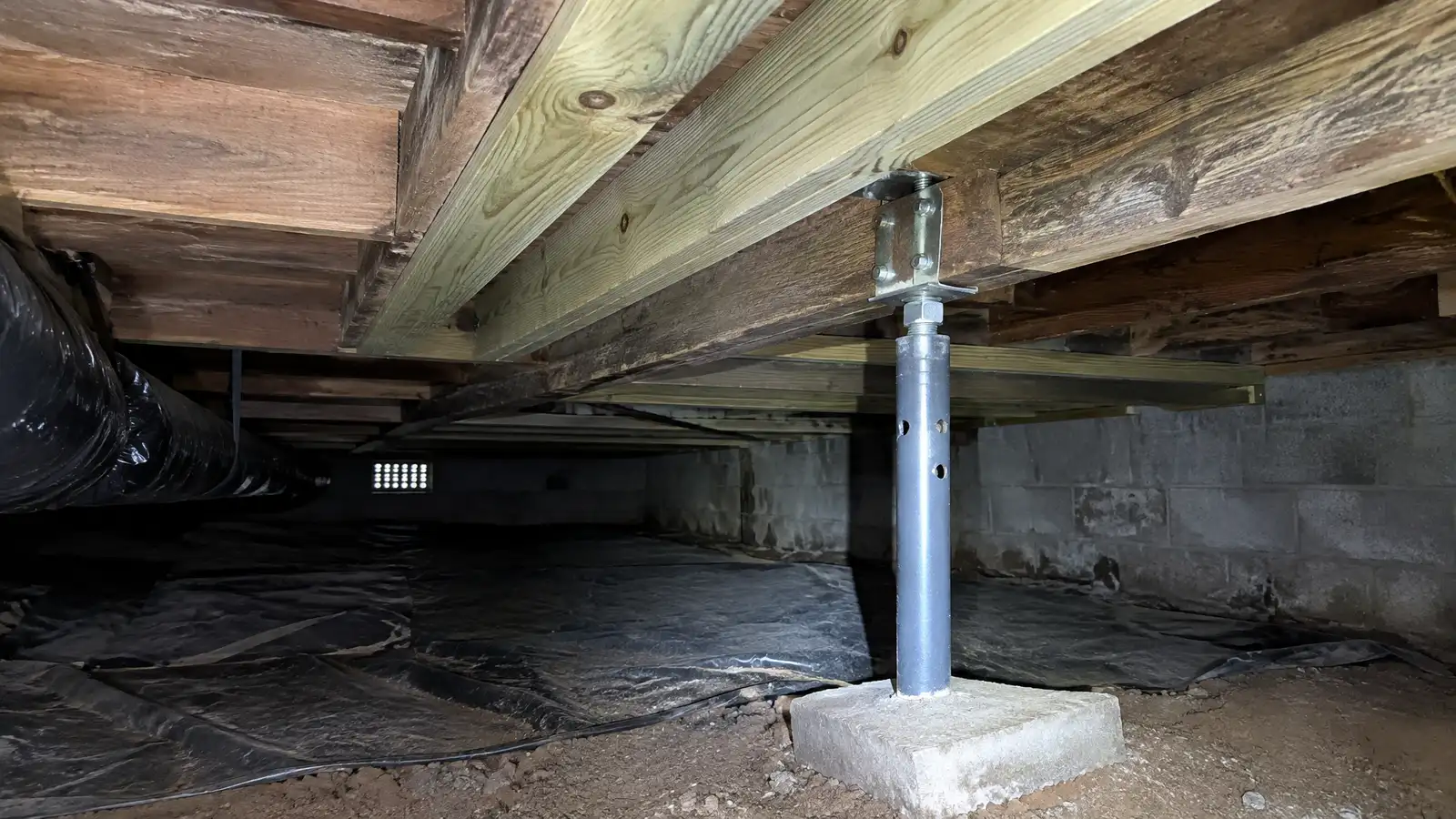 Crawl Space Repair and Structural SupportReplacing rotted wood, adding piers and beams and correcting damage under a house so the floor above is…Explore
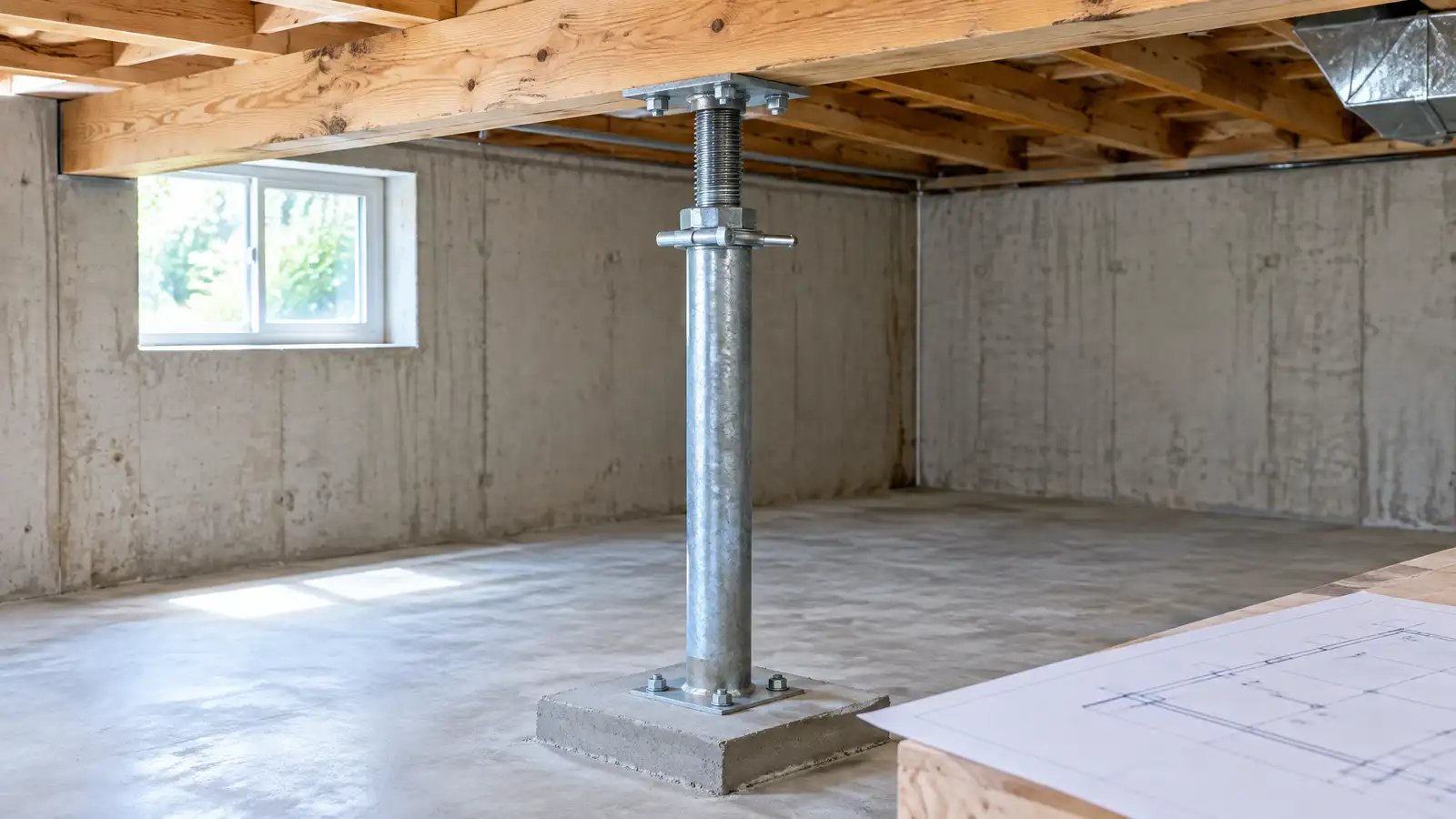 Girder and Jack Post ReplacementReplacing sagging girders and rusty or tilted jack posts so the main beam of the house carries its…Explore
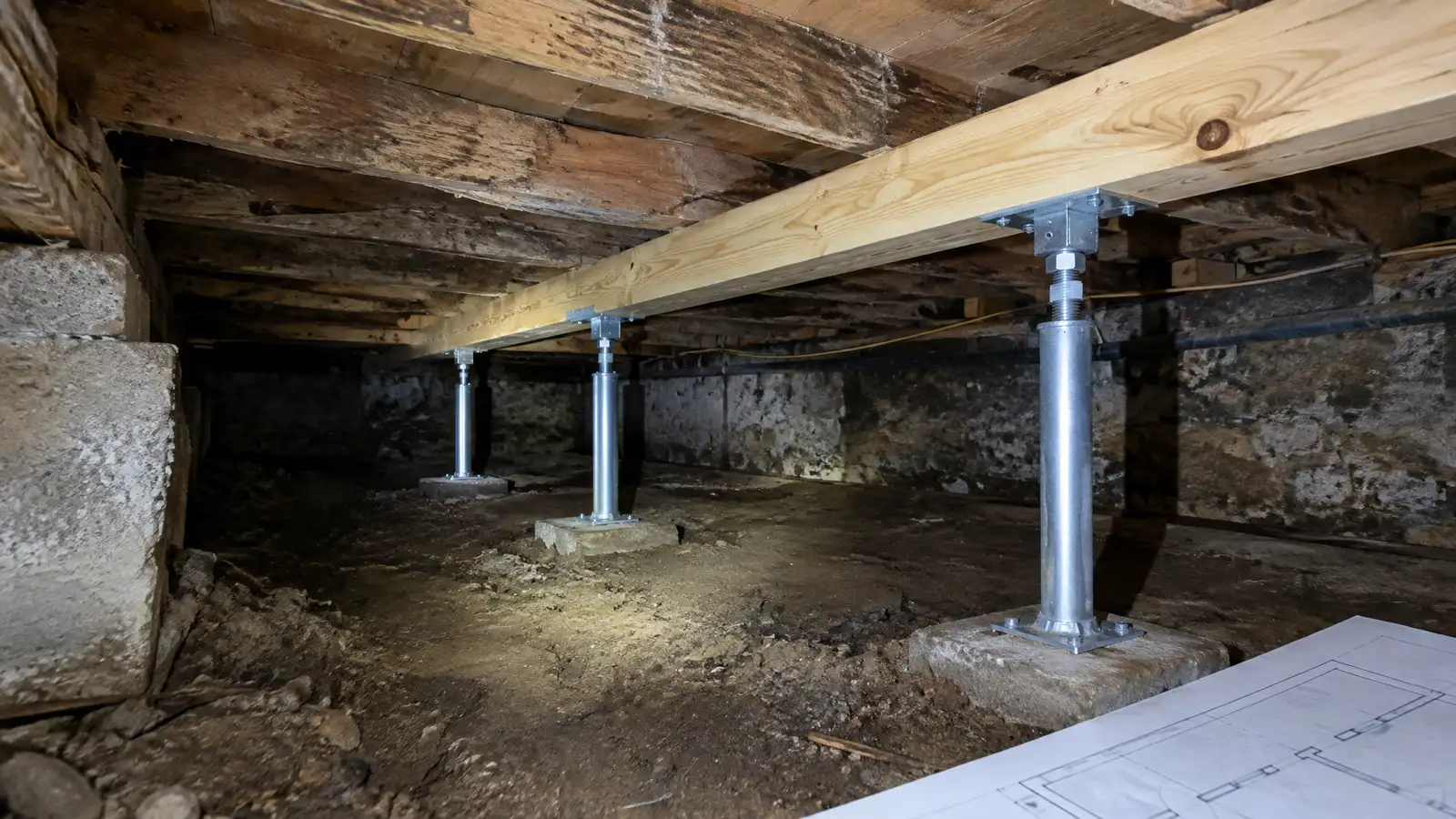 Sagging Floor RepairLifting and supporting sagging, bouncy or sloping floors from underneath, and fixing the cause so they stay put.Explore
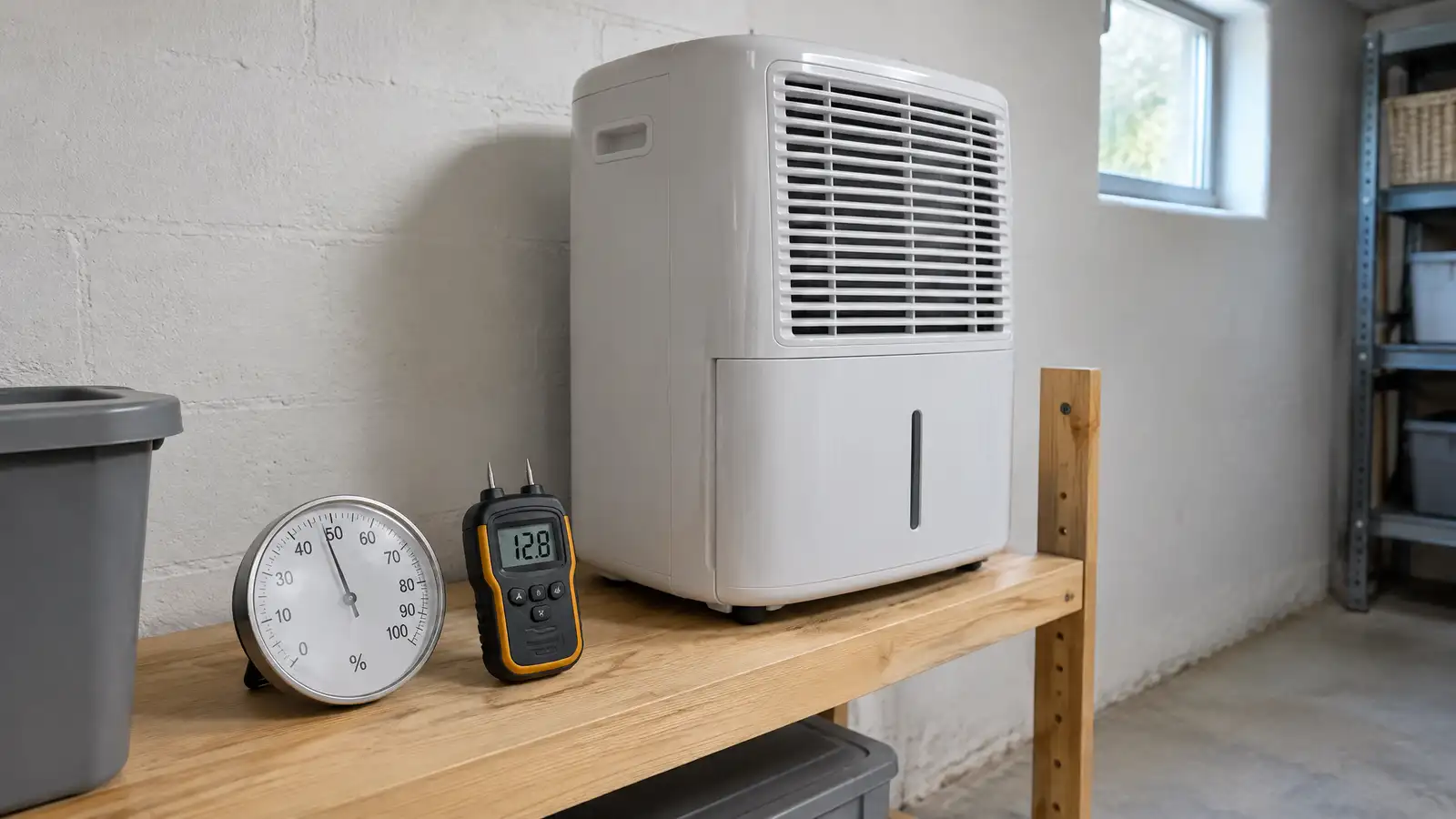 Moisture and Mold PreventionControlling water, humidity and airflow in basements and crawl spaces so mold has little to grow on.Explore
Tell us about your property and one specialist will call you back to set up a visit.
Or call (615) 431-3789 to talk now.