Serving Nashville and Middle TennesseeFree Estimate
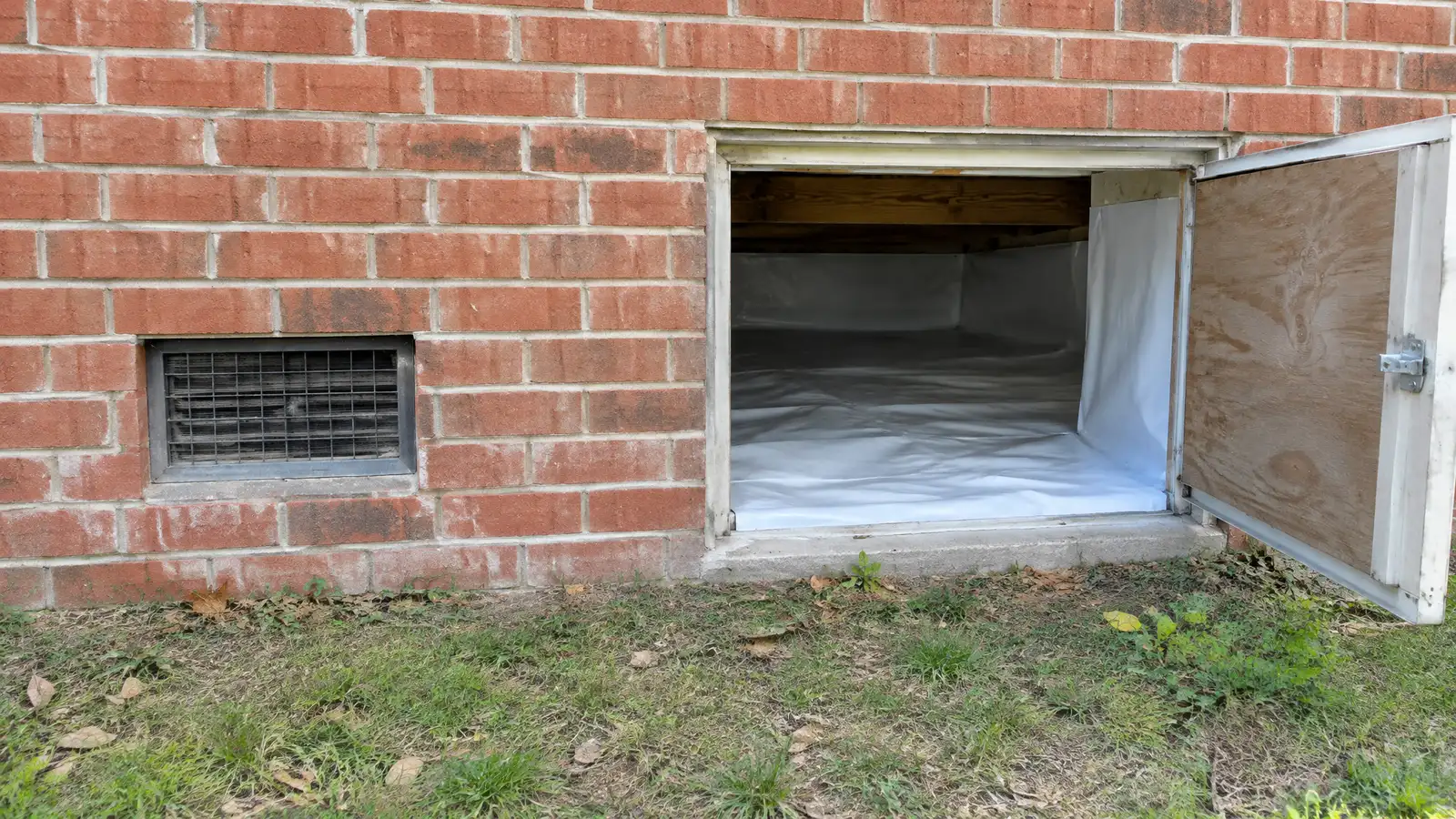
How a sealed, conditioned crawl space differs from a traditional vented one in moisture control, comfort, energy and care.
For decades, builders vented crawl spaces on the idea that outdoor air would dry them out. In a humid climate like Nashville, that outdoor air can carry moisture in, especially in summer, and wood and insulation stay damp. Encapsulation takes the opposite approach. The space is sealed with a heavy liner, vents are closed and humidity is managed with equipment, so the space acts like a small, dry room.
Each approach has a place. A vented crawl space can work when the ground is dry, covered with a barrier and the house is built for it. A sealed crawl space usually performs better in humid summers, protects wood and can make floors more comfortable. Local code and the condition of the house matter, and a specialist explains which fits yours.
Sealed liner, closed vents and humidity control keep the space dry.
Openings let outdoor air move through, which can add moisture in humid weather.
Encapsulation manages it with a dehumidifier or conditioned air.
Drier air protects joists and subfloor from rot and mold.
A sealed space can reduce air leaks, and results vary with the house.
Sealed spaces need a check of the liner and equipment once a year.
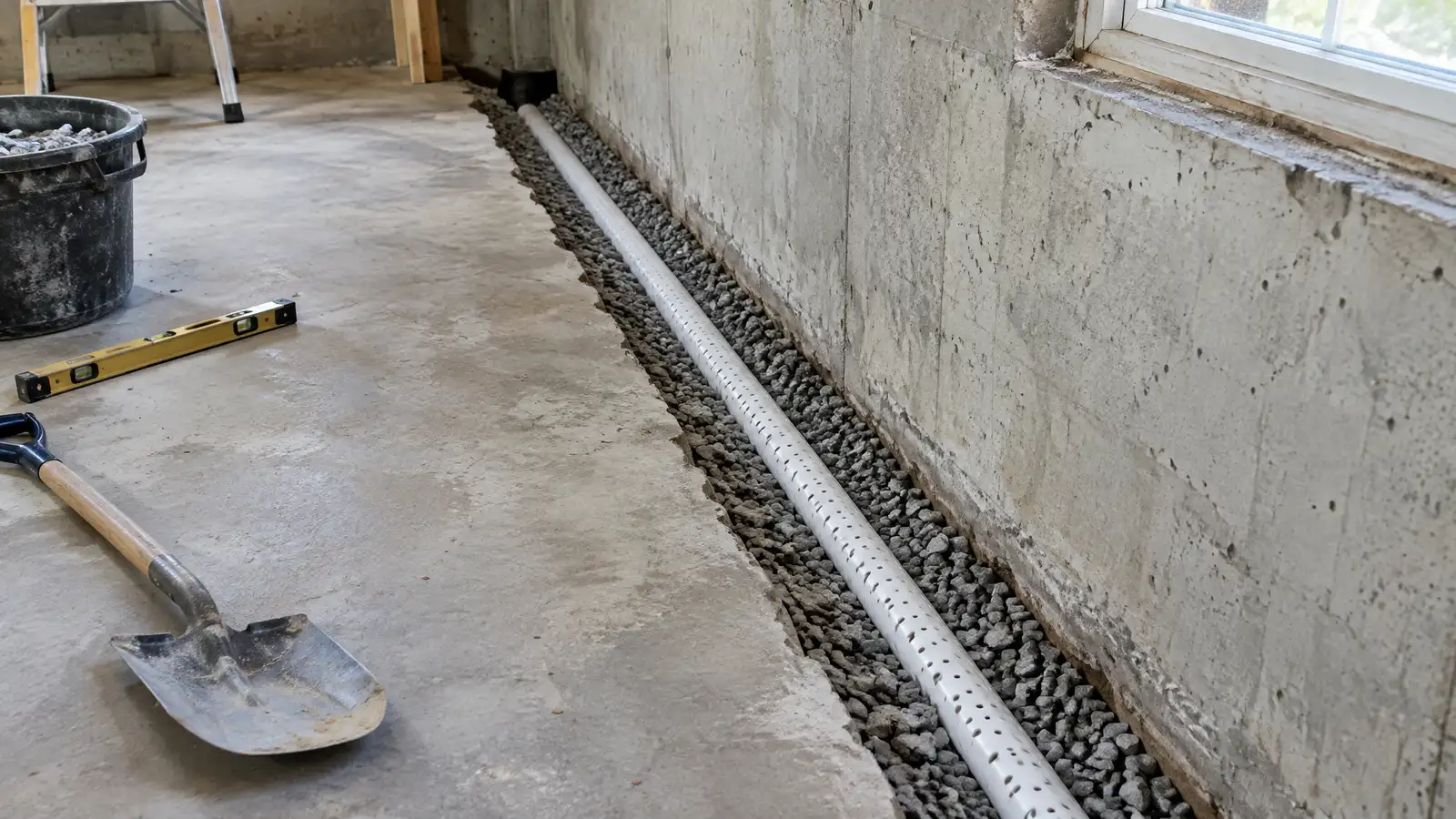
 Basement WaterproofingA complete plan to keep water out of a basement, using drainage, pumps, sealing and exterior fixes matched…Explore
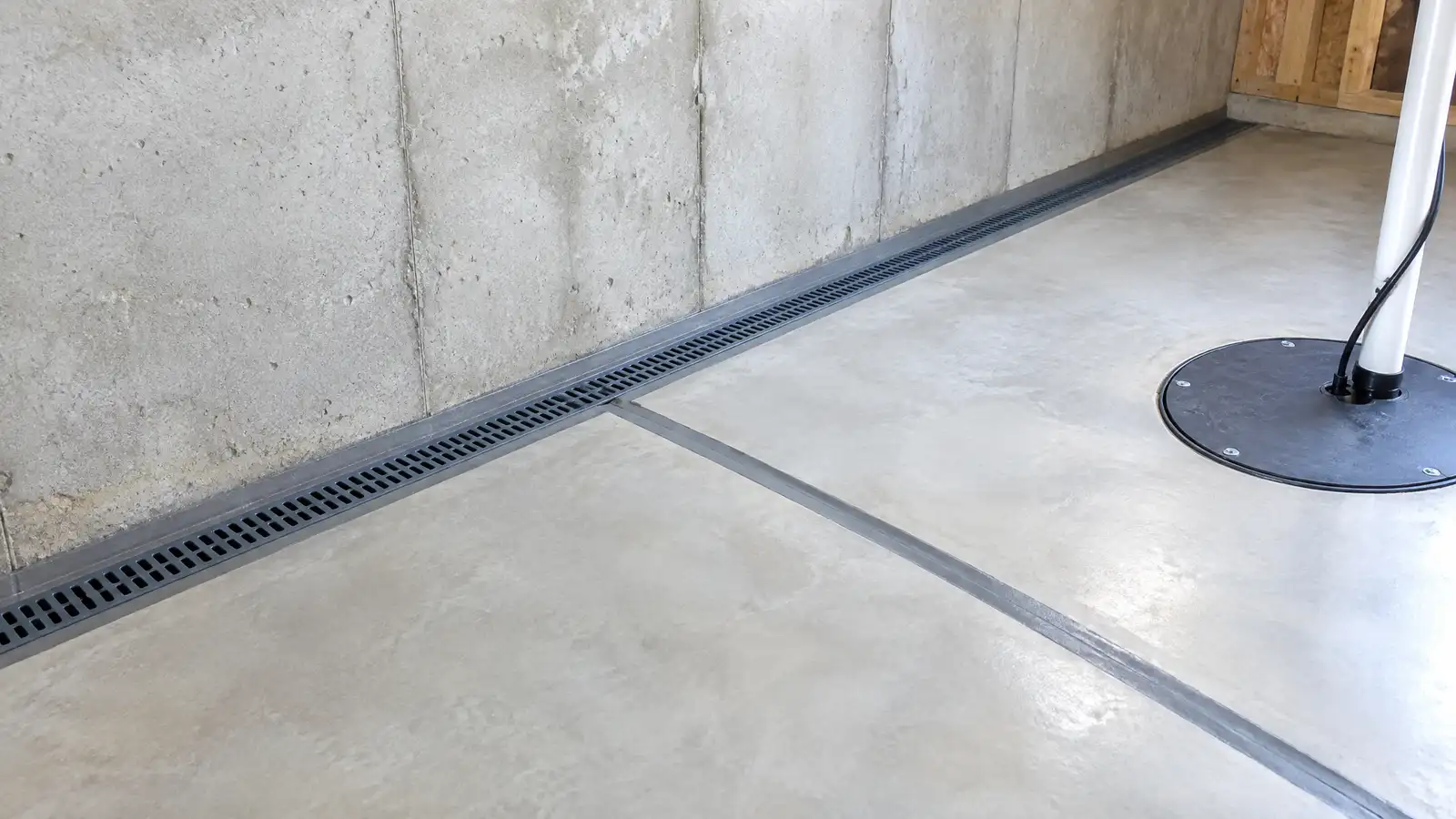
 Interior Drainage SystemsPerimeter drains and sump systems inside a basement or crawl space that catch water and send it safely…Explore
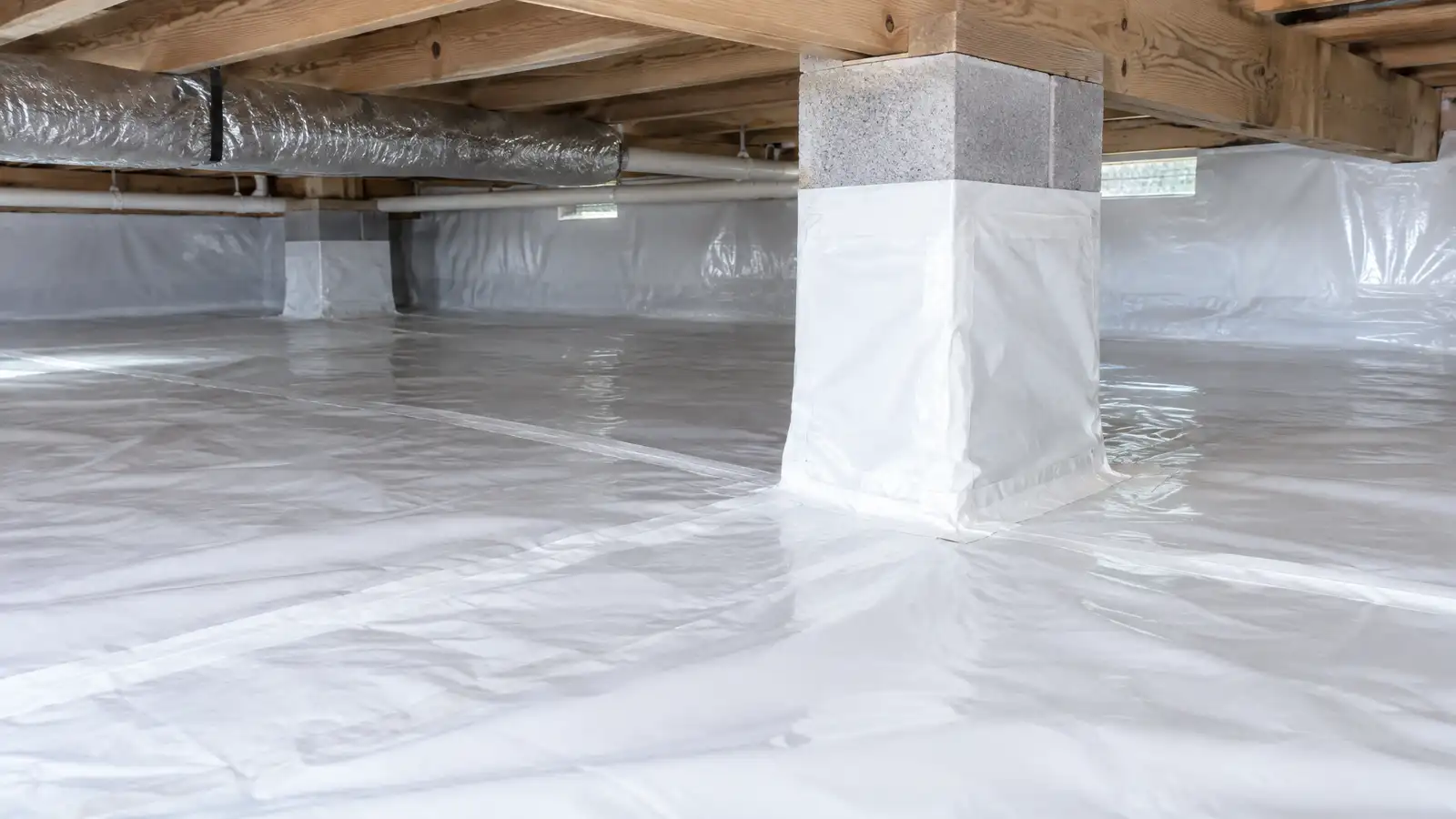 Crawl Space Vapor BarriersA tough plastic ground cover that blocks moisture rising from the soil, installed with sealed seams and clean…Explore
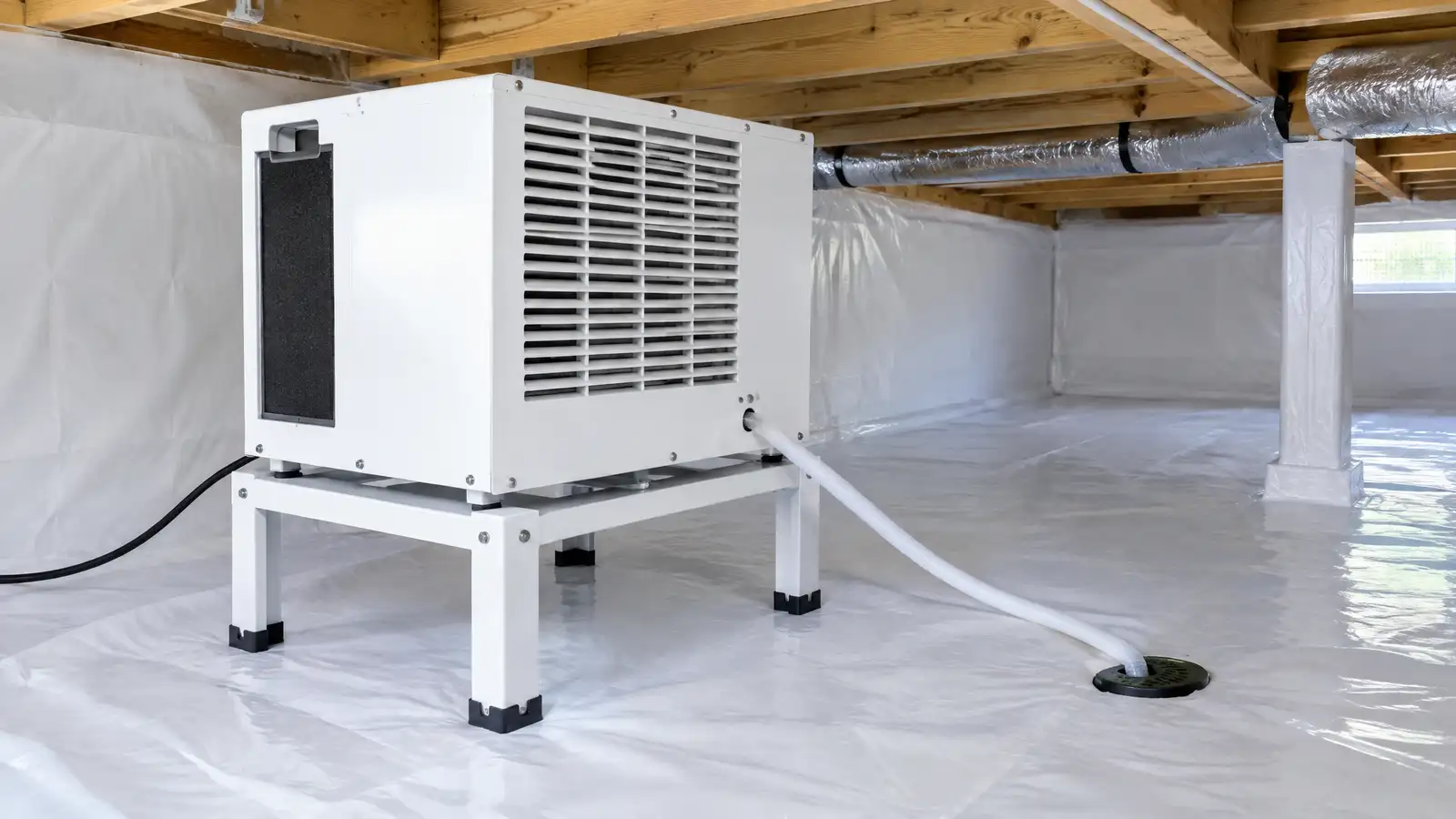 Crawl Space DehumidifiersA dehumidifier sized and drained for the crawl space, keeping humidity in a healthy range through Tennessee summers.Explore
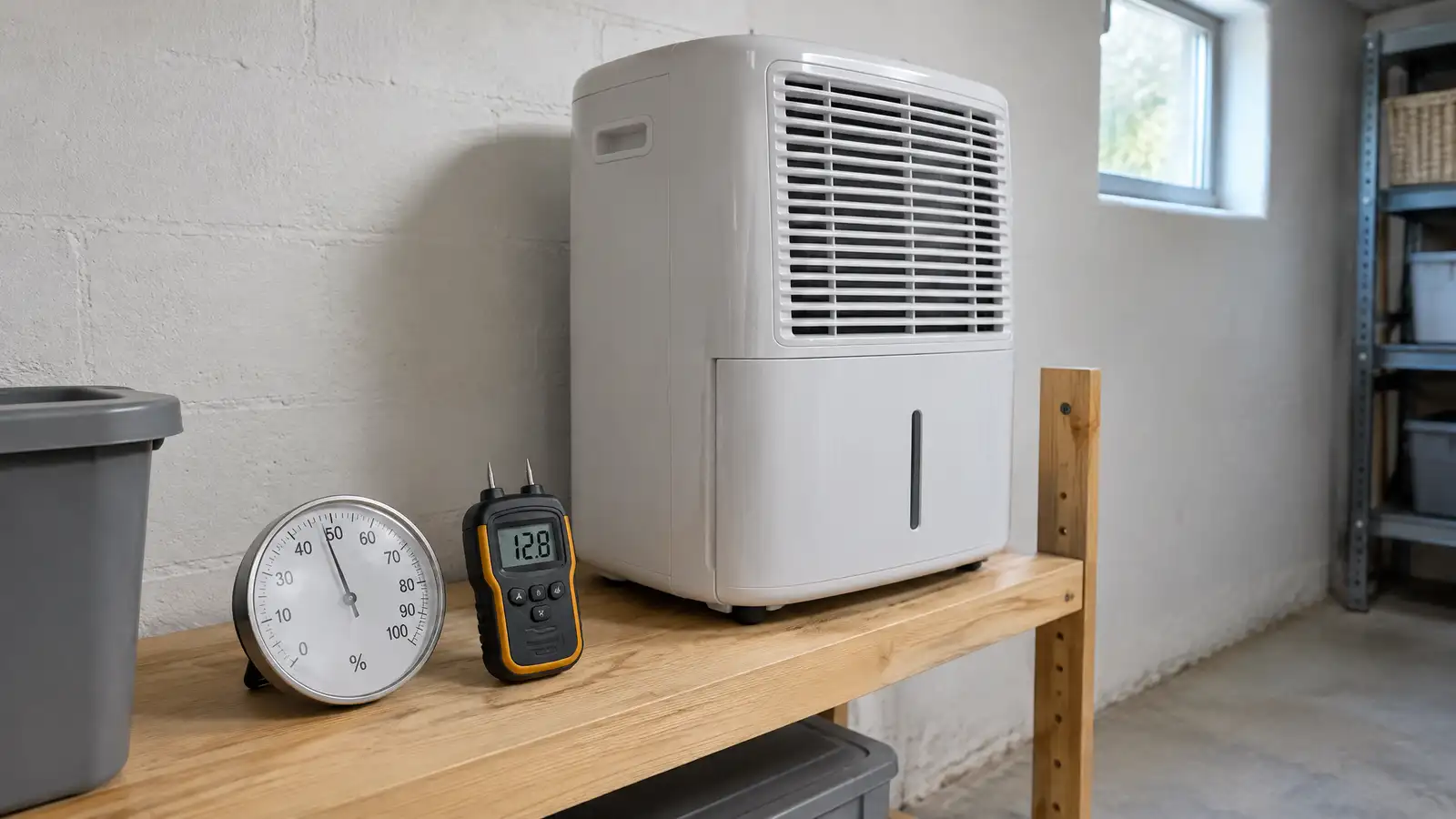 Moisture and Mold PreventionControlling water, humidity and airflow in basements and crawl spaces so mold has little to grow on.Explore
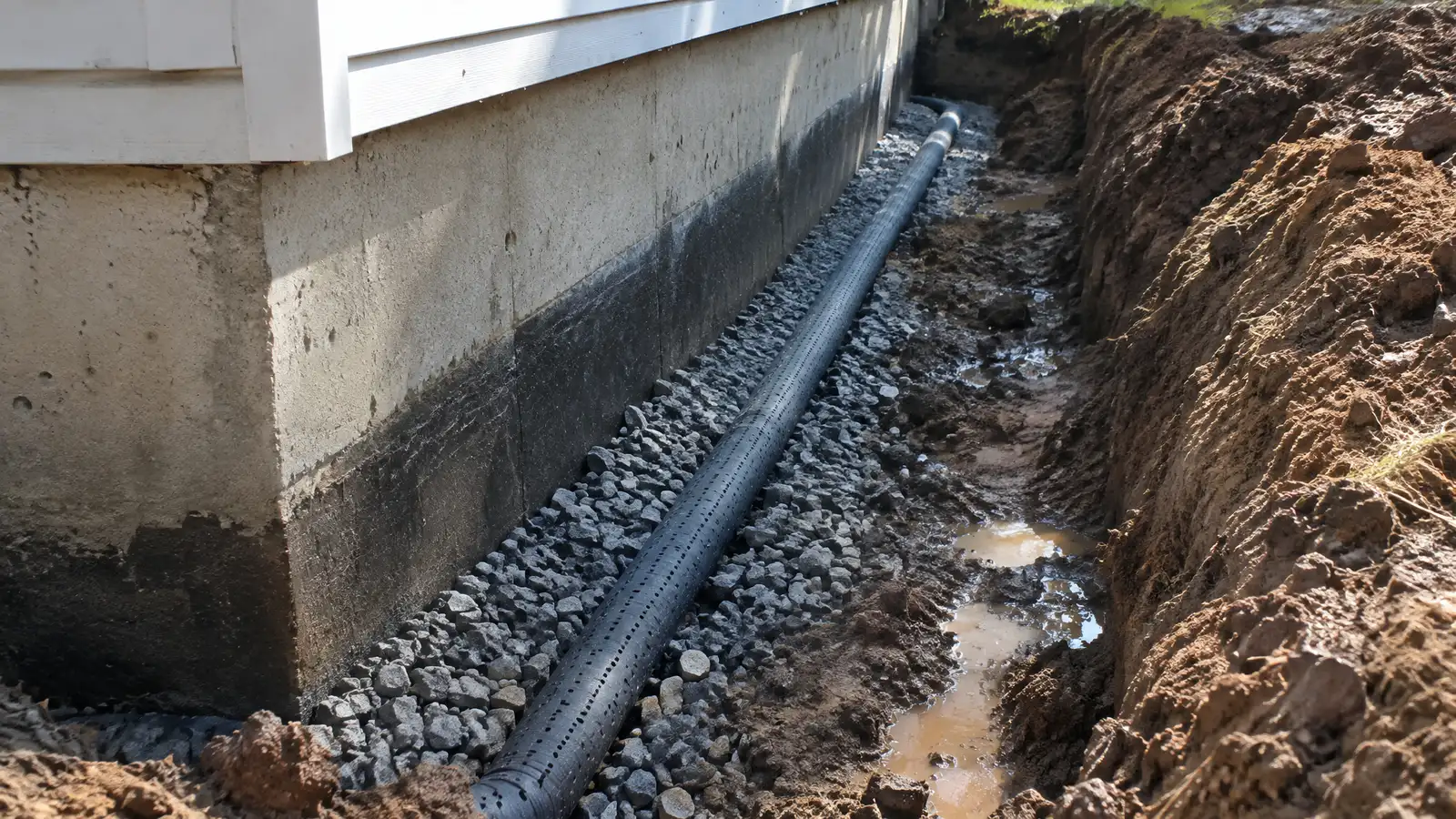 Hydrostatic Pressure ReliefDrainage that lowers the water pressure in the soil around a foundation, easing stress on walls and floors.Explore
Check a warning sign, size a job or ballpark a budget.
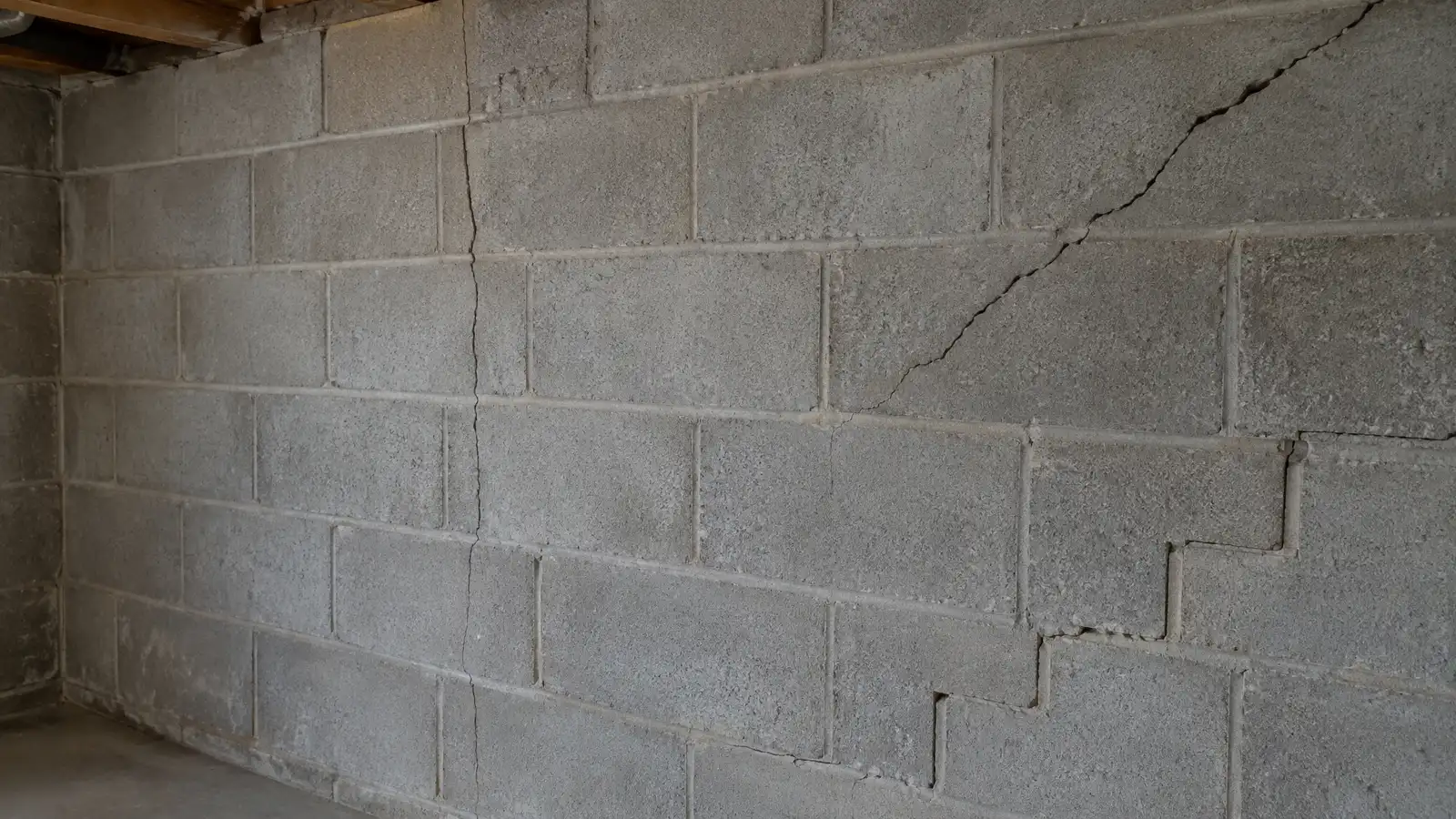 Foundation Problem Checker: What Is Wrong?Pick what you see in your walls, floors, basement, crawl space or concrete to get likely causes, what to try first and the service page that fits.Try it
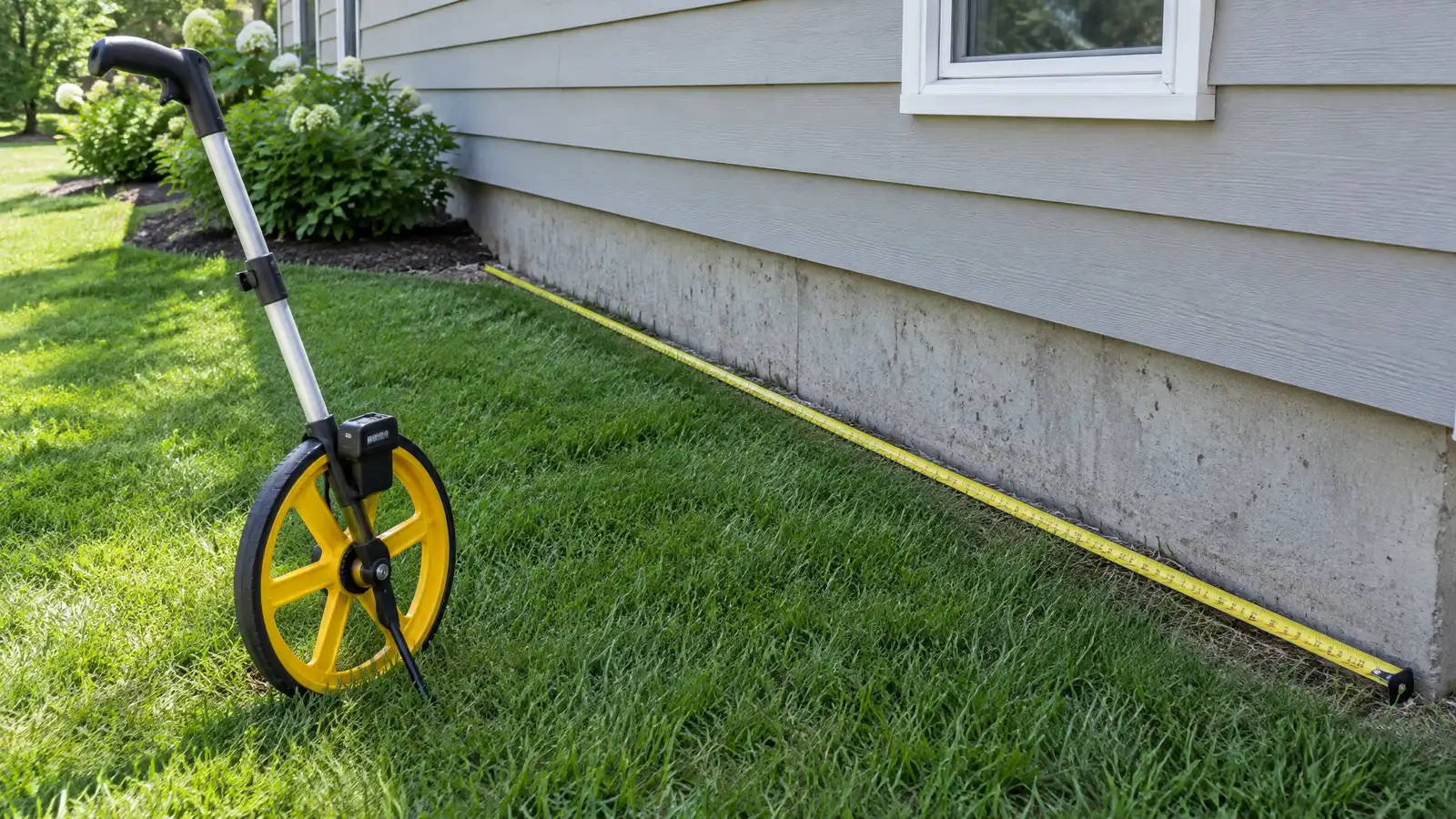 Foundation Job Size CalculatorEnter your measurements to see piers, crack length, drain footage, crawl space liner area and slab area to plan for.Try it
 Foundation Repair Budget PlannerPick a foundation, waterproofing, drainage or concrete job, set the quantity and add extras to see a ballpark planning range. Placeholder values only.Try it
Sealed designs are popular in humid climates. A specialist explains the choice for your home.
Closing vents without a liner and humidity control can trap moisture, so plan the whole system.
Rules vary, so check with your local office.
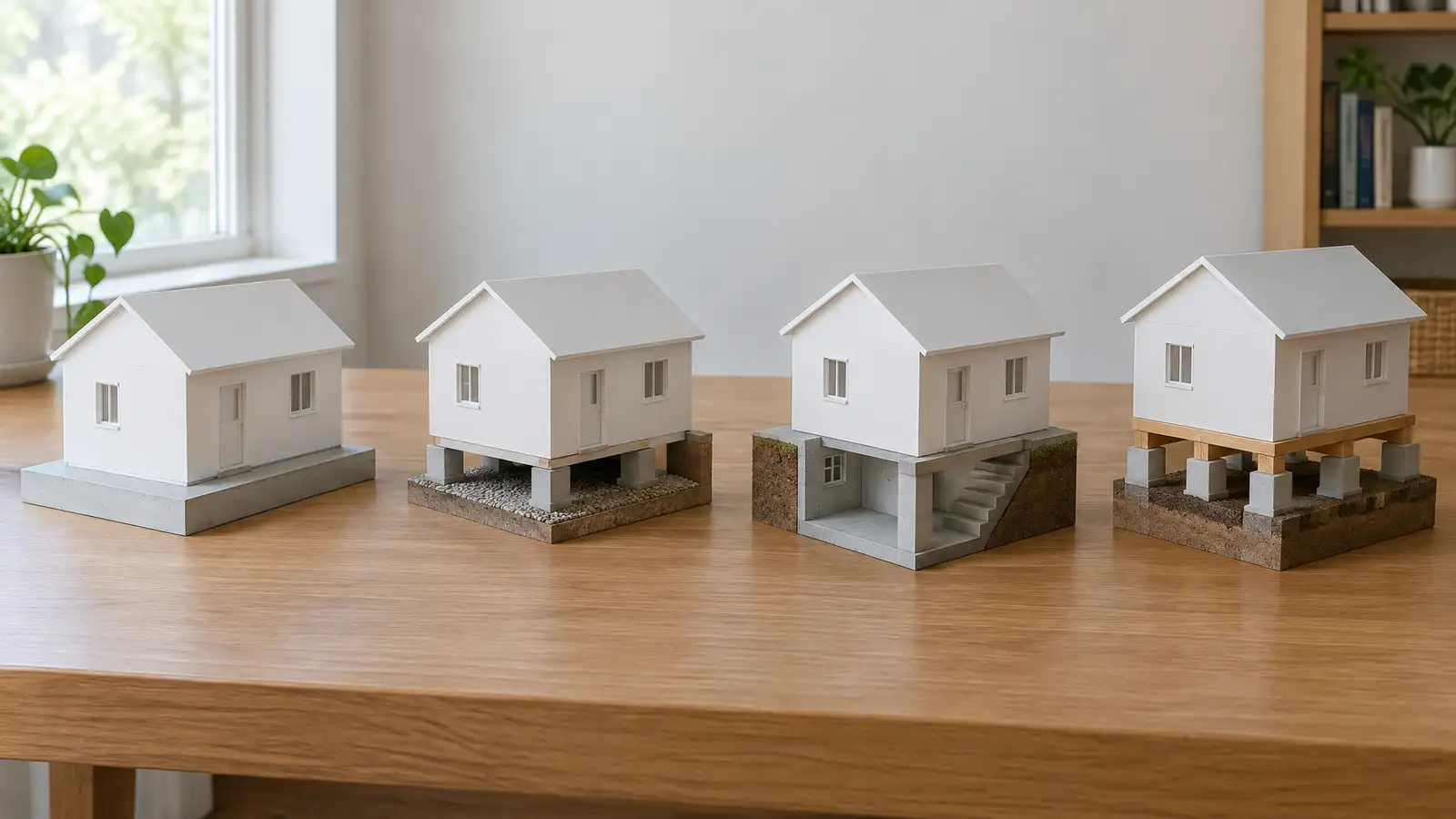 Comparison guideFoundation TypesHow slab-on-grade, crawl space, basement and pier and beam foundations differ in cost drivers, moisture, access, repair and…Learn more
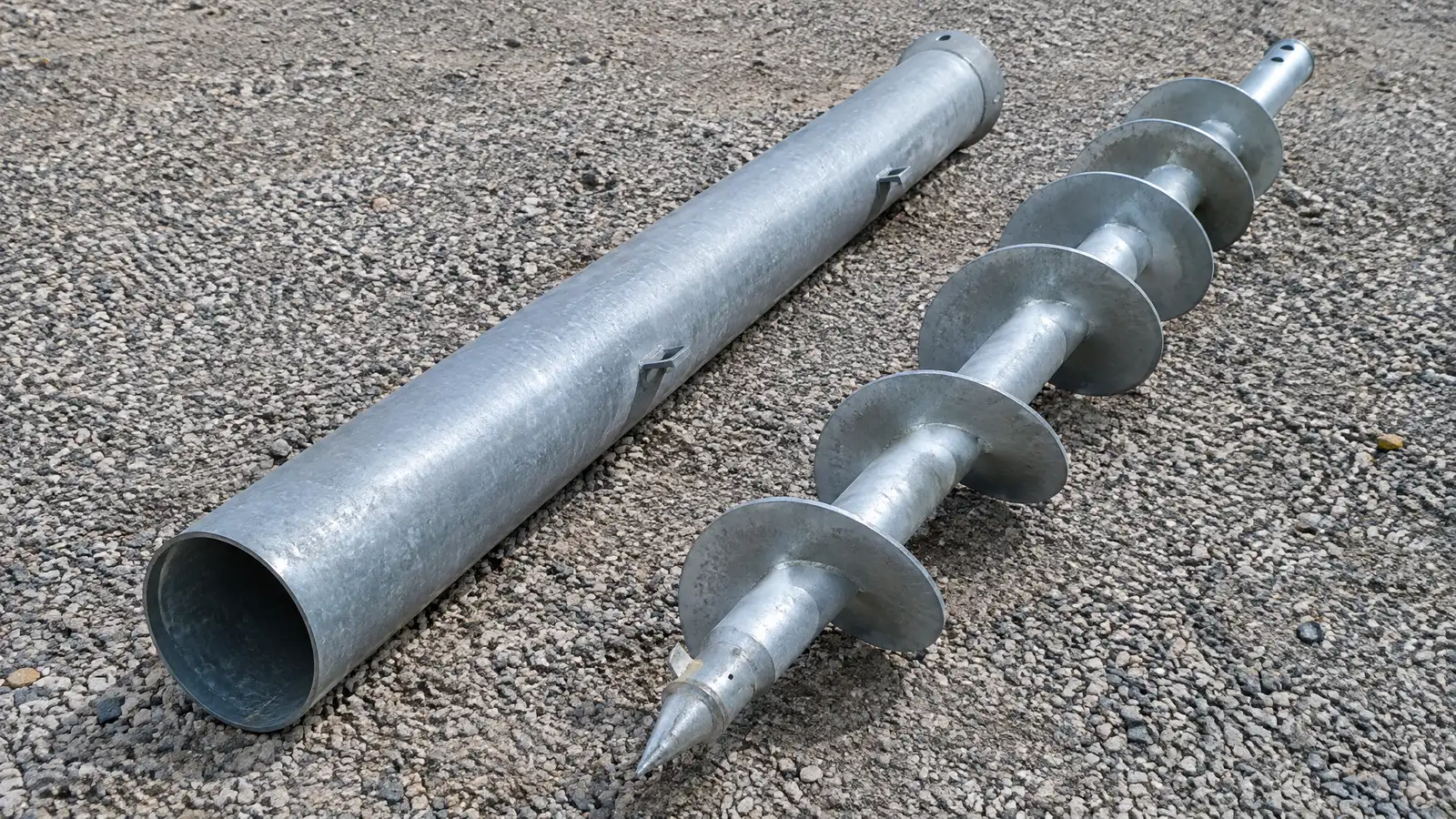 Comparison guidePush vs Helical PiersHow steel push piers and screw-in helical piers differ in how they are installed, what loads they suit…Learn more
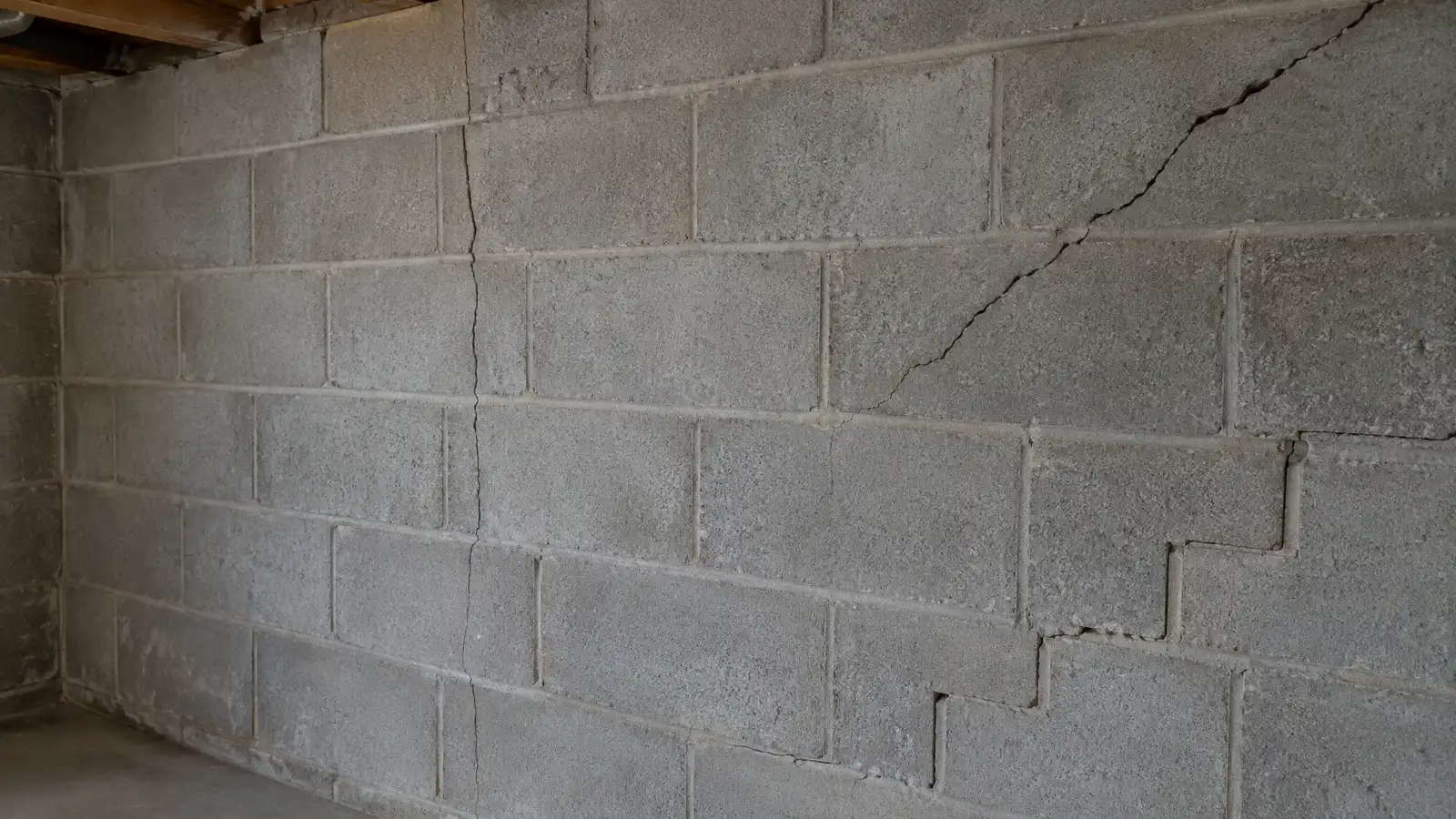 Comparison guideCrack TypesHow hairline, vertical, diagonal, stair-step and horizontal cracks differ in what they usually mean and what to do…Learn more
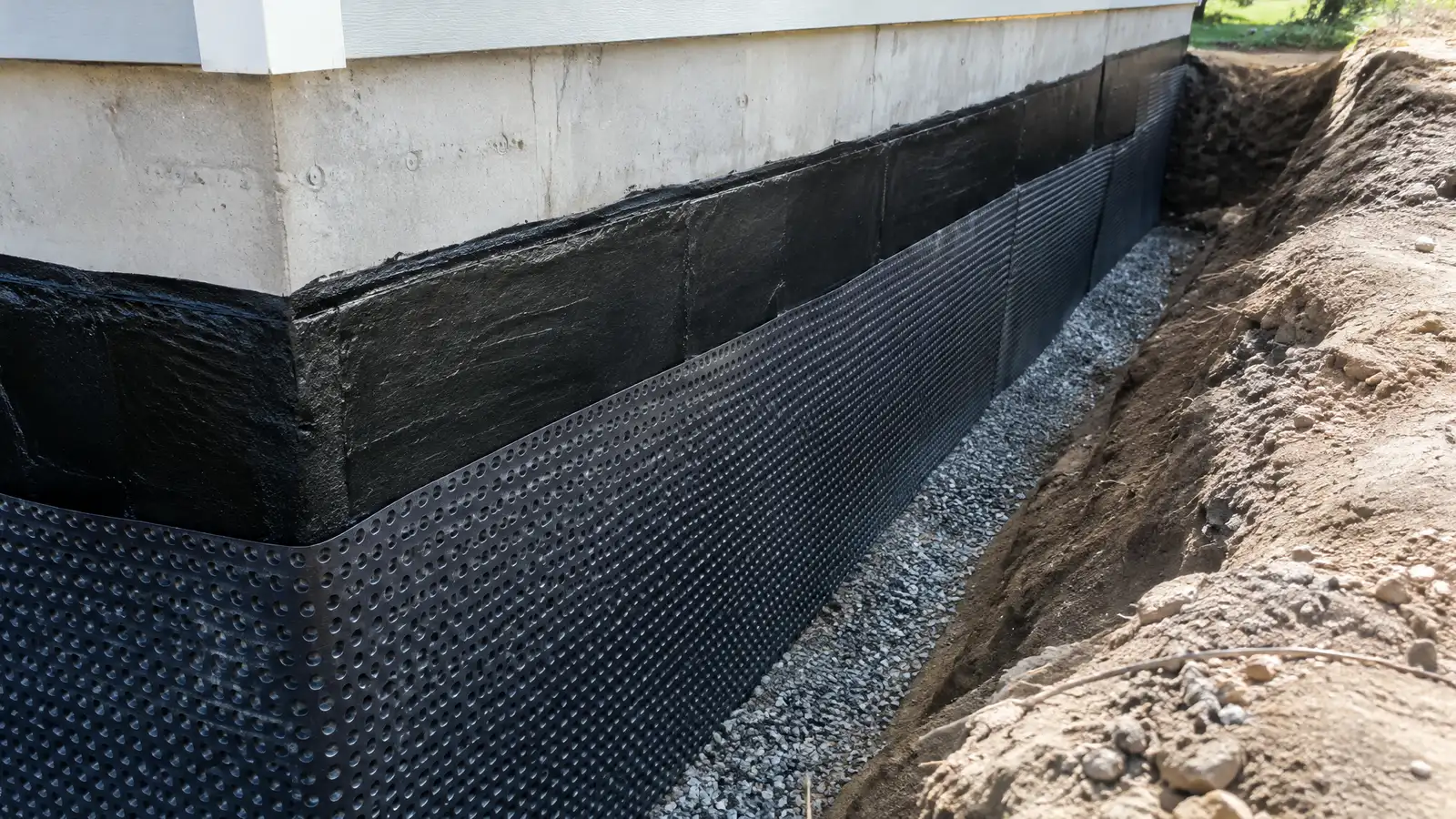 Comparison guideInterior vs Exterior WaterproofingHow interior drains and sump systems differ from exterior excavation and membranes in how they work, access needs…Learn more
Call and describe what you see. A specialist will look at the cause, talk through the options and give you a clear written estimate.