Why concrete cracks
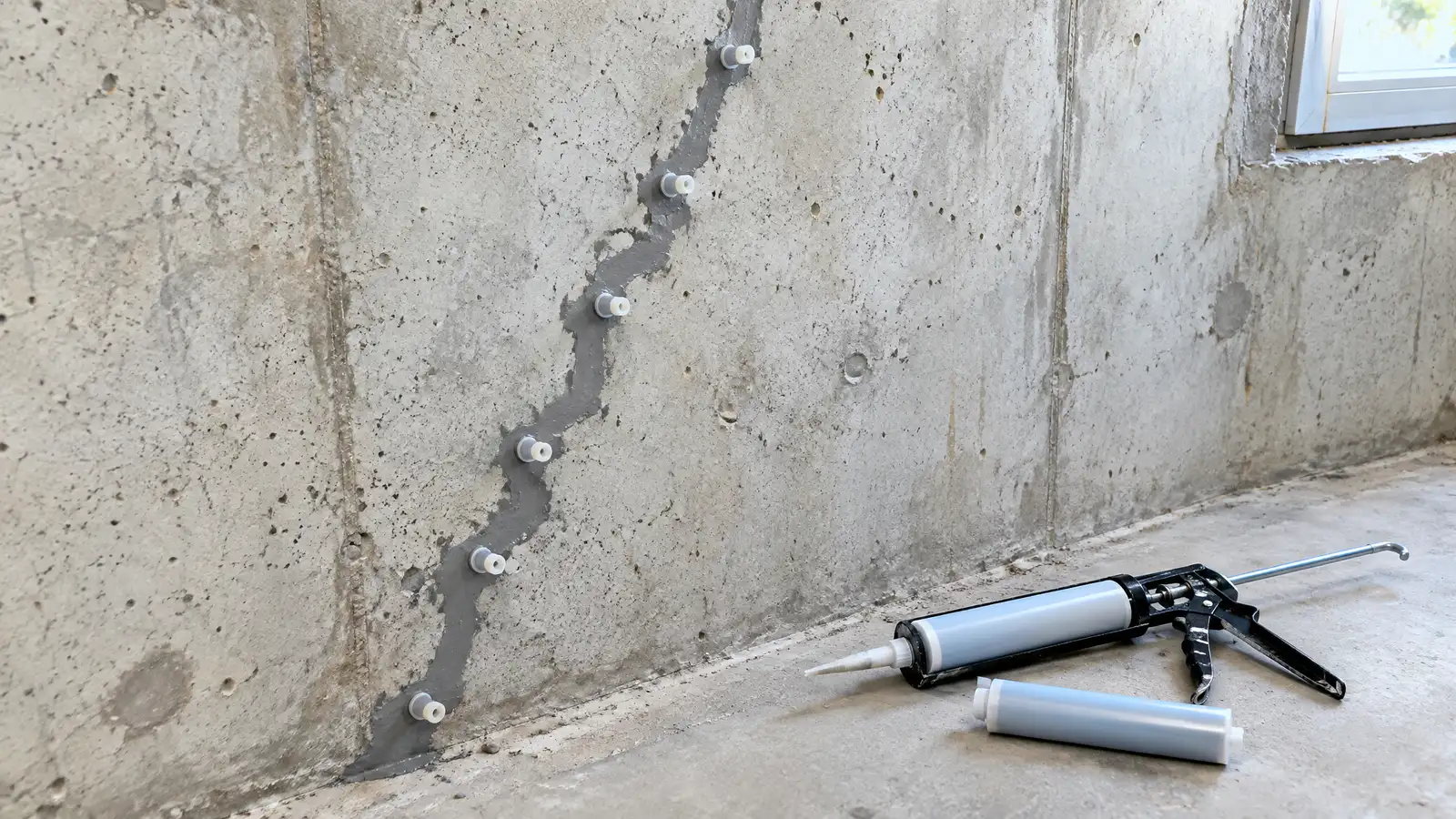
Concrete shrinks as it cures and as it dries, and it cracks when the stress is greater than its strength. Temperature changes, soil movement, water pressure and loads add to that stress.
Because cracks are so common, the useful question is not whether a crack exists, but what it is doing.
Cracks near corners of windows and doors are common because stress concentrates there. Those cracks are often cosmetic, though they deserve a look if they widen.
Hairline cracks
Thin cracks that you can barely feel with a fingernail are often caused by shrinkage and are usually cosmetic. Photograph them and watch for change.
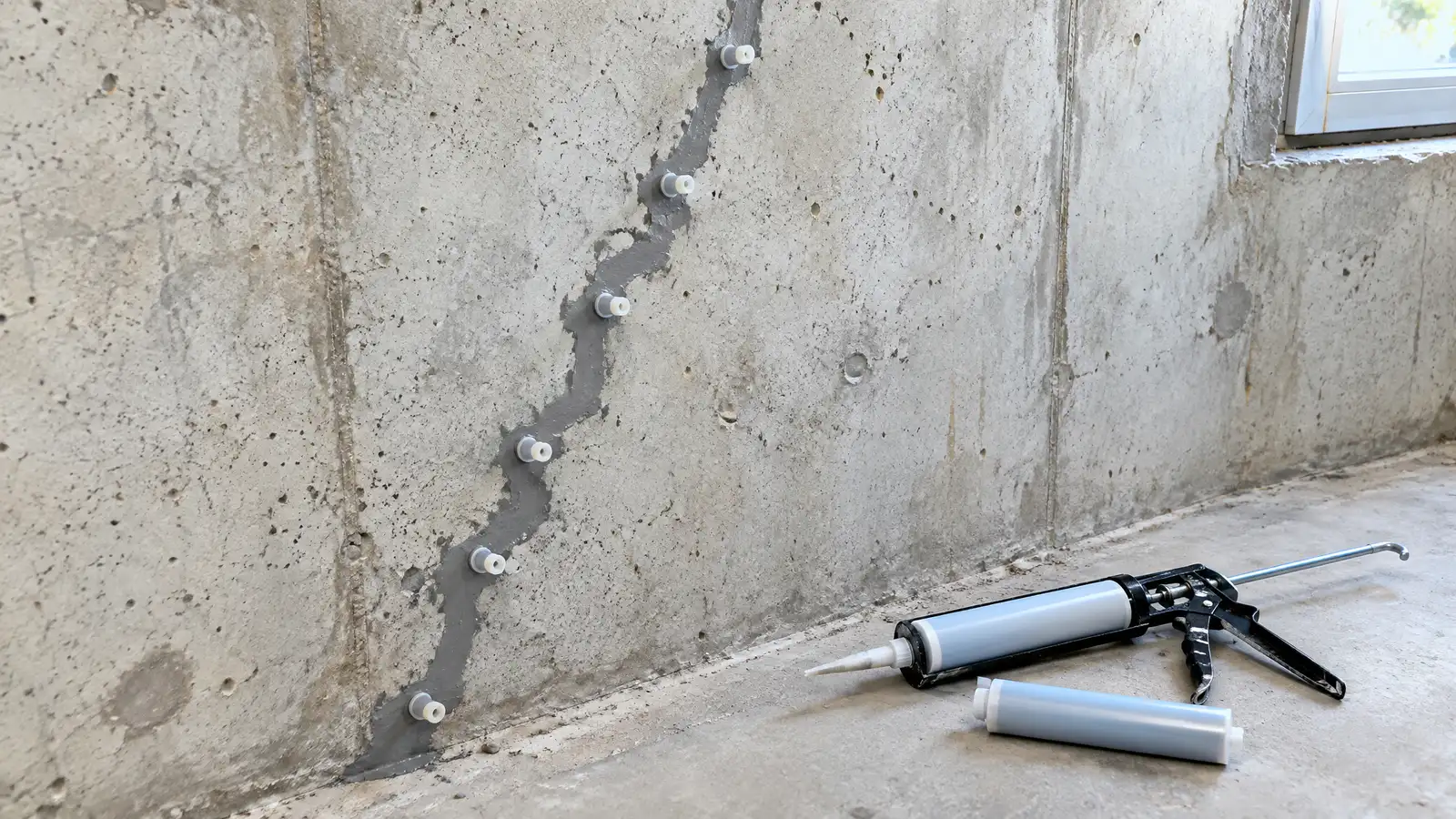
Sealing them can keep water out, and it does not change whether the wall is sound.
Sealing hairline cracks with a flexible product can keep water out. Make a note of the date and the product so you know what was done.
Vertical and diagonal cracks
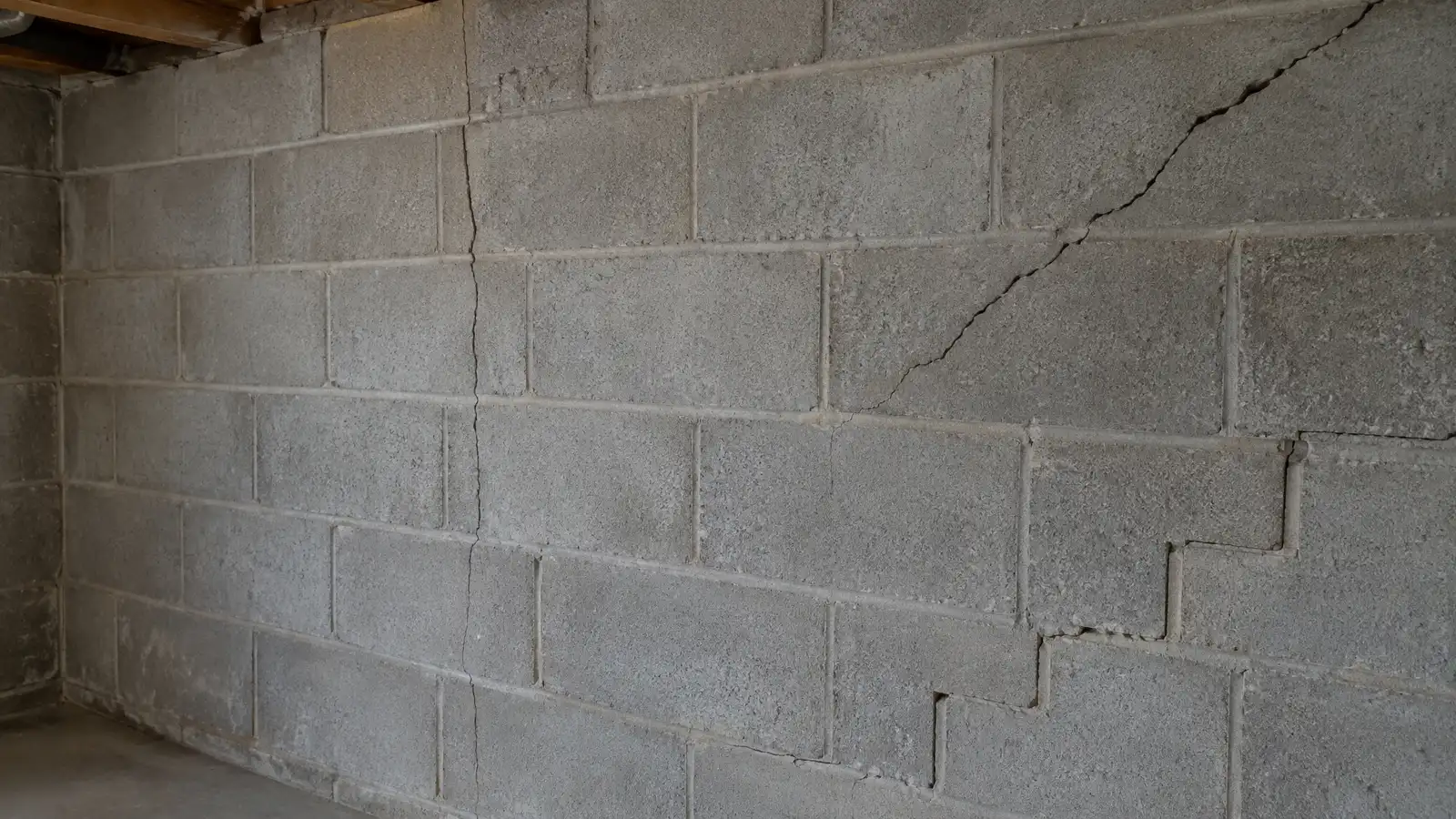
Vertical cracks often come from shrinkage or small settlement. Diagonal cracks tend to appear when one part of a foundation moves differently from another, and they often widen toward one end.
A crack that is wider at the top suggests one side is sinking, and a crack wider at the bottom suggests the opposite.
Look at the whole wall, not just the crack. Matching marks on the opposite side or on the floor can confirm that one section moved relative to another.
Stair-step cracks
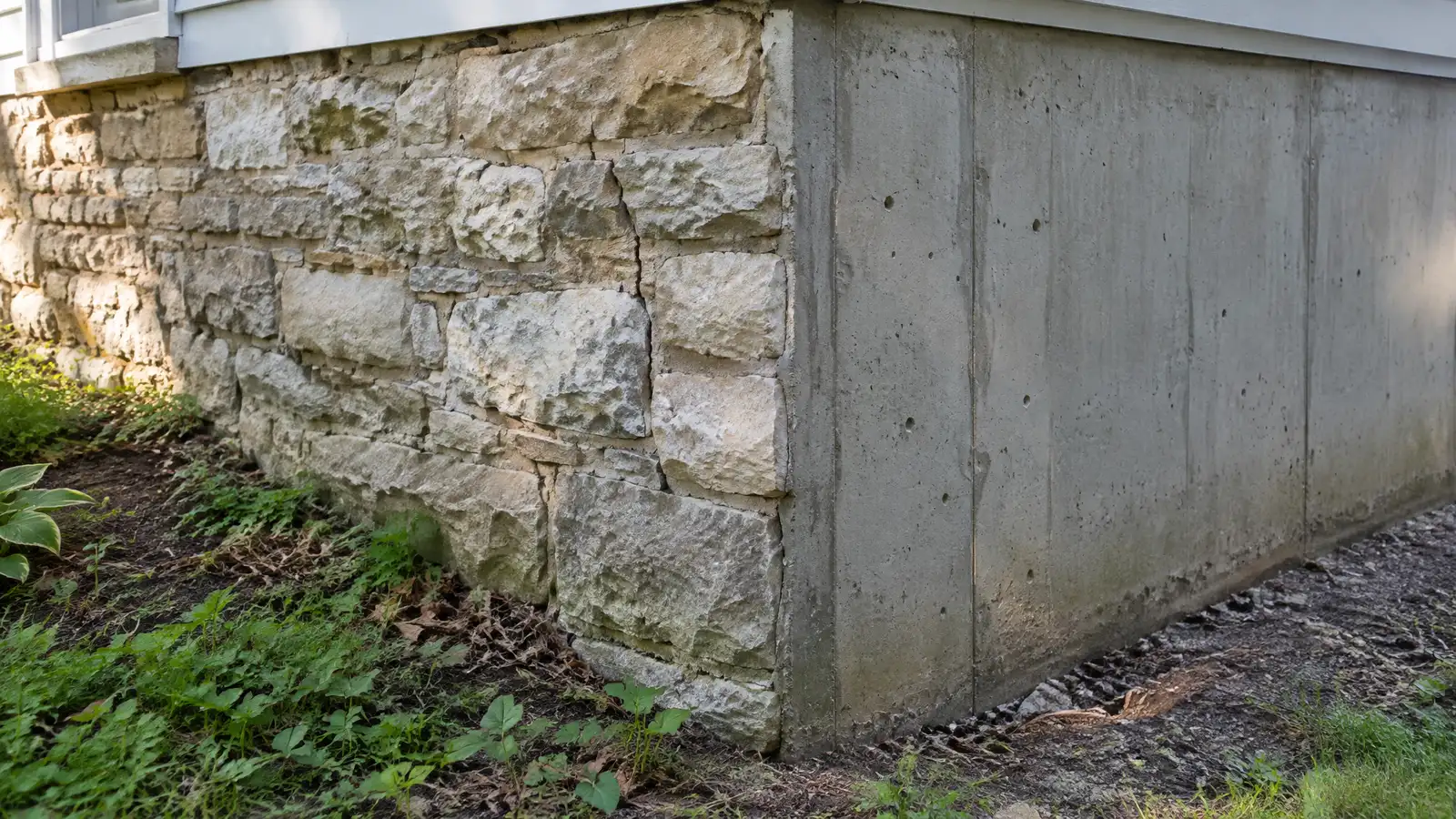
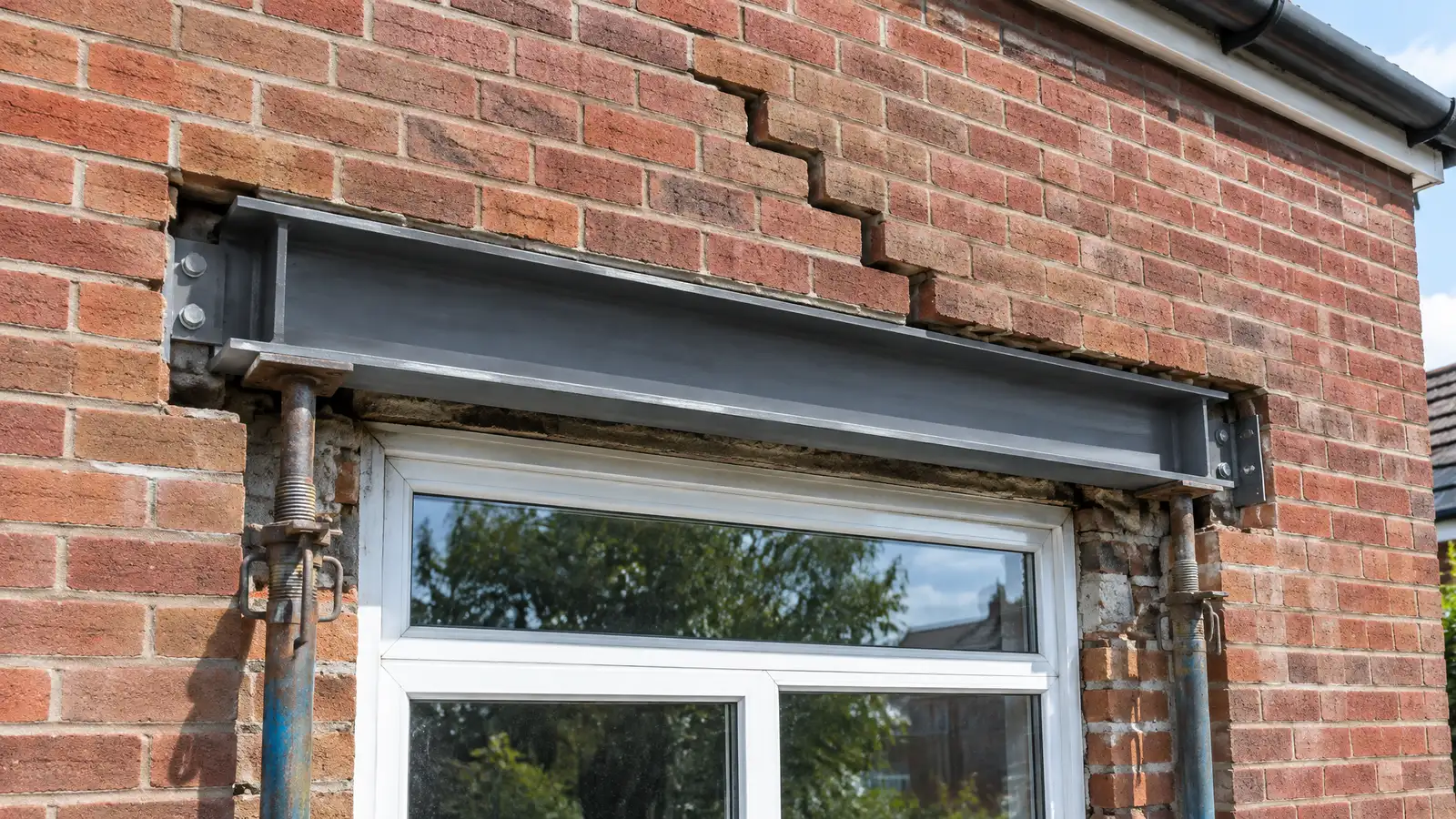
In block and brick, cracks often follow the mortar joints in a stair-step pattern. They can come from settlement, expansion or pressure, and they are worth watching or having evaluated.
If a stair-step crack is paired with a sloping floor or sticking doors, the evidence for movement is stronger.
Brick and block cracks that reopen after repointing are a clue that movement is continuing. Consider monitoring before you repair again.
Horizontal cracks
A horizontal crack in a basement wall, often at mid-height, can mean soil and water are pushing the wall inward. Bowing often goes with it.
This pattern deserves a prompt visit, because walls under pressure rarely improve on their own.
A basement wall that bows or leaks along a horizontal crack should be evaluated soon. Keep furniture and valuables away from the wall until it has been checked.
Measure and monitor
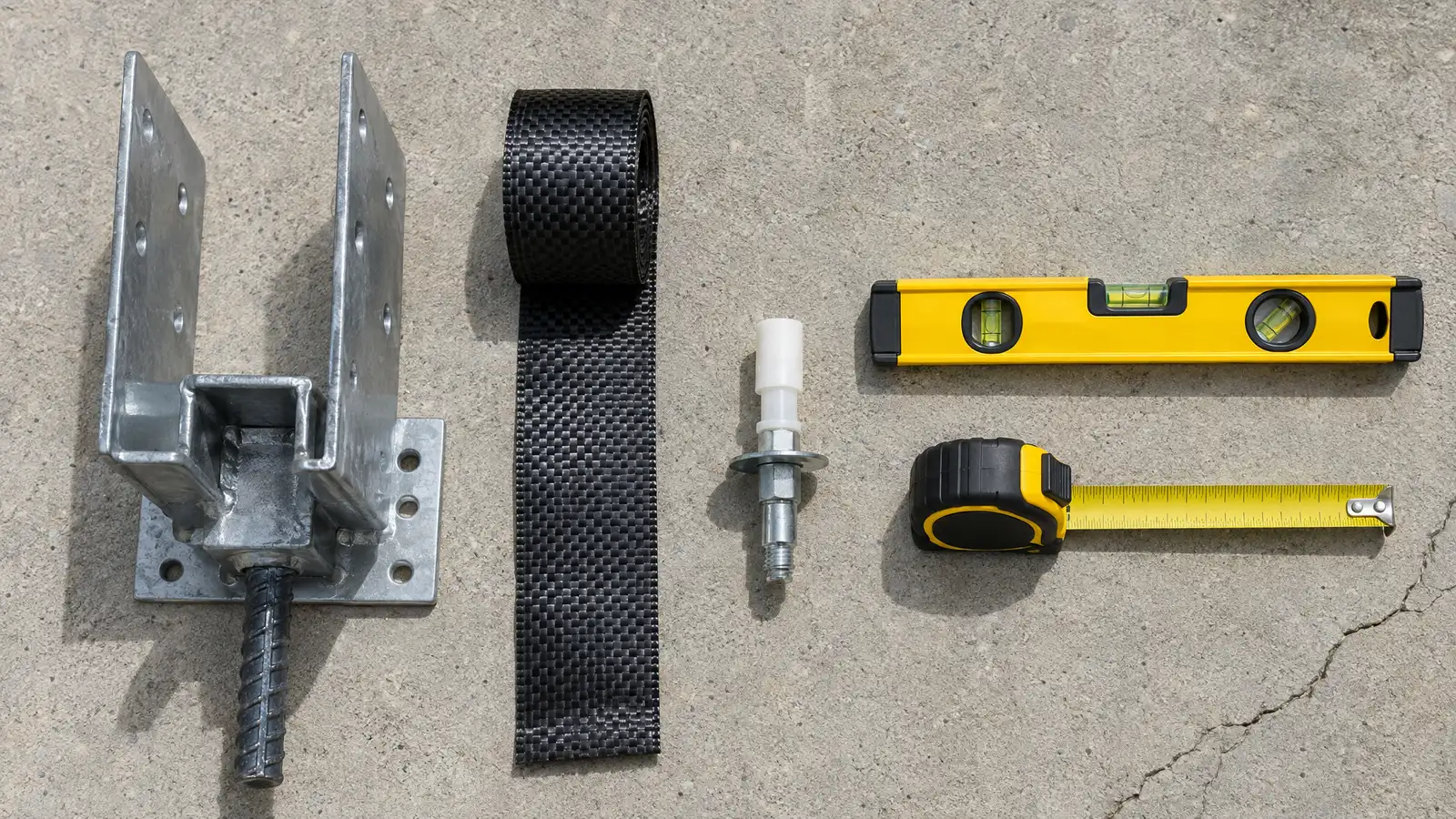
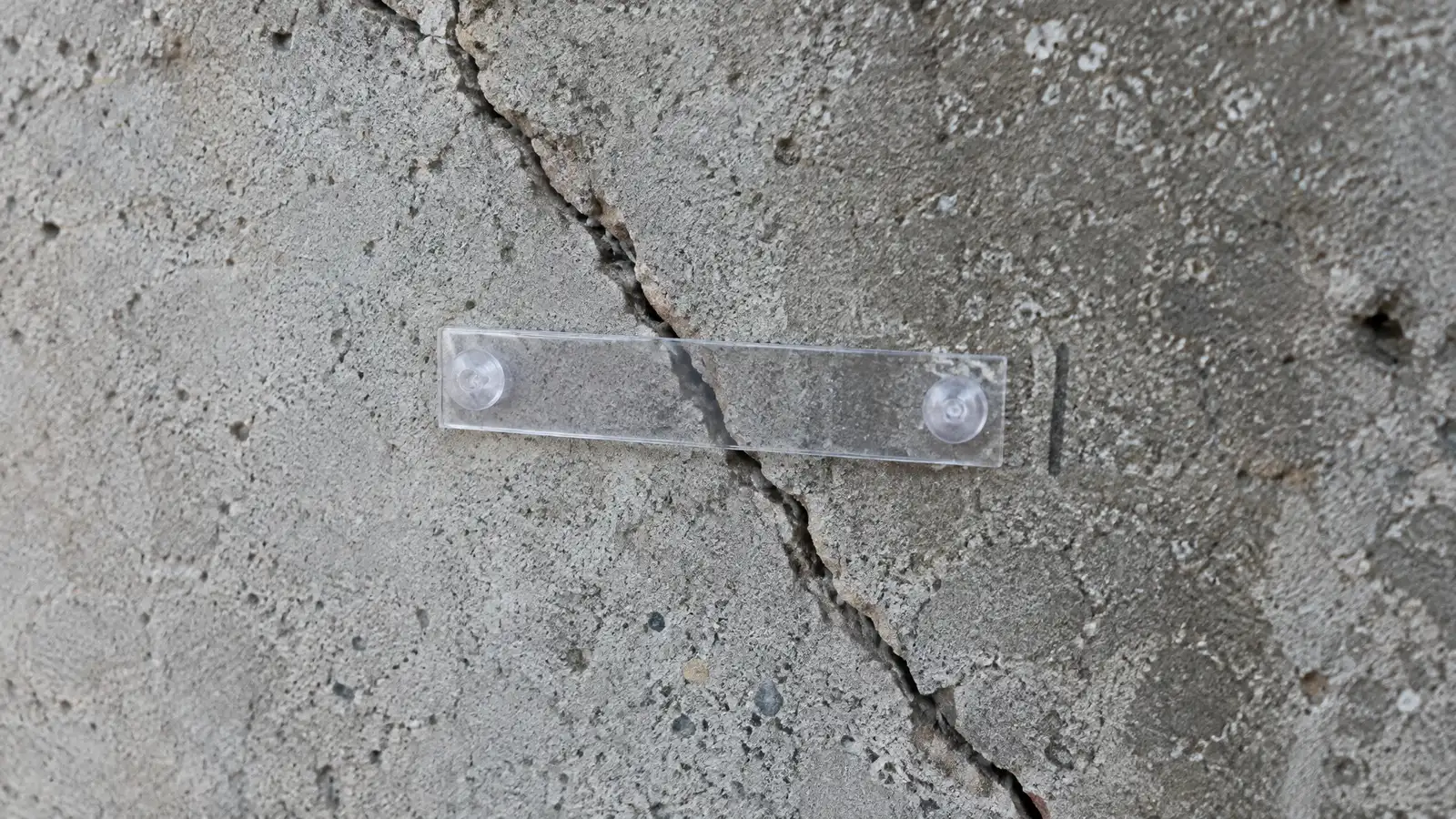
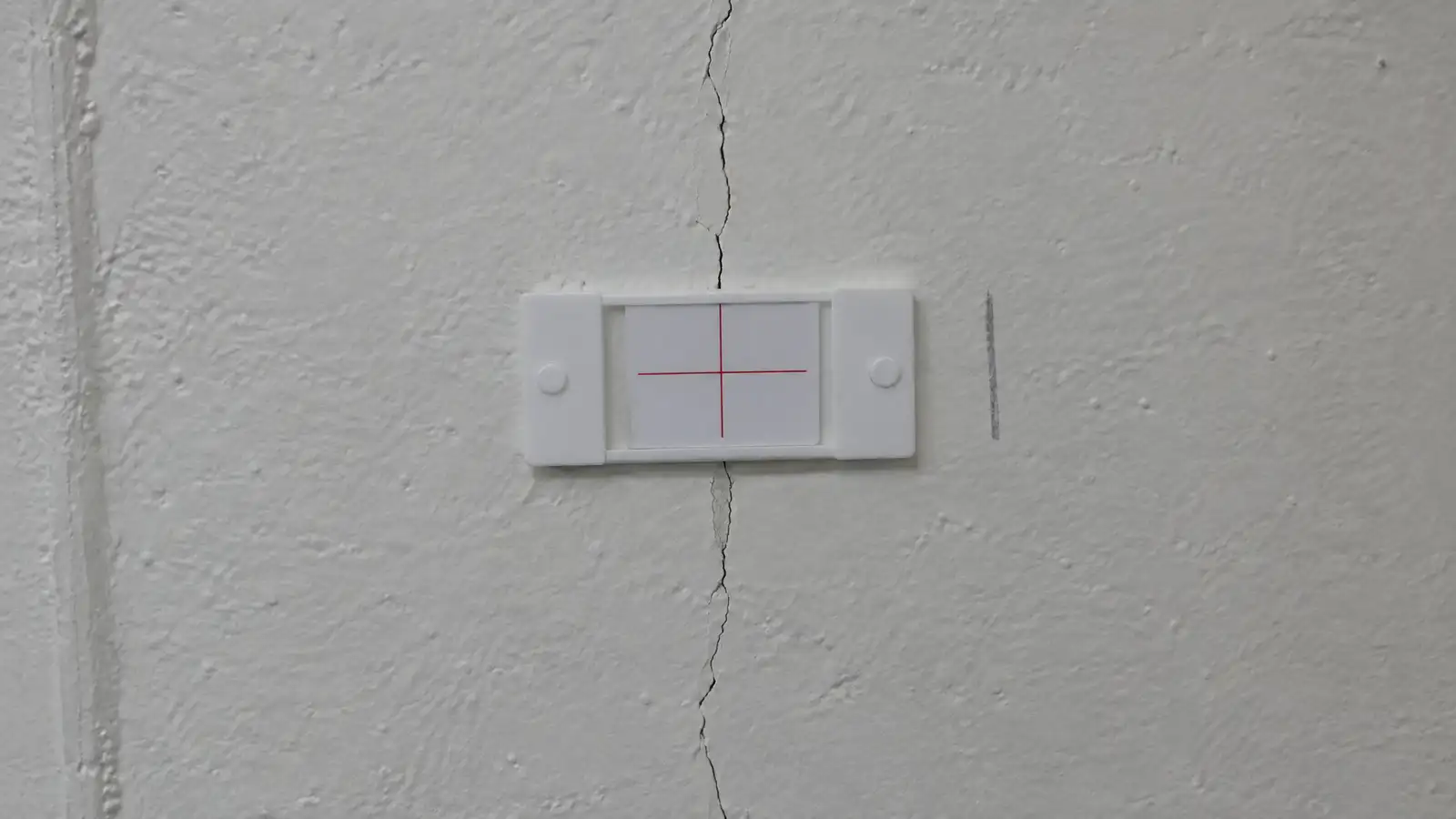
Mark both ends with a dated pencil line, photograph the crack with a coin or ruler for scale and repeat monthly. A crack gauge makes small changes easier to read.
If a crack grows, leaks or shows offset, call a specialist. If it stays quiet through a wet season, it may be settled.
Take photos in the same light and angle each time. Consistent photos make slow changes easy to see.
Pattern, width and growth matter more than the mere presence of a crack, so measure it and watch it before you decide.