Serving Nashville and Middle TennesseeFree Estimate
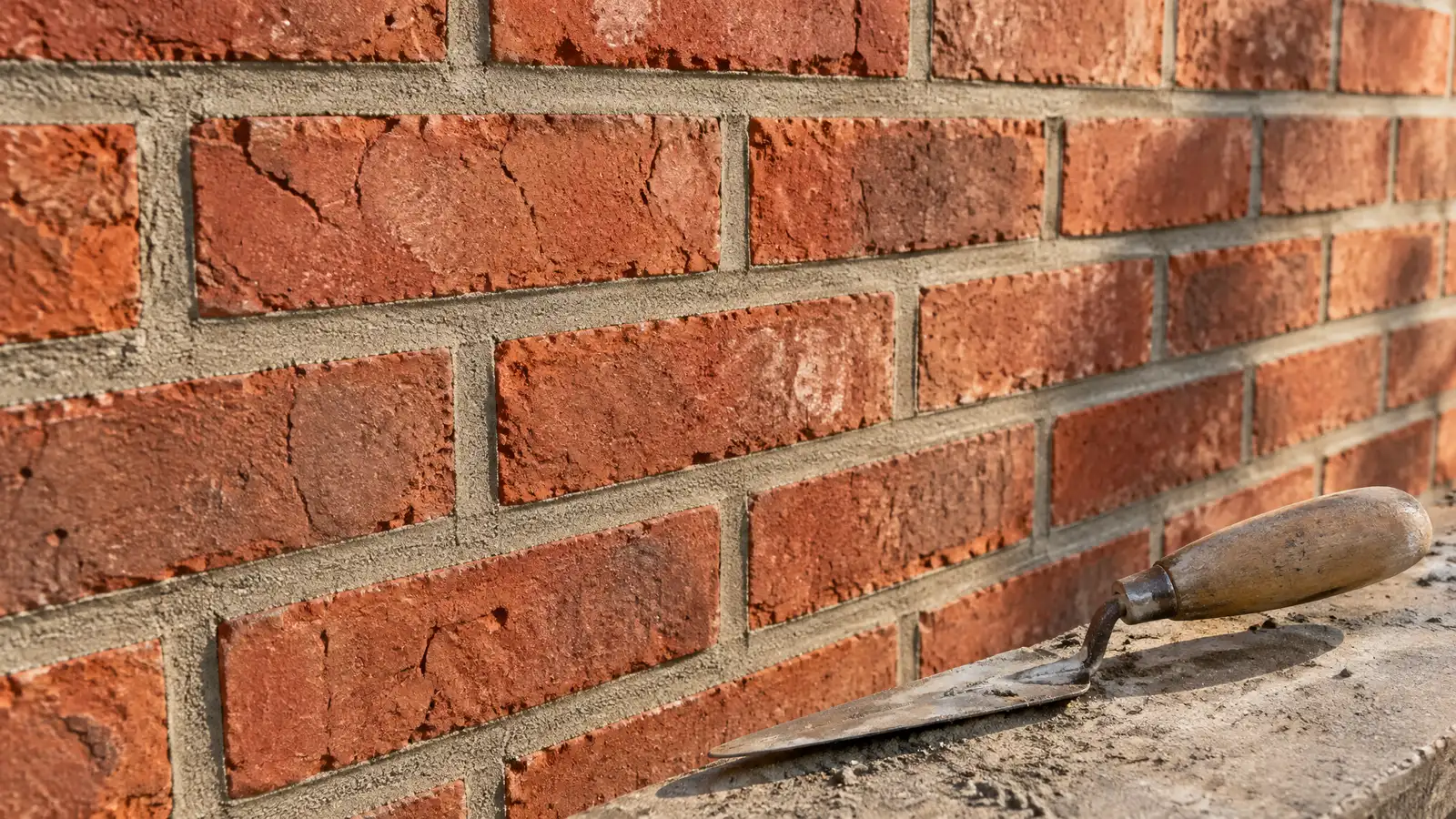
Replacing crumbling mortar and damaged brick so walls shed water, hold together and match the look of the house.
Brick is durable, and the mortar between the bricks is what wears out first. Open joints let water into walls, freeze and thaw widens them and a stair-step crack can follow a shifting foundation. In Nashville, where brick homes line so many streets, tuckpointing and brick repair keep walls watertight and handsome for decades.
Your specialist inspects the wall for open joints, loose brick, cracks and movement, and traces cracks that may point to foundation trouble. Old mortar is carefully cut out to a proper depth, new mortar matched for color, texture and strength is packed in and damaged brick is replaced. If a crack shows ongoing movement, the foundation is checked and addressed before cosmetic repairs are finished. Weather and timing matter for mortar. Fresh mortar cures well in mild, damp conditions, and very hot, cold or windy days can weaken it. Your specialist plans the work for a good window and protects the wall as it cures. Afterward, a quick look at gutters, flashing and grading helps keep water off the wall, which is the best way to protect new joints.
Mortar is softer than brick on purpose, and it is the part that is meant to be renewed over the years.
Color, joint style and mortar strength are matched to the original, so repairs blend and do not damage soft old brick.
Stair-step cracks can point to foundation movement, so the cause is checked before joints are repaired.
Cracked, spalled or loose brick is removed and replaced so the wall is whole again.
Drag the handle to compare.
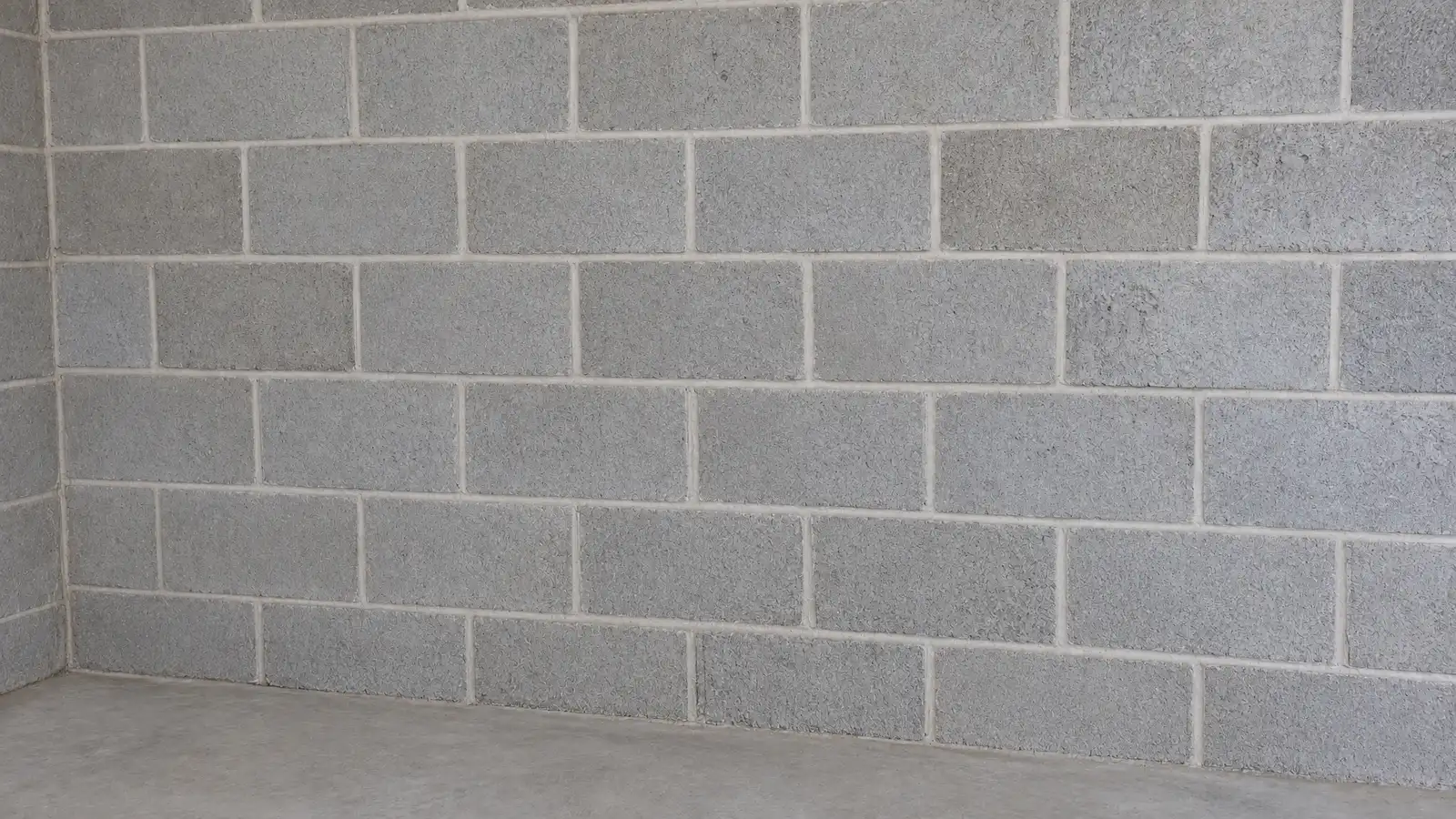
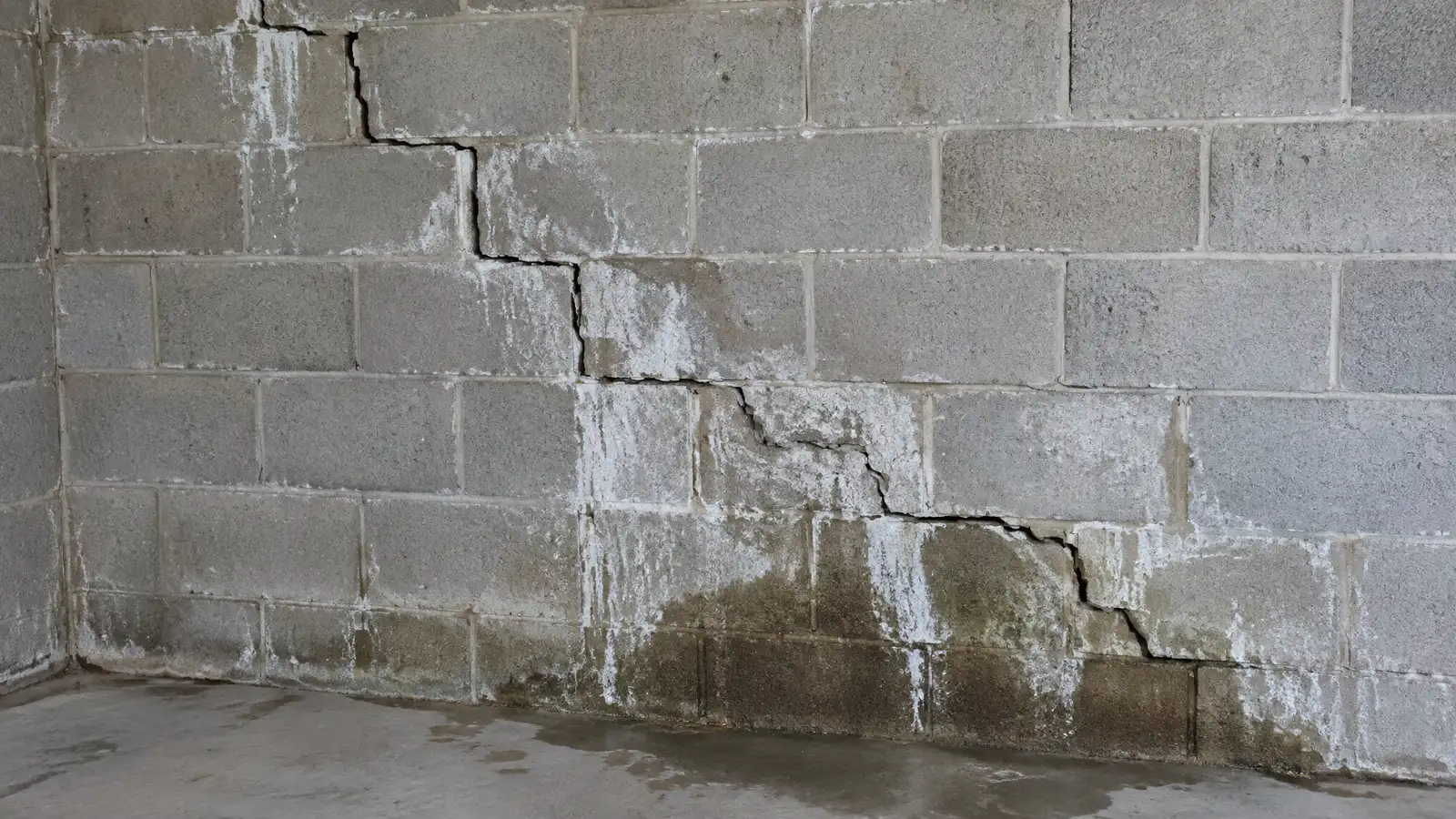 BeforeAfter
Joints, brick and cracks noted.
Foundation clues considered.
To the right depth.
Matched for look and strength.
Matching units set.
Wall left tidy.
Every topic has its own page with what to expect and how we approach it.
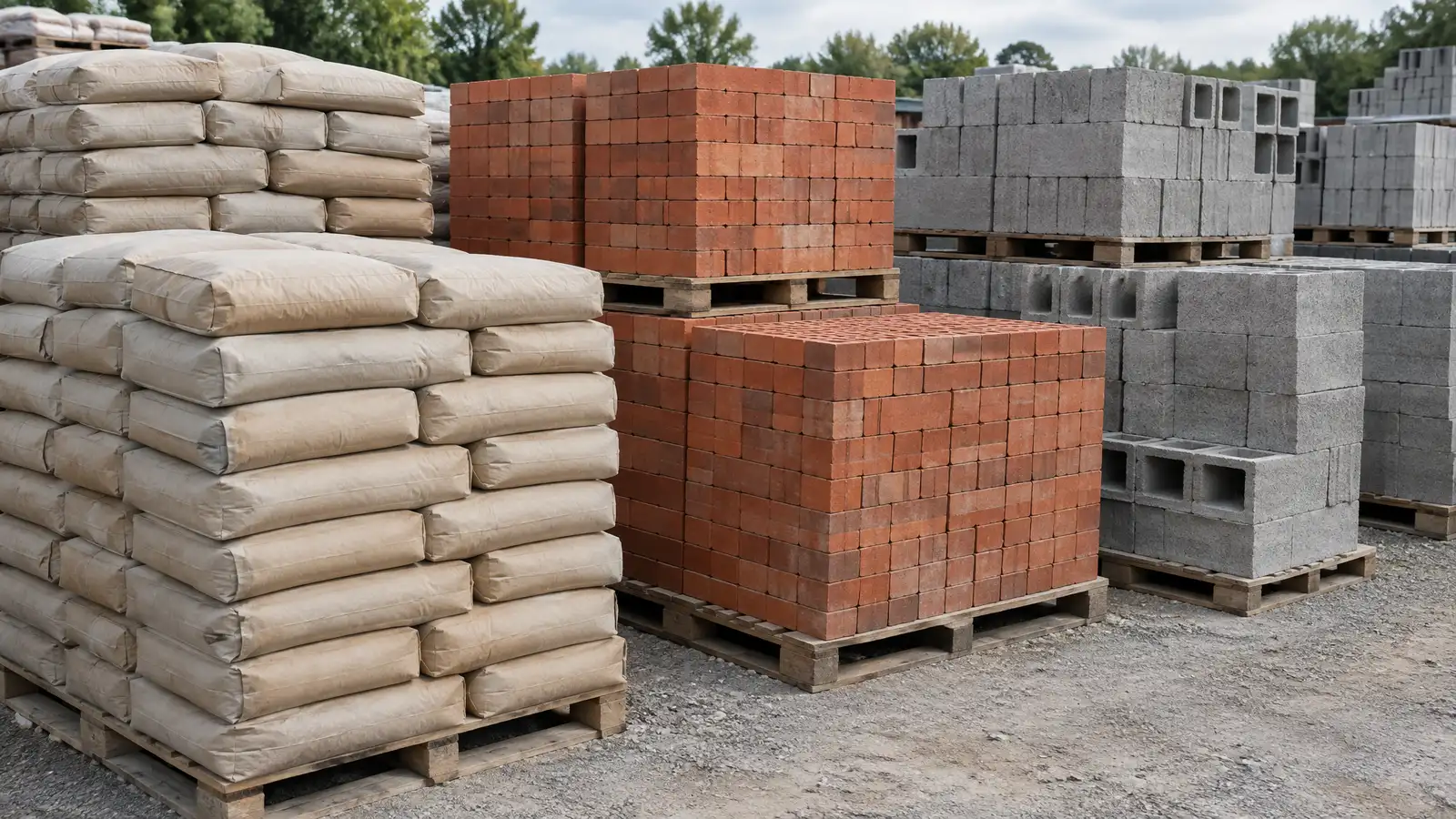 ResourceBIAA national trade association for the brick industry that publishes technical notes on brick construction, mortar and cracking.Learn more ResourceCMHAAn industry association for concrete block, pavers and retaining wall products, formerly known as the National Concrete Masonry…Learn more
 Comparison guideRetaining Wall TypesHow segmental block, poured concrete, natural stone and timber walls differ in strength, drainage needs, look and repair.Learn more
Pick what you see in your walls, floors, basement, crawl space or concrete to get likely causes, what to try first and the service page that fits.
You tell us what you see and where the property is. One call sets up a visit that fits your day.
A specialist walks the inside and outside, checks cracks, floors, moisture and drainage and takes measurements and photos.
You receive a plain written scope with the cause, the method, the location of each repair and the schedule before anything begins.
Utility marking is requested where digging is needed, access is protected and materials and any engineering are lined up.
Supports, drains, sealing or lifting are completed in a clear order, with photos and checks along the way.
The site is cleaned up, the work is explained on a walk-through and care and monitoring tips are shared.
It is the process of removing deteriorated mortar and packing in fresh mortar, finished to match the look of the wall.
Crumbling or recessed mortar, loose brick and cracks are common signs.
Color and texture can be matched closely, and samples help you check before the work is done.
Not always, though stair-step cracks and widening gaps deserve a closer look.
Sound joints and brick are a big part of keeping water out, and flashing and drainage matter too.
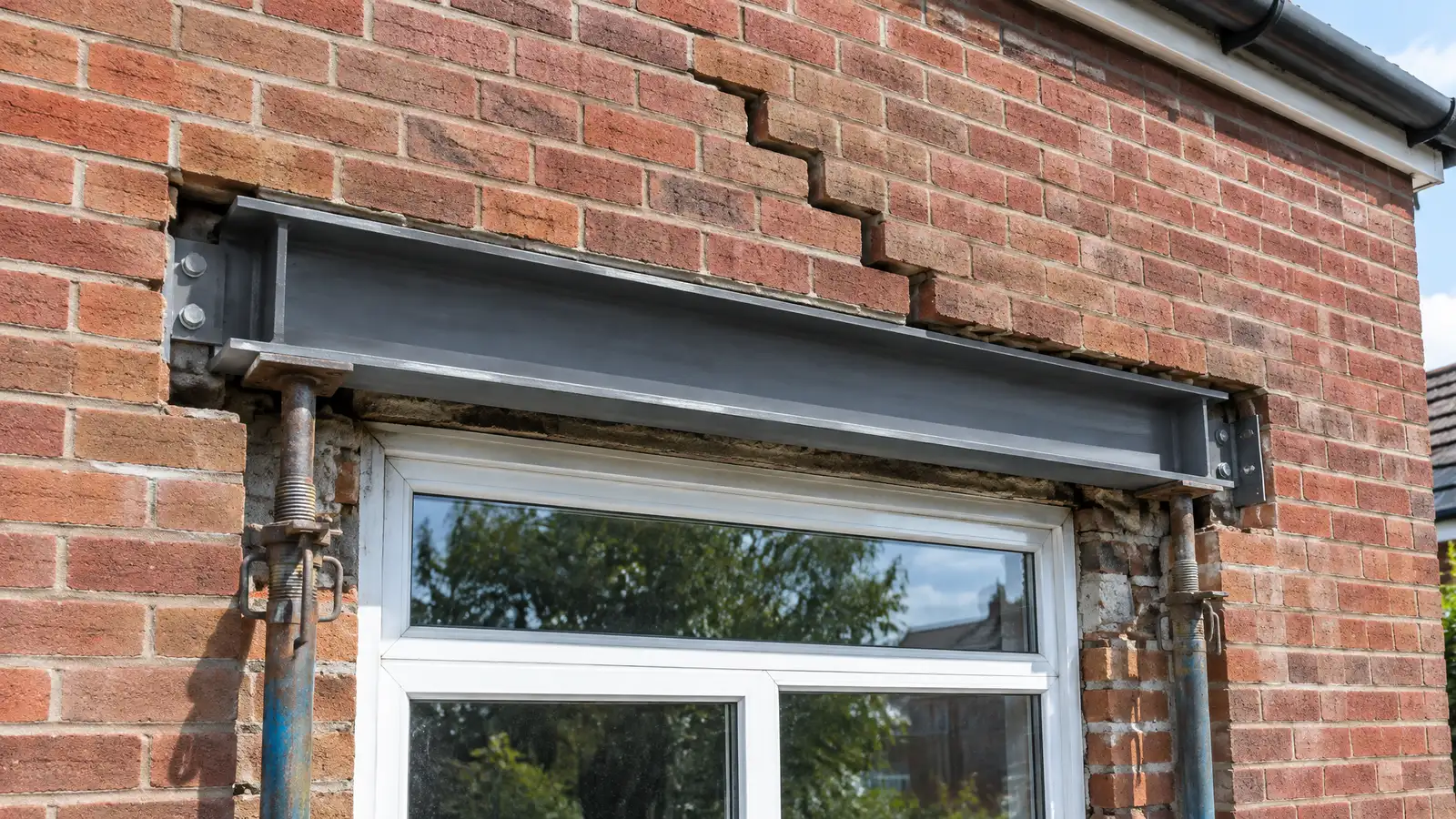 Stair-Step Crack and Lintel RepairRepairing stair-step cracks and failed lintels over doors and windows, after addressing the movement that caused them.Explore
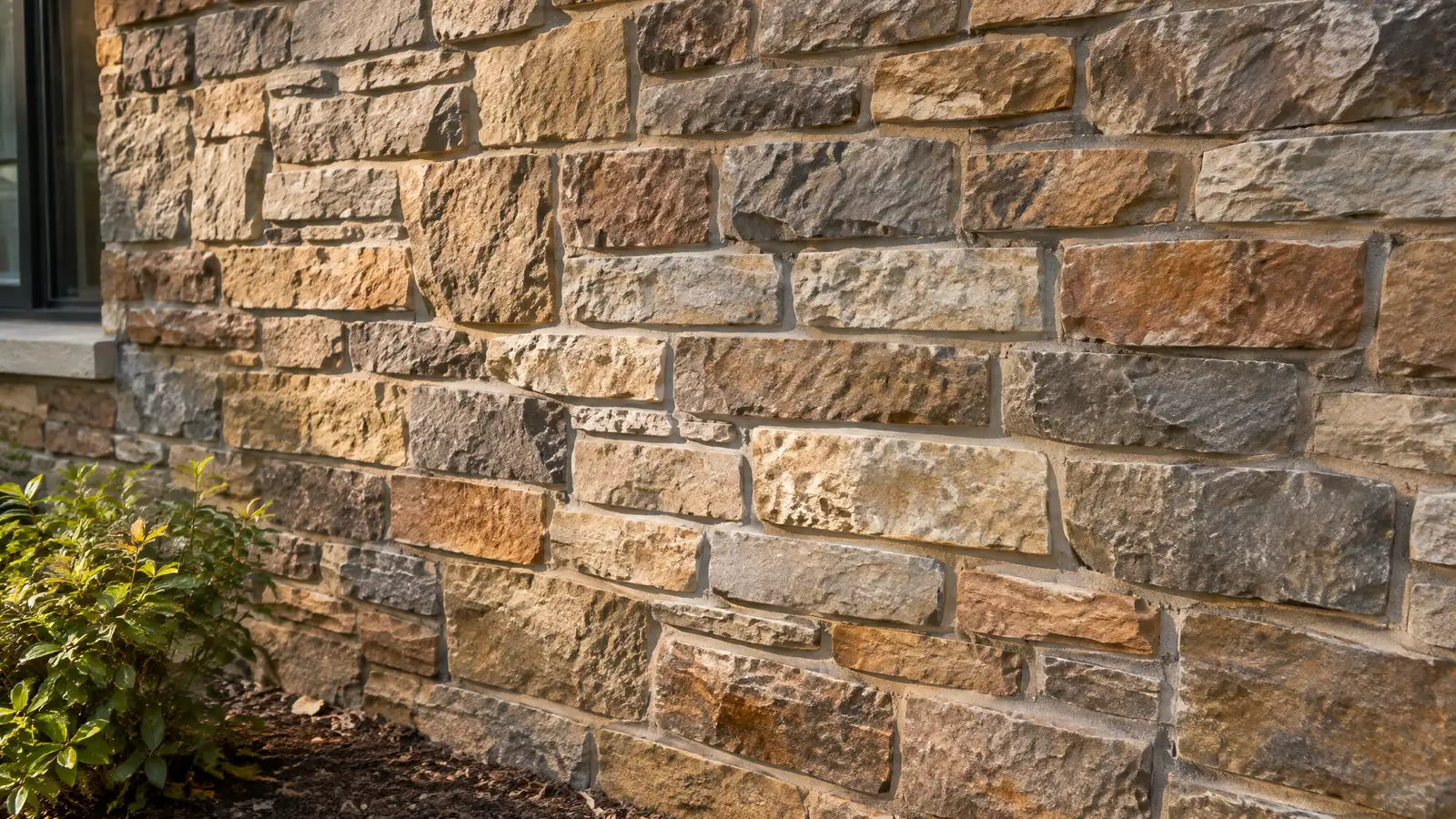 Veneer and Stone RepairRepairing loose, cracked or fallen brick veneer, stone veneer and decorative stonework on homes and walls.Explore
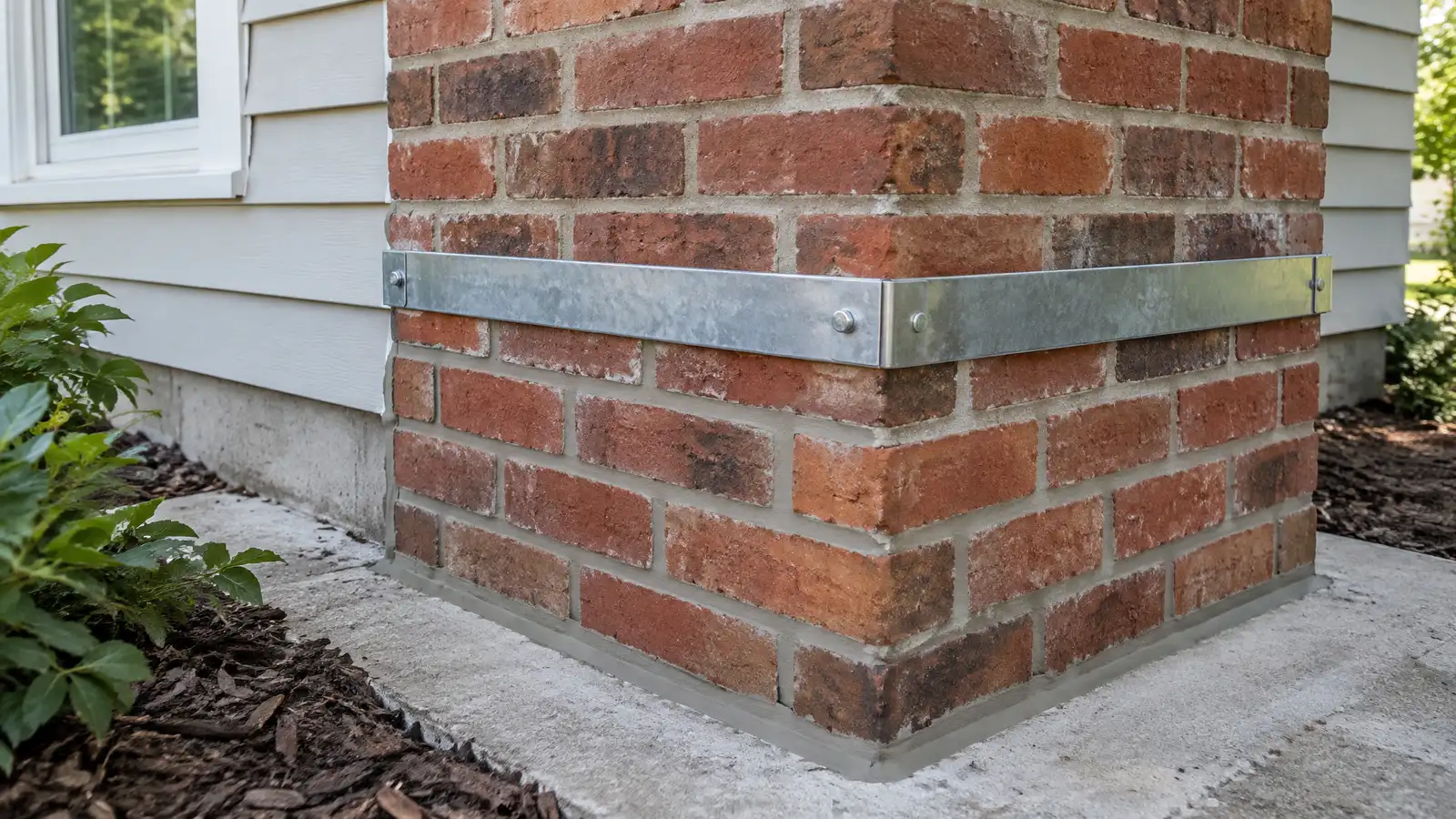 Chimney Repair and StabilizationRepairing leaning, cracked or settled chimneys and their foundations so they stand straight and shed water.Explore
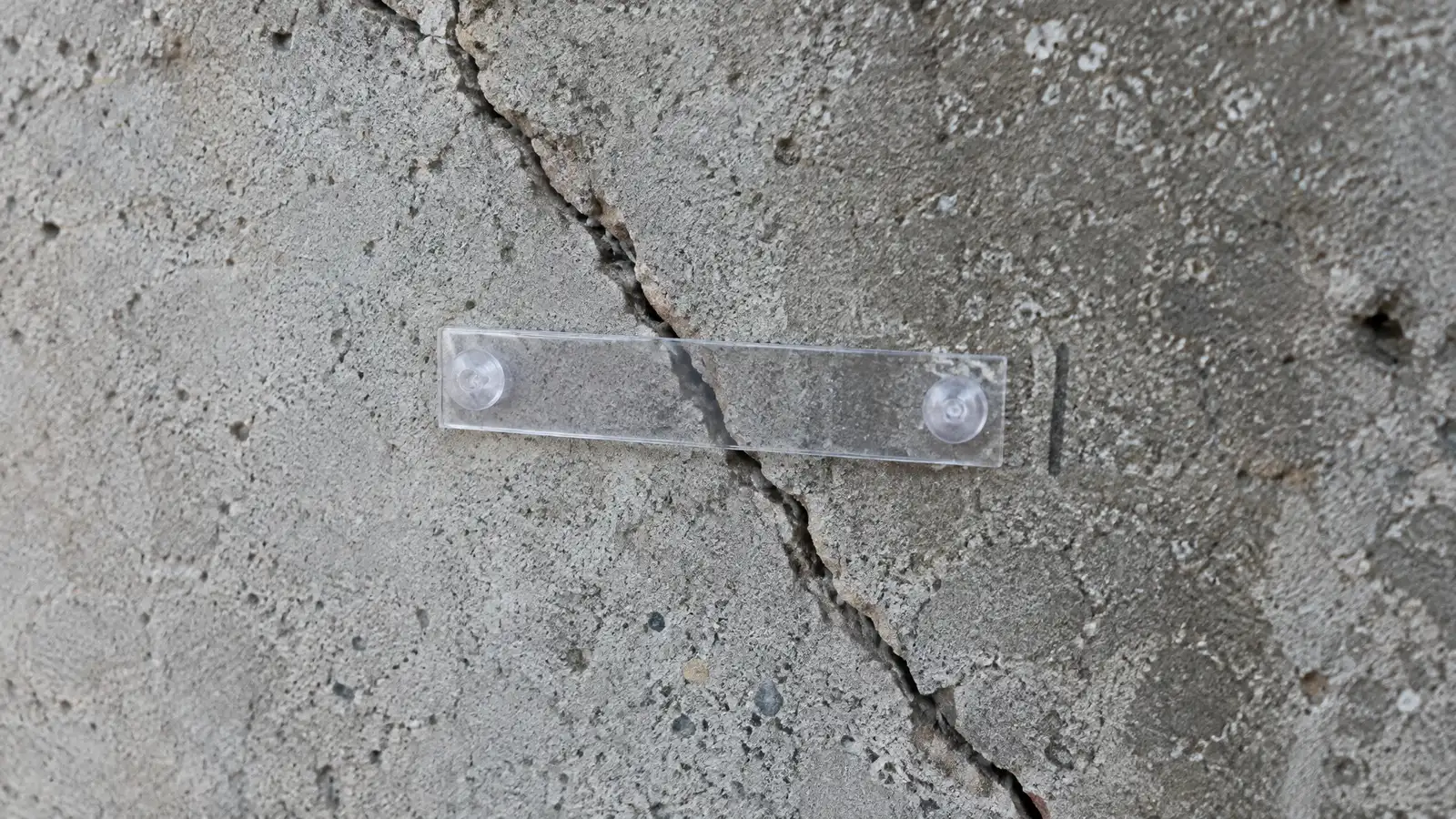 Foundation Crack EvaluationA specialist reads the width, direction and pattern of your cracks to tell harmless shrinkage from movement that…Explore
Tell us about your property and one specialist will call you back to set up a visit.
Or call (615) 431-3789 to talk now.