Serving Nashville and Middle TennesseeFree Estimate
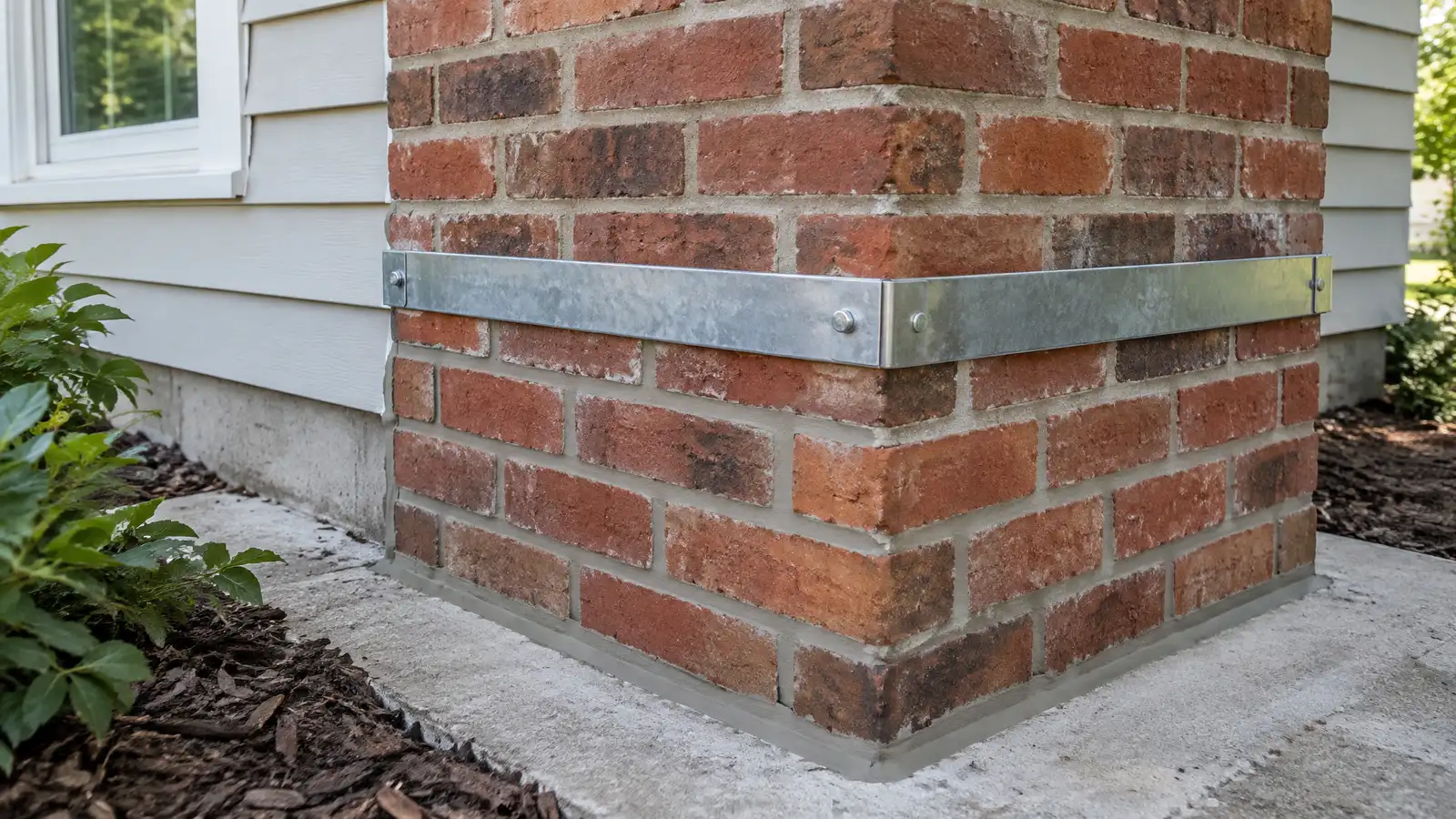
Repairing leaning, cracked or settled chimneys and their foundations so they stand straight and shed water.
A chimney is heavy and often sits on its own footing, separate from the house. If that footing sinks, the chimney leans and pulls away from the wall, leaving a gap that grows in wet weather. Owners of older Nashville homes sometimes notice the gap first, and it is a sign that the chimney needs help.
Your specialist inspects the chimney and the gap, measures lean and checks mortar, flashing and the crown. If the footing has settled, it is stabilized with piers or underpinning, and the chimney is tied back to the house where appropriate. Cracked brick and mortar are repaired, flashing is sealed and the crown is repaired. Drainage around the chimney is improved so the soil stays firm. A chimney that leans or pulls away deserves attention before the next heavy rain, because water entering the gap can reach the framing and the foundation. Photograph the gap and measure it at the top and bottom. Those numbers show whether the movement is steady or growing, and they help your specialist choose between simple masonry repair and a full stabilization plan.
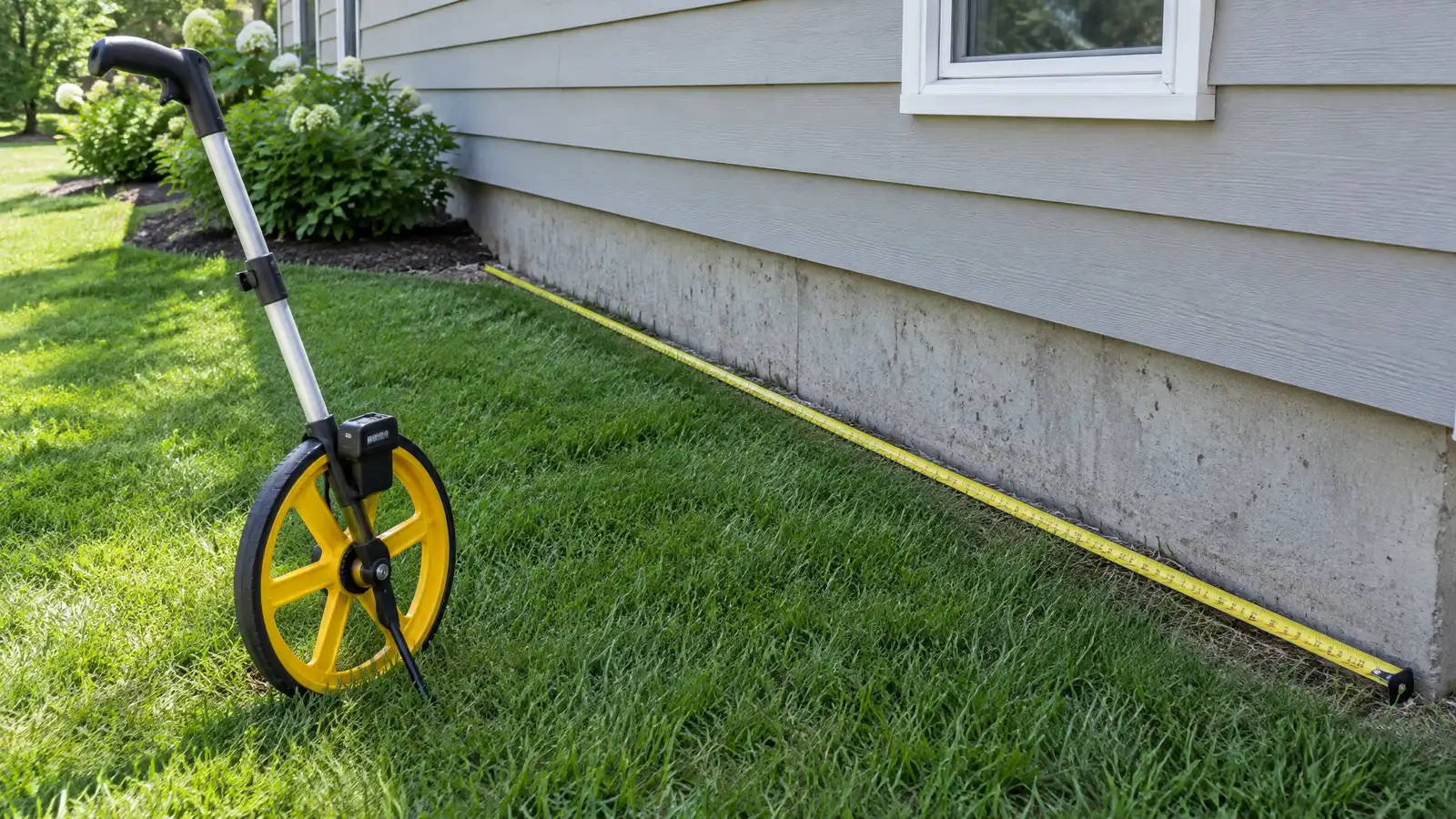
Measuring how far a chimney has moved from plumb shows how urgent a repair is.
Piers or underpinning carry a chimney that has sunk, stopping further movement.
Mortar, brick, flashing and crown are repaired so water does not enter the chimney or the house.
Downspouts and grading near the chimney are adjusted so soil stays firm.
Drag the handle to compare.
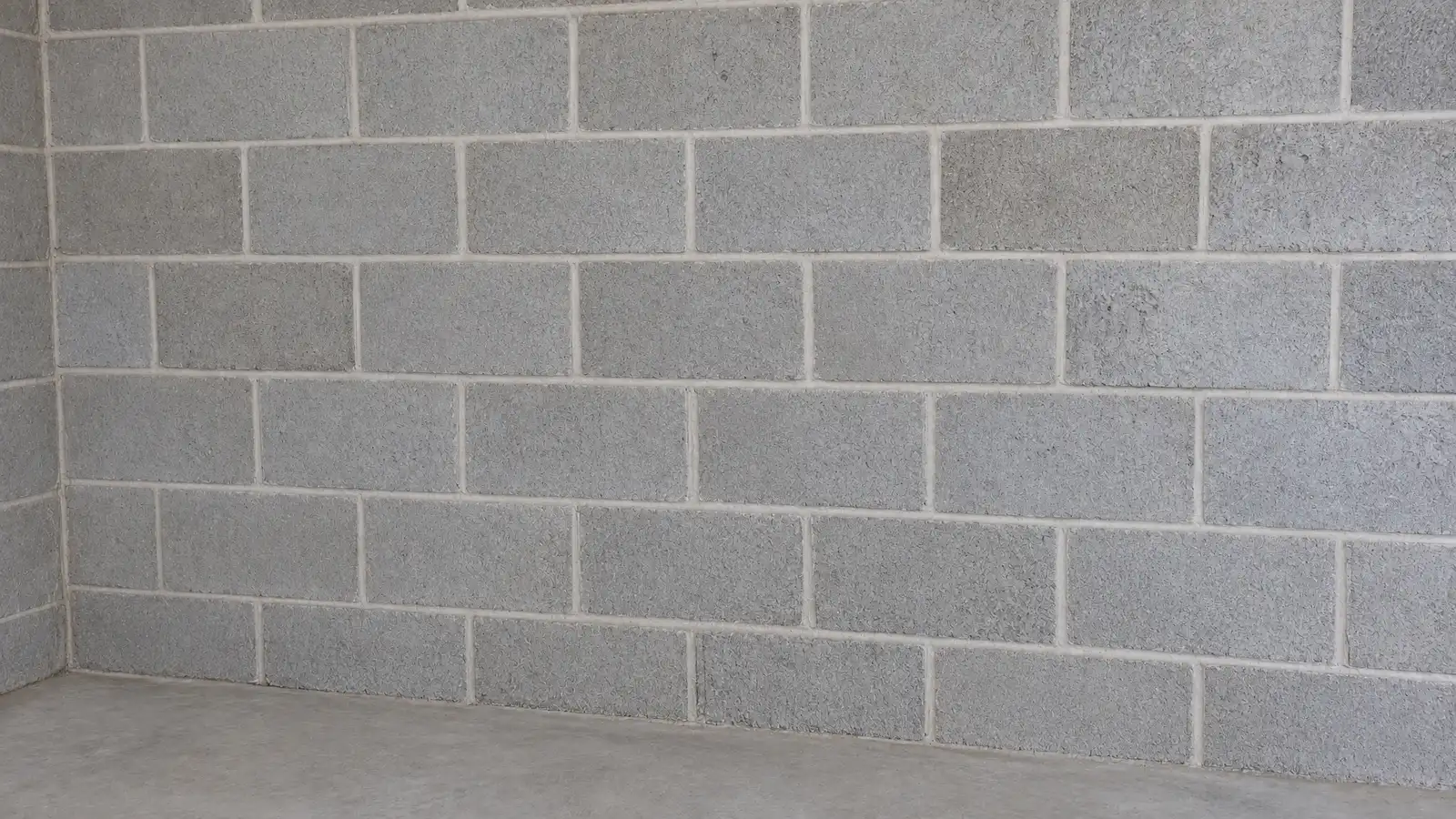
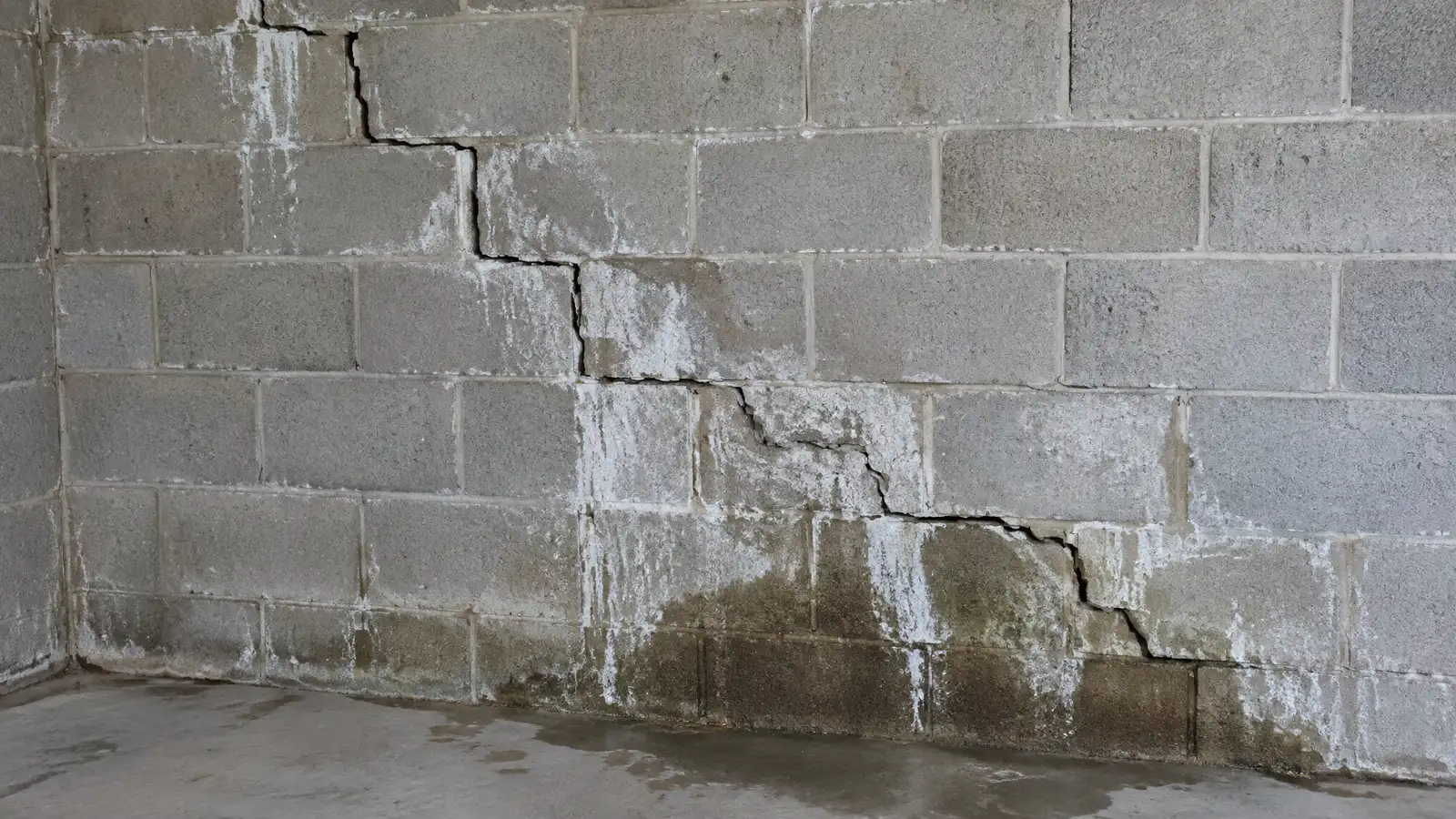 BeforeAfter
Lean and gap measured.
Settlement and soil considered.
Piers or underpinning.
Brick and mortar fixed.
Water kept out.
Soil kept firm.
Every topic has its own page with what to expect and how we approach it.
 ResourceSimpson Strong-TieA maker of structural connectors, anchors and fasteners used in framing, concrete and masonry, with engineering resources.Learn more ResourcePCAA trade association of cement manufacturers that shares education and technical information about cement and concrete.Learn more
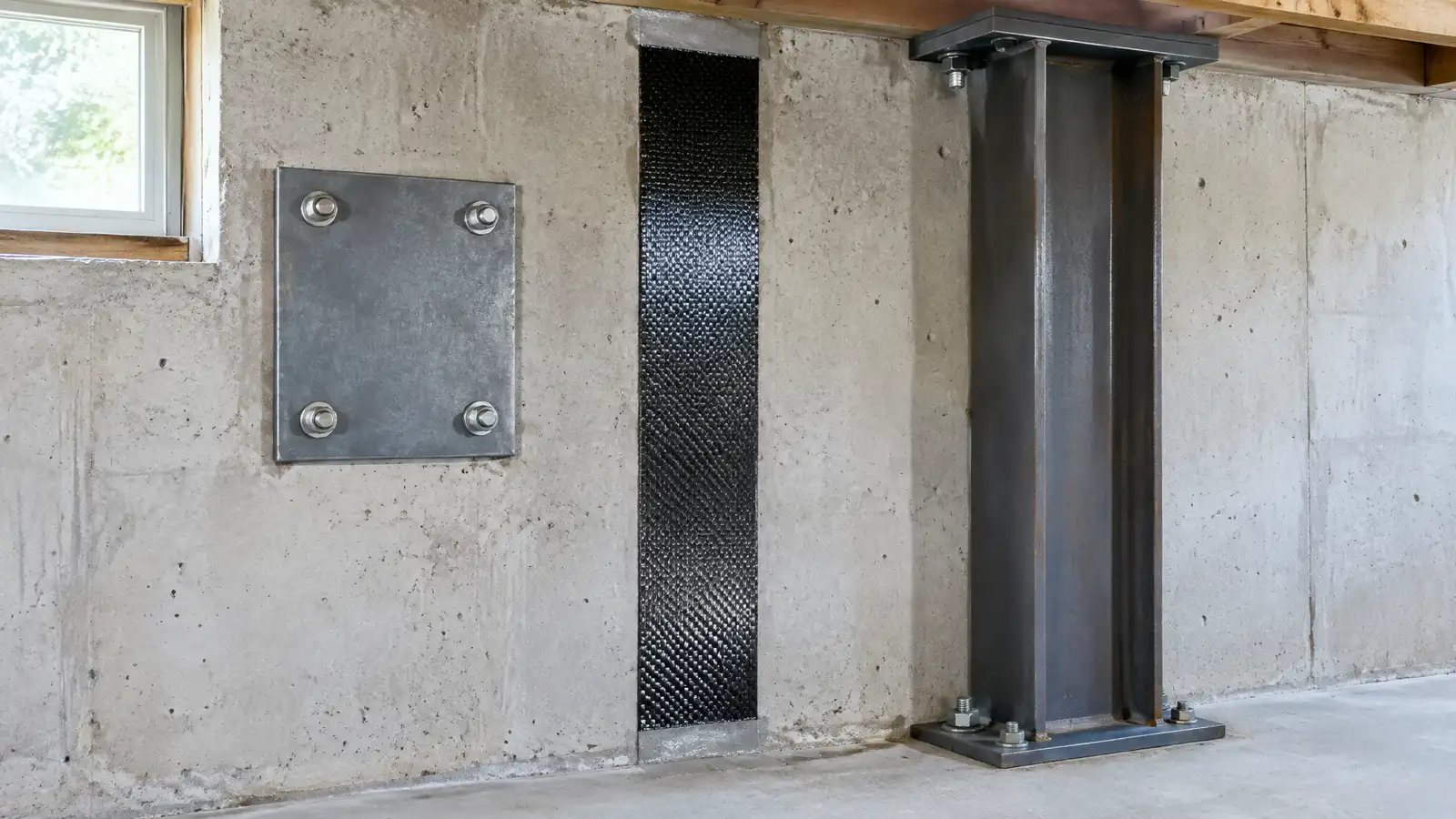 Comparison guideWall Repair MethodsHow wall anchors, carbon fiber straps, steel beams and rebuilding differ in what they do for bowing or…Learn more
Answer a few questions about what you see, your foundation type, moisture and soil to learn which repair methods usually fit.
You tell us what you see and where the property is. One call sets up a visit that fits your day.
A specialist walks the inside and outside, checks cracks, floors, moisture and drainage and takes measurements and photos.
You receive a plain written scope with the cause, the method, the location of each repair and the schedule before anything begins.
Utility marking is requested where digging is needed, access is protected and materials and any engineering are lined up.
Supports, drains, sealing or lifting are completed in a clear order, with photos and checks along the way.
The site is cleaned up, the work is explained on a walk-through and care and monitoring tips are shared.
Its footing may have sunk, or soil may have washed out or settled beside it, which lets the chimney tilt.
Some can be raised or stabilized, and others may need partial rebuilding. An inspection tells which.
It can let water in and shows movement, so it deserves a look soon.
A chimney specialist handles flues and safety inspections, and your specialist works on the structure and masonry.
Often yes, using proper ties where the structure allows, and your specialist explains the options.
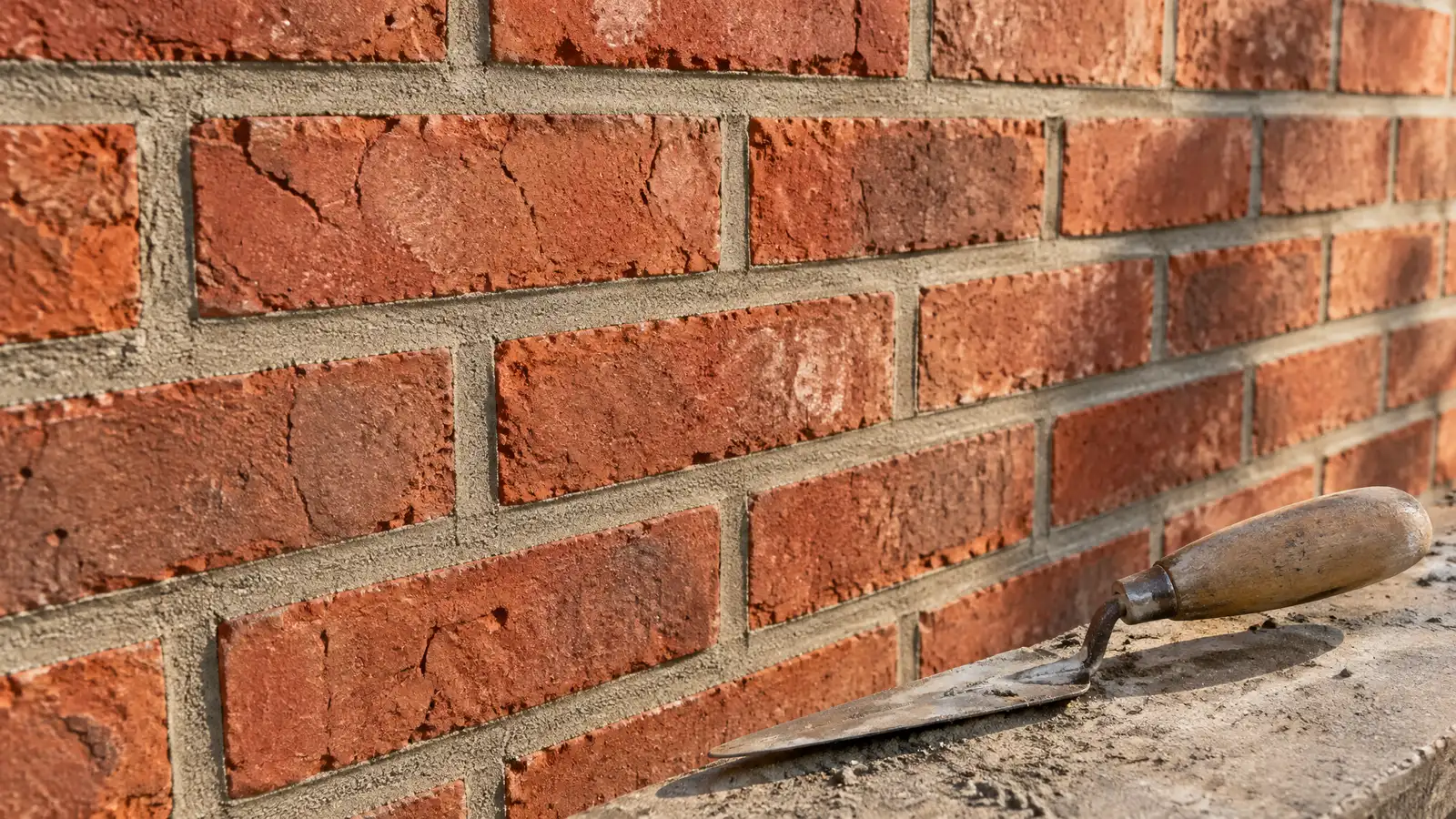 Brick Repair and TuckpointingReplacing crumbling mortar and damaged brick so walls shed water, hold together and match the look of the…Explore
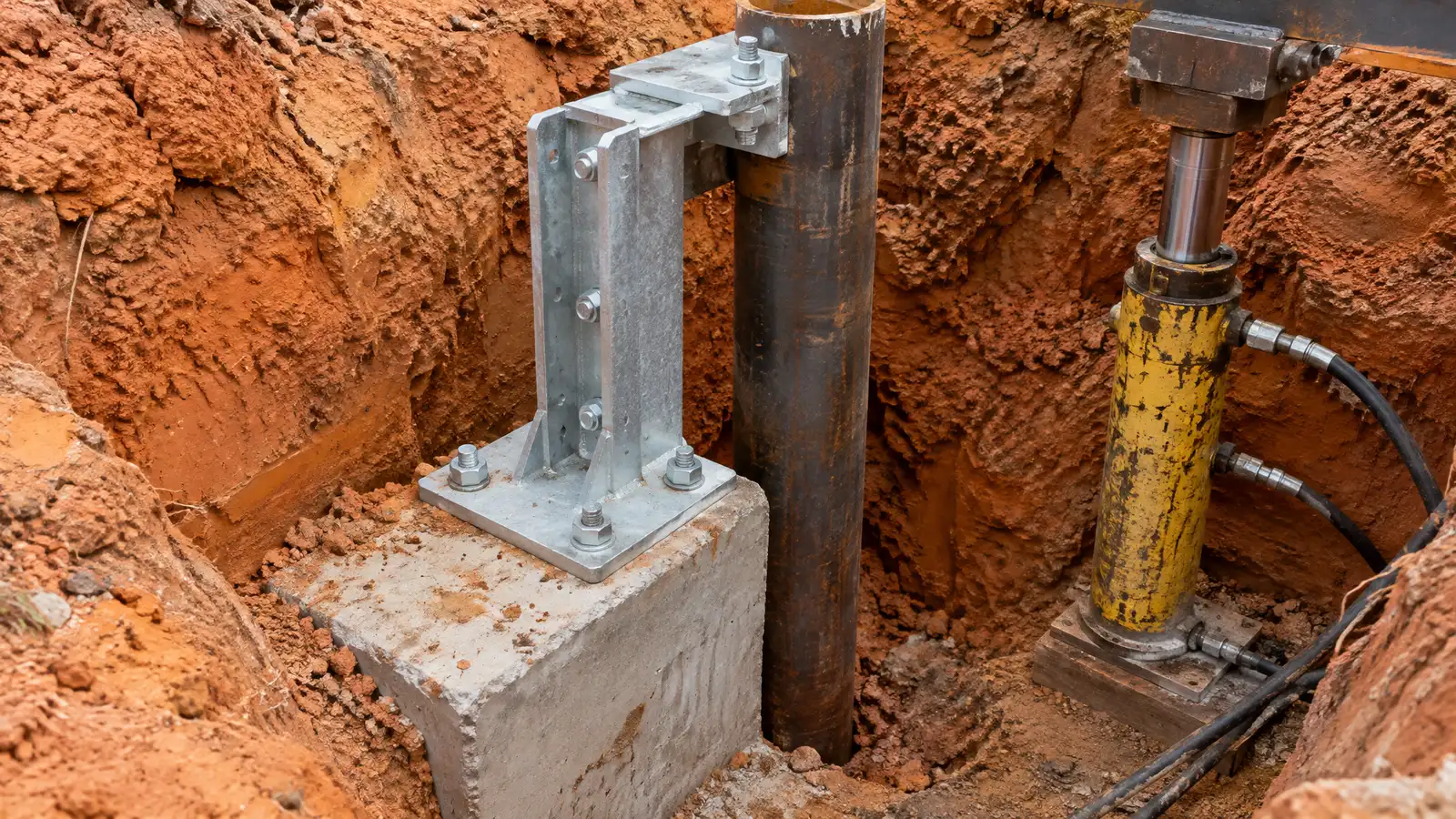 Push Pier Foundation RepairSteel push piers driven down to firm support to stop settlement and, where practical, lift a sinking foundation…Explore
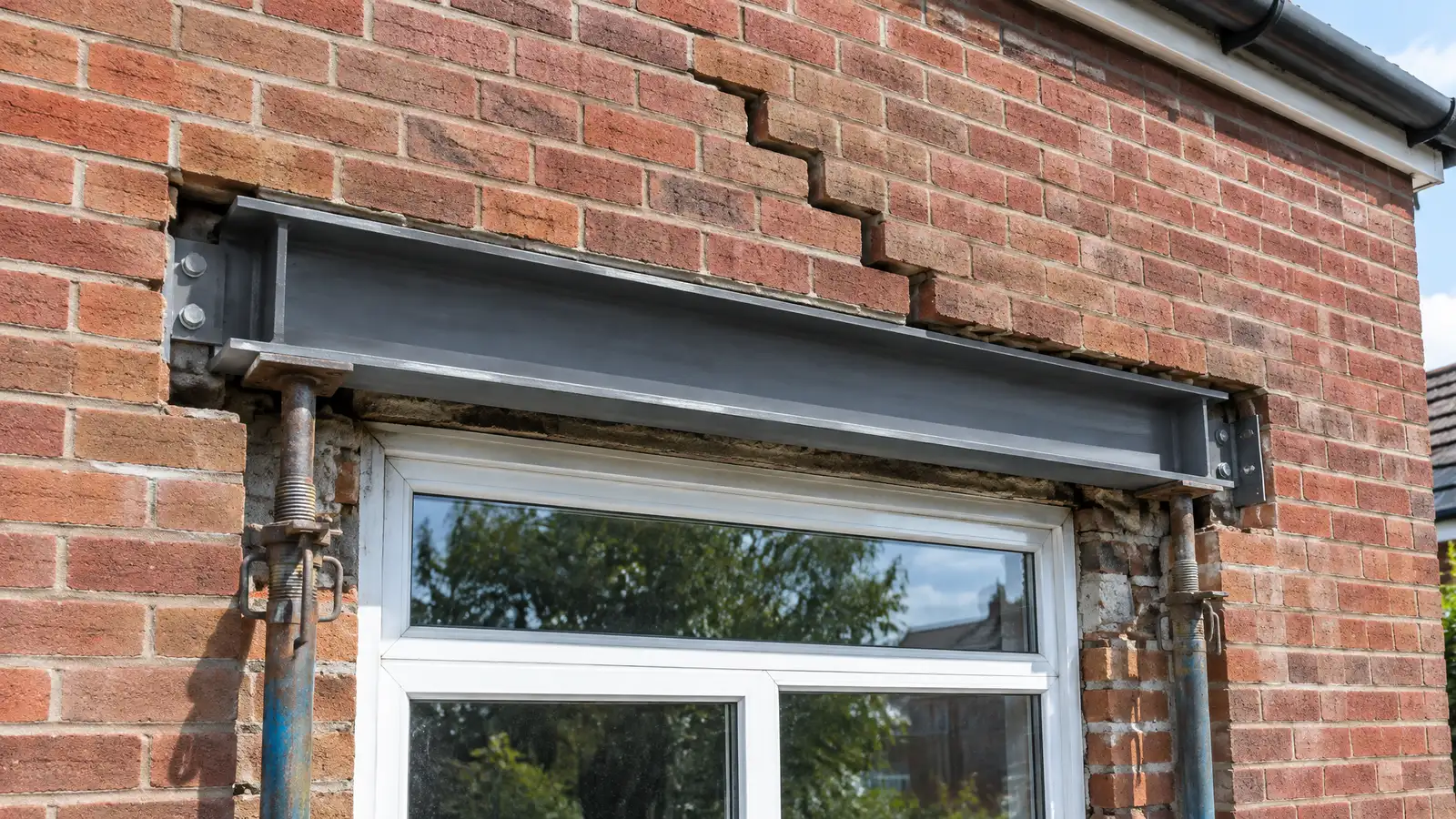 Stair-Step Crack and Lintel RepairRepairing stair-step cracks and failed lintels over doors and windows, after addressing the movement that caused them.Explore
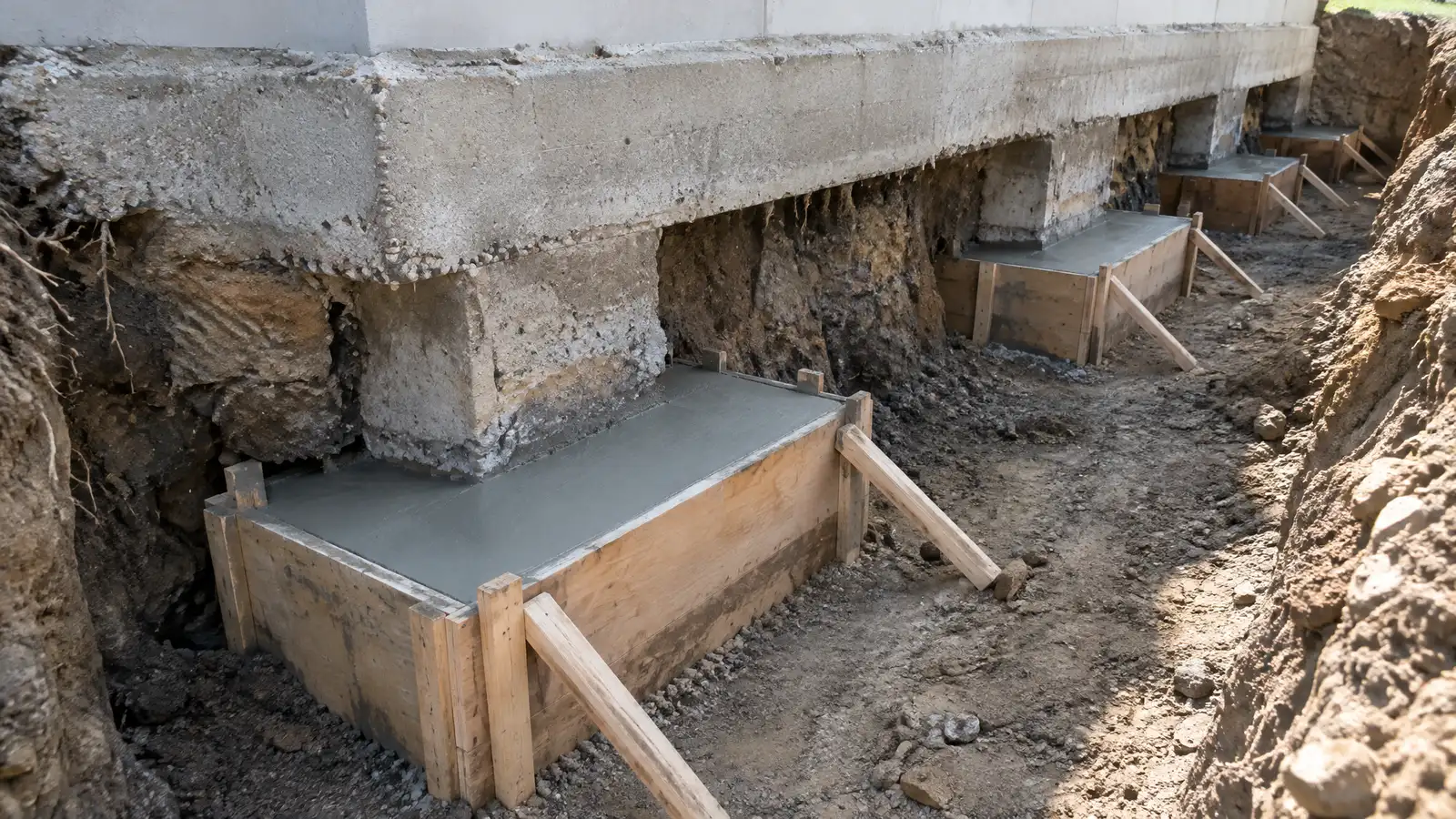 Foundation UnderpinningExtending or deepening footings so an existing foundation rests on stronger soil and carries its load safely.Explore
Tell us about your property and one specialist will call you back to set up a visit.
Or call (615) 431-3789 to talk now.