Serving Nashville and Middle TennesseeFree Estimate
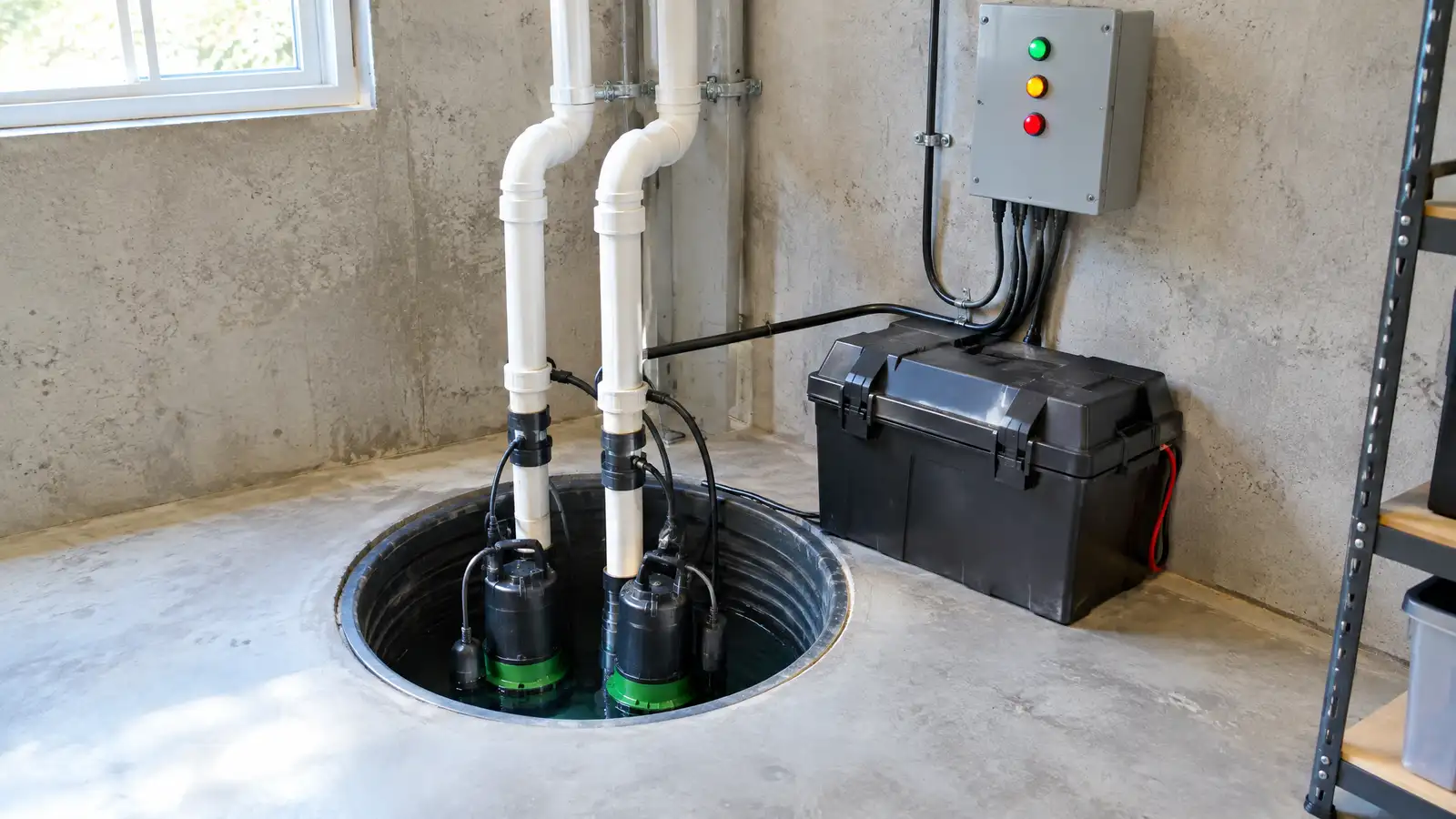
A second pump with its own battery that keeps your basement or crawl space dry when the power fails during a storm.
Storms and power outages often arrive together. The main sump pump quits just when water is rising fastest, and a basement can flood in an hour. A battery backup pump is a second line of defense with its own power, and many Nashville owners add one after a close call or as part of a new system.
Your specialist installs a backup pump in the same pit or a second pit, with a separate float switch, discharge line and battery. A controller keeps the battery charged and sounds an alarm if something is wrong. The system is tested by switching off power to the main pump, and the care plan explains battery checks and replacement. Larger homes or high-risk sites may use a bigger battery bank.
The backup pump has its own switch, its own discharge and its own power, so one failure does not take both down.
A controller warns you when the battery is low or the pump runs, so problems do not go unnoticed.
Power to the main pump is cut during the test, so you see the backup actually run.
The plan explains how long a battery runs and when to replace it, so you are not surprised.
Drag the handle to compare.
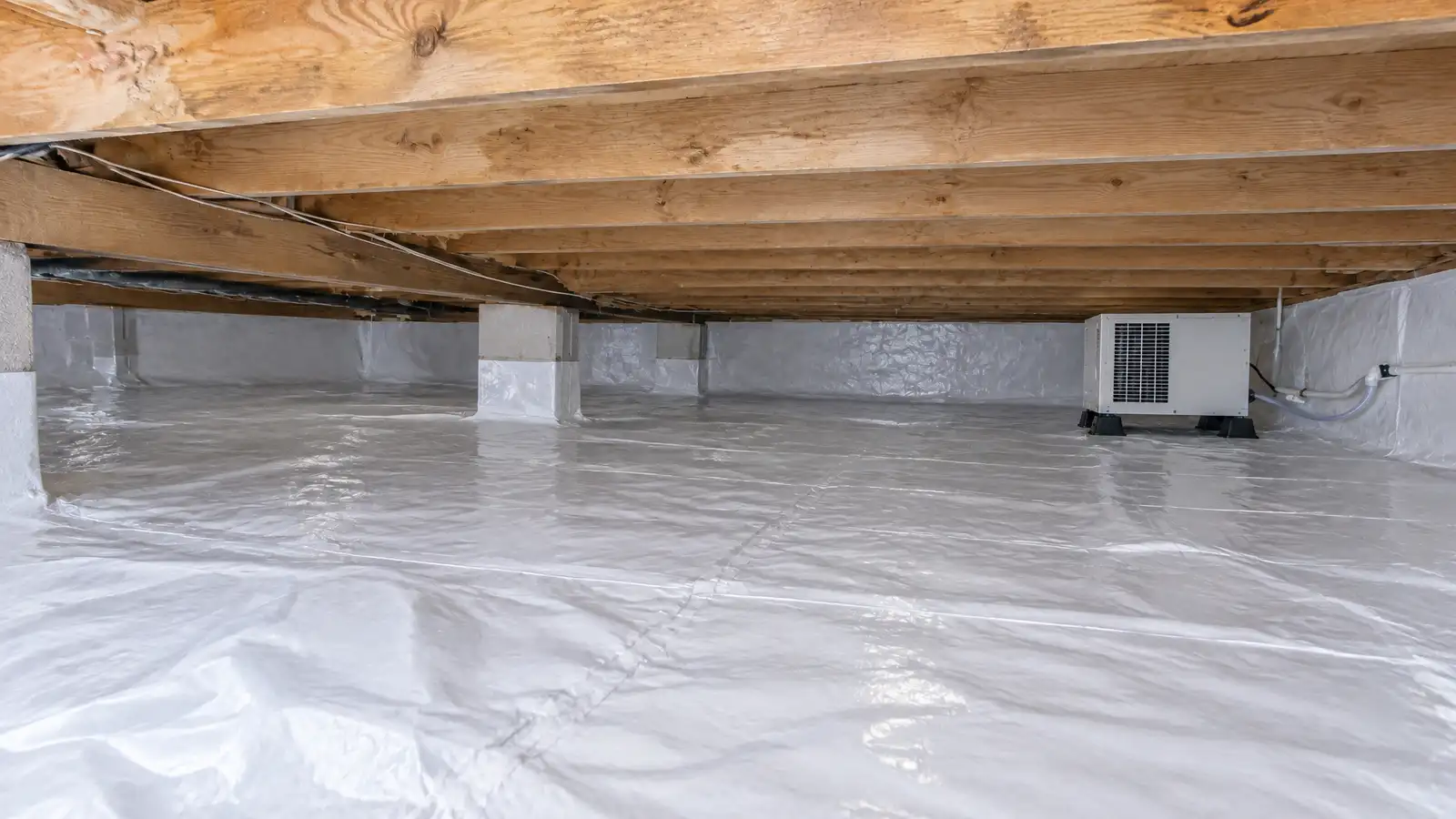
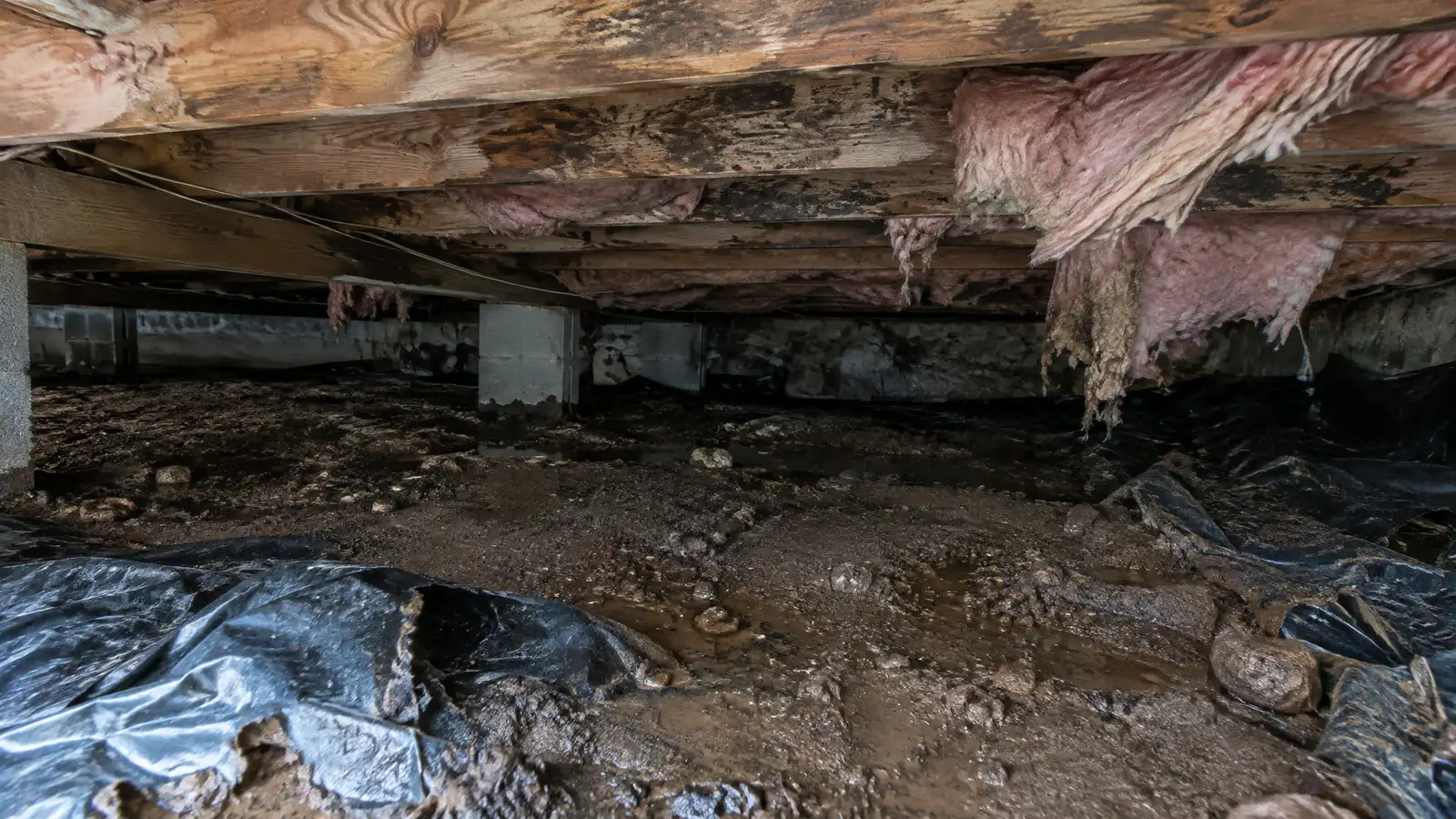 BeforeAfter
Pit, pump and discharge checked.
Sized to the water you see.
Switch, discharge and battery.
Charging and alarm set up.
Power cut to main pump.
Battery checks and replacement.
Every topic has its own page with what to expect and how we approach it.
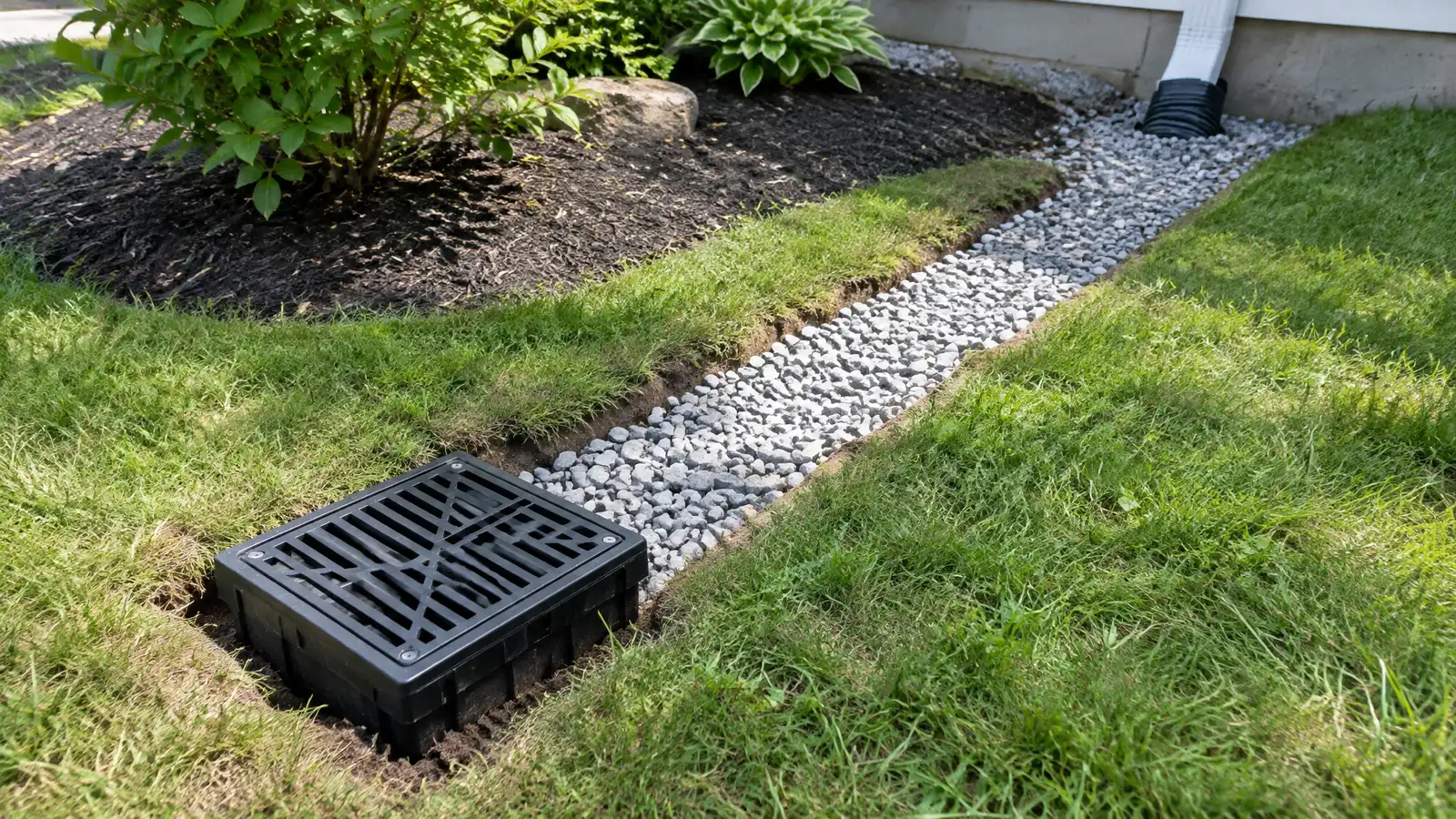 Comparison guideDrainage SolutionsHow French drains, surface drains, grading, swales, dry wells and downspout extensions differ in what water they handle.Learn more
 ResourceFEMAThe federal portal where you can look up flood maps and flood zones for an address and read…Learn more ResourceNWS NashvilleThe National Weather Service office for Middle Tennessee, with forecasts, warnings, radar and rainfall information.Learn more
Answer a few questions about what you see, your foundation type, moisture and soil to learn which repair methods usually fit.
You tell us what you see and where the property is. One call sets up a visit that fits your day.
A specialist walks the inside and outside, checks cracks, floors, moisture and drainage and takes measurements and photos.
You receive a plain written scope with the cause, the method, the location of each repair and the schedule before anything begins.
Utility marking is requested where digging is needed, access is protected and materials and any engineering are lined up.
Supports, drains, sealing or lifting are completed in a clear order, with photos and checks along the way.
The site is cleaned up, the work is explained on a walk-through and care and monitoring tips are shared.
Run time depends on the battery size and how often the pump cycles. Your specialist explains what to expect for your system.
Outages are common during storms, and a backup protects against pump failures too, so many owners find it worthwhile.
Often yes, with a separate switch and discharge. Some sites do better with a second pit.
Many controllers sound an alarm, and some can connect to a phone app, depending on the model.
Batteries wear out over time, and your specialist shares a replacement schedule based on the model.
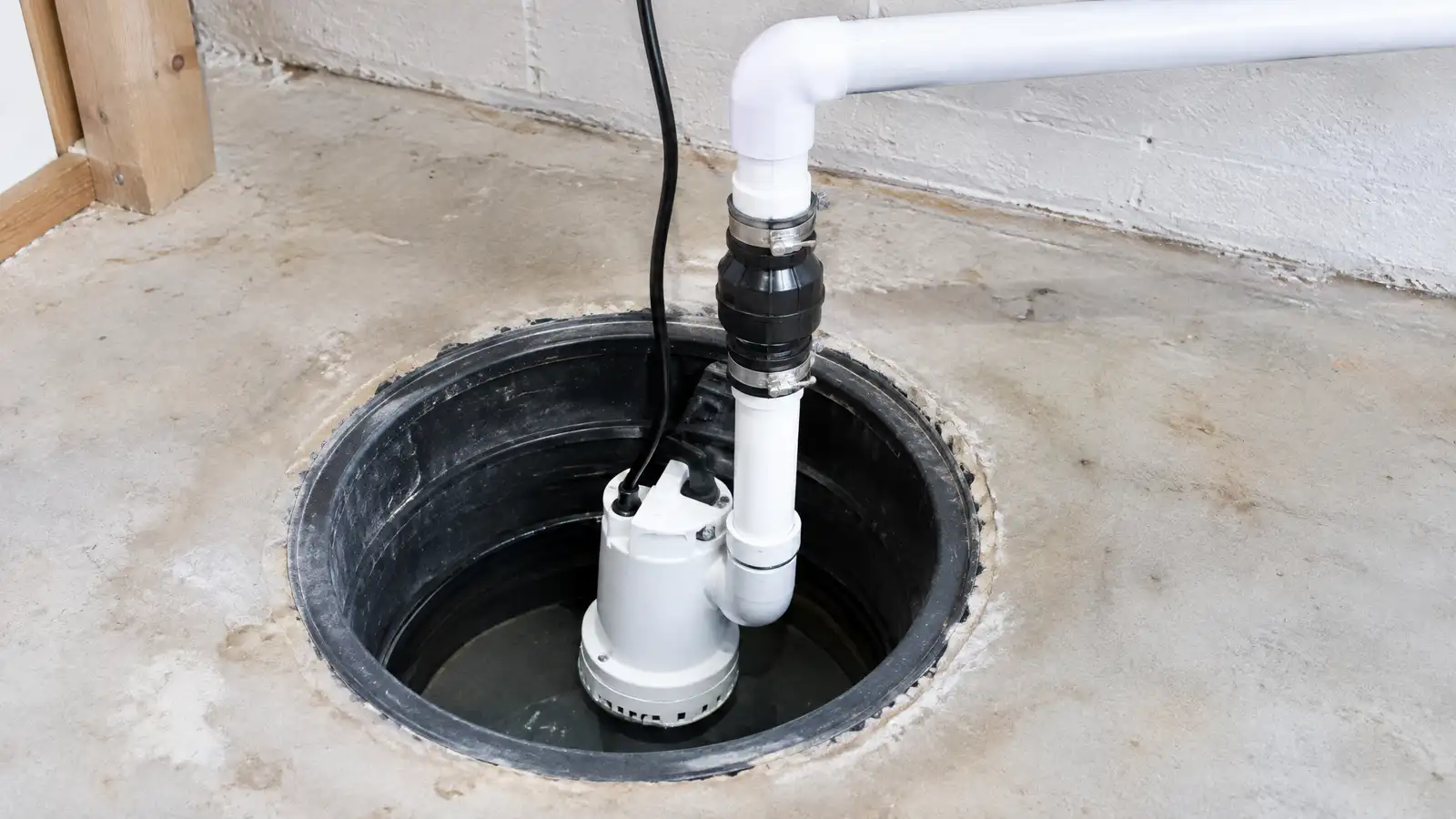 Sump Pump InstallationA properly sized sump pit and pump that keeps a basement or crawl space dry, with a discharge…Explore
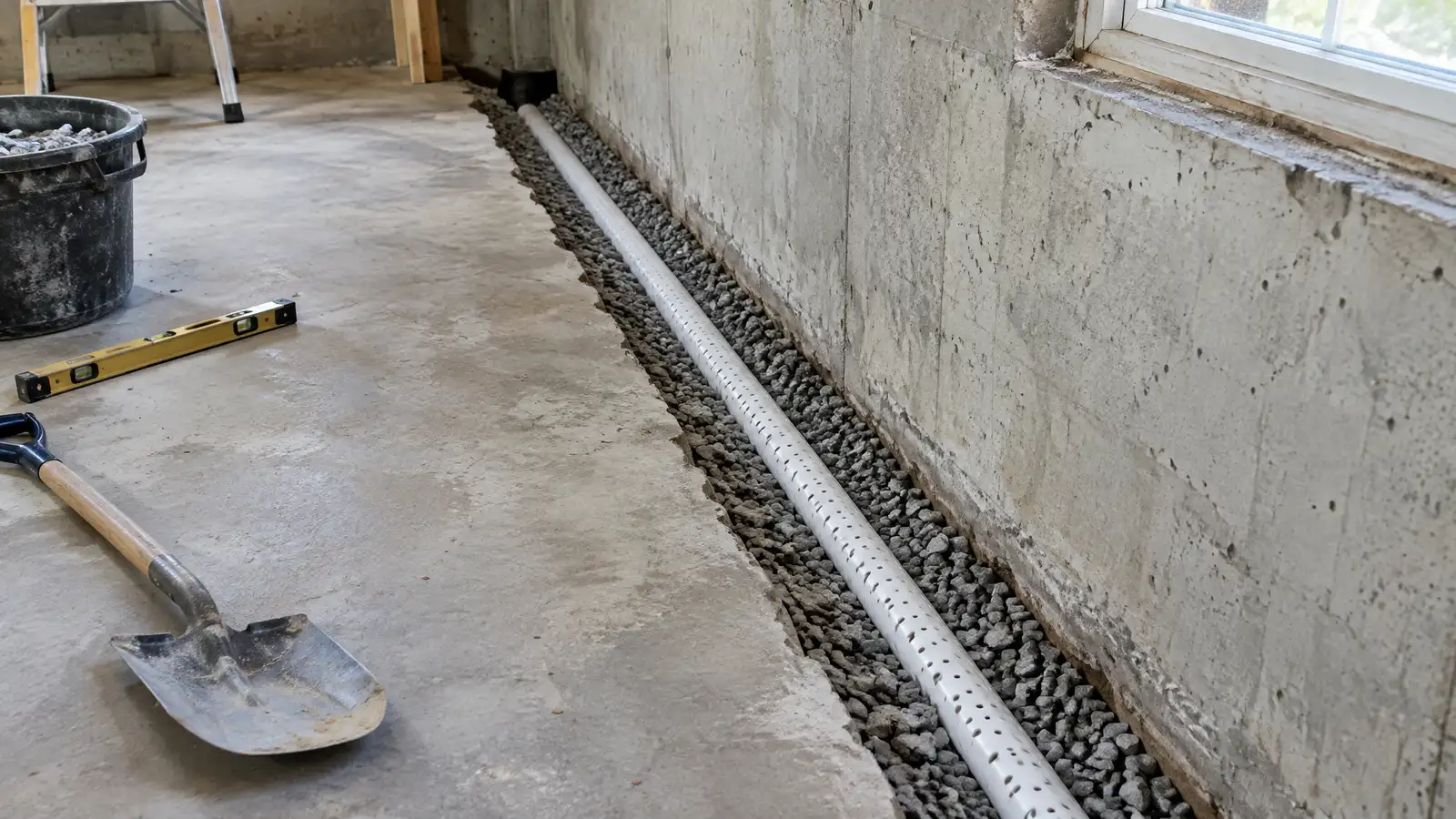 Interior Drainage SystemsPerimeter drains and sump systems inside a basement or crawl space that catch water and send it safely…Explore
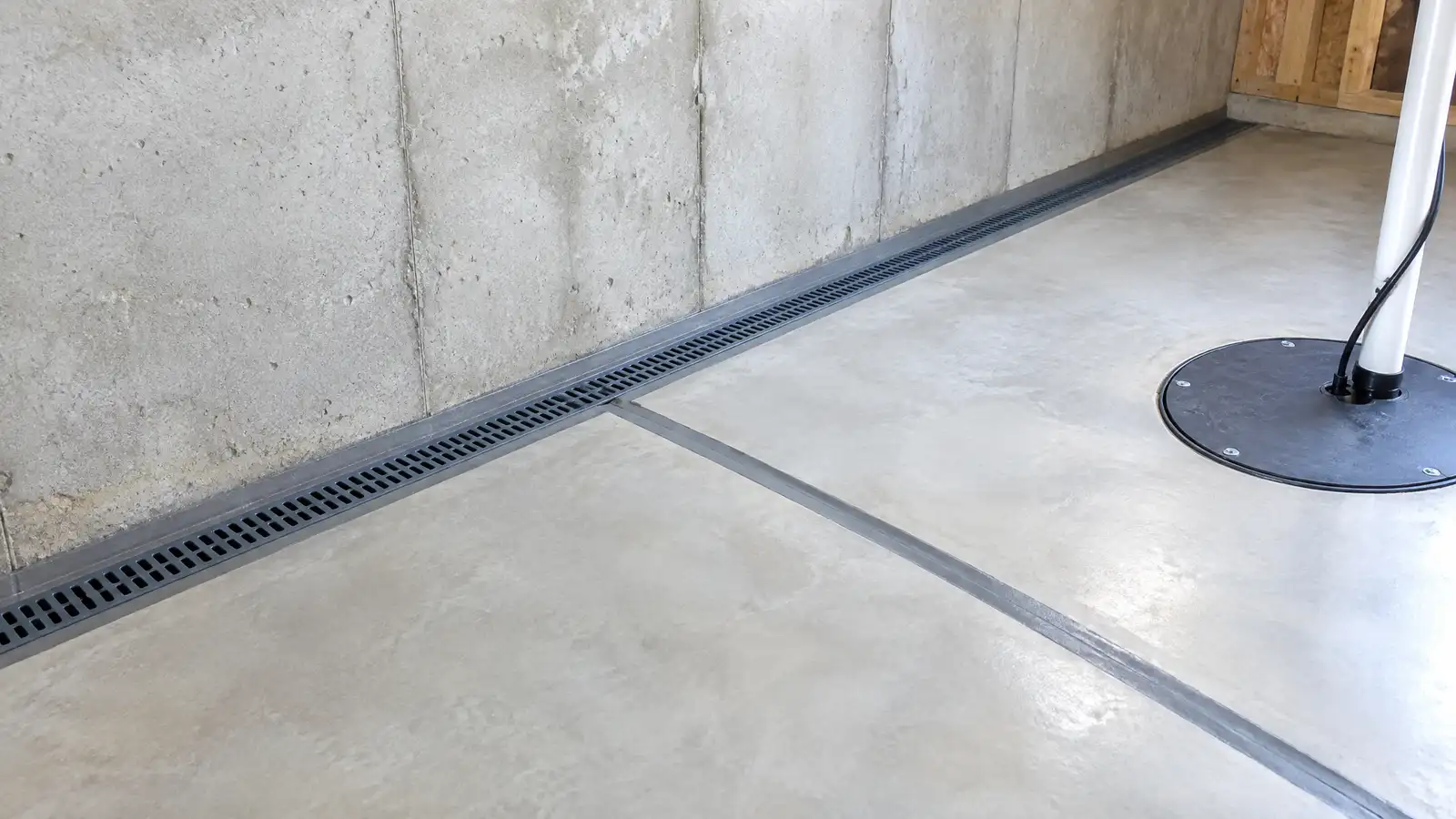 Basement WaterproofingA complete plan to keep water out of a basement, using drainage, pumps, sealing and exterior fixes matched…Explore
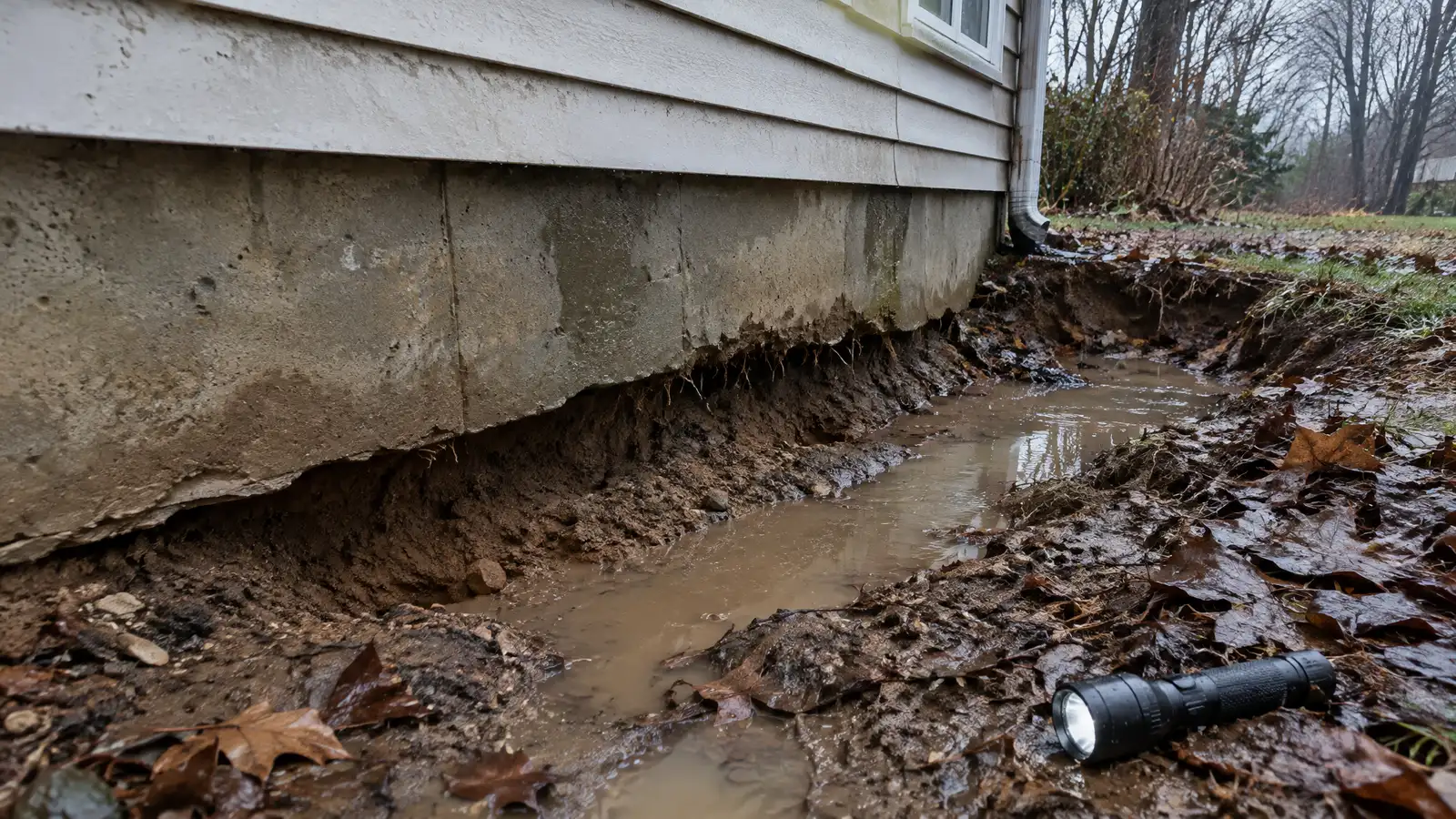 Post-Storm and Flood Foundation AssessmentsA prompt look at foundations, crawl spaces and basements after heavy rain, flooding or storms to catch damage…Explore
Tell us about your property and one specialist will call you back to set up a visit.
Or call (615) 431-3789 to talk now.