Serving Nashville and Middle TennesseeFree Estimate
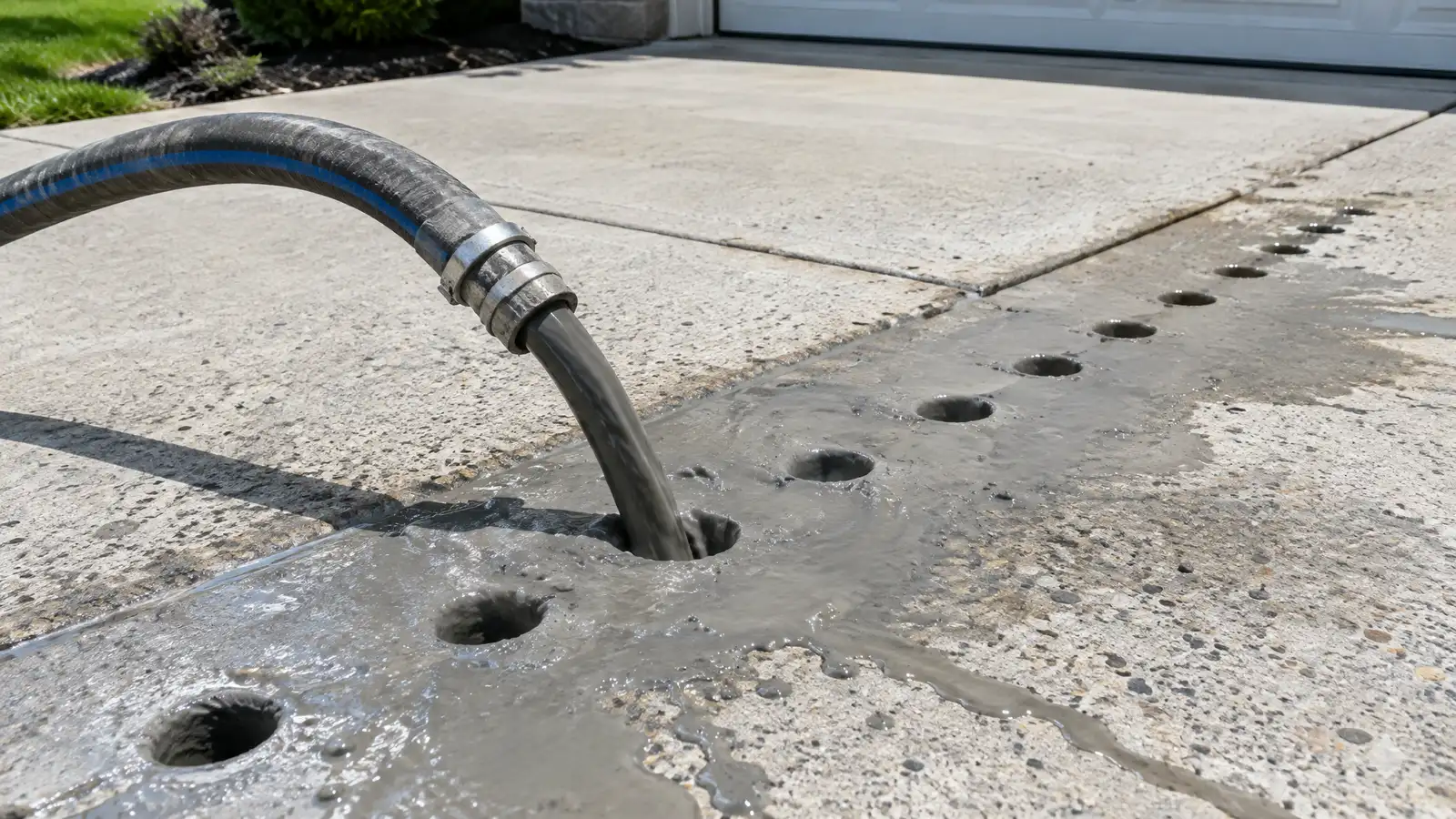
Lifting sunken concrete slabs by pumping a cement-based slurry through small holes to fill voids and raise the surface.
Sunken concrete is more than an eyesore. Walks and driveways that slope toward the house shed water the wrong way, and uneven edges are a trip hazard. In many cases, the slab itself is fine and the soil beneath it has washed away or compacted. Slabjacking, also called mudjacking, fills that void and lifts the slab back up, and it is a common fix across Nashville's clay-rich neighborhoods.
Your specialist drills small holes through the slab, pumps a carefully mixed slurry beneath it and watches the surface rise in steady steps. When the slab reaches the right height and slope, the holes are patched and the slab is ready for use after a short wait. Cracks can be sealed and joints cleaned. The method is faster, tidier and often much more economical than tearing out and replacing the concrete.
Slurry flows into the empty space under the slab and supports it again, instead of leaving it to bridge a gap.
Pumping is done in small stages, with level checks, so the slab rises smoothly and does not crack.
Holes are modest in size and patched afterward, so the result is a clean slab, not a construction site.
Drainage and soil issues are addressed so the same wash-out does not return.
Drag the handle to compare.
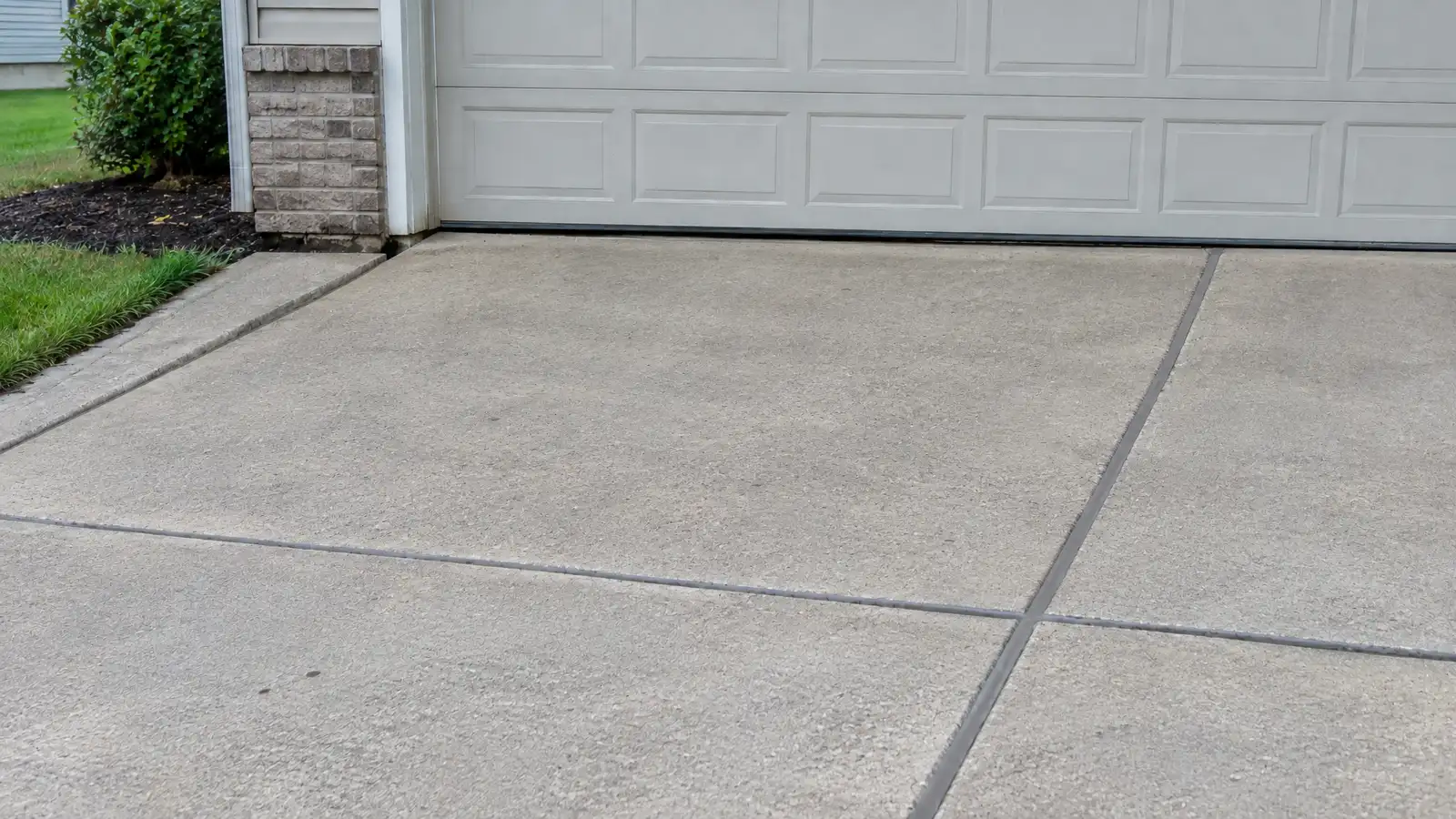
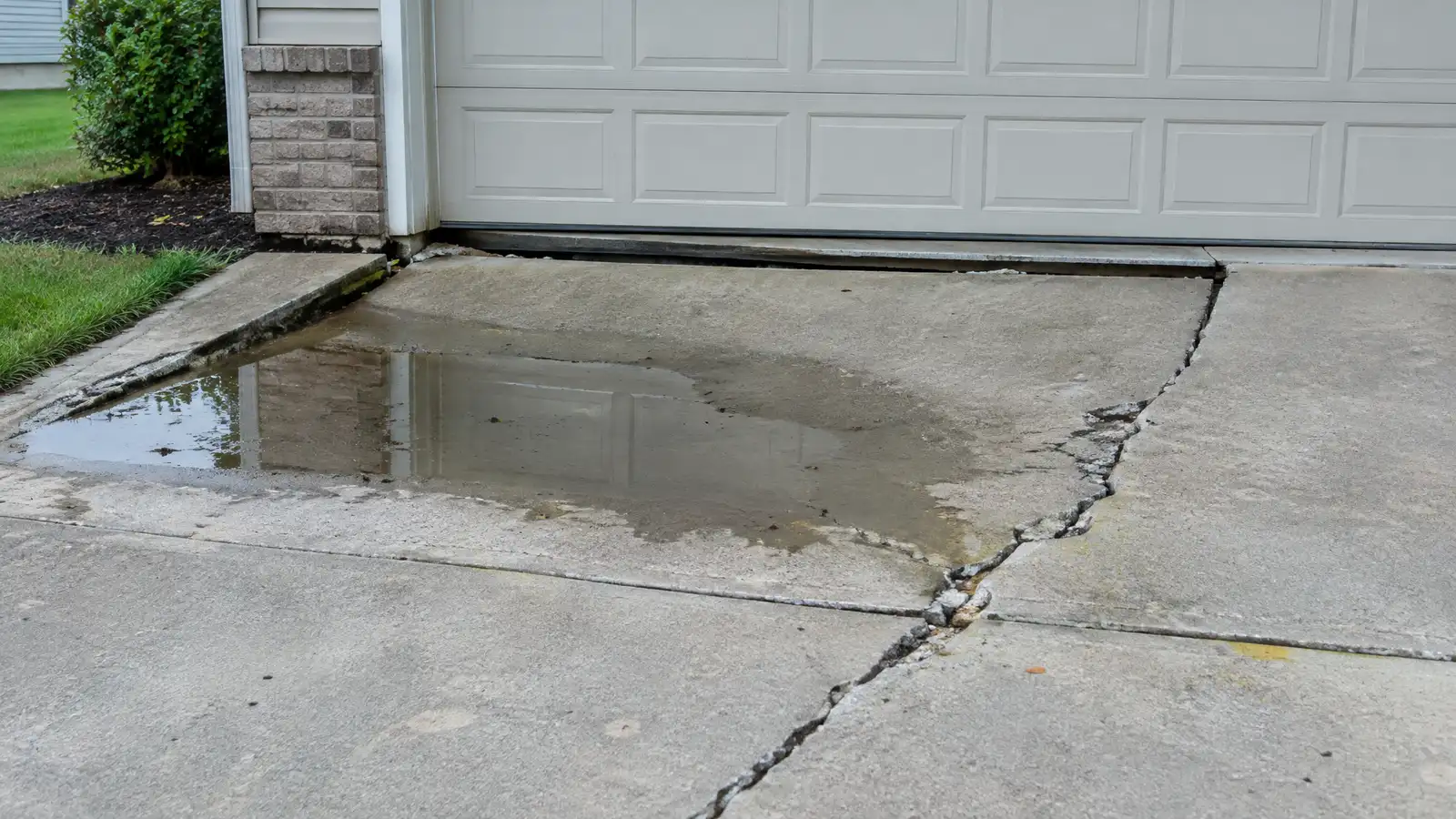 BeforeAfter
Cracks, slope and voids checked.
Holes laid out in a pattern.
Through the slab.
Slab lifted in steps.
Neat, matched finish.
Cracks sealed and care shared.
Every topic has its own page with what to expect and how we approach it.
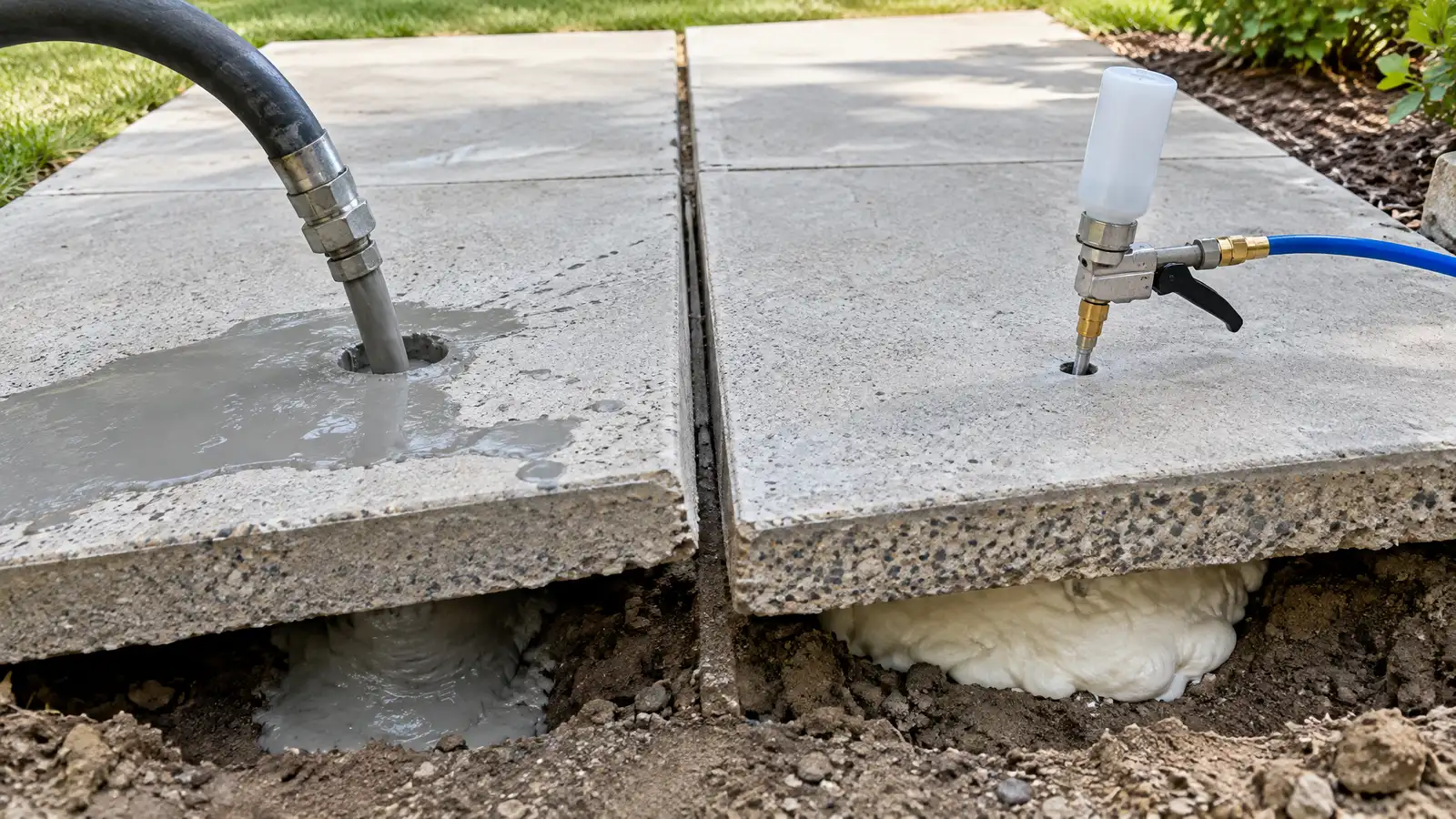 Comparison guideSlabjacking vs FoamHow cement slurry mudjacking and polyurethane foam differ in weight, hole size, curing time, use and fit for…Learn more
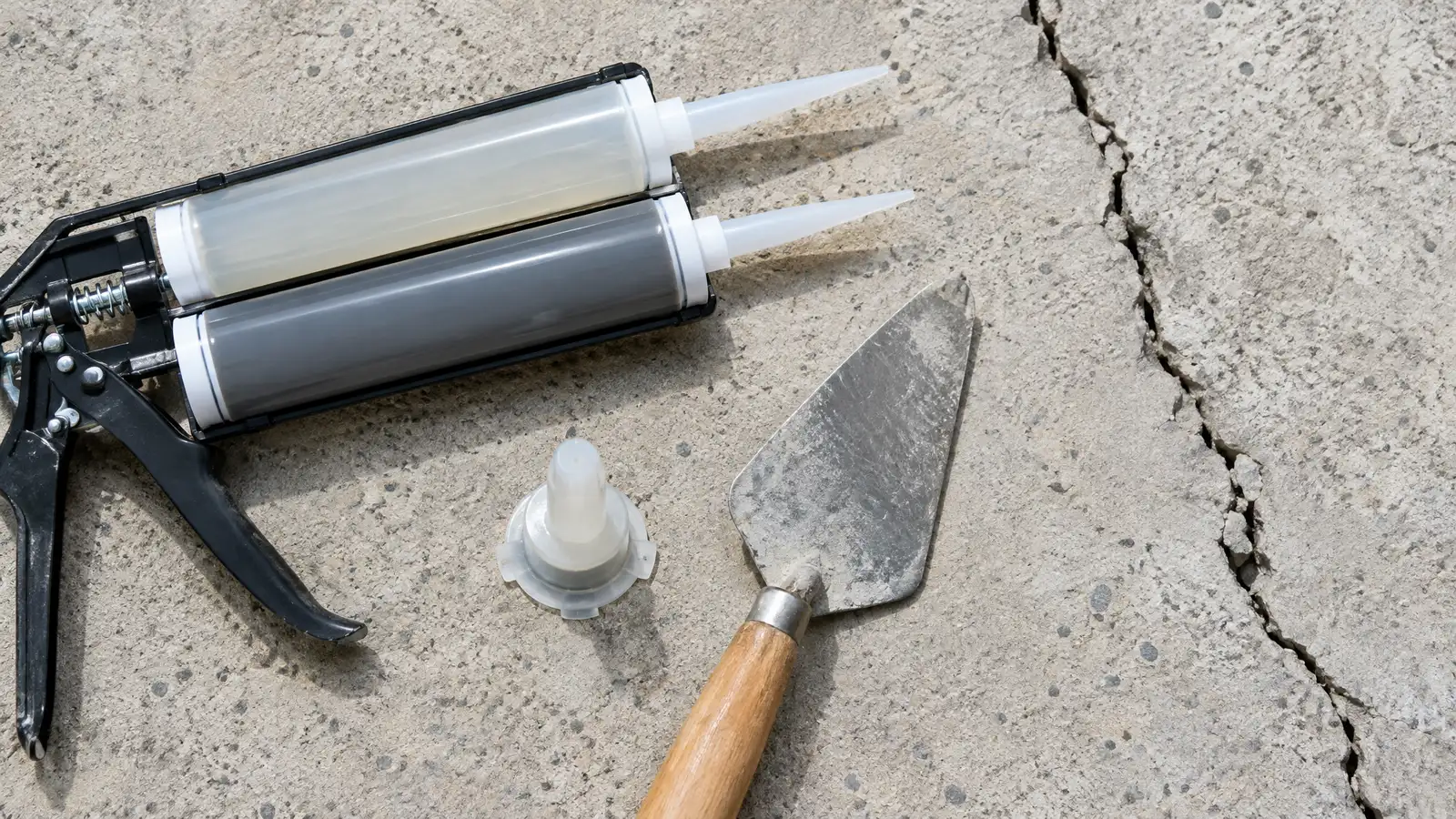 Comparison guideCrack Repair MaterialsHow epoxy, polyurethane, polyurea and cement-based fillers differ in flexibility, strength, leak control and best use.Learn more
 ResourceACIA technical society that develops concrete standards, publications and education used by designers, contractors and inspectors.Learn more
Enter your measurements to see piers, crack length, drain footage, crawl space liner area and slab area to plan for.
You tell us what you see and where the property is. One call sets up a visit that fits your day.
A specialist walks the inside and outside, checks cracks, floors, moisture and drainage and takes measurements and photos.
You receive a plain written scope with the cause, the method, the location of each repair and the schedule before anything begins.
Utility marking is requested where digging is needed, access is protected and materials and any engineering are lined up.
Supports, drains, sealing or lifting are completed in a clear order, with photos and checks along the way.
The site is cleaned up, the work is explained on a walk-through and care and monitoring tips are shared.
Many slabs can be used again soon after the holes are patched, and your specialist explains the timing for your job.
It works well on sound slabs with voids beneath them. Badly broken slabs may need replacement.
Not if the cause is addressed. Drainage and soil conditions are part of the plan.
Drilling and pumping make some noise, and the work area is protected and cleaned.
Lifting is usually faster and less disruptive when the slab is in good condition.
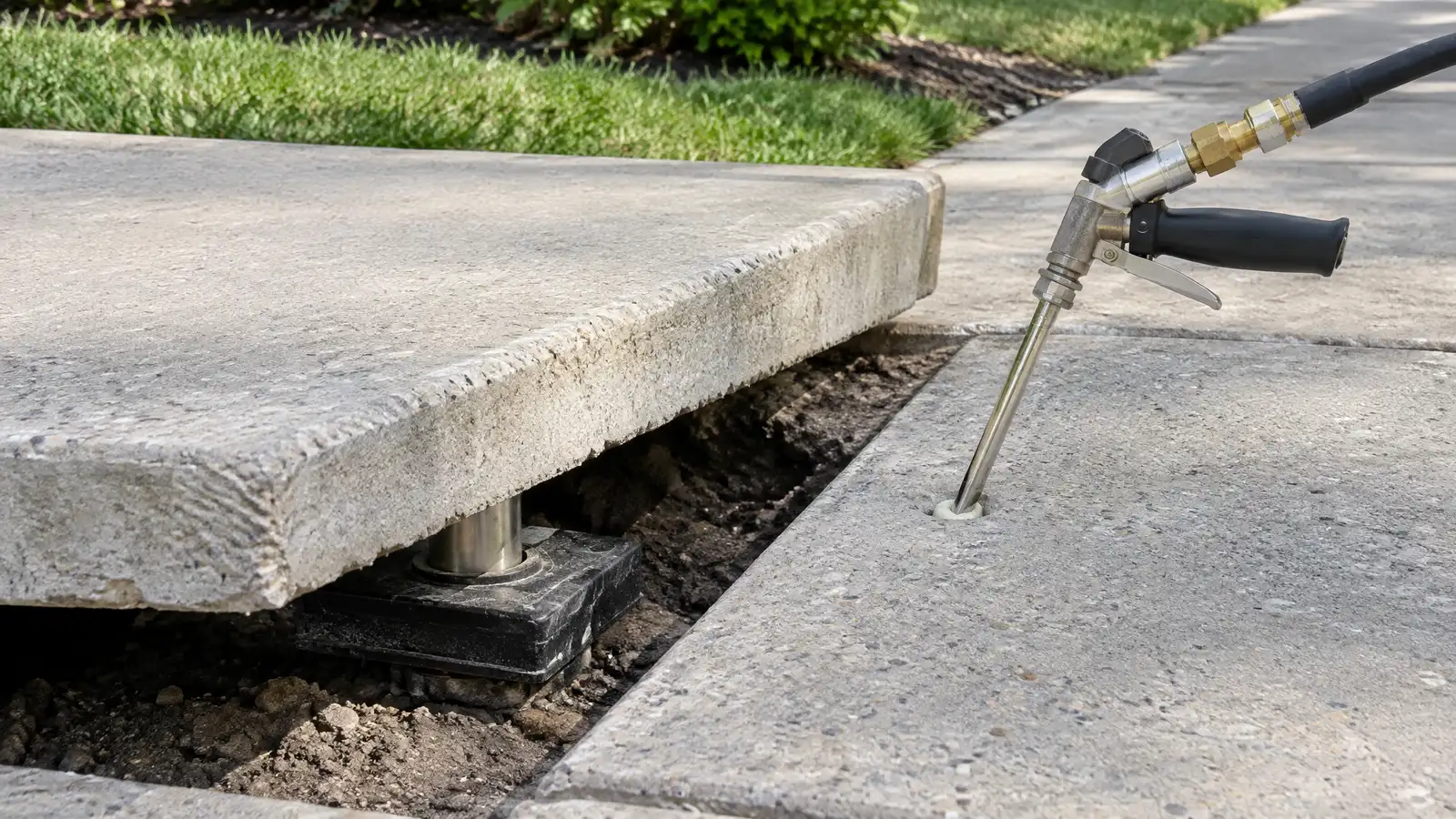 Polyurethane Foam Concrete LiftingLightweight expanding foam injected under sunken concrete to fill voids, lift the slab and stabilize it with minimal…Explore
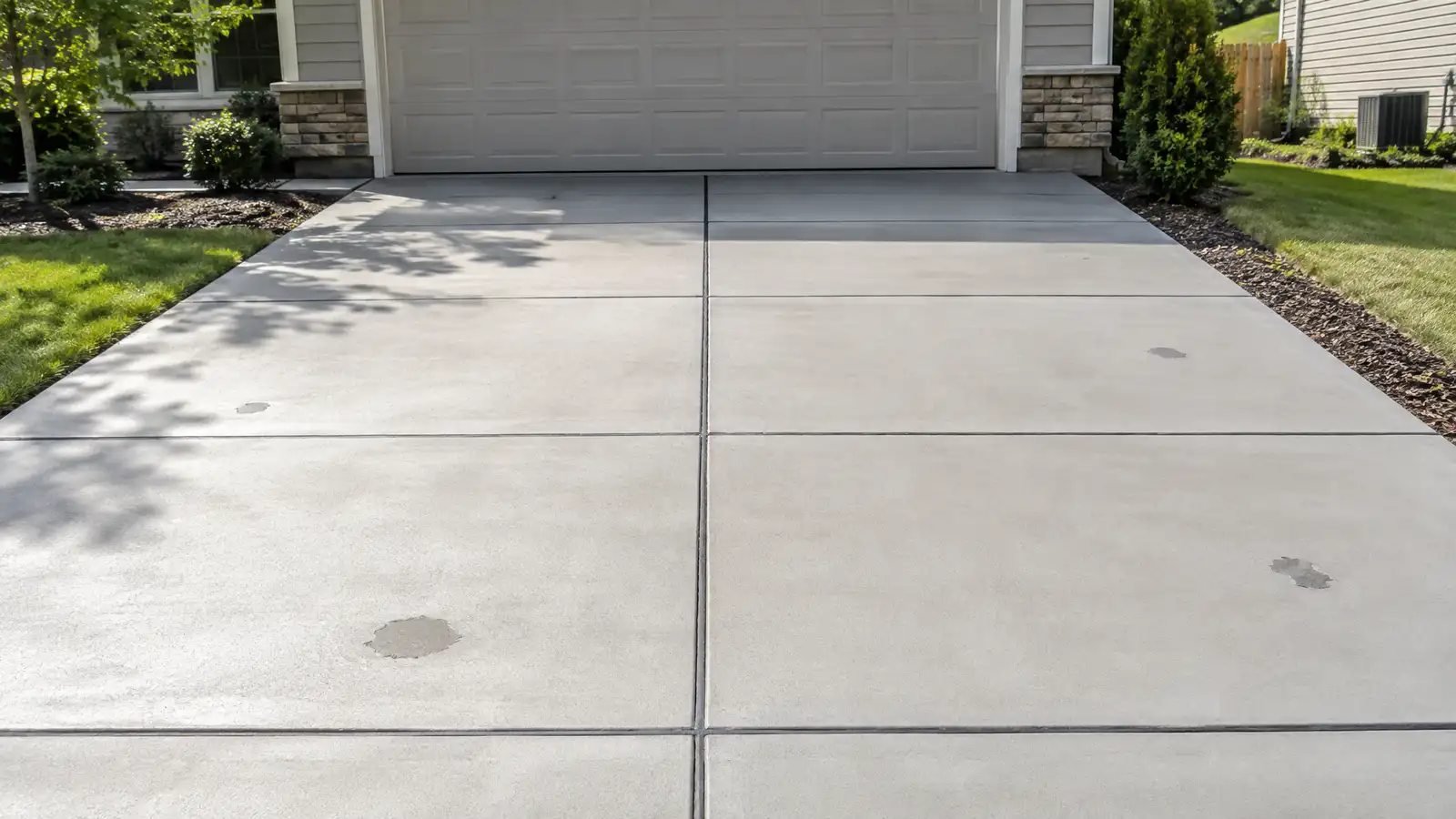 Driveway Leveling and RepairRaising sunken driveway slabs, fixing cracks and edges and restoring a smooth, safe, well-drained surface.Explore
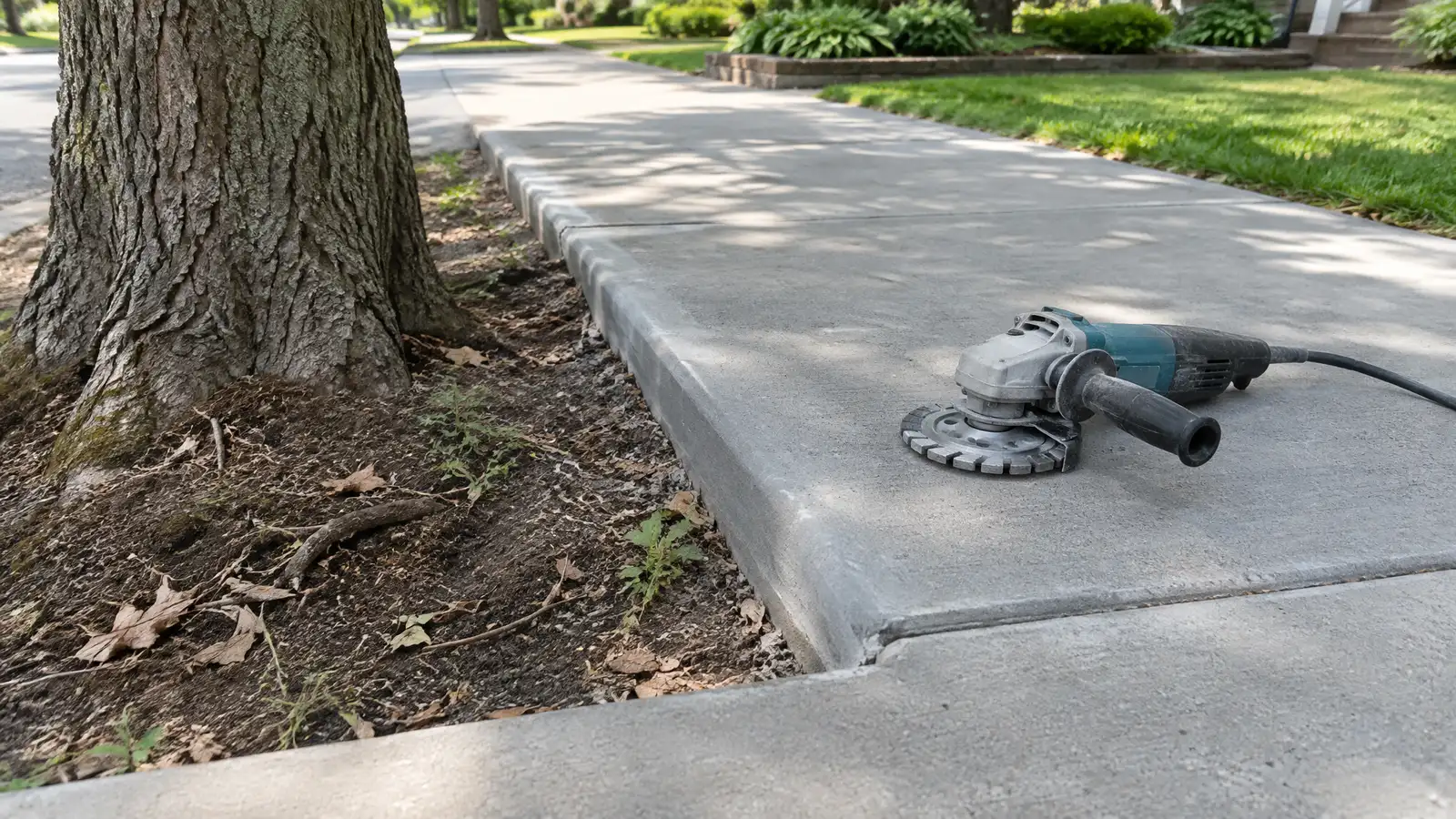 Sidewalk and Walkway LevelingRaising uneven walks and removing trip hazards so paths are safe for family, guests and delivery crews.Explore
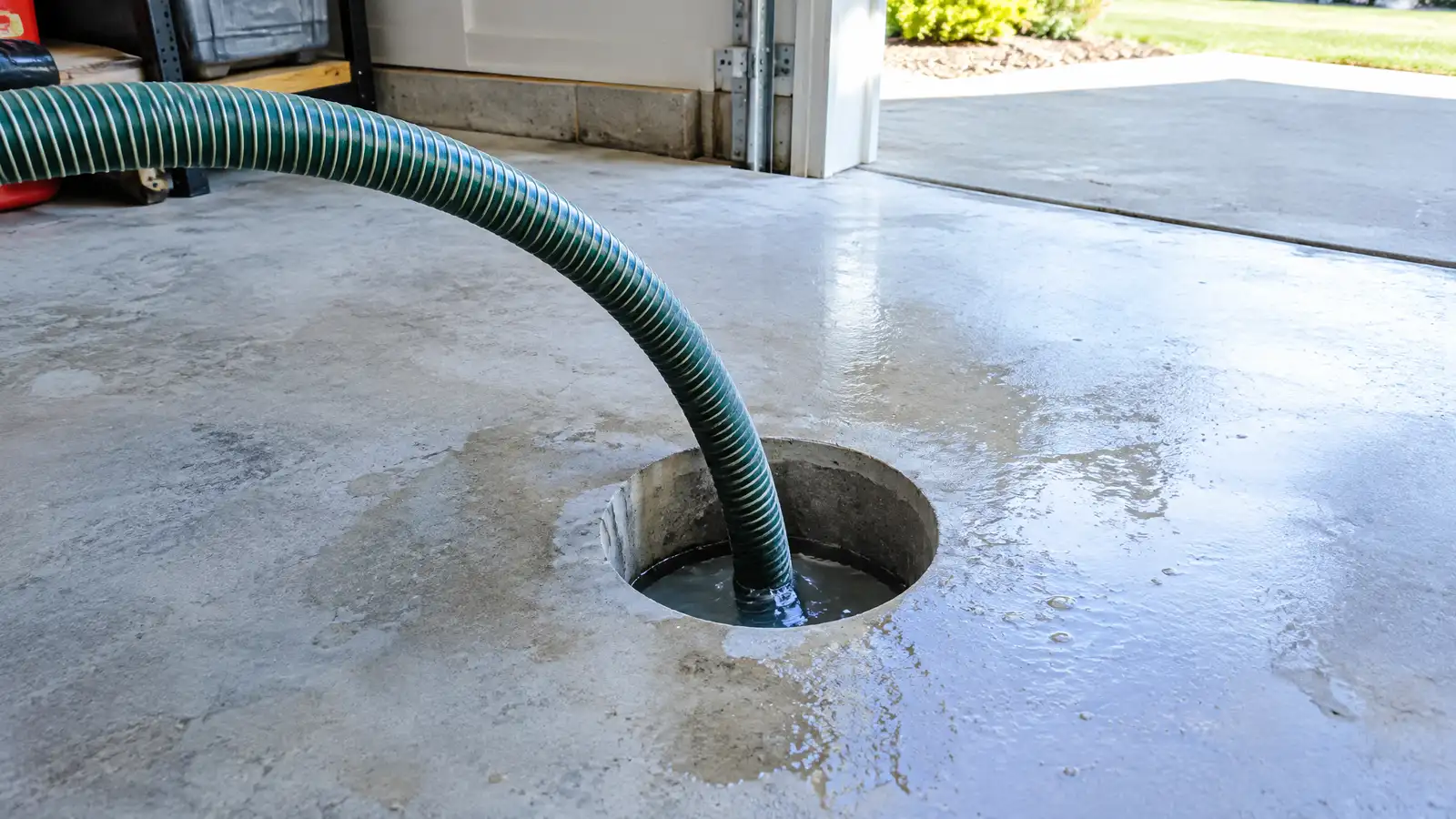 Void Filling Under SlabsFinding and filling hidden gaps beneath concrete floors, steps, garages and slabs to restore support.Explore
Tell us about your property and one specialist will call you back to set up a visit.
Or call (615) 431-3789 to talk now.