Serving Nashville and Middle TennesseeFree Estimate
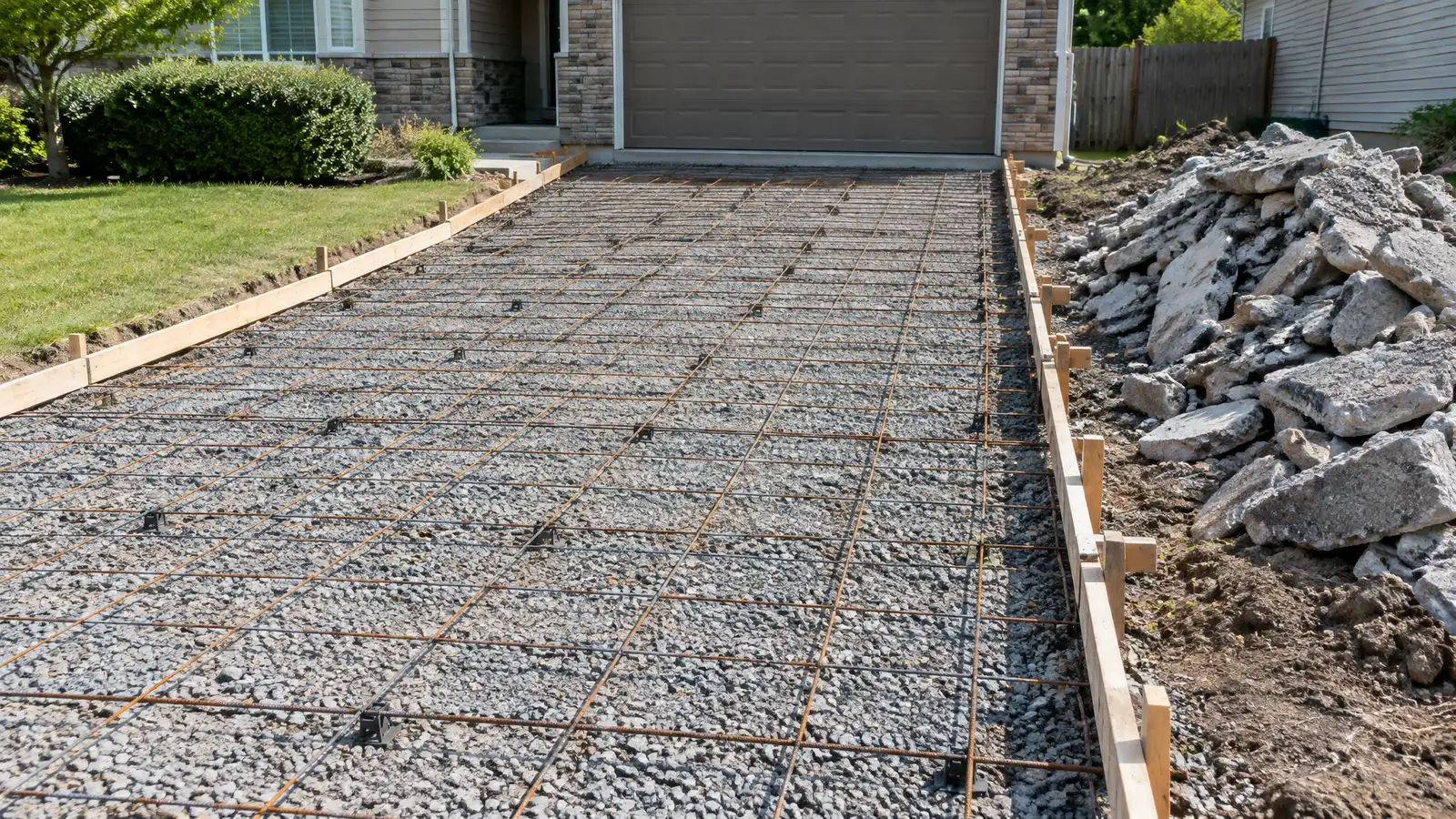
Removing broken or failed concrete and pouring new slabs with proper base, reinforcement, joints and drainage.
Some concrete is beyond saving. Crumbled, shattered or badly heaved slabs are best removed and replaced, and a good replacement fixes the reason the old slab failed. Poor base, weak mix and missing joints are common culprits. Homeowners and managers in Nashville choose replacement when lifting and patching will not give a lasting result.
Your specialist marks the area, saws clean edges, breaks out and hauls away the old concrete and inspects the soil beneath. The base is corrected, compacted and graded for drainage. Forms are set, reinforcement is placed and concrete is poured, finished and jointed. Curing and care are explained, and edges, steps and aprons are tied in neatly to the existing work. Replacement is a chance to fix the reasons that concrete failed. Ask your specialist to explain the base, the thickness, the reinforcement and the joint plan, and to show how the slope will carry water away. Small details such as edge thickness, saw-cut timing and curing methods are what separate a slab that looks good for many years from one that cracks in the first season.
A new slab is only as good as the soil and stone under it, so the base is corrected before concrete is placed.
Rebar or mesh and control joints help the new slab resist cracking and move where it should.
The slab is formed to carry water away from the house and off the surface.
Proper curing helps concrete reach its strength, and guidance on timing and sealing protects the investment.
Drag the handle to compare.
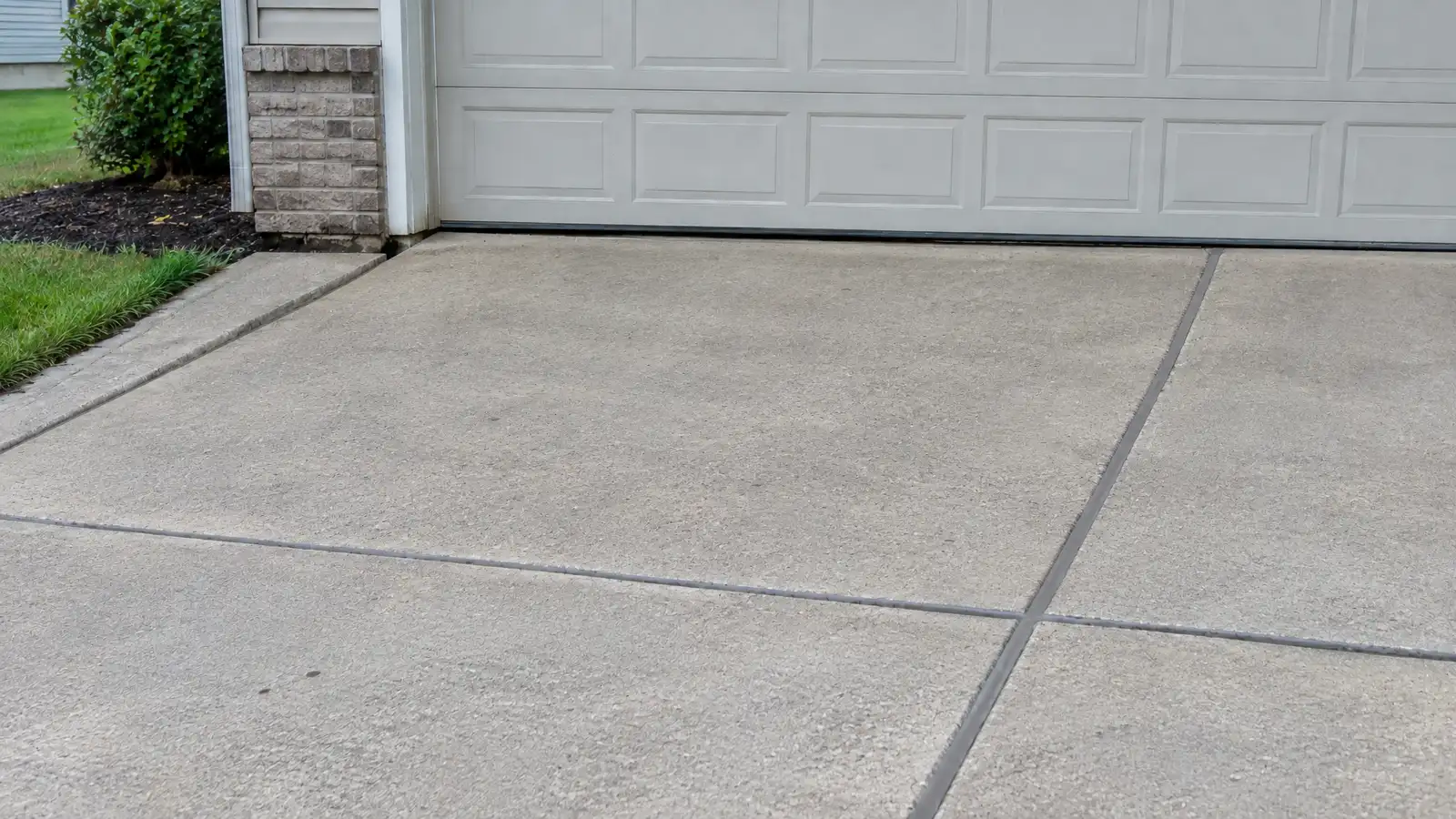
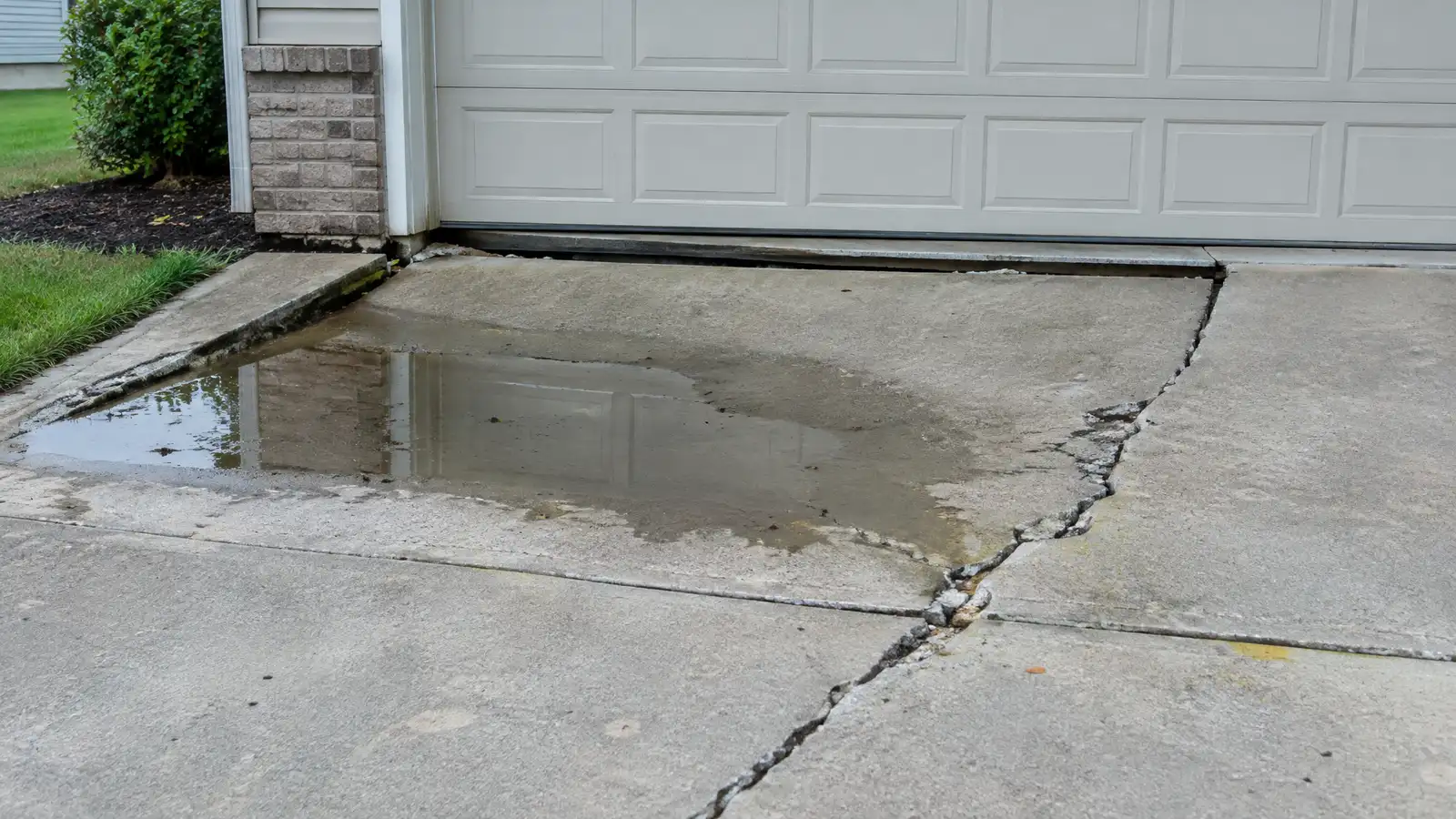 BeforeAfter
Clean edges set.
Broken and hauled off.
Compacted and graded.
Reinforcement placed.
Concrete placed and jointed.
Care instructions shared.
Every topic has its own page with what to expect and how we approach it.
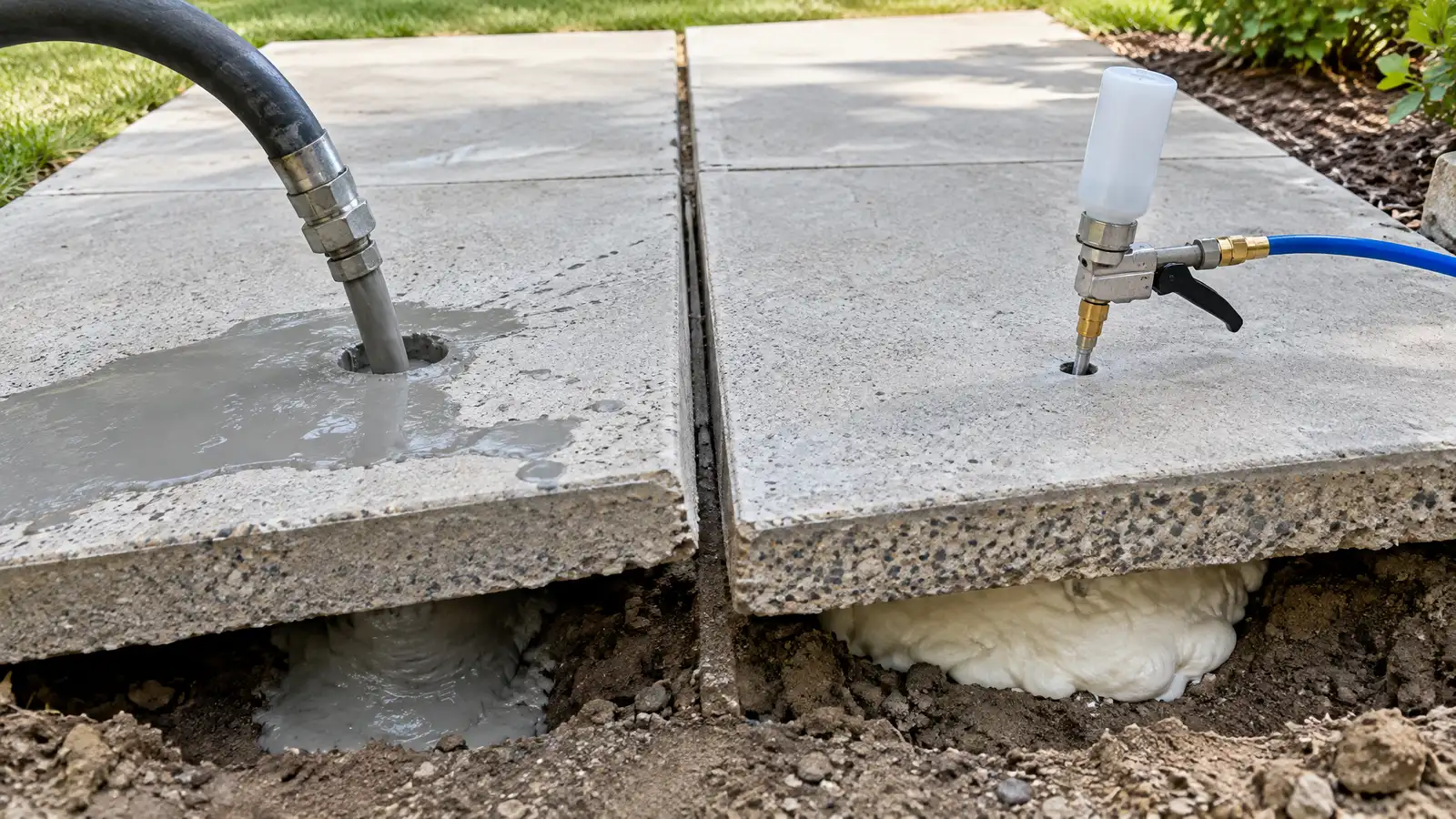 Comparison guideSlabjacking vs FoamHow cement slurry mudjacking and polyurethane foam differ in weight, hole size, curing time, use and fit for…Learn more
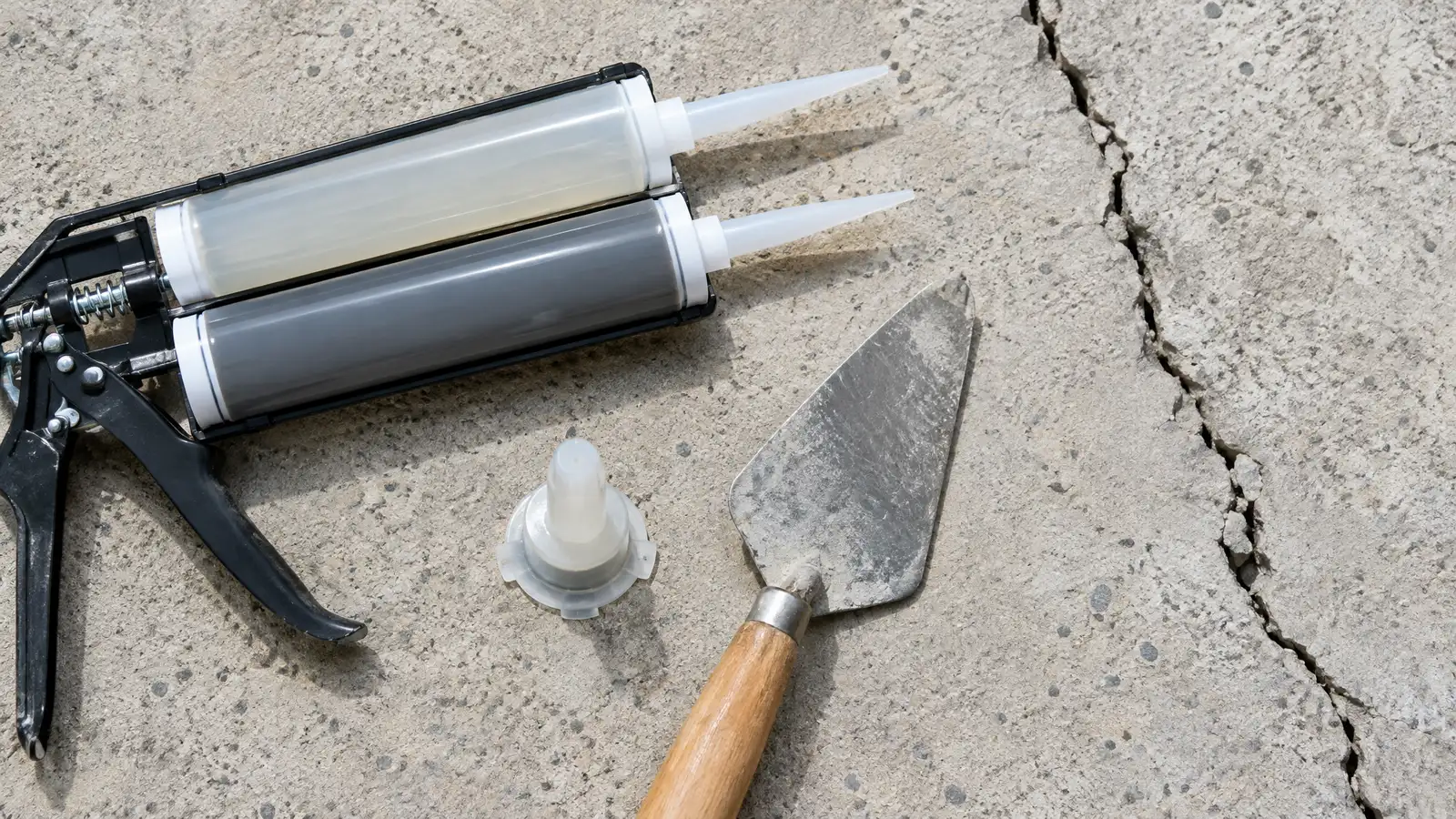 Comparison guideCrack Repair MaterialsHow epoxy, polyurethane, polyurea and cement-based fillers differ in flexibility, strength, leak control and best use.Learn more
 ResourceACIA technical society that develops concrete standards, publications and education used by designers, contractors and inspectors.Learn more
Pick the project and options to see a typical sequence from estimate and engineering to utility marking, repair and cleanup.
You tell us what you see and where the property is. One call sets up a visit that fits your day.
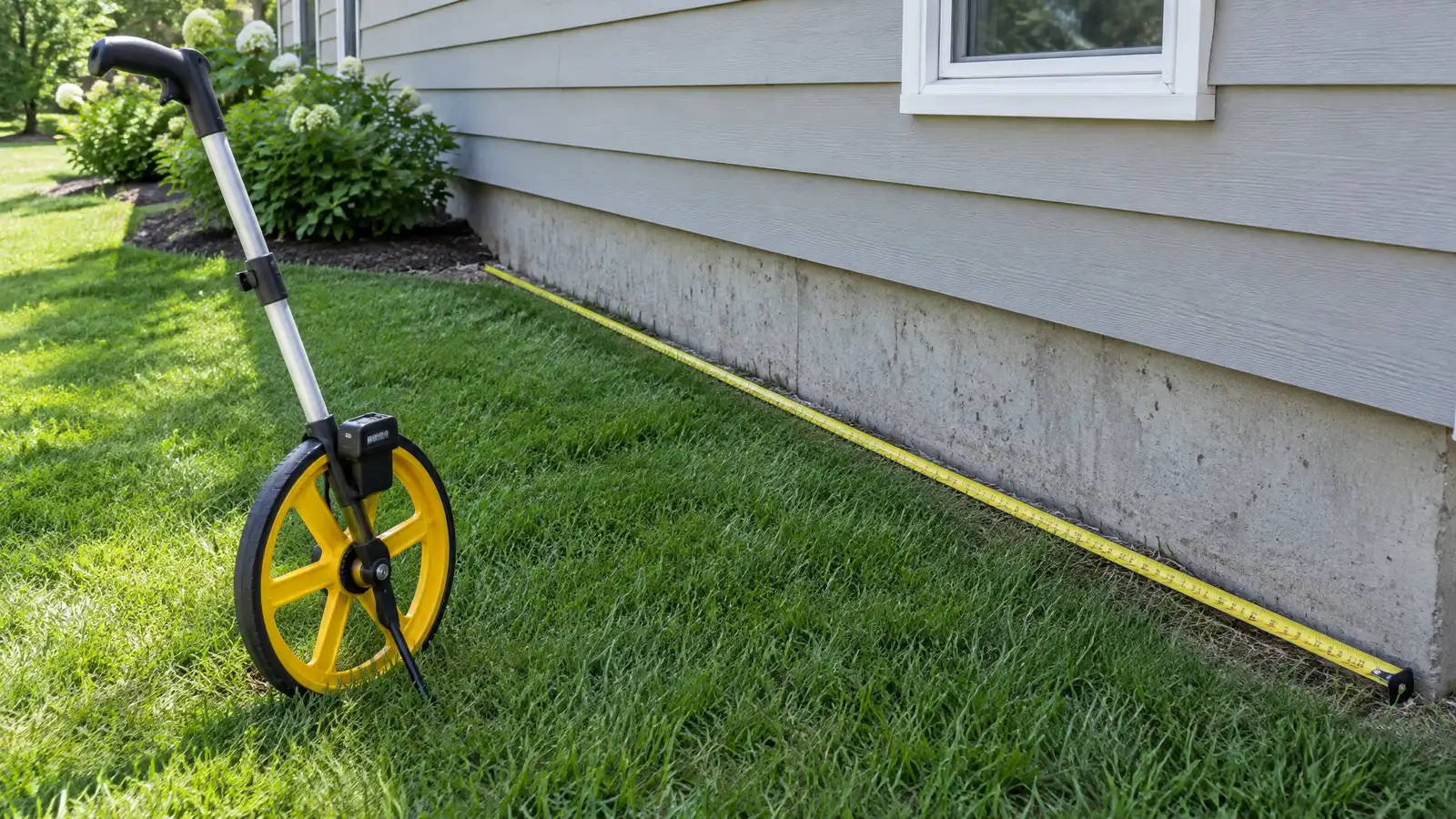
A specialist walks the inside and outside, checks cracks, floors, moisture and drainage and takes measurements and photos.
You receive a plain written scope with the cause, the method, the location of each repair and the schedule before anything begins.
Utility marking is requested where digging is needed, access is protected and materials and any engineering are lined up.
Supports, drains, sealing or lifting are completed in a clear order, with photos and checks along the way.
The site is cleaned up, the work is explained on a walk-through and care and monitoring tips are shared.
When it is shattered, crumbling or too badly heaved to lift and patch. Your specialist explains which fits your slab.
Foot traffic is usually possible after a day or two, and heavier use needs more time. Your specialist gives specifics.
Colors and textures can be matched closely, though differences can show because concrete weathers over time.
Poor base, drainage problems, tree roots and weak mix are common reasons, and replacement addresses them.
Concrete work depends on weather, and your specialist plans around it and protects the slab.
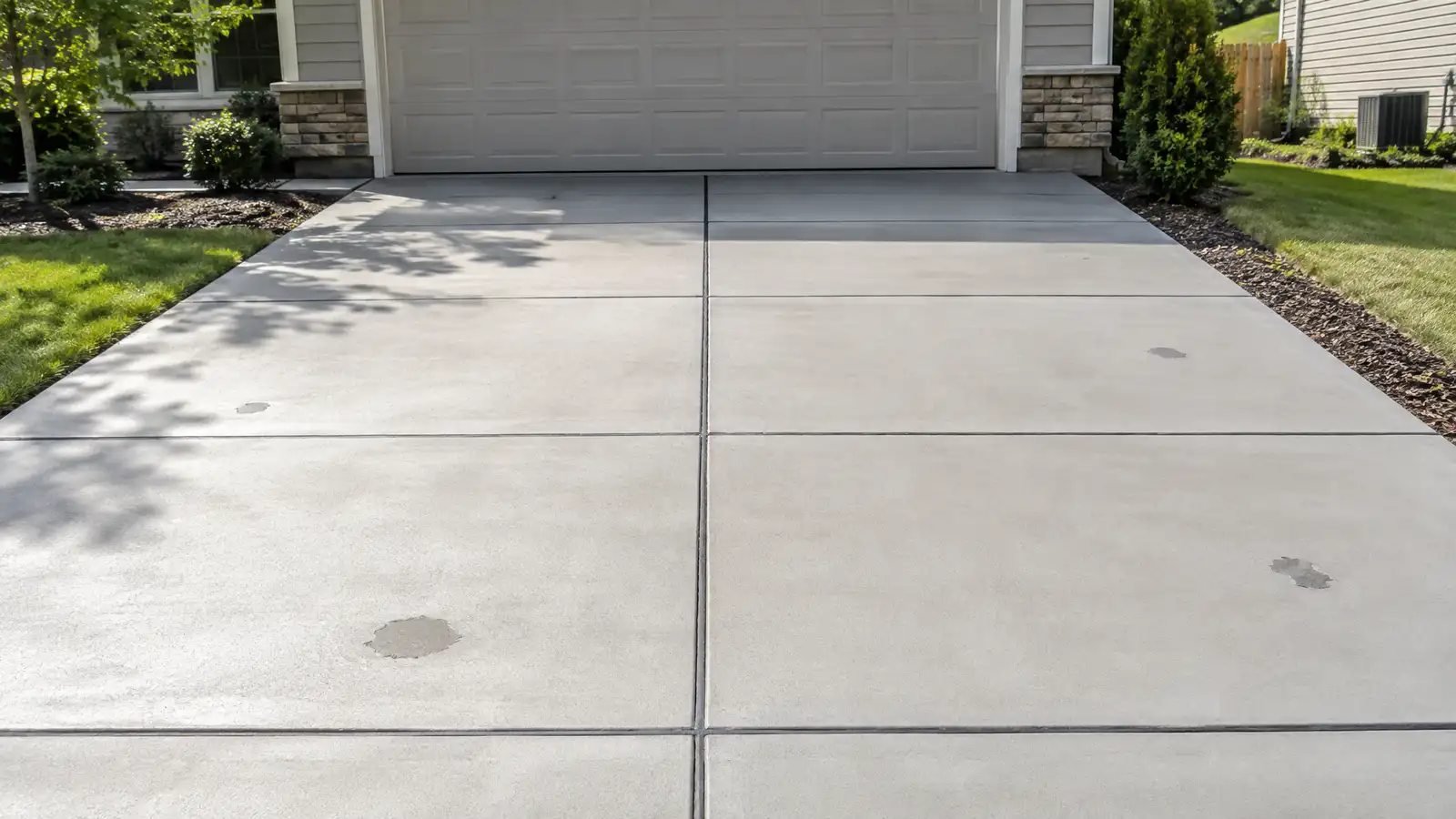 Driveway Leveling and RepairRaising sunken driveway slabs, fixing cracks and edges and restoring a smooth, safe, well-drained surface.Explore
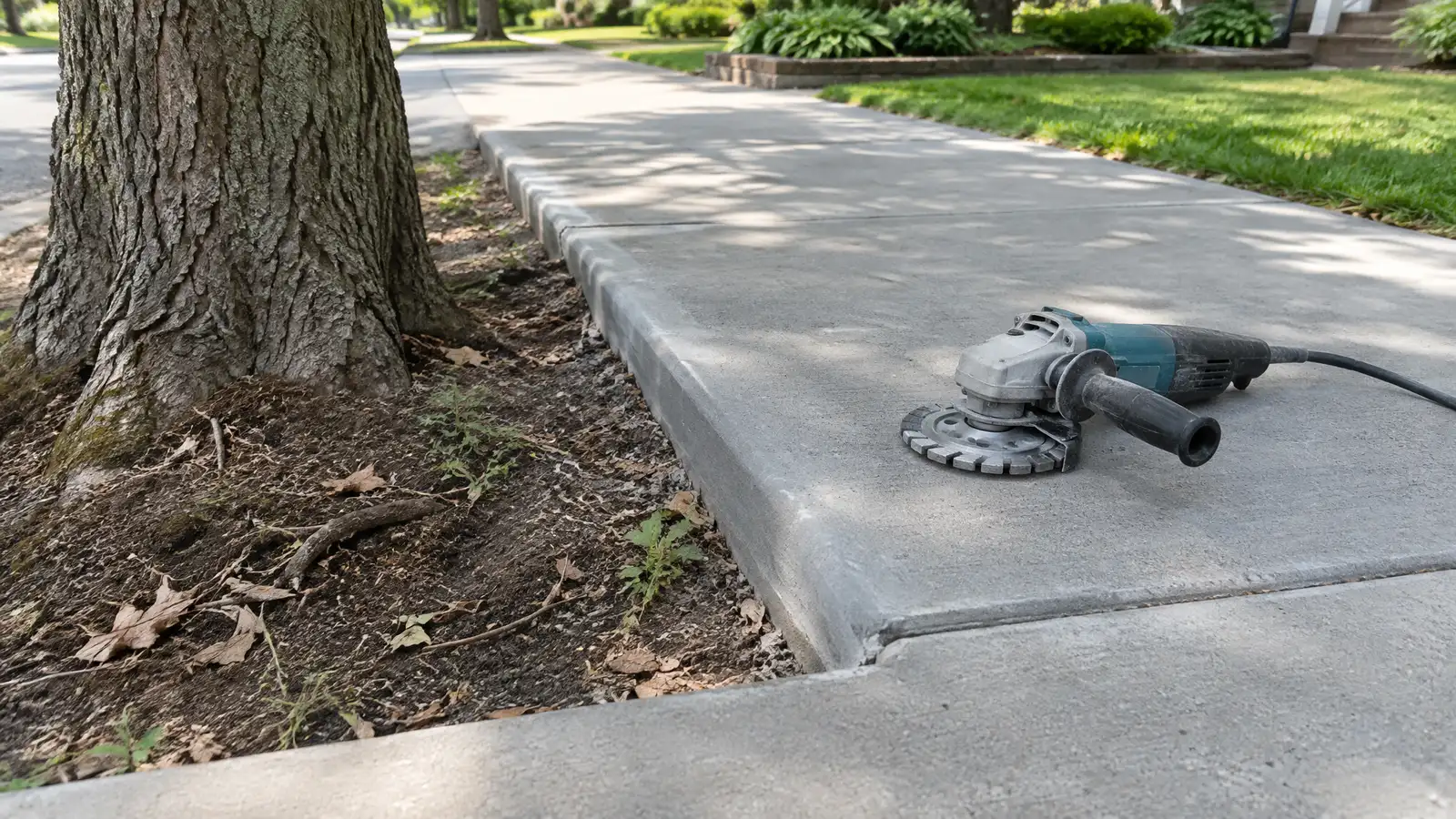 Sidewalk and Walkway LevelingRaising uneven walks and removing trip hazards so paths are safe for family, guests and delivery crews.Explore
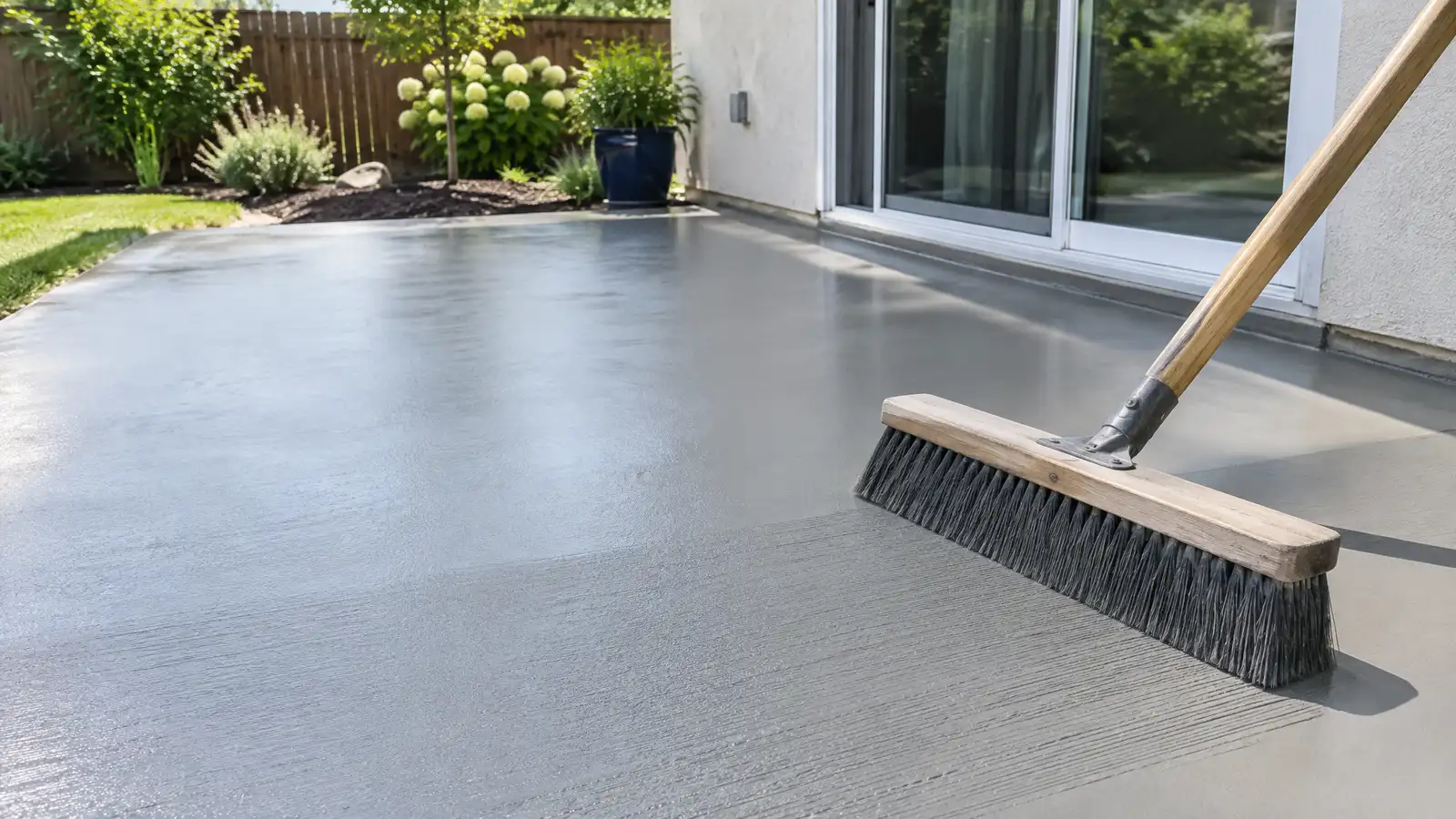 Concrete Resurfacing and Spalling RepairRestoring worn, flaking or pitted concrete surfaces with repair mixes, overlays and coatings that look fresh and last.Explore
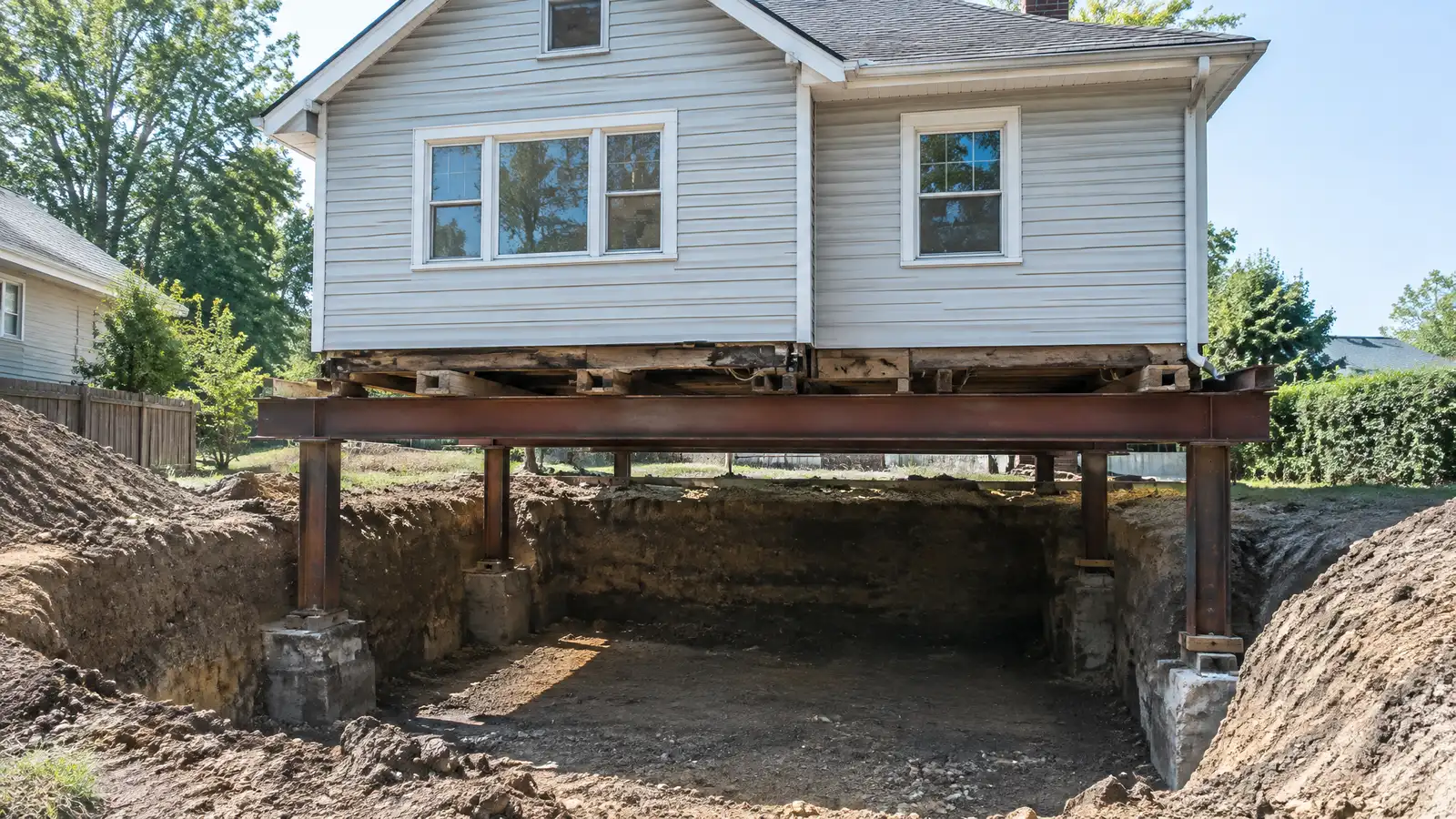 Foundation Replacement and DemolitionRemoving a failed foundation and building a new one, with the house supported safely in the meantime.Explore
Tell us about your property and one specialist will call you back to set up a visit.
Or call (615) 431-3789 to talk now.