Serving Nashville and Middle TennesseeFree Estimate
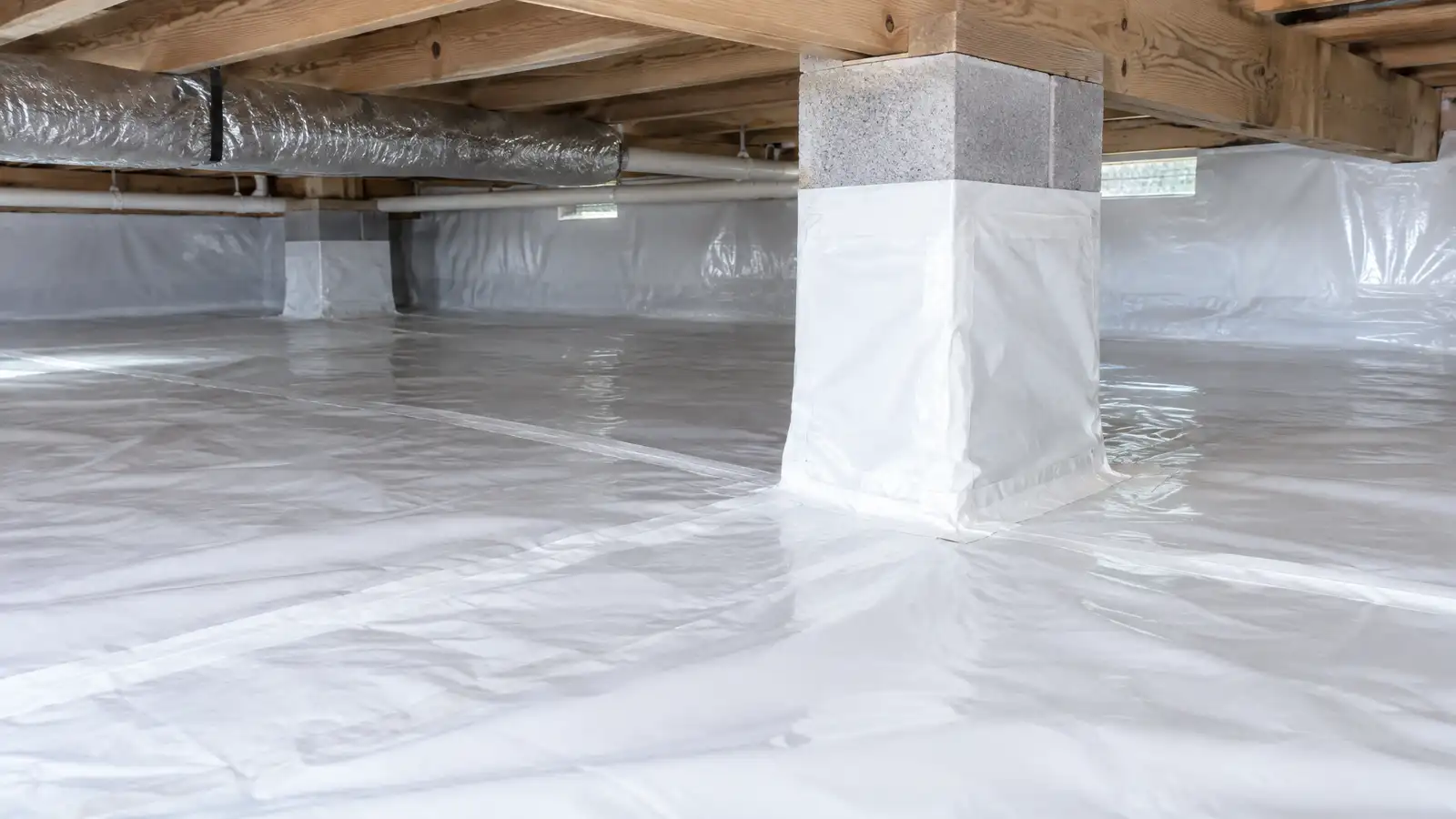
A tough plastic ground cover that blocks moisture rising from the soil, installed with sealed seams and clean edges.
Even dry-looking soil gives off moisture. In a crawl space, that water vapor rises, condenses on wood and humidifies the air under the house. A vapor barrier covers the ground and stops much of it. Homes in the Nashville area with bare dirt or a thin, torn plastic sheet often see a big difference once a proper barrier goes in.
Your specialist clears debris, smooths the ground, removes old plastic and lays a thick polyethylene sheet that overlaps seams, tapes them and wraps piers and posts. The barrier can be fastened to the walls or taken up them for a more complete seal. Drainage and ventilation are reviewed, since a barrier works best when standing water is handled and humidity is controlled. Think of a vapor barrier as one layer in a system. It works best when gutters send water away, grading slopes from the house and the crawl space can breathe or be conditioned as designed. Ask your specialist to show you where the barrier ends at the walls and piers, since those edges and seams are where moisture finds its way back in.
A continuous barrier keeps water vapor in the soil from reaching the wood above.
Overlapping, taped seams and sealed edges are what keep a barrier working over time.
Heavier plastic holds up to foot traffic and sharp edges that shred thin sheets.
Drainage and humidity control work with the barrier to protect the wood and the air in the home.
Drag the handle to compare.
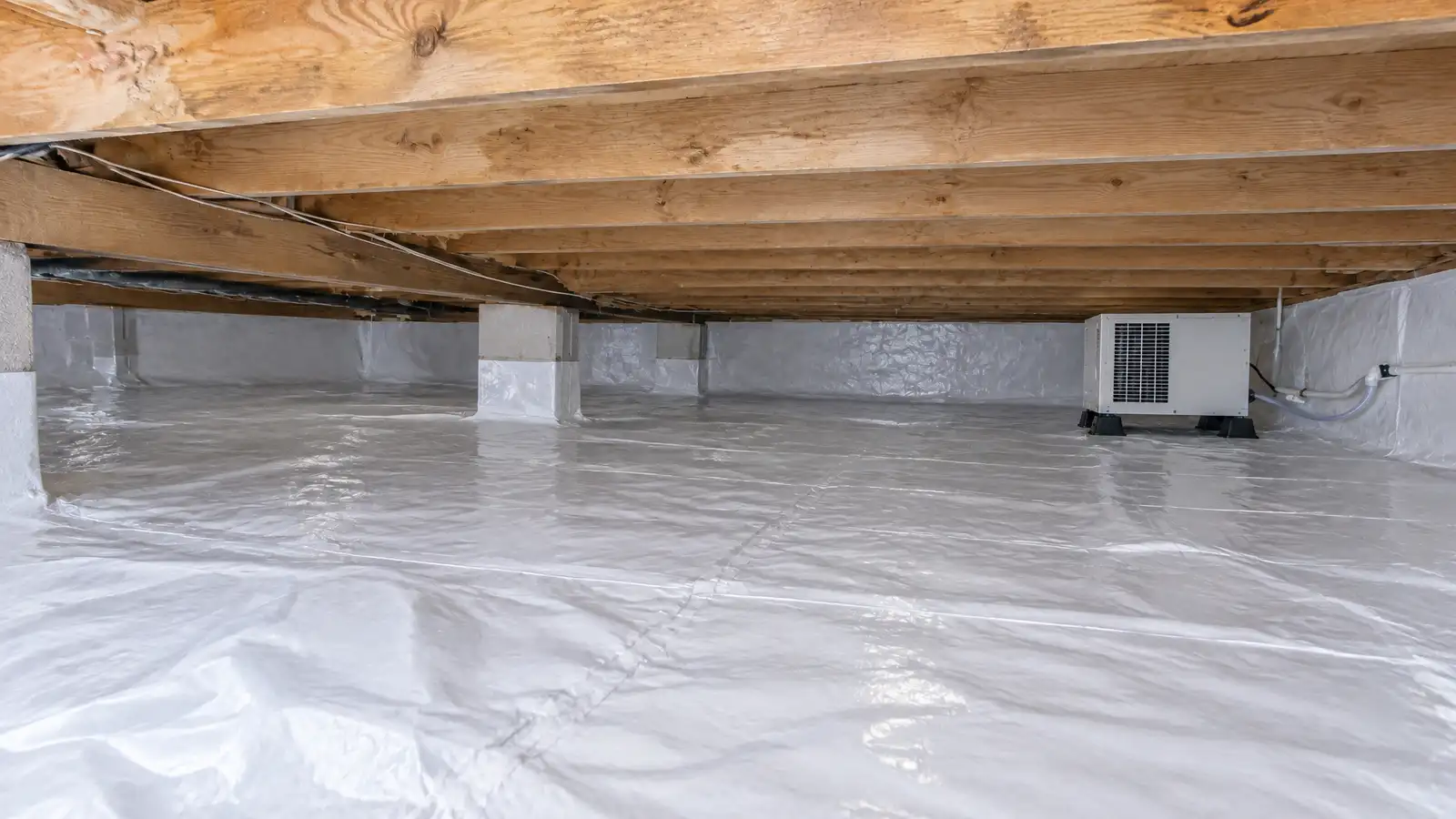
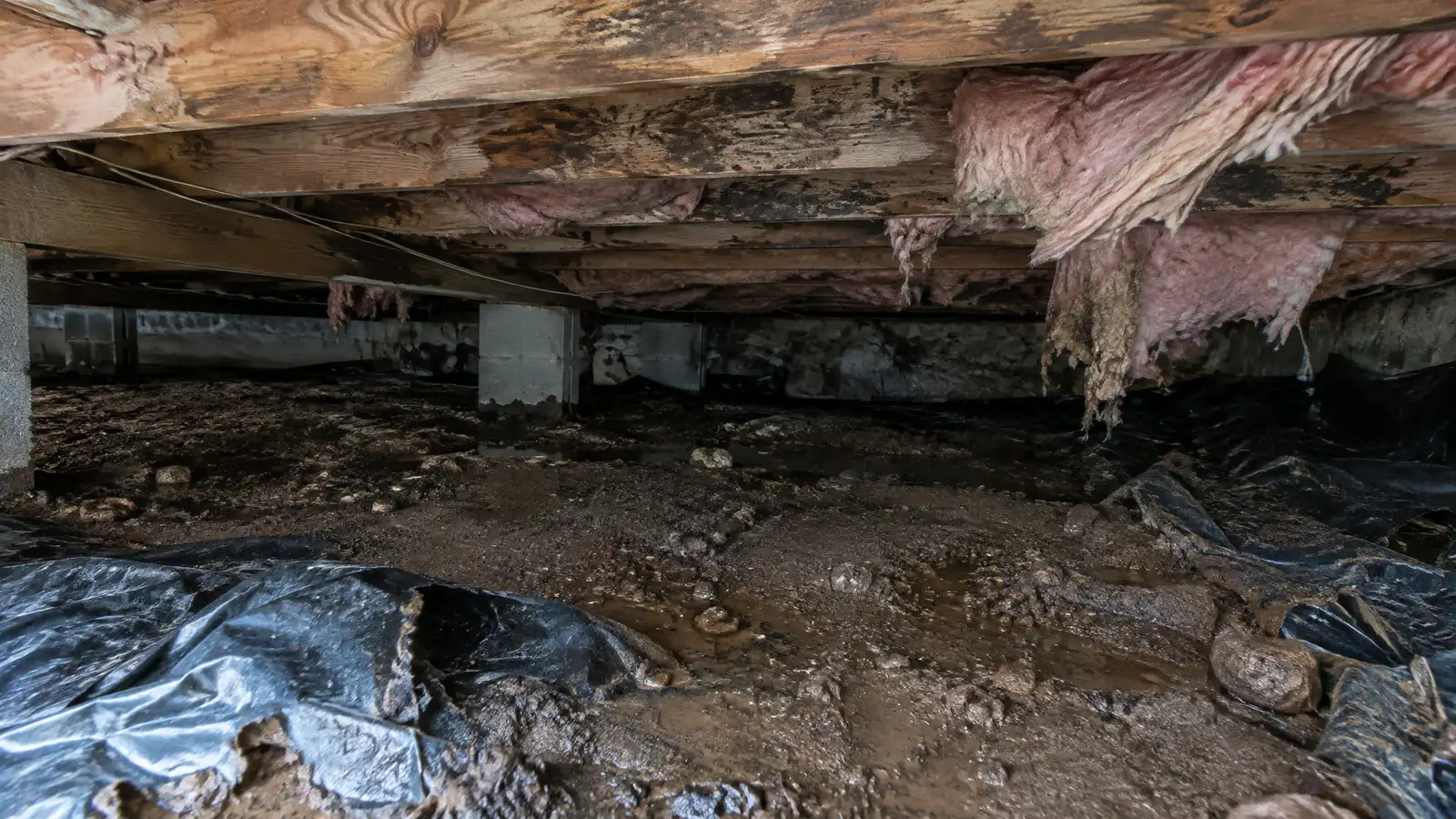 BeforeAfter
Debris removed and ground leveled.
Torn or thin sheets taken out.
Heavy plastic laid across the floor.
Seams sealed.
Edges finished.
Drainage and humidity reviewed.
Every topic has its own page with what to expect and how we approach it.
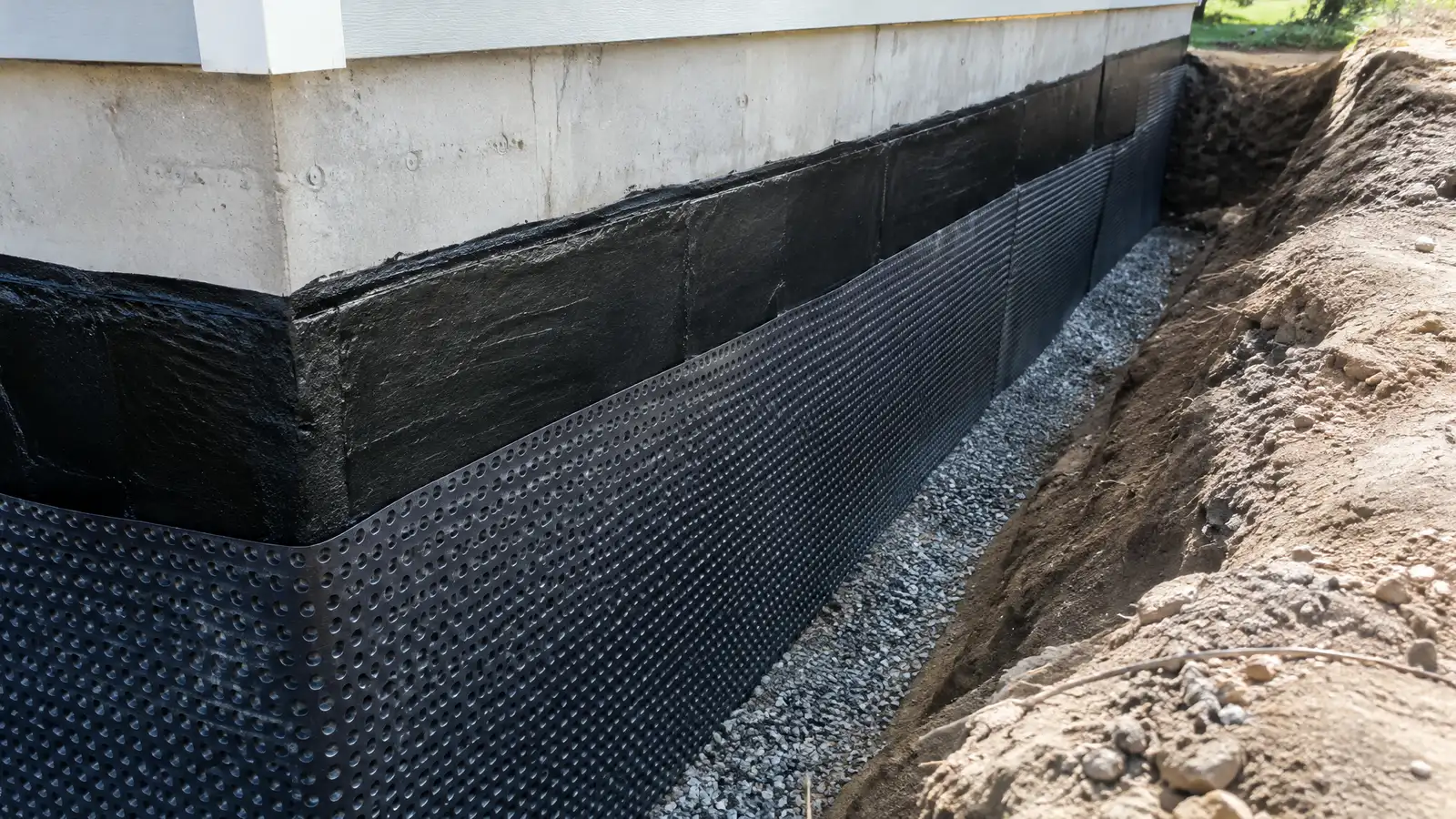 Comparison guideInterior vs Exterior WaterproofingHow interior drains and sump systems differ from exterior excavation and membranes in how they work, access needs…Learn more
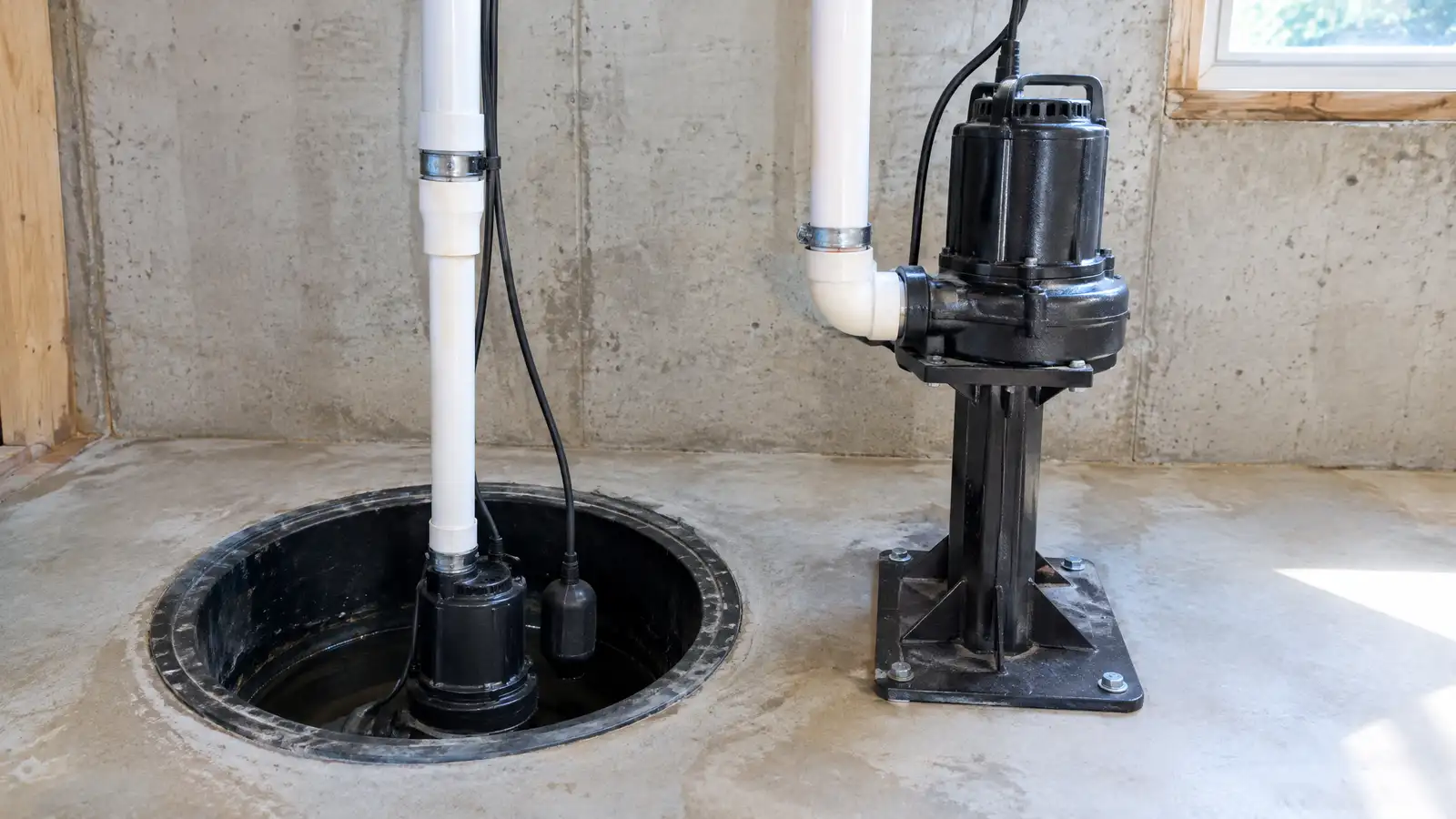 Comparison guideSump Pump TypesHow submersible, pedestal, battery backup and water-powered sump pumps differ in cost, noise, lifespan and best use.Learn more
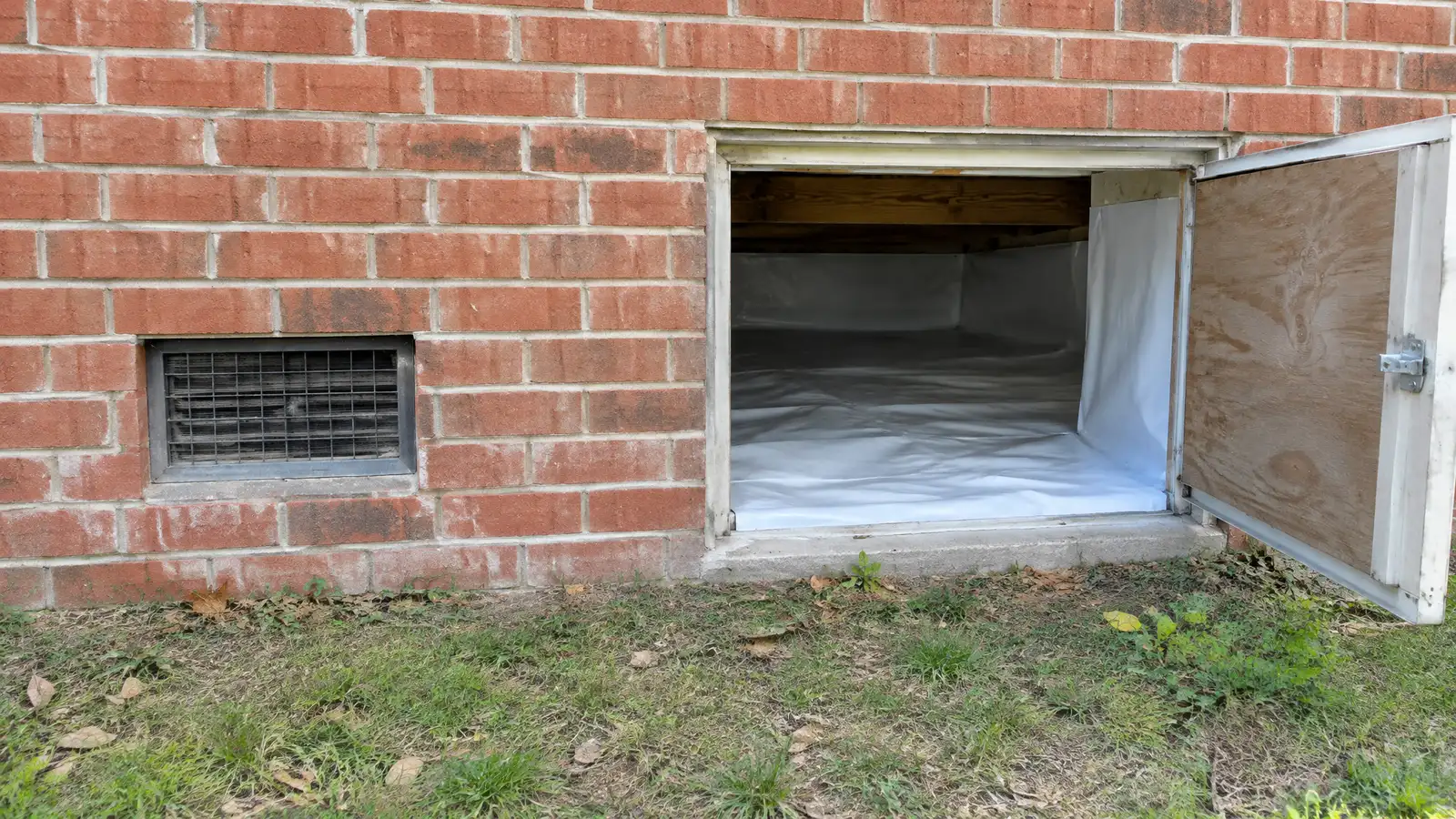 Comparison guideEncapsulation vs VentsHow a sealed, conditioned crawl space differs from a traditional vented one in moisture control, comfort, energy and…Learn more
Enter your measurements to see piers, crack length, drain footage, crawl space liner area and slab area to plan for.
You tell us what you see and where the property is. One call sets up a visit that fits your day.
A specialist walks the inside and outside, checks cracks, floors, moisture and drainage and takes measurements and photos.
You receive a plain written scope with the cause, the method, the location of each repair and the schedule before anything begins.
Utility marking is requested where digging is needed, access is protected and materials and any engineering are lined up.
Supports, drains, sealing or lifting are completed in a clear order, with photos and checks along the way.
The site is cleaned up, the work is explained on a walk-through and care and monitoring tips are shared.
It helps a lot, and some crawl spaces also need drainage, sealed vents or a dehumidifier. Your specialist recommends what fits.
Heavier plastic lasts longer and resists tears. Your specialist explains the thickness used in your scope.
No. Standing water needs drainage or a pump, and the barrier goes over a dry surface.
Careful foot traffic is fine, and thicker sheets resist wear much better.
A well installed, heavy barrier can last many years, and your specialist explains care and inspection.
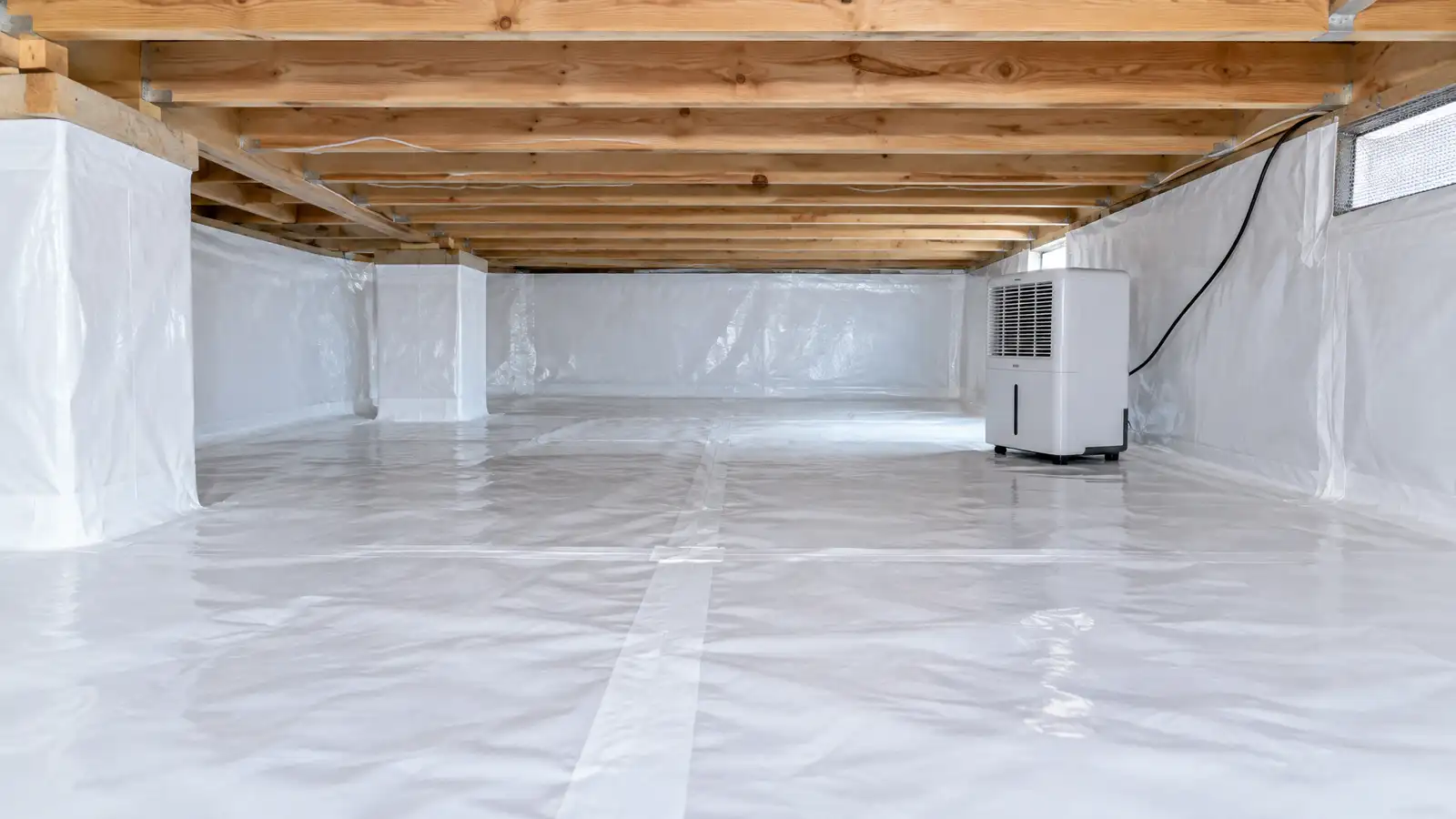 Crawl Space EncapsulationSealing the crawl space with a heavy liner on the floor and walls, drainage where needed and controlled…Explore
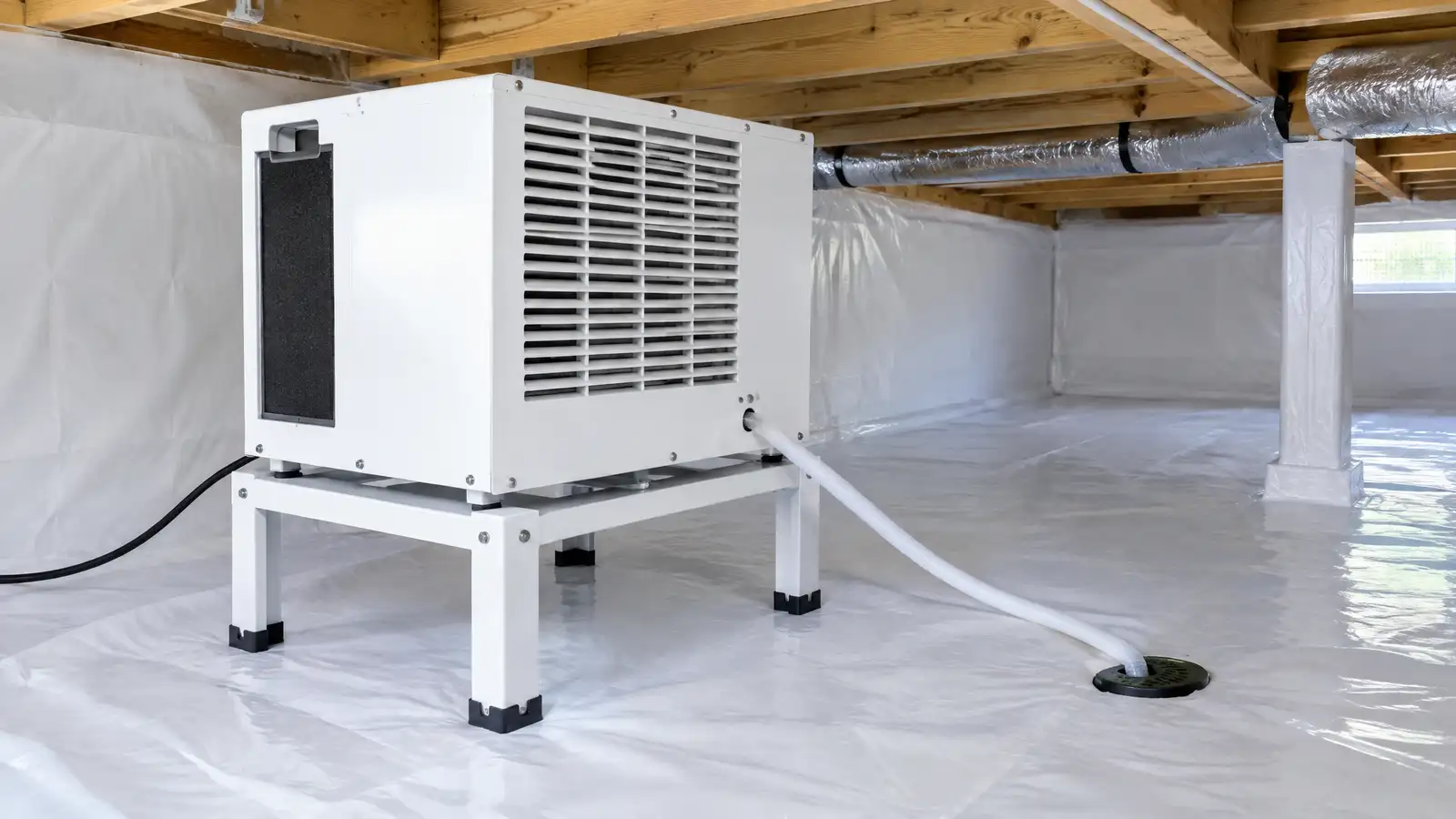 Crawl Space DehumidifiersA dehumidifier sized and drained for the crawl space, keeping humidity in a healthy range through Tennessee summers.Explore
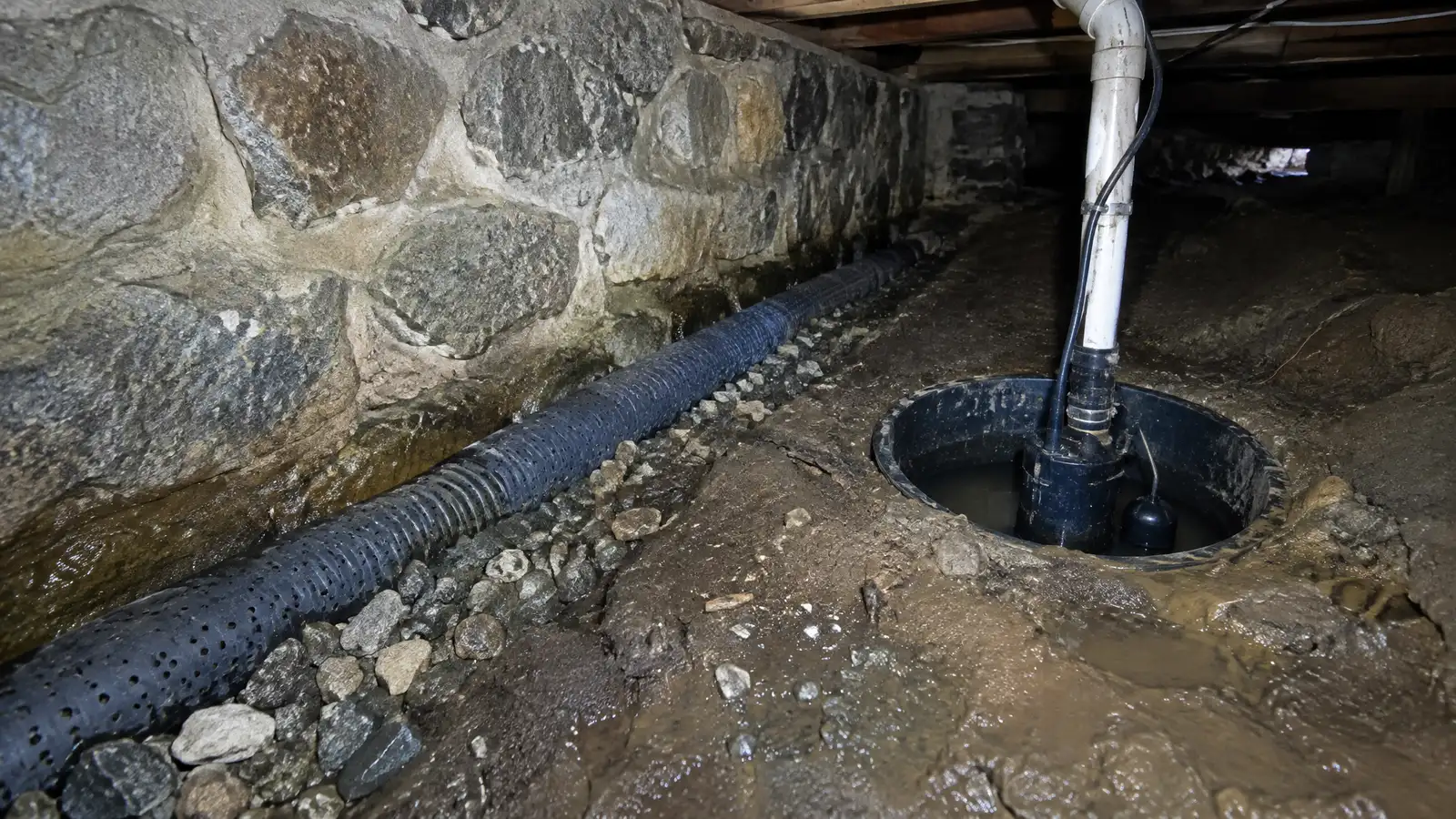 Crawl Space Drainage and WaterproofingDrains, sump pumps and sealing that remove standing water and stop seepage under the house.Explore
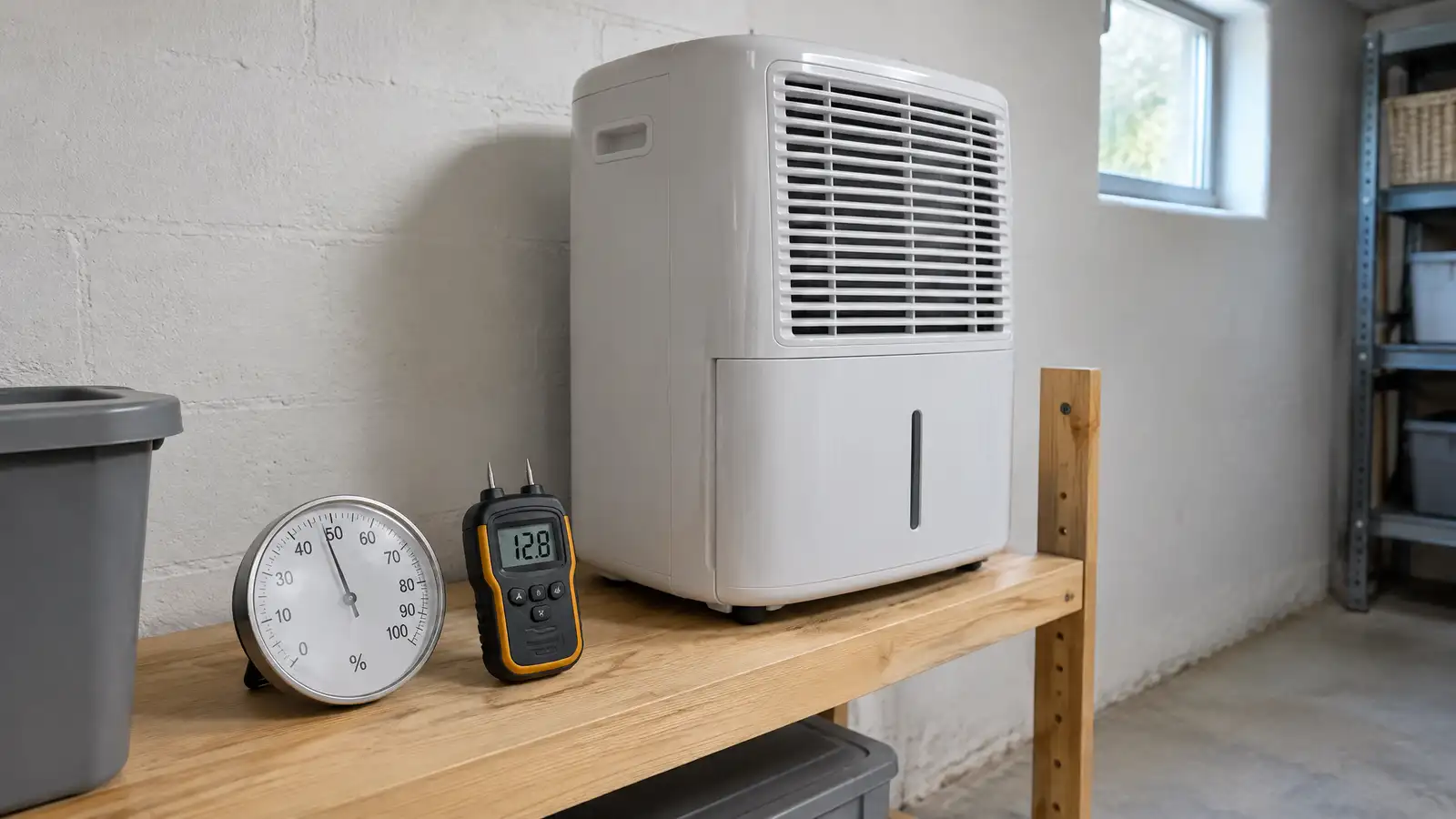 Moisture and Mold PreventionControlling water, humidity and airflow in basements and crawl spaces so mold has little to grow on.Explore
Tell us about your property and one specialist will call you back to set up a visit.
Or call (615) 431-3789 to talk now.