Serving Nashville and Middle TennesseeFree Estimate
Stop and, where practical, straighten basement walls that bow or lean inward under pressure from wet soil.
A basement wall that bows inward is under more pressure than it was built to handle. Water-heavy clay pushes against it, and the wall slowly bends. It may show a horizontal crack near mid-height or a visible curve in the wall. For owners in Nashville and nearby areas with basements, early action matters, because a bowed wall rarely gets better by itself.
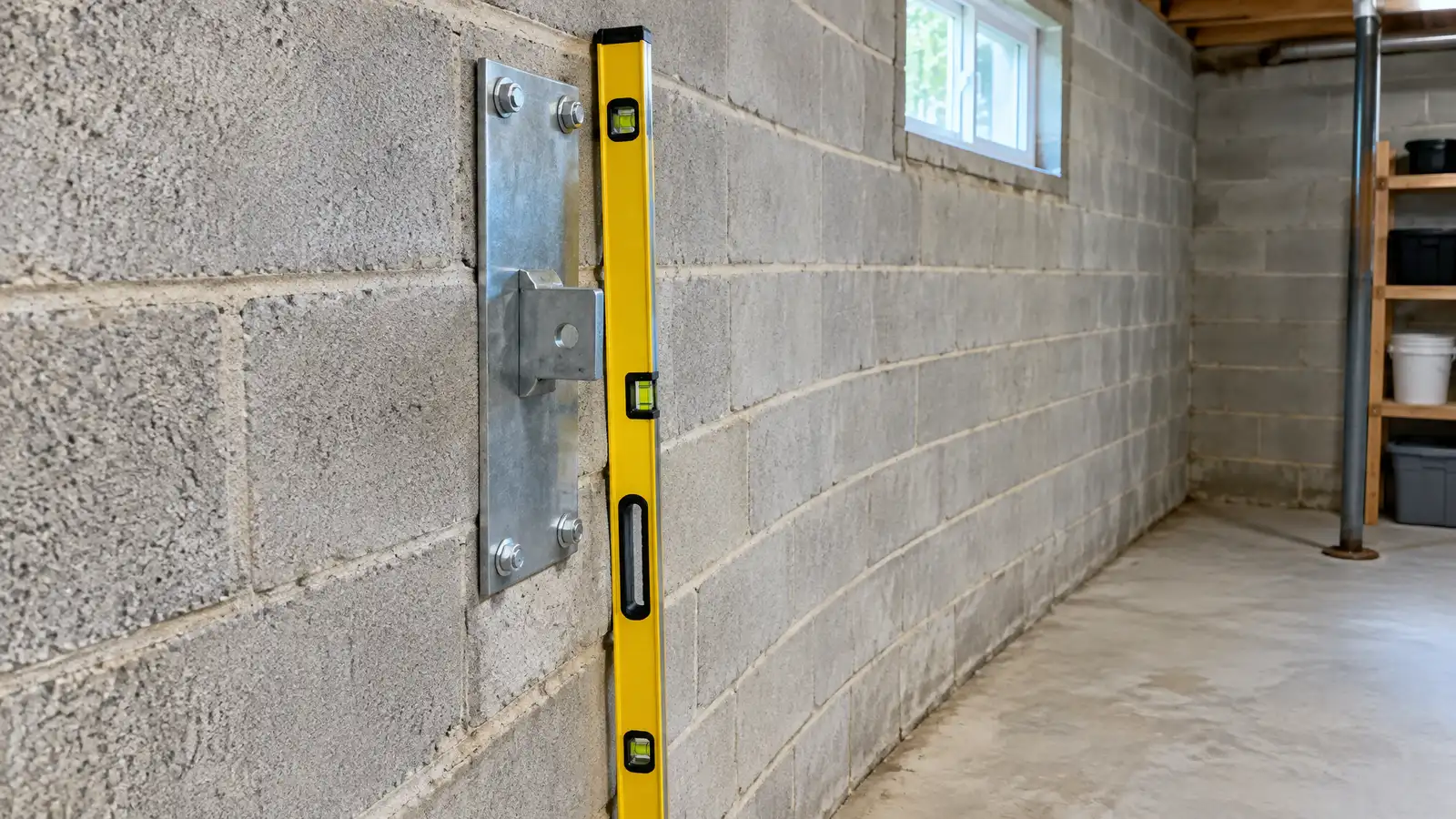
Your specialist measures how far the wall has moved and checks the top and bottom for shifting and the floor for cracks. Reinforcement is chosen to suit the wall and the available space. Options include wall anchors tied to stable soil outside, carbon fiber straps, steel beams and, for badly moved walls, partial rebuilding. Drainage outside and inside is improved to reduce pressure and protect the repair.
A string line or level shows how far the wall has moved, which sets the urgency and the method.
Anchors, straps and beams each fit different wall conditions, and the plan explains why one is chosen over another.
Some methods can bring a wall back a little over time, while others hold it where it is.
Drainage and grading changes reduce the water load that caused the movement in the first place.
Drag the handle to compare.
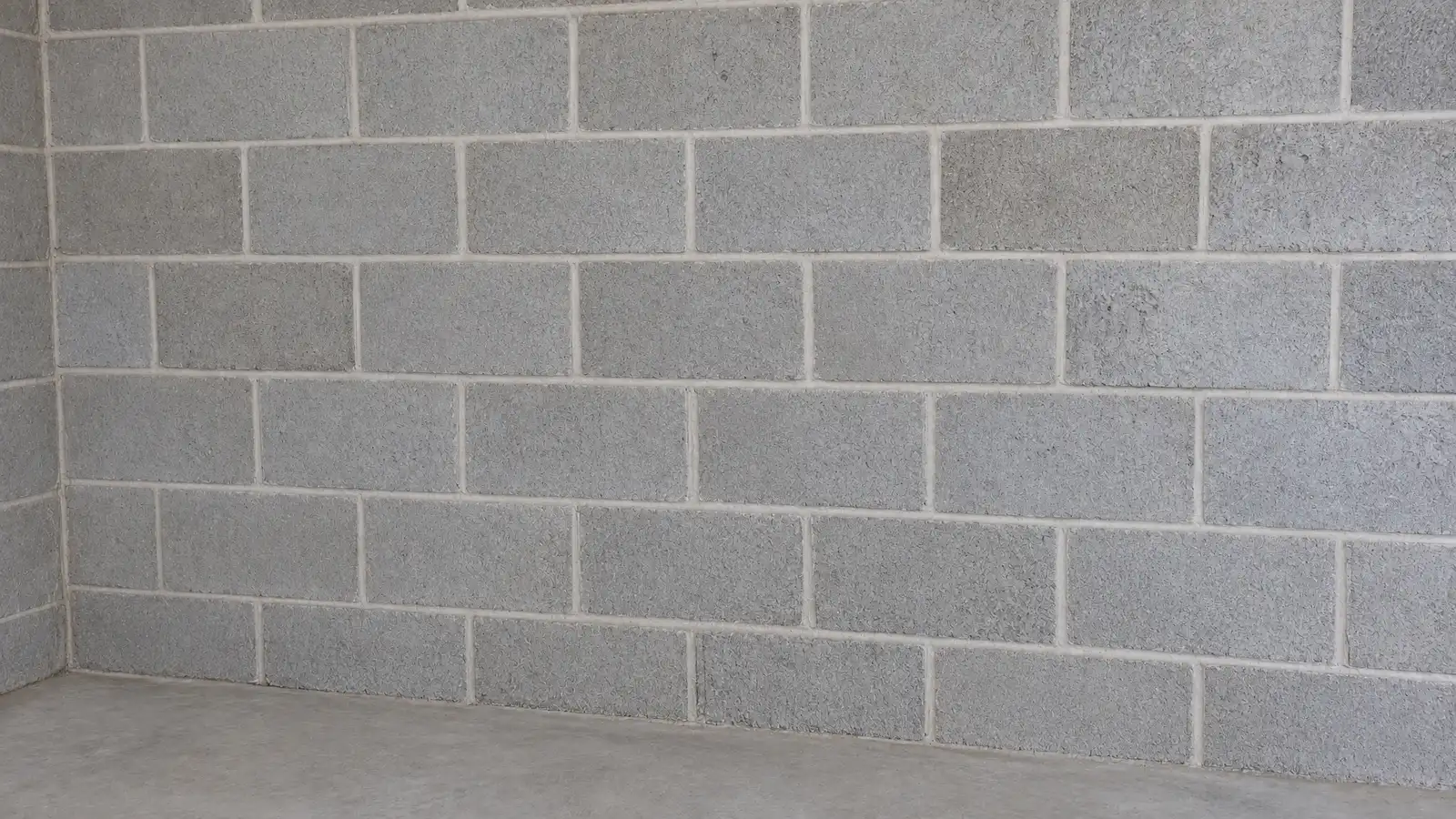
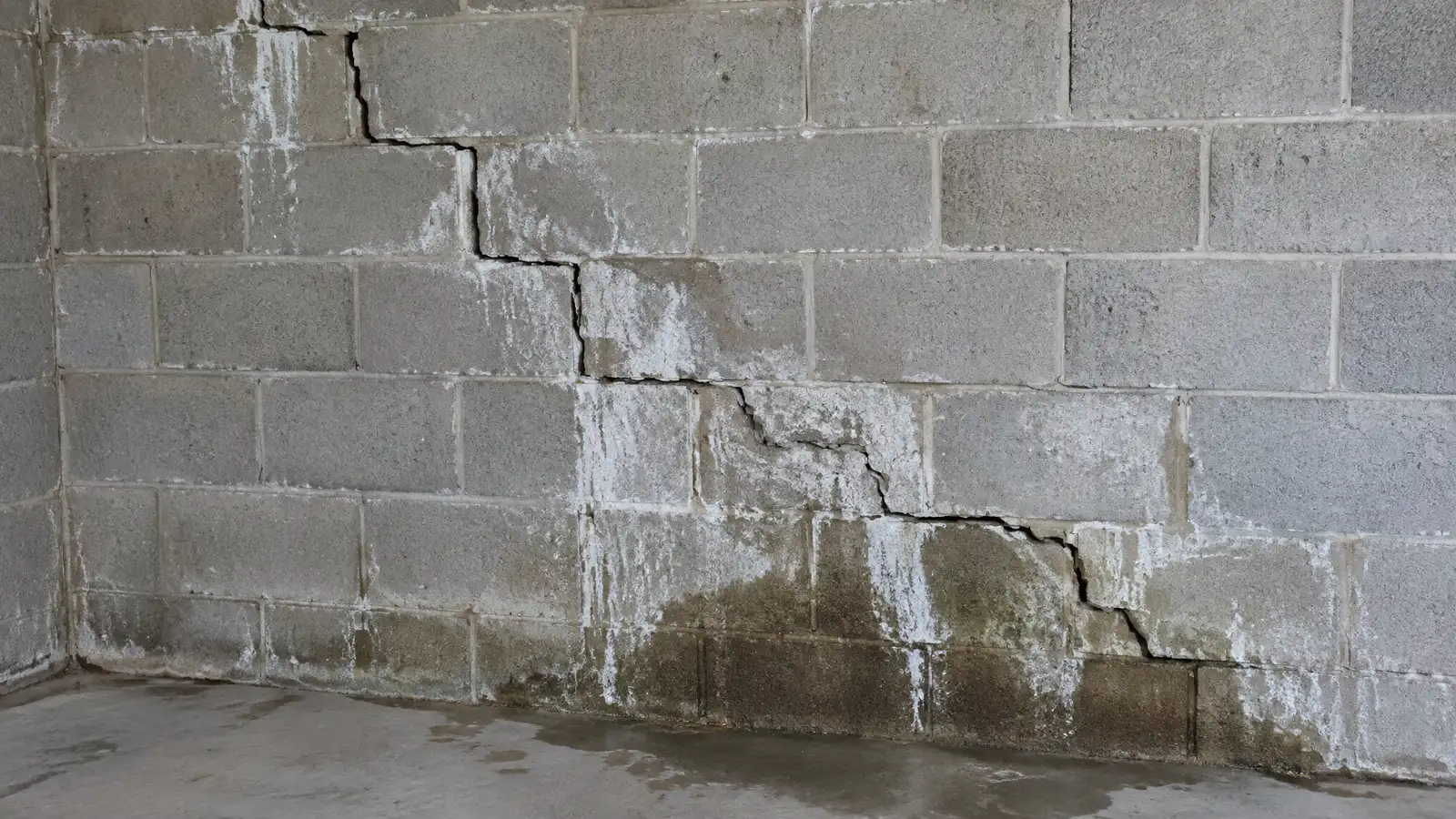 BeforeAfter
Bow and cracks recorded.
Drainage and grading reviewed.
Anchor, strap or beam.
Components set per plan.
Pressure relief added.
Marks and readings repeated.
Every topic has its own page with what to expect and how we approach it.
 ResourceSikaA global maker of construction chemicals, including crack injection resins, waterproofing and concrete repair materials.Learn more
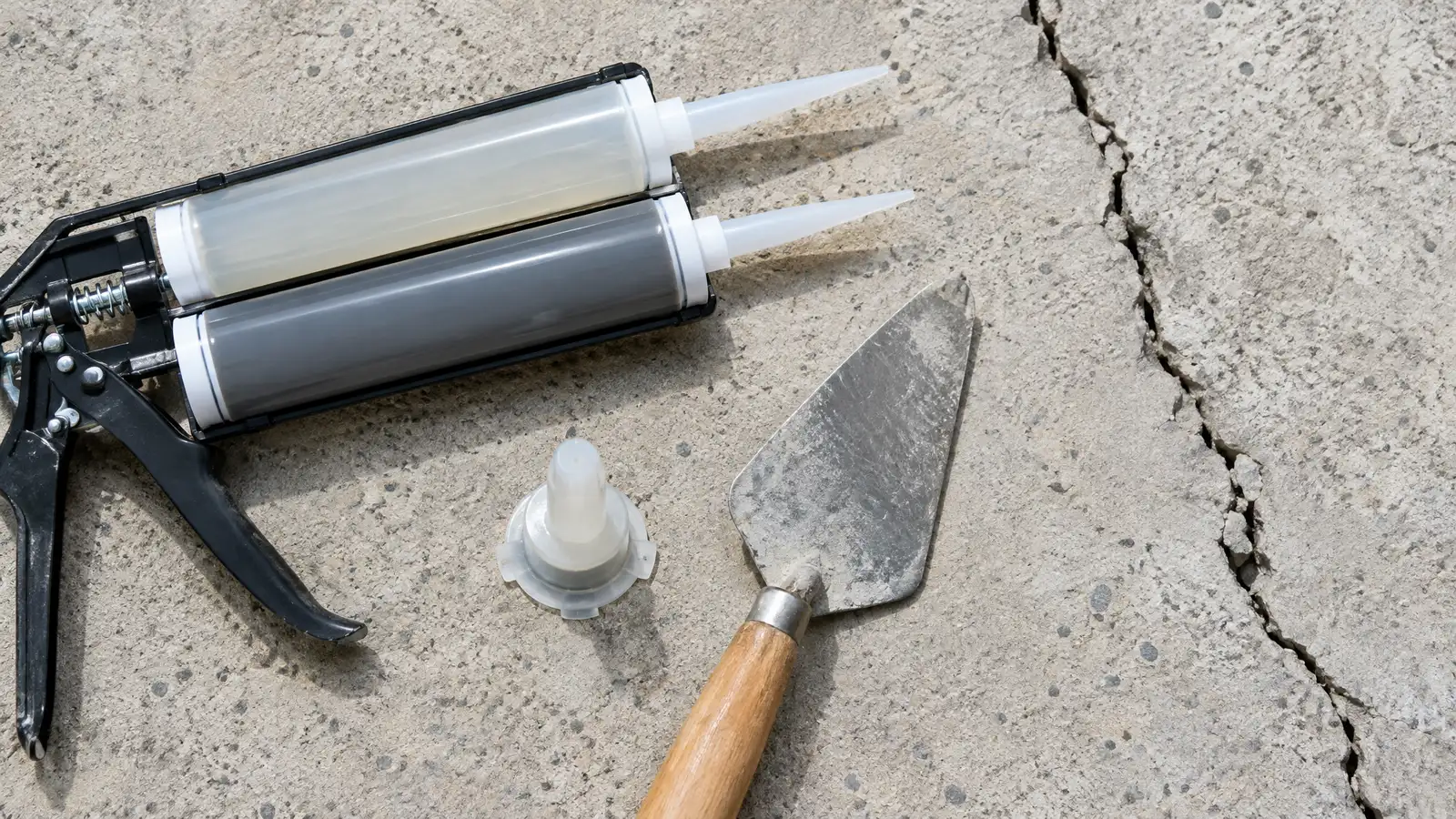 Comparison guideCrack Repair MaterialsHow epoxy, polyurethane, polyurea and cement-based fillers differ in flexibility, strength, leak control and best use.Learn more
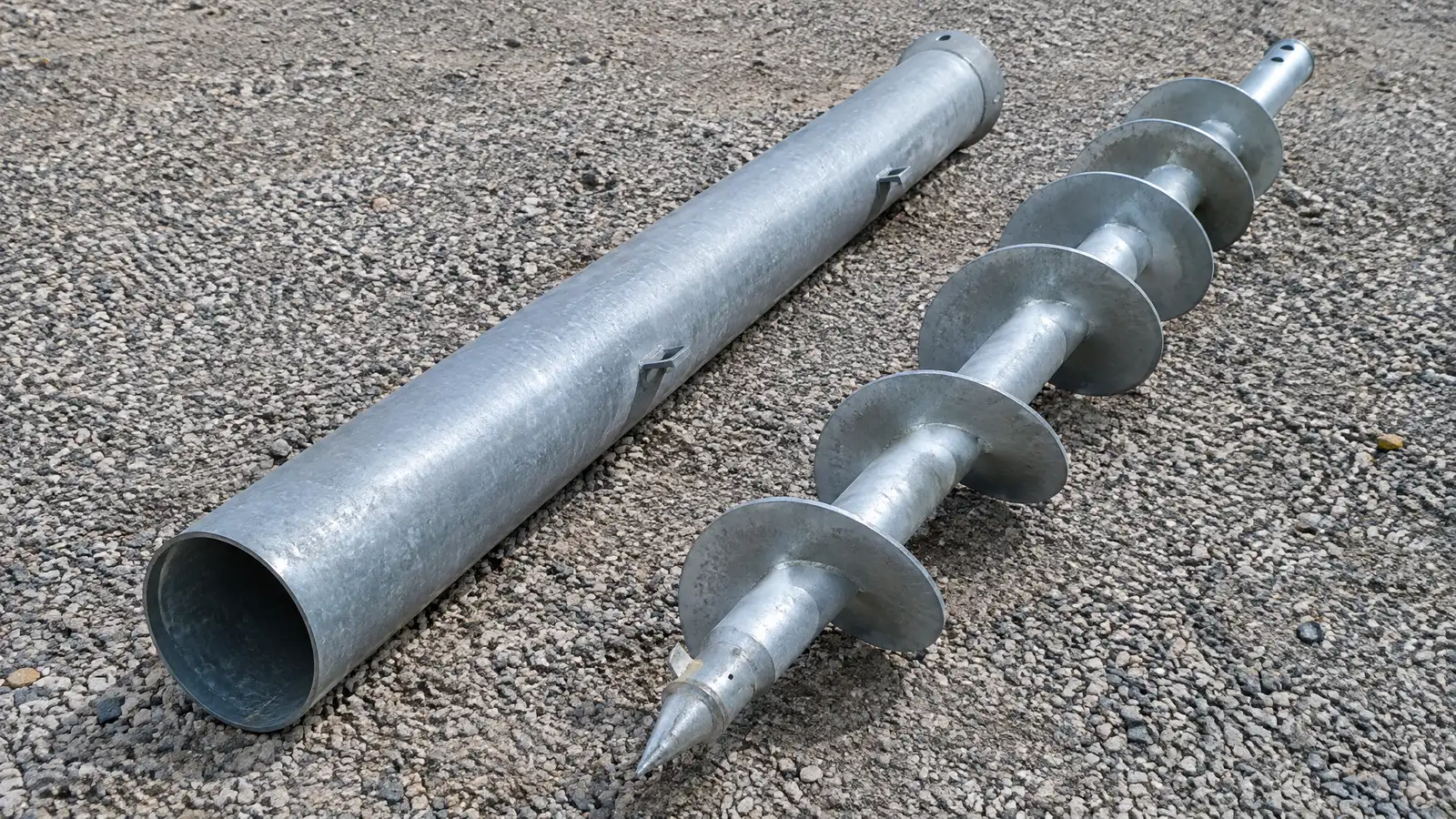 Comparison guidePush vs Helical PiersHow steel push piers and screw-in helical piers differ in how they are installed, what loads they suit…Learn more
Pick what you see in your walls, floors, basement, crawl space or concrete to get likely causes, what to try first and the service page that fits.
You tell us what you see and where the property is. One call sets up a visit that fits your day.
A specialist walks the inside and outside, checks cracks, floors, moisture and drainage and takes measurements and photos.
You receive a plain written scope with the cause, the method, the location of each repair and the schedule before anything begins.
Utility marking is requested where digging is needed, access is protected and materials and any engineering are lined up.
Supports, drains, sealing or lifting are completed in a clear order, with photos and checks along the way.
The site is cleaned up, the work is explained on a walk-through and care and monitoring tips are shared.
Any steady inward movement deserves attention. A specialist measures it and explains where your wall falls.
Some systems can move a wall back gradually, while others stop further movement. Results depend on the wall and the soil.
Many bowed walls are stable for a time, though a wall with a fast-growing bow or large cracks is cause for quick action.
For significant movement, an engineer's opinion is often helpful and your specialist coordinates it.
Walls under pressure usually keep moving, and repairs become larger the longer they wait.
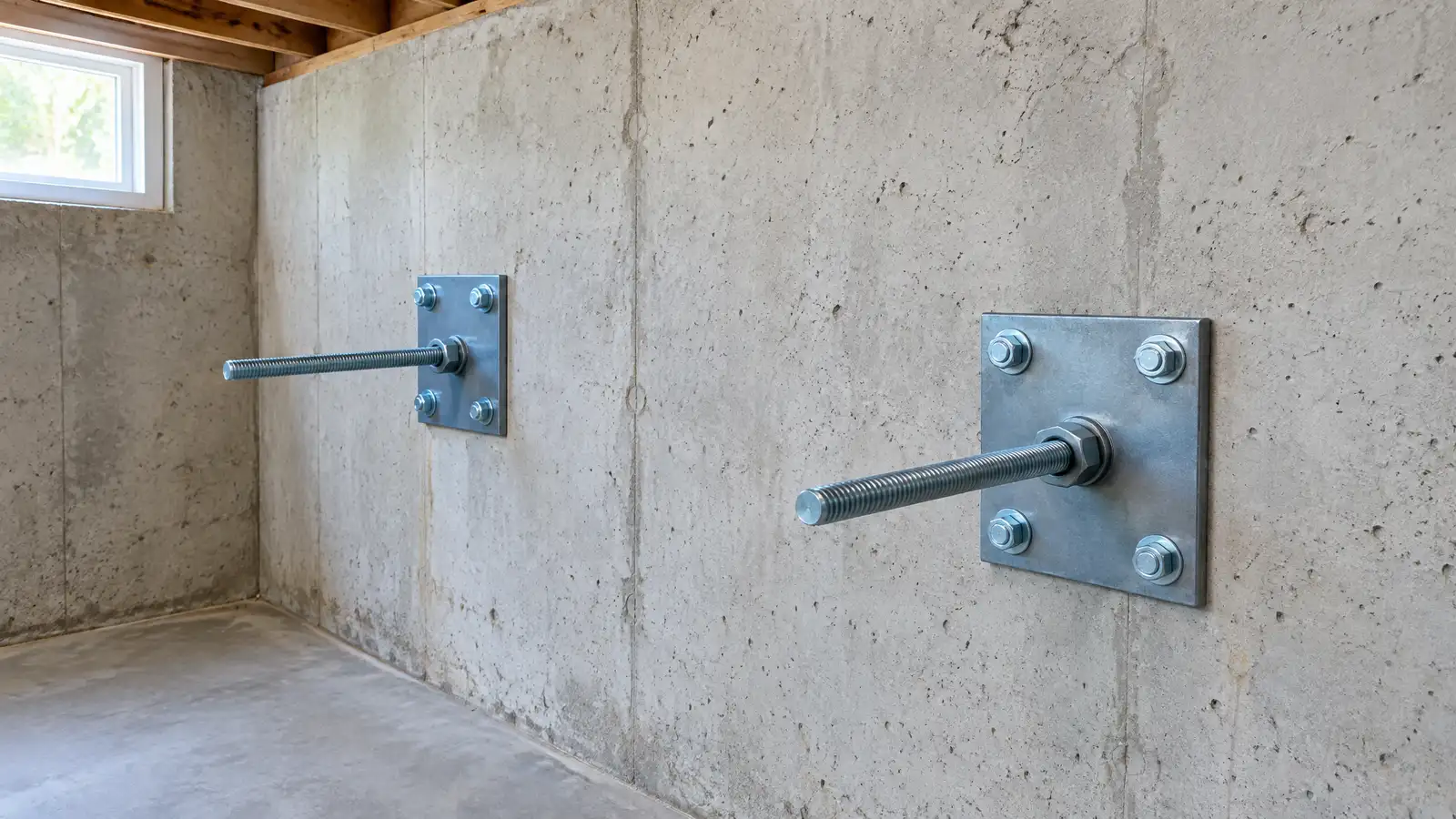 Wall Anchors and BracingSteel anchors and braces that hold basement and foundation walls steady, tied to stable soil or to the…Explore
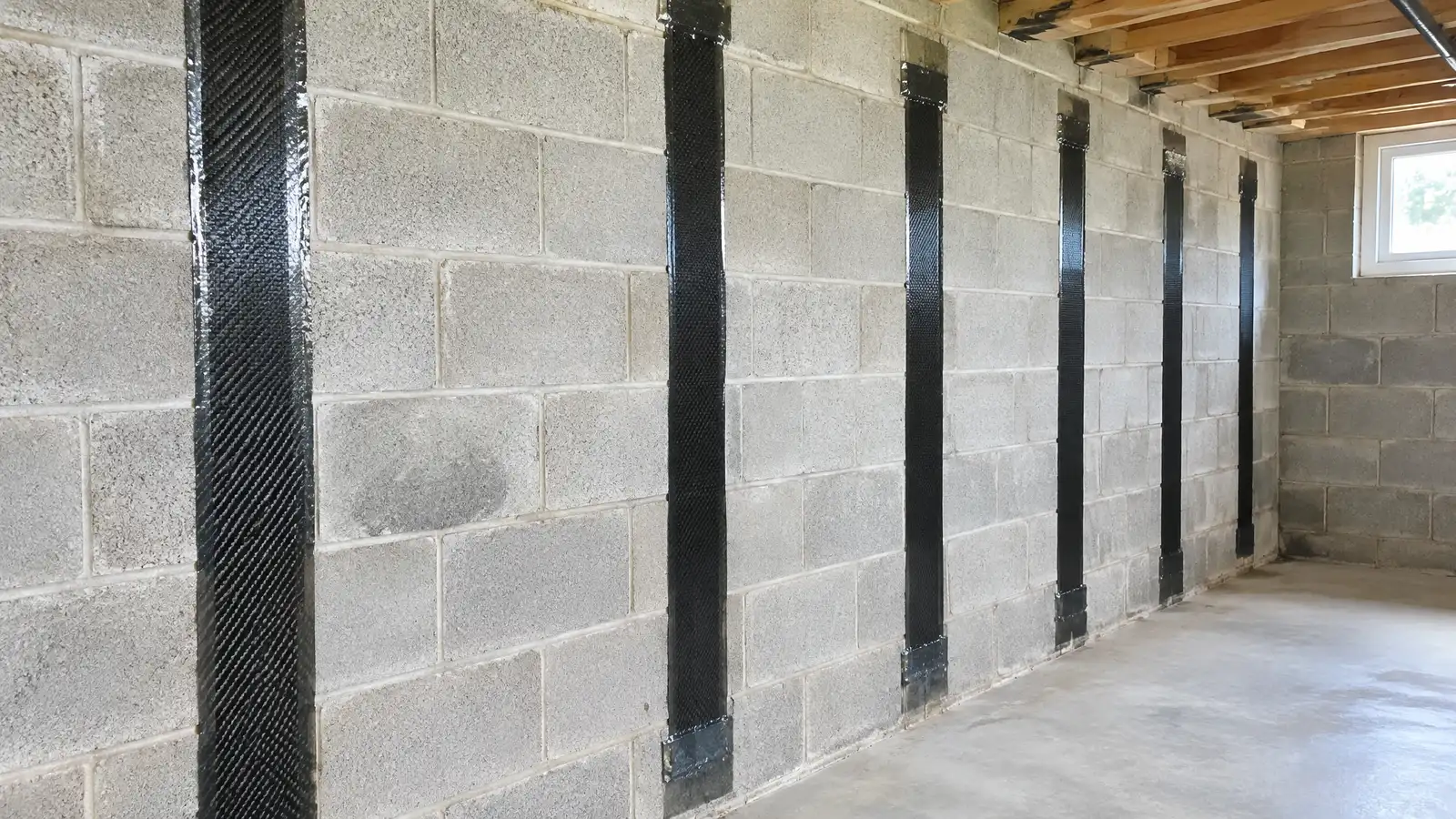 Carbon Fiber Wall ReinforcementThin, strong carbon fiber straps fixed to basement walls to stop slight bowing and reinforce cracked block or…Explore
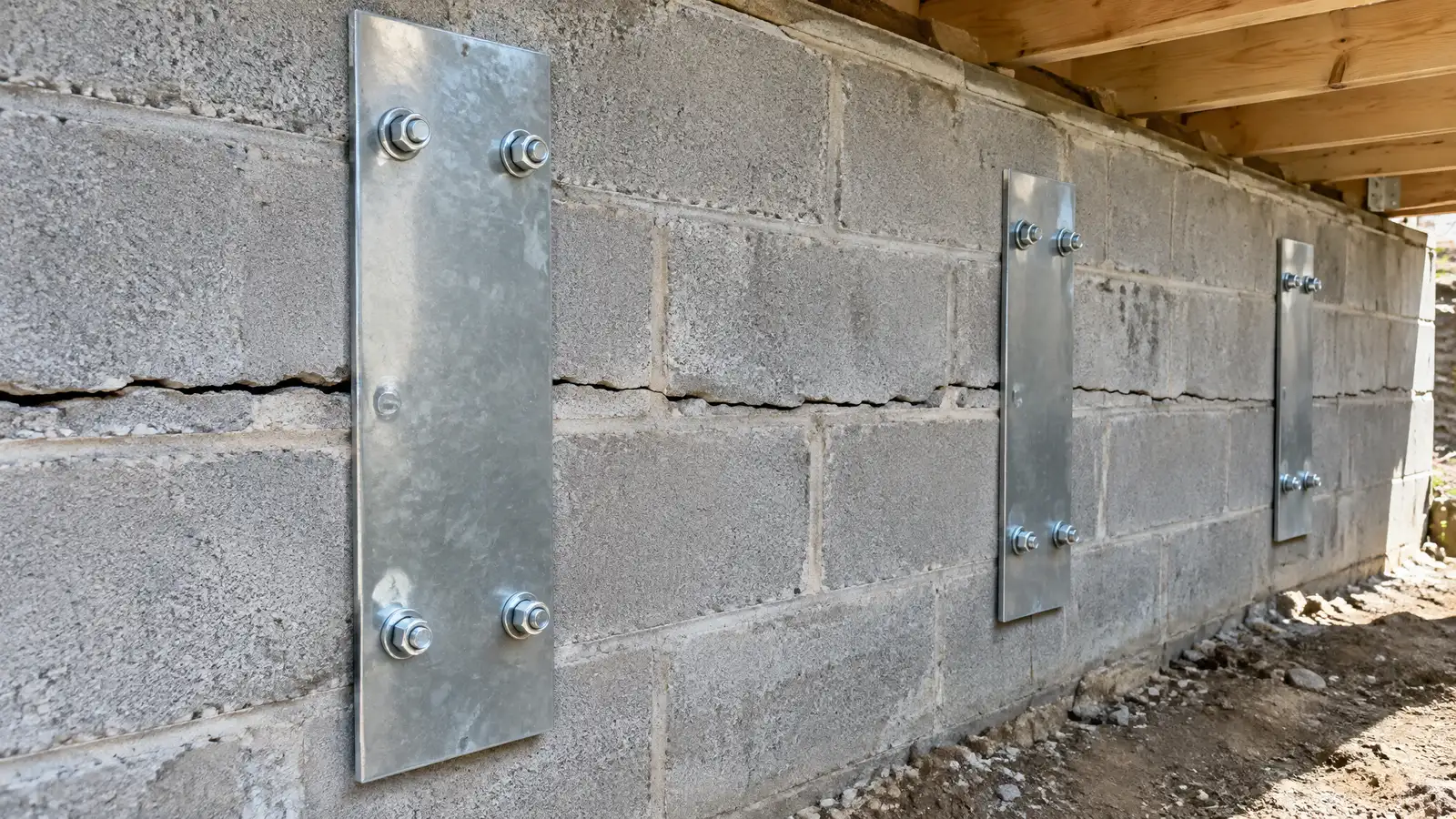 Block Foundation RepairRepairs for concrete block foundation walls with horizontal cracks, stair-step cracks, bowing or water seepage.Explore
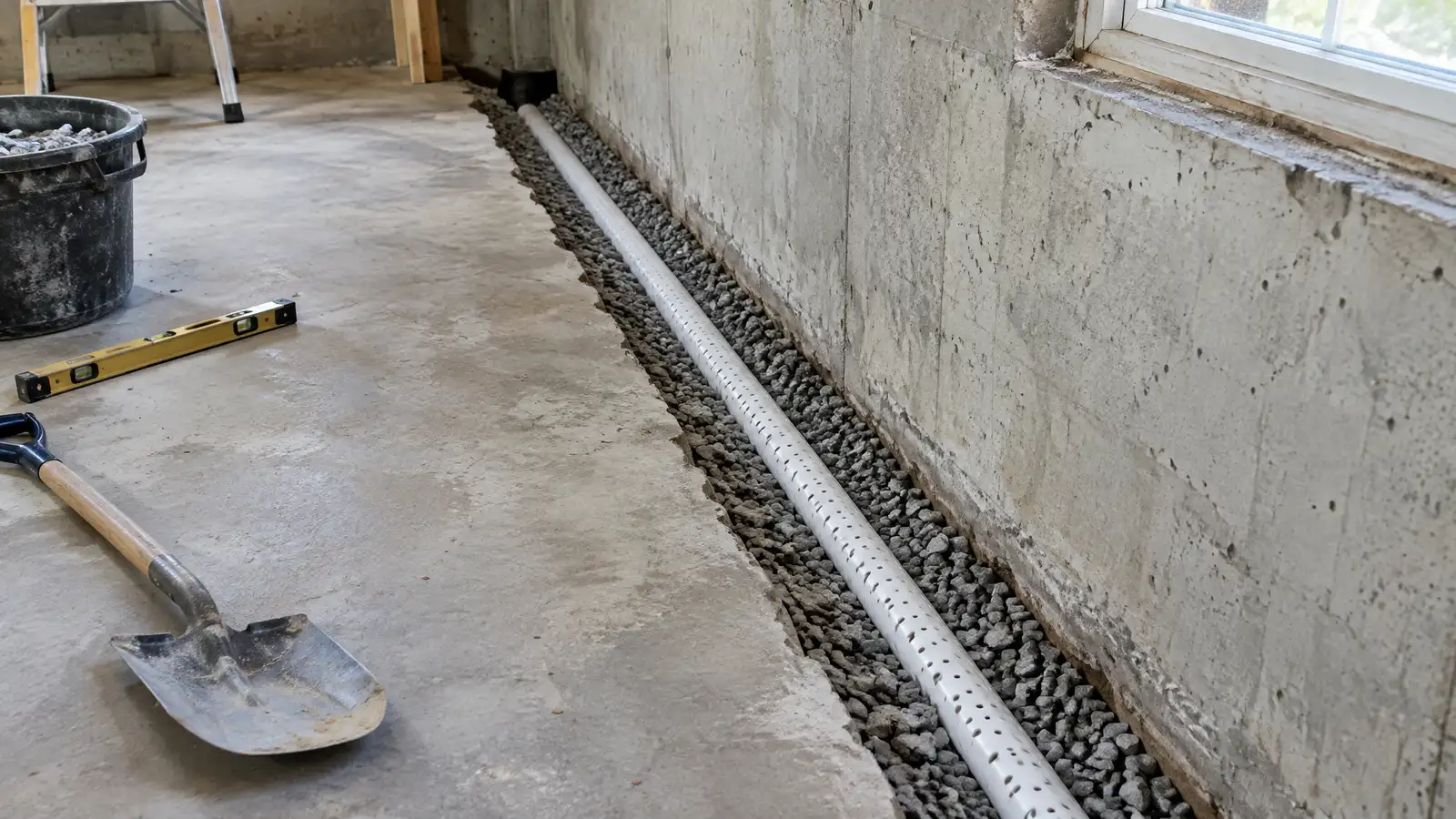 Interior Drainage SystemsPerimeter drains and sump systems inside a basement or crawl space that catch water and send it safely…Explore
Tell us about your property and one specialist will call you back to set up a visit.
Or call (615) 431-3789 to talk now.