Serving Nashville and Middle TennesseeFree Estimate
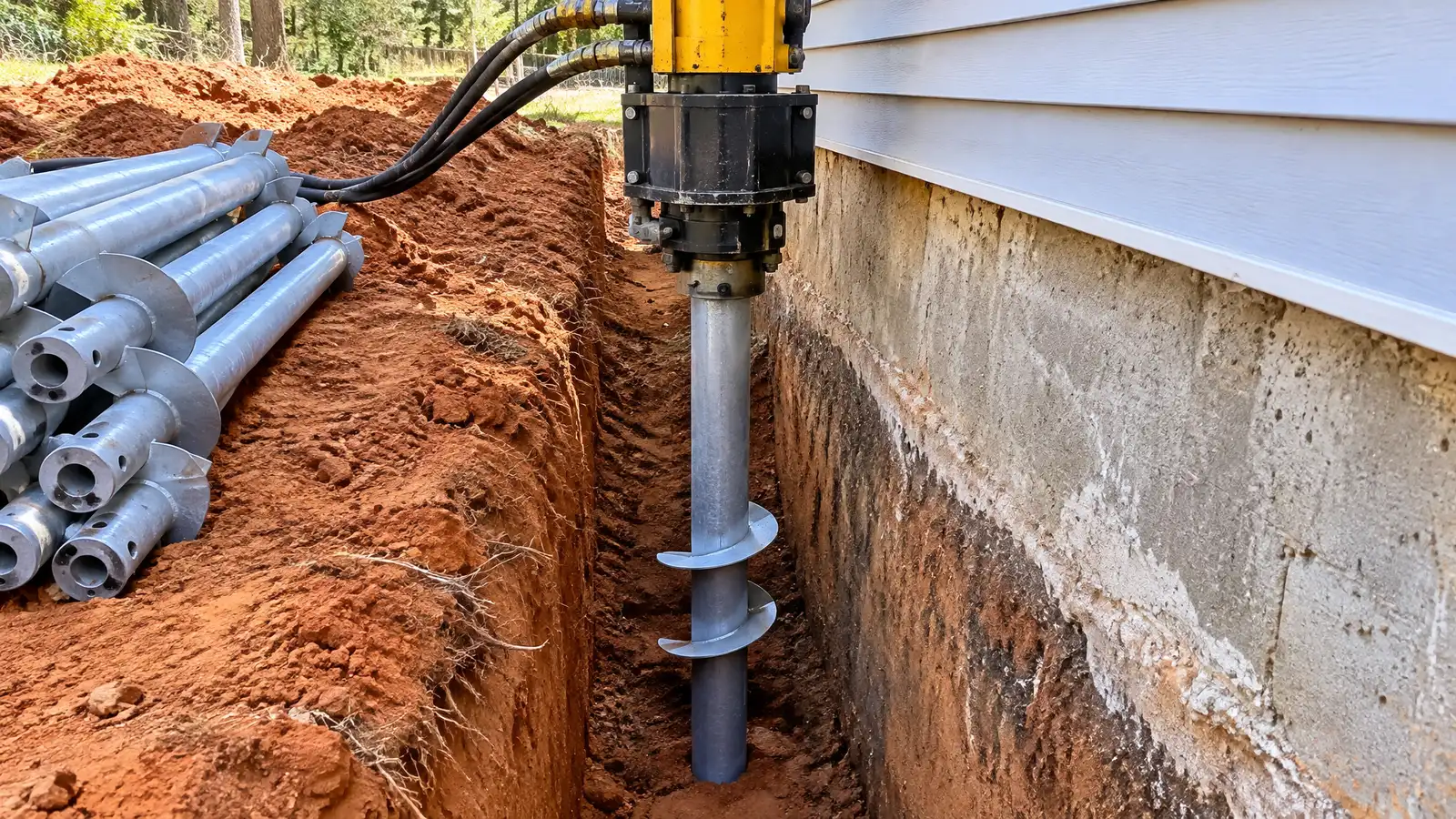
Screw-in steel piers that stabilize light and heavy structures, with torque readings that show how much load each pier can carry.
Helical piers look a little like giant screws. A steel shaft with one or more spiral plates is turned into the soil, and the resistance felt during installation tells the crew how much load it can carry. They are popular for lighter structures such as porches, additions and garages, and they suit tight access because compact machines can install them. Homeowners around Nashville often choose them for settling additions and porches.
Your specialist plans the pier locations and sizes, then digs access points and attaches brackets to the footing or grade beam. A drive head turns each shaft into the soil while installation torque is recorded and compared with the targets in the plan. When the pier reaches the required depth and torque, it is connected to the structure, and piers can be loaded and lifted together where lifting is planned.
The effort needed to turn the pier into the ground relates to the load it can hold, giving a way to check capacity as it is installed.
Shaft size and plate layout are chosen for the load, from a porch to a larger addition or commercial building.
Smaller drive equipment fits into side yards and behind buildings where bigger machines cannot go.
Helical piers are loaded as soon as they are connected, so work can move on without waiting for concrete to cure.
Drag the handle to compare.
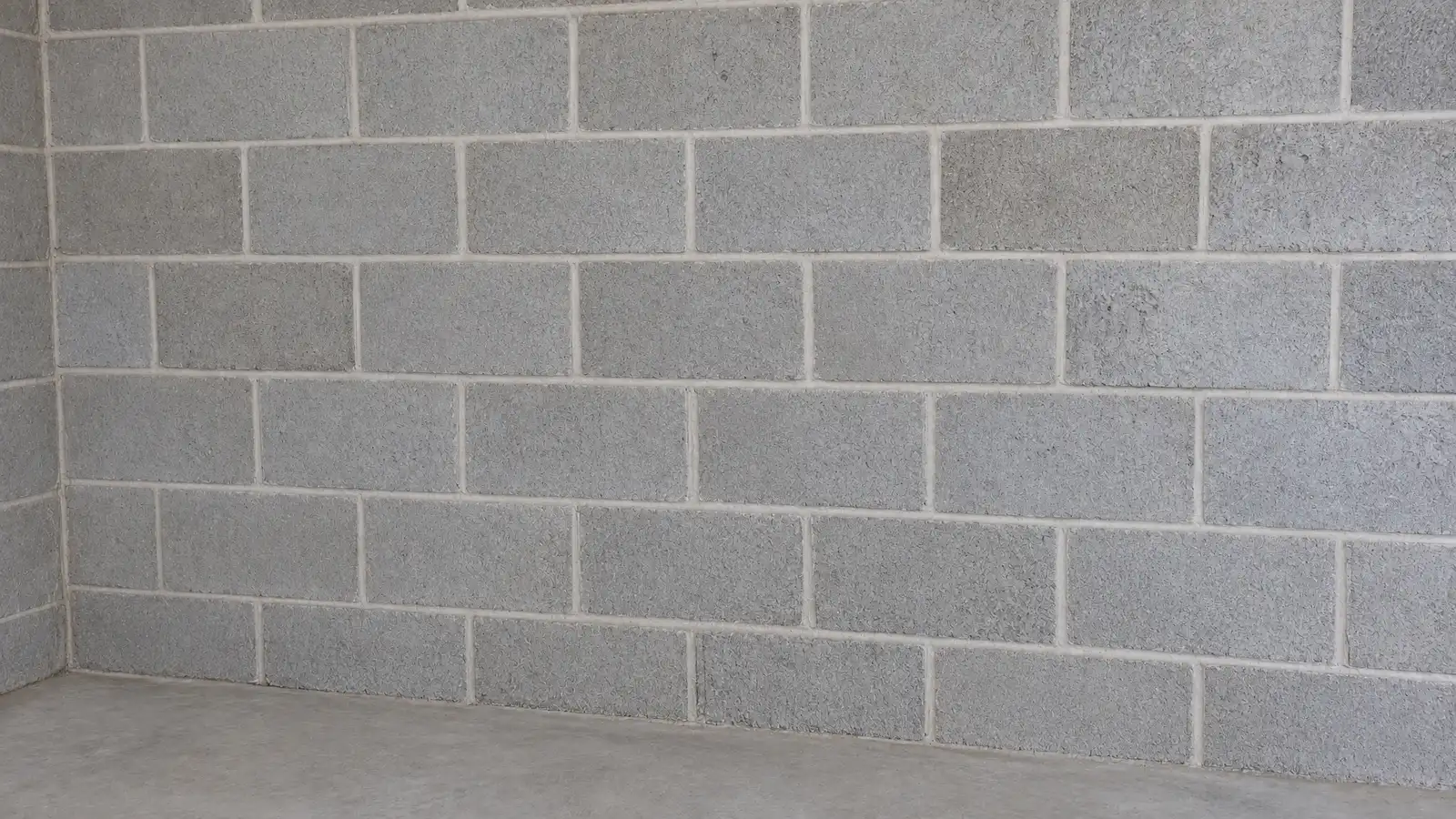
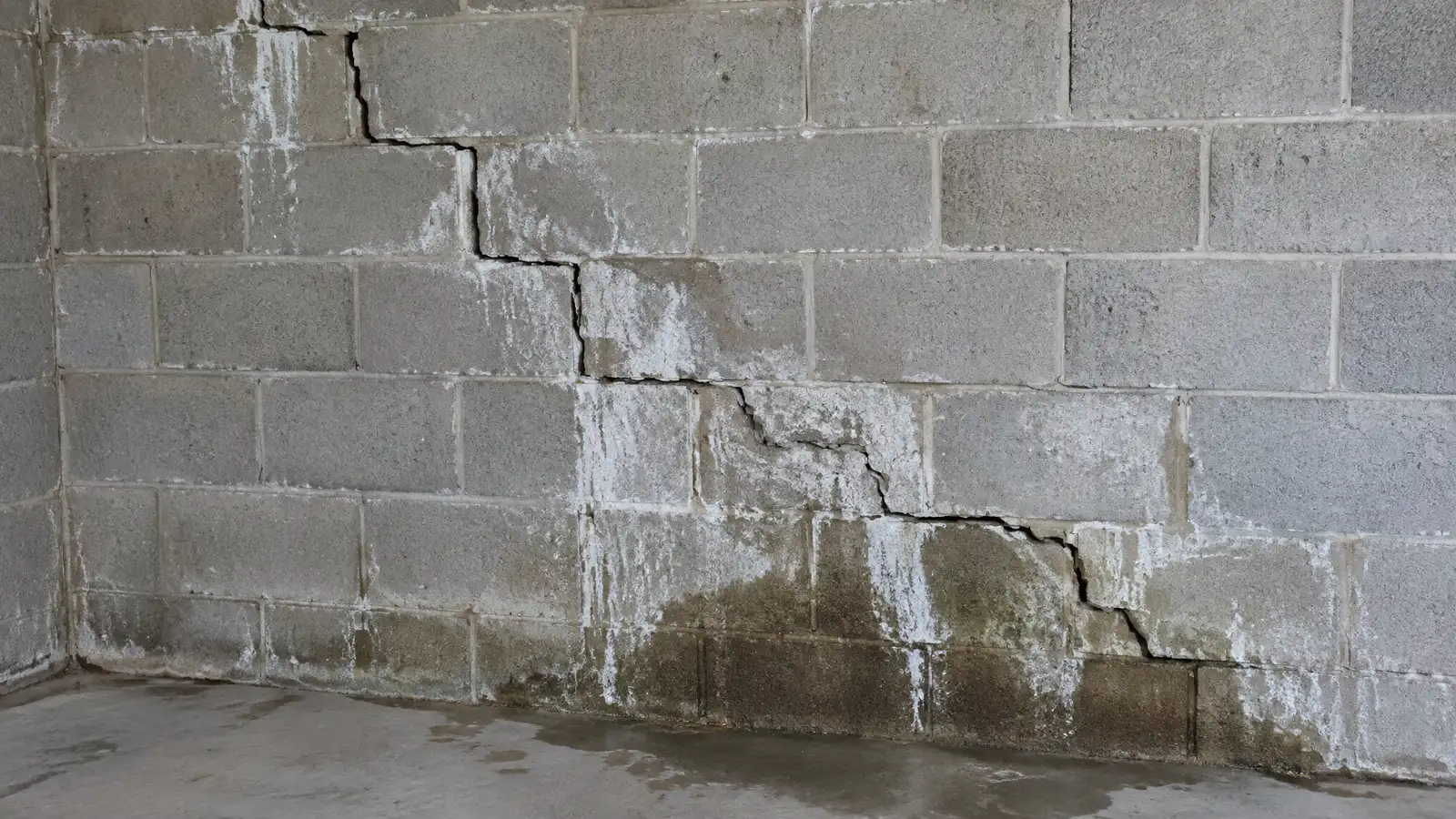 BeforeAfter
Loads and soil reviewed.
Holes dug beside the footing.
Attached to the footing or beam.
Torque recorded as they go.
Load shared among piers.
Backfill and tidy finish.
Every topic has its own page with what to expect and how we approach it.
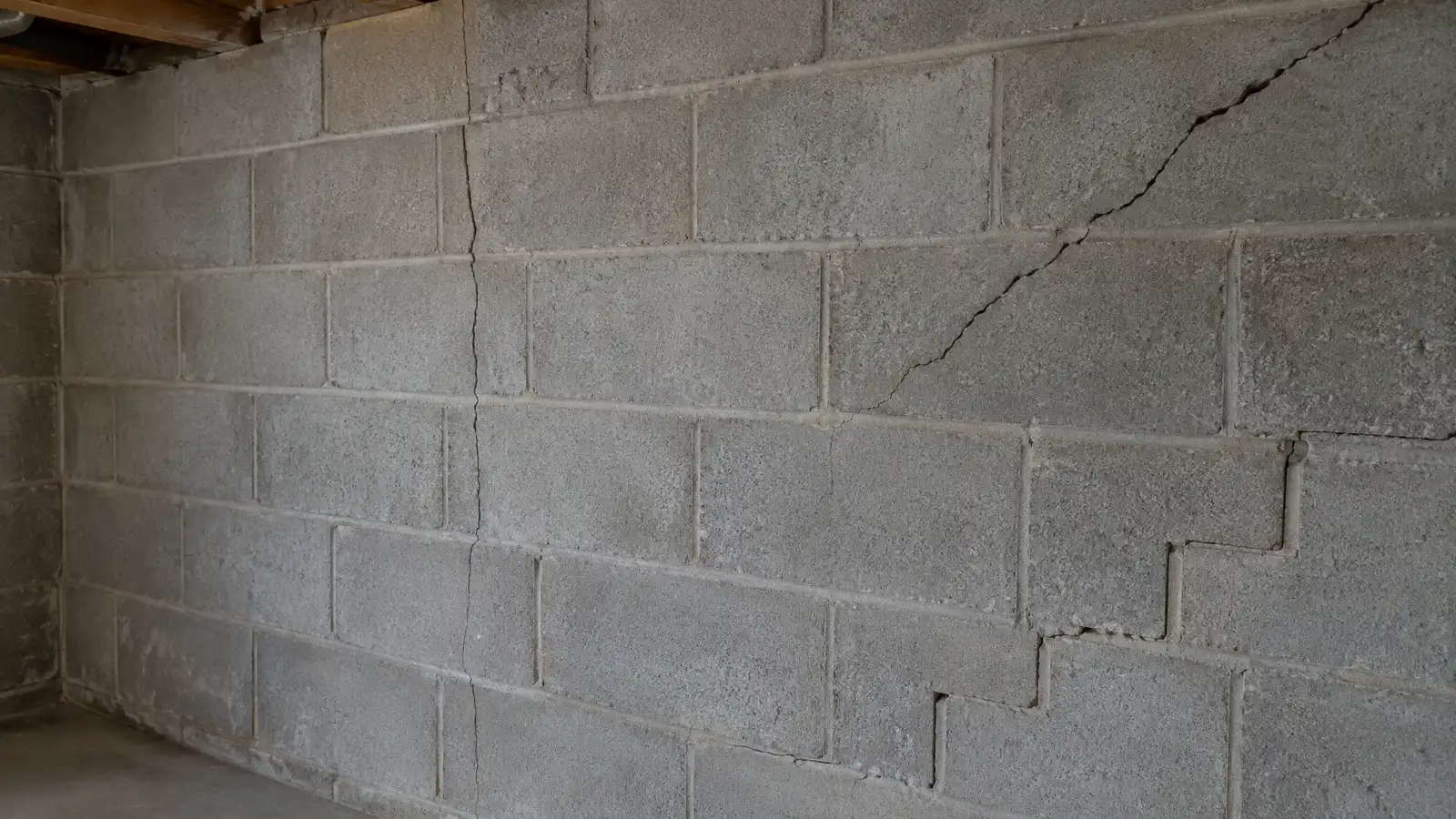 Comparison guideCrack TypesHow hairline, vertical, diagonal, stair-step and horizontal cracks differ in what they usually mean and what to do…Learn more
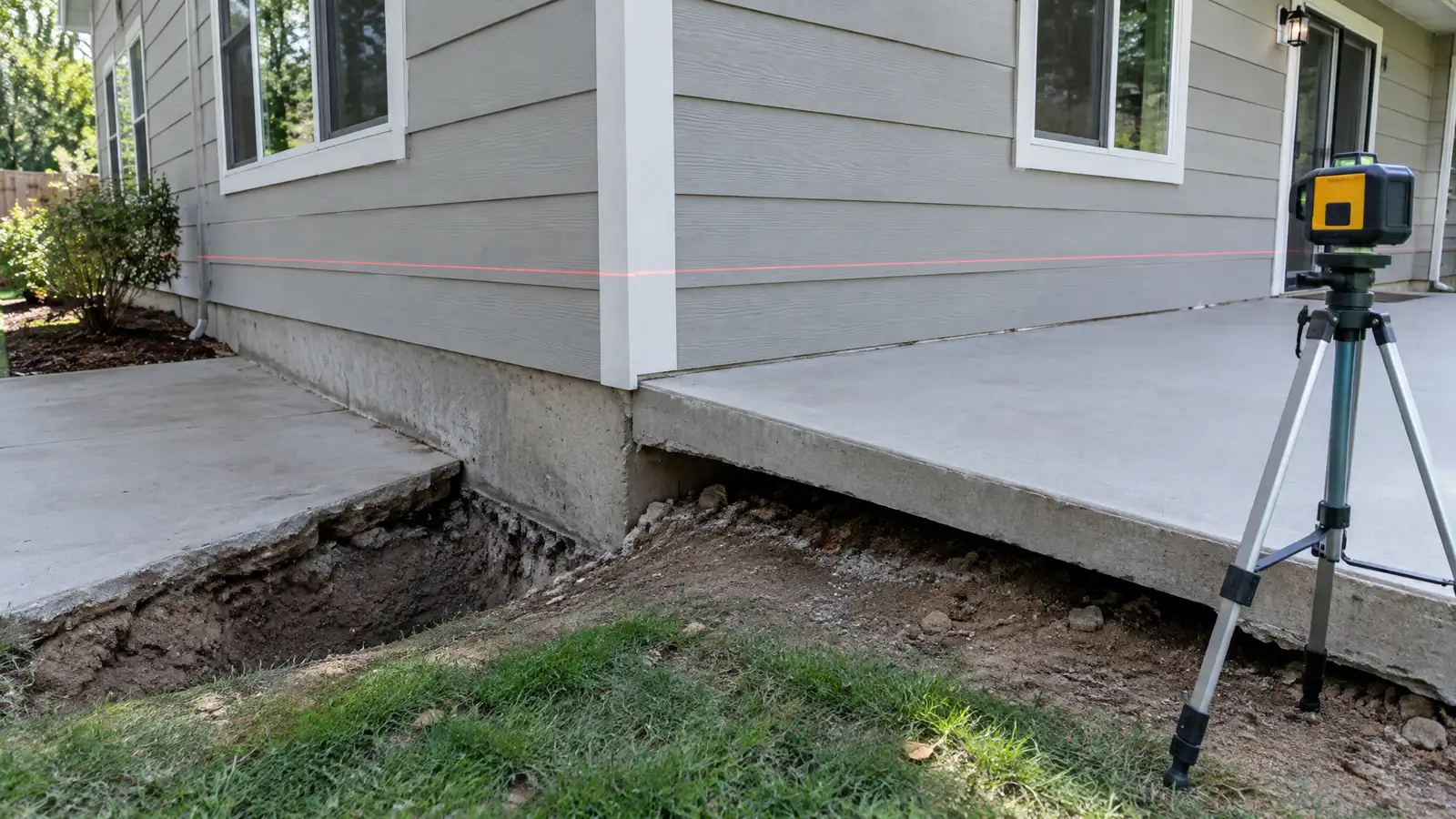 Comparison guideSettlement vs HeaveHow a foundation that sinks differs from one that lifts, what usually causes each and how repairs differ.Learn more
 ResourceASCEA professional society for civil engineers that publishes standards, research and public information on structures, soils and infrastructure.Learn more
Pick a foundation, waterproofing, drainage or concrete job, set the quantity and add extras to see a ballpark planning range. Placeholder values only.
You tell us what you see and where the property is. One call sets up a visit that fits your day.
A specialist walks the inside and outside, checks cracks, floors, moisture and drainage and takes measurements and photos.
You receive a plain written scope with the cause, the method, the location of each repair and the schedule before anything begins.
Utility marking is requested where digging is needed, access is protected and materials and any engineering are lined up.
Supports, drains, sealing or lifting are completed in a clear order, with photos and checks along the way.
The site is cleaned up, the work is explained on a walk-through and care and monitoring tips are shared.
They are widely used for lighter structures, additions, porches, decks and places where access is tight, and they can serve heavier loads when sized for them.
Installation torque and depth are recorded and compared with the targets in the plan.
The piers themselves do not need curing time, though brackets and footings may involve concrete work in some designs.
They can stabilize and, where practical, help lift a structure, depending on the design and the building.
Your specialist compares helical and push piers for your soil, load and access and explains the reasoning.
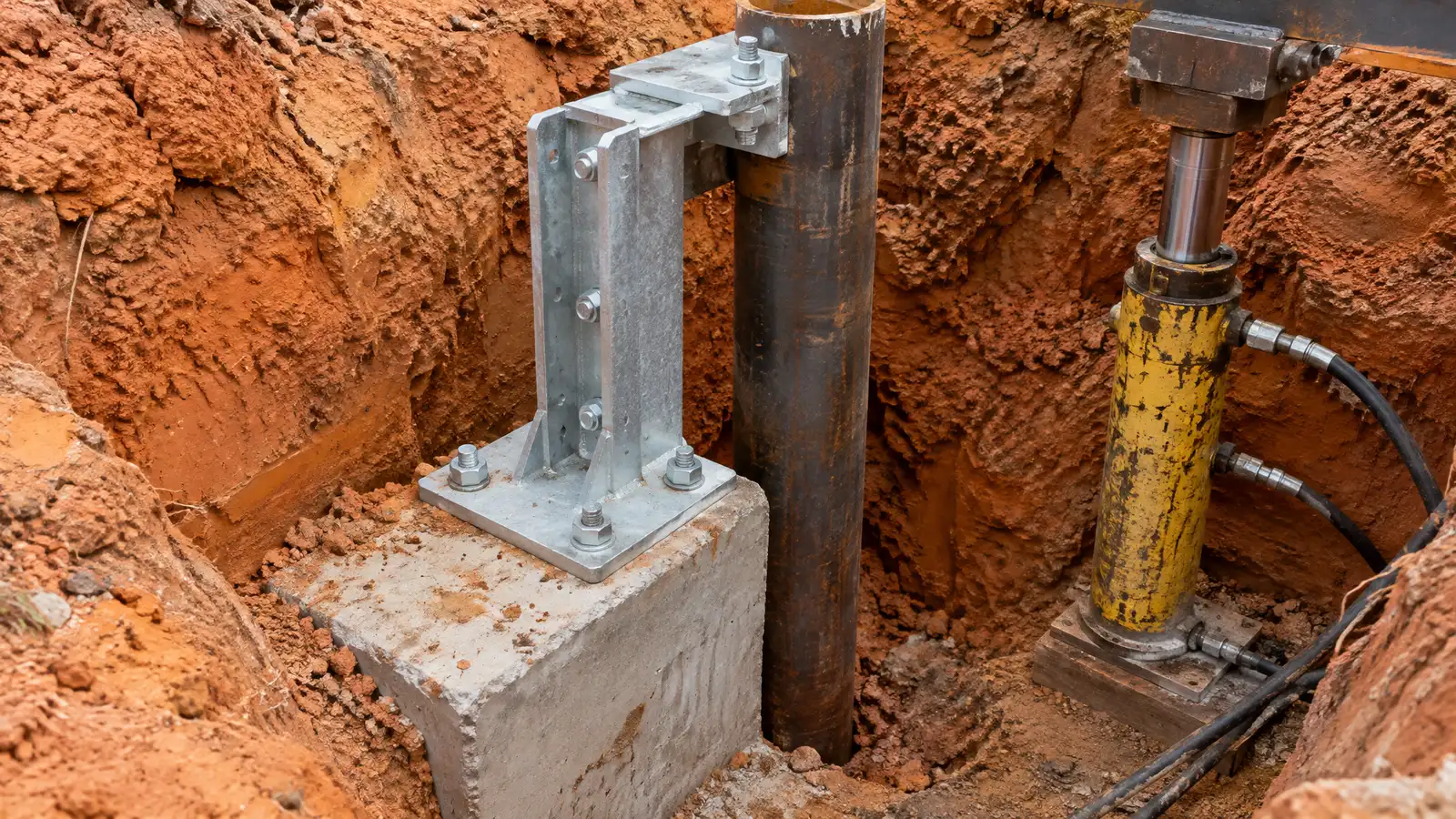 Push Pier Foundation RepairSteel push piers driven down to firm support to stop settlement and, where practical, lift a sinking foundation…Explore
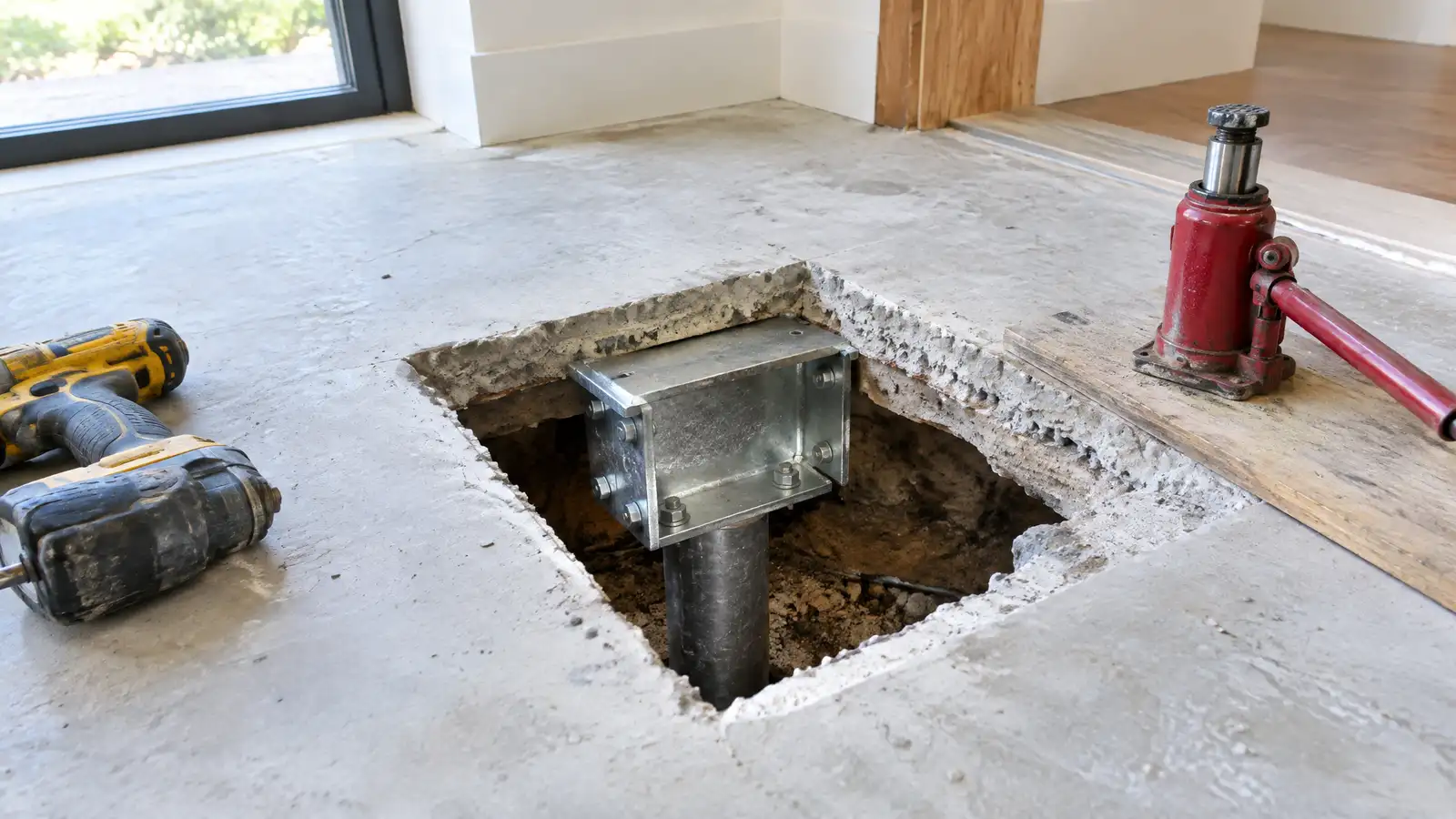 Slab Pier Foundation RepairPiers installed through or beside a concrete slab to lift and support a sinking interior floor without tearing…Explore
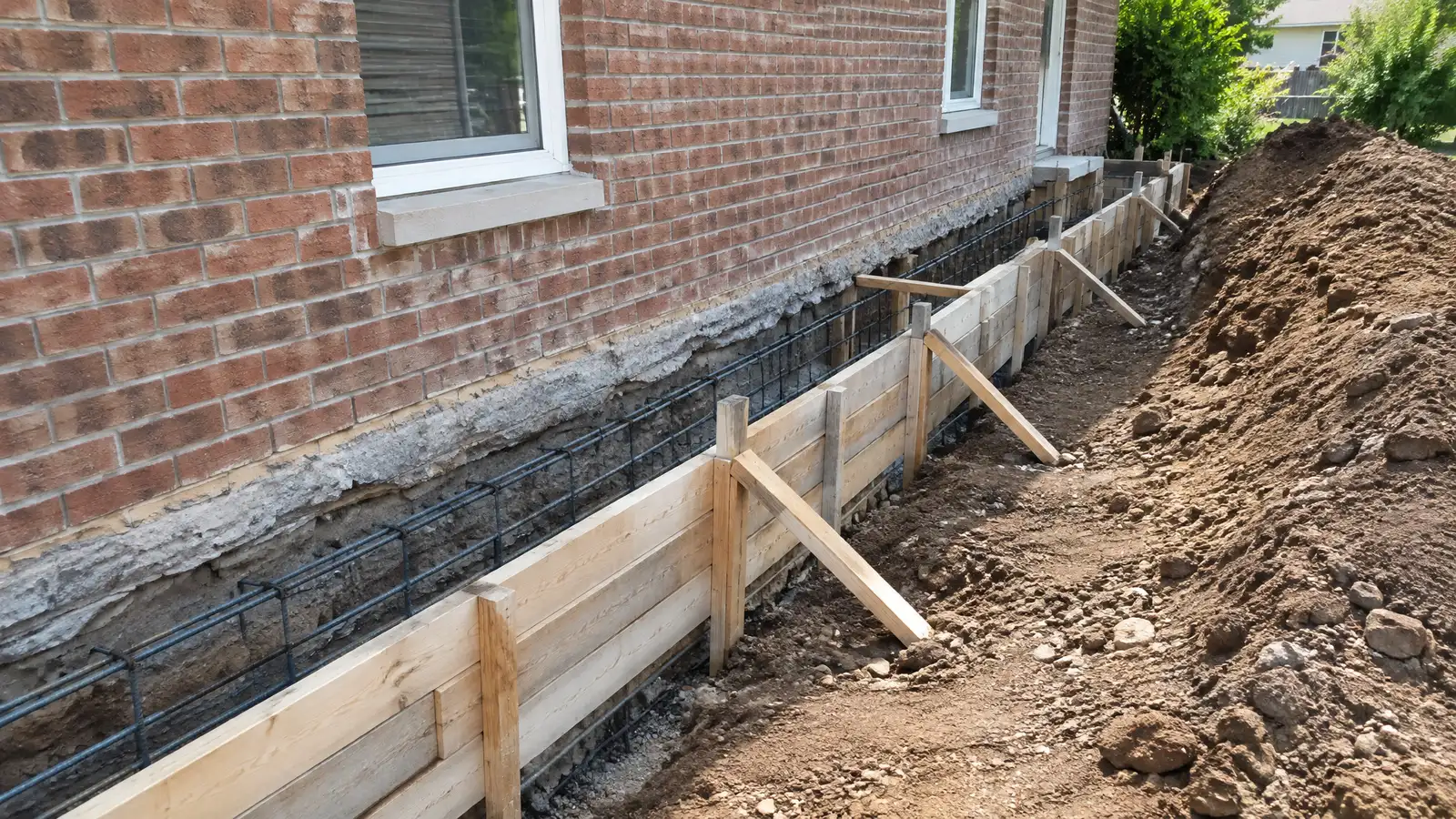 Foundations for AdditionsFoundations for room additions, second stories and bump-outs that tie into the existing house without causing movement.Explore
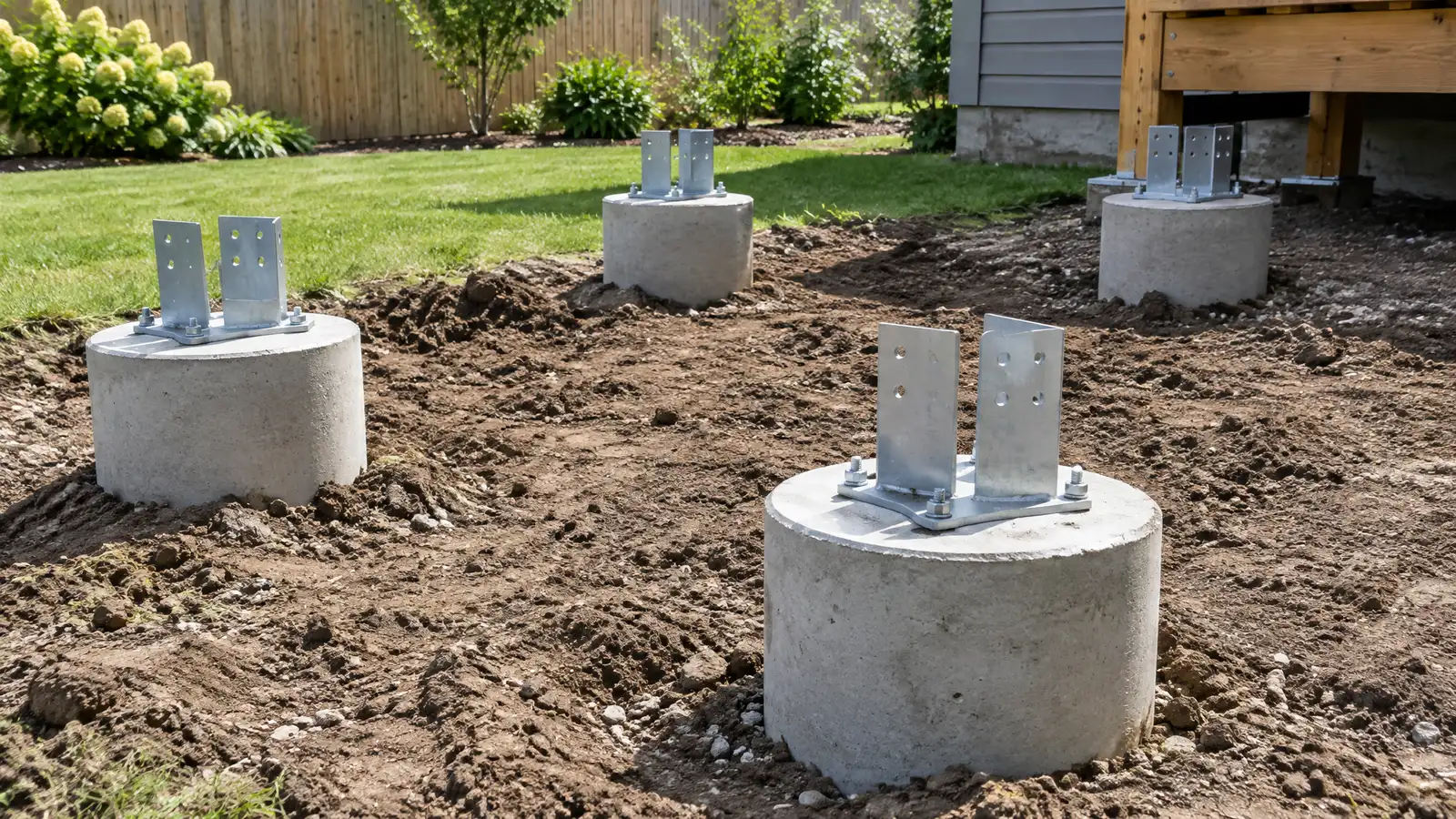 Deck and Porch FootingsProperly sized and set footings for decks, porches, pergolas and patio covers that stay put through freeze, thaw…Explore
Tell us about your property and one specialist will call you back to set up a visit.
Or call (615) 431-3789 to talk now.