Serving Nashville and Middle TennesseeFree Estimate
How expansive clay, shallow limestone and karst features shape foundations, drainage and sinkhole risk across Middle Tennessee.
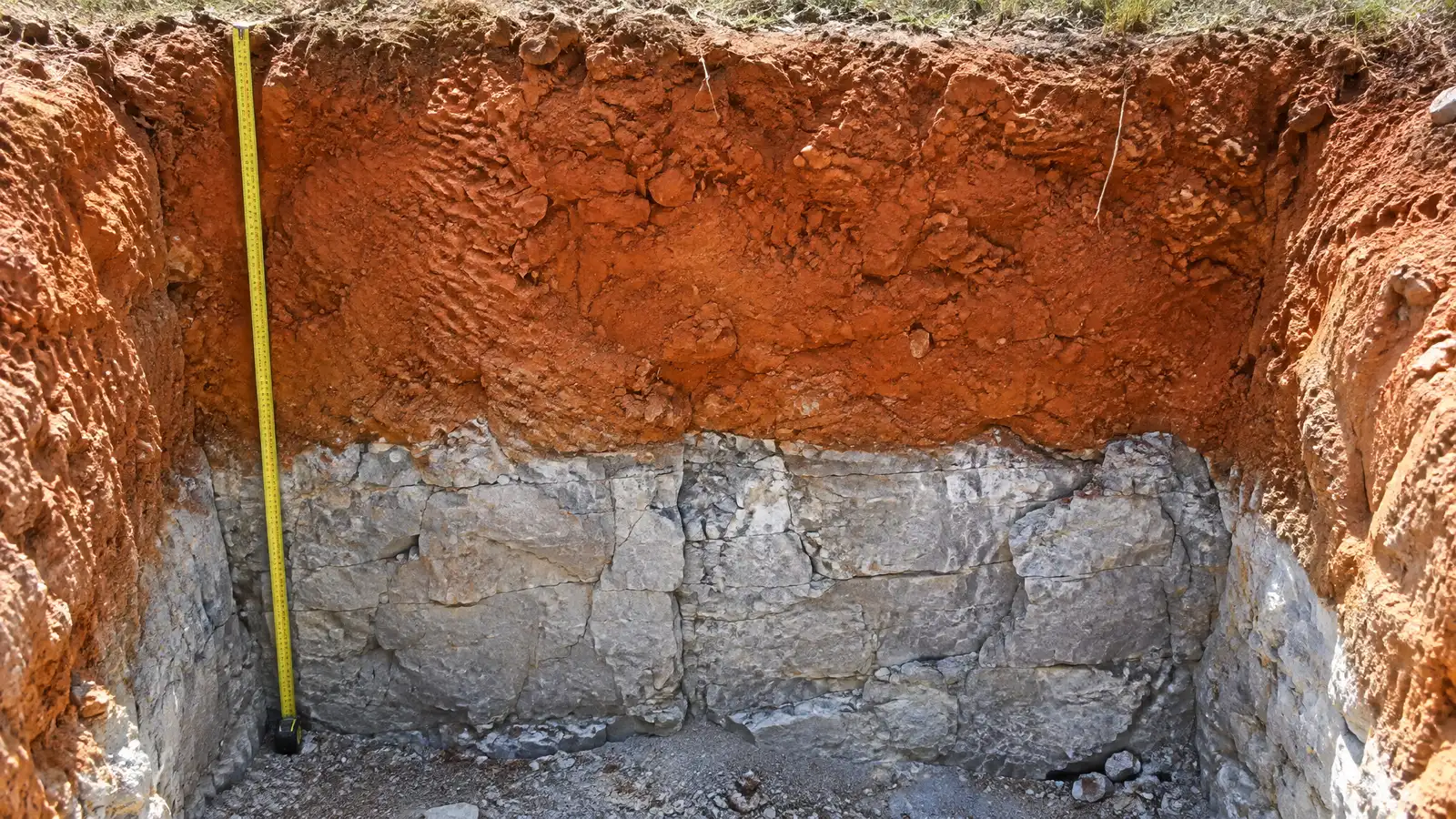
The ground under Middle Tennessee is a mix of residual clay, silt, limestone bedrock and, in many places, karst, a landscape formed when water dissolves limestone. Residual clay can swell when wet and shrink when dry, which moves footings and slabs. Shallow bedrock can make digging slow and supports vary from one end of a house to the other.
Karst features such as caves, voids and sinkholes are part of the region's character. Most properties are fine, and water is the common trigger when a problem appears. Drainage, leaks and concentrated runoff move soil into openings. Understanding the soil on your lot helps explain cracks, wet crawl spaces and sinkholes, and it guides repair methods such as piers, drainage and grouting.
Swells with moisture and shrinks as it dries, moving shallow footings.
Hard rock at varying depth that affects digging and support.
Caves, voids and sinkholes formed as water dissolves limestone.
Leaks and concentrated runoff move soil into openings.
Public soil maps and site visits help explain what is under you.
Piers, drainage, grouting and soil control match soil conditions.
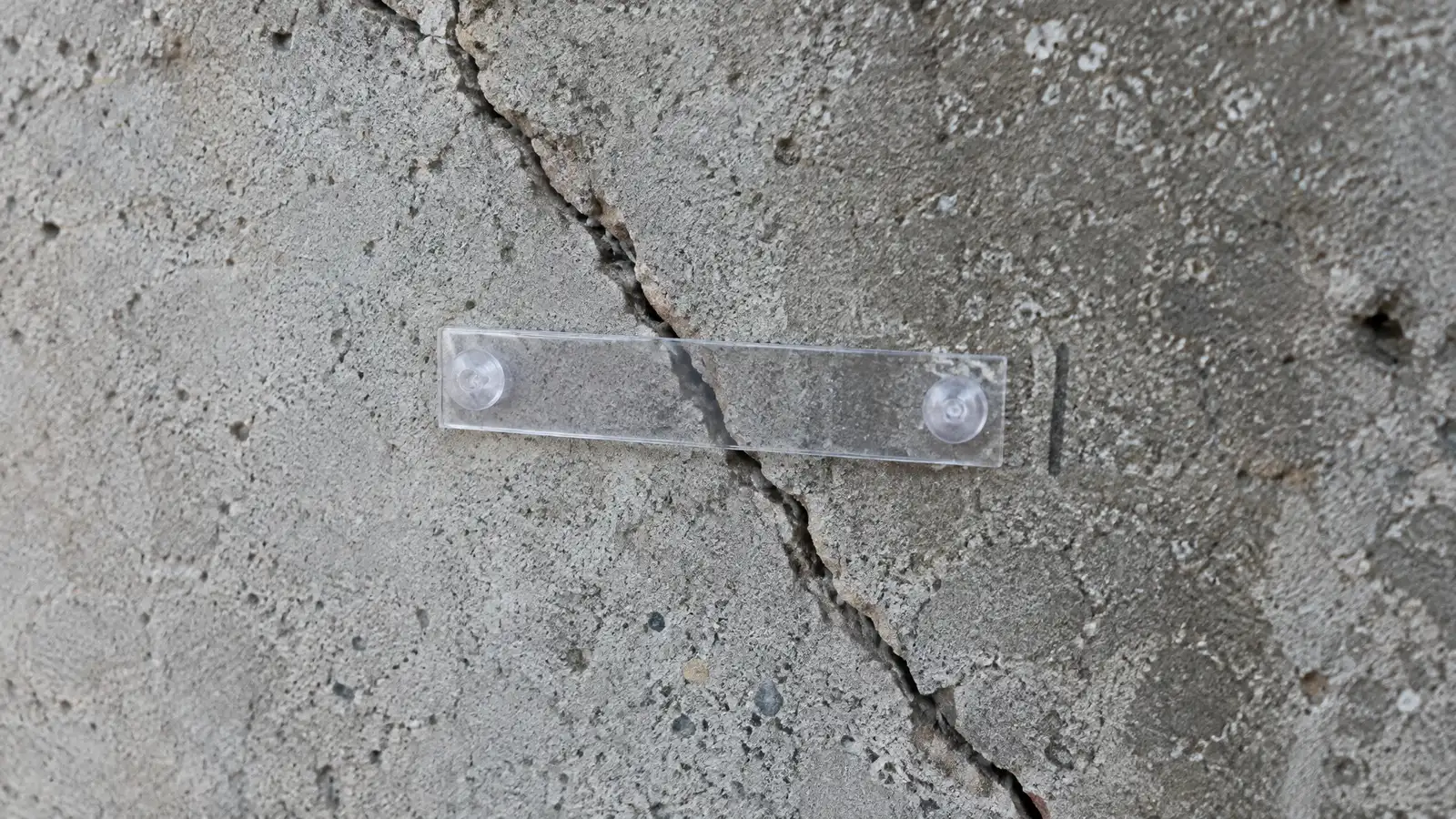 Foundation Crack EvaluationA specialist reads the width, direction and pattern of your cracks to tell harmless shrinkage from movement that…Explore
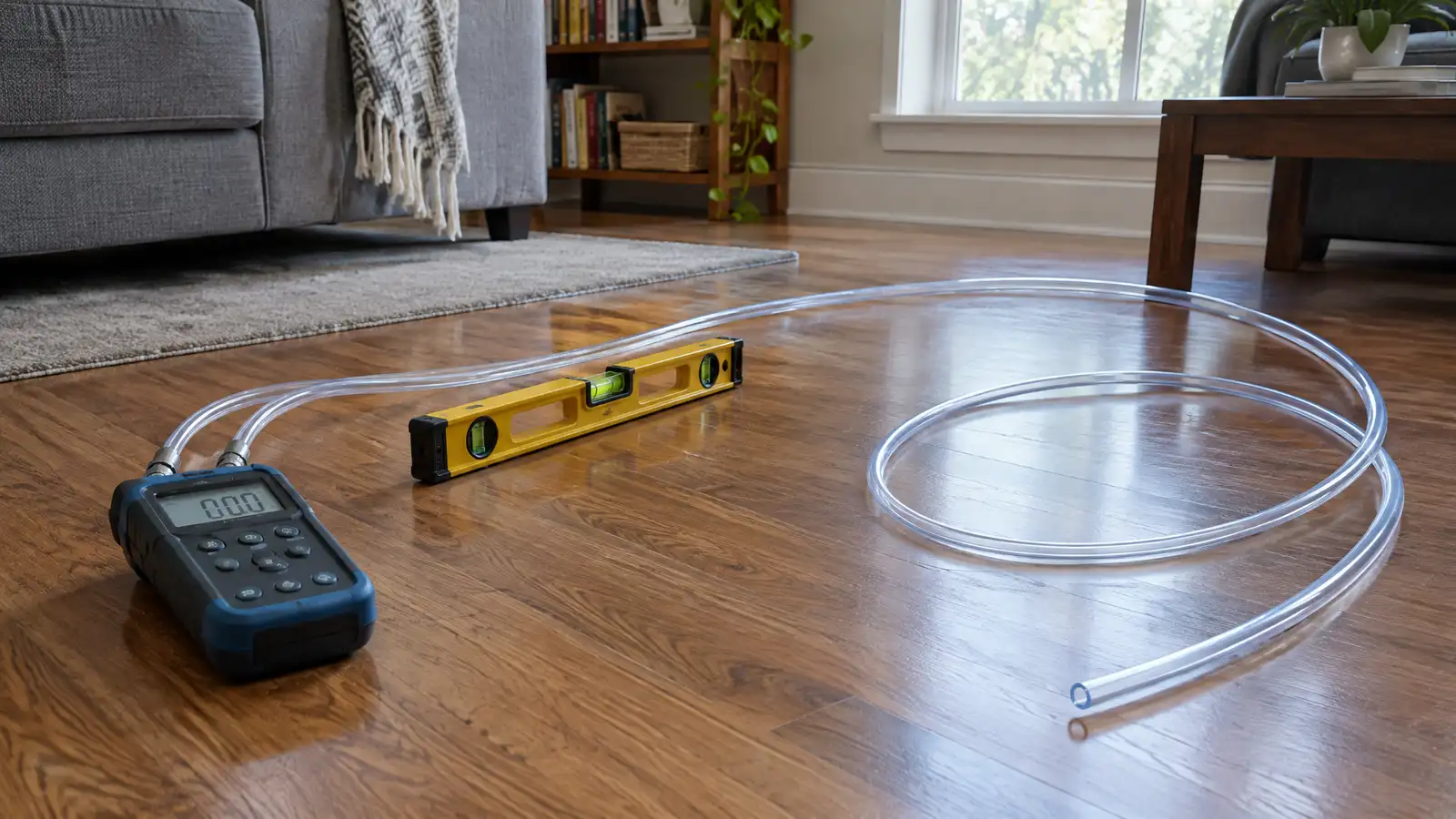 Floor Level and Elevation SurveysPrecise floor readings that map high and low spots across a house, so movement can be seen, tracked…Explore
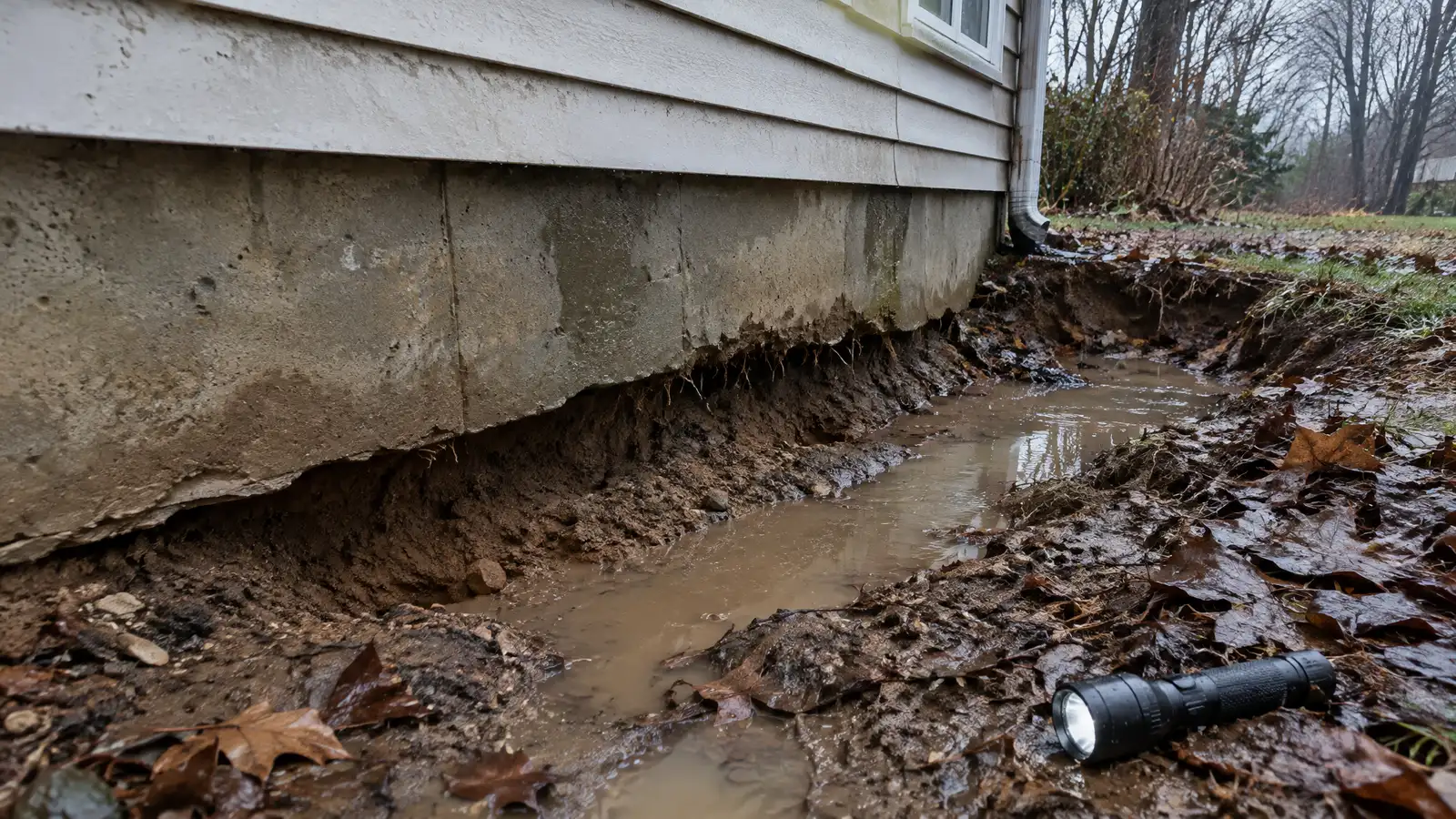 Post-Storm and Flood Foundation AssessmentsA prompt look at foundations, crawl spaces and basements after heavy rain, flooding or storms to catch damage…Explore
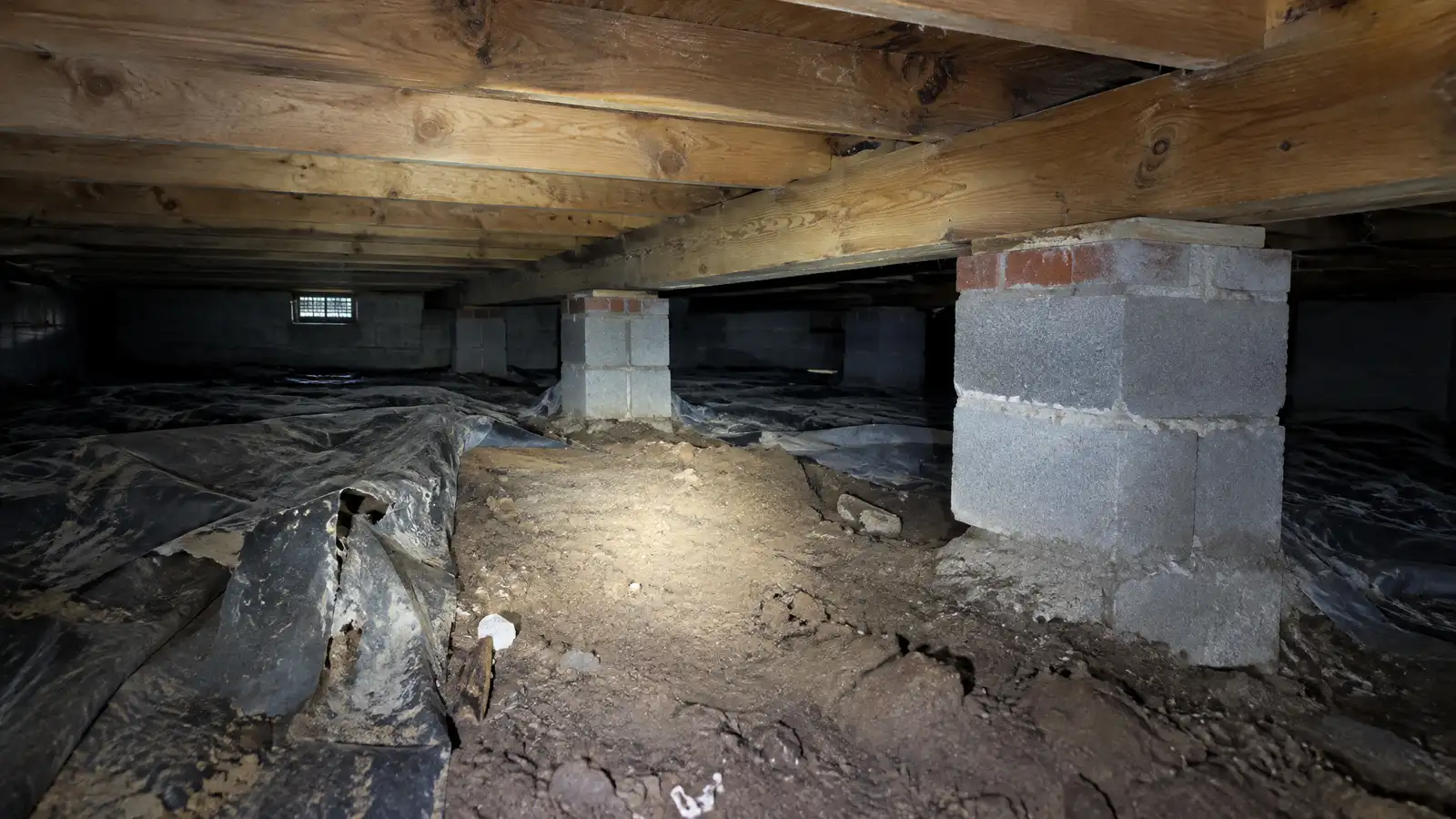 Crawl Space InspectionsA look under the house at moisture, supports, vapor barriers, insulation and pests, with photos of what is…Explore
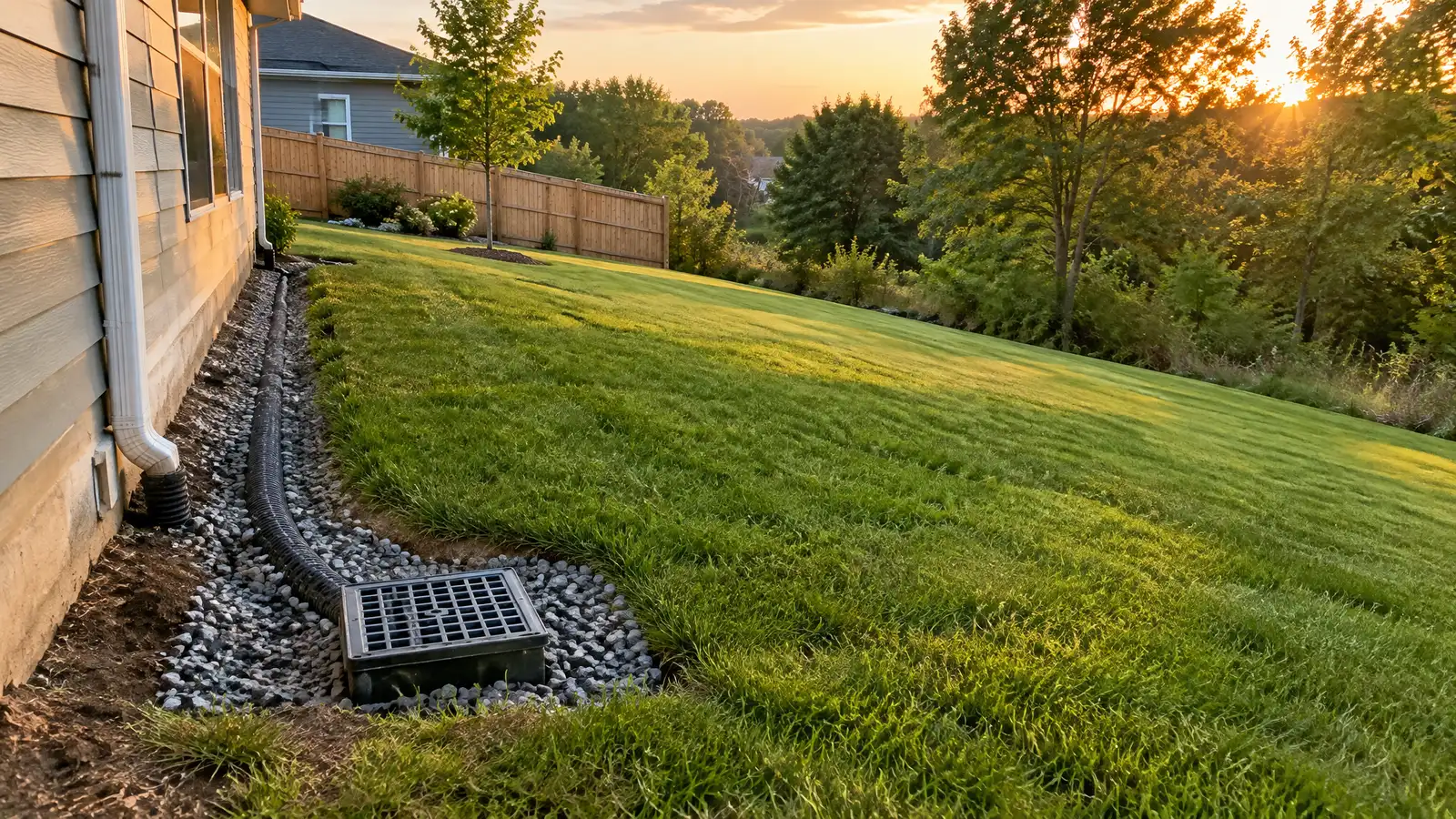 Yard Drainage SolutionsA plan to move rain and runoff away from your house and across your lot, using drains, grading…Explore
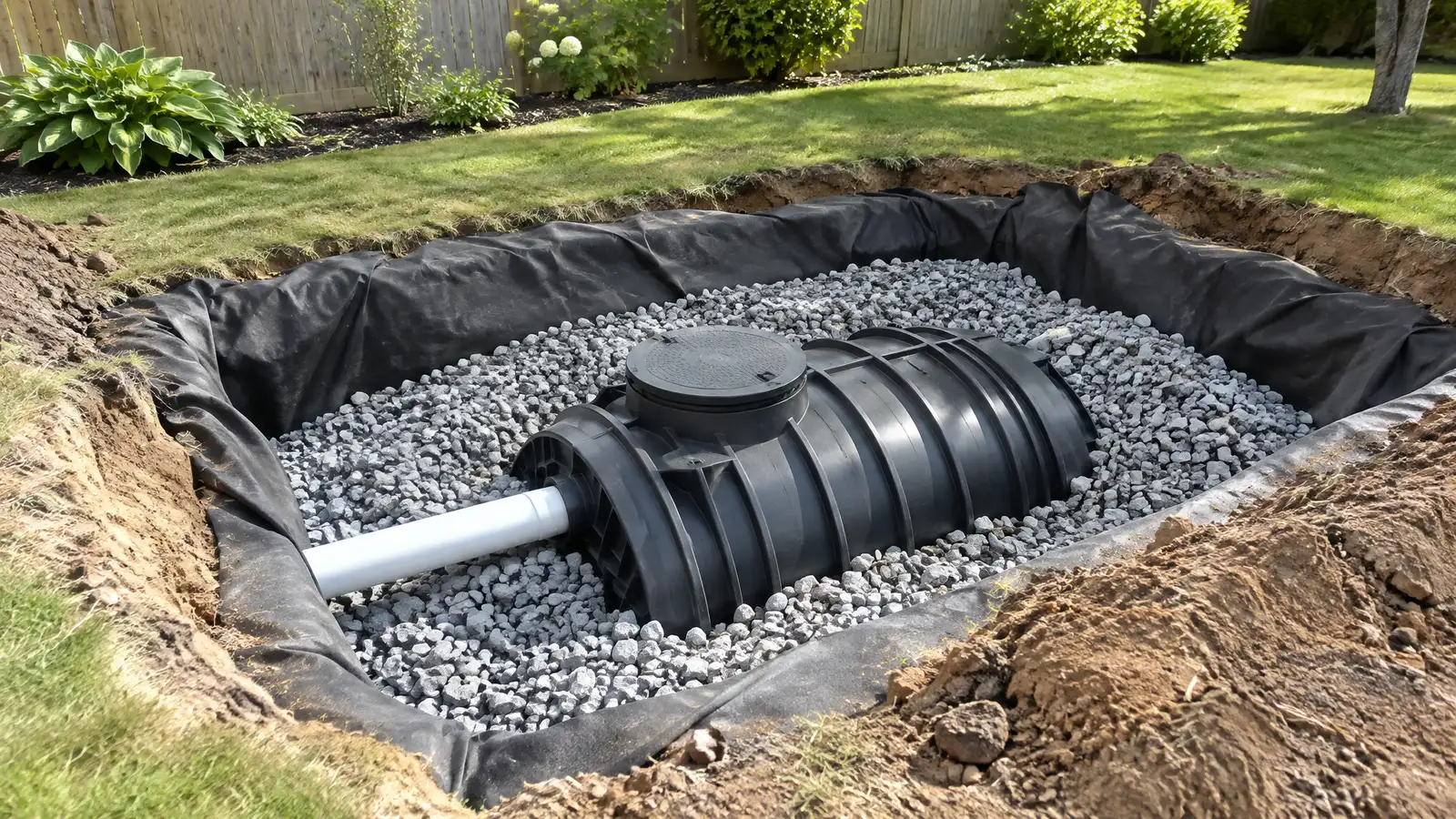 Dry Wells and Stormwater ManagementUnderground chambers and basins that hold roof and yard water and let it soak into the ground where…Explore
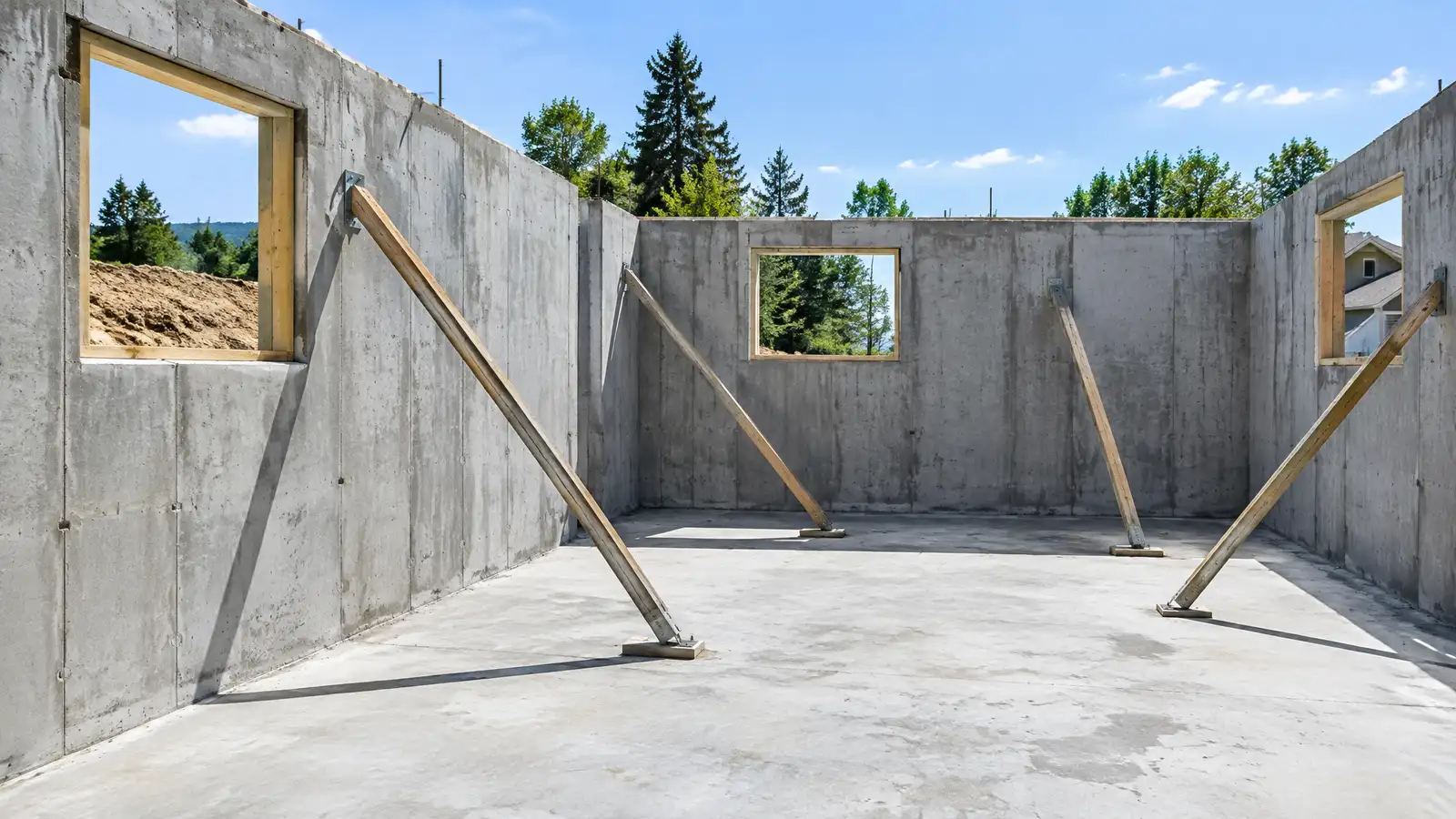 Basement FoundationsFull-height basement foundations with strong walls, footing drains, waterproofing and egress that make a dry, usable lower level.Explore
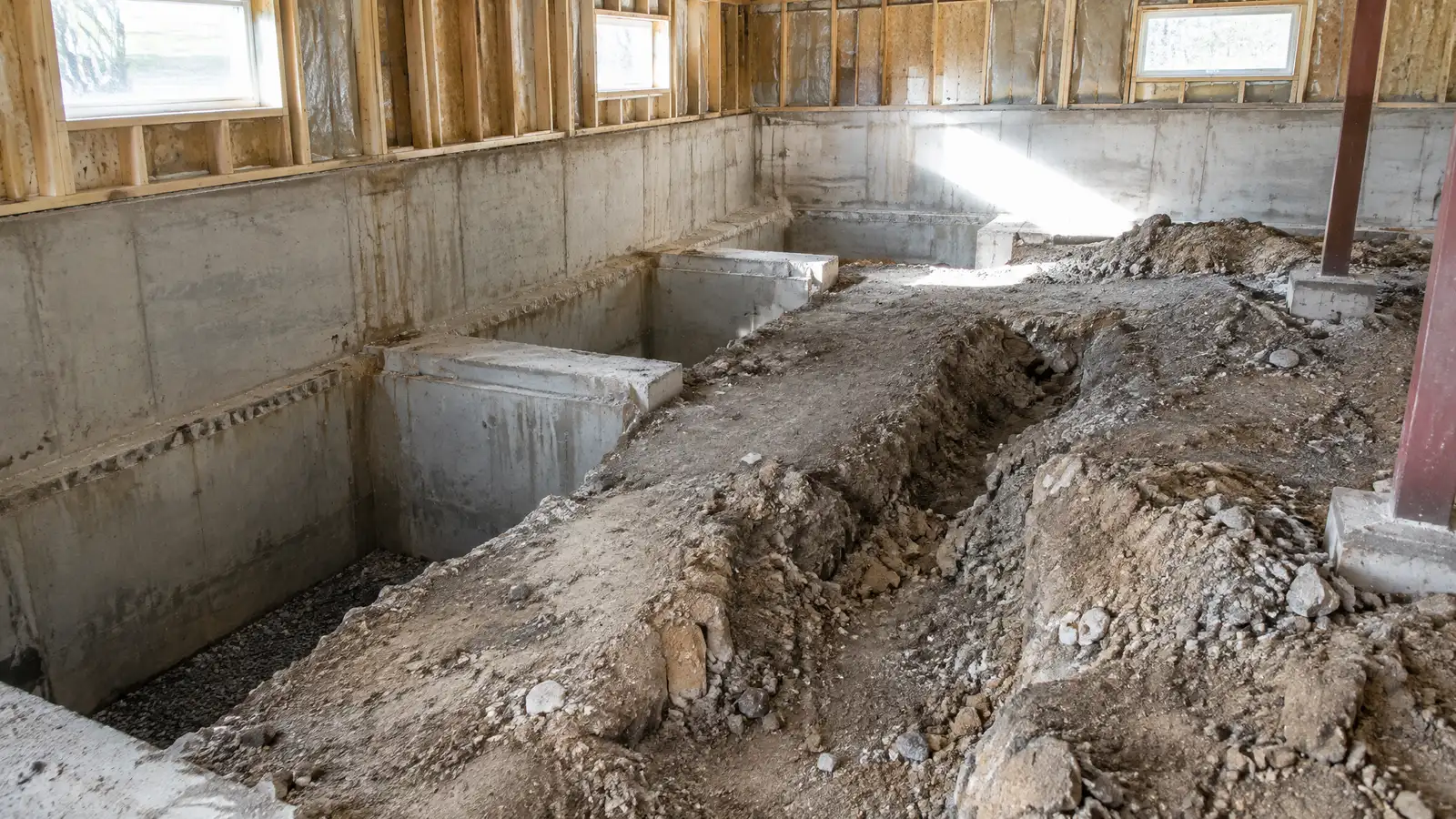 Basement Lowering and UnderpinningDigging down to gain headroom in a low basement or crawl space, underpinning the walls so they stay…Explore
Check a warning sign, size a job or ballpark a budget.
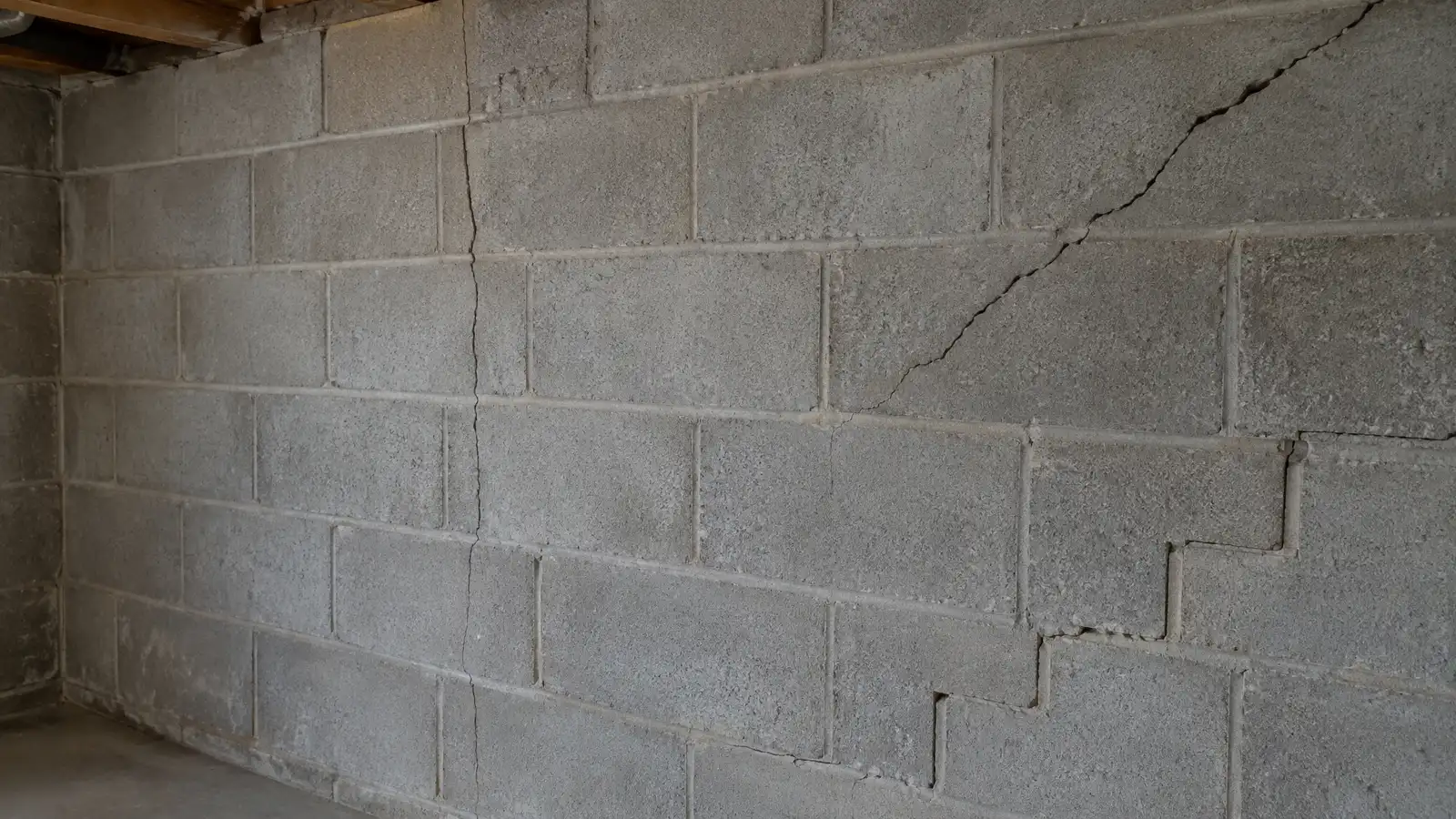 Foundation Problem Checker: What Is Wrong?Pick what you see in your walls, floors, basement, crawl space or concrete to get likely causes, what to try first and the service page that fits.Try it
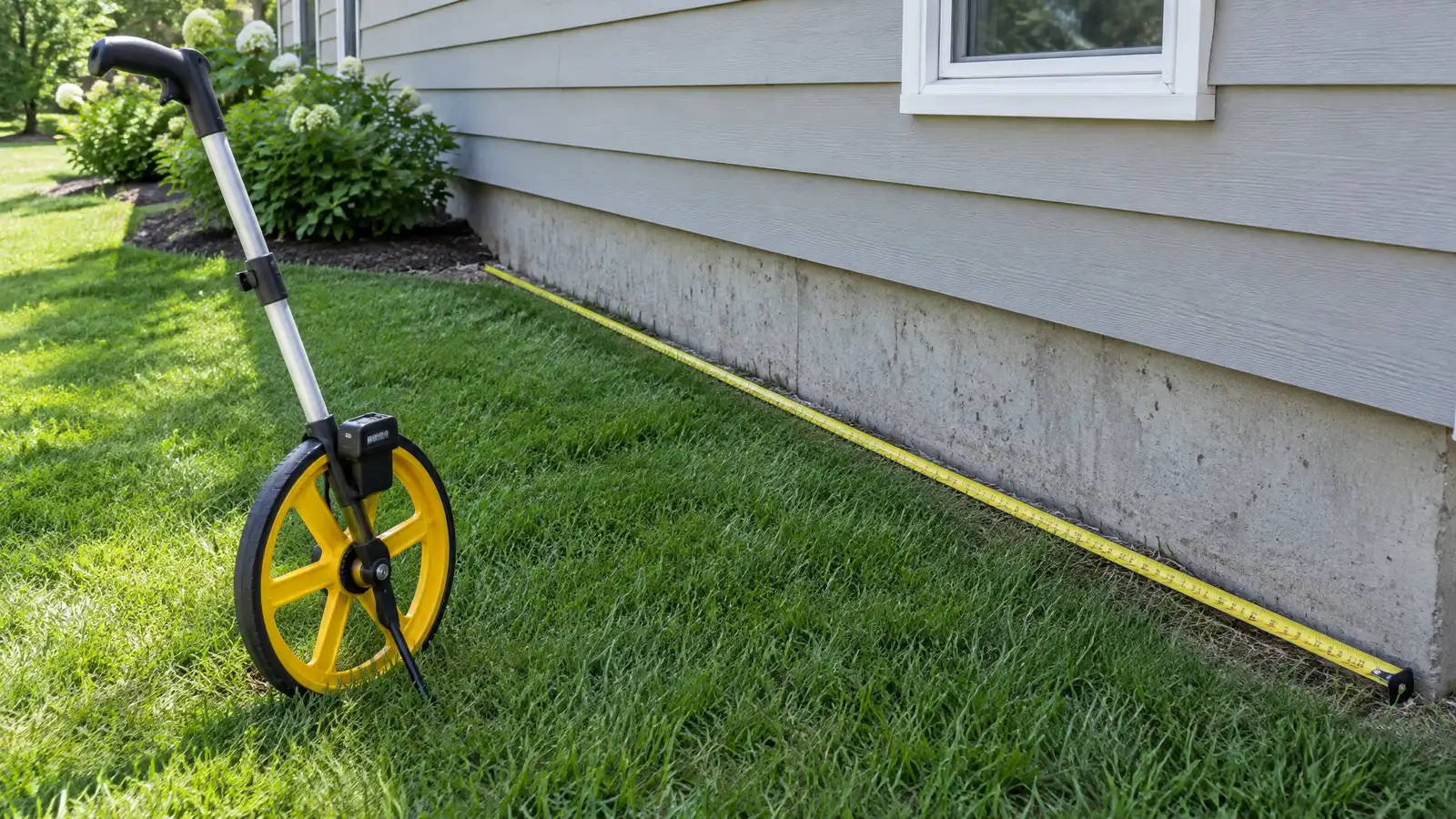 Foundation Job Size CalculatorEnter your measurements to see piers, crack length, drain footage, crawl space liner area and slab area to plan for.Try it
 Foundation Repair Budget PlannerPick a foundation, waterproofing, drainage or concrete job, set the quantity and add extras to see a ballpark planning range. Placeholder values only.Try it
Clay is common, and rock, silt and fill also appear. Your lot can differ from your neighbor's.
Karst areas are widespread, and most properties never see one. New dips deserve a quick look.
Steady moisture, good drainage and well designed footings help.
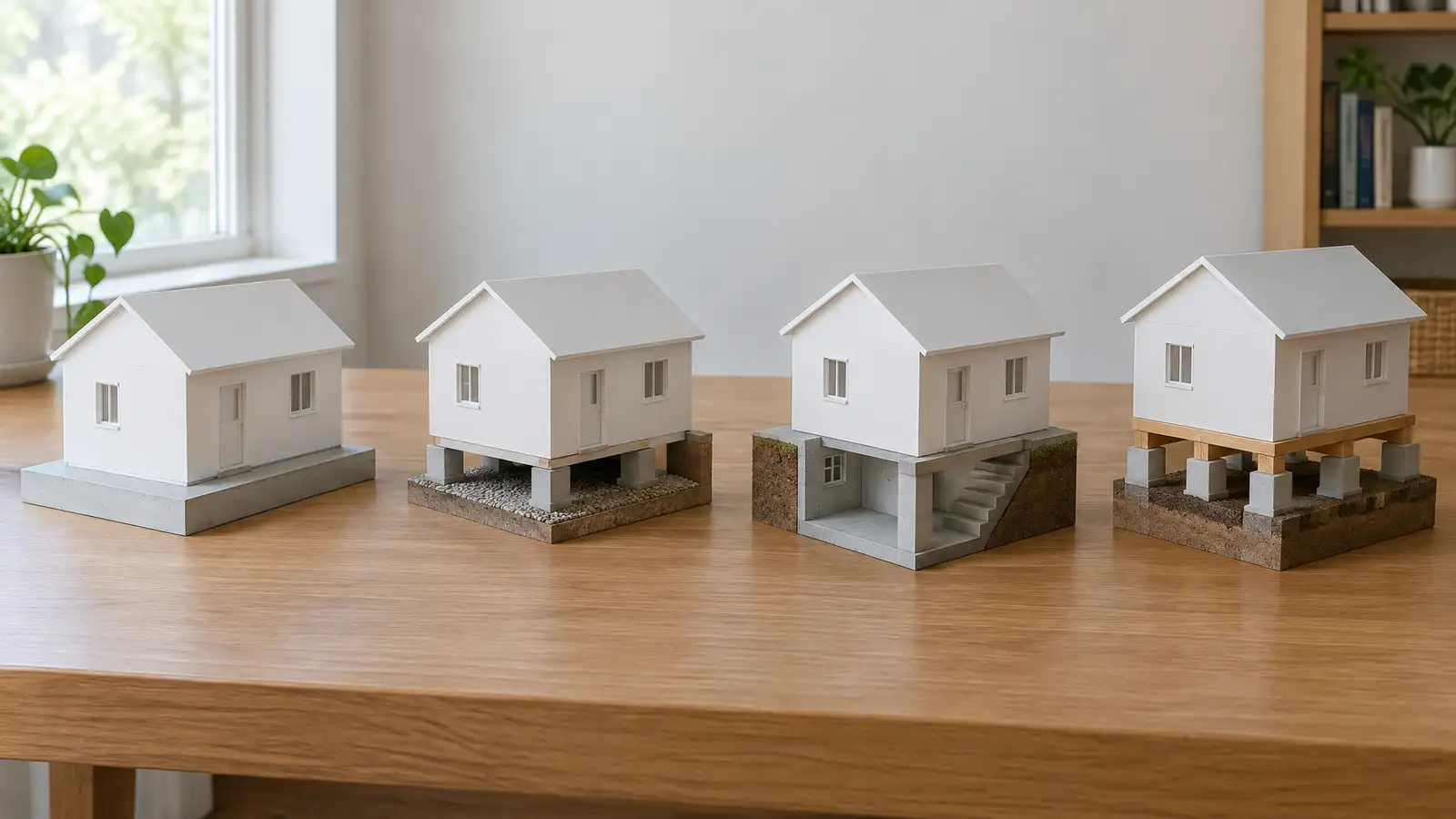 Comparison guideFoundation TypesHow slab-on-grade, crawl space, basement and pier and beam foundations differ in cost drivers, moisture, access, repair and…Learn more
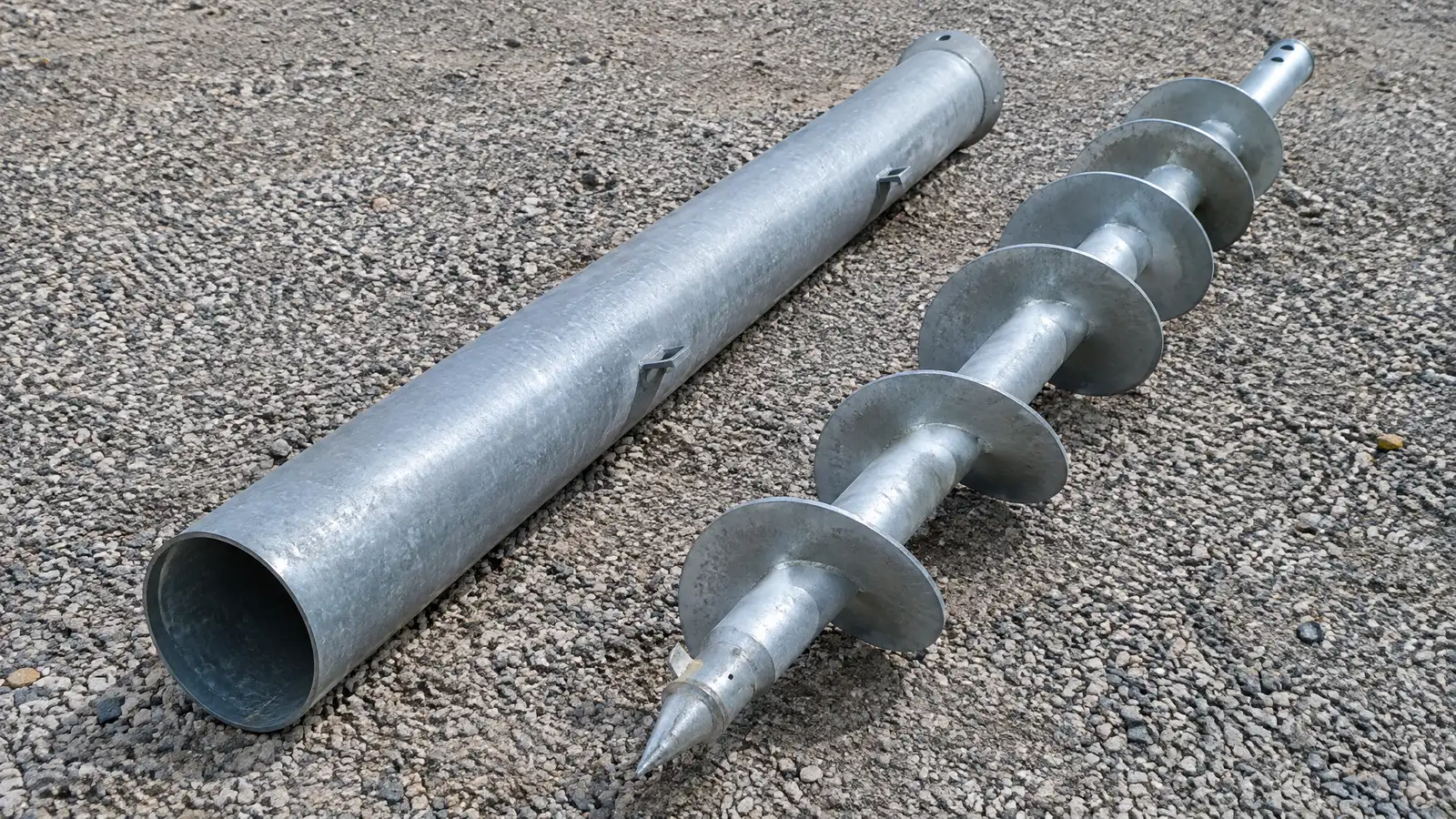 Comparison guidePush vs Helical PiersHow steel push piers and screw-in helical piers differ in how they are installed, what loads they suit…Learn more
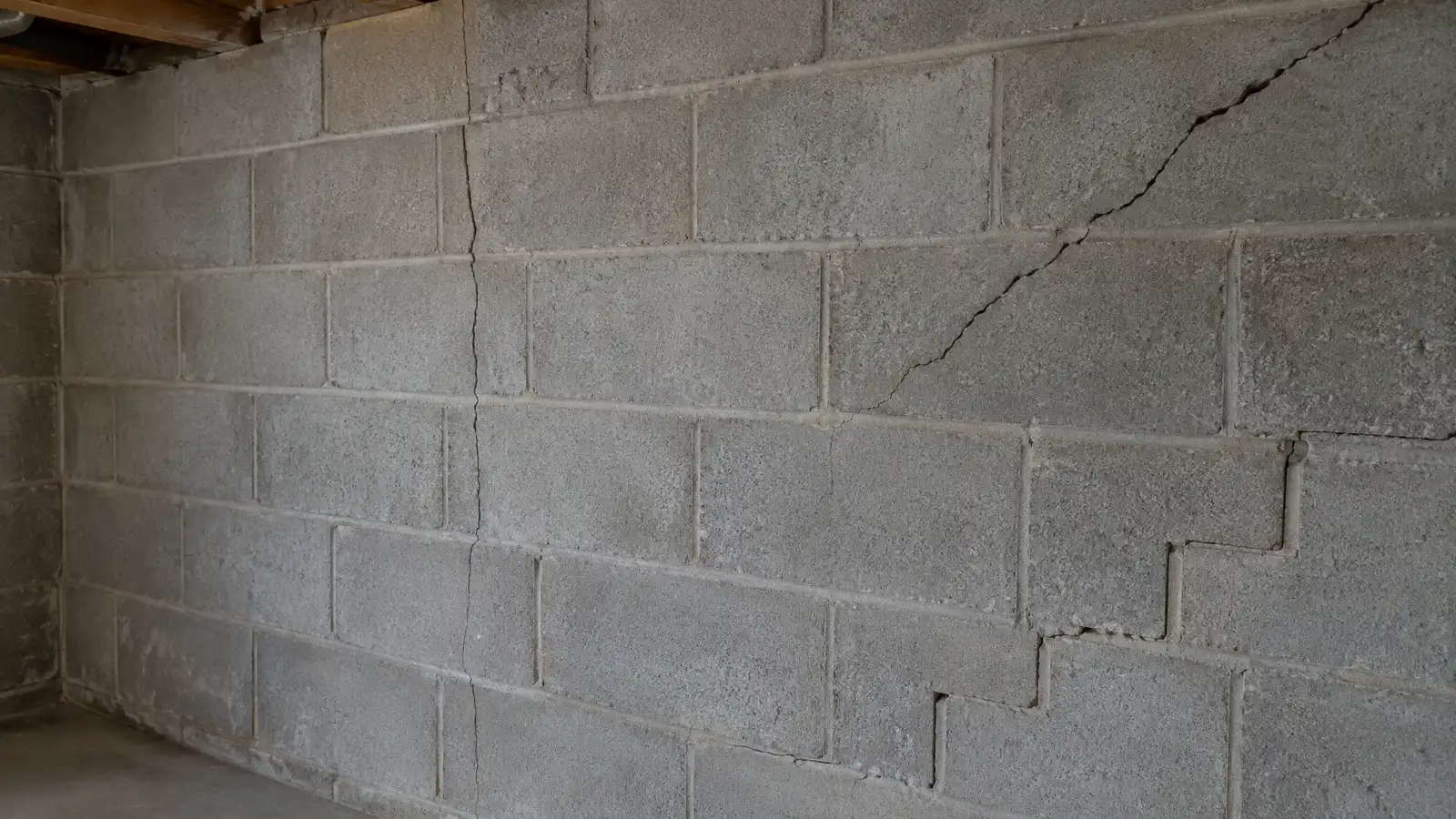 Comparison guideCrack TypesHow hairline, vertical, diagonal, stair-step and horizontal cracks differ in what they usually mean and what to do…Learn more
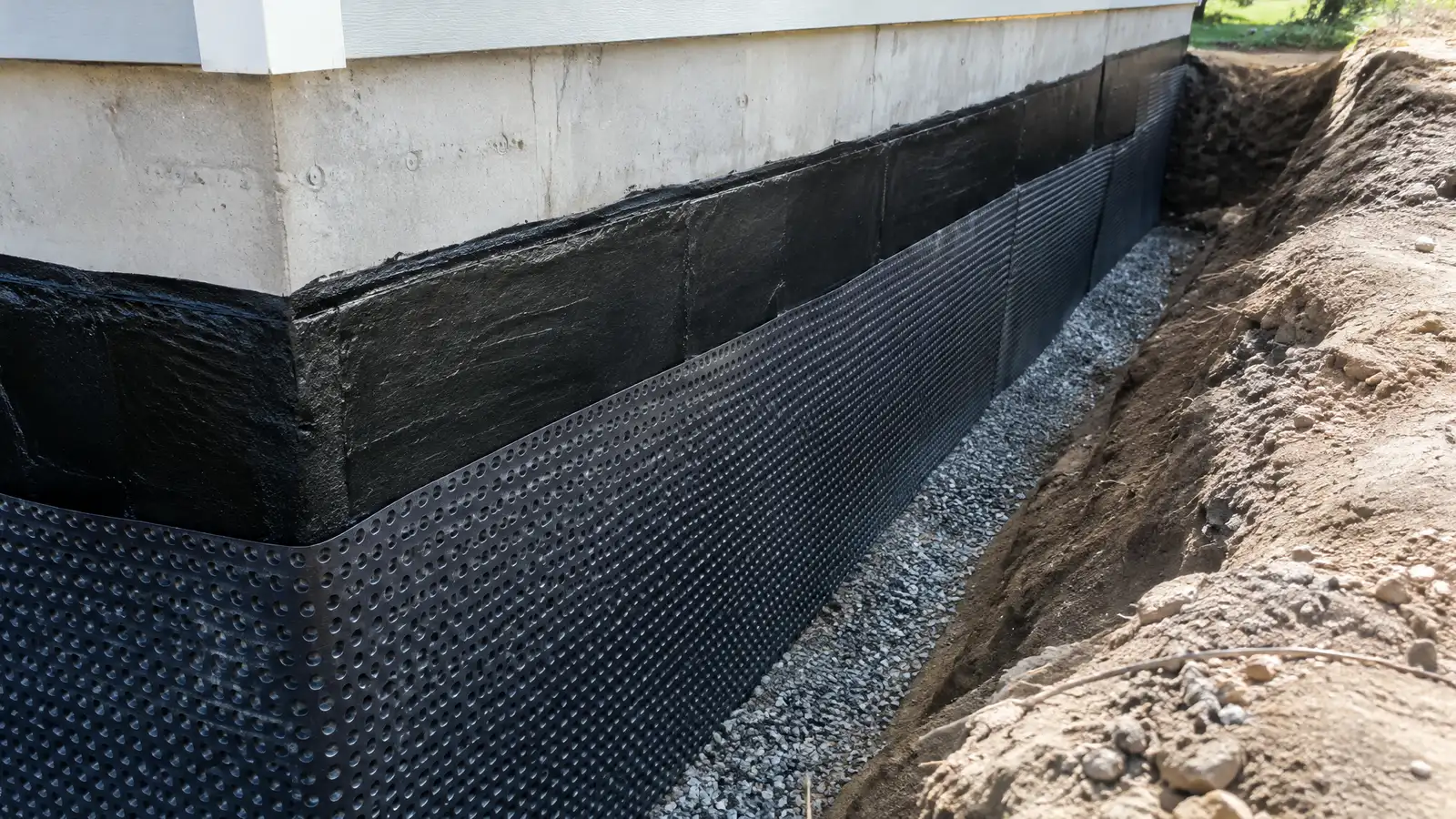 Comparison guideInterior vs Exterior WaterproofingHow interior drains and sump systems differ from exterior excavation and membranes in how they work, access needs…Learn more
Call and describe what you see. A specialist will look at the cause, talk through the options and give you a clear written estimate.