Serving Nashville and Middle TennesseeFree Estimate
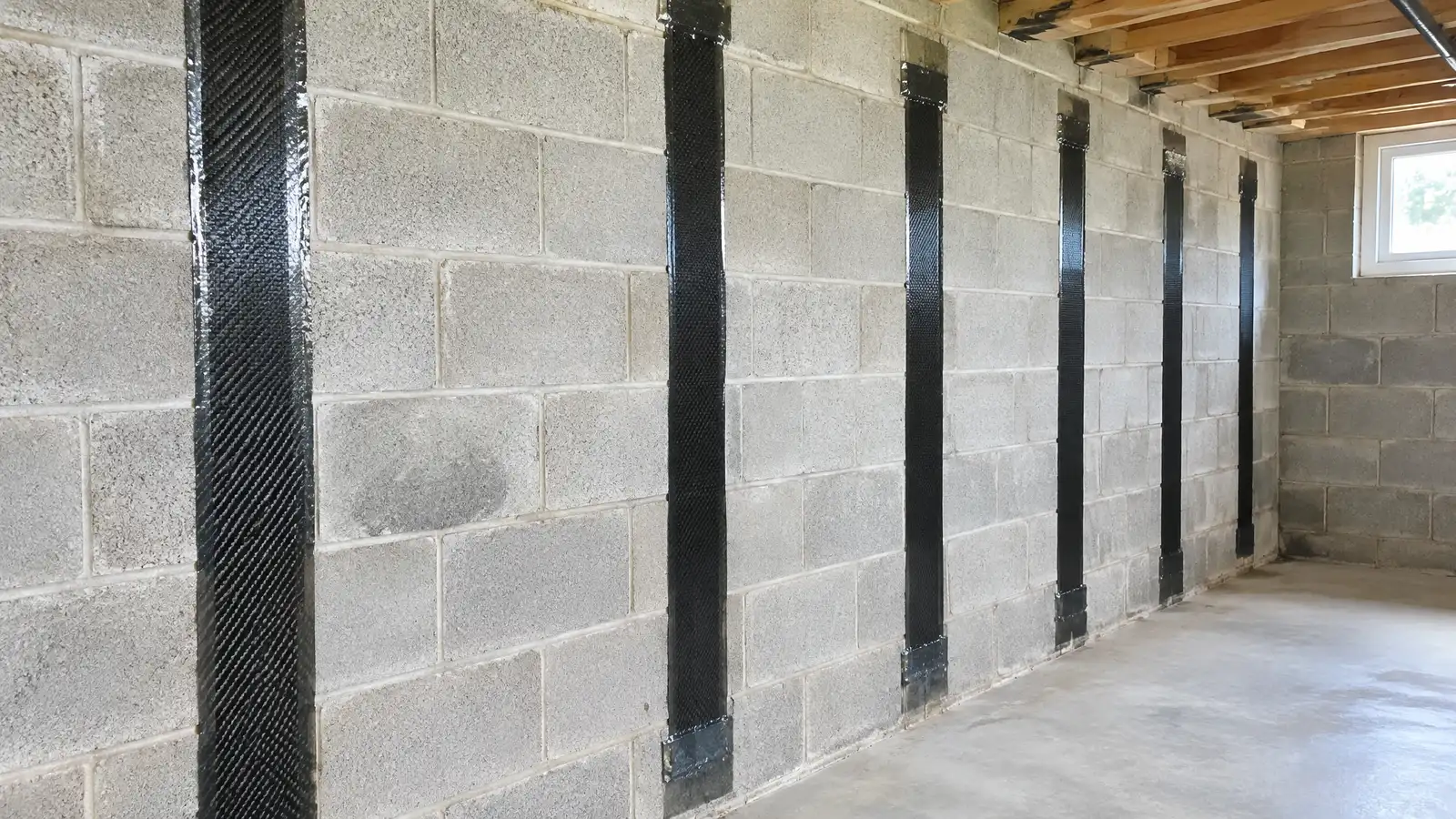
Thin, strong carbon fiber straps fixed to basement walls to stop slight bowing and reinforce cracked block or concrete.
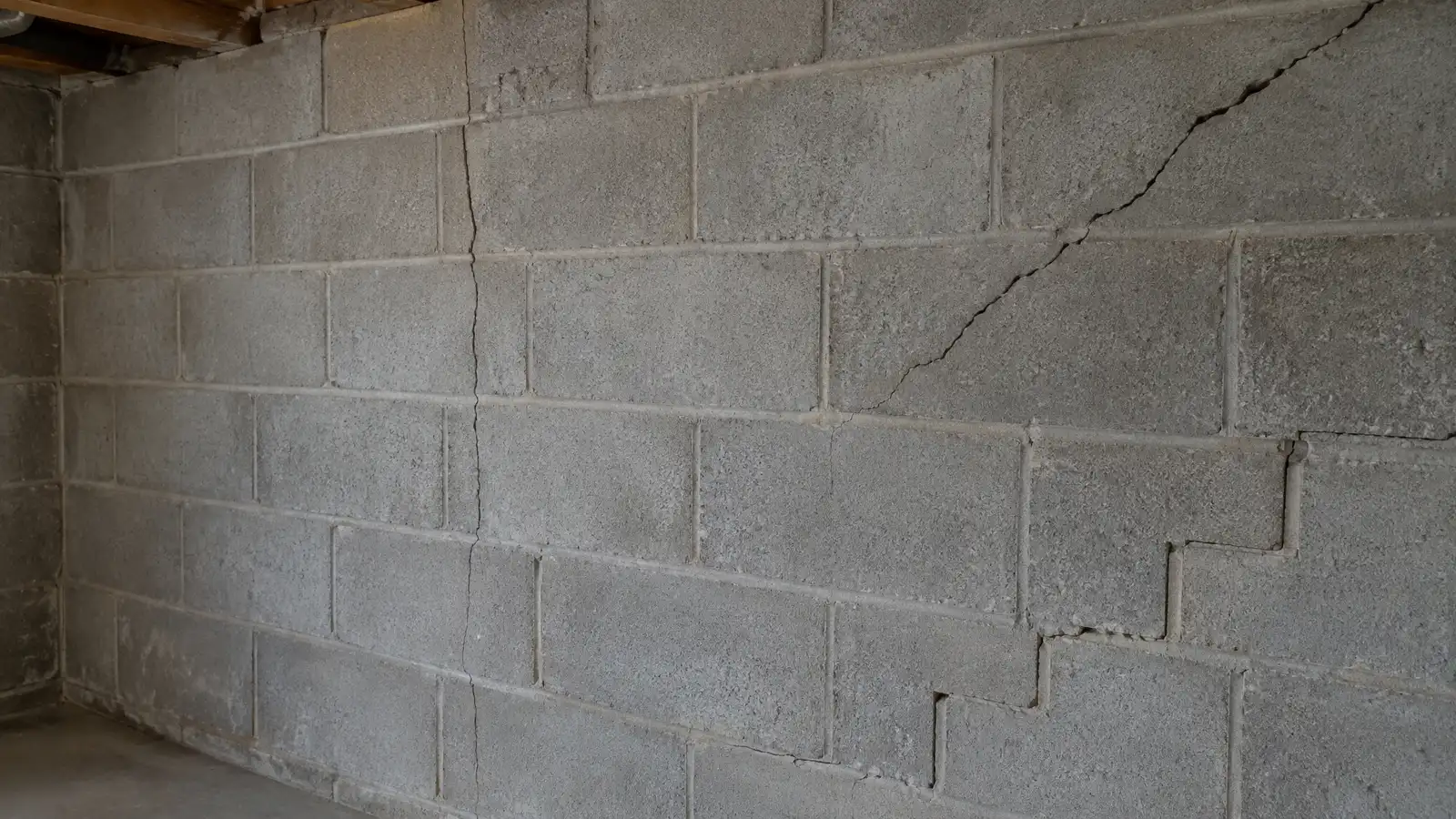
Carbon fiber straps look almost too thin to matter, yet they carry a great deal of tension. Fixed to a basement wall with epoxy, they resist the sideways pressure that makes walls bow or crack. They are often chosen for walls that have moved only a little and for owners who want a clean, low-profile fix in a finished space. Nashville basements with block walls are common candidates.
Your specialist prepares the surface, repairs cracks, applies epoxy and sets the straps vertically at planned spacing, with anchors at the top and bottom where the design calls for them. The straps do not pull the wall back, but they hold it where it is and help prevent more movement. Drainage and grading improvements usually accompany the work, since reducing pressure outside helps any wall.
Carbon fiber carries tension very efficiently, adding strength without bulk or heavy equipment.
Straps sit flat on the wall and can be painted or covered, which helps in finished basements.
They stop further bending but do not usually straighten a wall, so they suit walls with small movement.
Pressure outside keeps pushing, so drainage and grading changes are part of a lasting repair.
Drag the handle to compare.
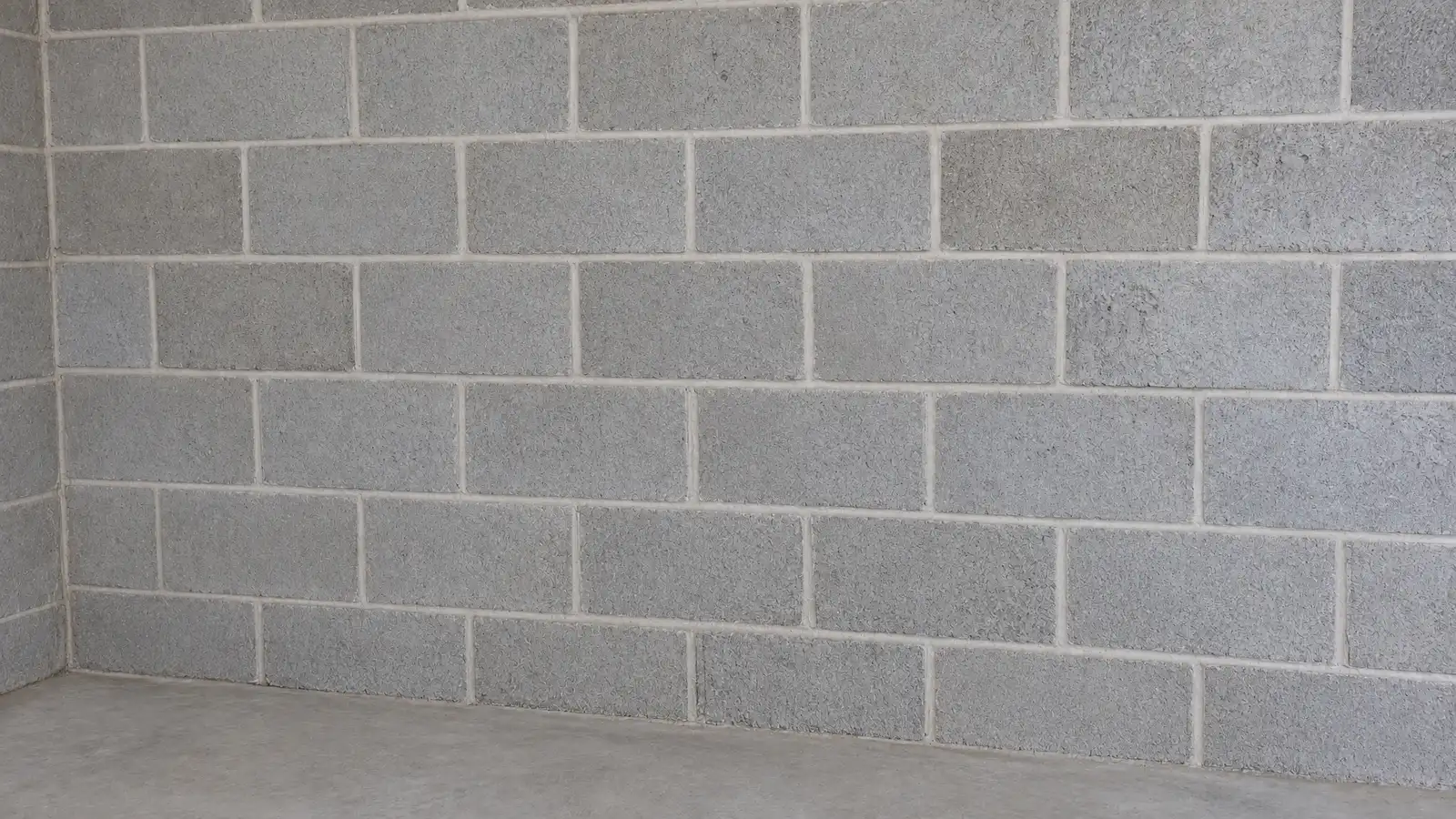
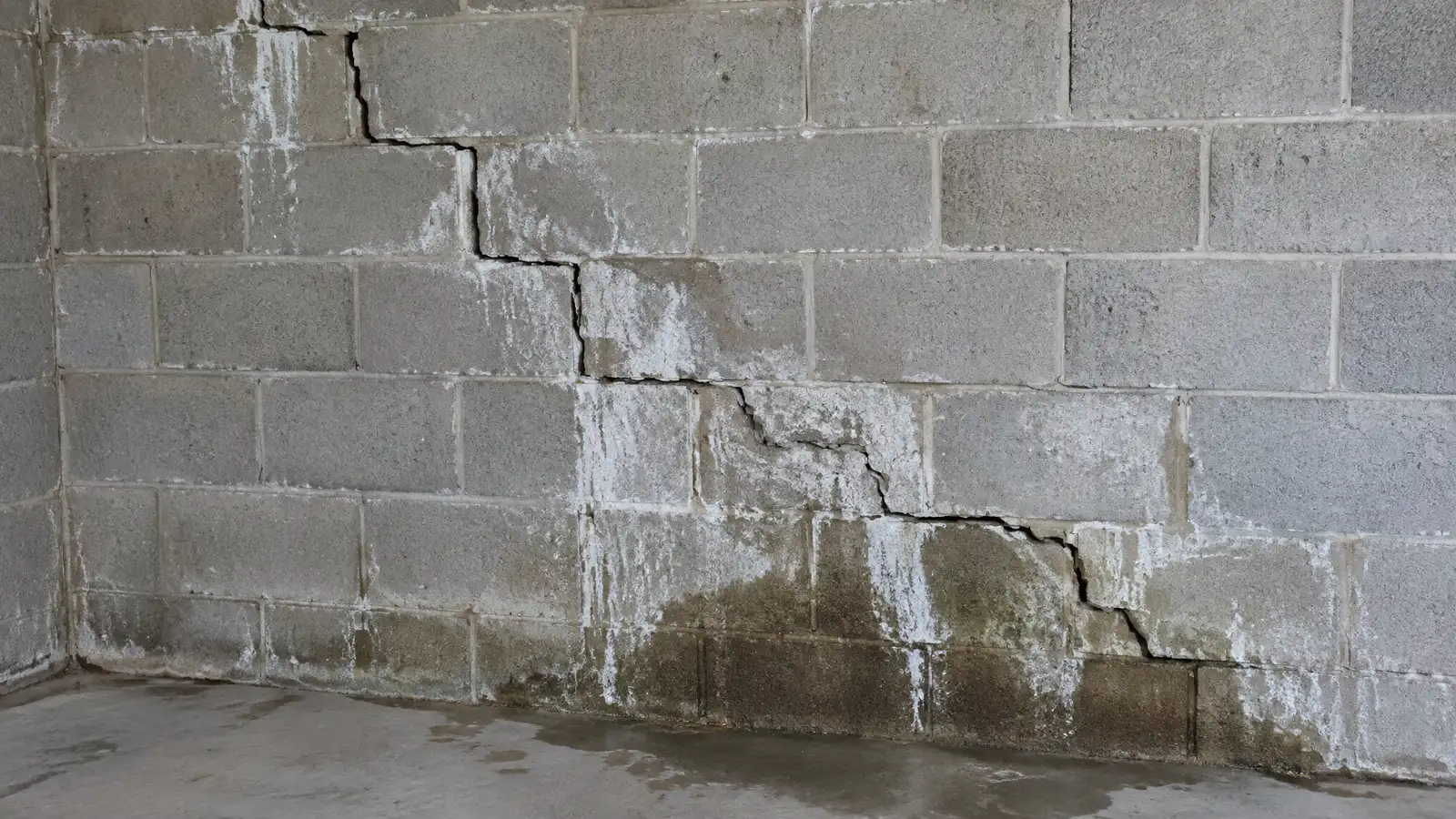 BeforeAfter
Movement measured.
Cleaned, ground and repaired.
Fixed to the wall.
Placed at planned spacing.
Top and bottom secured.
Time given to cure.
Every topic has its own page with what to expect and how we approach it.
 ResourceRam JackA maker of steel pier systems and tools used for foundation repair and stabilization, with educational information about…Learn more ResourceSupportworksA maker of foundation repair, wall stabilization and waterproofing systems with homeowner education about common problems.Learn more ResourceFortressA maker of carbon fiber wall reinforcement and other wall stabilization products used to strengthen basement walls.Learn more
Pick a foundation, waterproofing, drainage or concrete job, set the quantity and add extras to see a ballpark planning range. Placeholder values only.
You tell us what you see and where the property is. One call sets up a visit that fits your day.
A specialist walks the inside and outside, checks cracks, floors, moisture and drainage and takes measurements and photos.
You receive a plain written scope with the cause, the method, the location of each repair and the schedule before anything begins.
Utility marking is requested where digging is needed, access is protected and materials and any engineering are lined up.
Supports, drains, sealing or lifting are completed in a clear order, with photos and checks along the way.
The site is cleaned up, the work is explained on a walk-through and care and monitoring tips are shared.
They work best for walls with small movement that need to be held, and where a clean low-profile fix is helpful.
Not usually. They stop more movement. Anchors or other systems may be used when you want to pull a wall back.
A drier wall is a happier wall, so drainage improvements are often added to reduce pressure.
Many walls can be done in a day, with epoxy needing time to cure.
Yes. They are thin and can be covered or painted once cured.
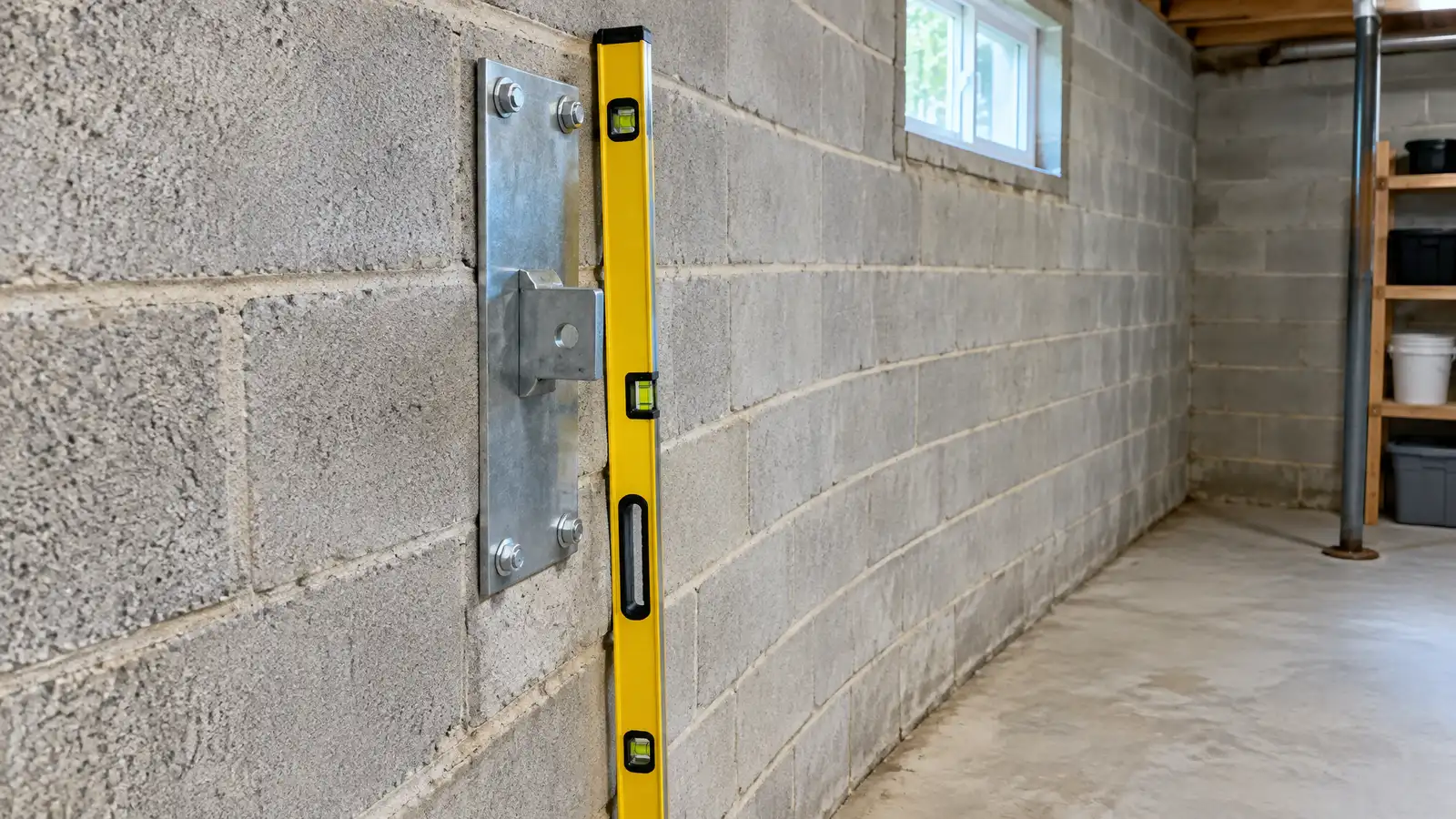 Bowing Basement Wall RepairStop and, where practical, straighten basement walls that bow or lean inward under pressure from wet soil.Explore
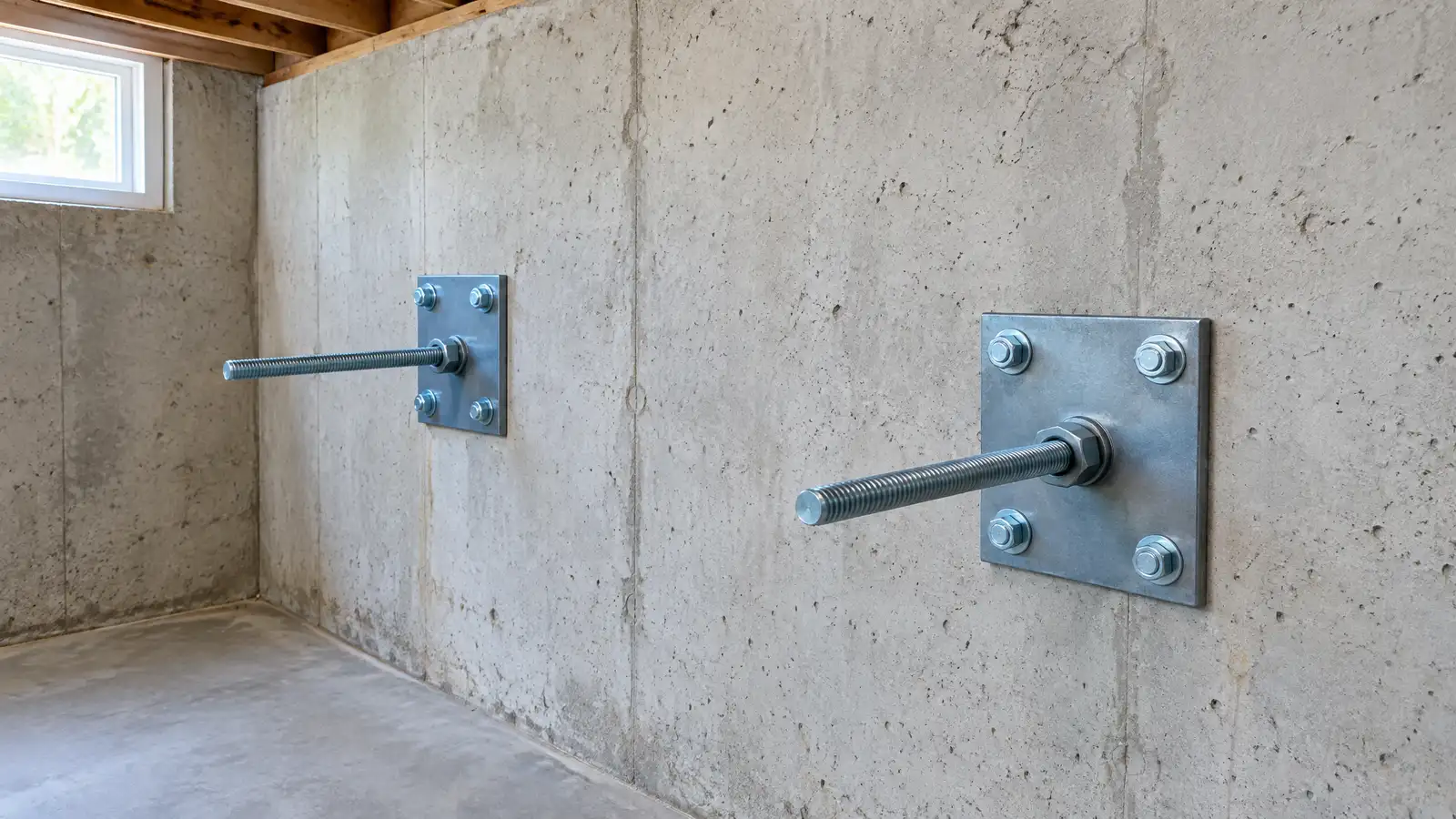 Wall Anchors and BracingSteel anchors and braces that hold basement and foundation walls steady, tied to stable soil or to the…Explore
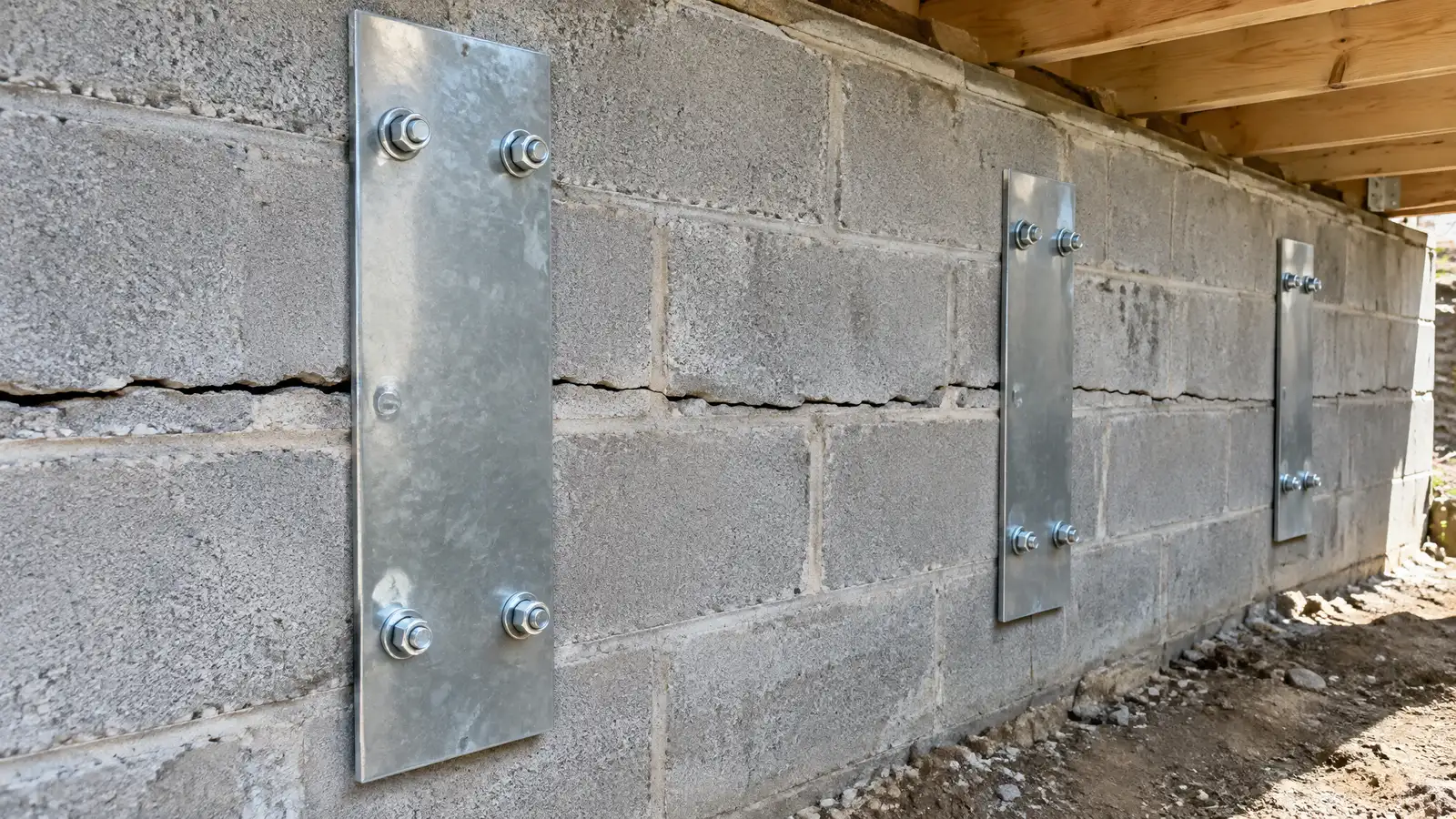 Block Foundation RepairRepairs for concrete block foundation walls with horizontal cracks, stair-step cracks, bowing or water seepage.Explore
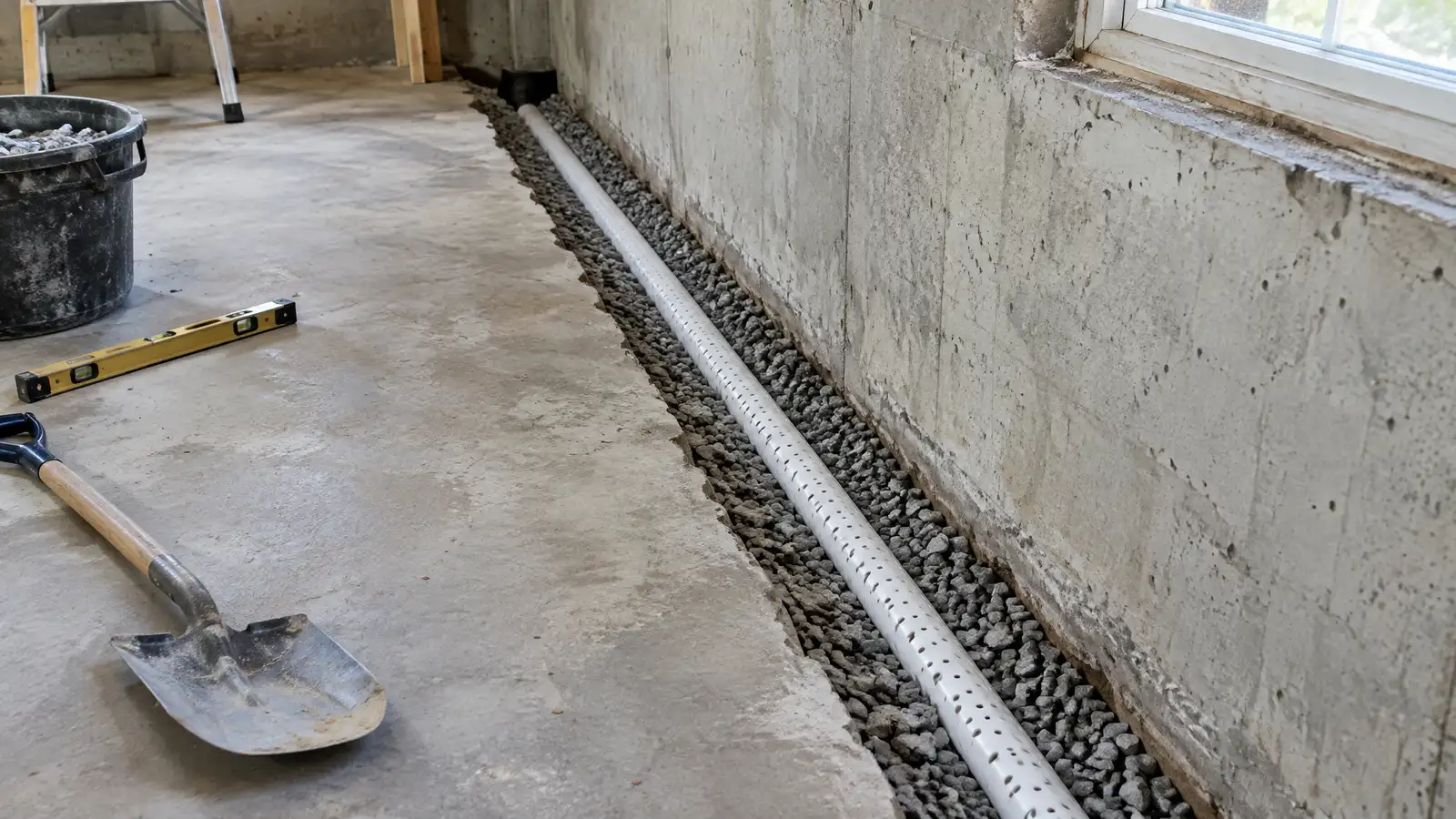 Interior Drainage SystemsPerimeter drains and sump systems inside a basement or crawl space that catch water and send it safely…Explore
Tell us about your property and one specialist will call you back to set up a visit.
Or call (615) 431-3789 to talk now.