
Spring
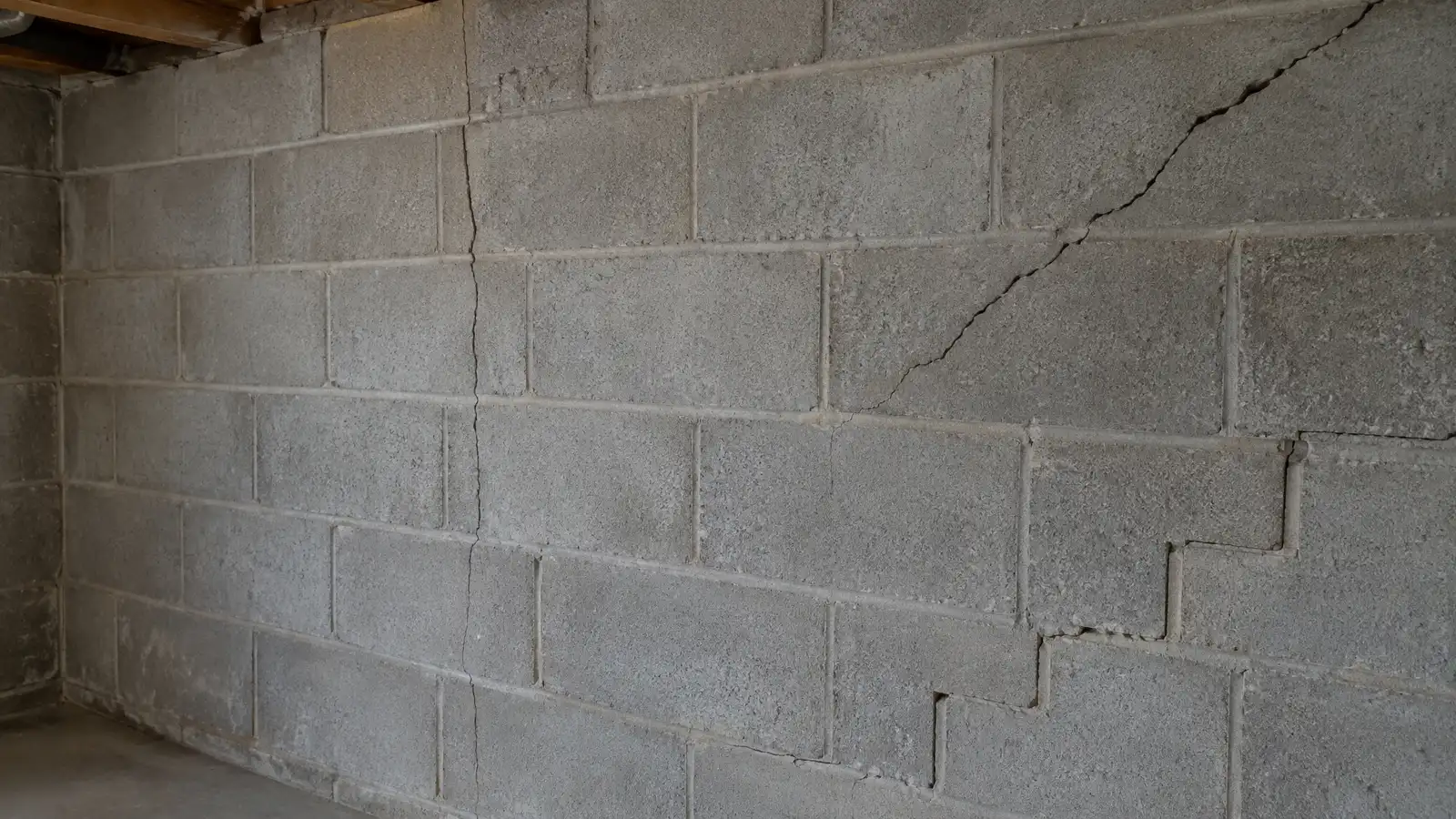
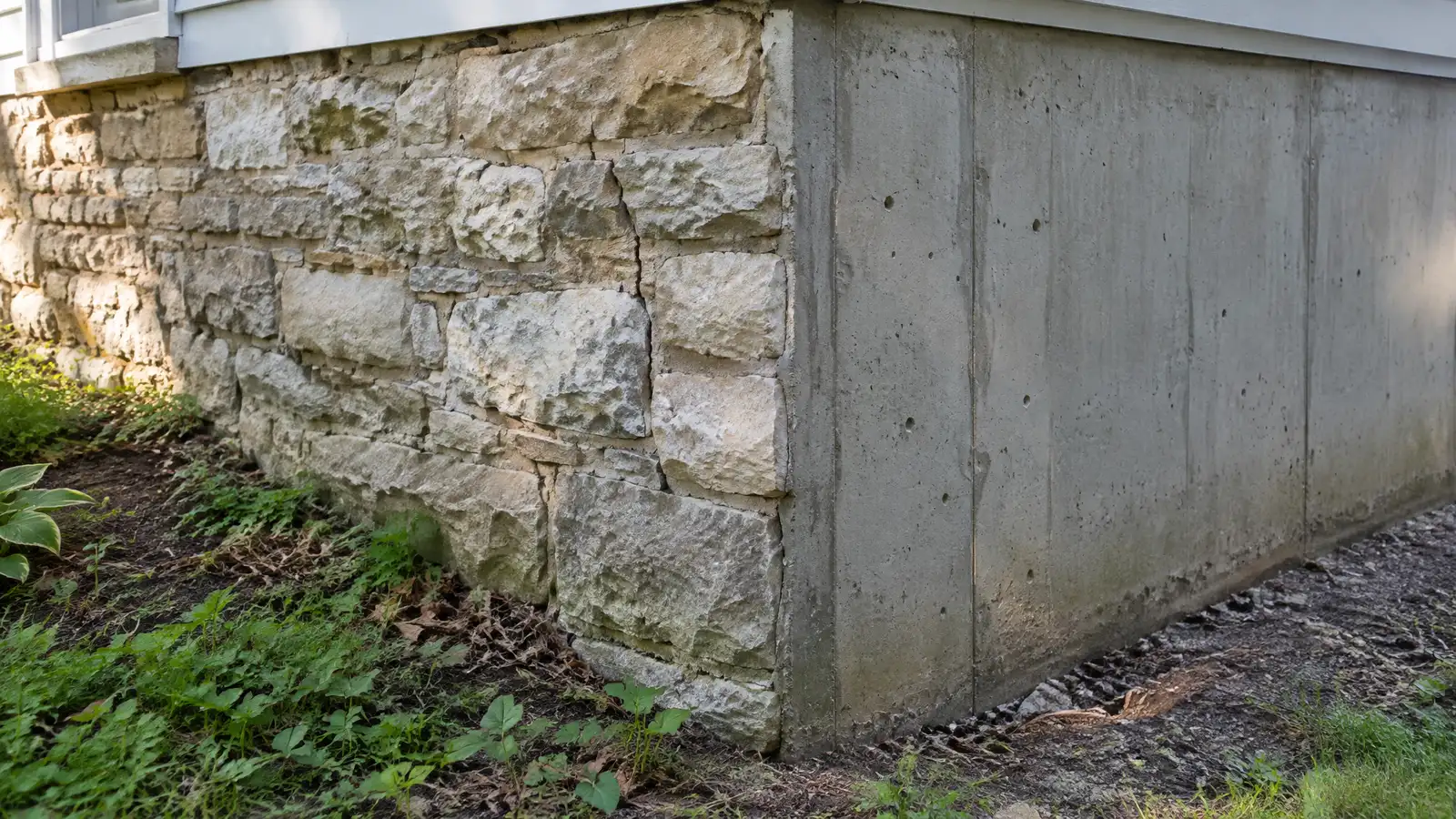
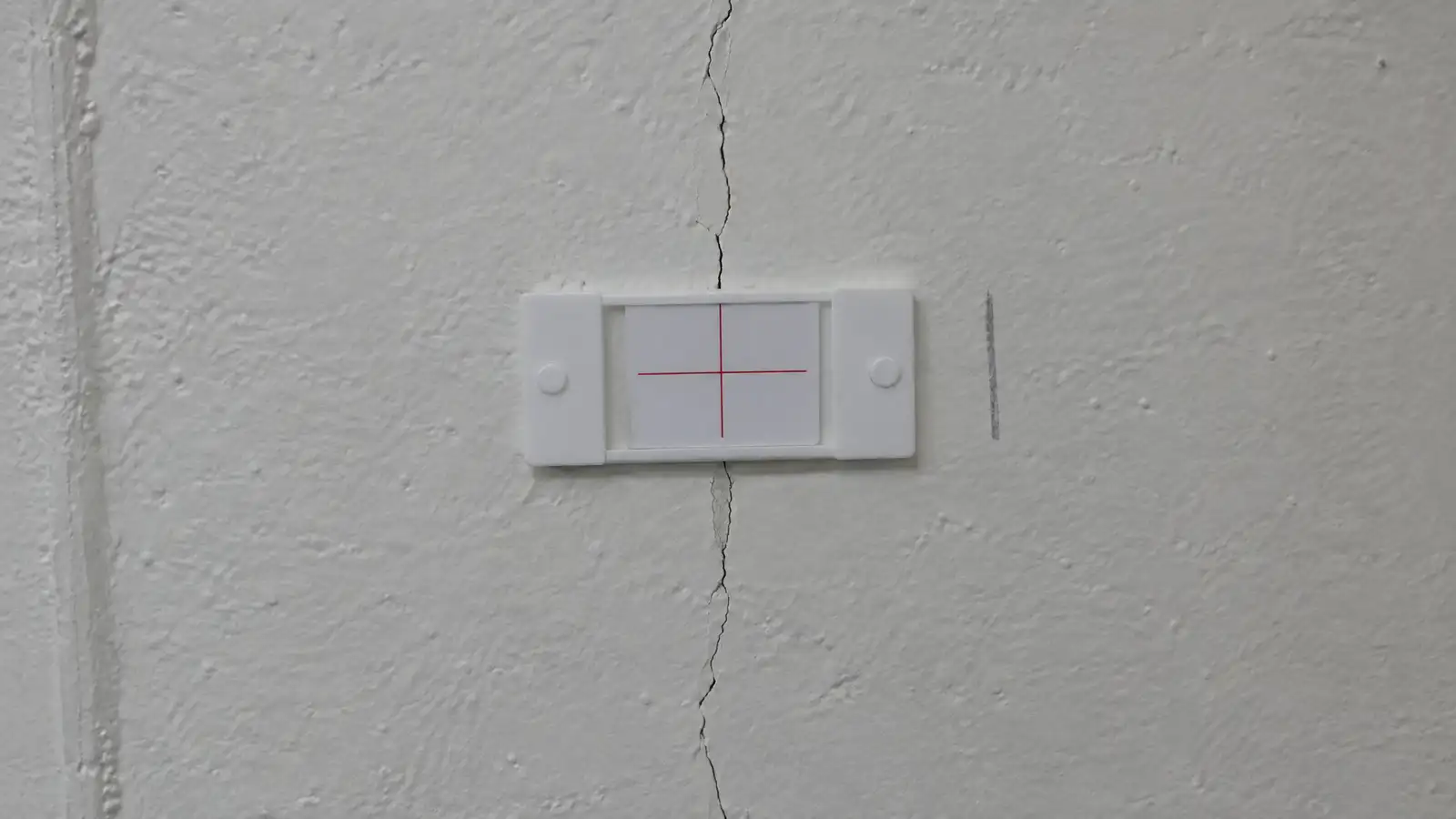
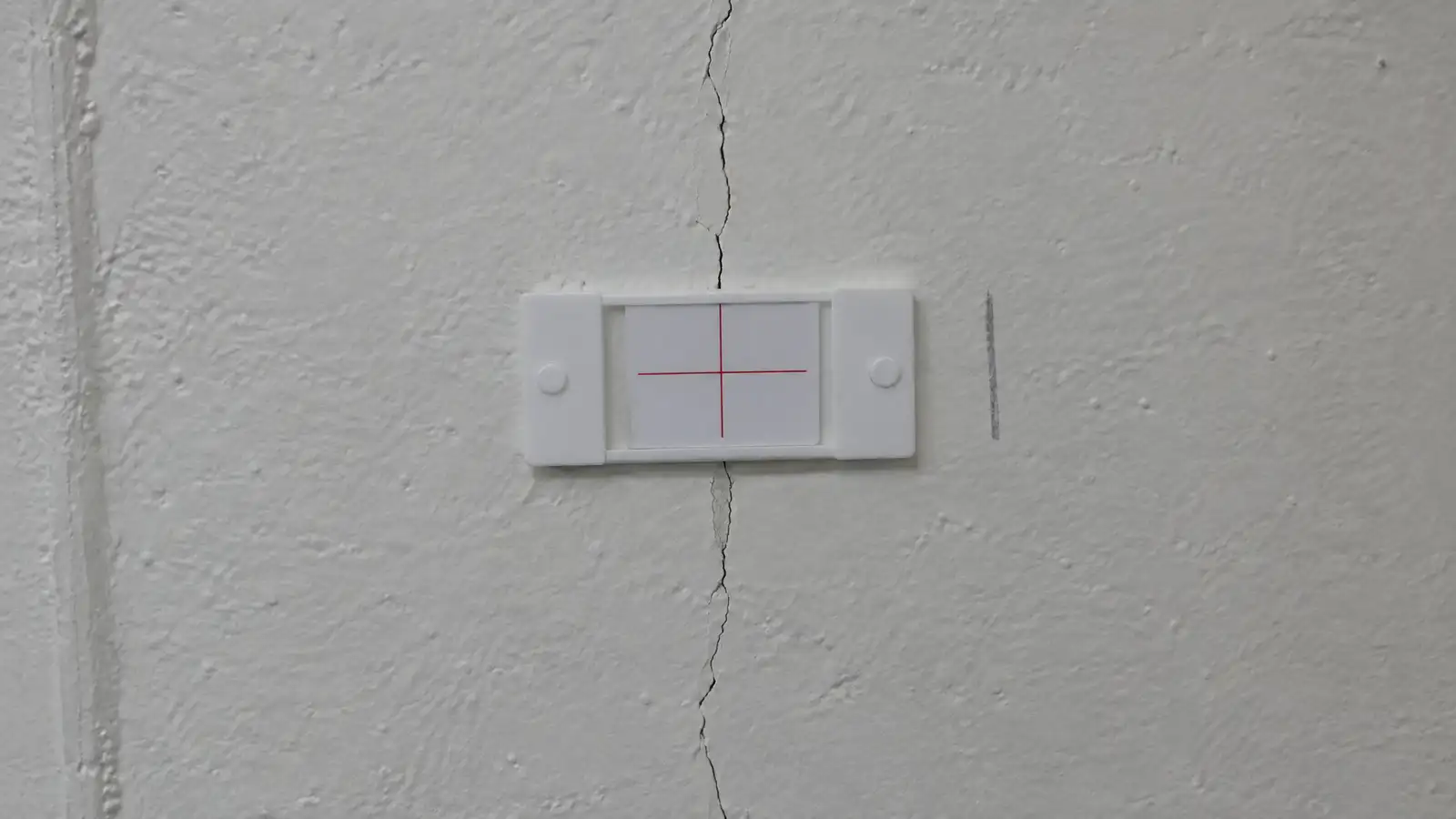
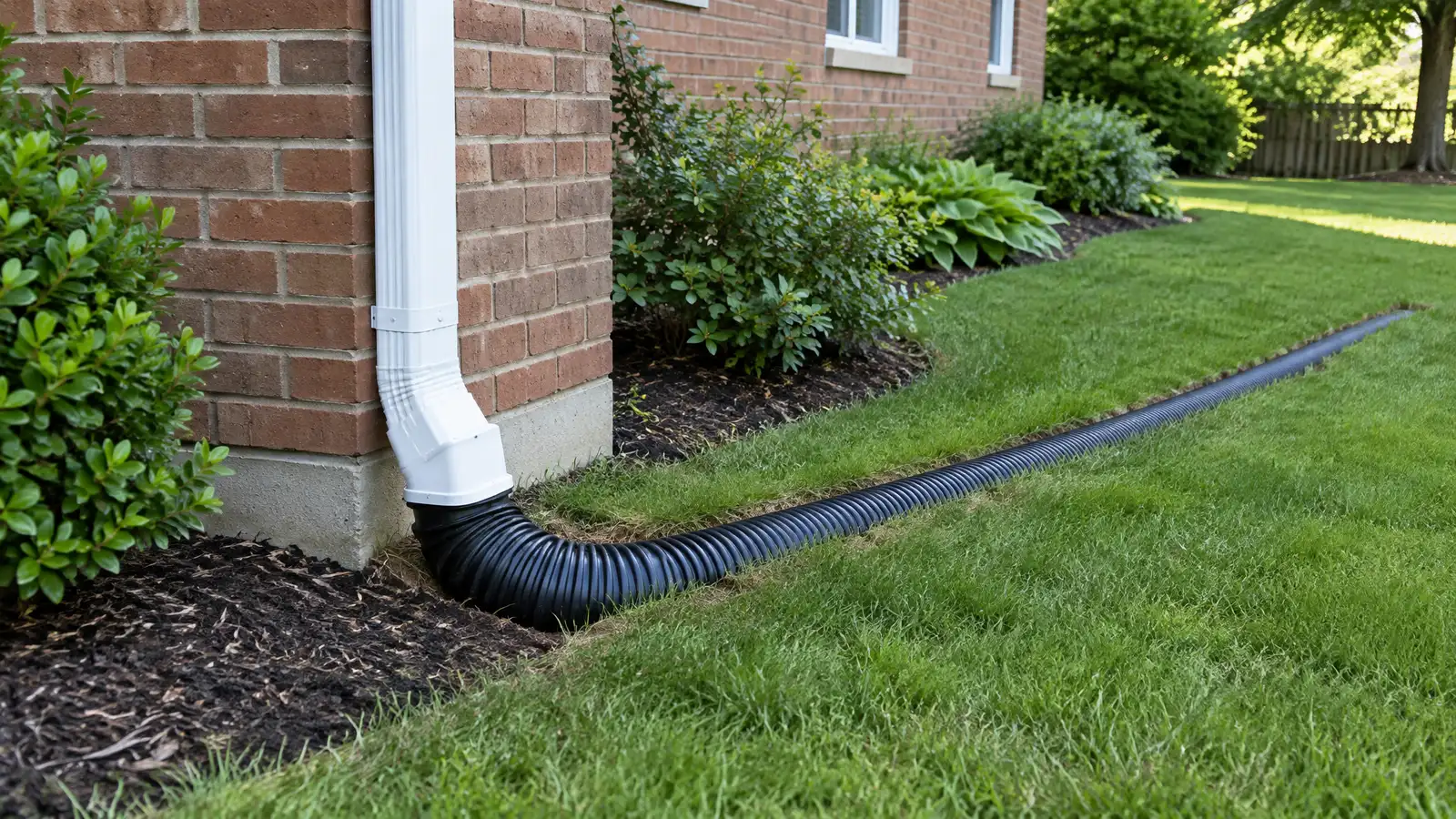
After winter, check for soil that settled beside the foundation, new cracks and damp spots. Clean gutters, test the sump pump and make sure downspouts discharge well away from the house.
Spring rains are the first big test of your drainage.
Mark your calendar for gutter cleaning in April and November. A reminder helps.
Summer
Hot, dry weather can shrink clay soil, and long dry spells can open gaps beside foundations. Watch for new cracks and sticking doors.
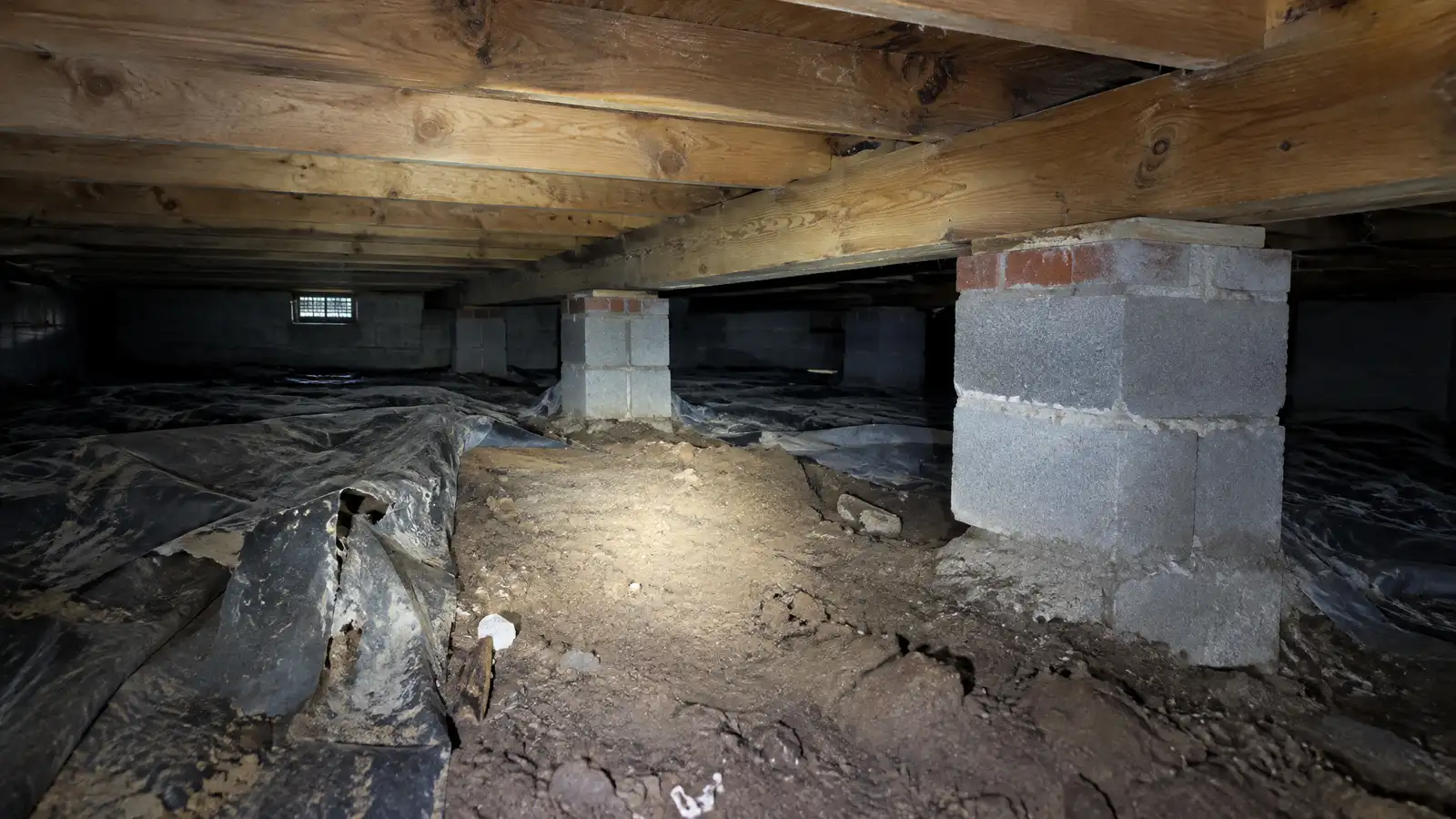
Humidity peaks, so check the crawl space or basement for dampness and test dehumidifiers.
Look at the slope beside the house after each hot, dry stretch. Soil can pull away from the wall.
Fall
Clean gutters again after leaves drop, check grading and add soil where it has settled. Look at brick and mortar joints, and seal cracks before winter.
Test the sump pump and backup battery before the wet season.
Test the sump pump and battery in October. Pour a bucket of water into the pit and watch it run.
Winter
Freezing weather can crack exposed lines and make drainage outlets freeze. Check that downspout extensions are clear and watch for ice buildup near the foundation.
Look for drafts and condensation in basements and crawl spaces.
Disconnect and drain outdoor hoses before freezing weather so water does not collect at the wall.
Keep a record
Take photos of cracks and floors each season and note dates. A simple folder with notes and photos shows whether anything is changing and makes any repair discussion much easier.
A short seasonal note, with a date and a few photos, is plenty.
Twice a year, clean the gutters and check the ground. Once a year, look under the house and test the pump.