Serving Nashville and Middle TennesseeFree Estimate
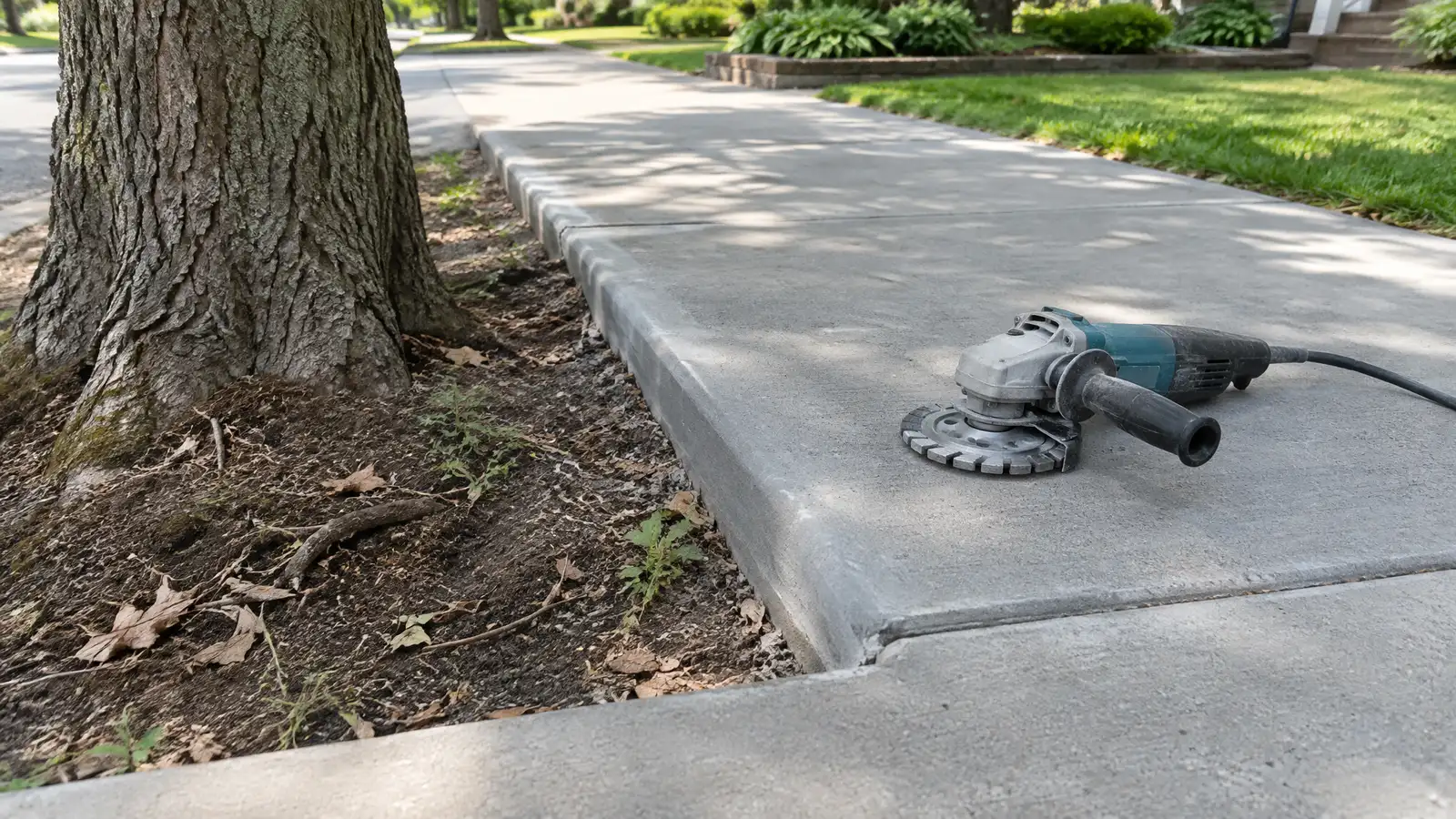
Raising uneven walks and removing trip hazards so paths are safe for family, guests and delivery crews.
A raised or sunken edge on a walkway is a trip waiting to happen. Roots, washed-out soil and settling can leave sidewalk slabs at different heights, and an uneven walk is a liability for homeowners and property managers alike. Many Nashville homes and commercial properties face this, especially under mature trees and along older streets.
Your specialist checks each slab for height differences, cracks and voids and chooses a fix: lifting with foam or slurry, grinding small edges flush or replacing badly broken slabs. Slopes are checked so water drains away from steps and doors. Cracks are sealed and the finished walk is reviewed for smooth transitions that are comfortable to use. If trees line your walk, ask about root management at the same visit. Roots are a common reason slabs lift again after repair, and a plan that considers them can save repeat work. Photos and a short list of the worst spots help set priorities, particularly for a long sidewalk, a school or a church where some areas see far more foot traffic than others.
The goal is a surface where feet, strollers, wheelchairs and deliveries move smoothly from slab to slab.
Sunken slabs are raised, and small raised edges are ground down, depending on which suits the condition.
Tree roots and washed-out base are considered, since they cause many uneven walks.
Slopes are checked so water drains away from steps and entrances.
Drag the handle to compare.
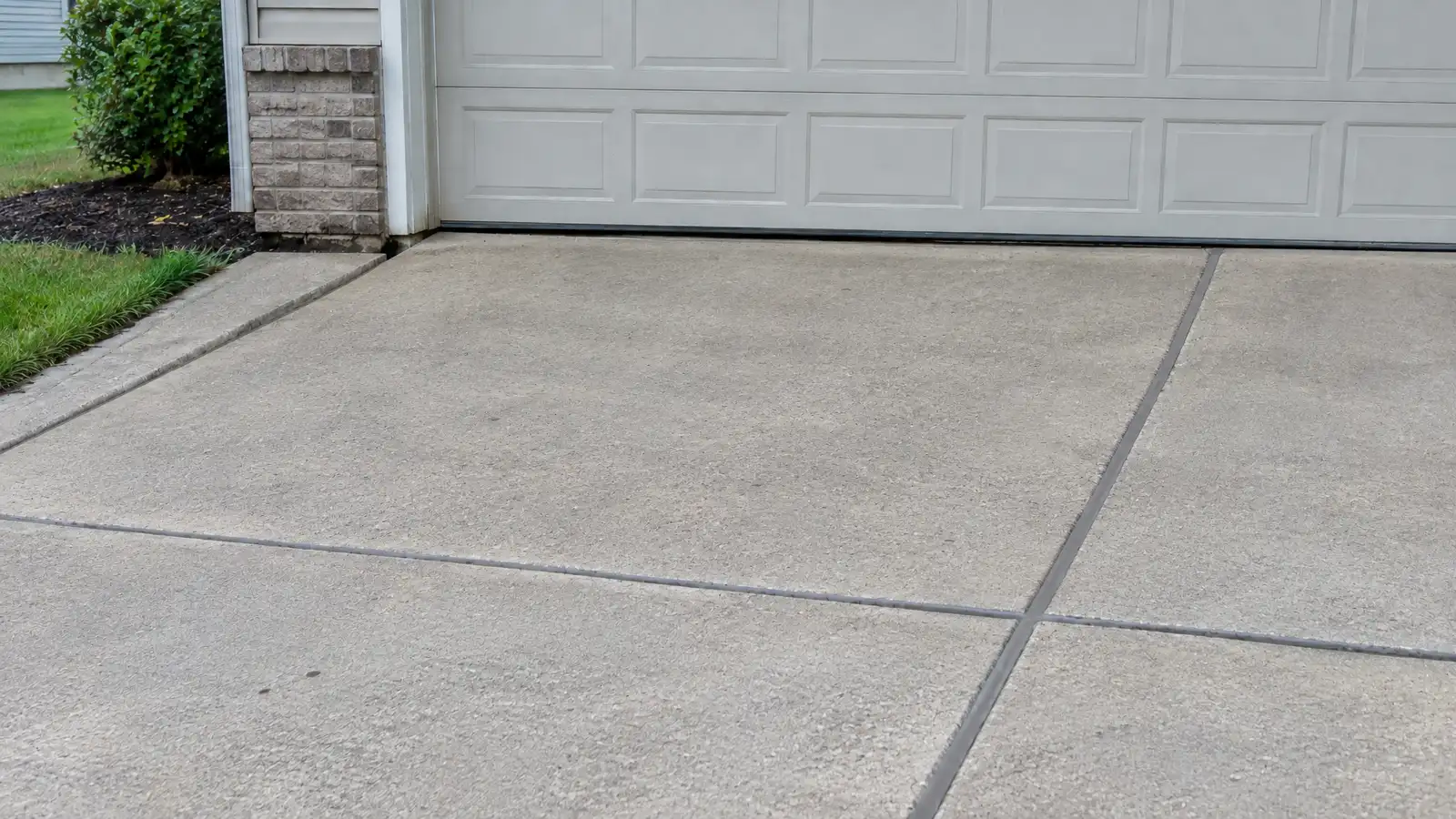
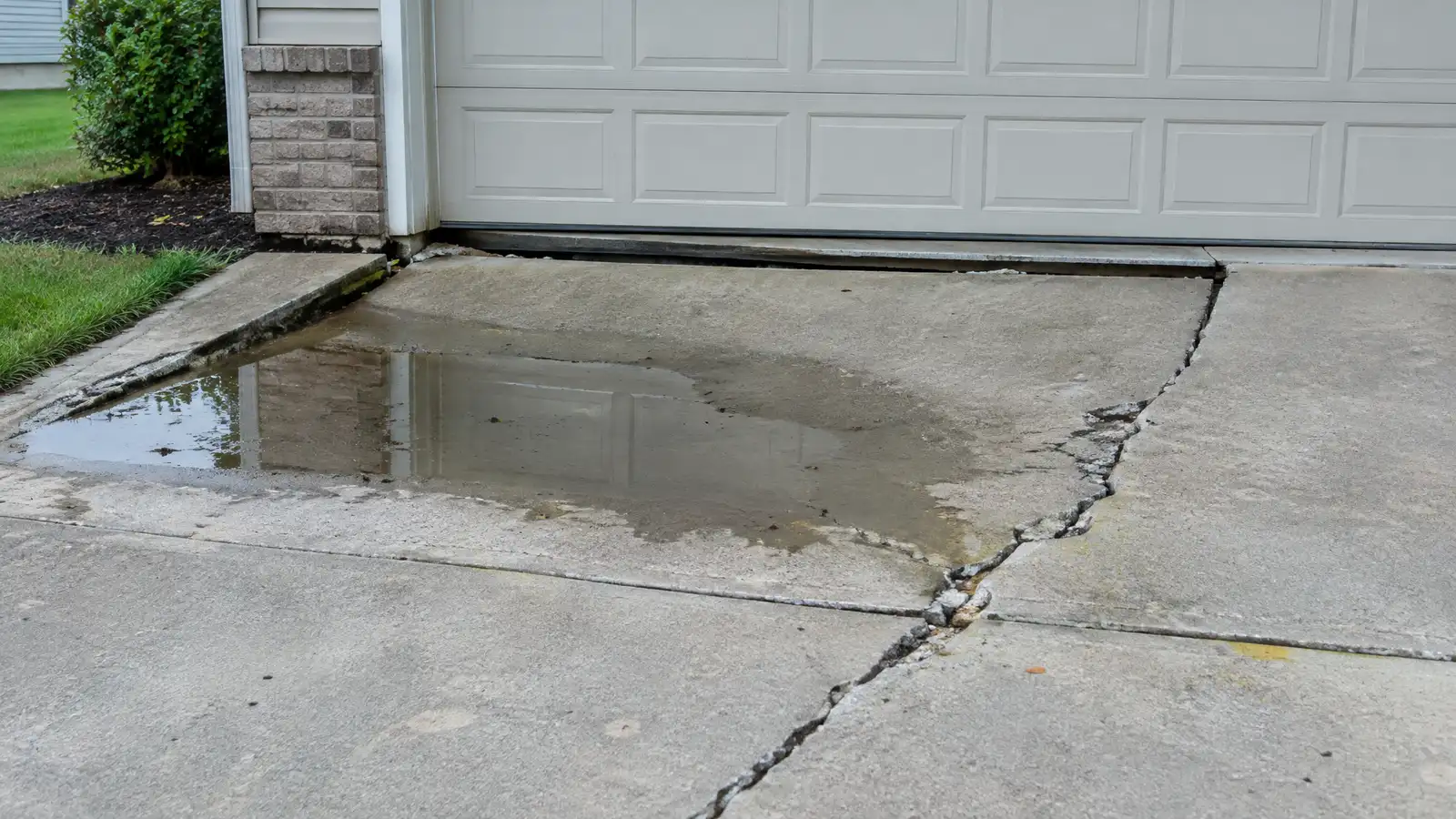 BeforeAfter
Heights and cracks recorded.
Lift, grind or replace.
Access cleared and marked.
Slab raised or edges ground.
Cracks and gaps finished.
Smooth transitions confirmed.
Every topic has its own page with what to expect and how we approach it.
 ResourceCFAA trade association for contractors who build cast-in-place concrete foundations, with education, publications and industry updates.Learn more
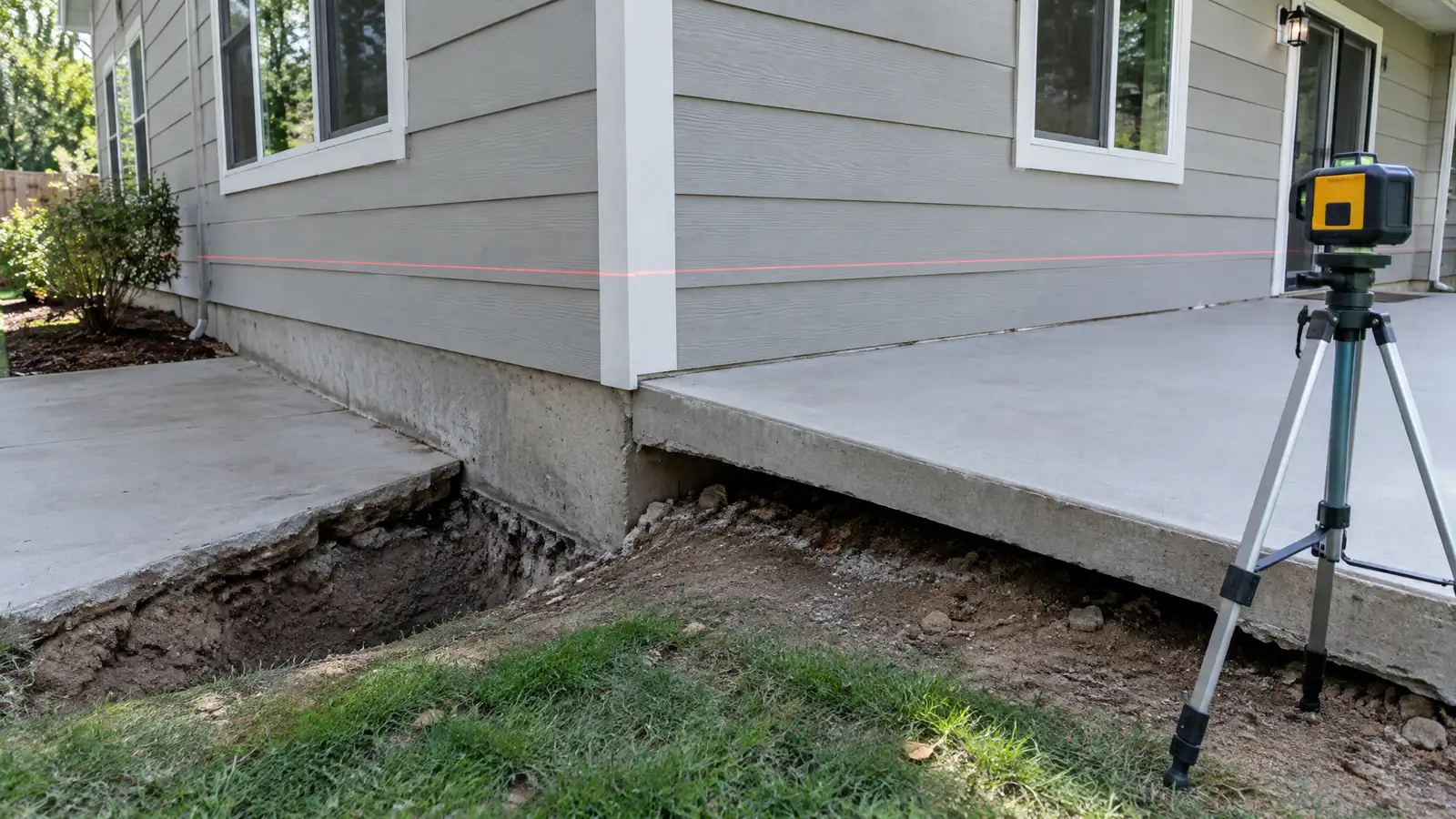 Comparison guideSettlement vs HeaveHow a foundation that sinks differs from one that lifts, what usually causes each and how repairs differ.Learn more
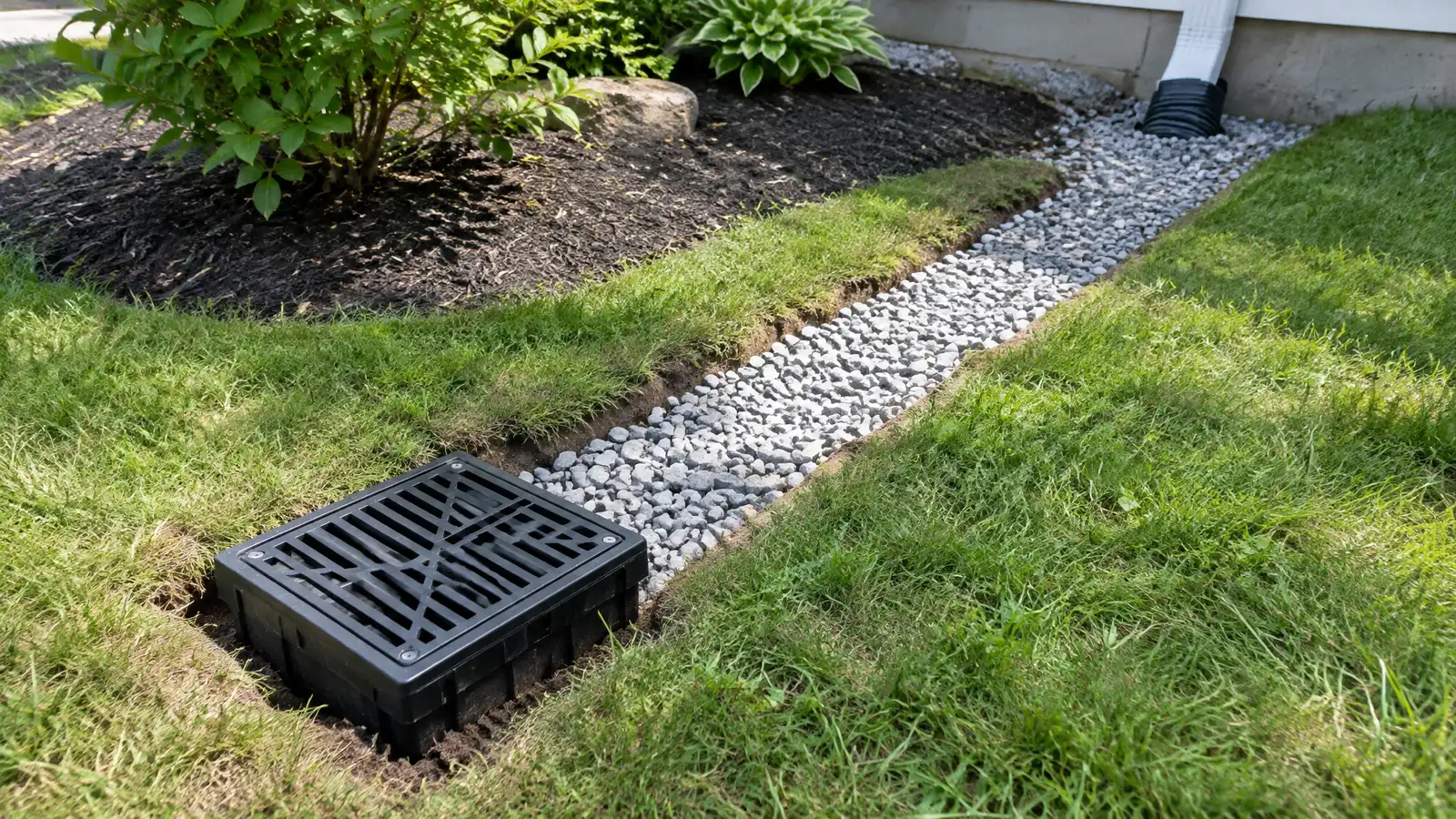 Comparison guideDrainage SolutionsHow French drains, surface drains, grading, swales, dry wells and downspout extensions differ in what water they handle.Learn more
Pick a foundation, waterproofing, drainage or concrete job, set the quantity and add extras to see a ballpark planning range. Placeholder values only.
You tell us what you see and where the property is. One call sets up a visit that fits your day.
A specialist walks the inside and outside, checks cracks, floors, moisture and drainage and takes measurements and photos.
You receive a plain written scope with the cause, the method, the location of each repair and the schedule before anything begins.
Utility marking is requested where digging is needed, access is protected and materials and any engineering are lined up.
Supports, drains, sealing or lifting are completed in a clear order, with photos and checks along the way.
The site is cleaned up, the work is explained on a walk-through and care and monitoring tips are shared.
Often yes, using foam or slurry from small holes. The slabs must be sound enough to lift.
Grinding can remove small edges, while larger differences are usually better handled by lifting or replacement.
They can. Root management or barriers may be part of the plan if roots are the cause.
Patches are small and blend in over time, and your specialist explains what to expect.
Responsibility varies by property and location, so check with your local office if the walk is near a public street.
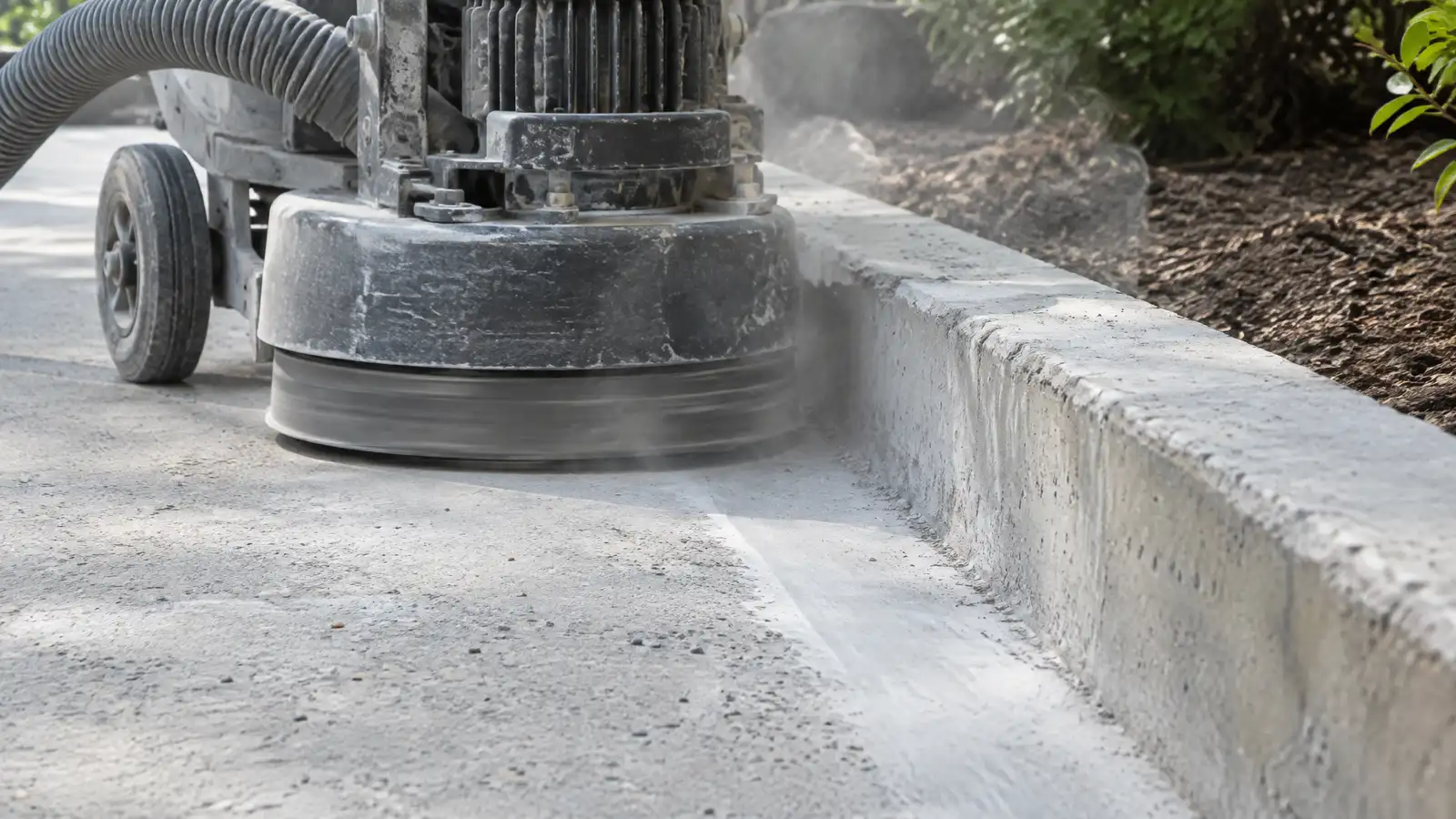 Trip Hazard RemovalMaking uneven concrete edges safe with grinding, lifting and patching, for homes, businesses and public walkways.Explore
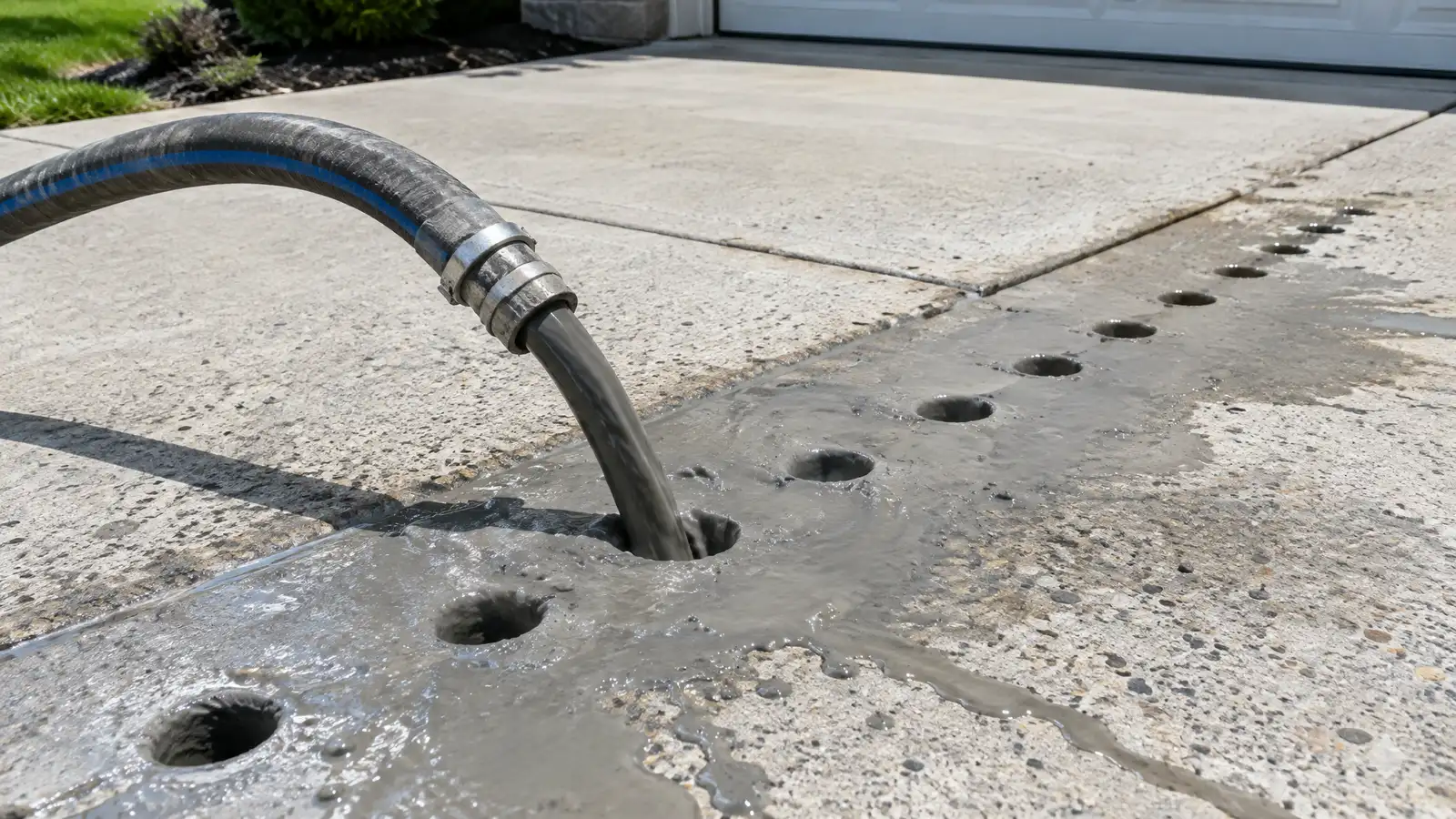 Slabjacking and MudjackingLifting sunken concrete slabs by pumping a cement-based slurry through small holes to fill voids and raise the…Explore
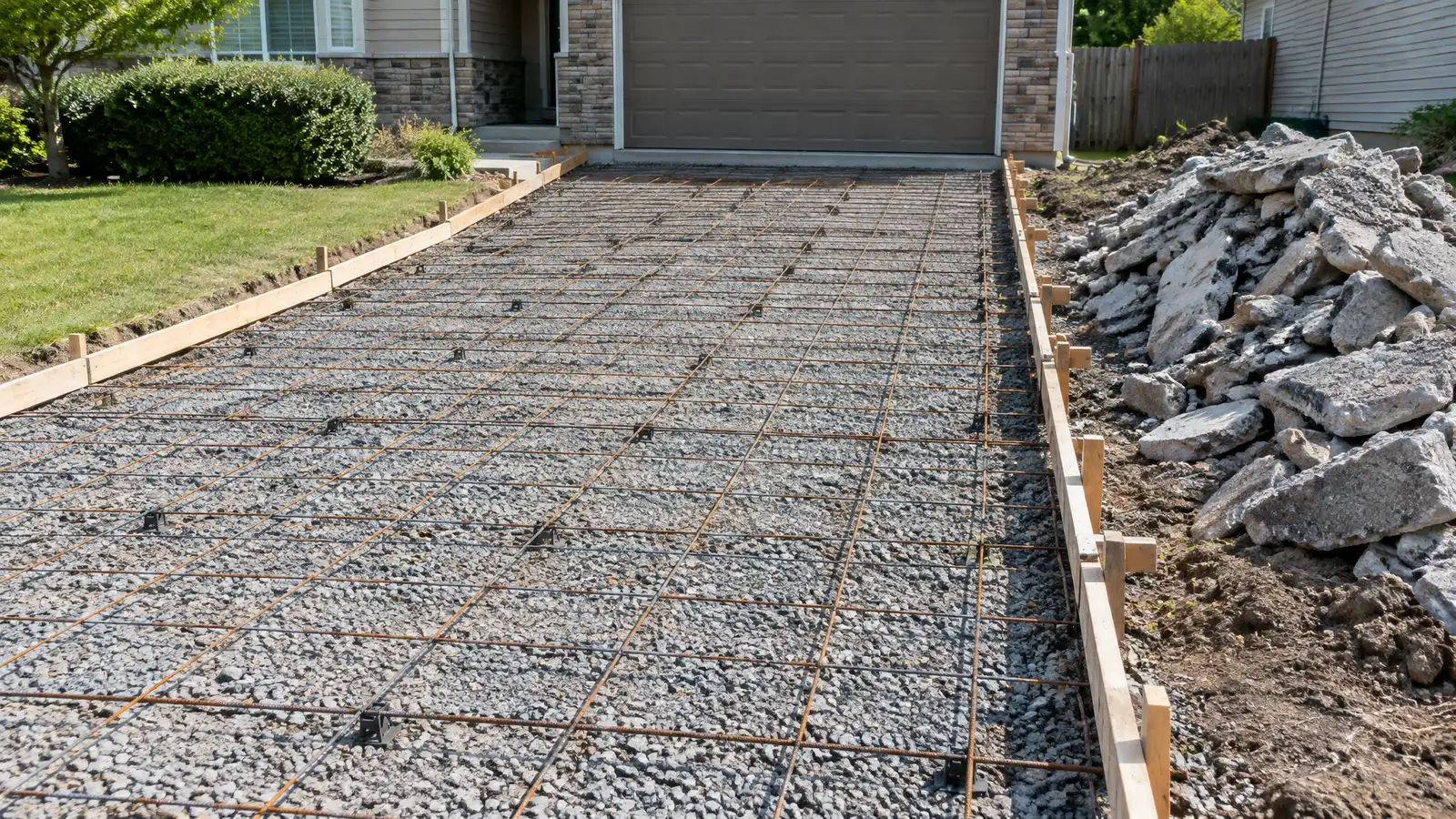 Concrete Removal and ReplacementRemoving broken or failed concrete and pouring new slabs with proper base, reinforcement, joints and drainage.Explore
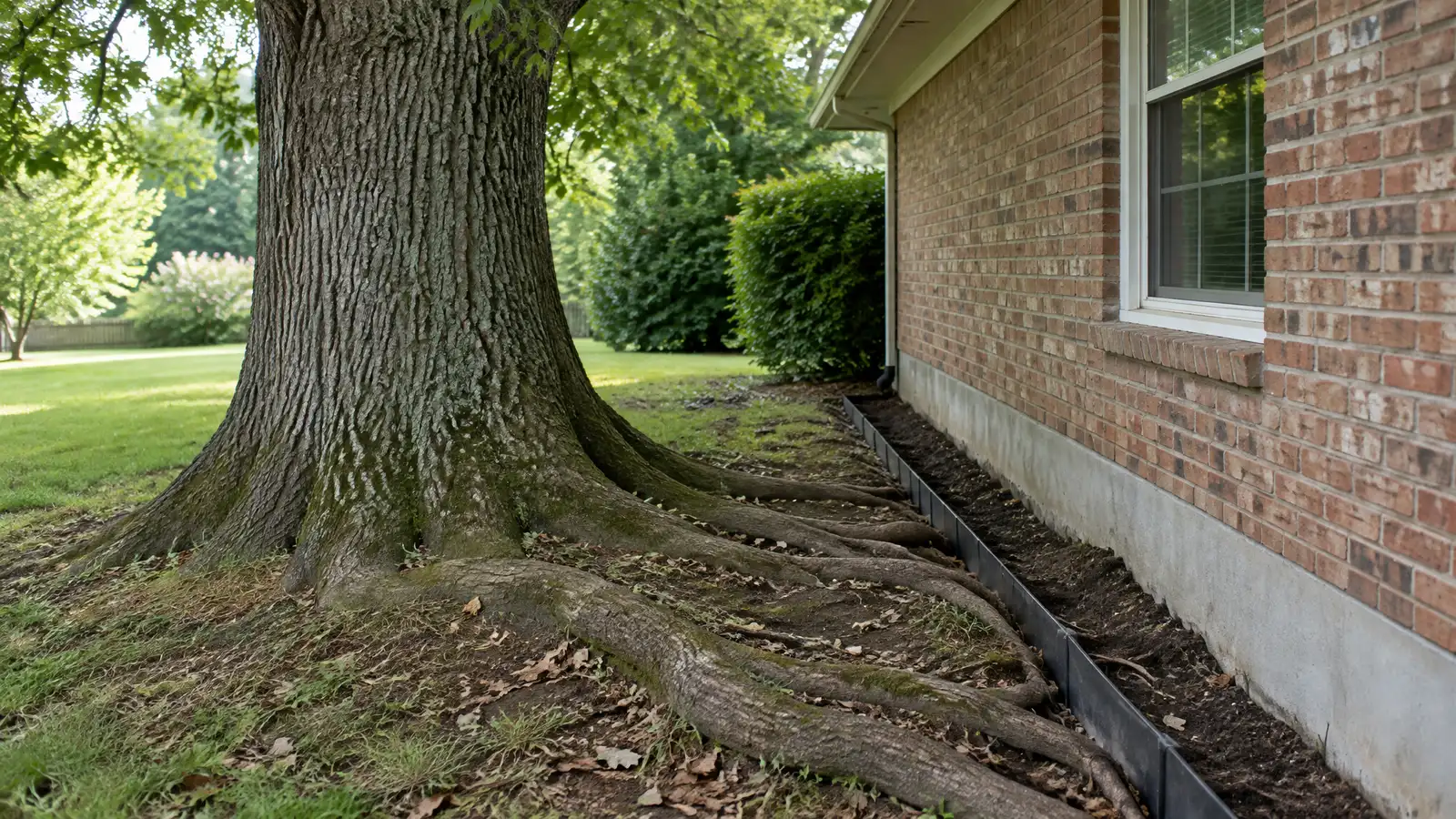 Tree Root and Foundation ProtectionManaging trees and roots near a foundation so they do not dry out clay, lift slabs or push…Explore
Tell us about your property and one specialist will call you back to set up a visit.
Or call (615) 431-3789 to talk now.