Serving Nashville and Middle TennesseeFree Estimate
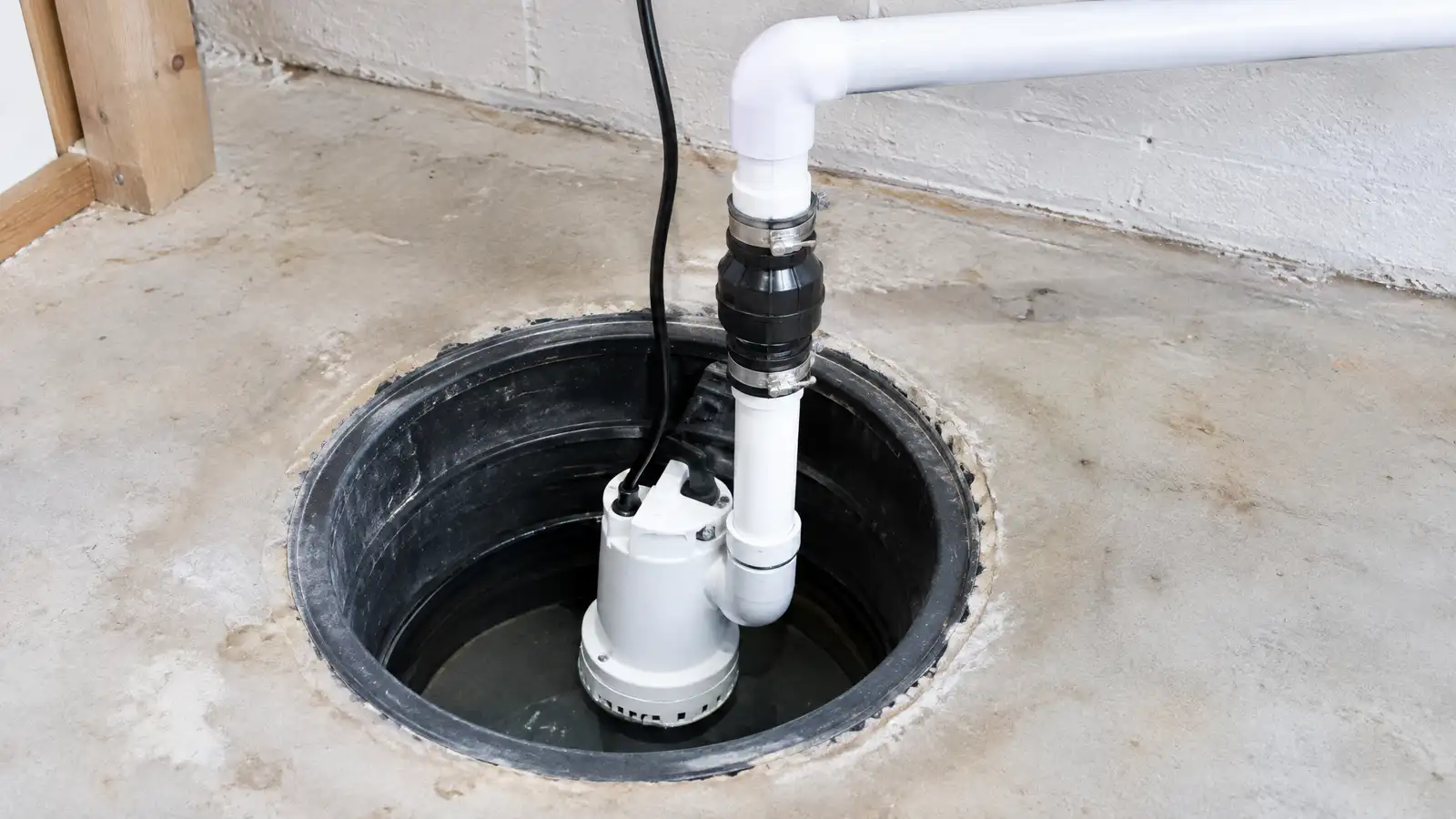
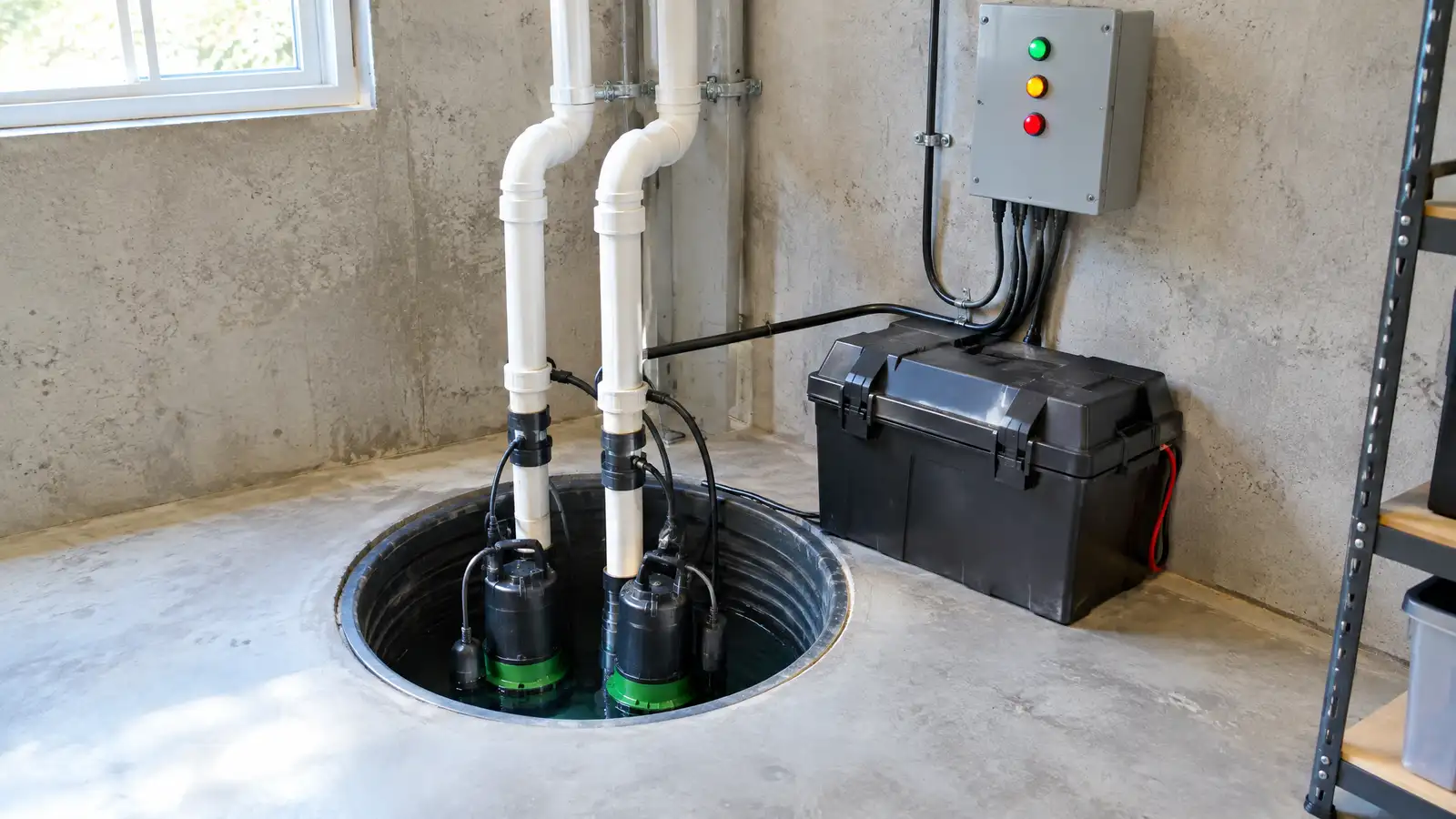
A properly sized sump pit and pump that keeps a basement or crawl space dry, with a discharge line that sends water well away.
A sump pump is the heart of many dry basements. Water collects in a pit and a pump sends it outside, so the floor stays dry even when the ground is saturated. Nashville storms can drop a lot of rain in a short time, and a pump that is the wrong size or in the wrong spot can fail when it is needed most.
Your specialist chooses the pit location, sizes the pump to the water you actually see and sets a liner in a pit cut into the floor. A check valve keeps water from running back, and a discharge line is routed outside and sloped away from the foundation. The lid is sealed to control humidity and odors, and the pump is tested. Power, float switch and an alarm are discussed so you know it is working.
A pump is sized to the flow of water into the pit, so it keeps up during hard storms without cycling constantly.
A liner with a sealed lid holds water cleanly and helps stop humidity and radon-related air from rising into the house.
The line is sloped, protected from freezing where possible and ends where water will not return to the foundation.
A float switch, a check valve and optional alarm help you trust the system between storms.
Drag the handle to compare.
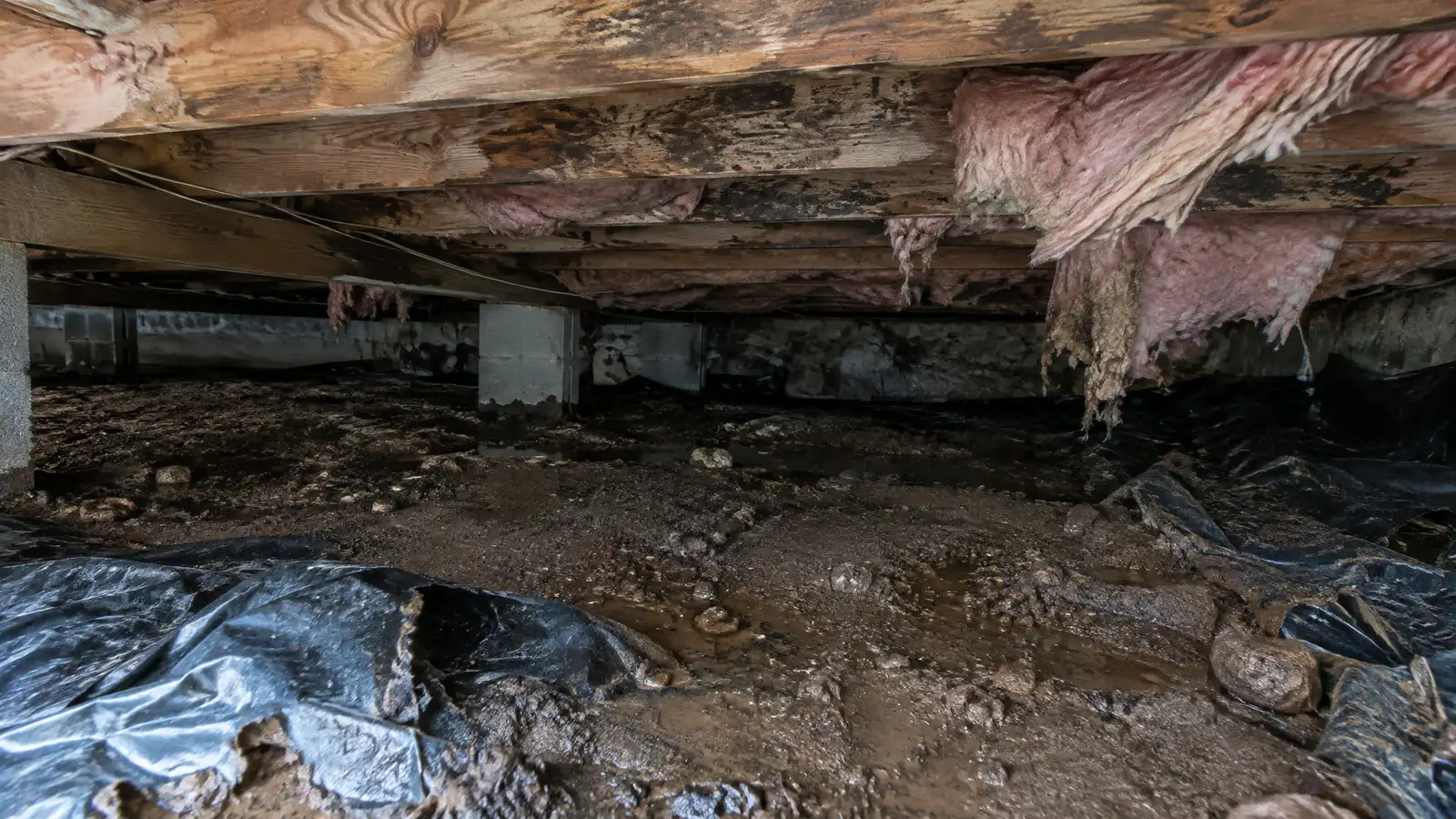 BeforeAfter
Where water collects.
Pit formed in the floor.
Sized to the water flow.
Check valve and sloped line.
Humidity and odors reduced.
Pump run and care reviewed.
Every topic has its own page with what to expect and how we approach it.
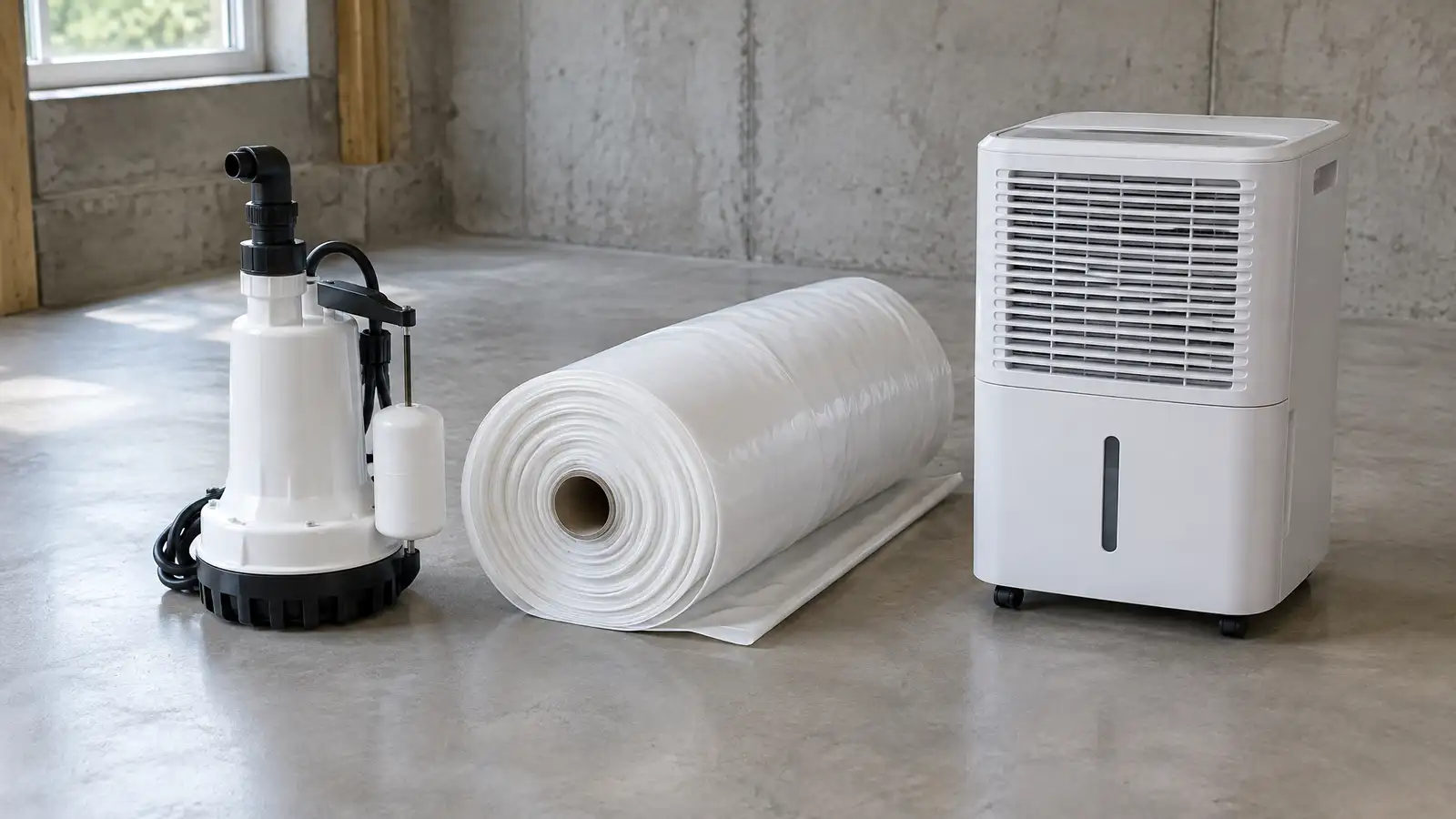 ResourceAprilaireA maker of whole-home and crawl space dehumidifiers, ventilation and air quality products for homes.Learn more
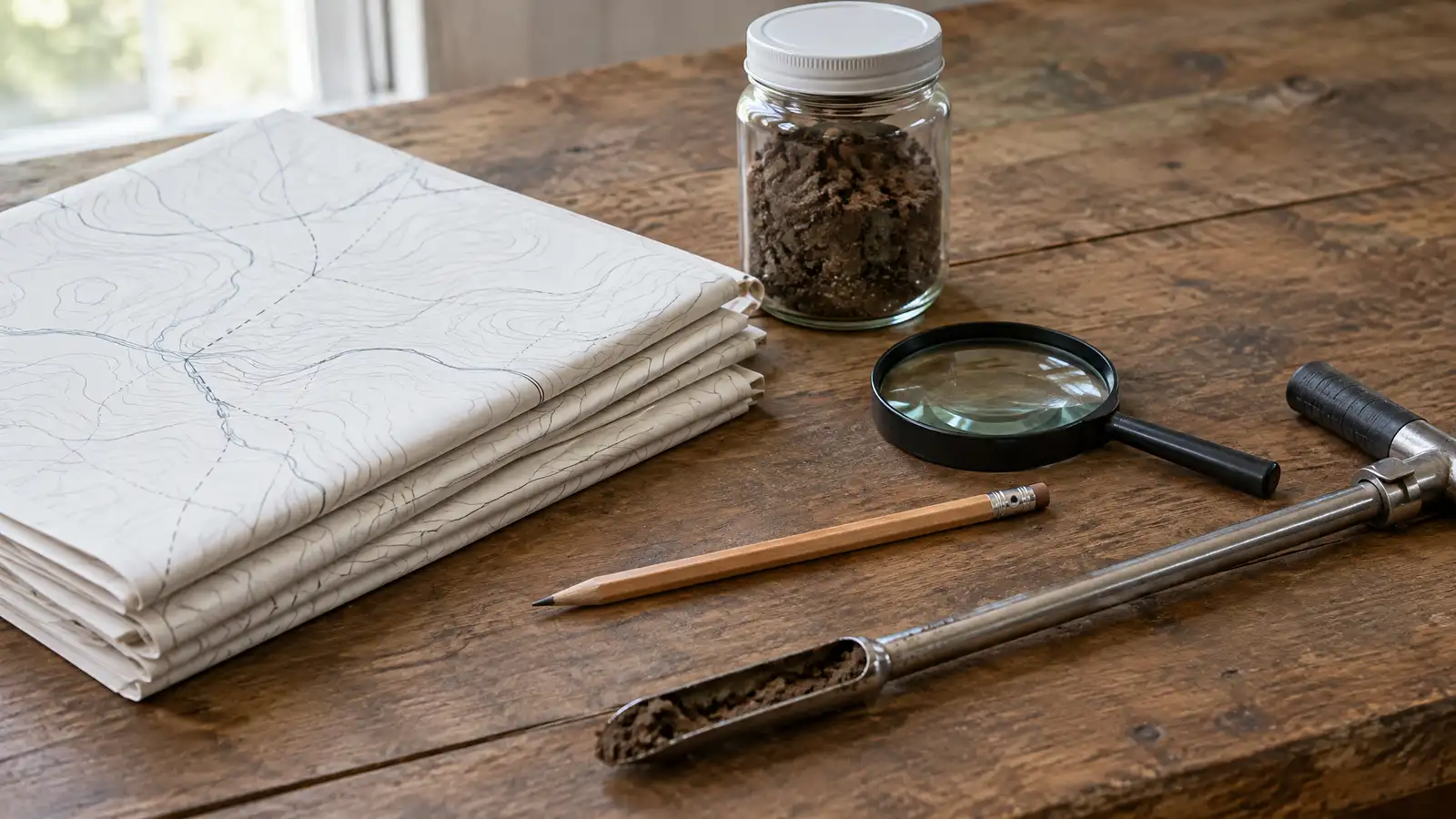 ResourceEPAGuidance from the US Environmental Protection Agency on controlling moisture and mold in homes, schools and businesses.Learn more
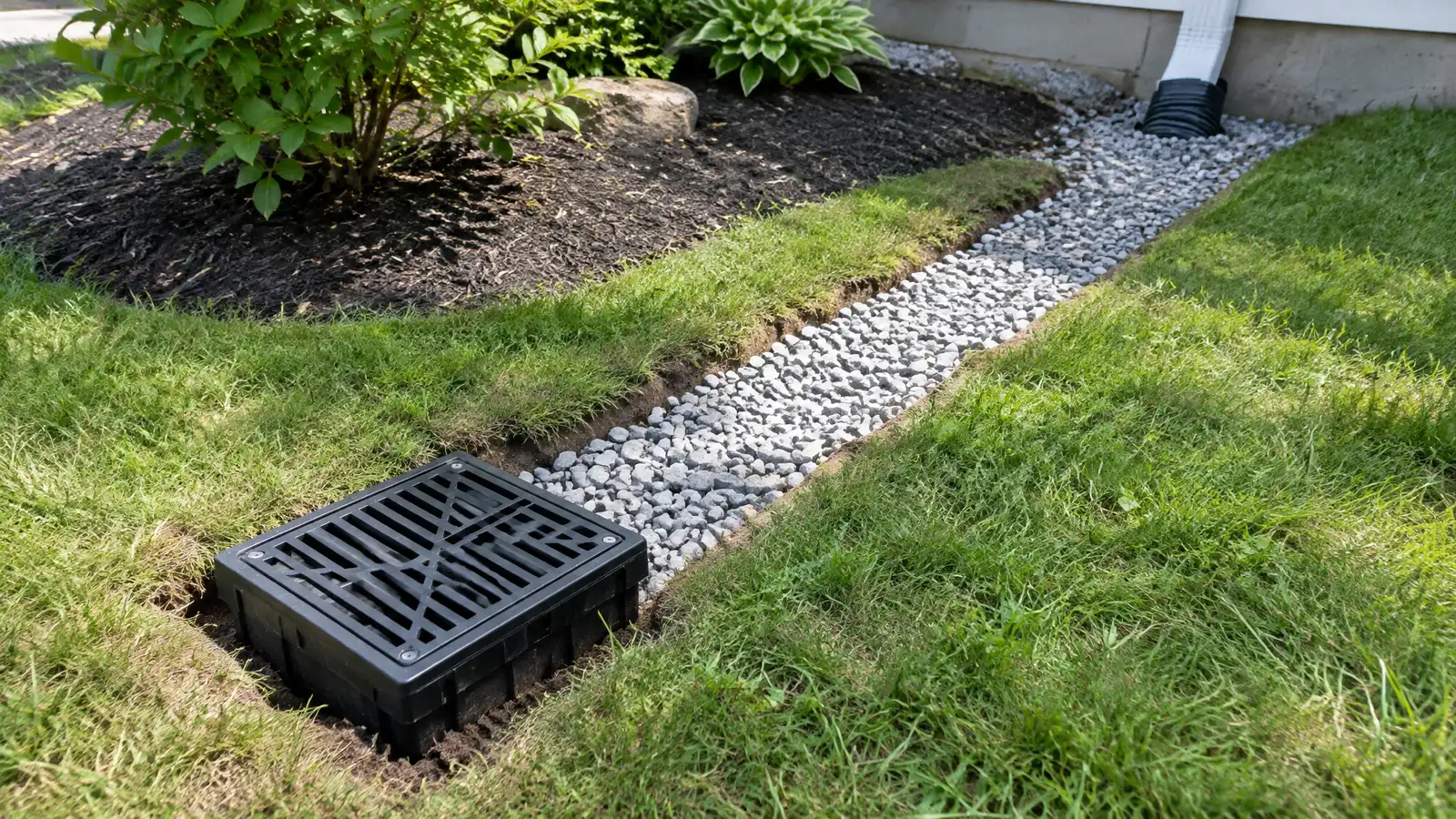 Comparison guideDrainage SolutionsHow French drains, surface drains, grading, swales, dry wells and downspout extensions differ in what water they handle.Learn more
Pick a foundation, waterproofing, drainage or concrete job, set the quantity and add extras to see a ballpark planning range. Placeholder values only.
You tell us what you see and where the property is. One call sets up a visit that fits your day.
A specialist walks the inside and outside, checks cracks, floors, moisture and drainage and takes measurements and photos.
You receive a plain written scope with the cause, the method, the location of each repair and the schedule before anything begins.
Utility marking is requested where digging is needed, access is protected and materials and any engineering are lined up.
Supports, drains, sealing or lifting are completed in a clear order, with photos and checks along the way.
The site is cleaned up, the work is explained on a walk-through and care and monitoring tips are shared.
It depends on how much water enters and how far it must be lifted. Your specialist sizes it for your site.
The discharge line can freeze or clog if it is not routed well. Placement and protection reduce the chances.
Power outages often happen during storms, so many owners add a backup to keep the pump running.
Many owners test it a few times a year by pouring water into the pit, and a professional check is smart before the wet season.
Yes. Crawl space sump pits are common and work well alongside drainage and a vapor barrier.
 Battery Backup Sump PumpsA second pump with its own battery that keeps your basement or crawl space dry when the power…Explore
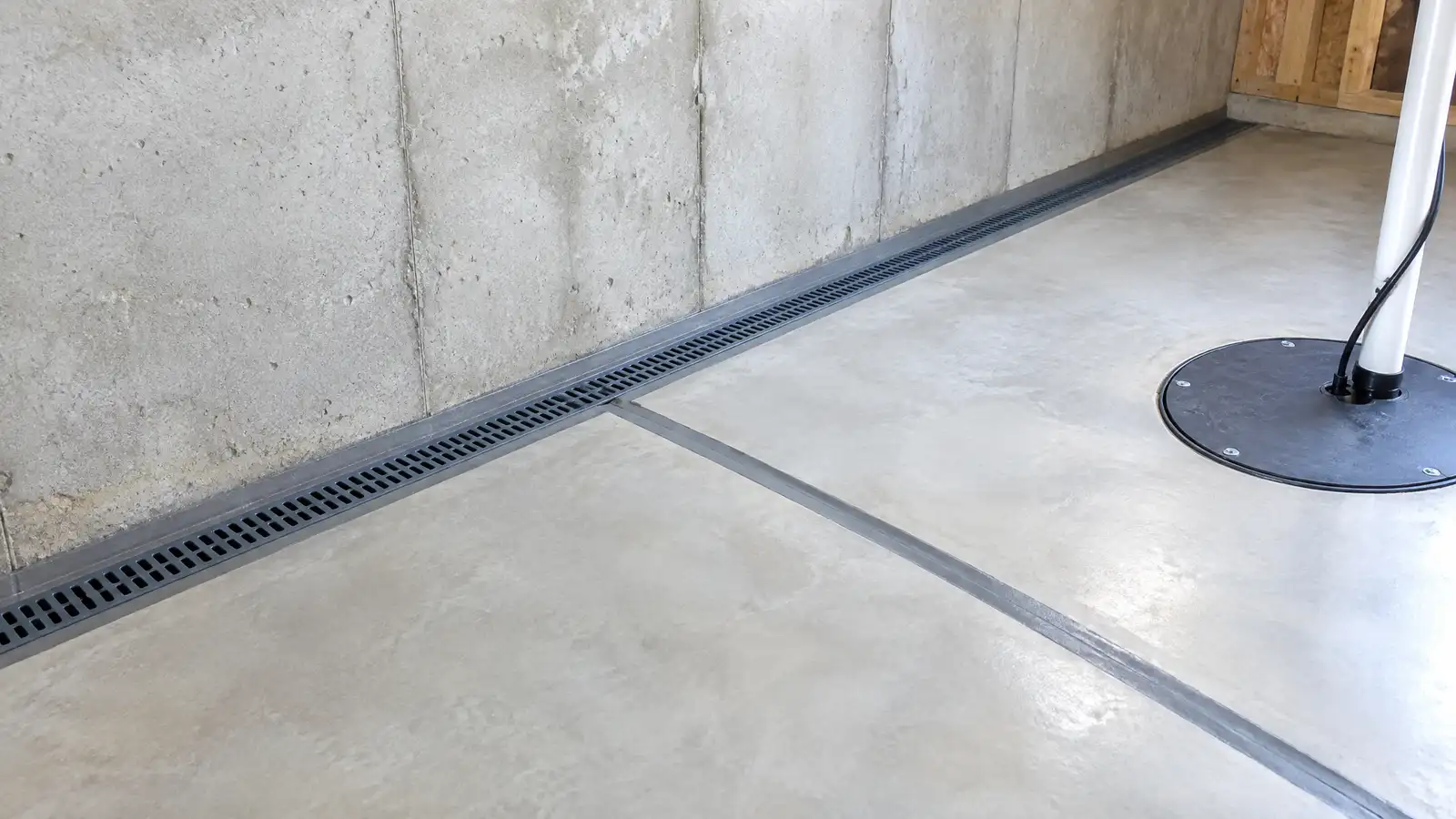
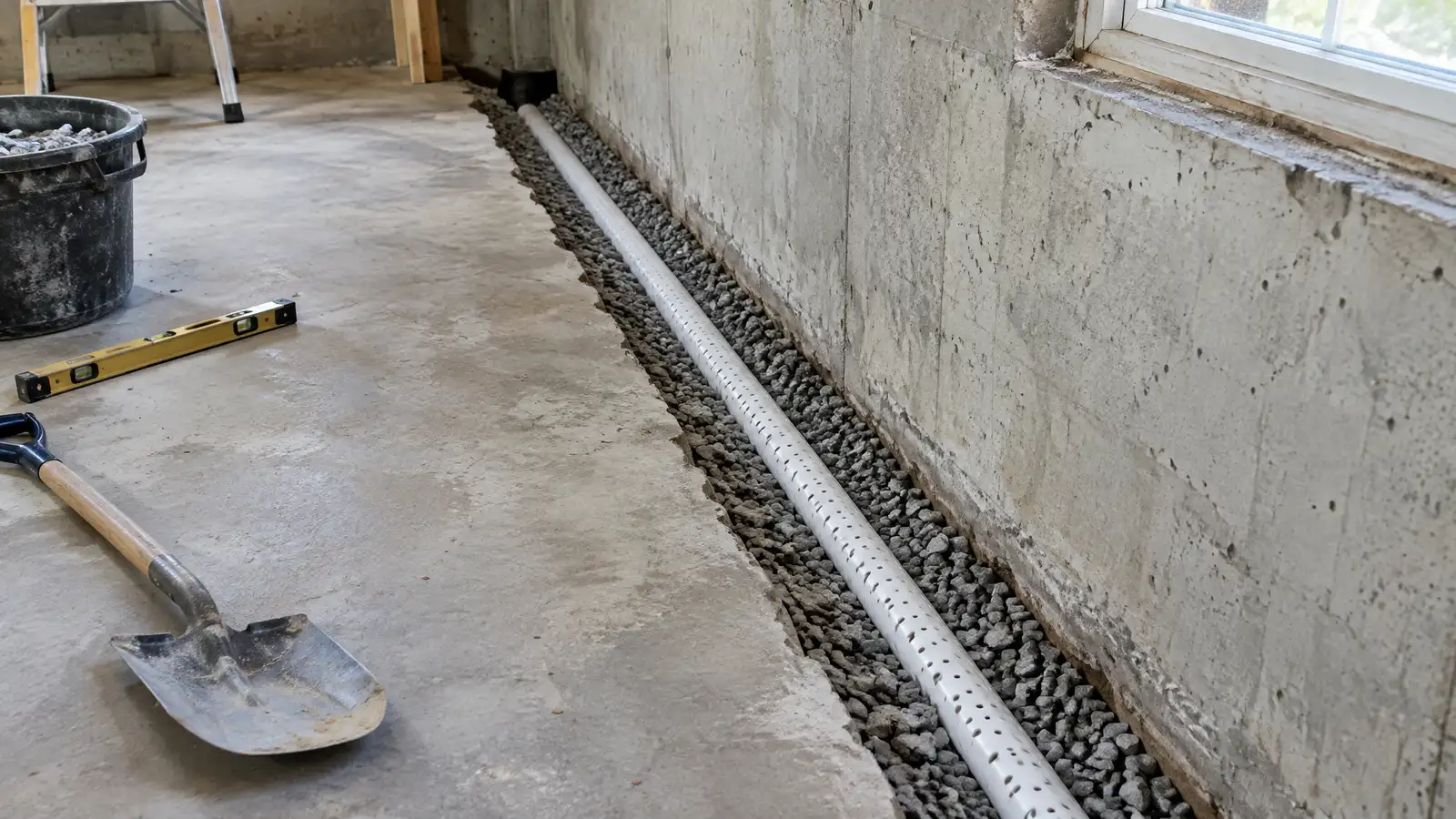 Interior Drainage SystemsPerimeter drains and sump systems inside a basement or crawl space that catch water and send it safely…Explore
 Basement WaterproofingA complete plan to keep water out of a basement, using drainage, pumps, sealing and exterior fixes matched…Explore
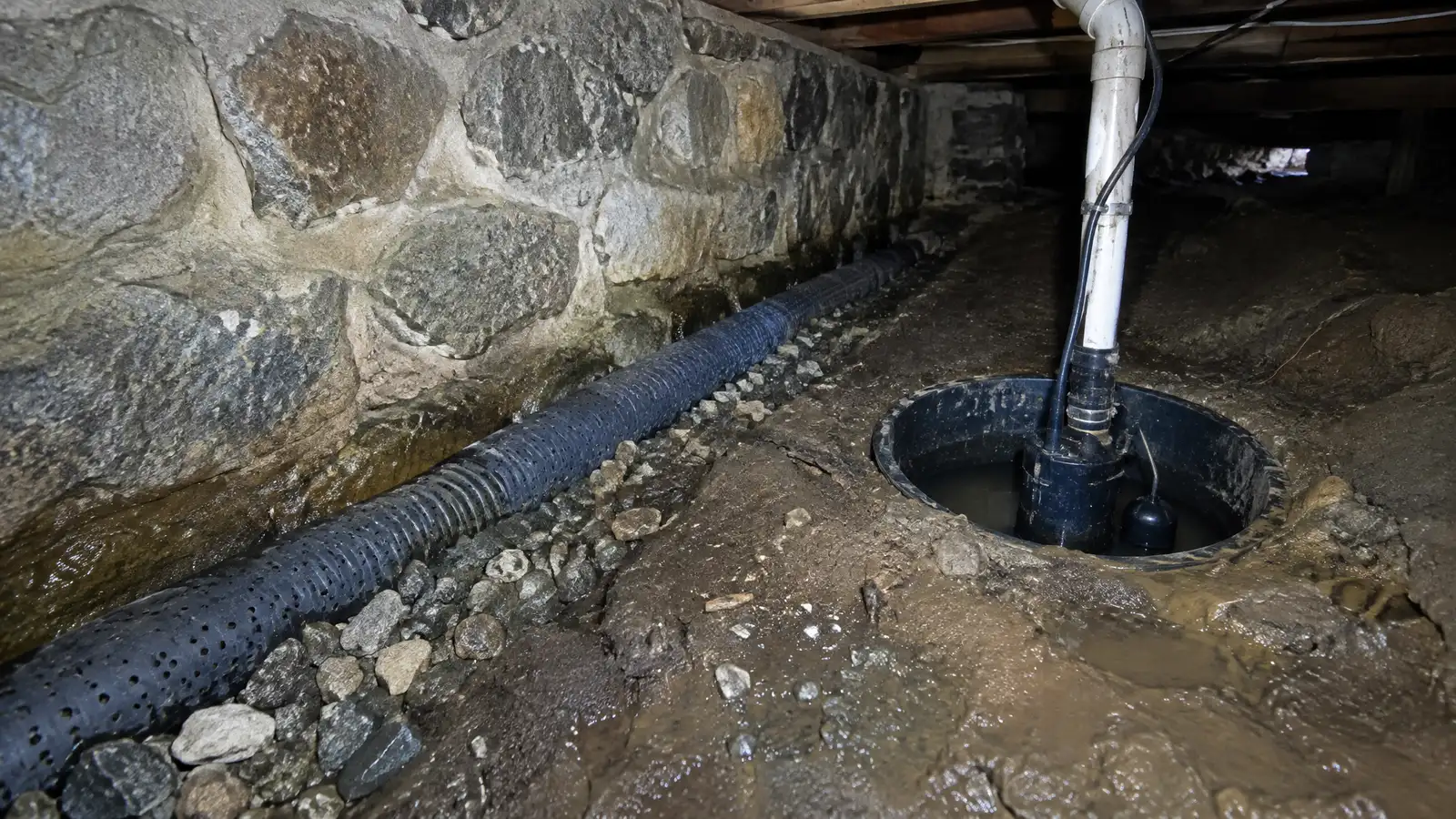 Crawl Space Drainage and WaterproofingDrains, sump pumps and sealing that remove standing water and stop seepage under the house.Explore
Tell us about your property and one specialist will call you back to set up a visit.
Or call (615) 431-3789 to talk now.