Serving Nashville and Middle TennesseeFree Estimate
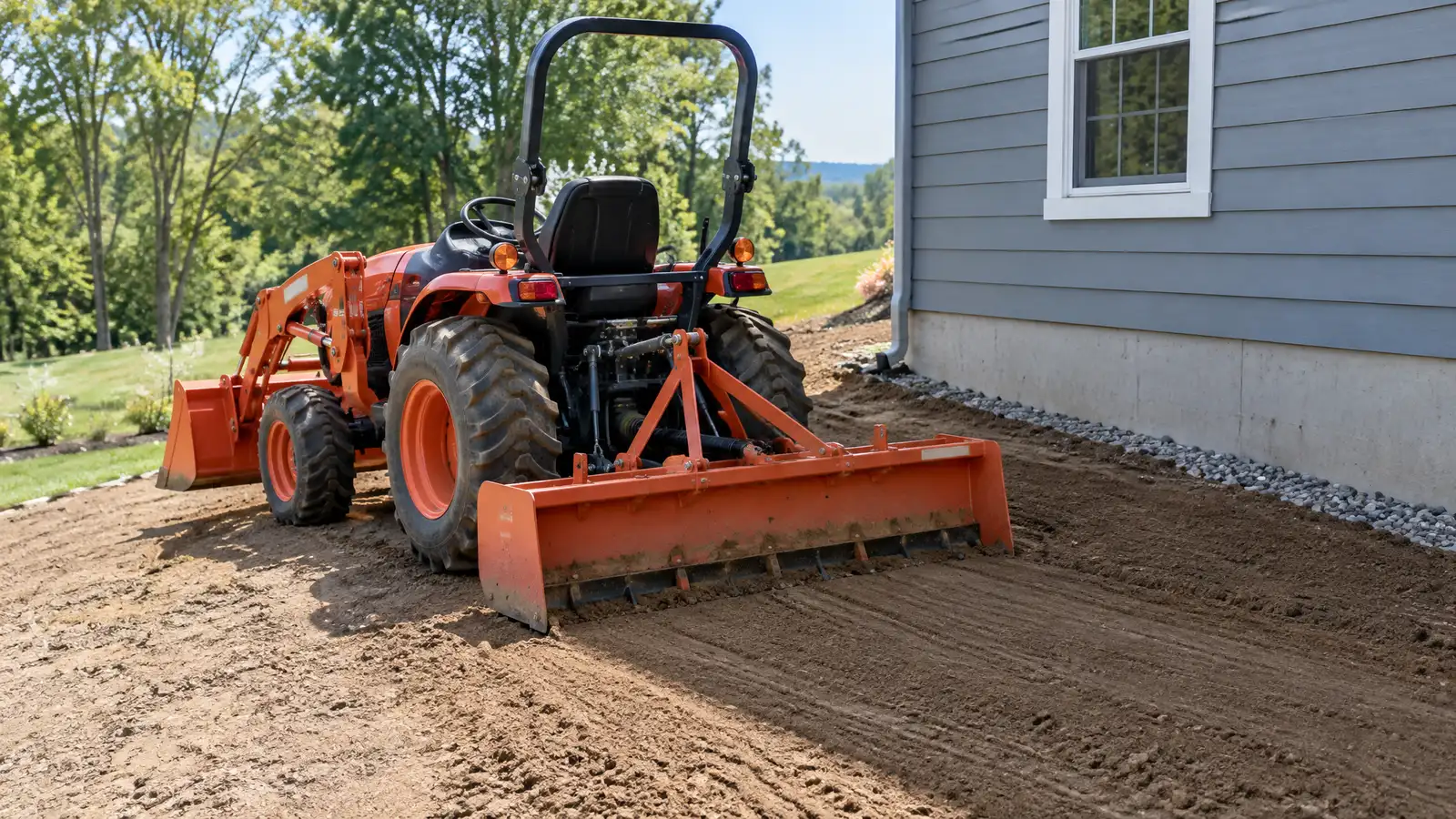
Reshaping soil so the ground slopes away from your house and rain flows toward a safe outlet.
The ground around a house should slope away from it, gently but clearly. Over the years, soil settles beside foundations, landscaping changes the slope and water begins to flow toward the walls. In Nashville, where lots can be steep and clay is slow to drain, regrading is often the first and best fix for a wet crawl space or basement.
Your specialist surveys the lot and sets a plan for the finished slope, aiming to move water away from the foundation and toward the outlets. Soil is added and compacted in layers, low spots are filled, and existing beds, walks and steps are respected or adjusted. Topsoil and sod or seed restore the surface, and notes explain how to keep the slope in place over time.
Soil beside the foundation should fall away from it, steadily enough to carry water without causing erosion.
Fill is placed and compacted in lifts so it does not settle back after the first big rain.
Planting beds, walks, patios and steps are planned around the new grade so the yard looks right.
The new slope leads water to an outlet such as a swale, a drain or a street, not onto a neighbor.
Drag the handle to compare.
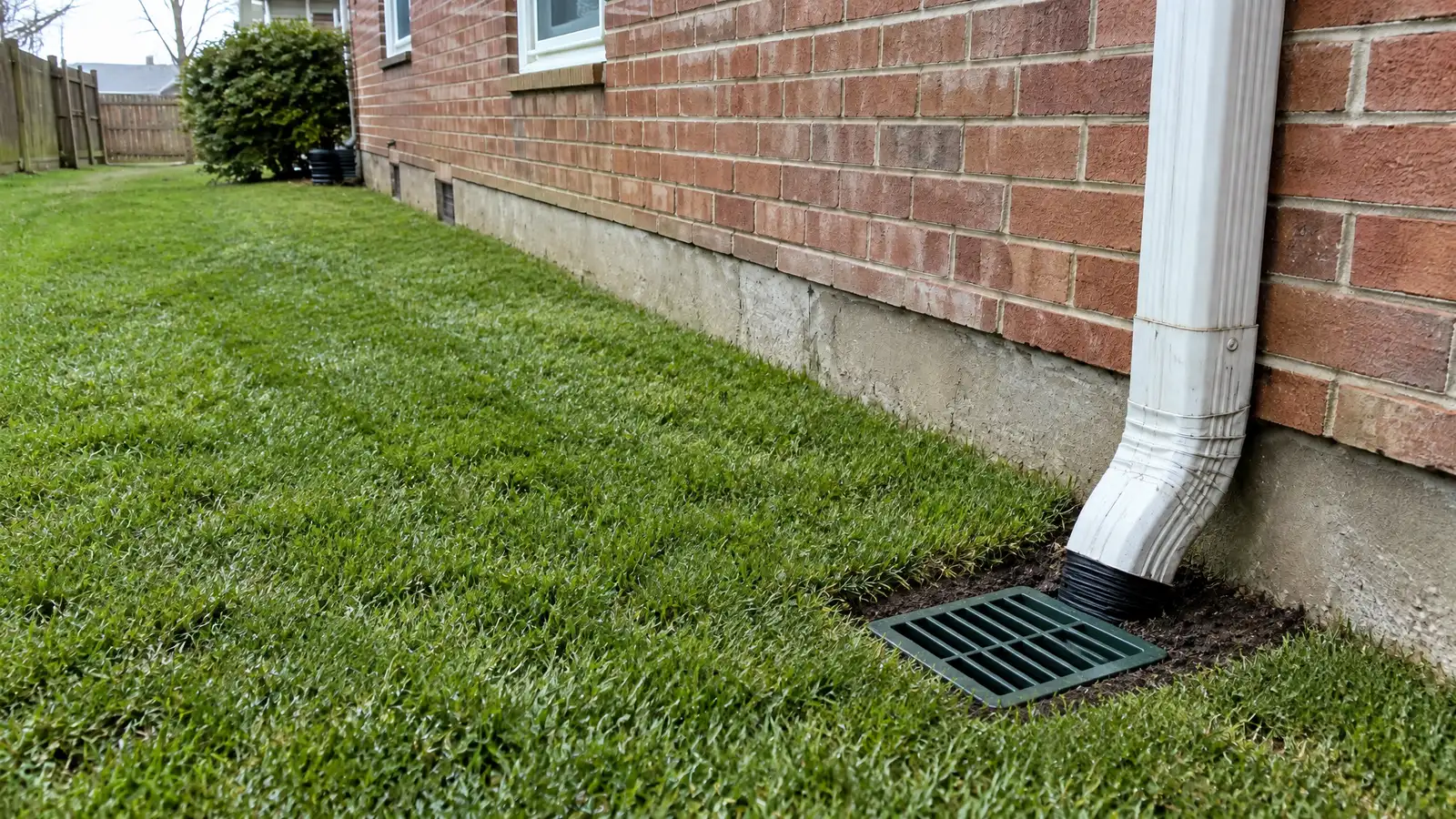
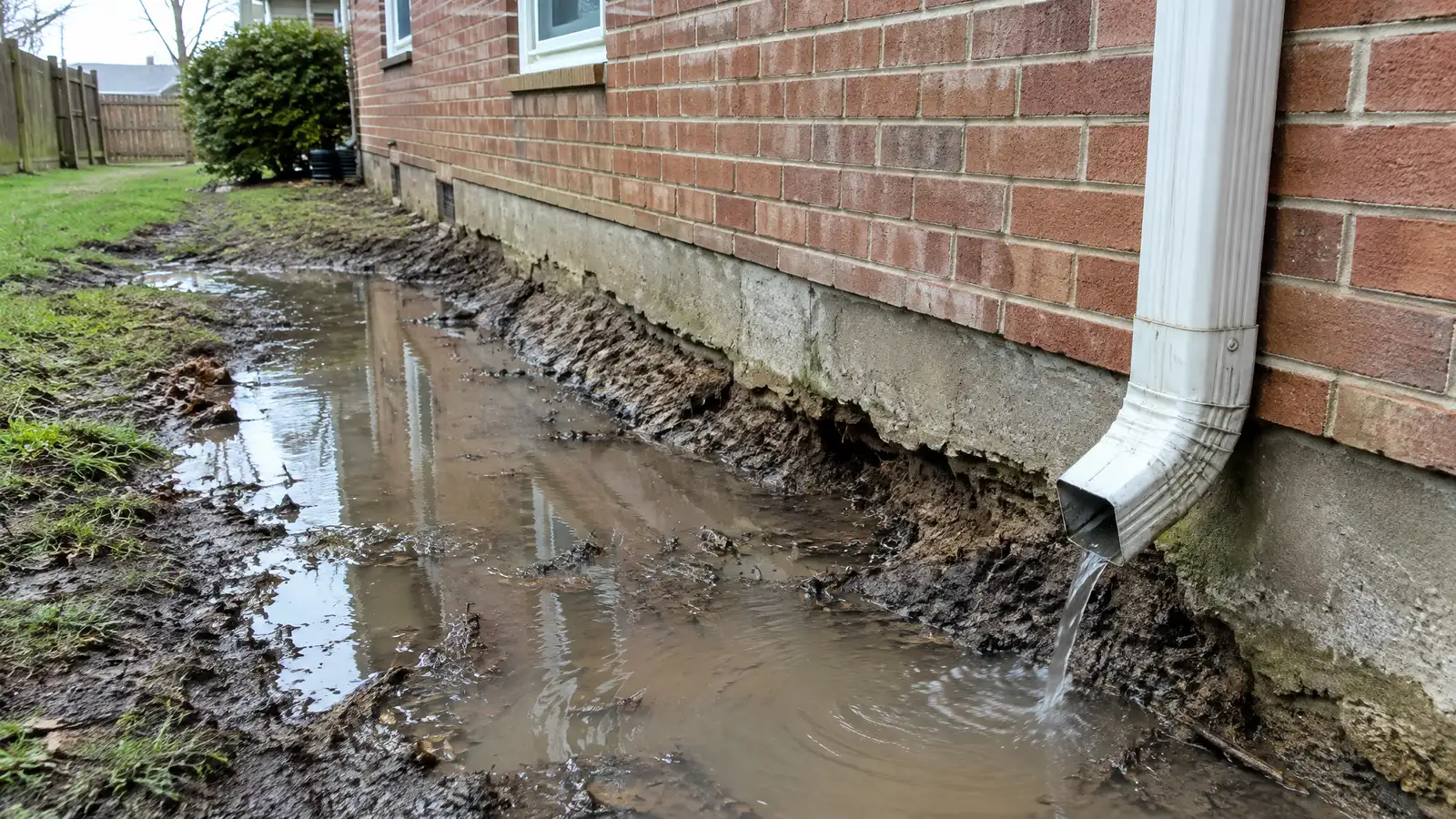 BeforeAfter
Slopes and low points measured.
Finished slope planned.
Beds and edges protected.
Layers built up.
Smoothed to the plan.
Sod, seed or mulch.
Every topic has its own page with what to expect and how we approach it.
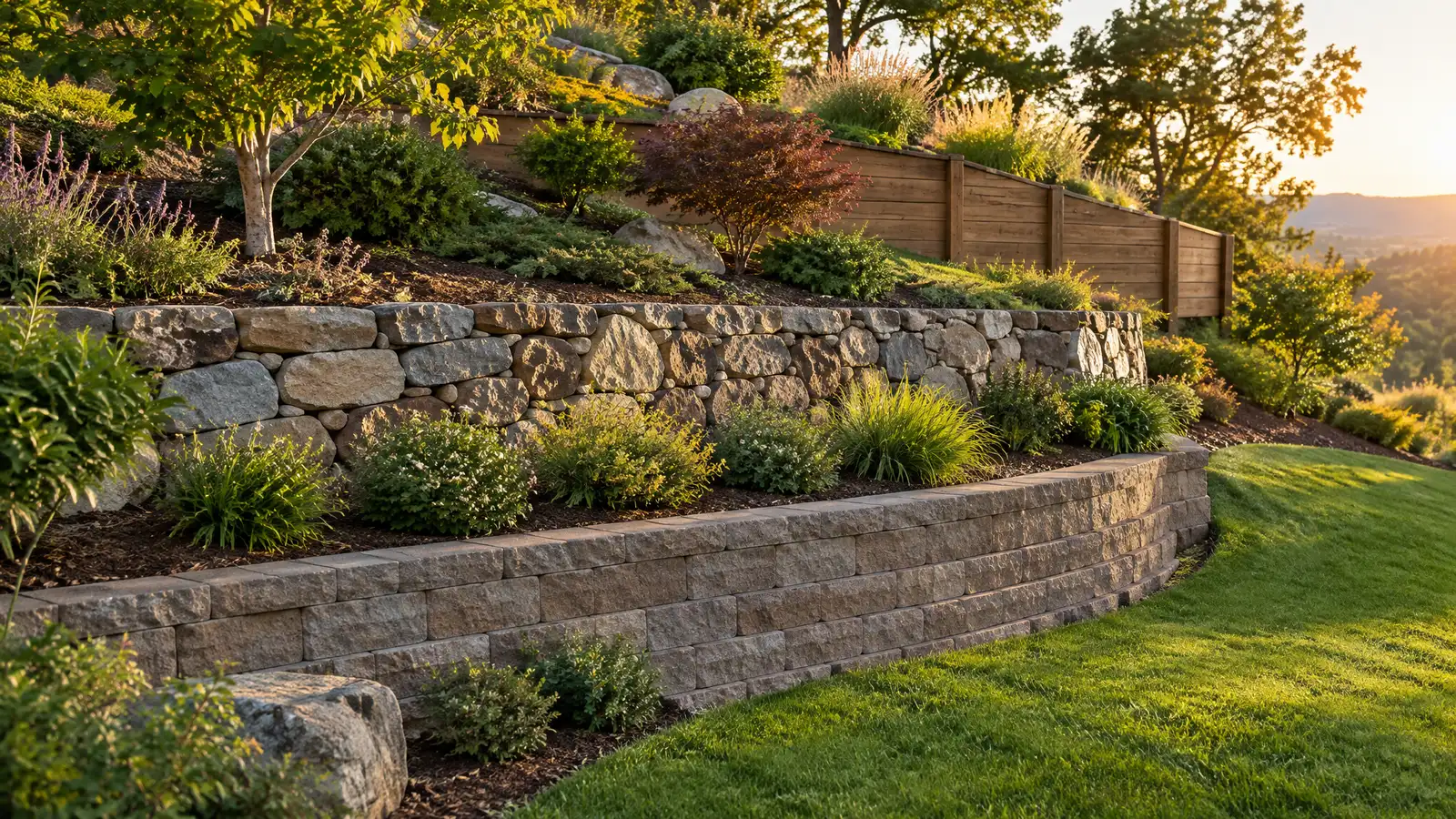 Comparison guideRetaining Wall TypesHow segmental block, poured concrete, natural stone and timber walls differ in strength, drainage needs, look and repair.Learn more
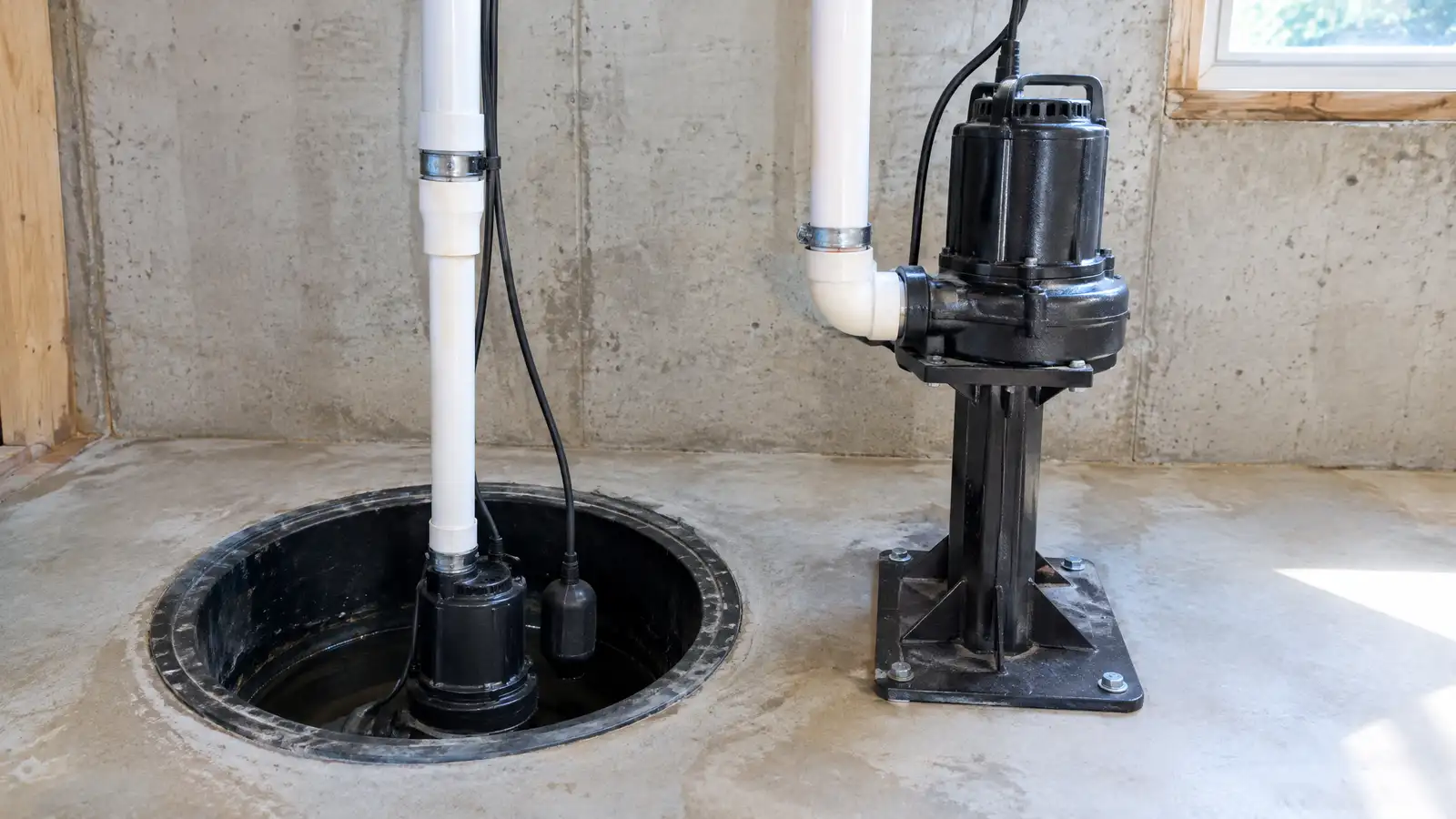 Comparison guideSump Pump TypesHow submersible, pedestal, battery backup and water-powered sump pumps differ in cost, noise, lifespan and best use.Learn more
 ResourceMetro CodesThe local office that handles building permits, inspections and code questions in Nashville and Davidson County.Learn more
Answer five questions about your property, what you see and your timing to see which foundation services to start with.
You tell us what you see and where the property is. One call sets up a visit that fits your day.
A specialist walks the inside and outside, checks cracks, floors, moisture and drainage and takes measurements and photos.
You receive a plain written scope with the cause, the method, the location of each repair and the schedule before anything begins.
Utility marking is requested where digging is needed, access is protected and materials and any engineering are lined up.
Supports, drains, sealing or lifting are completed in a clear order, with photos and checks along the way.
The site is cleaned up, the work is explained on a walk-through and care and monitoring tips are shared.
Water pooling beside the house, soil sinking along the foundation or a slope that leans toward the walls are signs.
Often it helps a lot, and some sites also need drains or gutter fixes.
Adding the wrong soil or too much near siding can cause problems, so planning the slope and the fill matters.
Some beds may need to be reworked, and your specialist explains how they will be protected or restored.
A well compacted grade can last many years with care, and erosion or settling can be touched up.
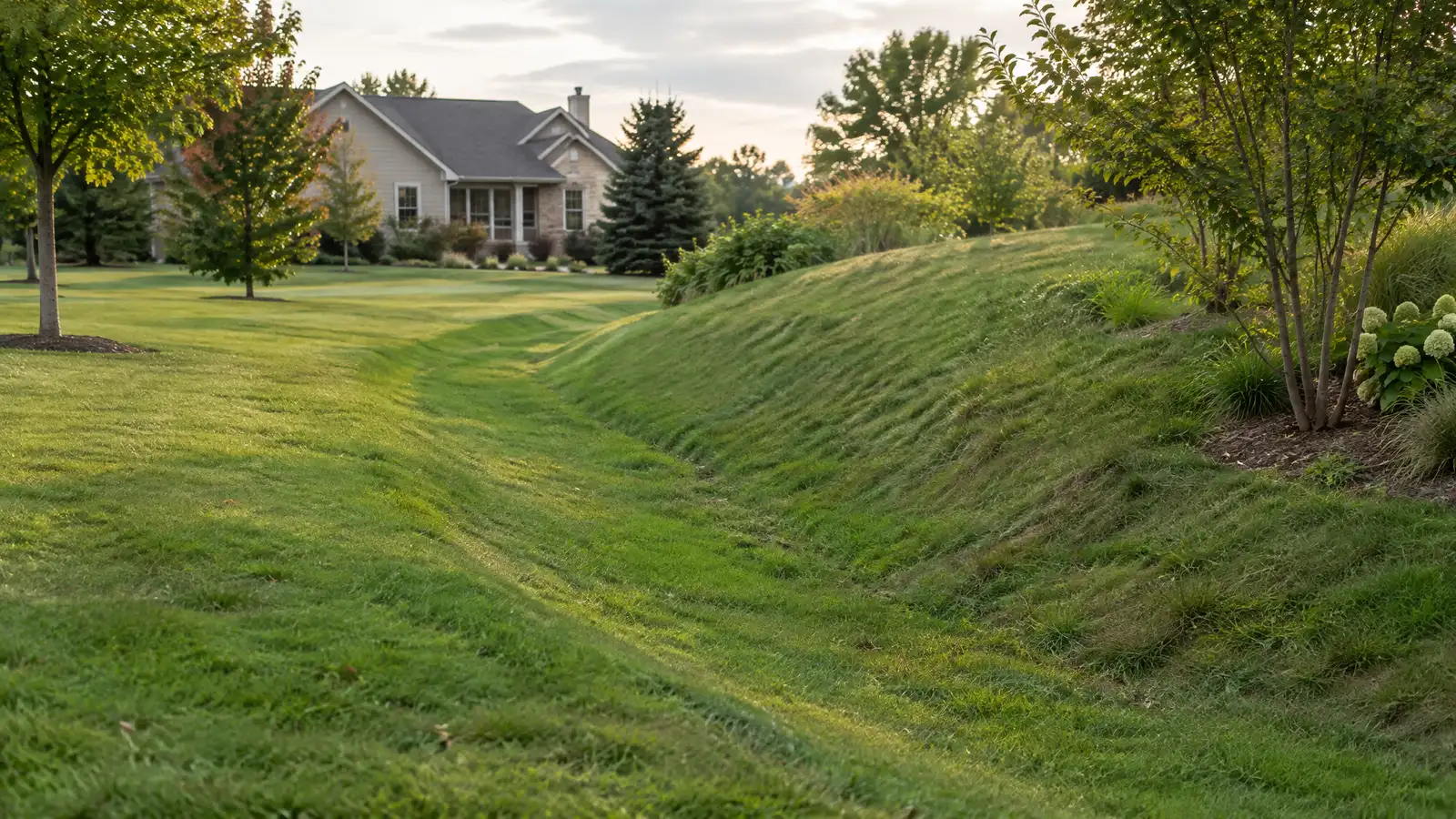 Swales and BermsShallow channels and gentle mounds that guide rain around a house and across a yard without pipes.Explore
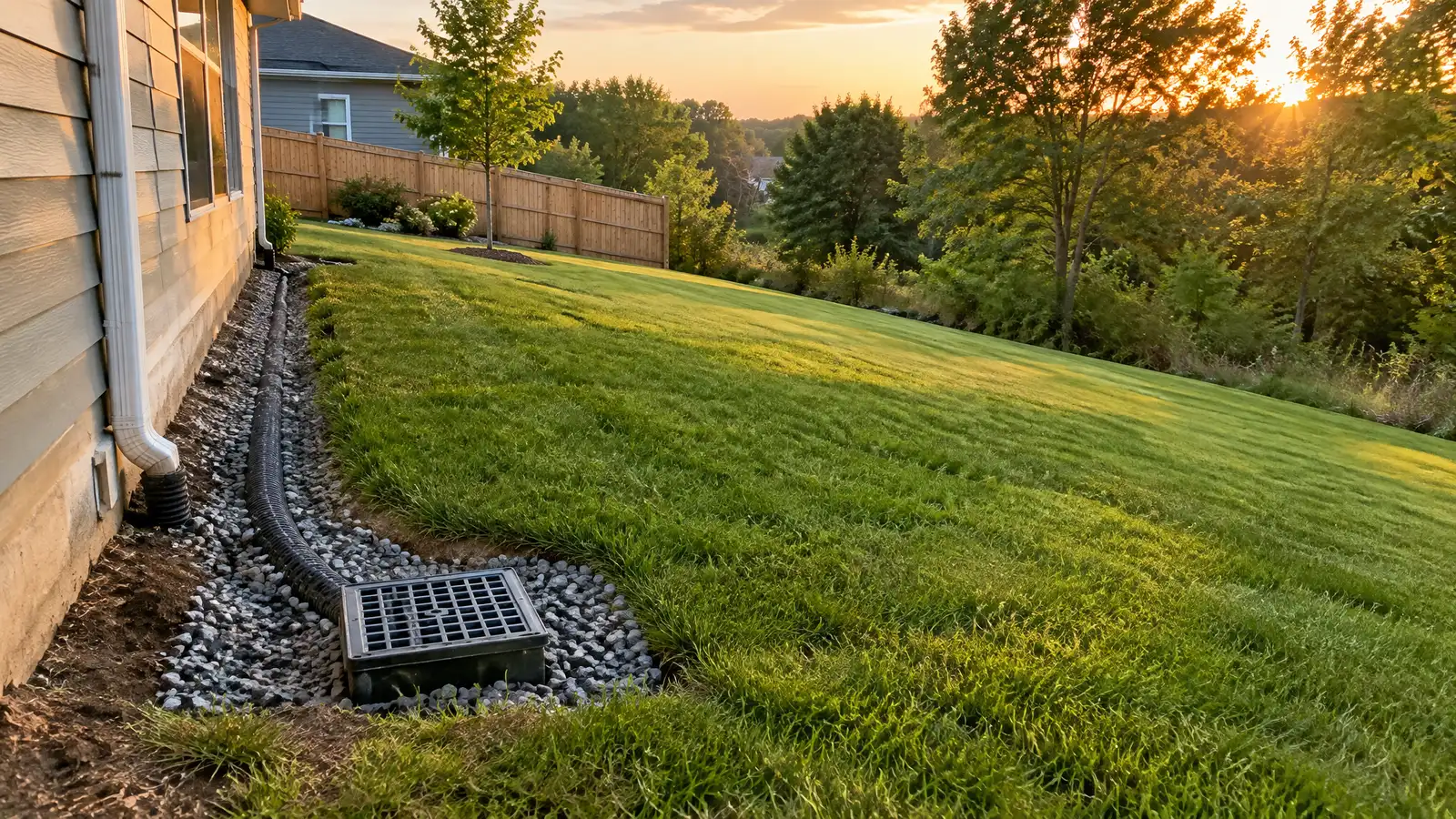 Yard Drainage SolutionsA plan to move rain and runoff away from your house and across your lot, using drains, grading…Explore
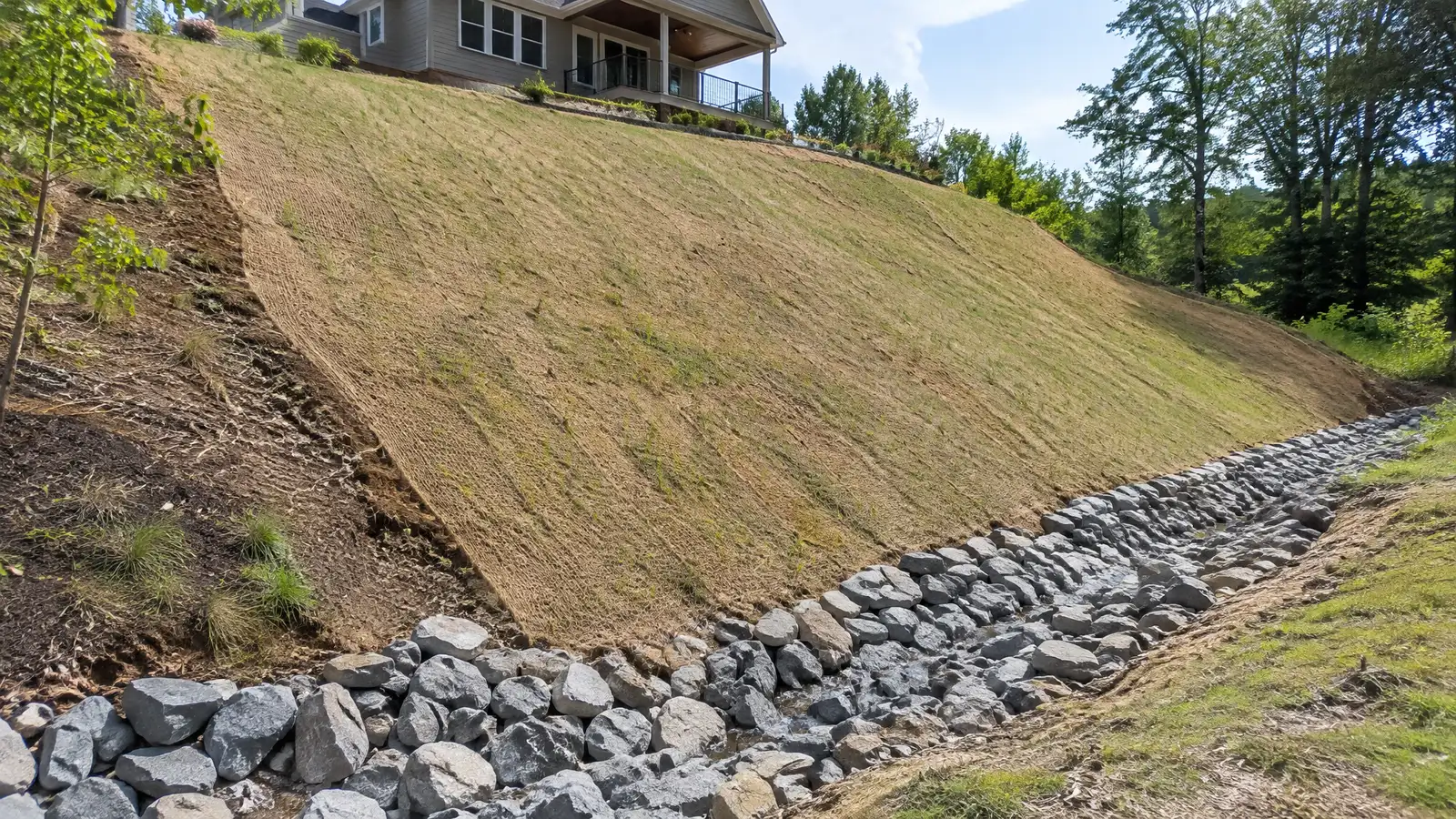 Erosion Control and Soil StabilizationProtecting slopes, banks and soil near a foundation from washing away, with grading, planting, stone and structural measures.Explore
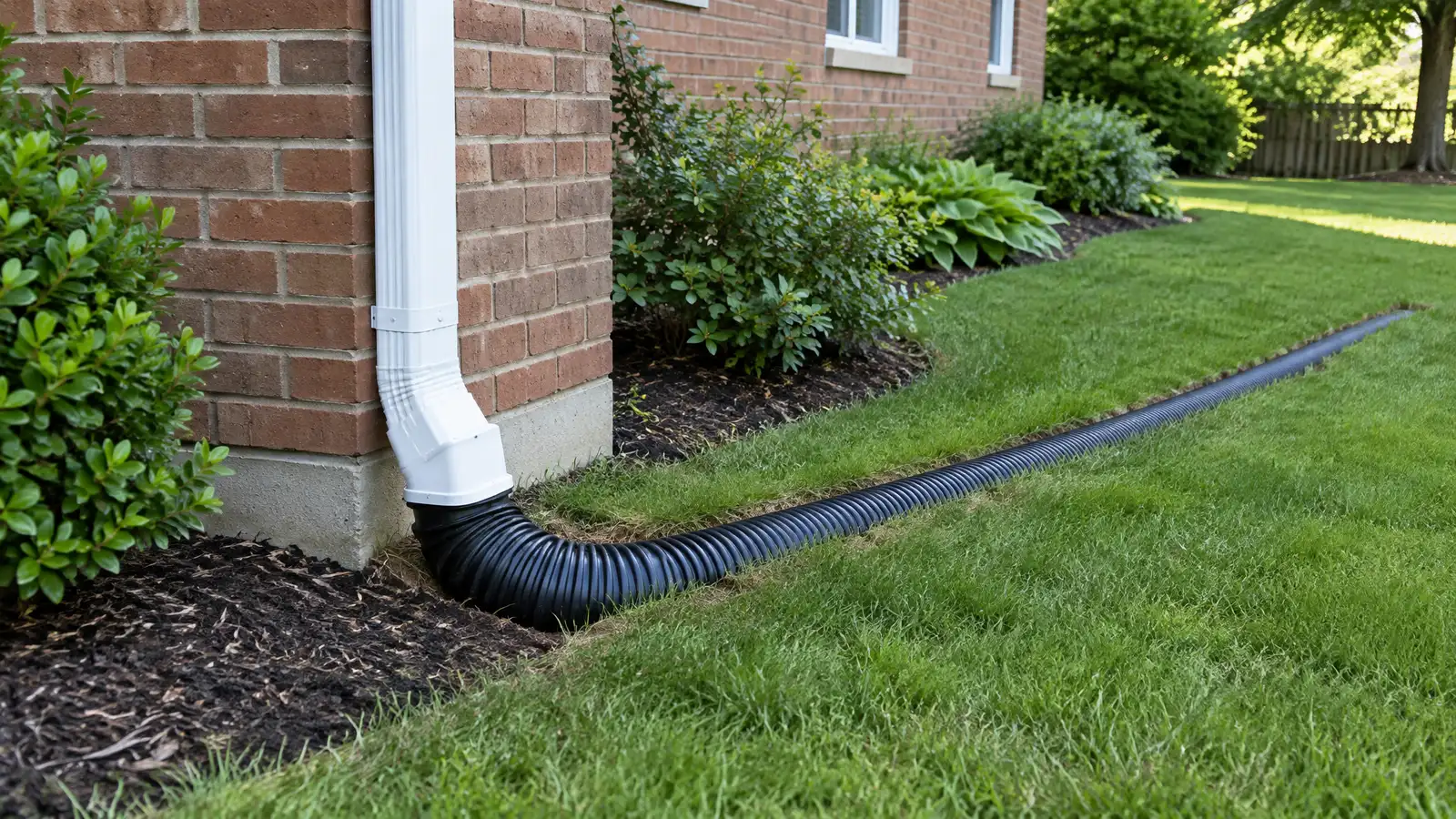 Downspout and Gutter DrainageExtending and burying downspouts and fixing gutters so roof water leaves your foundation zone instead of soaking it.Explore
Tell us about your property and one specialist will call you back to set up a visit.
Or call (615) 431-3789 to talk now.