Serving Nashville and Middle TennesseeFree Estimate
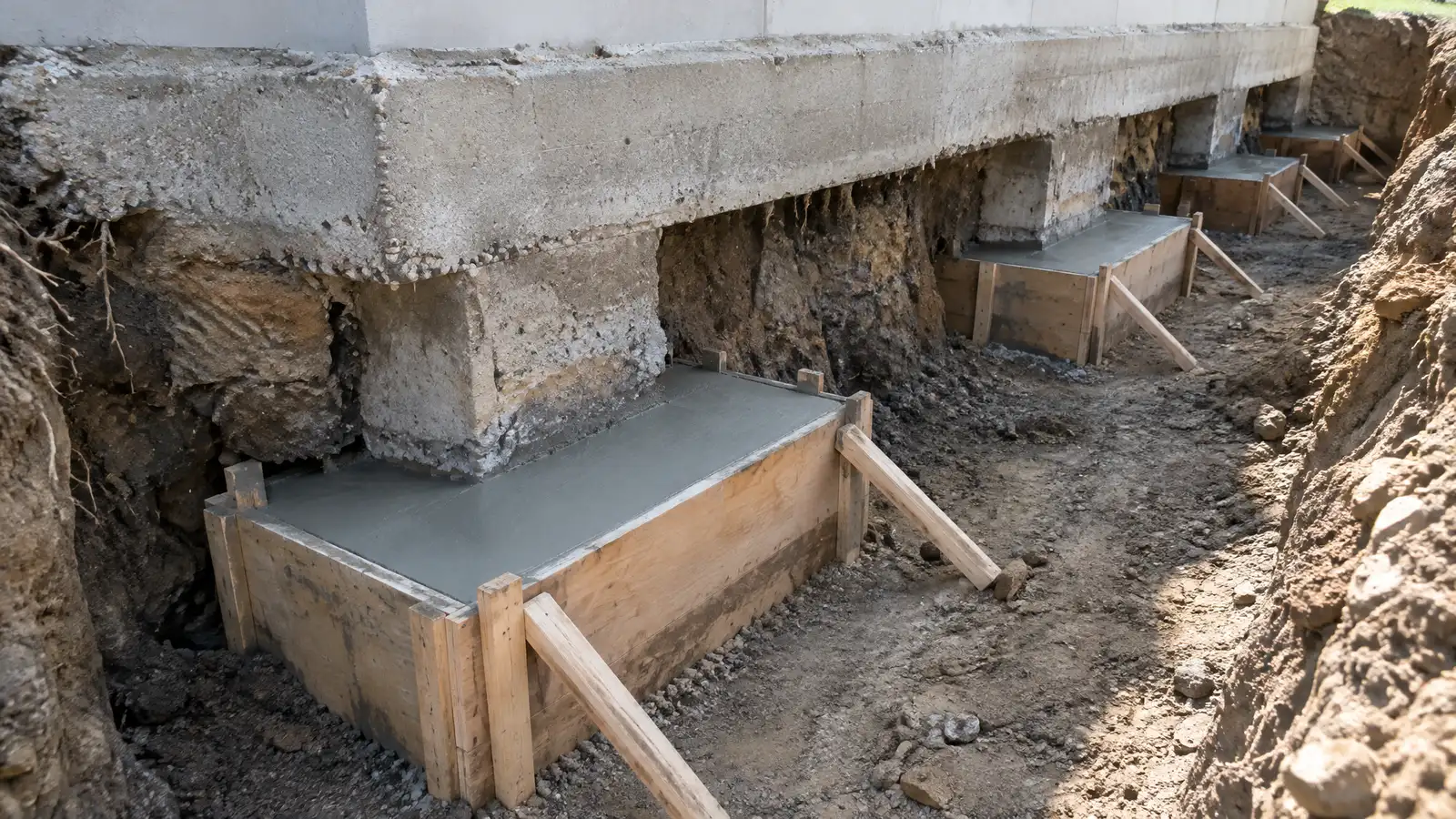
Extending or deepening footings so an existing foundation rests on stronger soil and carries its load safely.
Underpinning means giving an existing foundation a deeper or wider base. It is used when original footings were too shallow, soil has softened or loads have increased, for example with an addition or a basement project. In Nashville, where older homes sit on varied soils and shallow rock, underpinning can restore support to a house that has outgrown its original footings.
Your specialist works in short sections, excavating beneath the existing footing and installing new concrete or steel supports before moving to the next. Sequencing is careful so the building is never left unsupported. Piers, mass concrete or other systems may be used depending on the soil and loads, and an engineer's design often guides the details. The work finishes with backfill, drainage checks and site restoration.
Short sections are completed one at a time so the building stays supported throughout.
Concrete underpins, piers or helical systems are chosen based on soil, loads and access.
Larger or heavier jobs usually follow an engineer's design so details are right.
Water control around the new footing protects the support from the same soil problems that caused trouble.
Drag the handle to compare.
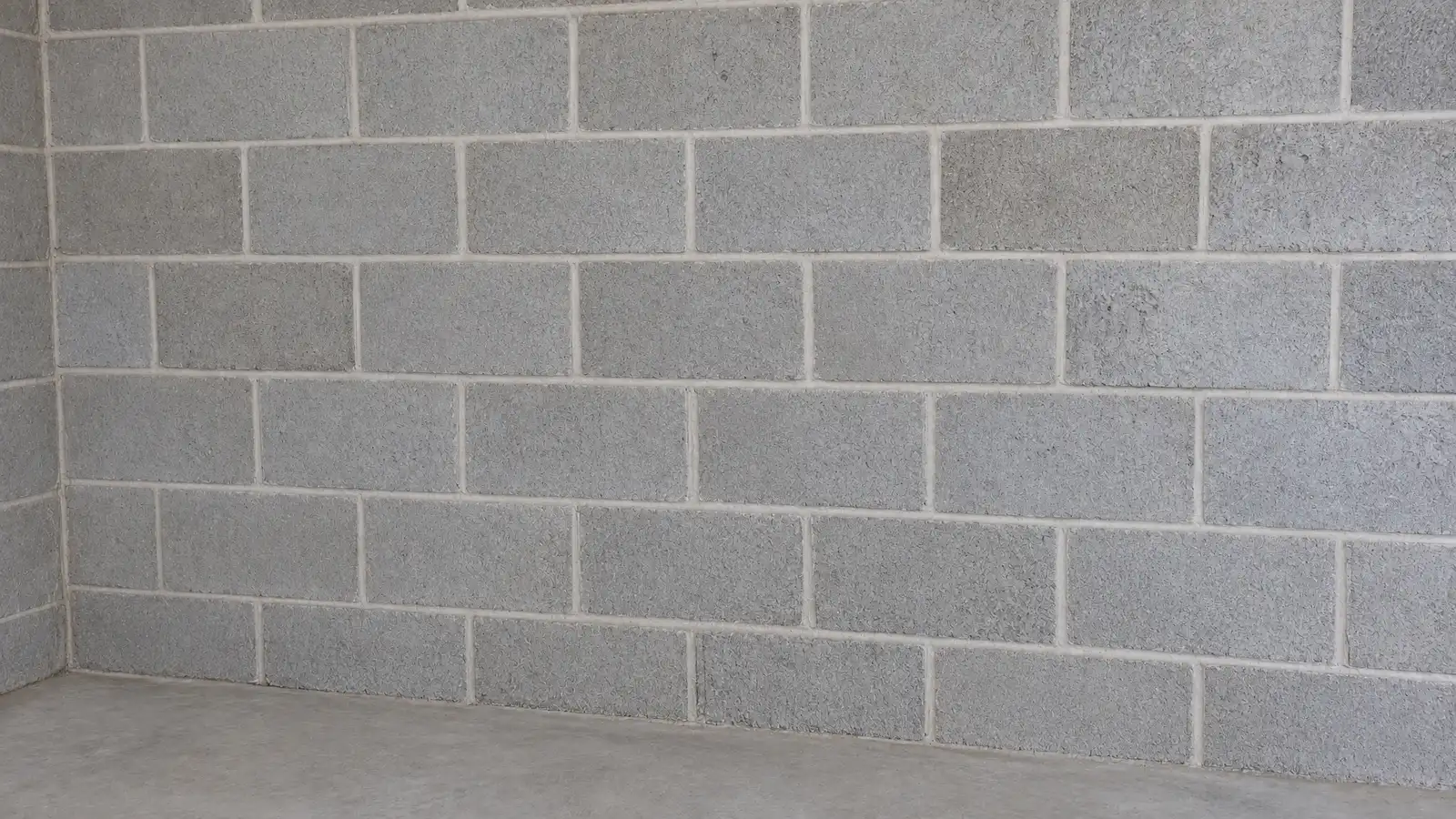
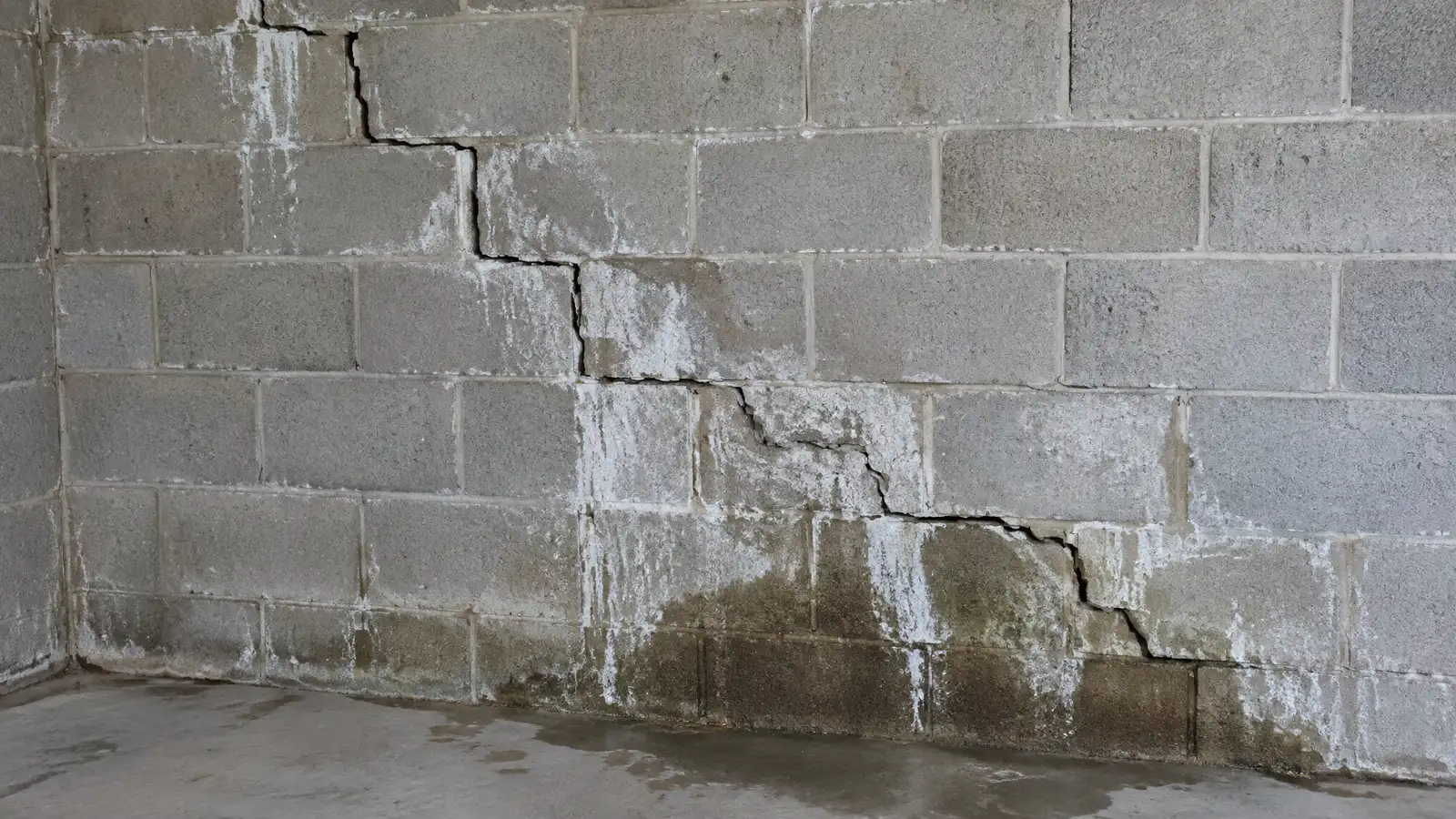 BeforeAfter
Loads and soil assessed.
Sections and order set.
Short lengths opened.
Concrete or pier systems placed.
Load transferred once ready.
Site finished with water control.
Every topic has its own page with what to expect and how we approach it.
 ResourceSikaA global maker of construction chemicals, including crack injection resins, waterproofing and concrete repair materials.Learn more
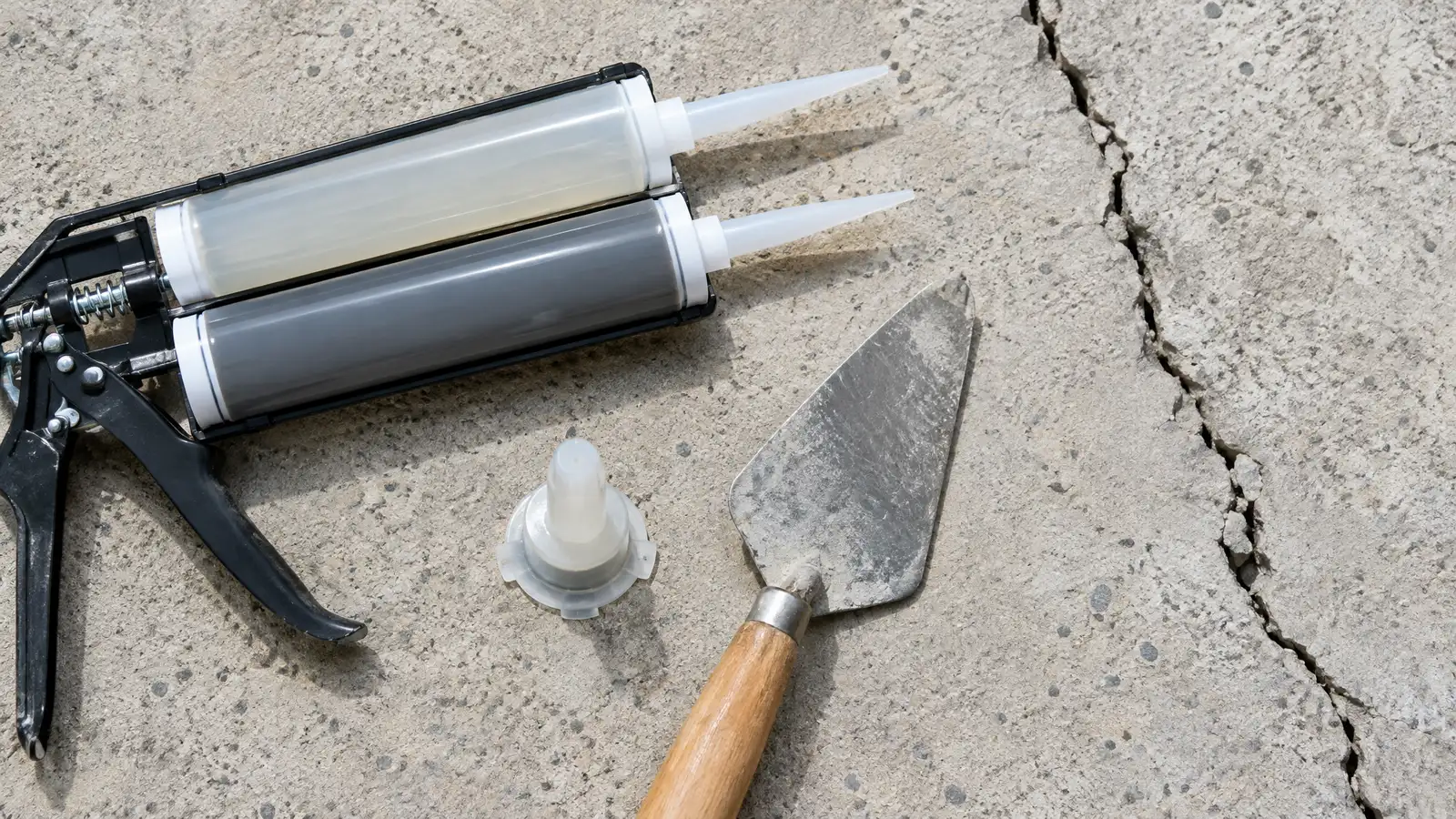 Comparison guideCrack Repair MaterialsHow epoxy, polyurethane, polyurea and cement-based fillers differ in flexibility, strength, leak control and best use.Learn more
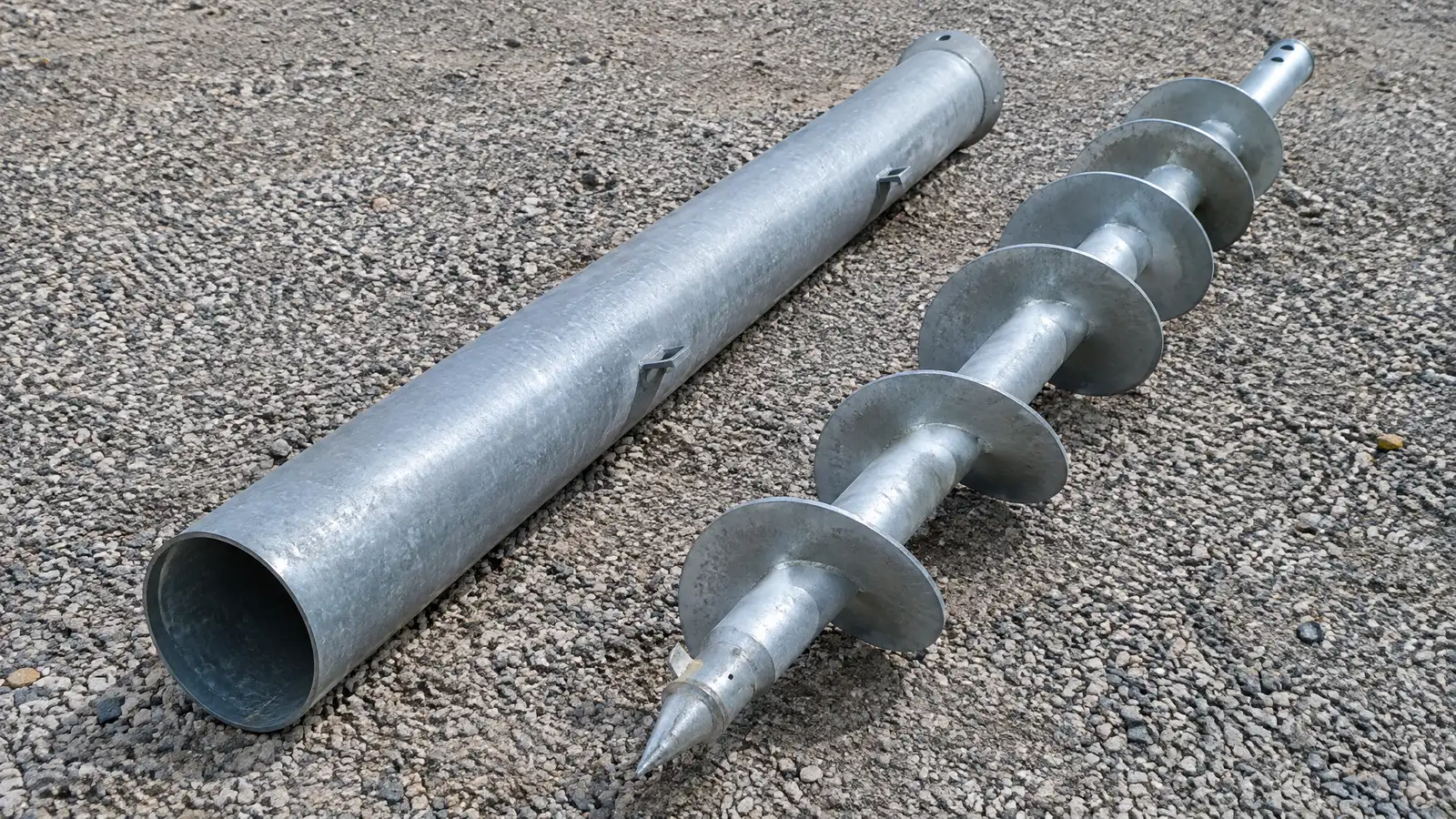 Comparison guidePush vs Helical PiersHow steel push piers and screw-in helical piers differ in how they are installed, what loads they suit…Learn more
Answer a few questions about what you see, your foundation type, moisture and soil to learn which repair methods usually fit.
You tell us what you see and where the property is. One call sets up a visit that fits your day.
A specialist walks the inside and outside, checks cracks, floors, moisture and drainage and takes measurements and photos.
You receive a plain written scope with the cause, the method, the location of each repair and the schedule before anything begins.
Utility marking is requested where digging is needed, access is protected and materials and any engineering are lined up.
Supports, drains, sealing or lifting are completed in a clear order, with photos and checks along the way.
The site is cleaned up, the work is explained on a walk-through and care and monitoring tips are shared.
When footings are too shallow, soil is weak, loads have increased or a basement or addition changes how the structure is supported.
Piers are one way to underpin. Underpinning is the broader idea of strengthening the support under a foundation.
When done in the right sequence and design, yes. Careful phasing keeps the structure supported at every step.
Often yes for larger or complex jobs, and your specialist coordinates the design and the field work.
Digging is concentrated near the foundation, and the schedule and site protection are explained before work begins.
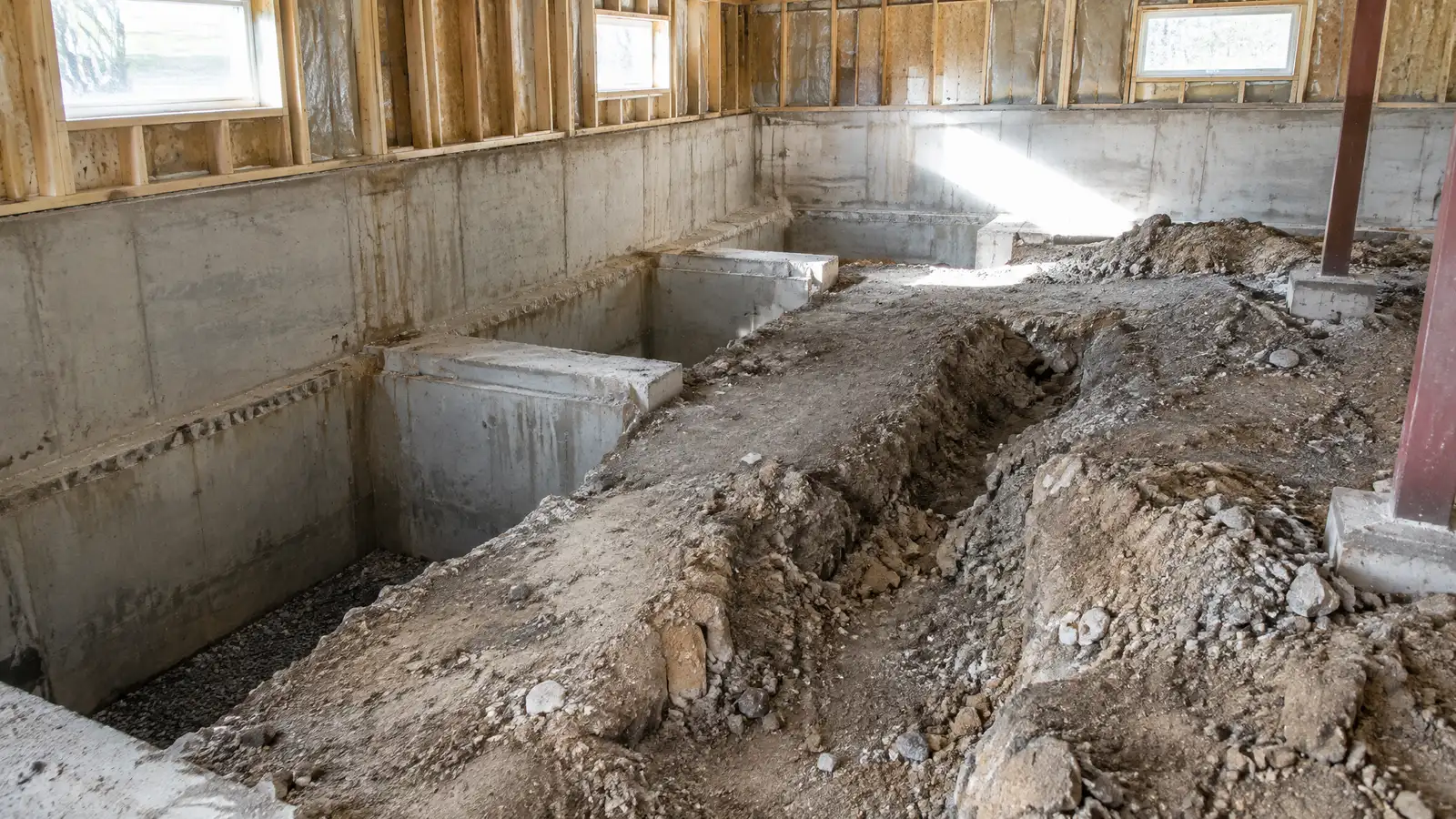 Basement Lowering and UnderpinningDigging down to gain headroom in a low basement or crawl space, underpinning the walls so they stay…Explore
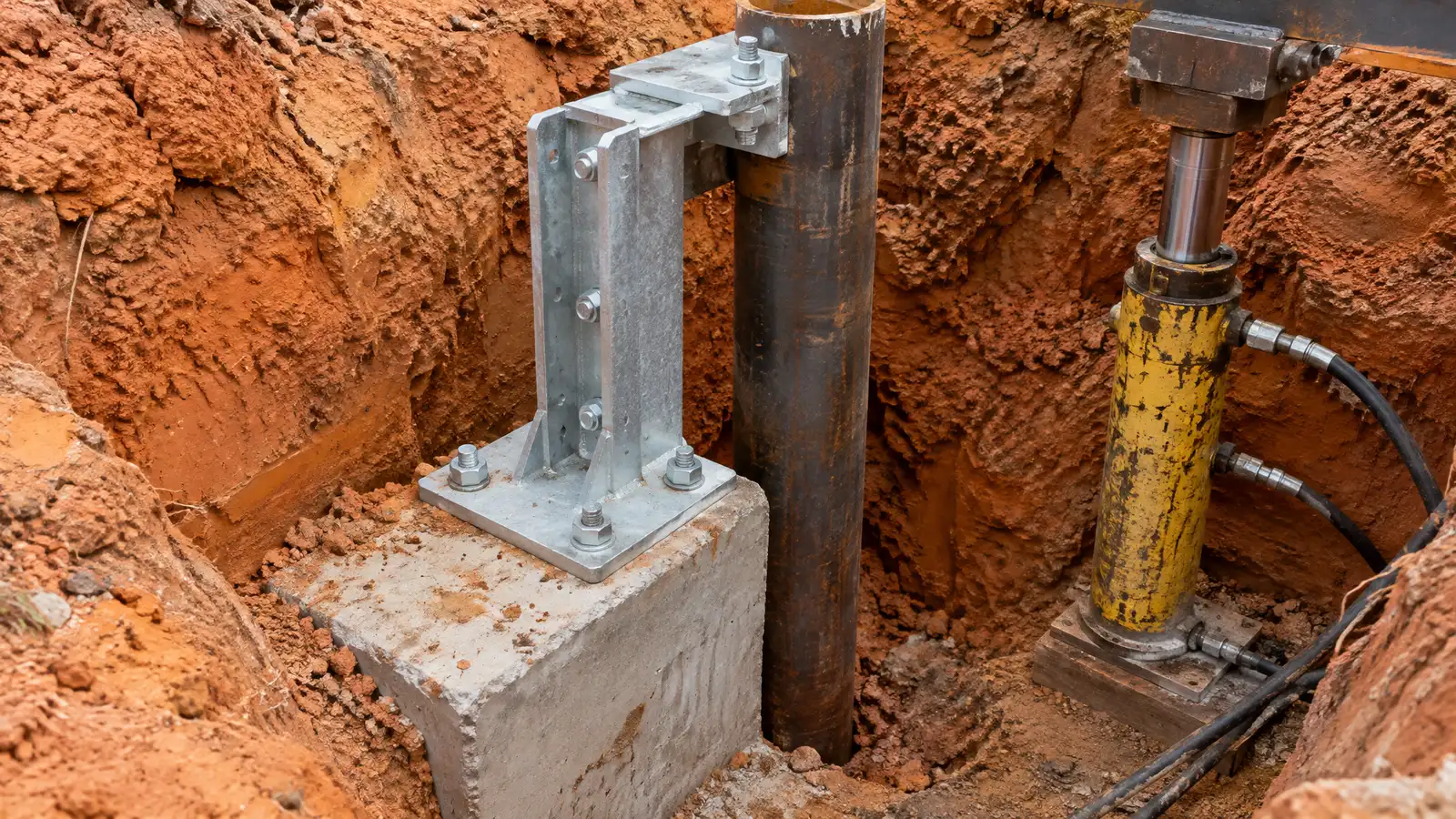 Push Pier Foundation RepairSteel push piers driven down to firm support to stop settlement and, where practical, lift a sinking foundation…Explore
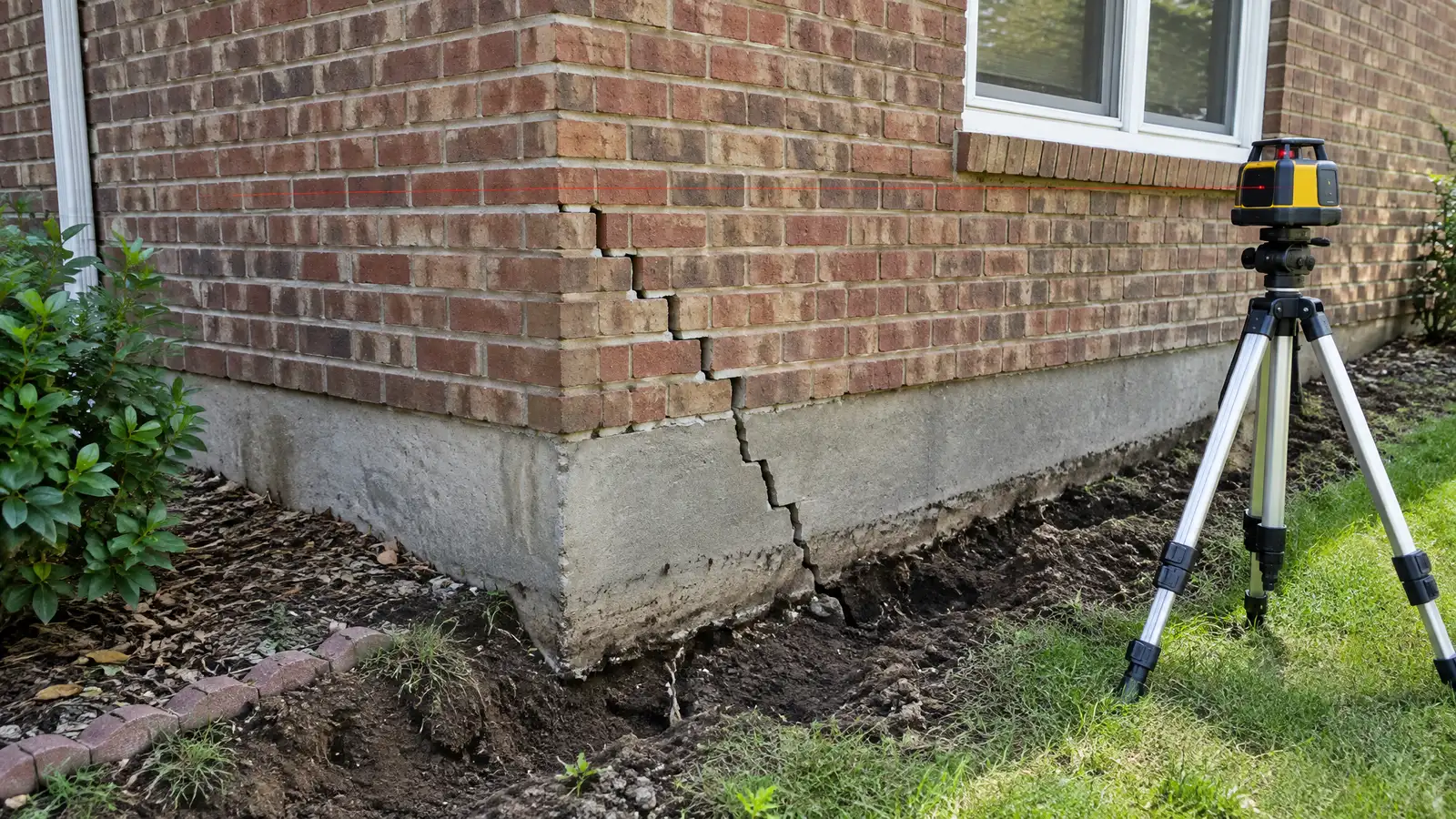 Settling and Sinking Foundation RepairRepairs for corners, walls and slabs that have dropped, using support, lifting and drainage to stop the movement…Explore
 Engineer Report and Plan CoordinationFinding the right engineer, preparing the information and turning the report into a clear, buildable repair plan.Explore
Tell us about your property and one specialist will call you back to set up a visit.
Or call (615) 431-3789 to talk now.