Serving Nashville and Middle TennesseeFree Estimate
How hairline, vertical, diagonal, stair-step and horizontal cracks differ in what they usually mean and what to do next.
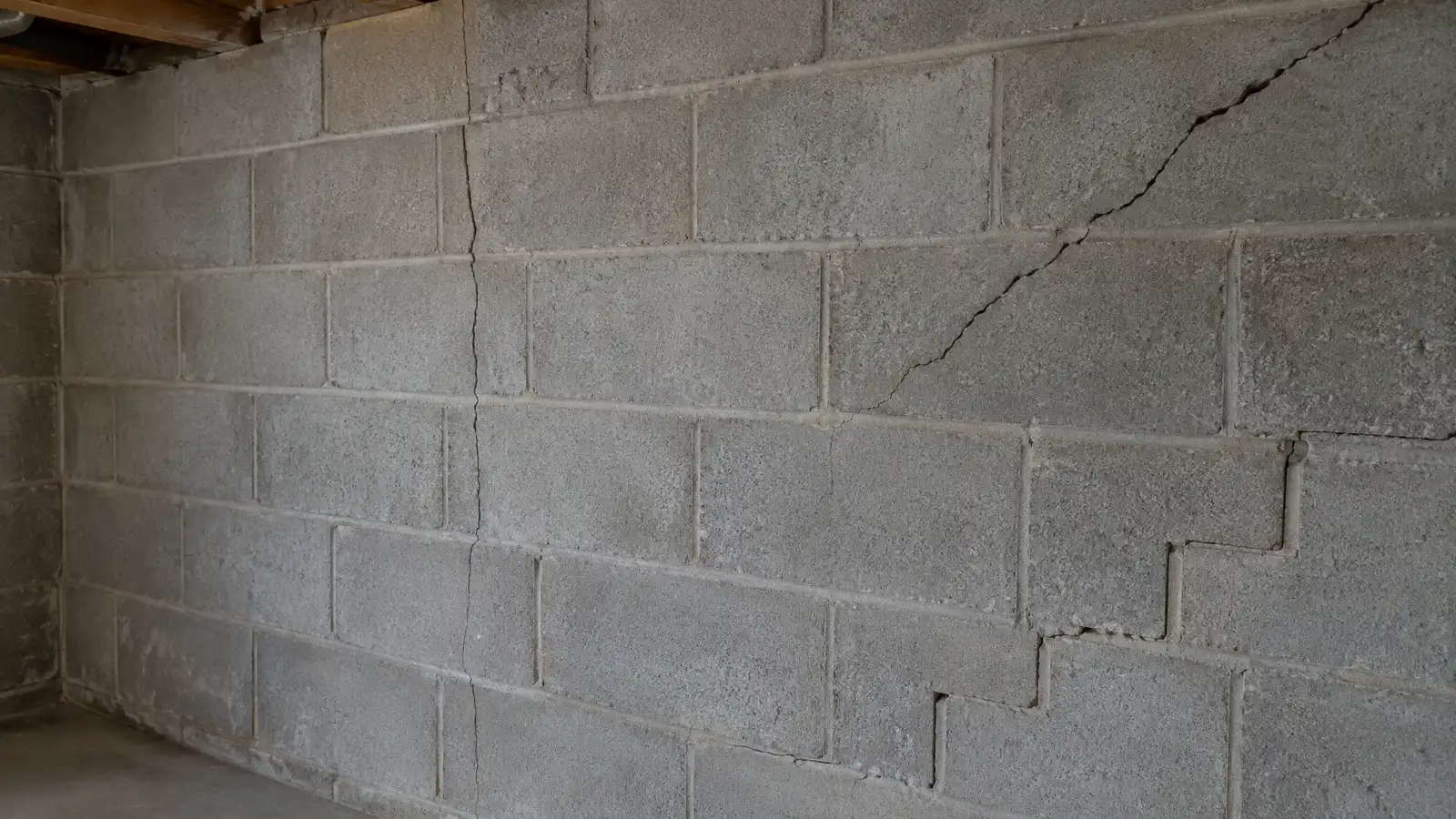
A crack is a message, and the pattern is the language. Hairline cracks can be shrinkage as concrete cures. Vertical cracks often follow shrinkage or minor settlement. Diagonal cracks tend to point to uneven settlement. Stair-step cracks follow mortar joints in block or brick and often show movement. Horizontal cracks in a basement wall are especially important, because they can signal sideways pressure from soil and water.
Width, growth and offset matter as much as direction. A crack that is wide, wider at one end, offset from side to side or leaking deserves a closer look. Owners in Nashville can start by marking and photographing cracks with dates, and by noting doors, windows and floors nearby. A specialist then helps tell cosmetic cracks from structural ones and chooses sealing, monitoring or repair.
Often shrinkage from curing and usually cosmetic, but worth photographing.
Often from shrinkage or small settlement, and usually less serious than diagonal or horizontal.
Can point to uneven settlement and deserves a look.
Follows mortar joints and often signals movement in block or brick.
Often shows sideways pressure on a wall and deserves prompt attention.
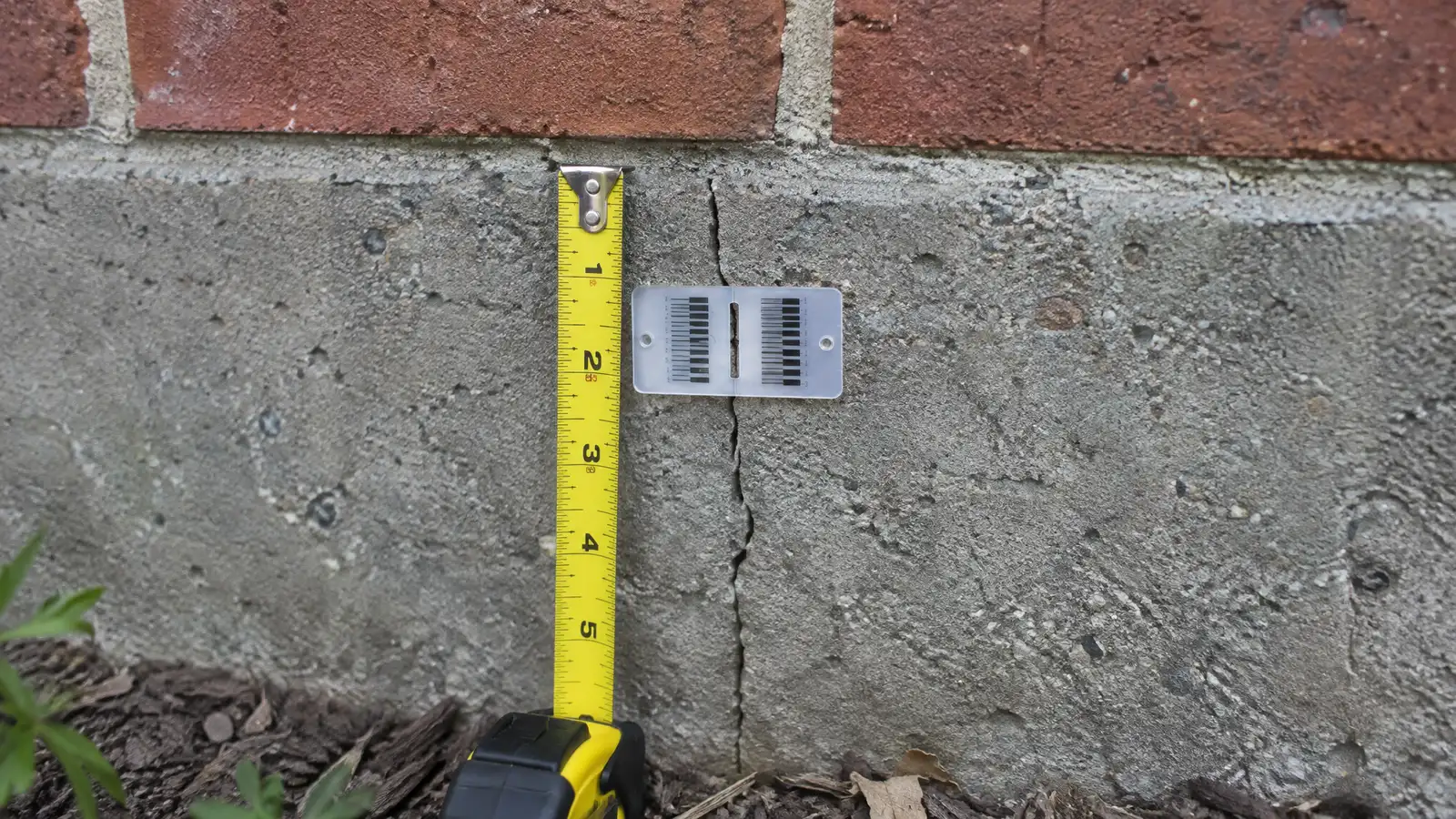
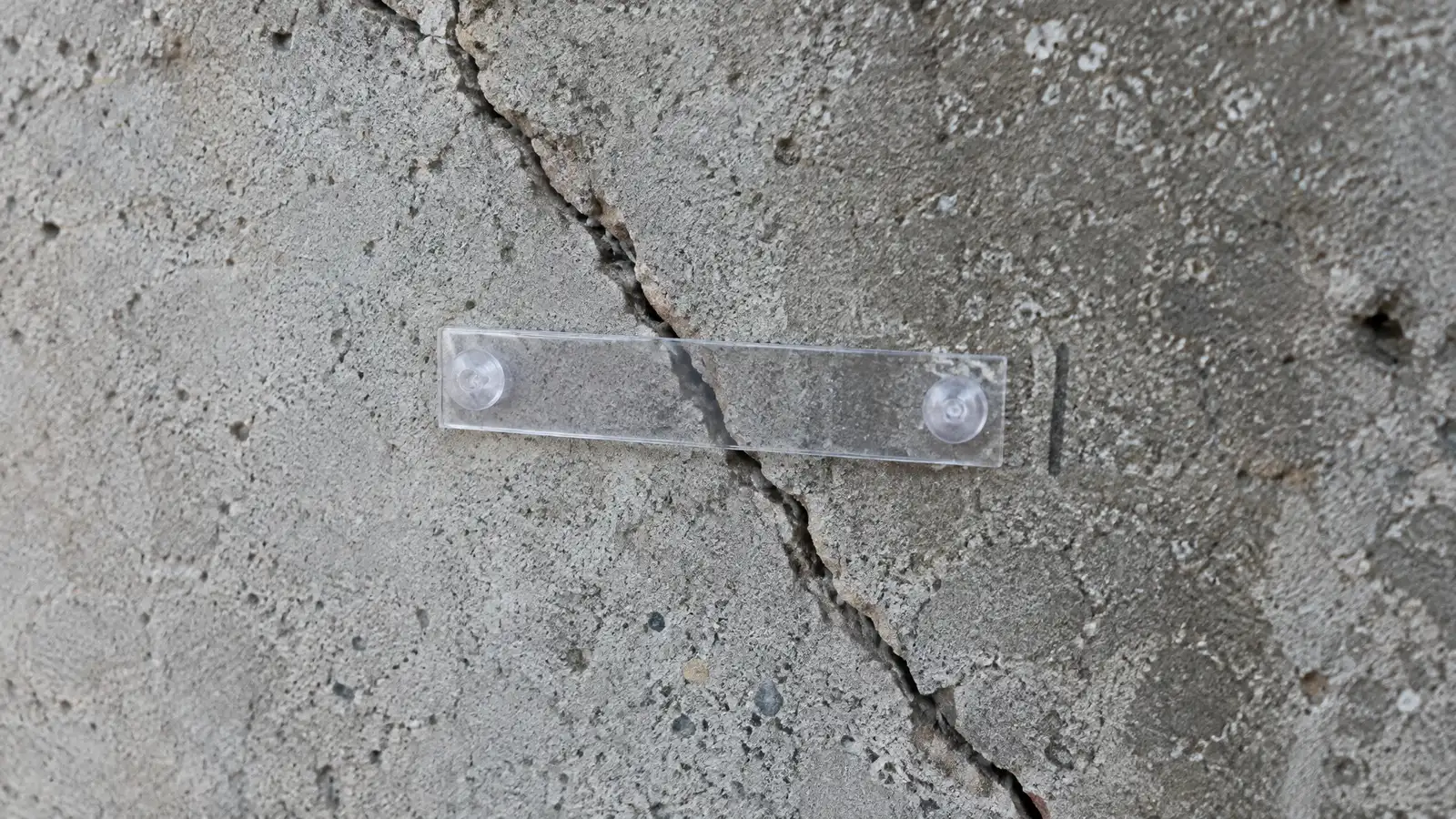
Marks and gauges show whether a crack is growing.
 Foundation InspectionsA careful look at the walls, floors, cracks, moisture and drainage around your home, so you know what…Explore
 Foundation Crack EvaluationA specialist reads the width, direction and pattern of your cracks to tell harmless shrinkage from movement that…Explore
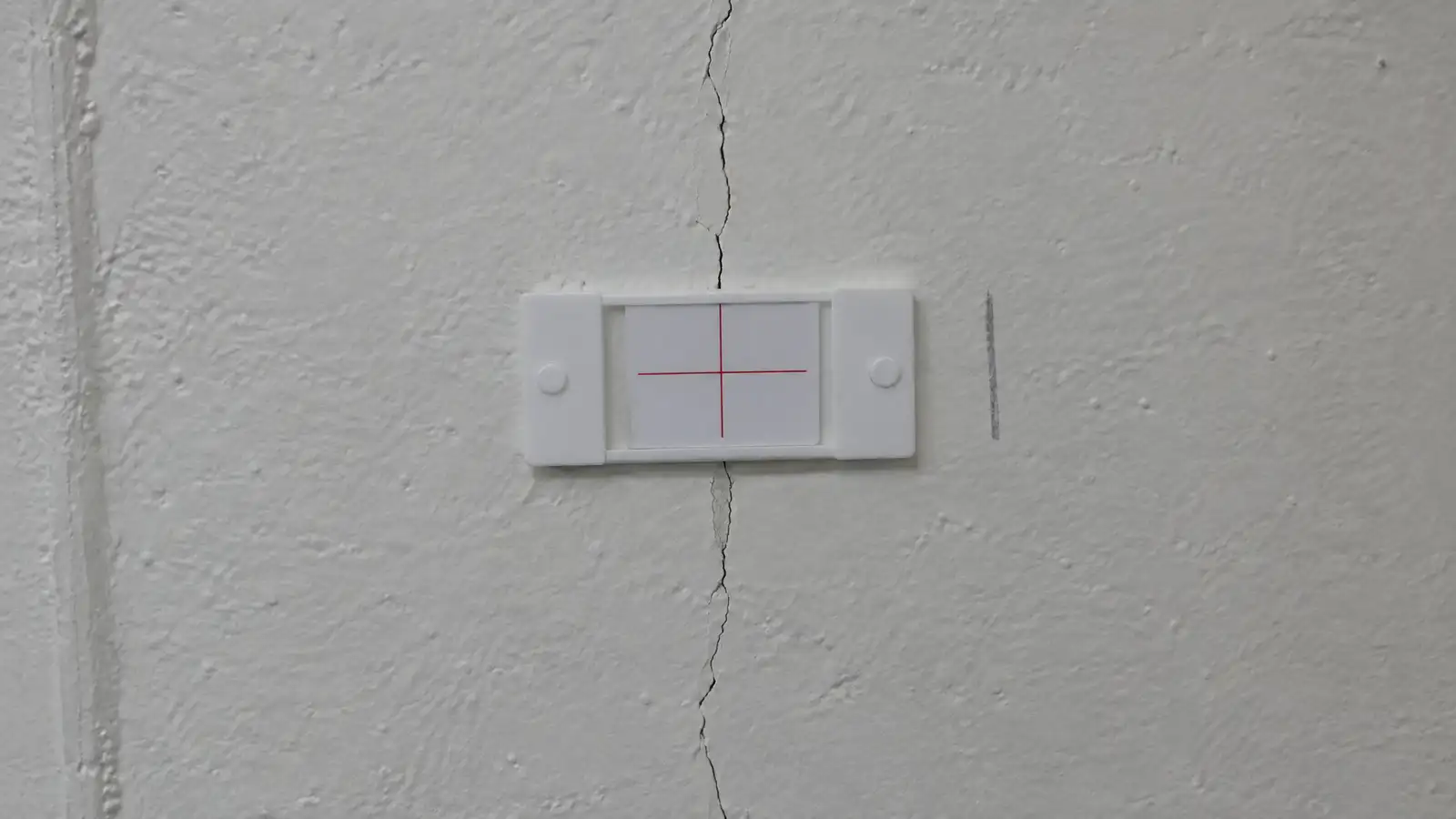 Crack and Movement MonitoringSimple gauges, marks and repeat readings that show whether a crack or floor is moving, so decisions rest…Explore
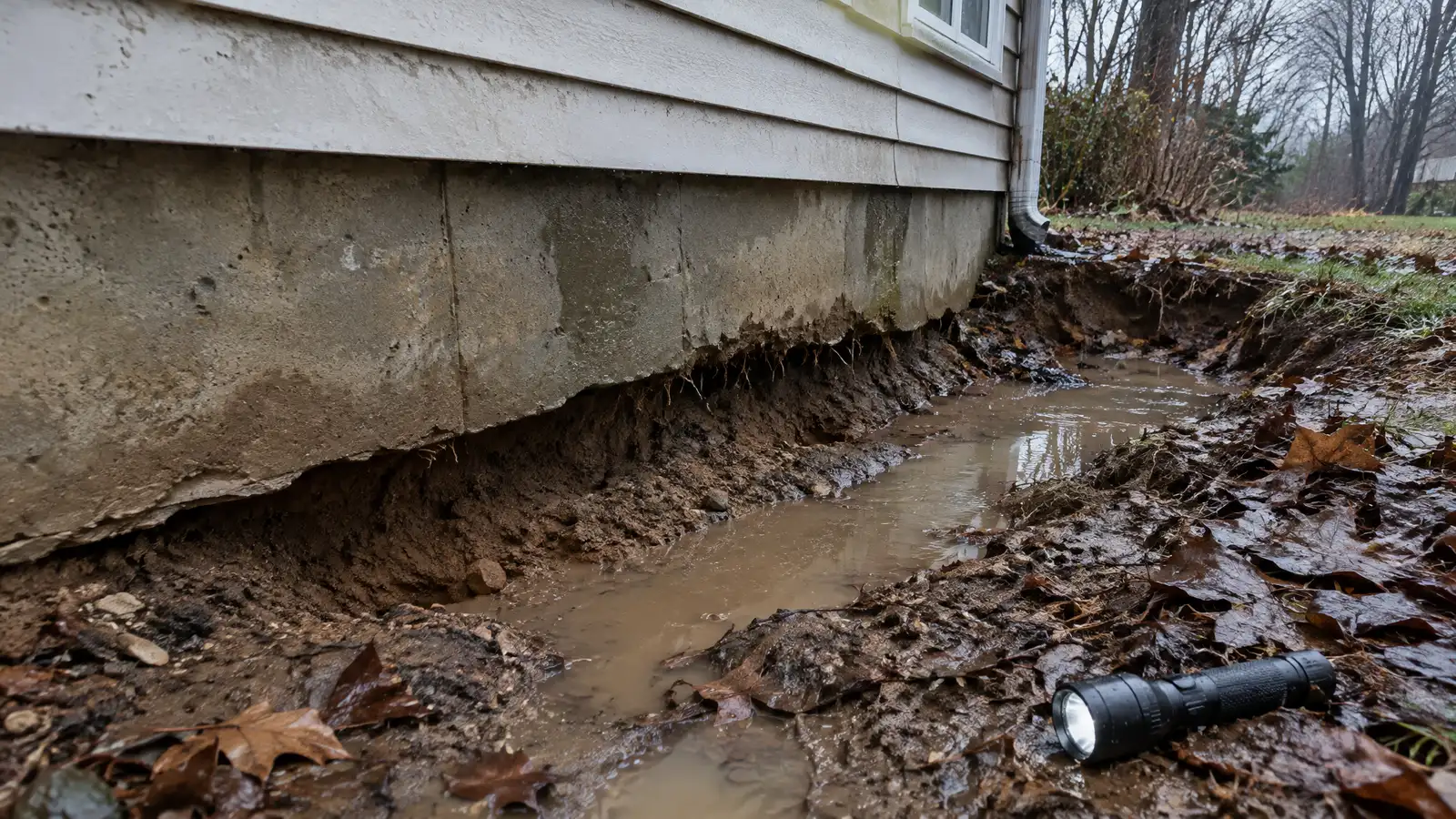 Post-Storm and Flood Foundation AssessmentsA prompt look at foundations, crawl spaces and basements after heavy rain, flooding or storms to catch damage…Explore
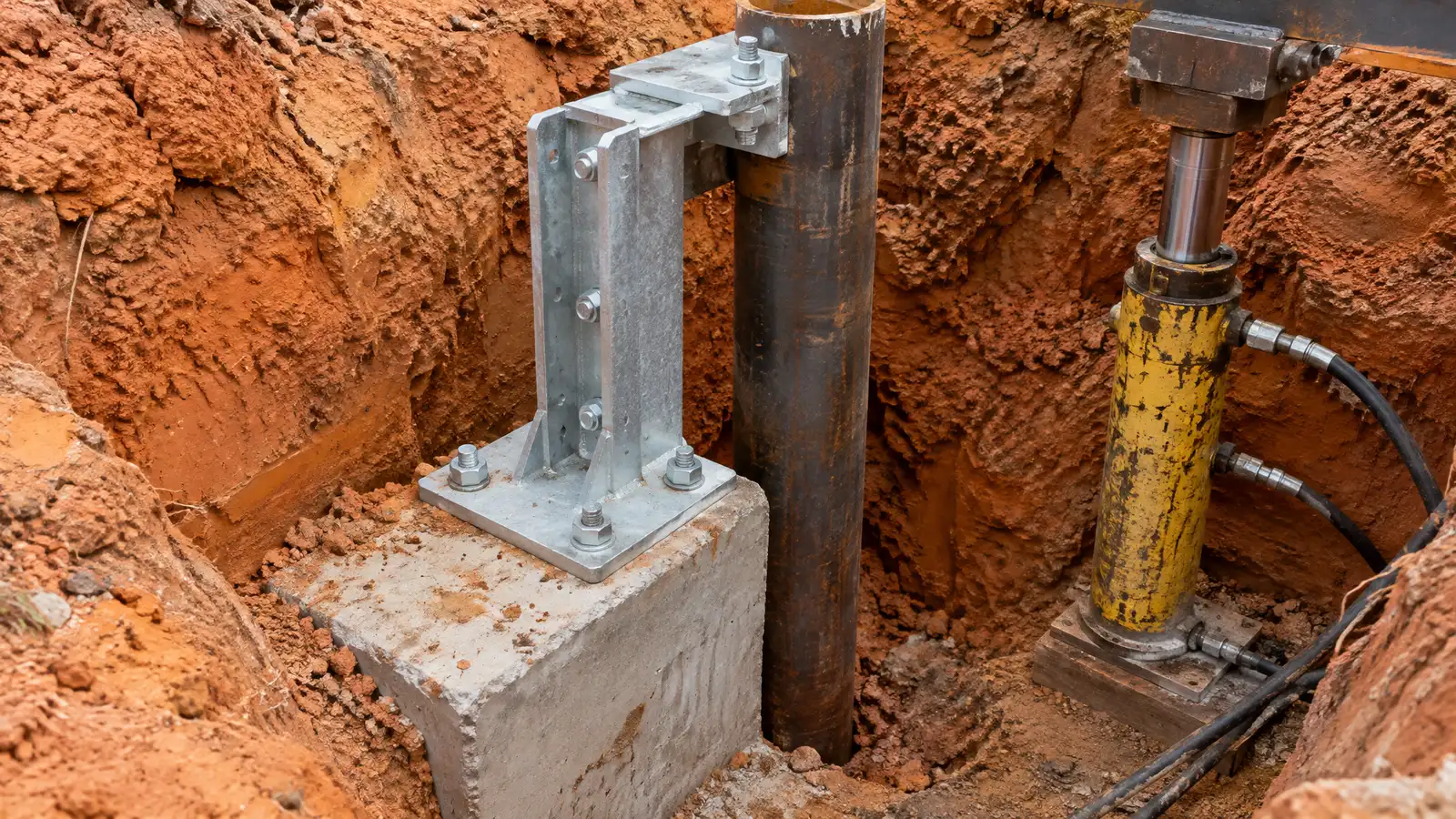 Push Pier Foundation RepairSteel push piers driven down to firm support to stop settlement and, where practical, lift a sinking foundation…Explore
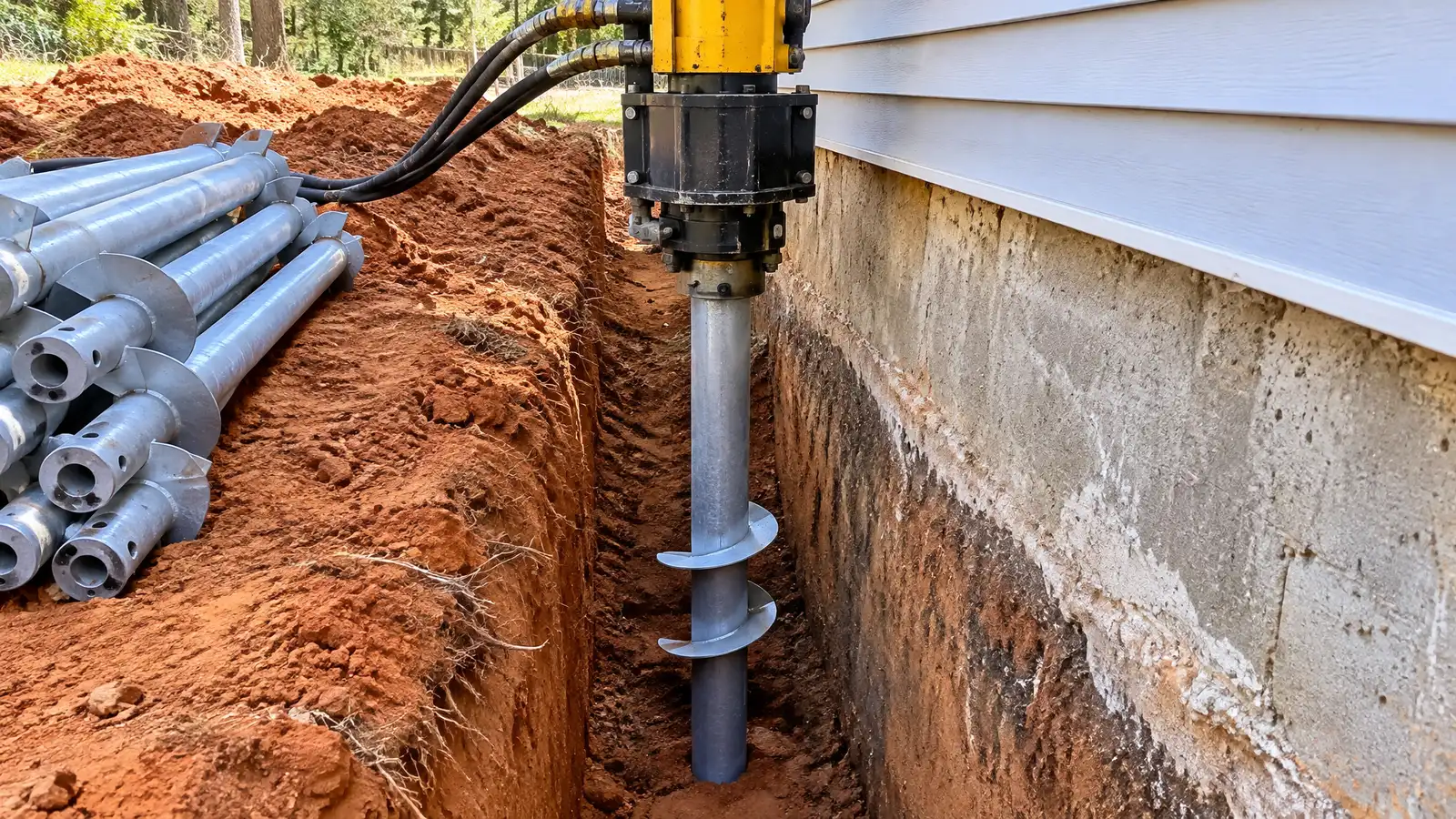 Helical Pier Foundation RepairScrew-in steel piers that stabilize light and heavy structures, with torque readings that show how much load each…Explore
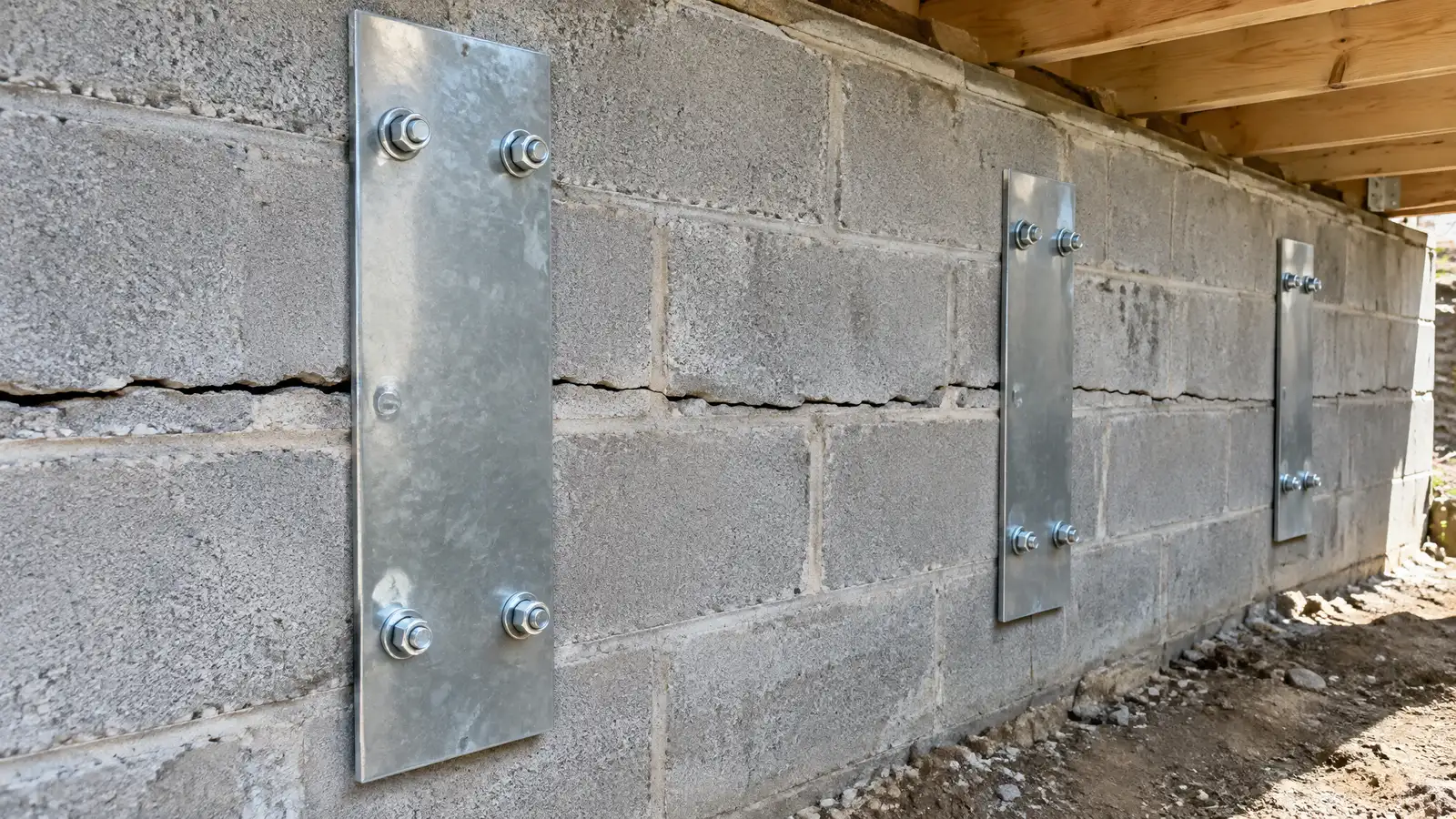 Block Foundation RepairRepairs for concrete block foundation walls with horizontal cracks, stair-step cracks, bowing or water seepage.Explore
 Stone Foundation RepairCareful repair of old fieldstone and limestone foundations, with repointing, stabilization and drainage that respect the original build.Explore
Check a warning sign, size a job or ballpark a budget.
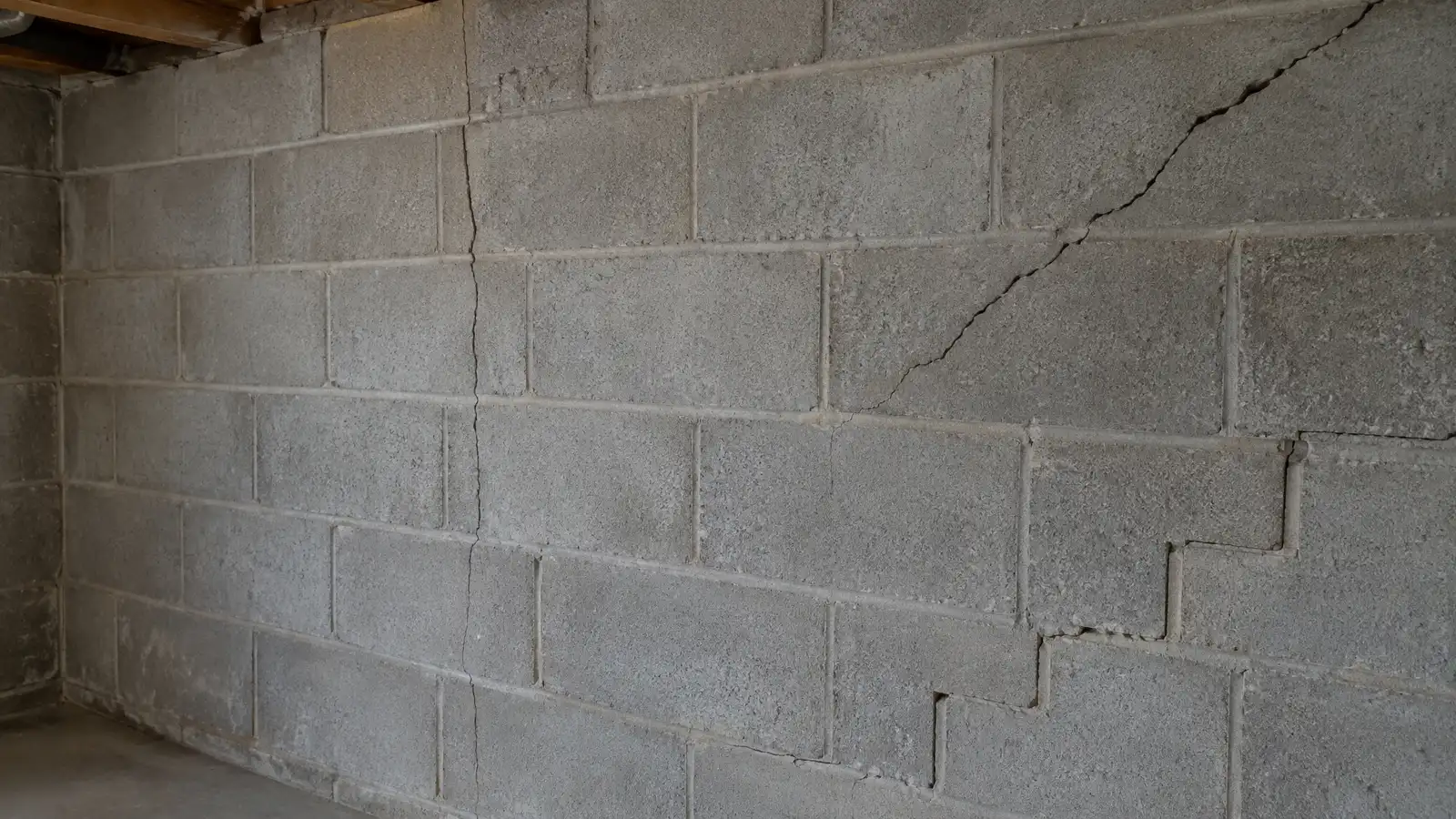 Foundation Problem Checker: What Is Wrong?Pick what you see in your walls, floors, basement, crawl space or concrete to get likely causes, what to try first and the service page that fits.Try it
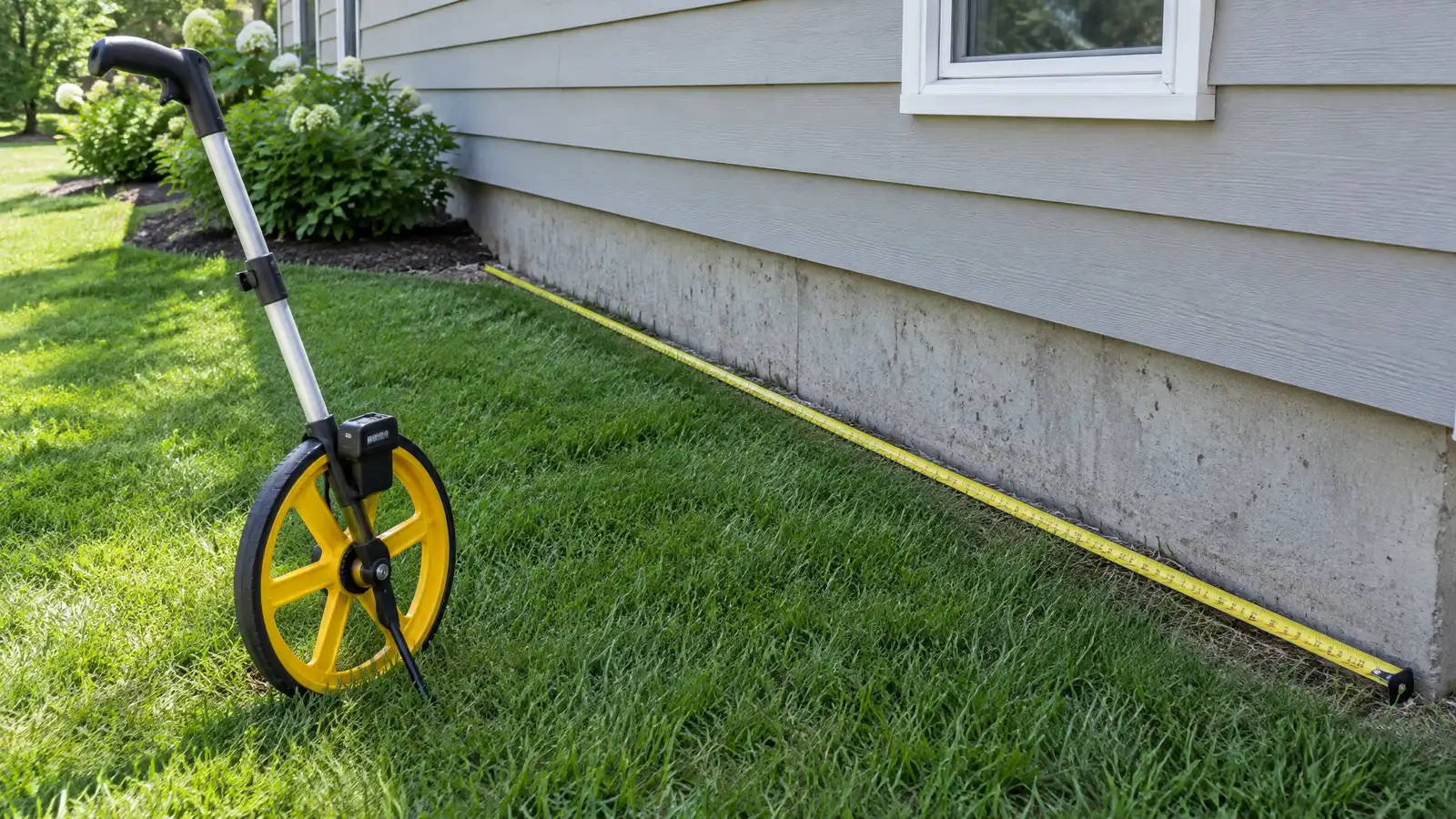 Foundation Job Size CalculatorEnter your measurements to see piers, crack length, drain footage, crawl space liner area and slab area to plan for.Try it
 Foundation Repair Budget PlannerPick a foundation, waterproofing, drainage or concrete job, set the quantity and add extras to see a ballpark planning range. Placeholder values only.Try it
Fast growth, bowing walls, large offsets and water pouring in are reasons to call right away.
Small cosmetic cracks can be sealed, and structural or leaking cracks need a repair that addresses the cause.
Mark the ends with a dated pencil line and take photos, or use a crack gauge.
 Comparison guideFoundation TypesHow slab-on-grade, crawl space, basement and pier and beam foundations differ in cost drivers, moisture, access, repair and…Learn more
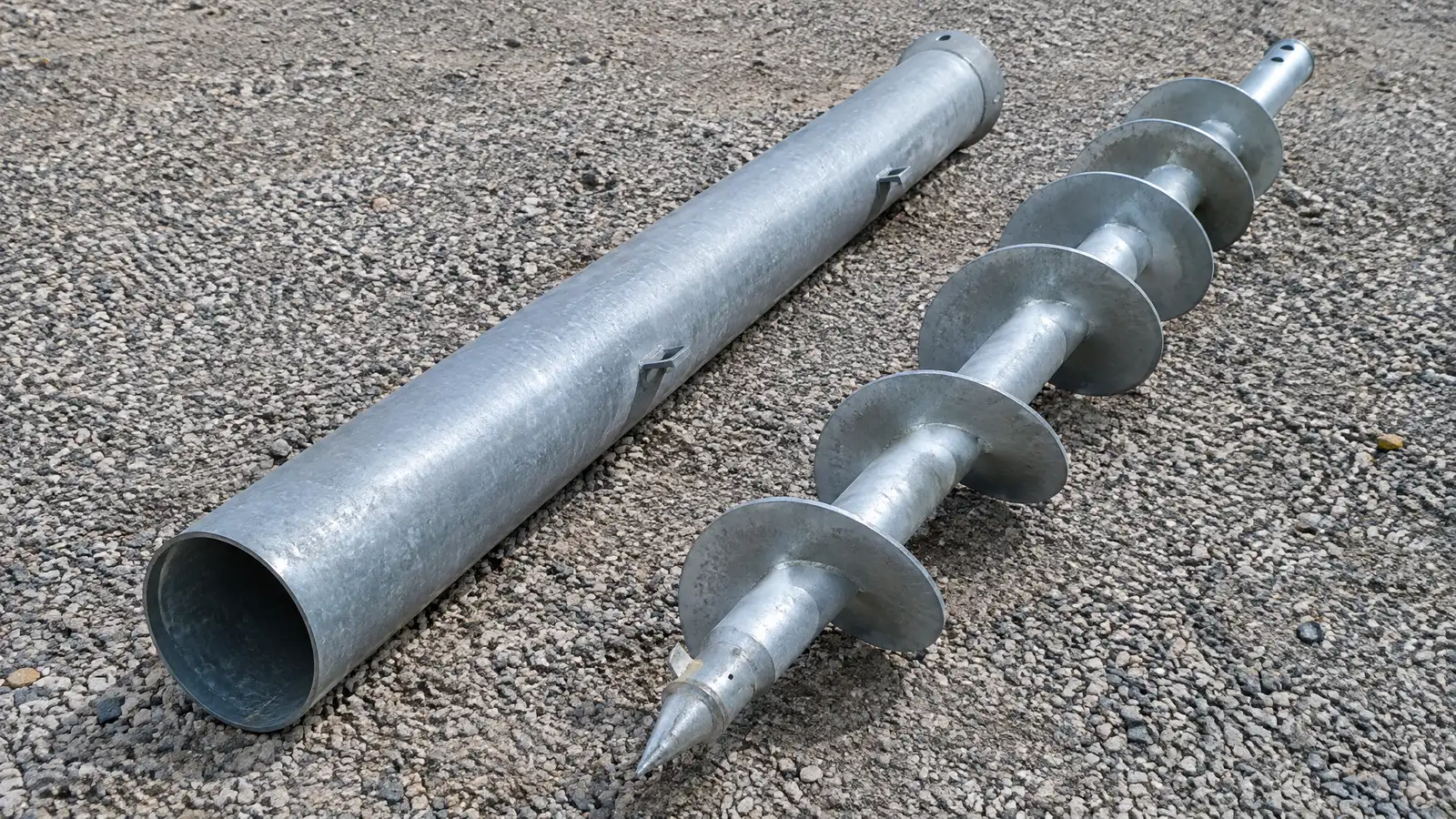 Comparison guidePush vs Helical PiersHow steel push piers and screw-in helical piers differ in how they are installed, what loads they suit…Learn more
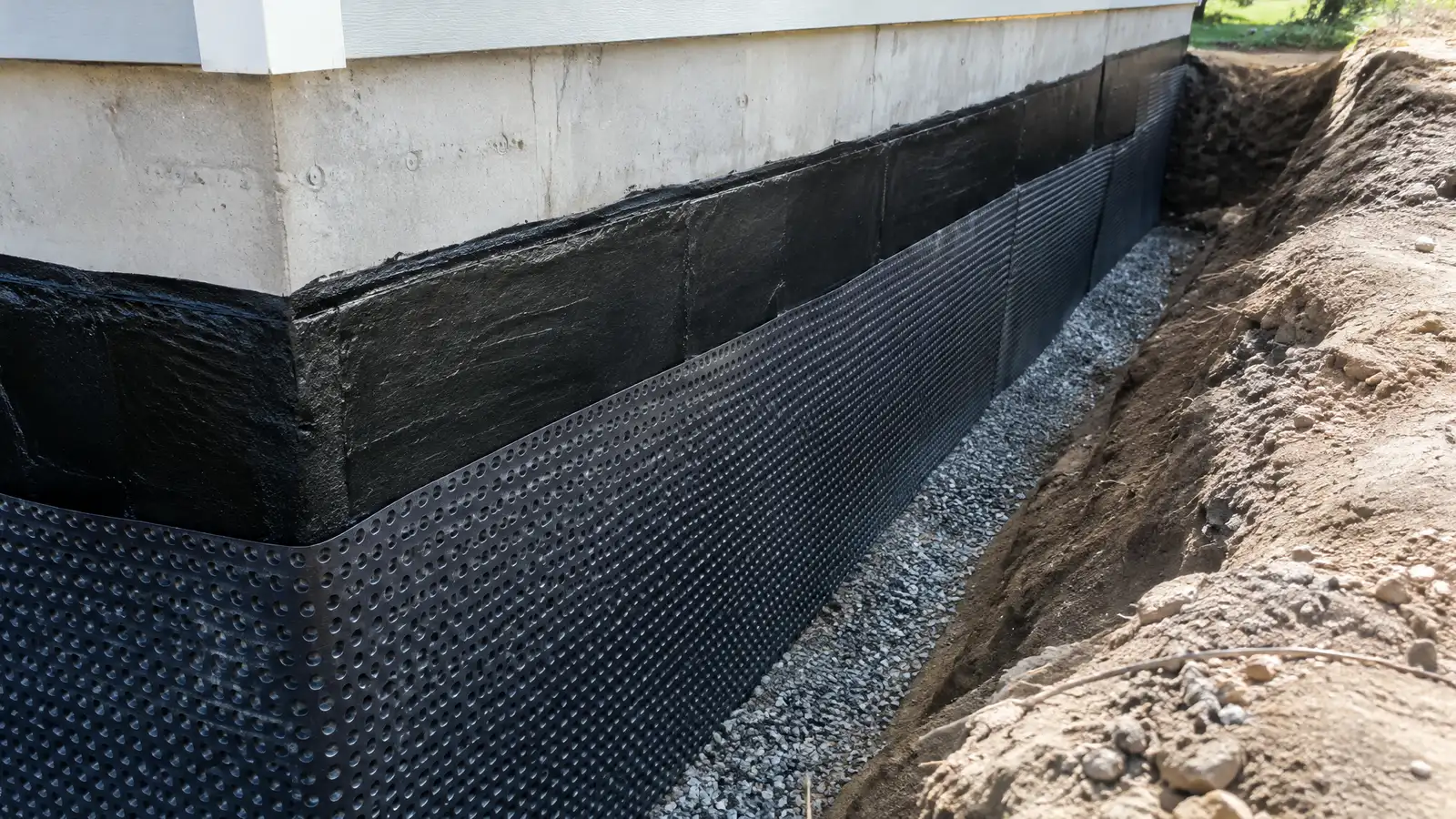 Comparison guideInterior vs Exterior WaterproofingHow interior drains and sump systems differ from exterior excavation and membranes in how they work, access needs…Learn more
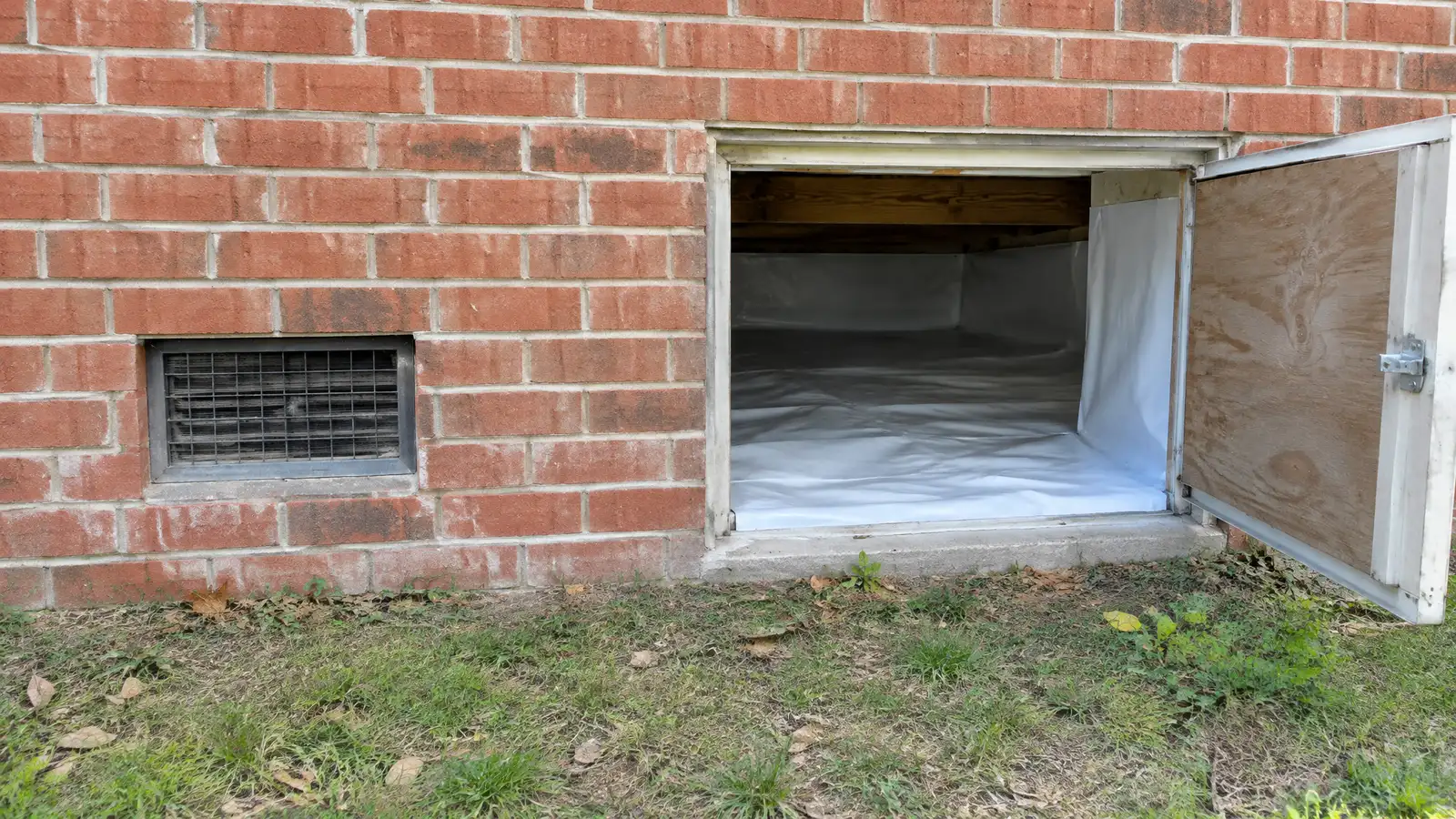 Comparison guideEncapsulation vs VentsHow a sealed, conditioned crawl space differs from a traditional vented one in moisture control, comfort, energy and…Learn more
Call and describe what you see. A specialist will look at the cause, talk through the options and give you a clear written estimate.