Serving Nashville and Middle TennesseeFree Estimate
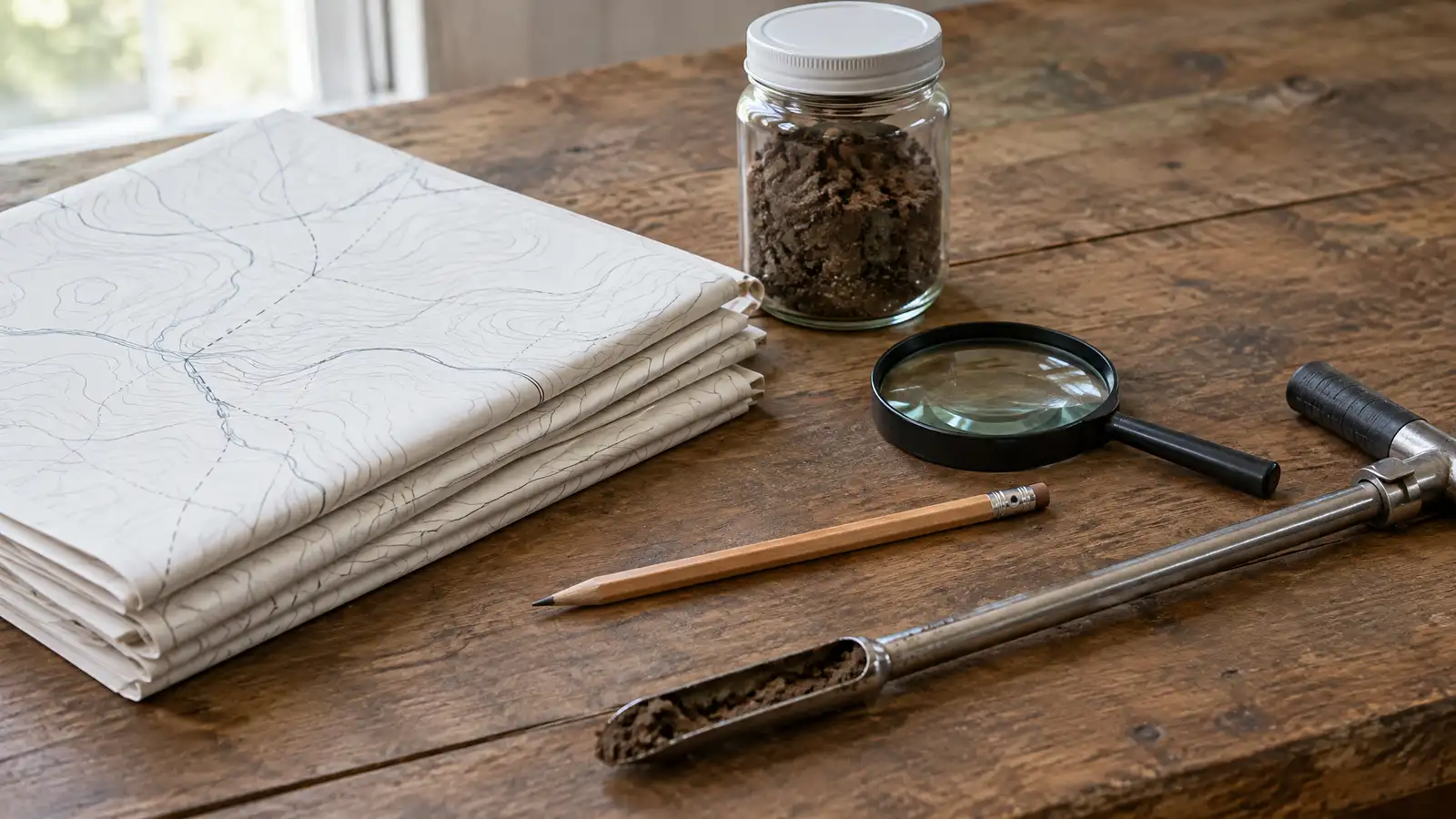
Plain-language information from the US Geological Survey on what sinkholes are, how karst forms and what triggers collapses.
The US Geological Survey, or USGS, publishes educational material on sinkholes and the limestone landscapes called karst where they are common. Its pages explain how water dissolves rock, how voids form and what can trigger a collapse. Middle Tennessee sits on limestone, so owners in Nashville and nearby counties often find this background useful when they notice a dip in the ground.
We are an independent company and are not part of the USGS. Most ground that settles is not a sinkhole, but when a hole opens or a dip grows, it is wise to take it seriously. We explain what to watch for, what to do right away and when to call geotechnical help, and we repair sinkholes and voids after a proper evaluation.
Visit the official USGS website
Studies geology, water and natural hazards.
Water dissolving rock and soil washing into voids.
Limestone regions where caves and sinkholes occur.
Heavy rain, leaks and pumping can start a collapse.
Clear explanations for non-specialists.
Helps owners recognize warning signs.
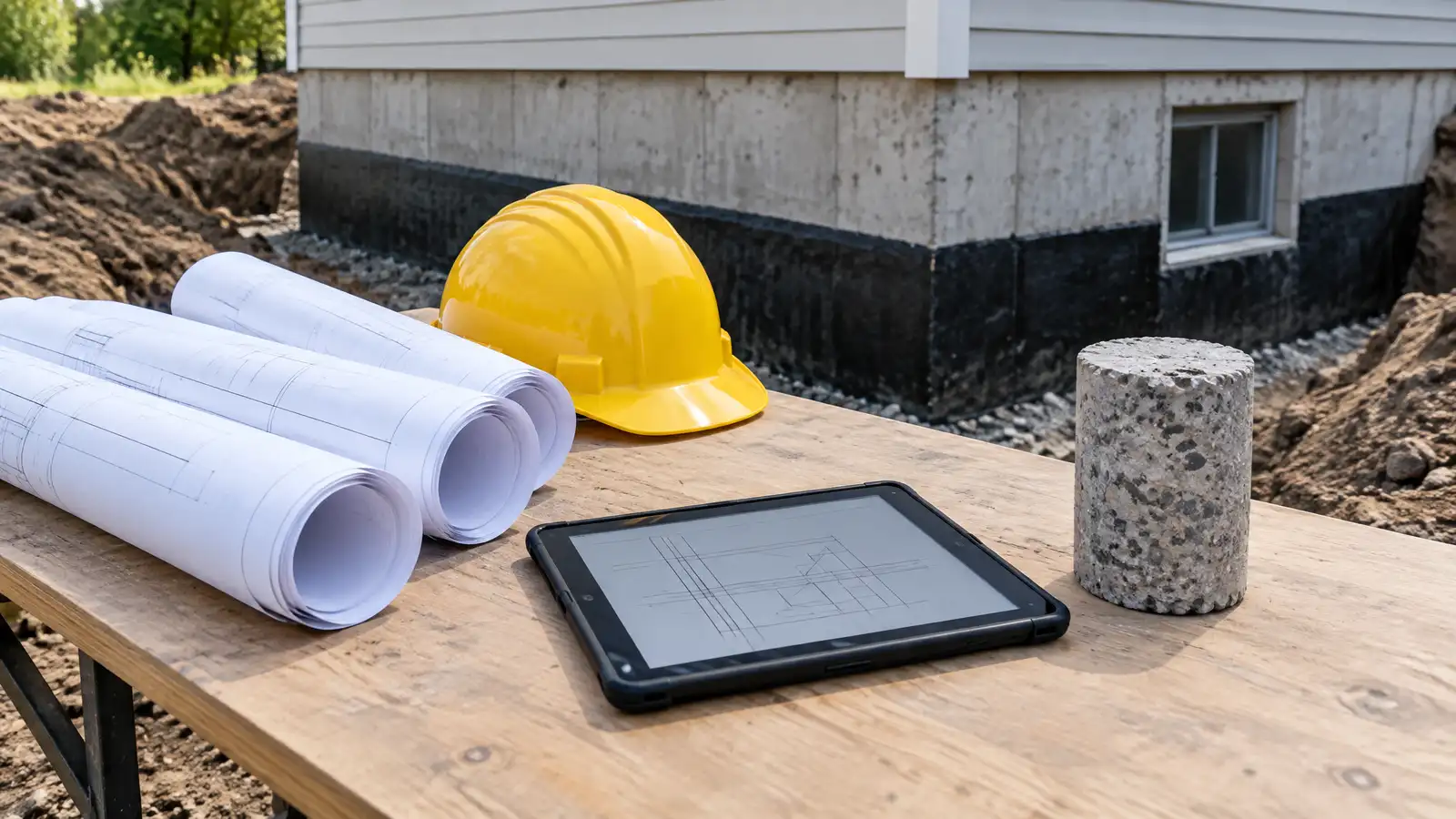 Structural Engineer CoordinationHelp with finding the right engineer, preparing the site and turning an engineer's report into a clear repair…Explore
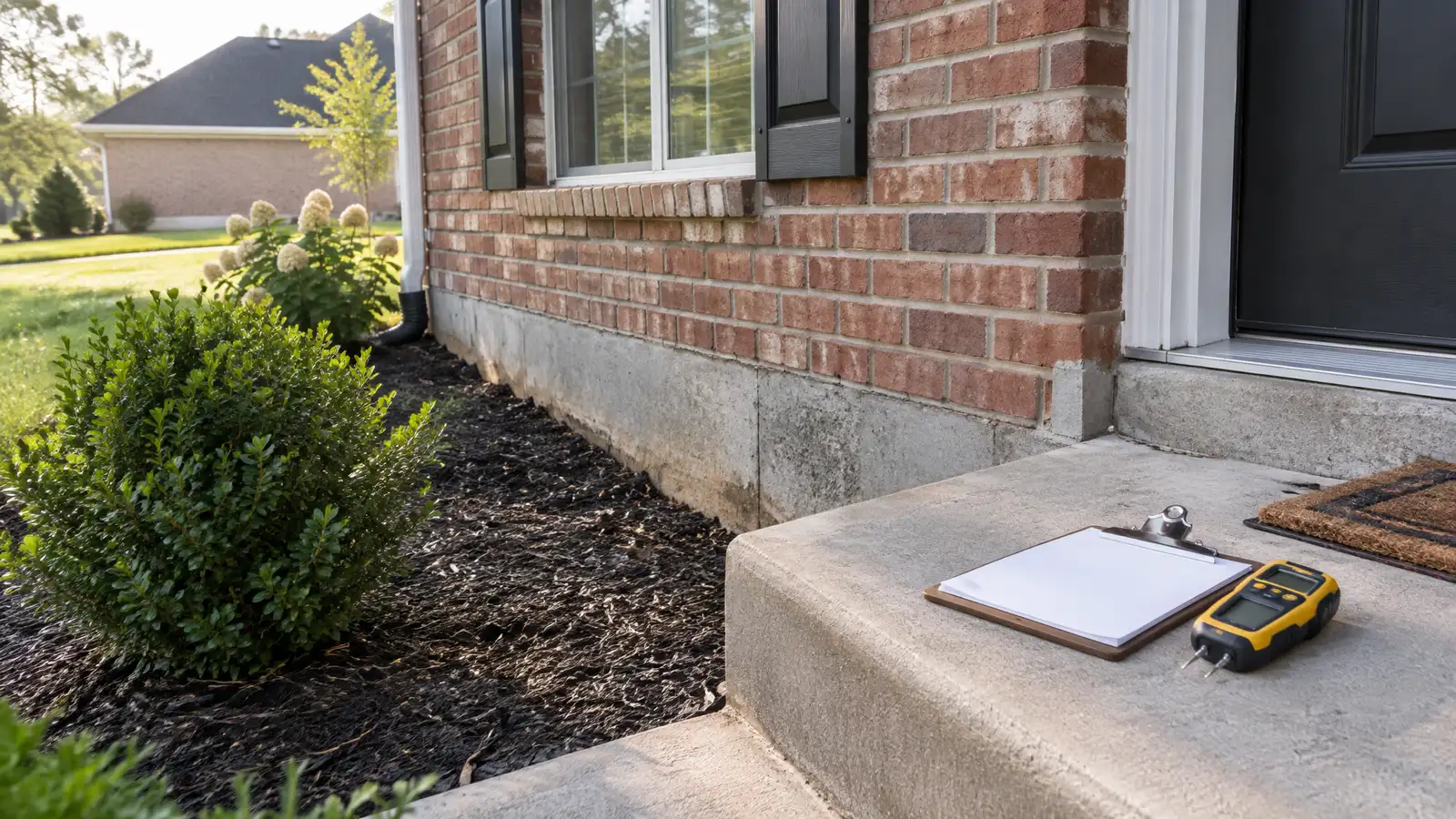 Pre-Purchase Foundation InspectionsA focused foundation check for homebuyers, with clear findings before closing so surprises do not follow you home.Explore
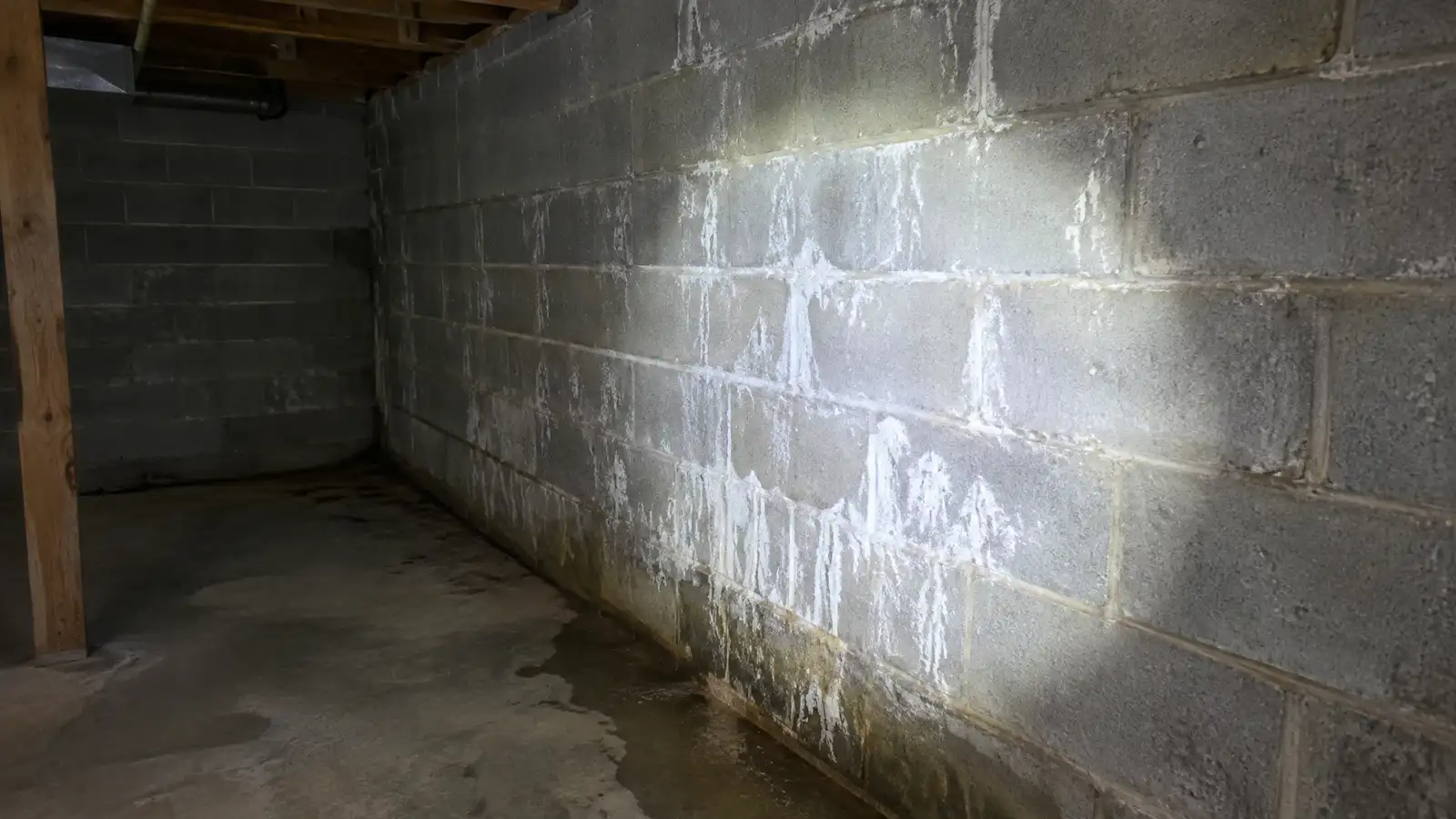 Basement InspectionsA close look at basement walls, floors, moisture and drainage that explains cracks, leaks and odors and points…Explore
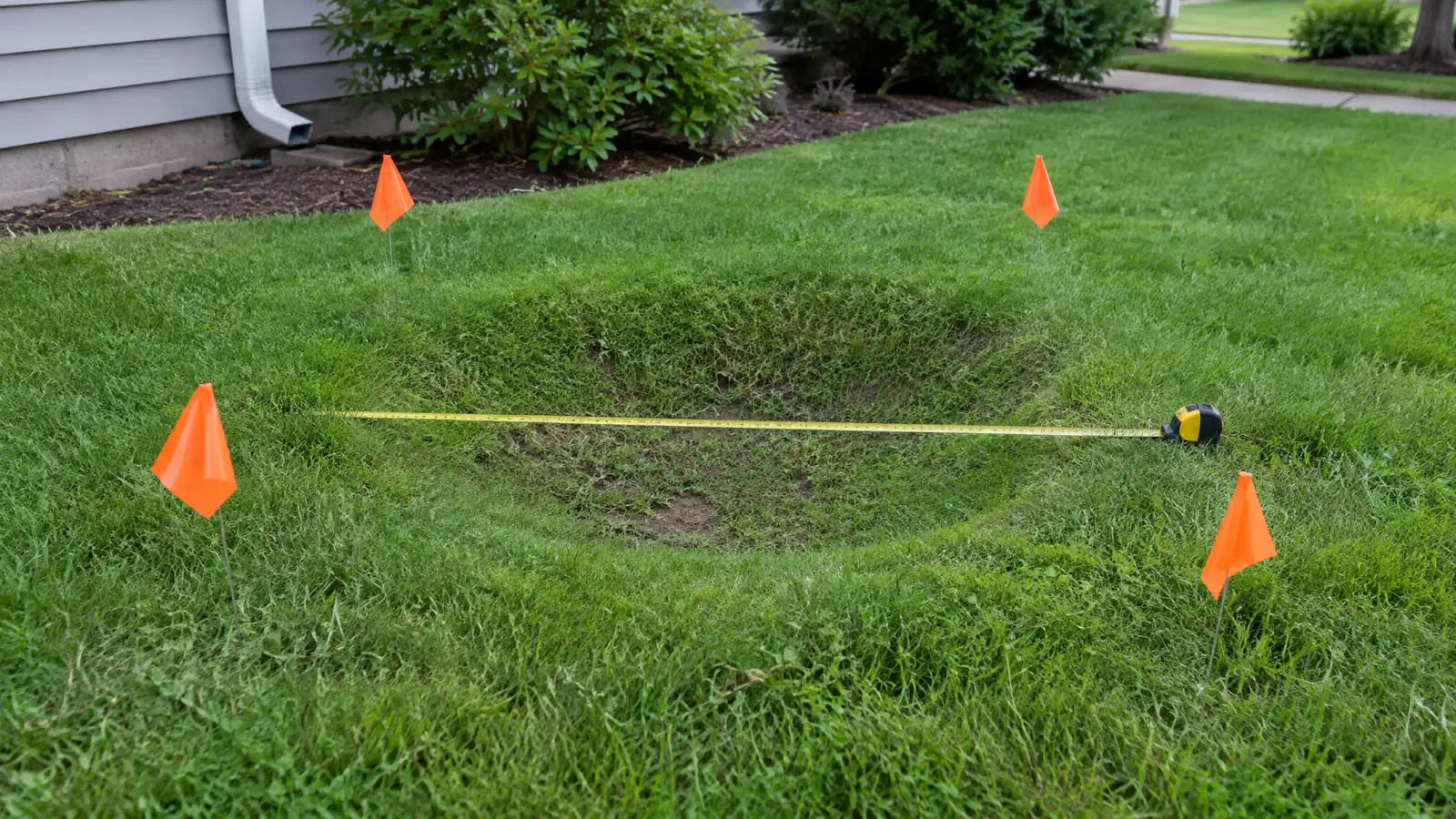 Sinkhole and Void EvaluationsA careful check of sunken ground, depressions and hollow spots near a home, in a region where limestone…Explore
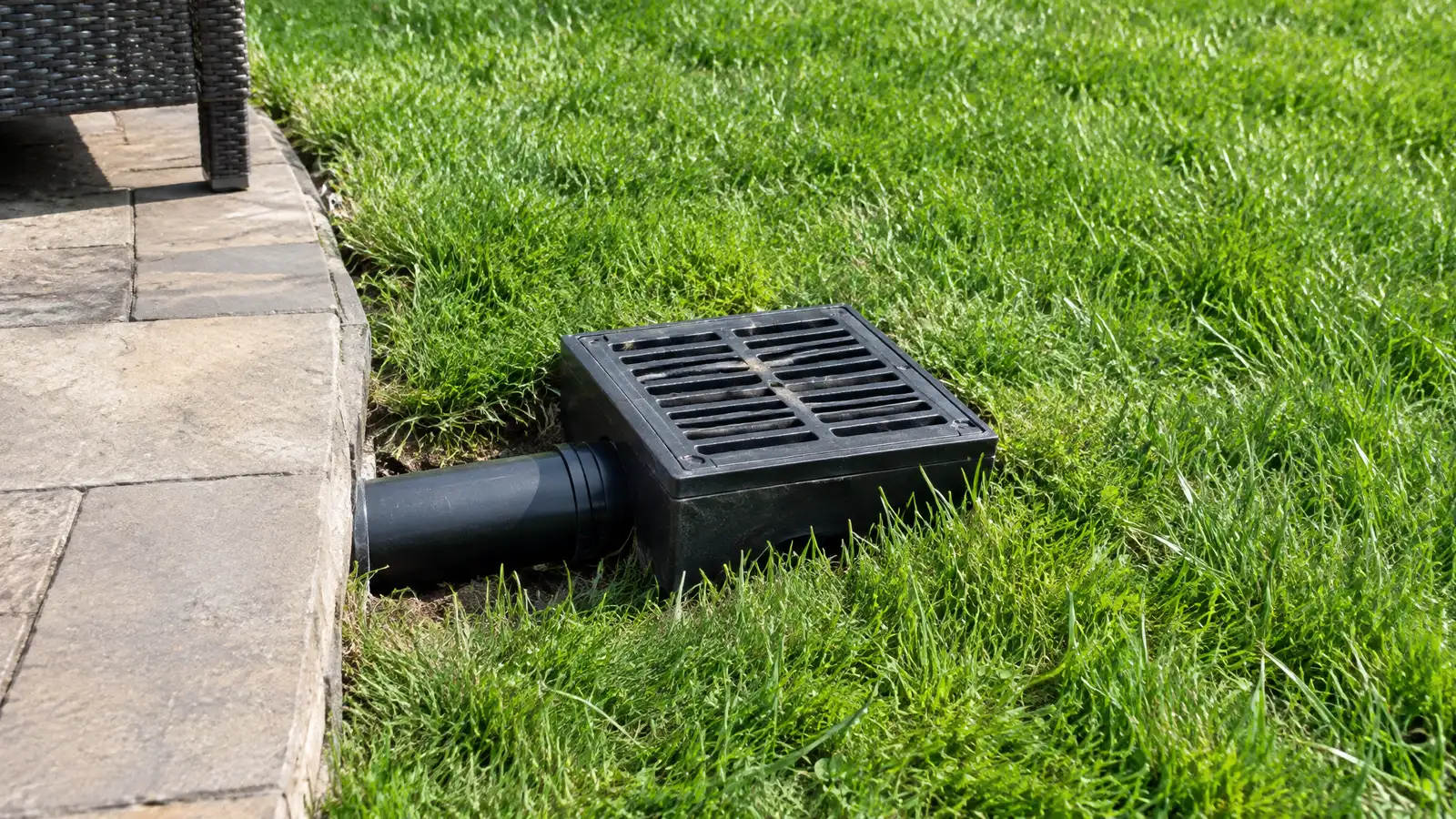 Surface Drains and Catch BasinsGrated inlets and underground pipes that collect rain from low spots, patios and driveways before it can pool.Explore
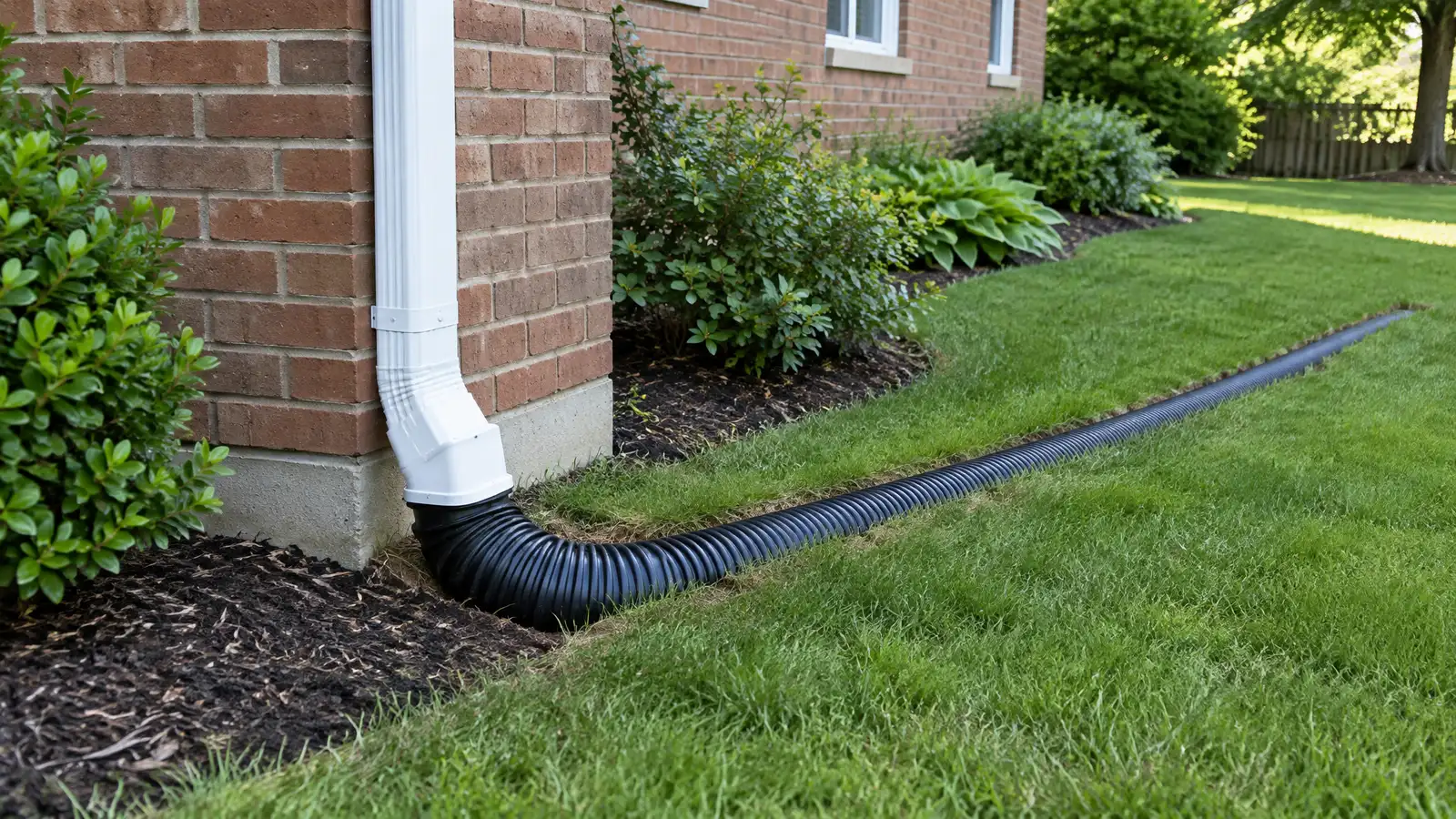 Downspout and Gutter DrainageExtending and burying downspouts and fixing gutters so roof water leaves your foundation zone instead of soaking it.Explore
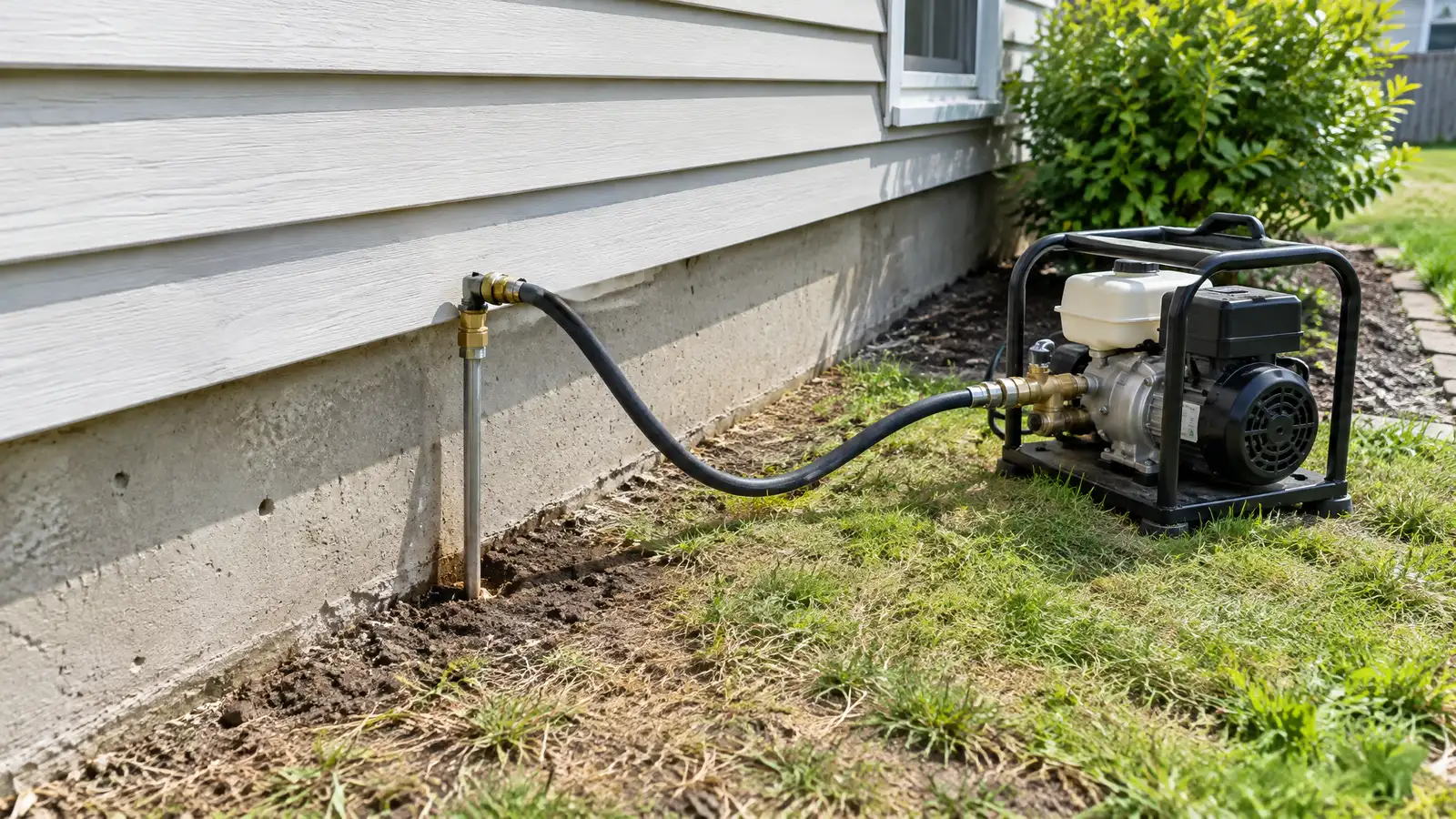 Soil Injection and StabilizationInjecting materials into weak or expansive soil to firm it up, fill voids and reduce movement under a…Explore
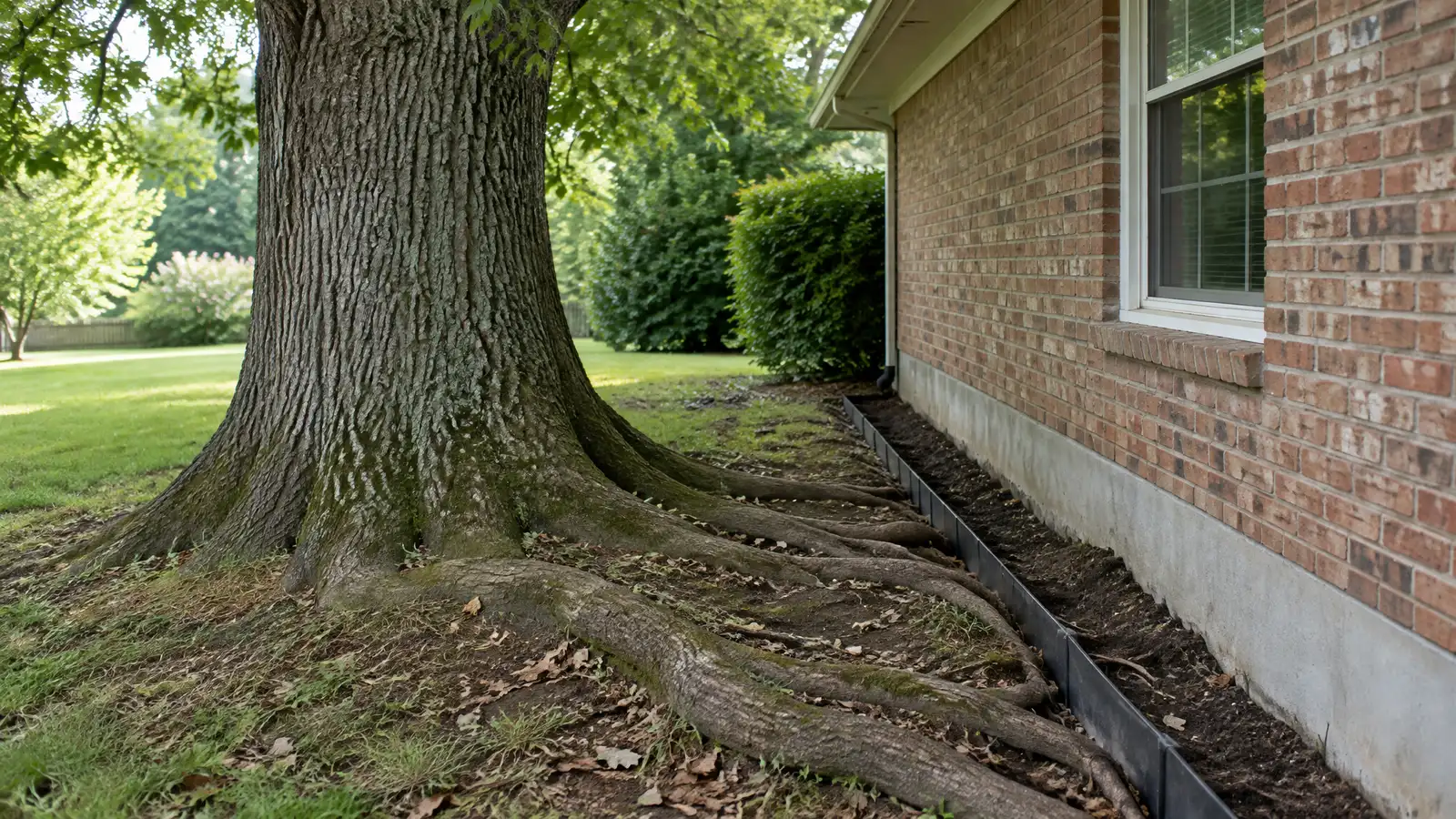 Tree Root and Foundation ProtectionManaging trees and roots near a foundation so they do not dry out clay, lift slabs or push…Explore
Check a warning sign, size a job or ballpark a budget.
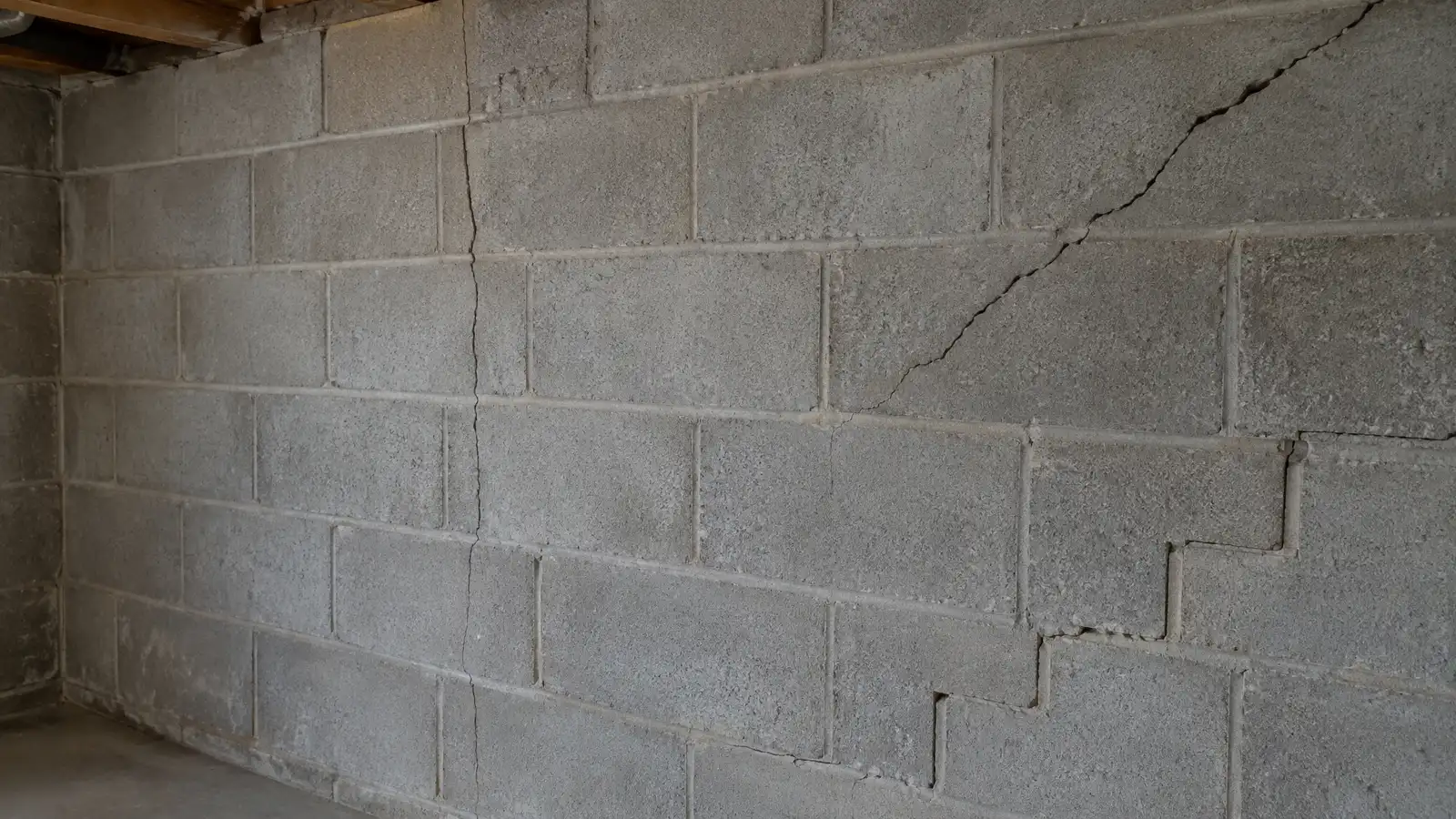 Foundation Problem Checker: What Is Wrong?Pick what you see in your walls, floors, basement, crawl space or concrete to get likely causes, what to try first and the service page that fits.Try it
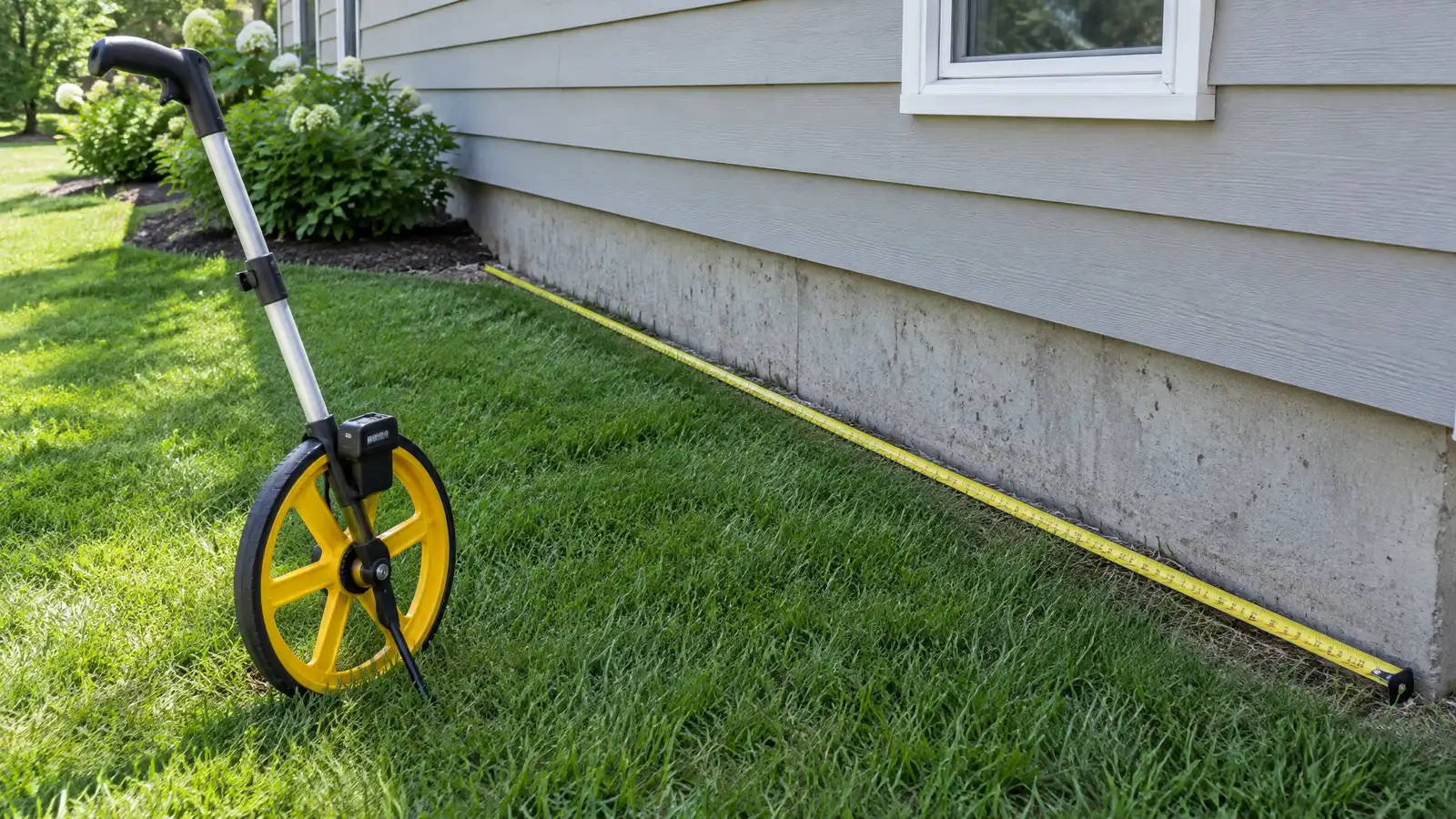 Foundation Job Size CalculatorEnter your measurements to see piers, crack length, drain footage, crawl space liner area and slab area to plan for.Try it
 Foundation Repair Budget PlannerPick a foundation, waterproofing, drainage or concrete job, set the quantity and add extras to see a ballpark planning range. Placeholder values only.Try it
Karst areas are widespread in the region, and many properties never see a sinkhole. Evaluate any new depression carefully.
Keep people and animals away, divert water if it is safe and call for help. Our sinkhole pages explain more.
No. We are a private company and are not part of the USGS. Officials make the decisions, and we help you understand the process and prepare information.
 ResourceASCEA professional society for civil engineers that publishes standards, research and public information on structures, soils and infrastructure.Learn more ResourceACIA technical society that develops concrete standards, publications and education used by designers, contractors and inspectors.Learn more ResourceCFAA trade association for contractors who build cast-in-place concrete foundations, with education, publications and industry updates.Learn more ResourceICCThe organization that develops the model building codes many states and cities adopt, including residential and building codes.Learn more
Call and describe what you see. A specialist will look at the cause, talk through the options and give you a clear written estimate.