Why concrete sinks
Concrete itself is rarely the problem. The soil under it washes out, compacts or settles, leaving empty space, and the slab sinks into it. Poor compaction, leaking pipes, downspouts and erosion are common causes.
Fixing the water matters as much as fixing the slab.
Sound the slab by tapping with a hammer. A hollow sound can mean a void under it.
When lifting makes sense
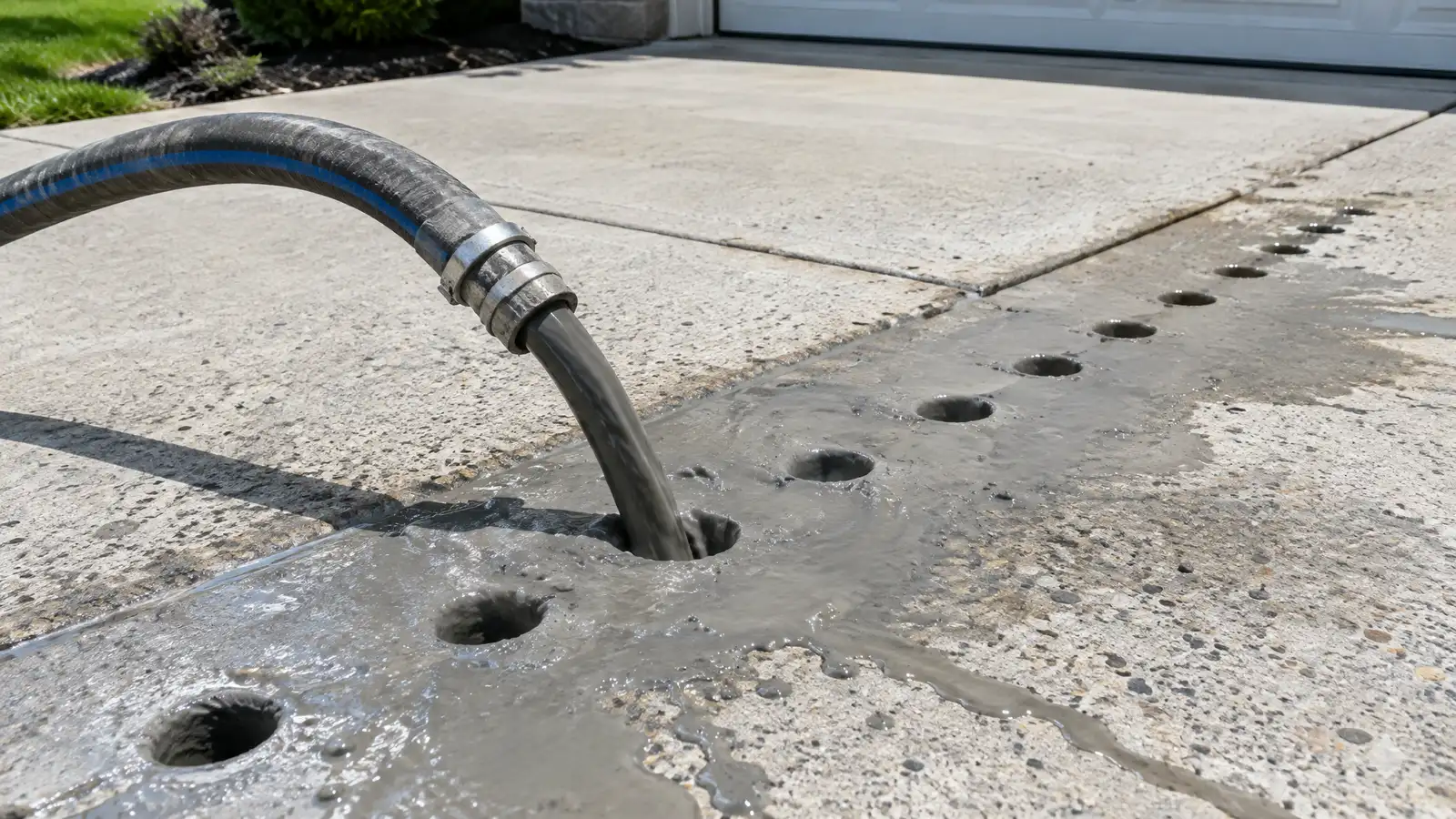
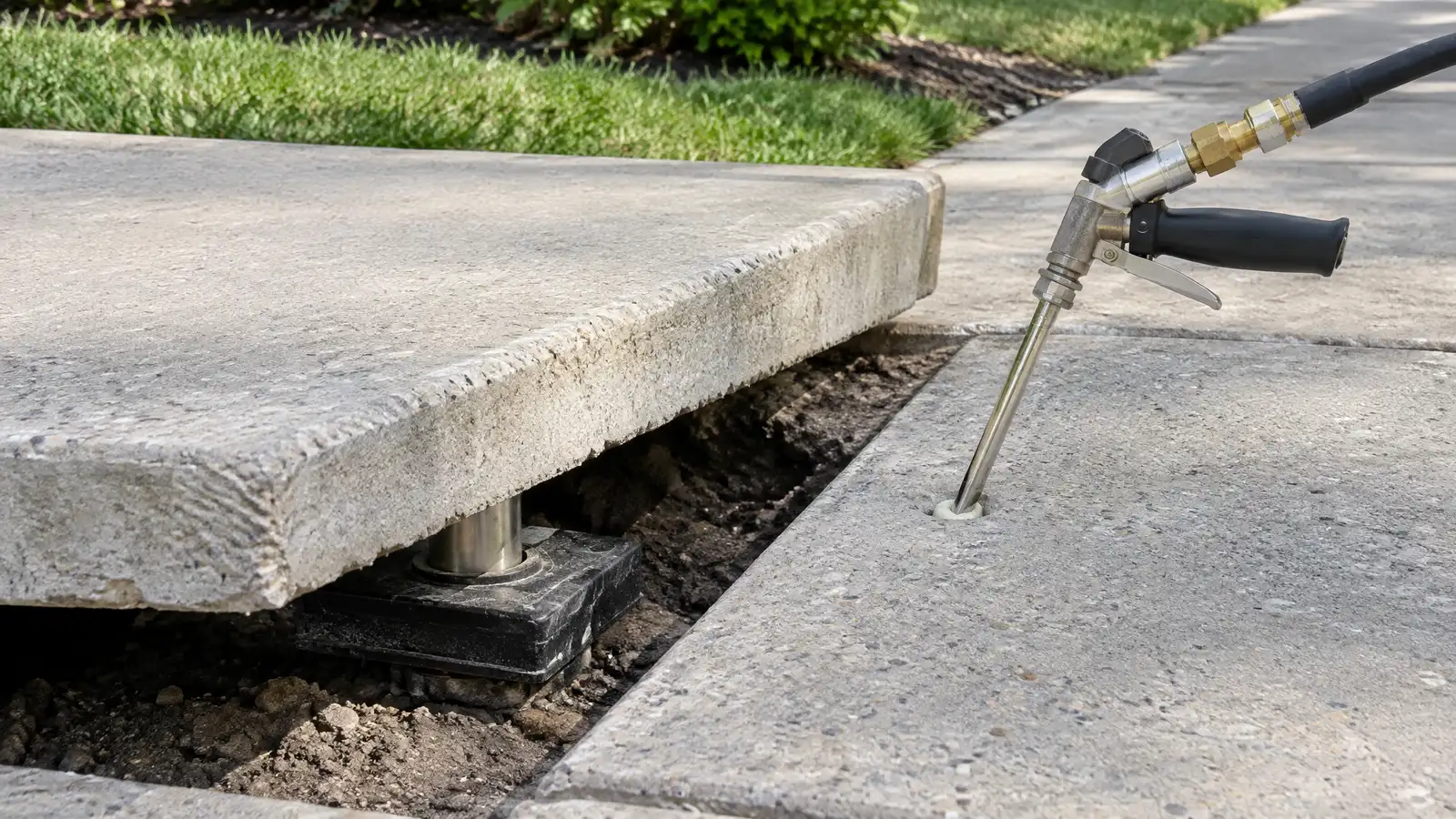
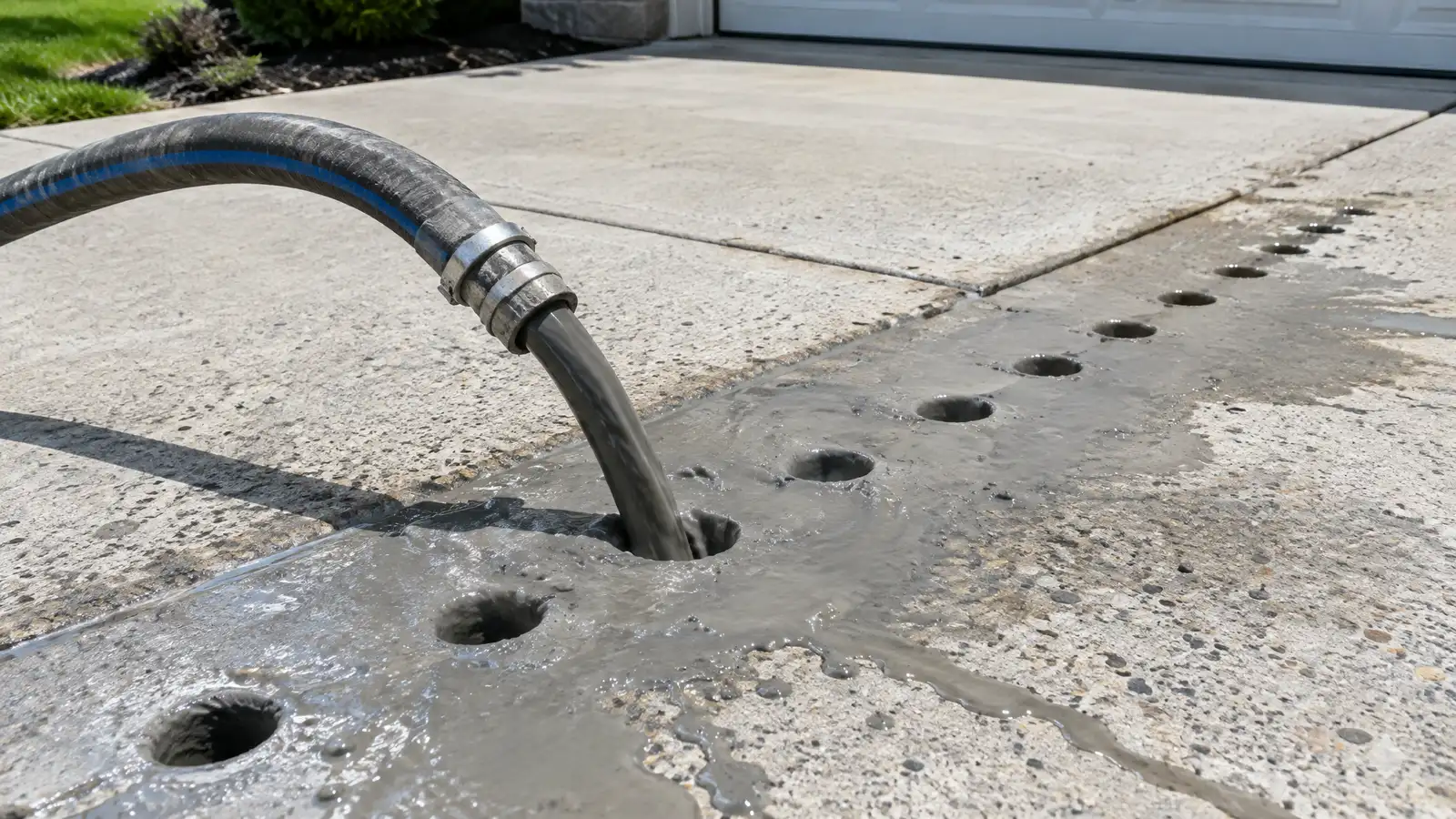
Slabs that are mostly whole, with cracks that are not crumbling, are good candidates for lifting. Foam or slurry fills the void and raises the slab, usually in a few hours.
Lifting is quick, tidy and typically less disruptive than replacement.
Seal cracks soon after lifting. Water that gets under a slab causes new voids.
When to patch
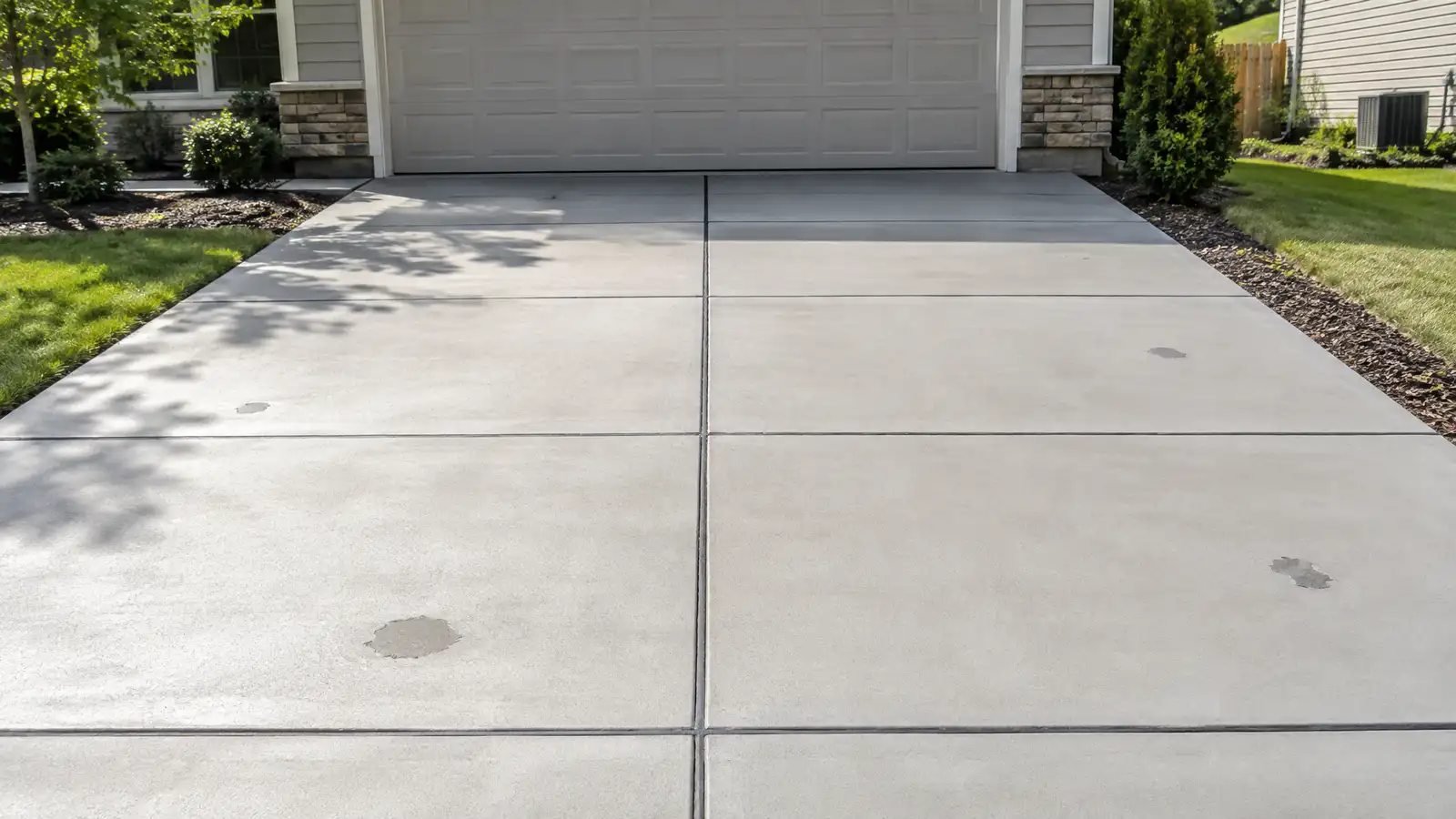
Small cracks and edges can be sealed or patched to keep water out and prevent growth. Sealing is part of most lifting jobs.
Patching alone does not fix a sunken slab.
A thin or crumbling slab is a candidate for replacement. Ask about thickness and base.
When to replace
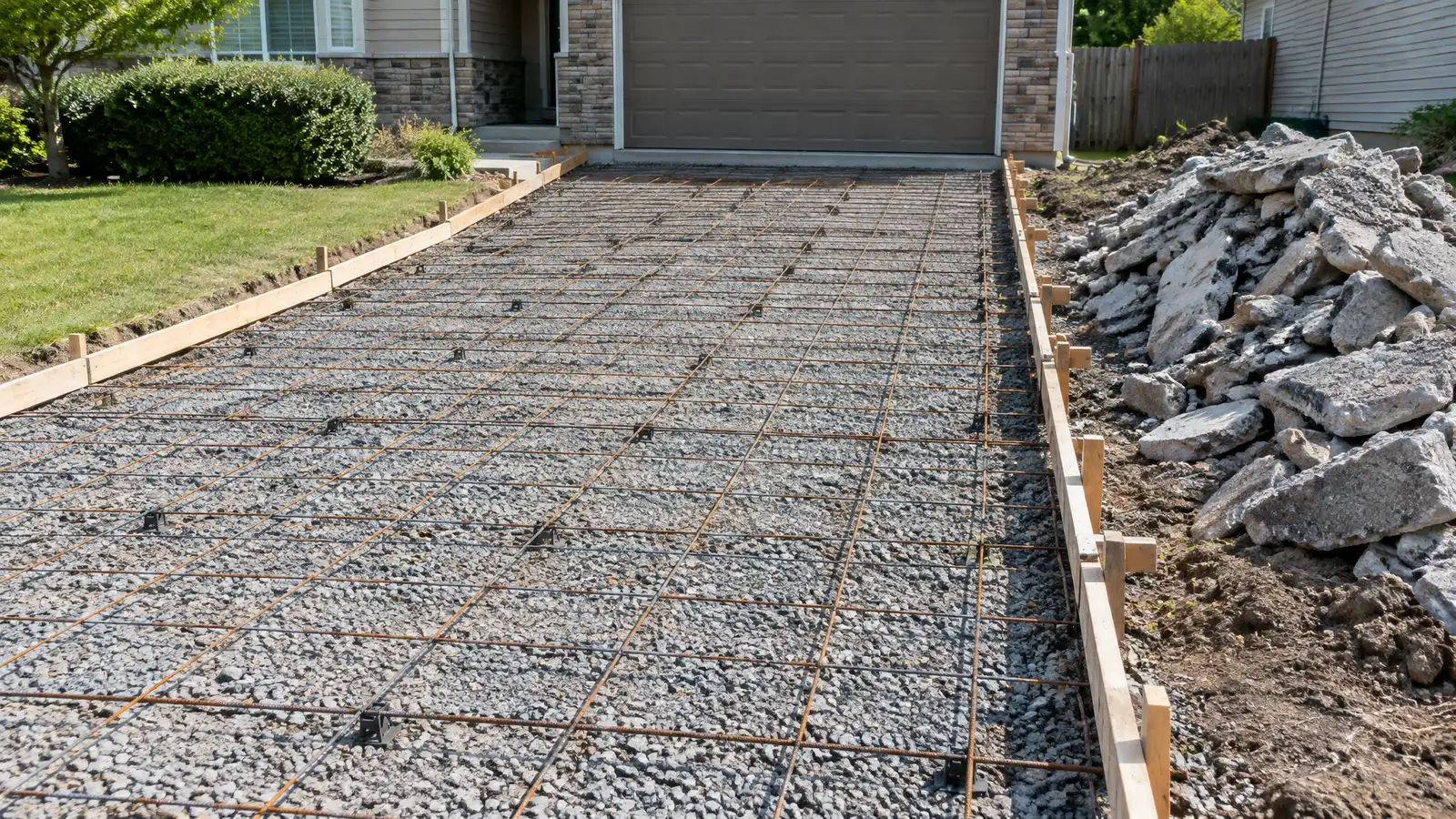
Slabs that are shattered, crumbling, badly heaved or too thin to lift are better removed and replaced with a proper base, steel and joints.
Replacement is a chance to fix the cause and correct slope.
When replacing, ask about the base, steel, joints, slope and curing.
Keeping it from sinking again
Send downspouts away, regrade low areas, fill voids, manage tree roots and fix leaks. A slab that stays on firm, dry soil stays level.
Check the edges once a year and seal cracks as they appear.
Consider tree roots and downspouts. They are common causes of repeat settlement.
Lift a sound slab, replace a broken one and always fix the water that caused the problem.